ENTRETIENDans un grand entretien au « Monde », l’archéologue Stéphen Rostain explique à quel point l’Amazonie a été transformée par les #Amérindiens durant des millénaires, et pourquoi cet héritage, qui s’est discrètement inscrit dans le paysage, est ignoré, afin de poursuivre l’exploitation de ces territoires jusqu’à leur destruction.
Stéphen Rostain est archéologue. Directeur de recherche au Centre national de la recherche scientifique (CNRS) dans le laboratoire #Archéologie des Amériques, il a longtemps vécu et travaillé en Guyane et en Equateur, où il a dirigé plusieurs programmes interdisciplinaires et internationaux. Ses travaux ont radicalement changé le regard que l’on avait sur le monde précolombien d’Amazonie. Il s’est particulièrement intéressé à l’analyse du paysage à travers une approche faisant appel à l’écologie historique. Sous ses dehors sauvages, l’Amazonie est en fait une terre « domestiquée », rappelle-t-il.
Baroudeur empruntant le plus souvent des chemins accidentés, imprévus, Stéphen Rostain est l’auteur d’une trentaine de livres pour moitié scientifiques et l’autre moitié à destination du grand public. Ses ouvrages les plus récents sont Amazonie, l’archéologie au féminin (Belin, 2020), qui a reçu le Grand Prix du livre d’archéologie, et La Forêt vierge d’Amazonie n’existe pas (Le Pommier, 268 pages, 23 euros), paru cette année. Il revient pour Le Monde sur son engagement et sa profonde admiration pour ces peuples amérindiens qui ont toujours vécu en interaction avec leur milieu naturel. Un milieu qui fait face, insiste-t-il, à une destruction systématique menée, depuis trois siècles, par les sociétés occidentales.
Le titre de votre dernier ouvrage précède-t-il son écriture ?
Oui, peut-être ! Ce livre est le résultat de trente-cinq ans de recherches. A chaque fois que je dis faire de l’archéologie en Amazonie, on me demande systématiquement la même chose : mais que trouvez-vous ? Cette question me laisse pantois, car elle fait forcément référence à ce que l’on trouve ailleurs. On est dans une admiration sans borne des cultures de la pierre, que l’on compare forcément à nous.
Prenez les Incas ou les Mayas avec leurs édifices et leurs temples, ils ont fini par être perçus comme étant « presque » aussi civilisés que nous, non ? De fait, nous vivons dans un monde tellement urbanisé depuis le Moyen Age que nous avons confiné la civilisation entre les murs, et la sauvagerie, dans la forêt. Notre société naturaliste a séparé d’une barrière infranchissable le monde sauvage du monde citadin et civilisé. Entre les deux, il y a la campagne, qui n’est ni tout à fait sauvage ni tout à fait civilisée, une espèce de purgatoire de la civilisation. Cette frontière est fondamentalement inscrite dans nos gènes.
Les Occidentaux ne comprennent pas, par exemple, que les indigènes « parlent » avec les tapirs et les jaguars. Et pourtant, ne faisons-nous pas la même chose avec nos chats et nos chiens ? Nous pensons qu’ils comprennent, qu’il y a un échange et de l’amour, non ? Et bien, c’est exactement la même chose avec les Amérindiens, sauf que les animaux ne sont pas domestiques, ils sont sauvages.
Le constat c’est ça : une physicalité, une apparence différente, mais une âme comparable. L’Amazonie, c’est ce paradoxe permanent et hermétique à notre compréhension. C’est ça que j’ai voulu transmettre, d’une manière peut-être différente d’un énième essai sur la déforestation.
Parce que l’urgence n’a jamais été aussi manifeste ?
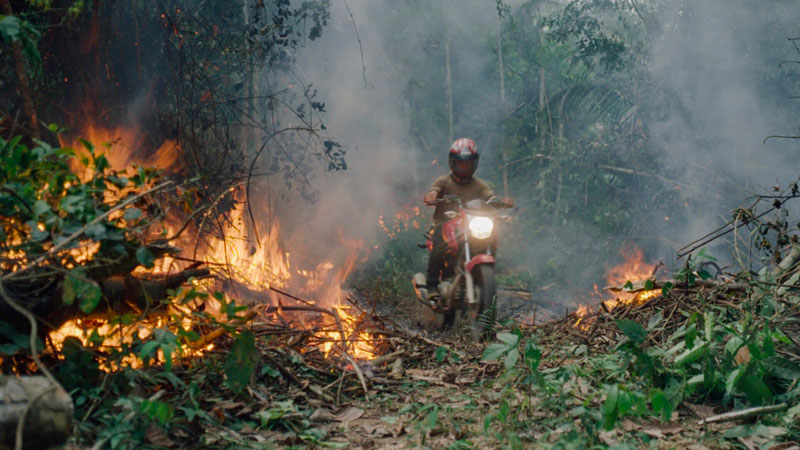
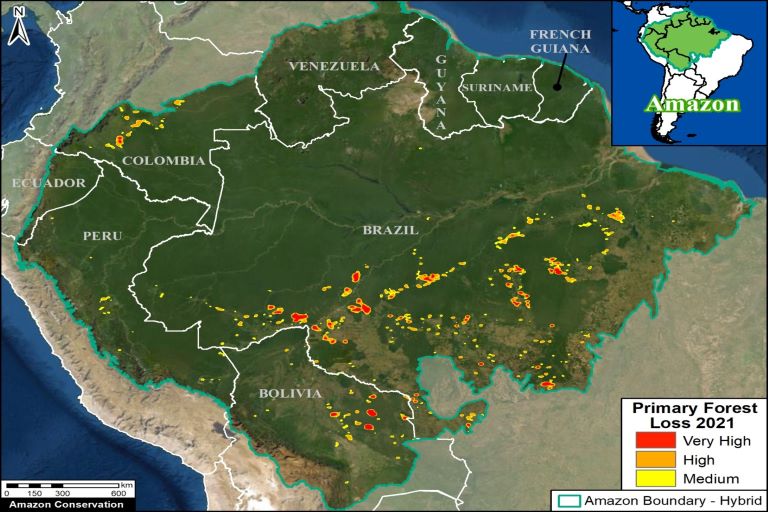
On le dit depuis près de quarante ans, mais l’Amazonie est vraiment au bord du précipice. Malade, affaiblie, exsangue, elle n’a plus sa vitalité d’autrefois. Dans certaines régions du sud et de l’est, la forêt amazonienne rejette plus de carbone qu’elle n’en absorbe. Près de 20 % de sa couverture a disparu en un siècle. Or, l’argument utilisé pour la détruire a toujours été le même, et ce, jusqu’à aujourd’hui : puisqu’elle est vierge, elle ne produit rien, elle est inutile, on peut donc y aller sans retenue.
Dans ce livre, j’ai essayé d’inverser la proposition : l’Amazonie est culturelle, elle est anthropisée et domestiquée. J’ai abordé cet état de fait dans mes précédents ouvrages mais, cette fois-ci, je me suis davantage engagé parce que nous devons être plus militants et arrêter de prendre des pincettes, surtout face à ceux brandissant des tronçonneuses !
Après quarante années passées dans le milieu scientifique, j’ai appris que les chercheurs ne sont pas forcément les meilleurs déclencheurs d’alerte, en tout cas sur les questions écologiques. Il y a une certaine frilosité à s’impliquer et à donner des informations définitives. La langue du bon scientifique reste le conditionnel. Et c’est cette timidité à affirmer les choses qui donne une espèce de brume au lecteur. Plutôt que d’en rester à un constat d’échec sur le grave état de santé de l’Amazonie, il nous faut donc urgemment comprendre les divers usages qui ont été faits de cette nature sylvicole et s’ouvrir les horizons face à la chronique habituelle d’une mort annoncée.
C’est un plaidoyer ?
Oui, ou plutôt un cri pour signifier qu’il y a deux façons de faire et que la nôtre est mauvaise. Notre attitude est inconséquente et irresponsable, alors que nous nous plaçons nous-mêmes dans une responsabilité vis-à-vis de ces peuples considérés à tort sauvages et irresponsables !
En quoi est-ce si important pour sa préservation de savoir que l’Amazonie était occupée par des hommes il y a plus de 13 000 ans ?
C’est important pour plusieurs raisons. En premier lieu, reconnaître qu’il y a un peuplement ancien, aussi vieux qu’ailleurs. Jusqu’à aujourd’hui, l’Amazonie est perçue comme une terre sans histoire, une simple aire géographique et non culturelle, où les Amérindiens ne sont qu’un détail de cette non-histoire. Prendre conscience de cette obsession de la stérilité tropicale qui a prévalu pendant des siècles est indispensable pour mettre en branle le statu quo et agir sur les décideurs.
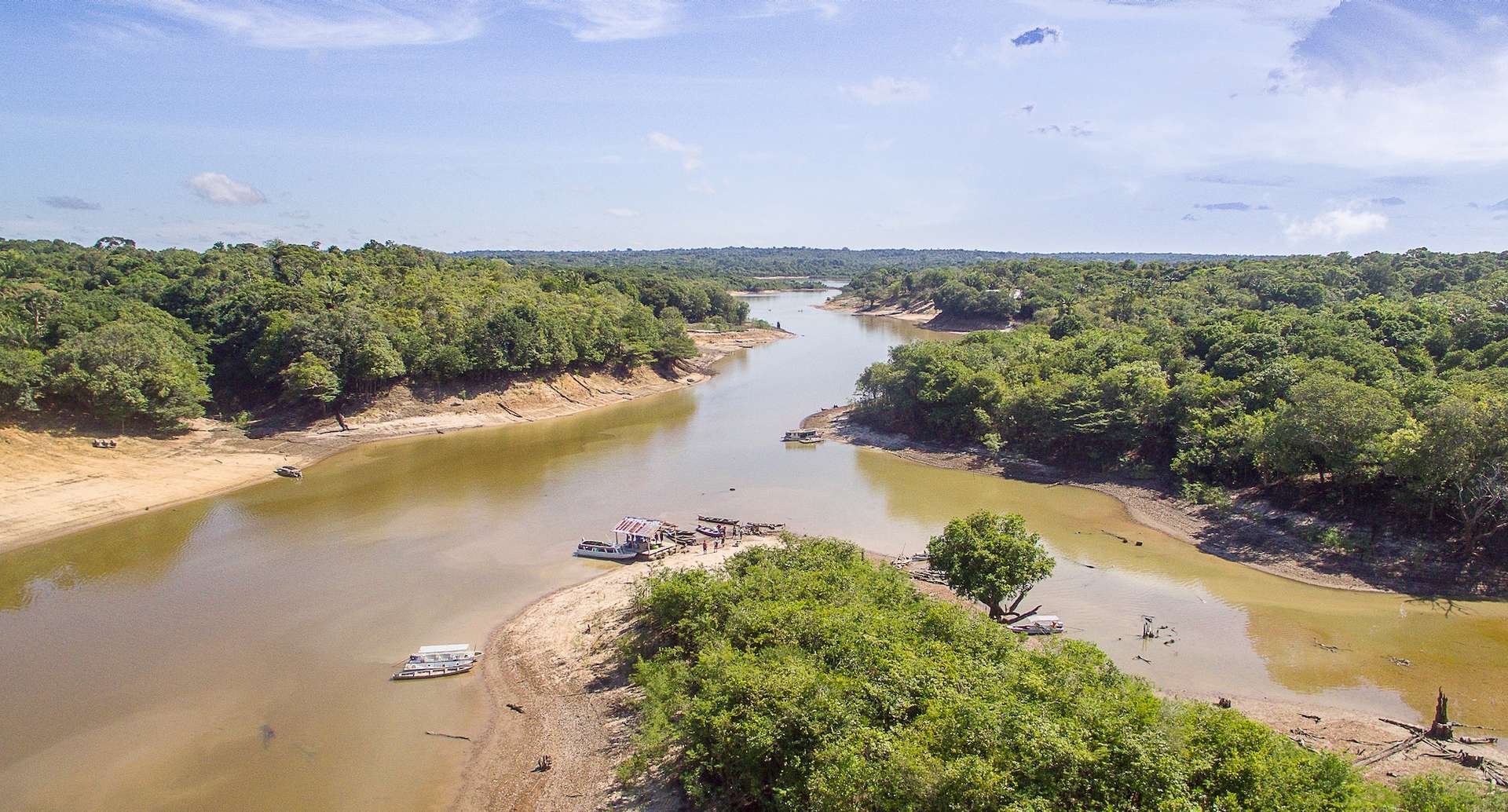
L’intervention humaine en Amazonie a commencé dès les premiers peuples paléolithiques. Ils ont manipulé des espèces végétales, ils se sont installés, déplacés, organisés. Au cours des siècles, des milliers de personnes se sont regroupées dans différentes régions d’Amazonie. Certains villages occupaient une surface de plus de 300 hectares. Il faut réellement imaginer cet immense bassin de 7 millions de kilomètres carrés comme un vaste marché, avec ses réseaux, ses bourgades et ses agglomérations, ses foires aussi où l’on venait échanger les produits de la pêche, les piments, les meilleurs curares, les outils, les céramiques, les arcs, etc.
Des géoglyphes à Fazenda Paraná, dans la région de l’Acre (Brésil). Ils auraient été creusés à l’aide d’outils en bois ou en pierre à des fins de cérémonies, pour certains il y deux mille ans. MAURICIO DE PAIVA
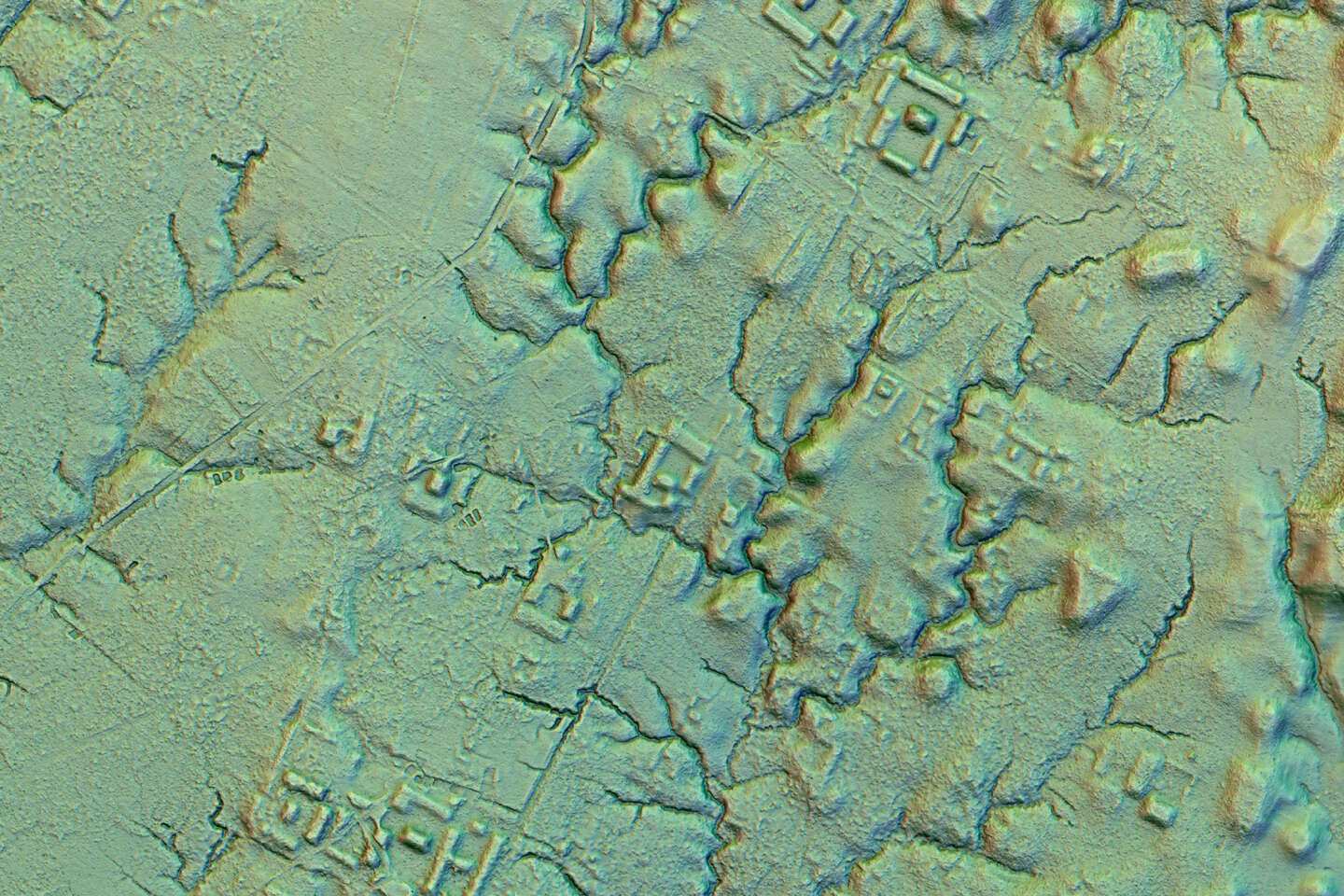
Oui, l’Amazonie précolombienne était traversée de routes permanentes et de tertres, de canaux, de fossés entrecroisés, de digues contenant des bassins et des réservoirs, des champs surélevés de toutes formes, dimensions et agencements possibles. Une terre à l’héritage architectural difficilement perceptible au premier regard, mais indéniable. Une aire gigantesque aux identités fortes, occupées par des populations diverses, parlant plus de 300 langues indigènes différentes et sans frontière physique aucune.
C’est ce passé culturel impressionnant qui a débordé la simple échelle humaine, impactant et transformant les paysages. Ceux-ci ont été pollués par la présence humaine, mais pollués sans destruction. Ils sont devenus métis entre nature et culture, et, malgré cette pollution, ont gardé leurs pouvoirs de tempérance et de climatologie. L’Amazonie est ainsi restée pendant des siècles un acteur essentiel d’équilibre écologique mondial. Un milieu dans lequel les Amérindiens se sont intégrés tout en cohabitant parfaitement, sans tronçonnage ni tractopelle. En cela, ils nous montrent que les humains peuvent vivre avec la nature, dans un profit mutuel. N’est-ce pas un modèle d’espoir et un formidable exemple pour l’agriculture de demain ?
Vous parlez aussi de « paradoxe amazonien »…
Oui et même de damnation amazonienne ! Les Amérindiens étaient tellement bien intégrés et tellement en interaction intime avec la nature qu’on ne voit pas leurs traces. Cette force est devenue leur faiblesse. Qu’a dit l’Europe pendant la colonisation ? Puisque vous n’avez pas pu faire fructifier ces terres, vous n’en êtes pas propriétaires. Nier toute mise en culture notable de l’Amérique par les Amérindiens justifiait de leur refuser le statut de propriétaire des sols. En d’autres mots, laissez-nous faire. Le schéma n’a depuis pas changé, la mauvaise foi a perduré, et le résultat s’affiche, là, de manière effrayante et déplorable, devant nos yeux.
Un des éléments centraux de votre livre est la « terra preta », terre noire en portugais, découverte il y a moins d’un demi-siècle. Expliquez-nous…
Les Amazoniens ont concocté un sol artificiel en quelque sorte magique. Cette « terra preta », née des activités et rejets humains, n’est pas banale. C’est un sol composite, sombre et fertile, associé à des restes d’implantations, enrichi des débris d’occupation, du charbon et des cendres. Cette terre si particulière est la résultante d’occupations longues ou successives. Après des décennies d’études, elle continue d’intriguer. L’histoire même de ce sédiment hors norme est proprement fascinante : elle forme l’héritage direct des populations précolombiennes.
On a longtemps pensé qu’il ne restait pour ainsi dire rien de ces peuples qui construisaient leurs bâtiments de bois et feuillages. C’était faux. Les Amérindiens ont clairement exercé une action déterminante sur l’environnement. Bien que le concept de propriété des terres soit absent du monde amérindien, l’espace sous le contrôle d’un groupe amazonien a toujours été minutieusement organisé et géré. Ils ont transformé l’Amazonie de manière beaucoup plus intensive que supposée auparavant : le couvert végétal, la nature des sédiments ou même le modelé des sols.
En ce qui concerne la « terra preta », les fortes pluies tropicales ont créé un lessivage puissant qui a enfoui les charbons et les nutriments, produisant un phénomène étrange. Il semble qu’elles contaminent alors le sol indemne, en le transformant à son tour en « terra preta ». La ténébreuse fertilité artificielle s’étend progressivement et naturellement.
Cette terre améliorée offre un potentiel appréciable pour le cultivateur. Bien avant l’arrivée des Européens, les autochtones y avaient planté du manioc et du maïs, ainsi qu’au moins trente espèces utiles, tant alimentaires que médicinales ou autres. Les savants estiment que la superficie totale de « terra preta » couvre 0,3 % du bassin de l’Amazone. Ce n’est pas rien ! C’est même absolument exceptionnel, un travail de titan.
La découverte récente de milliers de champs surélevés est-elle pour vous tout aussi fascinante ?
Oui, les Précolombiens ont édifié des buttes dans les savanes inondables afin de cultiver en drainant l’excès d’eau. Ces champs surélevés montrent comment les premiers peuples d’Amazonie combinaient savoir ancestral, astuce, efficacité et capacité d’interaction. Ces monticules souvent alignés avec une incroyable régularité métronomique fonctionnaient comme des écosystèmes efficaces. Agriculteurs et géomètres de génie, ils mesuraient tout, au point parfois d’être dans la totale démesure en construisant des damiers de terre gigantesques, non seulement fertiles mais aussi, une fois de plus, camouflés dans le paysage et l’environnement. Avec le matériau le plus modeste qui soit, la terre, ils ont créé des merveilles monumentales.
Ces agriculteurs-bâtisseurs ont disparu d’un coup, pourquoi ?
Pourquoi les habitants de l’île de Pâques ont-ils disparu ? Pourquoi les Mayas se sont-ils effondrés ? Ce sont des mystères difficiles à évaluer. Ici, en Amazonie, on est dans des paysages particuliers, des paysages de savanes inondables et donc très sensibles aux variations climatiques. On s’est aperçu que, entre 1000 et 1200, voire 1400 de notre ère, il y a de grandes transformations dans tout le bassin amazonien, avec des gens qui circulent dans tous les sens, des groupes qui apparaissent, d’autres qui disparaissent. On voit aussi des légères modifications climatiques qui coïncident avec la conquête européenne. On pense qu’il y a eu un peu plus de pluie en basse Amazonie, sur la côte des Guyanes. Et, si le niveau de l’eau augmentait dans les marais, les buttes devenaient inutilisables. En tout cas, la technique des champs surélevés s’est lentement éteinte peu avant ou aux alentours des premières années de la colonisation.
Ensuite, l’Amazonie a été pénétrée par les colons, qui violèrent ses fleuves et semèrent la mort. La bombe microbienne venue d’Europe fut à elle seule responsable de la chute démographique de près de 90 % de la population amérindienne. Pour donner un ordre de grandeur et selon les estimations de différents archéologues, l’île de Marajo, à l’embouchure de l’Amazone, et le village de Santarem comptaient près de 20 000 habitants au moment de la conquête.
Quels sites archéologiques sont les plus révélateurs ?
Les premiers habitants d’Amazonie ont marqué leur présence directement dans la terre, la flore et le paysage lui-même. Deux sites archéologiques majeurs retiennent peut-être plus l’attention que d’autres. Les sites de Chiribiquete et de La Lindosa, en Colombie, sont parmi les plus extraordinaires. Ils sont hébergés dans un paysage incomparable de tepuys, plateaux de grès émergeant de la forêt pour culminer à près de mille mètres d’altitude. A leurs pieds, des dizaines d’abris-sous-roche ont été peints de milliers de dessins. Des représentations d’animaux, d’humains, de non-humains, d’esprits, de végétaux, de maîtres de la nature et d’autres êtres vivants de ce monde et de l’au-delà constituent des ensembles de pictogrammes mythologiques, témoignages de conceptions particulières du monde.
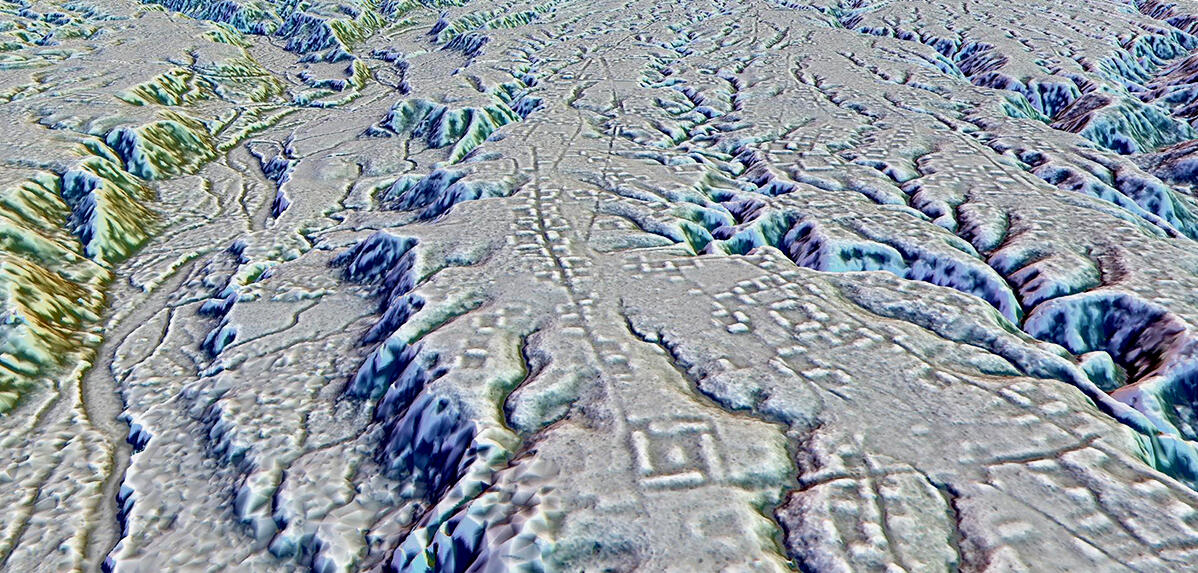
D’autres sites démontrent avec encore plus d’évidence cette intimité entre humain et nature. Par exemple, la vallée de l’Upano, le long du piémont oriental des Andes, en Equateur, a fait l’objet de terrassements spectaculaires. Il y a plus de deux mille ans, des communautés construisirent des centaines de plates-formes symétriques disposées autour de places carrées et basses. Ils creusèrent également des chemins très larges et profonds reliant toutes ces structures. Grâce à un travail monumental, ils ont presque intégralement remodelé la superficie de leur territoire tout en initiant un véritable proto-urbanisme.
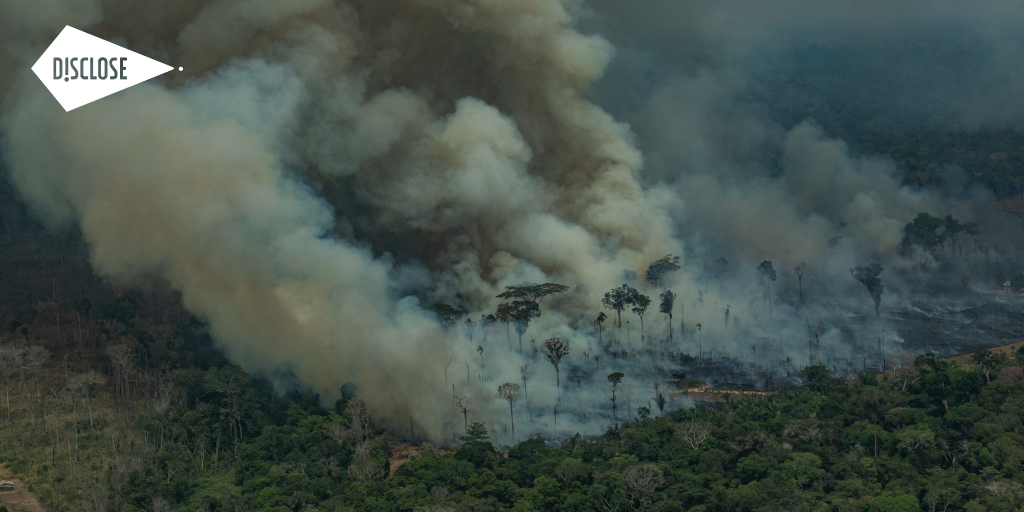
Cette Amazonie précolombienne était donc une construction humaine réalisée en étroite interaction avec la créativité de la nature. Les Amérindiens ne s’y sont pas trompés en concevant le monde comme une continuité entre humains et non-humains, sans dresser de barrière entre la culture et la nature. Aujourd’hui, tous les voyants sont au rouge : la déforestation n’a jamais été aussi virulente, la biodiversité chute drastiquement et l’Amazonie vit une terrible pandémie [de Covid-19].
Quel regard portez-vous sur la situation actuelle ?
J’ai un mauvais pressentiment. Comme je l’ai écrit, l’Amazonie, c’est un passé renié, un présent en fumée, un futur hypothéqué. Le sort est atroce pour les Amérindiens qui voient leurs terres bafouées, dépouillées de leurs ressources vitales, les sols dévitalisés et les eaux empoisonnées. Et plus terrible encore, les sites sacrés – roches, collines, cascades, rivières, arbres, etc. –, fondamentaux à la cohésion sociale et spirituelle du groupe, ont été anéantis sans état d’âme, laissant planer des menaces métaphysiques et structurelles sur la communauté.
Le Brésil, l’Equateur et tous les pays amazoniens sont tiraillés, d’une part, entre subvenir à d’énormes besoins énergétiques et maintenir leur dynamisme économique et, d’autre part, protéger le temple de la diversité du géant forestier et soutenir ses habitants, les Amérindiens. C’est l’autre grand paradoxe pour lequel je ne vois pas de solution miracle.
Avez-vous des pistes ?
La forêt tropicale voit chaque jour son espace se résorber, des trésors de biodiversité l’accompagnant dans sa disparition. Parallèlement, c’est un patrimoine humain irremplaçable qui est définitivement anéanti.
Pour enrayer cette « mécanique du désastre », la prochaine étape devrait être d’inscrire au Patrimoine mondial des sites amazoniens d’exception car, aussi absurde soit-il, aucun monument précolombien d’Amazonie n’est encore protégé officiellement. Un seul a été récemment inscrit en 2018 par l’Unesco, dans le centre de la Colombie. C’est le parc de Chiribiquete, couvrant une superficie de 27 800 kilomètres carrés – presque la superficie de la Belgique – qui a été reconnu patrimoine mixte culturel et naturel de l’humanité. Malgré cela, il est encore sujet à des menaces tangibles sans que des mesures de préservation réellement efficaces soient mises en place.
L’Equateur fut le premier à voter une Constitution, en 2008, sous la pression d’une menace alors croissante d’extraction pétrolière anarchique, pour attribuer à la forêt tropicale, aux rivières et même à l’air les mêmes droits qu’aux hommes. Pourtant, cette bonne intention a vite été oubliée quand il s’est agi de trouver de nouveaux puits de forage pétrolier. La situation est aujourd’hui redevenue catastrophique. En Nouvelle-Zélande, la rivière Whanganui a obtenu en 2012 une « voix légale », qui lui octroie les mêmes droits qu’une personne devant la justice. Là, cette loi fonctionne, pourquoi pas en Amazonie ?
Avec le recul, on sait aujourd’hui qu’un site « protégé » n’a aucune chance de survie si ce ne sont pas les populations locales qui s’en occupent. Ce sont elles qui gèrent le mieux ces espaces. Il est grand temps d’écouter les autochtones, dont le savoir résulte de millénaires d’observations et d’apprentissage du monde tropical. Trop peu invités aux COP et autres événements où se prennent les décisions, ils se sont organisés et ont investi le monde académique occidental où ils obtiennent leur doctorat. L’Occident doit apprendre à les écouter et la concertation pourra enfin s’engager pour une meilleure justice environnementale.
Comme le dit mon ami anthropologue Philippe Descola, l’humain est un virus pour la terre. Il faudrait qu’il apprenne à devenir un remède ! En tout cas, il faut se méfier de prescrire une cure depuis l’extérieur, sans intégrer les savoirs écologiques et culturels locaux, ce qui implique de développer une véritable justice environnementale tendant à minimiser équitablement la vulnérabilité et à répartir uniformément l’accès aux ressources. Nous en sommes loin.