#PS
–-
Valls devant le PS : "La gauche peut mourir ", M.B. (avec AFP) - leJDD.fr
▻http://www.lejdd.fr/Politique/Valls-devant-le-PS-La-gauche-peut-mourir-671510
Il faudrait peut-être lui expliquer que le PS n’a plus rien de socialiste, d’hétérodoxe, et n’a plus grand chose à voir avec la gauche, pour ce qui est de l’économie du moins, depuis un bail : DSK (FMI, Cercle de l’industrie), Moscovici (Cercle de l’industrie), J.Delors (Acte unique en collaboration avec l’European Round Table), M.Valls, Hollande, Pascal Lamy sont des jumeaux de l’UMP (hormis quelques mesures/promesses le temps d’endormir un électorat différent). Rien que le TSCG (Pacte budgétaire), le traité transatlantique, CETA et TISA le prouvent, sans parler des conseillers comme E.Macron ou L.Boone. On peut aussi ajouter, par exemple, le vote de la France au Conseil des droits de l’Homme de l’ONU contre un projet de résolution déposé par l’Équateur et l’Afrique du Sud afin d’élaborer de nouvelles normes internationales contraignantes sur les entreprises multinationales et les droits humains, ou encore la complicité d’élus PS pour faire passer le traité de Lisbonne, le soutien inconditionnel à l’UE, instrument des ploutocrates, la politique de l’offre, le recyclage du rapport Attali-Macron, la com’ sur la baisse du « coût du travail », la reprise de la « tva sociale », le soutien à l’ « austérité » plutôt qu’à Syriza ou encore les positions décrites du gouvernement sur une éventuelle taxation des transactions financières. Et puis il y a, plus simplement, le travail idéologique de sape et de longue haleine que le PS réalise par le simple fait de répéter en boucle et en chœur avec l’UMP, l’éditocratie et autres "experts" médiatiques, la logorrhée orthodoxe tout en prétendant être de gauche, ce qui fait du PS et de ses équivalents médiatiques les premiers chiens de garde de la "pensée unique", fonction idéologique qui s’ajoute pour le PS à celle de verrou politique en tant que garant d’une alternance sans alternative dans le cadre du bipartisme.
...Apparemment, c’est une manie
Manuel Valls et la guerre civile : le coup de gueule de Périco Légasse
▻http://www.lefigaro.fr/vox/politique/2015/12/11/31001-20151211ARTFIG00302-manuel-valls-et-la-guerre-civile-le-coup-de-gueul
"« Le FN peut conduire à la guerre civile » a déclaré Manuel Valls sur France Inter."
#PS #Politique_PS
« Islamo-gauchistes » : une chasse aux sorcières médiatique
►https://www.acrimed.org/Islamo-gauchistes-une-chasse-aux-sorcieres
Présent au rassemblement, Manuel Valls remet dix pièces dans la machine dans un duplex sur BFM-TV, ciblant une nouvelle fois la « très grande complicité » et la « très grande responsabilité » de Jean-Luc Mélenchon. [...]
Il n’en fallait guère plus à Manuel Valls pour renouveler et compléter le listing des complices : « La France insoumise, la gauche journalistique – Edwy Plenel, la gauche syndicale bien sûr – l’Unef, mais aussi la Ligue de l’enseignement, la Ligue des droits de l’homme. »
[[[
Scoop (Le Connard Déchaîné) : proposition de loi pour mettre en place la déchéance de nationalité (française et/ou européenne) vis-à-vis des personnes morales ou physiques pratiquant : la sécession fiscale et judiciaire, notamment celles profitant du PR-VRP pour développer leurs affaires (au nom de l’emploi et de l’intérêt national, cela va de soi) ; la négation de la souveraineté de la population via l’annulation ou l’empêchement de la tenue de référendums, ou via la négociation de traités en vue de transférer un peu plus de ce qui reste de souveraineté des populations vers des multinationales ; des violations des droits humains par "ajustement structurel -assainissement budgétaire" interposé.
Etat d’urgence et déchéance de la nationalité : 27 parlementaires nous ont déjà répondu | Blog | Le Club de Mediapart
▻https://blogs.mediapart.fr/stephane-allies/blog/241215/etat-durgence-et-decheance-de-la-nationalite-27-parlementaires-
#PS ]]]
Florilège de leur #Novlangue, un jour sans fin...
Les temps modernes (2/2), par Frédéric Lordon (Les blogs du Diplo, 17 avril 2016)
►http://blog.mondediplo.net/2016-04-17-Les-temps-modernes-2-2
–-
Dossier : le révélateur grec (Le Monde diplomatique, août 2015)
►http://www.monde-diplomatique.fr/2015/08/A/53536
-« Clôturant à sa façon ce festival estival de l’Europe sociale, M. Pierre Moscovici, socialiste français et commissaire européen aux affaires économiques et financières, répéta avec beaucoup de gourmandise la même « anecdote » à tous les micros qui se tendaient vers lui : « Lors d’une réunion de l’Eurogroupe, un ministre socialiste lituanien a dit à M. Varoufakis : “C’est très sympathique, que vous vouliez augmenter le smic de 40 %, mais votre smic est déjà deux fois supérieur au nôtre. Et vous voulez l’augmenter avec l’argent que vous nous devez, avec la dette !” Eh bien ça, c’est un argument assez fort (11). » Très fort même quand on sait qu’il y a un an seulement le parti de M. Moscovici annonçait : « Nous voulons une Europe qui protège ses travailleurs. Une Europe du progrès social et non de la casse sociale. » » : « « Il nous faut avancer » fut en tout cas la conclusion que M. Hollande tira, le 14 juillet dernier, de tout cet épisode. Avancer, mais dans quelle direction ? Eh bien, la même que d’habitude : « le gouvernement économique », « un budget de la zone euro », « la convergence avec l’Allemagne ». Car en Europe, quand une prescription détruit la santé économique ou démocratique d’un patient, on double toujours la dose. Dès lors que, selon le président français, « la zone euro a su réaffirmer sa cohésion avec la Grèce (...)les circonstances nous conduisent à accélérer (13) ». » (S.Halimi)
–" Intervenant juste après lui, M. Schäuble n’a pas perdu un instant pour remettre M. Sapin à ce qu’il estimait être sa place : « On ne peut pas laisser des élections changer quoi que ce soit », a-t-il tranché, cependant qu’une large majorité des ministres présents opinaient du chef." (Yanis Varoufakis)
Les fourberies de Sapin
▻https://www.monde-diplomatique.fr/2015/08/A/53539
▻https://twitter.com/gouvernementFR/status/570840734095380480
▻https://twitter.com/gouvernementFR/status/571565479912873986
▻http://www.gouvernement.fr/sites/default/files/contenu/piece-jointe/2015/05/60_engagements_web.pdf
▻http://www.bilan-ps.fr/liste#international (à vérifier)
Spécial Investigation. Hollande : pacte avec le MEDEF 30 mai 2016 - YouTube #Documentaires
▻https://www.youtube.com/watch?v=e6fIH6ktBWw
Avec un Gattaz très décomplexé, ce qui en dit long sur sa perception de la situation, de l’état du rapport de force sous l’exécutif PS.
Au pied du Sapin ! - FAKIR | Presse alternative | Edition électronique
▻http://fakirpresse.info/au-pied-du-sapin
#PS
« Noël approche, le Medef aura ses souliers garnis au pied du sapin…
Dans les médias, ça fait à peine des brèves. On cherche en vain un chiffrage : combien ça va coûter à l’Etat ? Ca passe inaperçu, ces dizaines de milliards. C’est un symptôme : on s’est habitués à l’avalanche de cadeaux pour le patronat »
–-
–Omerta levée sur le Crédit d’impôt recherche
►http://sciences.blogs.liberation.fr/home/2015/11/omerta-lev%C3%A9e-sur-le-cir.html
-"Pas moins de 5,27 milliards d’euros dans le budget 2015 de non rentrées fiscales, en raison de cette niche accordées aux entreprises. Une somme qui va grimper à 5,5 milliards d’euros en 2016. Il est utile de comparer cette somme au budget 2014 du Cnrs : 3,29 milliards d’euros dont 722 millions d’euros de ressources propres." ;
–"S’il est vrai que les dispositifs fiscaux de ce type se sont multipliés, dans le cadre de la course folle au dumping fiscal des États pour attirer les multinationales sur leur sol, le CIR est une sorte « d’exception française » (avec le Canada) dans son ampleur." ;
–"Toujours sans donner de noms - secret fiscal oblige - la Sénatrice révèle que « les entreprises à forts enjeux » - une périphrase pour désigner les grandes entreprises - font l’objet de redressements « nombreux » pour des montants « non négligeables »." ;
–"ces grandes entreprises internationalisées dont l’impôt sur les sociétés est quasi nul et qui touchent des chèques du Trésor public au nom du CIR." ;
–"les stratégies de recherche des grands groupes sont totalement déconnectées du CIR qui est traité non au niveau des départements de R&D mais comme une pure optimisation fiscale par les directions financières. On aimerait que la Sénatrice soit relevée du secret fiscal et puisse rendre publics le nom de ces entreprises." ;
–"Sa « philosophie » implicite représente une sorte de démission des responsables politiques, fondée sur l’idée que le marché et sa « main invisible » va, par miracle, rencontrer l’intérêt général que l’Etat est censé défendre contre les intérêts particuliers." ;
–"alors que les Universités du pays comptaient plus de 46.000 doctorants de nationalité française en 2004, il n’y en a plus que 36.700 en 2013."
Que contient le plan d’urgence pour l’emploi annoncé par François Hollande ?
►http://www.europe1.fr/economie/que-contient-le-plan-durgence-pour-lemploi-dernier-acte-economique-de-franco
"Dispositif fiscal de soutien à l’innovation très prisé des entreprises, le Crédit impôt recherche "sera pérennisé dans ses formes actuelles", a par ailleurs précisé François Hollande."
–Le chapeau de Peugeot et l’impôt de Renault - Ma vie au poste - Télérama.fr
►http://television.telerama.fr/television/le-chapeau-de-peugeot-et-l-impot-de-renault,126336.php
–La politique déboussolée : purge à la française, par Martine Bulard (Le Monde diplomatique, septembre 2014)
►http://www.monde-diplomatique.fr/2014/09/BULARD/50762
-"« Un salarié travaille aujourd’hui environ six semaines et demie pour les actionnaires, contre deux semaines il y a trente ans », a calculé l’économiste Michel Husson (5). Mais, pour M. Hollande, il n’y a pas de charges liées au capital..." ;
–" Contraint d’augmenter les cotisations retraite, il annonce une hausse qu’il promet équitable entre les salariés et les employeurs (+ 0,15 point chacun), mais assure tout aussitôt que ces derniers en seront exonérés, au moins en 2014. Le contribuable paiera à leur place...
Reconnaissons que le Parti socialiste possède un don particulier pour briser les « tabous » du modèle social français." ;
–"le crédit d’impôt recherche (CIR), qui a représenté plus de 5 milliards d’euros en 2011 et atteindra sans doute 6 milliards d’euros en 2014, selon les estimations officielles. Les aides vont en priorité aux mastodontes ultrarentables, tels Sanofi, Total, L’Oréal, Dassault Aviation, Peugeot, Servier, etc. (7). En outre, les effectifs consacrés à la recherche-développement dans les entreprises ont baissé de 1,8 % entre 2008 et 2011 (derniers chiffres connus). La recherche publique, elle, voit ses crédits stagner, ou même baisser" ;
–" Il faut non seulement compenser les cadeaux sociaux et fiscaux, mais aussi réduire le déficit public, conformément à la doxa européenne. " ;
–"D’ores et déjà, tous les salariés, modestes ou non, financent la baisse des cotisations employeurs chaque fois qu’ils consomment, par le biais de la taxe sur la valeur ajoutée (TVA) dont les taux ont grimpé depuis le 1er janvier 2014. La TVA « sociale » concoctée par M. Sarkozy est ainsi remise au goût du jour. Tout comme la révision générale des politiques publiques (RGPP), réapparue sous le vocable de « modernisation de l’action publique »." ;
–"Les objectifs n’ont pas varié : dégraisser le « mammouth », désigné comme la cause première, sinon unique, du déficit public. Pourtant, contrairement à ce que prétendent les dirigeants, la part des dépenses de l’Etat rapportée au produit intérieur brut a baissé de deux points entre 1978 et 2012 (9). Le déficit vient essentiellement de la réduction du niveau d’imposition des familles les plus fortunées et des intérêts accordés aux riches prêteurs, deux choix assumés par les gouvernements successifs — de droite comme de gauche." ;
–"Le raisonnement simpliste selon lequel la baisse des dépenses salariales assure une plus grande compétitivité, laquelle permet d’exporter plus et de booster la croissance, est inopérant. Pour aux moins trois raisons : d’abord, nos clients subissent eux aussi l’austérité — même l’Allemagne, qui a misé sur le « tout export » à la manière chinoise, s’affaisse. Ensuite, l’euro fort dévore les baisses de coûts intérieurs. Enfin, la compétitivité dépend moins du niveau des salaires que de l’innovation et de la qualité des produits — et, dans ces deux domaines, la France accuse un retard que l’on ne pourra combler que par une haute qualification des salariés (et donc par de hauts salaires)." ;
–"De nombreux économistes explorent d’autres pistes. Ils n’ont pas voix au chapitre."
–"Le rapport sur la compétitivité, chargé de préparer le terrain pour le pacte du même nom, a été concocté par M. Louis Gallois, actuellement président du conseil de surveillance de Peugeot après avoir dirigé la Snecma, la SNCF et EADS, qui ont tous connu des « plans sociaux ». Celui sur les retraites a été élaboré par Mme Yannick Moreau, membre du très sélect club Le Siècle (qui réunit dirigeants politiques, patrons et journalistes), ainsi que par M. Daniel Cohen, conseiller de la banque Lazard, et par Mme Sylvie François, directrice des ressources humaines à La Poste — où les suicides d’agents se multiplient (10).
Même tableau pour le groupe d’experts sur le smic : il comprend M. François Bourguignon, vice-président de la Banque mondiale, ou encore M. Stefano Scarpetta, directeur de l’emploi et des politiques sociales à l’Organisation de coopération et de développement économiques (OCDE), qui mène campagne depuis vingt ans pour une déréglementation du marché du travail. Pas un seul dissident. Pas une seule voix iconoclaste."
►http://zinc.mondediplo.net/messages/9538
►http://zinc.mondediplo.net/messages/10678
►http://zinc.mondediplo.net/messages/4352
►http://zinc.mondediplo.net/messages/2776
#Sciences #Recherche #PS #Orthodoxie #Réformes_structurelles #Discours_orthodoxes #UMP #CICE #Pacte_de_responsabilité #Dette #Dette_publique #Austérité #Dette_publique_France
Bilan Hollande : le scandale du Crédit d’impôt recherche | {Sciences²}
►http://huet.blog.lemonde.fr/2016/12/13/bilan-hollande-le-scandale-du-credit-dimpot-recherche
"Or, François Hollande n’est pas revenu sur ce triplement. Il a poursuivi la politique sarkozyste, avec les mêmes résultats. Une niche fiscale en explosion. Des pratiques douteuses des grands groupes et des entreprises financières pour capter cette manne, mises en évidence par la sénatrice communiste Brigitte Gonthier-Morin, dont le rapport a été victime d’une omerta à la dernière minute par une alliance entre la droite et le Parti Socialiste."
"Mais, le citoyen comme l’élu sera privé de ces informations car la sénatrice communiste est désormais soumise au « secret fiscal », sous peine de poursuites pénales, pour ces informations récupérées dans le cadre de cette commission d’enquête. Dommage."
"Sanofi qui a touché près de 130 millions d’euros de CIR par an tout en diminuant ses effectifs 4.700 salariés, dont 2000 ingénieurs, chercheurs et techniciens de ses laboratoires. Ah !, mais il faut bien tenir compte de la situation économique de l’entreprise, vont s’exclamer les partisans du tout libéral. Et quelle est cette situation ? Entre 2008 et 2016, Sanofi a versé près de 30 milliards d’euros de dividendes à ses actionnaires ! Le groupe n’est donc pas en difficulté. Cerise sur le gâteau : pour récompenser les contribuables français et leur Etat du cadeau fiscal du CIR, Sanofi a délocalisé sa trésorerie en Belgique, toujours pour optimiser ses impôts."
" A titre d’exemple la création de 3000 postes représente une somme de 180 millions d’euros soit 3% du CIR qui s’élève à plus de 6000 millions d’euros !"
"L’explosion du CIR et sa captation par les grands groupes revient pour l’Etat à remettre au secteur privé le soin de décider de sa politique de recherche pour des sommes équivalentes à la totalité du budget du CNRS"
Le fléau de l’assistanat, par Christian de Brie (Le Monde diplomatique, février 2018)
►https://www.monde-diplomatique.fr/2018/02/BRIE/58360
#Discours_orthodoxes #Economie_Discours_orthodoxes #Dette_publique_France
▻http://zinc.mondediplo.net/messages/12237#message88207
///PS et Grèce :
►http://zinc.mondediplo.net/messages/9745
Grèce : y a-t-il un vrai désaccord entre Paris et Berlin ?
►http://www.latribune.fr/economie/union-europeenne/grece-y-a-t-il-un-vrai-desaccord-entre-paris-et-berlin-496193.html
"la France soutient sans aucune équivoque « l’accord » obtenu le 13 juillet, un accord qui vise surtout à faire payer au gouvernement grec sa longue résistance bien plus qu’à trouver un moyen de faire sortir la Grèce du marasme."
▻http://www.boursorama.com/actualites/moscovici-la-grece-plus-prompte-a-rejeter-qu-a-proposer-4fff156af45b255b
Grèce : Moscovici à Athènes pour encourager l’austérité - Economie - RFI
▻http://www.rfi.fr/economie/20161127-grece-moscovici-athenes-encourager-austerite
Grèce. Pour Moscovici, « pas question » de prolonger le plan d’aide
▻https://www.ouest-france.fr/europe/grece/grece-pour-moscovici-pas-question-de-prolonger-le-plan-d-aide-5708415
▻http://rue89.nouvelobs.com/rue89-politique/2012/06/16/tribune-journalistes-politiques-journalistes-pathetiques-233071 « Par ailleurs, tandis que la Grèce s’apprête à faire un vote décisif le 17 juin, que François Hollande a eu le 13 juin des propos rudes envers ce pays, l’appelant à « tenir ses engagements », et qu’il s’est rendu le 14 juin en Italie pour tenter de construire un axe européen « pro-croissance » face à Angela Merkel »
▻http://www.bfmtv.com/mediaplayer/video/matthias-fekl-face-a-jean-jacques-bourdin-en-direct-653773.html Fekl se félicite de ce que grâce au « couple franco-allemand » la Grèce est restée dans l’euro ; que la France a fait entendre une voix différente de celle de Schaubble et « heureusement » car « les choses auraient pu très mal tourner pour la Grèce »
►http://www.acrimed.org/article4670.html « « On va vous aider, pas vous étrangler, mais il faut atterrir » ; « Varoufákis est trop narcissique, pas assez respectueux de ses partenaires. Dire que l’Eurogroupe est composé de technocrates n’a aucun sens » (Pierre Moscovici) ;
« Il a trop insisté sur le malheur du peuple grec alors que tout le monde a l’impression de tenir à bout de bras ce pays depuis cinq ans » ; « La politique de Syriza devra s’inscrire dans les règles acceptées par les gouvernements précédents » (Michel Sapin). »
►http://www.latribune.fr/economie/union-europeenne/grece-les-europeens-sous-pression-470349.html « les responsables européens maintiennent leur position d’attente d’une capitulation hellénique.Pierre Moscovici, par exemple, ce lundi 20 avril, a affirmé que la seule issue à la crise est que « le gouvernement grec accepte les réformes que l’on attend de lui. » » ;
▻http://www.lefigaro.fr/flash-eco/2015/04/10/97002-20150410FILWWW00057-grece-valls-attend-des-reformes-plus-profondes.ph
▻http://www.politis.fr/Valls-la-Grece-et-le-Portugal,30827.html « Distribution de bons et de mauvais points de gouvernance économique, la semaine dernière à Lisbonne. Manuel Valls juge« insuffisants » les efforts consentis par le gouvernement grec dans le face-à-face avec Bruxelles. Il attend d’Alexis Tsipras « une liste de réformes plus profondes » s’il veut obtenir un geste de l’Union européenne pour ne pas percuter de plein fouet le mur de dettes au mois de mai. De quoi flatter son hôte portugais, qui milite contre toute aide de l’Europe à la Grèce et fayote sans vergogne auprès de la troïka. Grand cœur, Manuel Valls lui attribue même une bonne note, louant le « courage » du « programme d’ajustement sévère » mis en place depuis 2011. »
▻http://lexpansion.lexpress.fr/actualite-economique/valls-fait-la-lecon-a-la-grece-lors-d-une-visite-au-portugal_166 « "La position de la France n’a jamais varié : il faut tenir compte du vote du peuple grec, mais il y a aussi un cadre institutionnel et des engagements pris. Ils doivent être respectés", déclare Manuel Valls au quotidien économique portugais.
"Comme vous le savez, le temps presse. L’Etat grec doit faire face prochainement à des échéances de remboursement importantes. Et les choses sont simples : pour que l’assistance financière européenne puisse jouer normalement, le gouvernement grec doit définir rapidement une liste de réformes plus profondes", estime le Premier ministre français. »
▻http://www.lcp.fr/actualites/politique/170574-grece-la-france-attend-de-la-grece-une-liste-de-reformes-plus-profondes « "La position de la France n’a jamais varié : il faut tenir compte du vote du peuple grec, mais il y a aussi un cadre institutionnel et des engagements pris. Ils doivent être respectés", déclare Manuel Valls au quotidien économique portugais. » ; ►http://www.latribune.fr/economie/union-europeenne/grece-pourquoi-manuel-valls-a-choisi-la-passivite-467997.html
►http://la-bas.org/la-bas-magazine/long-courrier/autour-du-diplo-de-mars
–« Jeroen Dijsselboem a affirmé qu’une "extension" du programme actuel, qui arrive à échéance à la fin février, "permettrait aux Grecs d’utiliser la flexibilité" permise dans ce plan. "Le gouvernement grec doit s’engager sur le fait qu’il accepte les principaux éléments du programme", a-t-il insisté, alors que le nouveau gouvernement de gauche radicale a fait campagne sur le refus de ce programme. "Il n’y a pas d’alternative à la prolongation du programme", a renchéri le commissaire européen aux Affaires économiques, Pierre Moscovici. "Nous allons continuer le dialogue durant cette semaine". »
En savoir plus sur ▻http://lexpansion.lexpress.fr/actualite-economique/grece-les-negociations-sur-le-plan-d-aide-europeen-interrompues_
►http://www.monde-diplomatique.fr/mav/124/KAIMAKI/48463 "Espoir hors de propos ! De passage à Paris le 21 mai, M. Tsipras n’est reçu ni par M. Hollande ni par aucun représentant du Parti socialiste (PS). Est-ce parce qu’on le présente comme le [Jean-Luc] « Mélenchon grec » ? En guise de bienvenue, le nouveau ministre des affaires étrangères Laurent Fabius se contente de le poignarder dans le dos :« Si les Grecs veulent rester dans la zone euro, ils ne peuvent se prononcer pour des formations qui les feraient sortir de l’euro (6). »En revanche, dès le lendemain, M. Hollande s’entretient pendant une heure, à l’Elysée, avec M. Evángelos Venizelos, le dirigeant du Pasok — parti certes social-démocrate, mais qui, de concert avec ND, a conduit le pays à la crise. Quatre jours avant le scrutin, M. Hollande rappelle à Athènes « la nécessité de poursuivre ses mesures d’assainissement budgétaire » et exige des dirigeants grecs qu’ils respectent leurs engagements : « Sinon [la] sortie de la zone euro sera inéluctable (7). »"
►http://www.alterecoplus.fr/europe/grece-pourquoi-francois-hollande-na-pas-leve-le-petit-doigt-20150227104
Indécensee décomplexée : Conseil européen : la cohésion de l’union plutôt que l’Europe à la carte - Parti socialiste. Philip CORDERY Secrétaire national à l’Europe
▻http://www.parti-socialiste.fr/conseil-europeen-la-cohesion-de-lunion-plutot-que-leurope-a-la-cart
"
Nous défendrons l’Union européenne comme modèle démocratique et comme modèle de justice social performant."
Manuel Valls, un drôle d’allié pour Alexis Tsipras - L’Express
▻http://www.lexpress.fr/actualite/monde/europe/manuel-valls-un-drole-d-allie-pour-alexis-tsipras_1797952.html
"Manuel Valls, quant à lui, aura sûrement envie de saluer le réformiste d’Alexis Tsipras, qui a entrepris des réformes dures mais nécessaires pour le versement de la tranche d’aide de 10,3 milliards d’euros. « Le gouvernement Tsipras (...) mène des réformes courageuses. Ces réformes, avec d’abord une grève générale, ont été adoptées en quelques heures - 1500 pages, sans amendements ! (...) Parfois il faut aller vite dans la réforme », avait déclaré Manuel Valls au micro de BFMTV et RMC le 26 mai."
A peine président : le renoncement ! - FAKIR | Presse alternative | Edition électronique
▻http://fakirpresse.info/a-peine-president-le-renoncement
///-PS, UE, secret des affaires, multinationales et autres sujets :
La troisième voie de F.Hollande : Regards Médias, Déclarama
►https://scontent-frt3-1.xx.fbcdn.net/hphotos-xpf1/v/t1.0-9/5430_937768896319417_1273083236471103154_n.png?oh=6bf26e4a
L’engagement trahi de François Hollande (Le Monde diplomatique, avril 2017)
►https://www.monde-diplomatique.fr/2017/04/A/57391
L’arène nue : Europe : « avec Maastricht, on rira beaucoup plus » ! #UE #Bêtisier
▻http://l-arene-nue.blogspot.fr/2015/03/avec-maastricht-on-rira-beaucoup-plus.html
Moscovici : les règles du pacte de stabilité "ne doivent pas être remises en cause"
Jacques Delors : l’homme des firmes - FAKIR | Presse alternative | Edition électronique
►http://fakirpresse.info/Jacques-Delors-l-homme-des-firmes
#Conflits_d'intérêts
"« Donc ce que j’ai fait en 84 c’est de rechercher un consensus par défaut avec les gouvernements qui refusaient tout sauf cette idée d’un grand marché et d’obtenir un consensus par enthousiasme des industriels. » Et c’est ainsi que ce socialiste a « relancé l’Europe » : non en s’appuyant sur les « syndicats européens », ou les « peuples européens » (qu’il ne cite jamais), mais sur l’ERT. Le principal lobby patronal...
En janvier 1985, le président de l’ERT (et de Philips), Wisse Dekker, avait publié « Europe 1990 : un agenda pour l’action », un document où il proposait de faire tomber les barrières commerciales et les frontières fiscales. En janvier 1985, justement, Jacques Delors prend ses fonctions à Bruxelles et devant le Parlement européen, il fait part de « [s]on idée » : faire tomber les barrières commerciales et les frontières fiscales . Heureusement, le PDG n’avait pas déposé de copyright..."
"« Quelles seront vos priorités ? l’interroge le reporter d’Antenne 2.
– Etre aussi compétitif que les Etats-Unis ou l’ensemble asiatique. Ce sera ça mon objectif. Et à partir de là, si nous avons la force, nous aurons la crédibilité et nous retrouverons les voies du progrès social. »"
"Ce triple héritage est si peu conspué que c’est sa fille, Martine Aubry, qui a repris les rênes du Parti Socialiste. Et elle ne rompt pas avec le legs paternel : « C’est du populisme, pestait-elle en 2005, c’est ce qui a mené l’Italie d’autrefois à ce que l’on sait » – assimilant les « nonistes » aux fascistes. Et au nom du PS, contre le vote du peuple, elle soutient mordicus le traité de Lisbonne. Assorti, bien sûr, comme papa, d’un couplet sur « l’Europe sociale »..."
Baisse des charges : le match Hollande-Sarkozy. Par Cédric Mathiot - Libération
▻http://www.liberation.fr/desintox/2016/02/16/baisse-des-charges-le-match-hollande-sarkozy_1432075
« La TVA compétitivité prévoyait de baisser le coût du travail de 13,2 milliards quand le CICE et le pacte de responsabilité visent trois fois plus. Pour la seule année 2015, le bénéfice du CICE pour les entreprises devait se monter à 17,5 milliards d’euros, auxquels il fallait ajouter 6 milliards liés au pacte (baisse de cotisations et de divers impôts). Soit 24 milliards d’euros en tout. En 2016, la montée en puissance de ces différents dispositifs devait atteindre un total de 33 milliards, avant 41 milliards en 2017. »
Le tenace lobbying d’Arnaud Montebourg pour le gaz de schiste
▻http://www.reporterre.net/Le-tenace-lobbying-d-Arnaud
Le chapeau de Peugeot et l’impôt de Renault - Ma vie au poste - Télérama.fr
►http://television.telerama.fr/television/le-chapeau-de-peugeot-et-l-impot-de-renault,126336.php
(à recouper)
"Philippe Varin n’est pas plus à la retraite qu’il ne porte de chapeau. Il est président du conseil d’administration d’Areva, groupe majoritairement public, où il a été nommé avec l’assentiment du même gouvernement qui juge « inacceptable » sa retraite dorée."
Urvoas : les députés frondeurs sont « dans une logique de djihadistes ». Par Ivan Valerio Publié le 29/04/2014
►http://www.lefigaro.fr/politique/le-scan/citations/2014/04/29/25002-20140429ARTFIG00140-urvoas-les-deputes-frondeurs-sont-dans-une-logiqu
Vote du "pacte de stabilité" :
"Jean-Jacques Urvoas, député socialiste et président de la commission des Lois, ne digère pas ces défections. « Je ne conçois pas qu’un certain nombre de collègues se promènent avec une ceinture d’explosifs autour de la taille. C’est une logique de djihadistes ! », s’indigne-t-il auprès du journal L’Opinion."
Allocations chômage, 35 heures, TVA sociale : quand la gauche concrétise les rêves de la droite. Par Louis Boy
▻http://mobile.francetvinfo.fr/economie/emploi/allocations-chomage-35-heures-tva-sociale-quand-la-gauche-concretise-les-reves-de-la-droite_1295929.html#xtref=http://m.facebook.com
(#Finance #UE)
►https://asialyst.com/fr/2021/05/03/birmanie-vers-sanctions-energiques-contre-generaux
Le réseau Total vient d’occuper à Paris une position inespérée. En début d’année, Anne Hidalgo nomme à la direction des affaires internationales de la ville de Paris un ancien directeur des affaires publiques de Total : Paul-David Regnier. Sa nomination, avec un tel profil, responsable de l’image internationale d’une ville
gouvernée par une majorité avec EELV, n’a suscité aucun commentaire public.
En attendant la taxe Tobin, par Frédéric Lemaire (Le Monde diplomatique, mai 2016) #PS #Finance
▻http://www.monde-diplomatique.fr/2016/05/LEMAIRE/55434
"Il est certaines réformes dont l’éternel report ne suscite pas de hauts cris"
"Le directeur général du FMI de l’époque, M. Strauss-Kahn, n’a pas changé d’avis depuis son passage à Bercy : il s’oppose à une mesure qu’il juge « tout à fait simpliste » et « probablement impossible » à mettre en œuvre sans qu’elle soit contournée (9). Les taxes sur les marchés boursiers ont pourtant existé et existent encore dans plusieurs pays."
"Quoi qu’il en soit, la TTF ne figure pas dans le rapport rendu par le FMI en avril 2010, qui lui préfère deux simples taxes bancaires, avec pour objectif de… financer le renflouement des banques en difficulté !"
"une fois enfilées ses pantoufles de président, M. Hollande s’assoupit sur une partie de ses promesses. La nouvelle majorité augmente le taux de la taxe de Bourse française de 0,1 % à 0,2 %, mais conserve une assiette et un taux plus restreints que ceux imposés au Royaume-Uni avec le stamp duty. Le gouvernement s’opposera par ailleurs l’année suivante, puis en juin 2014, à des amendements visant à élargir la taxe française aux opérations « intrajournalières » (intra-day) et à pénaliser le trading haute fréquence. A l’échelle européenne, faute d’unanimité, onze des vingt-huit Etats membres s’accordent, sous l’impulsion de l’Allemagne et de la France, pour poursuivre le projet sous la forme d’une « coopération renforcée ». Le conseil des ministres des finances de l’Union de février 2013 officialise le processus.
Depuis, Paris n’a cessé de mettre des bâtons dans les roues au projet de taxe européenne."
L’occasion d’un échauffement de #Novlangue avec une spéciale chantage :
"Moscovici annonce la couleur lors des rencontres internationales de Paris Europlace. Il dénonce le projet de la Commission européenne comme « excessif », appelle Bruxelles à se montrer « pragmatique et réaliste » et promet d’« améliorer » la proposition de la Commission. Engagement tenu (cette fois) : la France bloque les négociations européennes en multipliant les demandes d’exemption, notamment sur les produits dérivés, une spécialité des banques françaises.
En janvier 2014, M. Moscovici organise un sommet franco-allemand visant à garantir un compromis « réaliste » : « Si on fait en sorte qu’il n’y ait plus de marchés financiers en Europe, qu’il n’y ait plus de Bourses en Europe, prévient-il, les ressources financières iront à Londres » (France Info, 27 janvier 2014)."
"Le 9 juillet 2014, à l’occasion des rencontres internationales de Paris Europlace, le nouveau ministre des finances français Michel Sapin confirme qu’il n’acceptera pas « un projet qui serait déséquilibré pour notre place financière »"
« Nous avons eu le pouvoir, maintenant il nous faut l’argent », par Pierre Rimbert (Le Monde diplomatique, avril 2009)
▻http://www.monde-diplomatique.fr/2009/04/RIMBERT/17031
-"Plusieurs raisons ont incité le gouvernement socialiste à pousser dans le même sens que Mme Margaret Thatcher au Royaume-Uni et Ronald Reagan aux Etats-Unis le balancier de l’économie politique qui oscille depuis deux siècles entre l’Etat et le marché." ;
–"En France, la réforme sera étalée dans le temps et portera sur le front de la banque comme sur celui de la Bourse.(...) « On ne voulait pas donner l’idée qu’il y avait un grand mouvement, parce qu’on aurait fait peur, admet M. Naouri. Au contraire, on a fait cela très éparpillé, très morcelé, pour qu’il ne se constitue pas une opposition unie contre nous (4). »" ;
–" « Dans la vie, il y a deux choses : le pouvoir et l’argent. Nous avons eu le pouvoir, maintenant il nous faut l’argent (12) », aurait expliqué M. Naouri lors de son départ du ministère de l’économie en 1986. Quelques mois plus tard, il créait un fonds d’investissement. En 2008, il devenait la 38e fortune de France."
Europe : la trahison socialiste - Chroniques de l’Anthropocène
▻https://alaingrandjean.fr/2015/08/24/europe-la-trahison-socialiste
L’édifiant destin de la directive européenne sur le congé maternité, par Anne-Cécile Robert (Le Monde diplomatique, janvier 2016)
►http://www.monde-diplomatique.fr/2016/01/ROBERT/54465
"Cet appel au débat libre et raisonné étonnera sans doute les députés marginalisés dans la vie parlementaire européenne par les dominants, groupes socialiste et démocrate d’une part et Parti populaire européen (droite conservatrice) d’autre part. En vertu d’un accord dit « technique », ceux-ci se partagent en effet les postes de pouvoir (bureau, présidences de commissions) au sein de l’assemblée de Strasbourg."
►http://www.monde-diplomatique.fr/2014/10/GADREY/50853 « De leur côté, la plupart des pays riches ont rivalisé de fermeté dans leur soutien à l’élite financière. Le 9 septembre 2014, l’Assemblée générale des Nations unies était appelée à voter un texte visant à établir un mécanisme de restructuration des dettes souveraines, proposé par le « groupe des 77 » pays en développement plus la Chine. Les Etats-Unis et leurs alliés (Israël, le Canada, l’Australie, l’Allemagne) ont voté contre, tandis que la plupart des Etats européens se sont abstenus (France comprise). Néanmoins, le texte a été adopté avec cent vingt et une voix (onze contre, quarante et une abstentions). »
SMIC : la hausse sera minime et sans coup de pouce au 1er janvier, Social
▻http://www.lesechos.fr/economie-france/social/021531242587-smic-la-hausse-sera-minime-et-sans-coup-de-pouce-au-1er-janvie
« Pour la quatrième année de suite, le gouvernement exclut de compléter la revalorisation automatique du SMIC »
La politique déboussolée : purge à la française, par Martine Bulard (Le Monde diplomatique, septembre 2014)
►http://www.monde-diplomatique.fr/2014/09/BULARD/50762
Le « socialisme de l’offre », ou la politique de la déflation
▻http://www.marianne.net/les-eco-att/Le-%C2%A0socialisme-de-l-offre%C2%A0--ou-la-politique-de-la-deflation_a24.
Pascal Lamy prône des « petits boulots » payés en dessous du Smic - Libération
▻http://www.liberation.fr/futurs/2014/04/02/pascal-lamy-prone-des-petits-boulots-payes-en-dessous-du-smic_992696
Quand un ministre suggère de baisser la durée et le montant des allocations chômage
▻http://www.lefigaro.fr/economie/le-scan-eco/2016/01/13/29001-20160113ARTFIG00197-quand-un-ministre-suggere-de-baisser-la-duree-et-
"Jean-Marie Le Guen a dit tout haut ce que le gouvernement attend de la prochaine renégociation de la convention d’assurance chômage (...) « Il est extrêmement difficile de diminuer les aides aux chômeurs pendant une période où le chômage est encore très élevé », a tout d’abord assuré le secrétaire d’État(...) Avant, de préciser : « Mais en même temps, on sait bien que, un peu pour des raisons financières (...), mais aussi pour mobiliser plus de moyens sur la formation des chômeurs, il est assez vraisemblable qu’il faille un petit peu changer les paramètres de notre assurance-chômage »."
Et, comme le veut l’étiquette, l’élément de langage de leur novlangue pathétique :
"« Je pense que ces questions-là doivent être traitées avec courage par les partenaires sociaux »"
Pour Valls, ce sera « dépasser les postures »...
Pacte républicain contre le chômage : "Cela fait vingt ans que la droite et la gauche sont d’accord", dénonce un député PS frondeur
▻http://mobile.francetvinfo.fr/economie/emploi/pacte-republicain-contre-le-chomage-cela-fait-vingt-ans-que-la-d
Hollande s’attaque aux 35 heures. Par Luc Peillon - Libération
▻http://www.liberation.fr/france/2016/01/18/hollande-s-attaque-aux-35-heures_1427179
"
Plus technique, mais pas moins important : ces accords collectifs pourraient « s’imposer au contrat de travail », quand ils sont « conclus dans l’intérêt de l’emploi ». Ce qui signifie que le refus individuel du salarié de se voir appliquer l’accord ne conduirait plus à un licenciement économique, comme c’est le cas aujourd’hui dans la plupart des situations de refus, mais à un licenciement personnel, beaucoup moins protecteur."
Que contient le plan d’urgence pour l’emploi annoncé par François Hollande ?
►http://www.europe1.fr/economie/que-contient-le-plan-durgence-pour-lemploi-dernier-acte-economique-de-franco
"Dispositif fiscal de soutien à l’innovation très prisé des entreprises, le Crédit impôt recherche "sera pérennisé dans ses formes actuelles", a par ailleurs précisé François Hollande."
Macron au forum de Davos s’attaque à nouveau aux 35 heures | France info
▻http://www.franceinfo.fr/fil-info/article/macron-au-forum-de-davos-travailler-plus-sans-gagner-plus-760553
Le ministre de l’Economie s’en est à nouveau pris aux 35 heures estimant que les salariés doivent pouvoir travailler plus, sans être payés plus « si les syndicats majoritaires sont d’accord ».
Emmanuel Macron propose donc des heures supplémentaires sans bonus en cas d’accord majoritaire, ce qui signe « de facto » dit-il, la fin des 35 heures. « Le point crucial n’est pas de tuer la loi, mais de prouver son efficacité et de l’adapter à l’entreprise ».
Et pour les tocards qui n’auraient pas compris, il s’agit de "pragmatisme".
Pour Macron, « la vie d’un entrepreneur est souvent plus dure que celle d’un salarié »
▻http://www.20minutes.fr/politique/1769575-20160120-macron-vie-entrepreneur-souvent-plus-dure-celle-salarie
Emploi - Basta !
▻http://portail.bastamag.net/Emploi-19
=>Ouch ! Si tout ça se fait, Hollande aura bel et bien marqué l’histoire française récente par son mandat, à sa manière...
Projet de loi El Khomri : le temps de travail passé à la moulinette. Par Catherine Gasté
▻http://www.leparisien.fr/economie/emploi/projet-de-loi-el-khomri-le-temps-de-travail-passe-a-la-moulinette-17-02-2
France/Monde | Salaire "modulable", astreintes non payées : les idées chocs d’El Khomri
▻http://www.ledauphine.com/france-monde/2016/02/17/salaire-modulable-astreintes-non-payees-les-idees-chocs-d-el-khomri
L’occasion de consulter ses fiches de révision de #Novlangue
Macron salue le projet de loi El Khomri
▻http://www.lefigaro.fr/flash-eco/2016/02/18/97002-20160218FILWWW00098-macron-salue-le-projet-de-loi-el-khomri.php
""C’est une réforme importante parce qu’on sait que notre économie a besoin de davantage de flexibilité, de souplesse pour s’adapter aux changements contemporains, à l’accélération du monde, aux grandes transformations du monde, de nos économies, en particulier du numérique", a déclaré Emmanuel Macron à des journalistes."
Projet de loi : l’Etat s’attaque aux 35 heures. Par Catherine Gasté et Sébastien Lernould
▻http://www.leparisien.fr/economie/emploi/l-etat-s-attaque-aux-35-heures-17-02-2016-5553371.php
Réforme du droit du travail : El Khomri n’exclut pas un passage en force
▻http://www.lefigaro.fr/conjoncture/2016/02/18/20002-20160218ARTFIG00059-reforme-du-droit-du-travail-el-khomri-n-exclut-pa
-"« Avec le premier ministre, nous voulons convaincre les parlementaires de l’ambition de ce projet de loi. Mais nous prendrons nos responsabilités », prévient-elle dans une interview aux Echos ce jeudi. Autrement dit, elle n’écarte pas un recours à l’article 49-3, comme en juin dernier lors du vote de la loi Macron." ;
–"Le barème des indemnités prud’homales sera aussi modifié avec un plafond de 15 mois maximum de salaire. « Désormais, la règle sera compréhensible par tous et lèvera la peur d’embaucher, qui est une des causes du recours excessif aux contrats courts », répond la minstre aux critiques. Plus sensible encore : le licenciement économique sera simplifié. « Nous donnons des repères pour répondre à une exigence de clarté et de lisibilité. Les entreprises ont besoin de cette clarté »" ;
–"« Nous introduisions un droit nouveau et essentiel, structurant pour l’avenir : le compte personnel d’activité, avec des droits rattachés à l’individu, toute sa carrière, et non plus à son statut », rappelle-t-elle. « Nous voulons améliorer la compétitivité des entreprises, développer et préserver l’emploi, réduire la précarité du travail et améliorer les droits des salariés (...) C’est cela, le modèle social que je défends », insiste-t-elle. « Nous ne vivons pas dans un monde clos et nous devons nous aussi évoluer »"
Pierre Gattaz (Medef) : le projet de loi El Khomri "va dans le bon sens" - L’Express L’Entreprise
▻http://lentreprise.lexpress.fr/actualites/1/actualites/pierre-gattaz-medef-le-projet-de-loi-el-khomri-va-dans-le-bon-s
« Il faut se battre contre le chômage, l’un des fléaux terribles du pays, il faut créer de l’emploi », a-t-il insisté. « Qui crée de l’emploi’ Ce sont les entreprises. Il faut donc baisser la double peur, celle des patrons d’embaucher et celle des salariés de se faire licencier »
C’est bien connu, ces organisations sont obsédées par l’intérêt général... du moins peut de monde les contredit lorsqu’elles font comme si à l’antenne.
Temps de travail, licenciement, prud’hommes : ce que contient le projet de loi d’El Khomri. Par Bertrand Bissuel
▻http://www.lemonde.fr/les-decodeurs/article/2016/02/18/droit-du-travail-ce-que-contient-l-avant-projet-de-loi-de-myriam-el-khomri_4
"La durée maximale de travail pendant une journée reste fixée à dix heures, mais un accord collectif peut porter ce seuil à douze heures « en cas d’activité accrue ou pour des motifs liés à l’organisation de l’entreprise », à condition de ne pas aller au-delà.
De même, la durée maximale de travail pendant une semaine est fixée à quarante-huit heures mais les services du ministère du travail peuvent, ponctuellement, élever ce plafond à soixante heures, en cas de « circonstances exceptionnelles et pour la durée de celles-ci »."
Droit du travail : une réforme directement inspirée de propositions du Medef et de la droite. Par Samuel Laurent et Pierre Breteau
►http://www.lemonde.fr/les-decodeurs/article/2016/02/19/droit-du-travail-une-reforme-directement-inspiree-des-propositions-du-medef-
Loi Travail : non, merci !
►http://loitravail.lol
–L’Assemblée retoque l’amendement Mediapart et le "reporting" des entreprises
►http://www.europe1.fr/economie/lassemblee-retoque-lamendement-mediapart-et-le-reporting-des-entreprises-263
"Le « reporting » ? « Des risques en matière de compétitivité ». L’autre évolution notable par rapport à la première lecture concerne l’obligation de rendre publics le « reporting » pour les grandes entreprises, qui avait été adoptée contre l’avis du gouvernement lors du premier passage du texte devant les députés. Mardi soir, cette mesure, destinée à lutter contre l’optimisation et la fraude fiscale et qui consiste à rendre obligatoire la publication des activités et impôts payés pays par pays par les grandes entreprises, avait d’abord été adoptée par 28 voix contre 24.
Mais Christian Eckert a aussitôt demandé une suspension de séance en vue d’une seconde délibération, arguant notamment des « risques en matière de compétitivité »."
Le gouvernement bloque en pleine nuit un outil anti-paradis fiscaux, par CHRISTIAN CHAVAGNEUX | AlterEco+ Alterecoplus
►http://www.alterecoplus.fr/economie/le-gouvernement-bloque-en-pleine-nuit-un-outil-anti-paradis-fiscaux-201
-"A minuit, la France était dotée d’une arme anti-paradis fiscaux très attendue et qui recevait son deuxième vote parlementaire positif en 10 jours. A une heure trente du matin, le vote était annulé par une manœuvre indigne du gouvernement." ;
–" le gouvernement décide alors une suspension de séance, réveille ses partisans et fait voter à 1 h 30 un nouvel amendement annulant le précédent.
Surtout pas de données publiques sur les turpitudes fiscales de nos grandes entreprises. Une honte. Sur cette page de l’Assemblée, vous trouverez les noms des députés présents qui ont permis au gouvernement de réussir sa manœuvre (les votes pour) et ceux des 21 députés de gauche qui ont tenté de sauver l’honneur de leur famille politique.
En 2013, la France avait obligé les banques à fournir ces informations et à les rendre publiques. Le Parlement européen nous avait emboîté le pas et toutes les banques doivent désormais communiquer, à tous, ces informations (bientôt une analyse des résultats sera disponible). L’enjeu était d’étendre cette obligation à toutes les entreprises, au-delà du secteur bancaire."
Une manœuvre à l’Assemblée nationale fait voler en éclats l’ambition de transparence fiscale des députés - Plateforme Paradis Fiscaux et Judiciaires
►http://www.stopparadisfiscaux.fr/qui-sommes-nous/plateformes-regionales-43/article/reactive-une-manoeuvre-a-l
►http://www2.assemblee-nationale.fr/scrutins/detail/%28legislature%29/14/%28num%29/1207
▻https://www.facebook.com/guillaume.duvalaltereco/posts/426223190835654
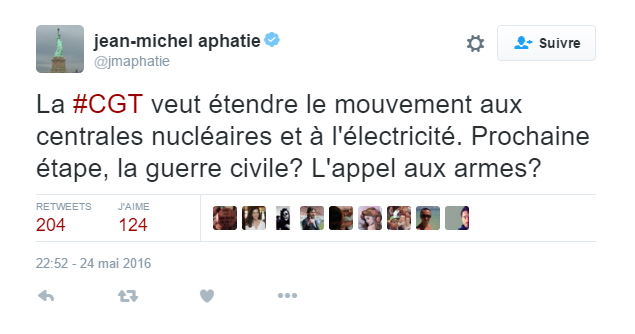
▻https://www.facebook.com/Logikeco/videos/1540660509586797/?theater (Logiquement, Aphatie devrait accuser Victor Robert de démagogie)
Réponse de Christian Eckert :
Lutte contre la fraude : jouons la transparence ! - le blog christianeckert par : Christian
▻http://christianeckert.over-blog.com/2015/12/lutte-contre-la-fraude-jouons-la-transparence.html
« Je leur ai redit que le Gouvernement ne souhaitait pas des contraintes supplémentaires pour les seules entreprises françaises, confrontées à une concurrence internationale bien connue. »
Rien de neuf, toujours les prétextes habituels, en l’occurrence, on ne peut pas y aller seul, il faudrait donc attendre un parfait alignement des planètes ?
Puis, contradiction ?
« nous venons d’adopter dans la loi de Finances pour 2016, il y a une semaine à peine, l’obligation d’échange automatique de ces mêmes informations, à partir de 2017, entre les administrations fiscales de tous les pays pour les entreprises ayant un chiffre d’affaire consolidé supérieur à 750 Millions d’Euros.
Notre administration fiscale a donc tous les moyens de contrôler et donc de redresser ces entreprises.
Elle a en outre d’ores et déjà depuis novembre 2013, les moyens d’obtenir les prix de transfert (source fréquente d’abus), que nous avons obligé dans la loi de finances de 2016 à transmettre de façon dématérialisée, ce qui permet de les exploiter mieux et plus vite. »
« Plus de 8 000 entreprises se voyaient ainsi contraintes de publier ces informations dévoilant ainsi (y compris à leurs concurrents d’autres Etats) une partie de leur stratégie industrielle ou commerciale. »
Heureusement, la directive sur le secret des affaires devrait permettre de faire ce que la Loi Macron a dû abandonner ?
« Leurs concurrents étrangers n’étant pas soumis à cette même contrainte, le Gouvernement estime qu’il serait ainsi créé un handicap pour les sociétés françaises, pouvant là nuire à l’emploi et à la compétitivité. »
Par contre, les dumpings organisés ou les traités types TAFTA n’handicapent pas les modèles sociaux ?
« notre Gouvernement a toujours milité devant nos partenaires européens la nécessité d’arriver à un C.B.C.R. public et s’est engagé à le mettre en œuvre dès lors qu’une directive européenne l’imposera à tous. Le faire seul en France serait contraire à nos intérêts économiques et donc sociaux. »
Oui on avait compris la première (énième) fois, merci.
« nos partenaires européens et néanmoins concurrents économiques, pourrait nuire à notre compétitivité et donc à l’emploi. »
Merci de préciser la nature du p̶r̶o̶d̶u̶i̶t̶ rêve "européen".
▻http://www.alterecoplus.fr/economie/le-gouvernement-justifie-son-blocage-dun-outil-anti-paradis-fiscaux-201
L’Assemblée retoque l’amendement Mediapart et le "reporting" des entreprises
►http://www.europe1.fr/economie/lassemblee-retoque-lamendement-mediapart-et-le-reporting-des-entreprises-263
"Le « reporting » ? « Des risques en matière de compétitivité ». L’autre évolution notable par rapport à la première lecture concerne l’obligation de rendre publics le « reporting » pour les grandes entreprises, qui avait été adoptée contre l’avis du gouvernement lors du premier passage du texte devant les députés. Mardi soir, cette mesure, destinée à lutter contre l’optimisation et la fraude fiscale et qui consiste à rendre obligatoire la publication des activités et impôts payés pays par pays par les grandes entreprises, avait d’abord été adoptée par 28 voix contre 24.
Mais Christian Eckert a aussitôt demandé une suspension de séance en vue d’une seconde délibération, arguant notamment des « risques en matière de compétitivité »."
Le gouvernement bloque en pleine nuit un outil anti-paradis fiscaux, par CHRISTIAN CHAVAGNEUX | AlterEco+ Alterecoplus
►http://www.alterecoplus.fr/economie/le-gouvernement-bloque-en-pleine-nuit-un-outil-anti-paradis-fiscaux-201
-"A minuit, la France était dotée d’une arme anti-paradis fiscaux très attendue et qui recevait son deuxième vote parlementaire positif en 10 jours. A une heure trente du matin, le vote était annulé par une manœuvre indigne du gouvernement." ;
–" le gouvernement décide alors une suspension de séance, réveille ses partisans et fait voter à 1 h 30 un nouvel amendement annulant le précédent.
Surtout pas de données publiques sur les turpitudes fiscales de nos grandes entreprises. Une honte. Sur cette page de l’Assemblée, vous trouverez les noms des députés présents qui ont permis au gouvernement de réussir sa manœuvre (les votes pour) et ceux des 21 députés de gauche qui ont tenté de sauver l’honneur de leur famille politique.
En 2013, la France avait obligé les banques à fournir ces informations et à les rendre publiques. Le Parlement européen nous avait emboîté le pas et toutes les banques doivent désormais communiquer, à tous, ces informations (bientôt une analyse des résultats sera disponible). L’enjeu était d’étendre cette obligation à toutes les entreprises, au-delà du secteur bancaire."
Une manœuvre à l’Assemblée nationale fait voler en éclats l’ambition de transparence fiscale des députés - Plateforme Paradis Fiscaux et Judiciaires
►http://www.stopparadisfiscaux.fr/qui-sommes-nous/plateformes-regionales-43/article/reactive-une-manoeuvre-a-l
►http://www2.assemblee-nationale.fr/scrutins/detail/%28legislature%29/14/%28num%29/1207
CADTM - Pour le gouvernement, faire et défaire, c’est toujours travailler… Surtout quand c’est au profit des patrons et du Medef
▻http://cadtm.org/Pour-le-gouvernement-faire-et
Comment 97% des députés ont fait capoter la loi pour lutter contre l’évasion fiscale | Denis Dupré
►http://www.huffingtonpost.fr/denis-dupre/comment-97-des-deputes-ont-fait-capoter-la-loi-pour-lutter-contre-lev
Fraude fiscale : le Sénat fait sauter le verrou de Bercy, contre l’avis du Gouvernement | ANTICOR
►http://www.anticor.org/2016/03/31/fraude-fiscale-le-senat-fait-sauter-le-verrou-de-bercy-contre-lavis-du-gouv
-"Lors de débats, les partisans de l’amendement faisaient valoir que la confusion entre fraude fiscale et financement du terrorisme devait être appréhendée. Ils rappelaient aussi que le parquet financier demeure confronté à ce verrou de Bercy, qui l’empêche, même en cas de fraude avérée, de lancer des poursuites sans délai." ;
–"L’amendement a été adopté contre l’avis du gouvernement. Celui-ci, représenté par le Garde des sceaux, souhaitait « en rester à l’équilibre actuel ».
Cela augure mal de l’adoption définitive de ce texte par l’Assemblée nationale, sauf si les députés faisaient majoritairement preuve de courage."
Fraude fiscale : le verrou de Bercy reste fermé | ANTICOR
►http://www.anticor.org/2016/05/12/fraude-fiscale-le-senat-fait-sauter-le-verrou-de-bercy-contre-lavis-du-gouv
« Le Sénat avait fait sauter le verrou de Bercy : il a été rétabli, le 11 mai 2016, par la Commission mixte paritaire, à la demande du Gouvernement. »
Paradis fiscaux : le bilan contrasté de François Hollande | Lui Président
▻http://luipresident.blog.lemonde.fr/2016/04/07/paradis-fiscaux-le-bilan-contraste-de-francois-hollande
Evasion fiscale : comment le gouvernement a (encore) bloqué un amendement décisif… par Pauline Graulle | Politis
▻http://www.politis.fr/articles/2016/10/evasion-fiscale-comment-le-gouvernement-a-encore-bloque-un-amendement-decisi
éLes ONG le prennent d’autant plus mal qu’il y a un précédent de taille. En décembre 2015, lors du vote du projet de loi de finances rectificatif, un amendement visant à lutter contre l’évasion fiscale a déjà été censuré, au nom de la « compétitivité » de la France, à la demande expresse de Christian Eckert. Pour ce faire, le ministre du Budget a été jusqu’à faire revoter les députés"
"Jeudi dernier, rebelote. L’hémicycle est quasiment vide, et certains députés décident de profiter de l’occasion pour muscler l’amendement sur le reporting afin de le rendre vraiment contraignant. Michel Sapin prend alors la parole. Longuement. En fait, le temps qu’il faut pour demander à ses affidés de rejoindre la séance en catastrophe pour voter contre.... « Vu le nombre que l’on était, s’ils n’étaient pas revenus, l’amendement passait », témoigne le député socialiste « frondeur », Pascal Cherki, qui a dénoncé publiquement (alors que le vote n’était pas public), sur Facebook, les socialistes qui ont fait capoter la mesure : Romain Colas, Sébastien Denaja, François Pupponi, Carlos Da Silva et Christophe Castaner.
« Ce que montre cette histoire, estime un spécialiste, c’est que non seulement le gouvernement a tous les pouvoirs sur le parlement, mais aussi qu’il est terrorisé à l’idée d’affronter les entreprises »’
►http://zinc.mondediplo.net/messages/11322
Gilles RAVEAUD » Blog Archive » Et vous, que feriez-vous avec 46 milliards d’euros ?
►http://alternatives-economiques.fr/blogs/raveaud/2015/12/15/et-vous-que-feriez-vous-avec-46-milliards-deuros
« (...)somme, qui correspond aux baisses de prélèvements obligatoires annuelles décidées par le gouvernement à partir de 2017. »
►http://www.regards.fr/web/article/philippe-lege-le-pouvoir-politique
►http://www.dessousdebruxell.es/spip.php?article228 Avis de dérégulation financière en Europe
►http://www.monde-diplomatique.fr/2005/06/HALIMI/12484
►http://www.lemonde.fr/economie/article/2015/09/15/banque-de-france-polemique-sur-le-choix-du-futur-gouverneur_4757378_3234.htm
▻http://www.politis.fr/Touche-pas-a-Macron,29410.html
Le PS veut sanctionner le buzz mensonger par 135 000 € (ou la ruine pour tous !)
▻http://www.les-crises.fr/le-ps-veut-sanctionner-le-buzz-mensonger-par-135-000-e
« L’internaute qui ne prend pas conscience de leur caractère mensonger est trompé dans son jugement là où, en tant que citoyen, il devrait toujours disposer d’une information fiable sur l’action de ses représentants. »
De fausses informations comme sur la Grèce par exemple ? Ou sur le fait que le PS serait de gauche et démocratique (TAFTA) ?
« Il y a trop de syndicats en France », déplore Jean-Marie Le Guen
▻http://www.lefigaro.fr/politique/le-scan/2016/01/20/25001-20160120ARTFIG00284-il-y-a-trop-de-syndicats-en-france-deplore-jean-m
"D’après lui, le plan « ne satisfait pas ceux qui ne sont jamais satisfaits et qui, quelque part, font profession de ne pas l’être ». Un écho aux propos de son collègue Stéphane Le Foll qui, la veille, réfute l’idée même que les frondeurs du PS puissent être des « partenaires » du gouvernement. « Avec des partenaires comme ça, il faut savoir où sont nos adversaires », avait lancé le ministre de l’Agriculture.
Mais l’ancien proche de Dominique Strauss-Kahn est allé plus loin encore, fustigeant une « petite » gauche « anti-hollandaise primaire ». « À chaque fois, cette gauche de la gauche, cette gauche critique, qui donne sans arrêt des leçons à tout le monde, elle est incapable de se faire entendre par les Français », a tancé Jean-Marie Le Guen. La veille, Stéphane Le Foll avait déjà fustigé le fait que « le problème en France, c’est qu’on n’est jamais content ». Emmanuel Macron, lui, a déclaré ce mercredi matin qu’un entrepreneur pouvait avoir une vie « plus dure » que ses salariés. Une affirmation que Jean-Marie Le Guen a pris le soin de tempérer... sans pour autant la contredire."
–Le honteux soutien de la France à Christine Lagarde - Page 1 | Mediapart
►https://www.mediapart.fr/journal/international/220116/le-honteux-soutien-de-la-france-christine-lagarde
Argentine : Hollande apporte son soutien aux réformes libérales de Macri #Argentine #UE #Traités_commerciaux #Amérique_du_sud #Amérique_latine
▻http://actu.orange.fr/france/argentine-hollande-apporte-son-soutien-aux-reformes-liberales-de-macri-a
« Au sujet du Traité de libre-échange UE-Mercosur, freiné par des désaccords au sein de ce marché commun sud-américain »
#PS #Démocratie #PS_Démocratie
Loi Macron, Syriza, Tafta : 3 passages en force, 3 graves dénis de démocratie - le Plus
►http://leplus.nouvelobs.com/contribution/1326734-loi-macron-syriza-tafta-3-passages-en-force-3-graves-denis
Une loi veut supprimer l’égalité de temps de parole des candidats à la présidentielle, Par Eugénie Bastié
►http://www.lefigaro.fr/politique/2015/12/16/01002-20151216ARTFIG00146-une-loi-veut-supprimer-l-egalite-de-temps-de-paro
Pour mettre fin aux archaïsmes hérités de vieilles idées allant dans le sens de la démocratie, deux membres du PS endossent généreusement un sacerdoce et partent en croisade contre les règles baroques afin de répandre la sagesse et les lumières de leur modernité :
-"Une proposition de loi déposée par Bruno Le Roux et Jean-Jacques Urvoas sur la « modernisation des règles applicables à l’élection présidentielle »" ;
–" La fin de l’égalité stricte de temps de parole
Au cœur de la proposition, cette mesure veut mettre fin « aux règles baroques » (Urvoas)(...) . Selon la règle en vigueur, tous les candidats, de Nicolas Sarkozy à Jacques Cheminade, doivent avoir le même temps de parole médiatique cinq semaines avant l’élection. « Quand Jacques Cheminade fait 0,25 % des voix au moment du vote décisif (de l’élection présidentielle de 2012, Ndlr), il ne me paraît pas anormal qu’il n’ait pas exactement le même traitement » a argumenté Jean-Jacques Urvoas (...).
En février 2012, neuf directeurs de rédaction de chaînes de radio et de télévision avaient adressé une lettre ouverte au président du Conseil constitutionnel pour demander que la période de stricte égalité du temps de parole soit réduite à deux semaines. Cette proposition avait été reprise par la Commission de rénovation et de déontologie de la vie publique, présidée par l’ancien Premier ministre socialiste Lionel Jospin en 2012.
La règle d’égalité stricte sera donc remplacée par un « principe d’équité », fondée sur « la représentativité de chaque candidat » et sa « contribution à l’animation du débat électoral ». La règle d’égalité stricte sera réservée aux deux dernières semaines avant l’élection."
Prime au statut-quo et aux candidats ayant déjà accès aux "grands" médias donc. C’est Aphatie et consorts qui vont être soulagés.
"La loi prévoit également de « ramener d’un an à six mois la période pendant laquelle les candidats à l’élection présidentielle doivent faire figurer leurs recettes et leurs dépenses électorales dans leur compte de campagne ». Une mesure qui devrait avantager les gros candidats, qui bénéficieront de structures partisanes conséquentes pouvant prendre en charge la campagne avant cette période de six mois. En réalité, cette proposition pourrait permettre de doubler les budgets de campagnes des gros candidats."
La Transition - Ça suffit !
►http://la-transition.fr/Actualite/Fiche/item/ca_suffit__-20
modernisation des règles applicables à l’élection présidentielle. Proposition de loi et proposition de loi organique de modernisation des règles applicables à l’élection présidentielle - Panorama des lois - Actualités - Vie-publique.fr
►http://www.vie-publique.fr/actualite/panorama/texte-discussion/proposition-loi-proposition-loi-organique-modernisation-regles-applicab
Que change la réforme des règles de la présidentielle ?
▻http://www.francetvinfo.fr/elections/presidentielle/la-reforme-des-regles-de-la-presidentielle-definitivement-adoptee_13918
France Inter - Guillaume Meurice s’intéresse à la proposition de...
▻https://www.facebook.com/franceinter/videos/985936621441458
Les médias contre l’égalité, par Pierre Rimbert (Le Monde diplomatique, mai 2012)
►https://www.monde-diplomatique.fr/2012/05/RIMBERT/47695
« Au moment où le discrédit des institutions politiques et médiatiques propage son onde de choc dans la société, le Parlement a jugé opportun de voter, mardi 5 avril, une loi qui met fin à l’égalité de temps de parole entre les candidats pendant la campagne présidentielle. Ce texte vise à marginaliser un peu plus dans l’espace public les idées politiques minoritaires — afin de conjurer le risque qu’elle ne deviennent majoritaires ? En 2012 déjà, quelques éditorialistes exaspérés de devoir répondre à des questions hétérodoxes avaient préparé le terrain. »
#Terrorisme #Stratégie_du_choc
Maintien de la déchéance de nationalité des terroristes | À la Une | Reuters
▻http://fr.reuters.com/article/topNews/idFRKBN0U612M20151223?pageNumber=1&virtualBrandChannel=0
Réforme constitutionnelle : la France de Hollande pire que les Etats-Unis de Bush ? PAR RACHEL KNAEBEL - Basta !
►http://www.bastamag.net/Tournant-securitaire-la-France-deja-bien-engagee-sur-la-route-du-modele-US
Déchéance de la nationalité : une mesure de droite proposée par le PS - Politis
▻http://www.politis.fr/Decheance-de-la-nationalite-une,33513.html
-"Le PS se félicite de l’adoption de ce projet, « conformément aux engagements pris par le Président de la République ». Son communiqué soutient même que le respect de ces engagements a été décidé « malgré les multiples injonctions de l’extrême droite et de la droite dite républicaine »" ;
–"Le frondeur ajoute que le gouvernement prend ainsi le parti de légitimer « les thèses du Front national, offrant par là même une victoire culturelle et symbolique supplémentaire au bloc réactionnaire ». "
►http://www.lejdd.fr/Politique/Valls-au-JDD-Une-partie-de-la-gauche-s-egare-au-nom-de-grandes-valeurs-765743
▻http://www.marianne.net/les-mauvais-exemples-valls-defendre-decheance-nationalite-100239038.html
Déchéance de nationalité - Marc Trevidic : « Sommes-nous prêts à recevoir les terroristes des autres ? » - La Voix du Nord
►http://www.lavoixdunord.fr/region/decheance-de-nationalite-marc-trevidic-sommes-nous-ia0b0n3238306
« Le pays est encore sous le coup de l’émotion due aux attentats de novembre. En même temps, la définition du terrorisme est très floue. Il concerne également l’atteinte aux biens. Les Moudjahidinne du peuple iraniens ont été considérés comme terroristes ou pas en fonction des enjeux de notre politique étrangère. Enfin, l’état d’urgence, aujourd’hui, permet d’assigner à résidence des... écologistes. Je suis très surpris de voir la rapidité avec laquelle on range nos principes au placard. Que se passera-t-il, demain, si un régime autoritaire qualifie très largement des opposants de "terroristes" ? »
État d’urgence : une révision constitutionnelle parfaitement inutile. Par Anne-marie Le Pourhiet
, professeur de droit public
▻http://www.marianne.net/agora-etat-urgence-revision-constitutionnelle-parfaitement-inutile-1002390
"depuis plusieurs décennies déjà, la Constitution est devenue un instrument de marketing et de communication politiques pour des candidats à la présidence de la République ou des présidents en exercice qui veulent rehausser leur programme ou leur bilan en laissant leur empreinte dans le « marbre constitutionnel ». La révision constitutionnelle fait ainsi office de talonnettes juridiques pour des gouvernants en manque de hauteur politique. La majorité des trois cinquièmes du Congrès, nécessaire pour adopter la révision, sert aussi la stratégie partisane du président en exercice pour gêner l’opposition et la mettre en porte-à-faux. Mais avec ces lamentables jeux politiciens, c’est la qualité même de la Constitution des Français qui se trouve malheureusement dégradée. Ce nouveau projet de révision, parfaitement inutile, illustre encore l’insoutenable légèreté de nos gouvernants. Il convient de le refuser."
Perquisitions musclées, arrestations injustifiées : les abus de l’état d’urgence
▻http://www.les-crises.fr/perquisitions-musclees-arrestations-injustifiees-les-abus-de-letat-durgen
▻http://www.les-crises.fr/wp-content/uploads/2015/12/4832911_6_3ace_2015-12-16-4b25b4d-27654-h03tel_ece015149c7868b6f6bfdb84ba
Vers un état d’exception permanent, par Jean-Jacques Gandini (Le Monde diplomatique, janvier 2016)
►http://www.monde-diplomatique.fr/2016/01/GANDINI/54469
"Pour ces ennemis qui s’en prennent à leurs... - Guillaume Duval Alter Éco
▻https://www.facebook.com/guillaume.duvalaltereco/posts/431818796942760
""Pour ces ennemis qui s’en prennent à leurs compatriotes, qui déchirent ce contrat qui nous unit, il ne peut y avoir aucune explication qui vaille. Car expliquer, c’est déjà vouloir un peu excuser". Apparemment Manuel Valls n’a toujours pas lu Alterecoplus."
▻http://zinc.mondediplo.net/messages/14172
L’exécutif fait du G.W.Bush, profitant de l’émotion et jouant sur celle-ci ;plutôt que de prendre du recul, inciter à la réflexion et tirer des leçons des nombreuses erreurs commises par différents acteurs au moins depuis le 11 septembre ; et ainsi faire appliquer un état d’urgence et une politique sécuritaire comportant des dérives déjà manifestes, et, cerise politicienne sur le gâteau, la déchéance de nationalité est une mesure totalement inutile et racoleuse mais dont l’effet n’est pas neutre politiquement.
Les terroristes veulent entre autres disloquer les aspects démocratiques existant en France, ce type de mesure constituent donc une victoire pour l’OEI (voire une incitation à recommencer ?).
Bien étrange façon d’être patriote que de donner l’image d’un pays lâche se délestant de ses terroristes pour les refiler à d’autres à qui on impose alors la fonction de décharge politique.
Au passage, le 28/12/2015, répondant à Claude Askolovitch sur I-Télé, Florian Philippot dit à sa manière que ceux qui sont contre la déchéance de nationalité veulent aider des terroristes (►http://www.frontnational.com/videos/florian-philippot-sur-itele-90), propos qui se retrouvent aussi sur les réseaux sociaux, c’est dire si ces manoeuvres visent exclusivement le "cerveau reptilien".
Un point positif peut-être à long terme : le PS risque de ne bientôt plus avoir aucune branche à laquelle se raccrocher pour encore prétendre être de gauche.
Quant aux propos de Valls, ils rendent, une fois n’est pas coutume, le discours des génies réalistes-détenteurs-de-LA-raison-et-étanches-aux-conduites-sous-le-coup-des-émotion, ridicule.
–De mieux en mieux... Manuel Valls veut prolonger l’état d’urgence « jusqu’à ce que nous soyons débarrassés de l’EI »
►http://www.lemonde.fr/politique/article/2016/01/22/manuel-valls-s-alarme-du-danger-que-fait-peser-sur-l-europe-la-crise-des-mig
Manuel Valls va devoir présenter ses excuses pour s’être expliqué chez Ruquier - Ma vie au poste - Télérama.fr
►http://television.telerama.fr/television/manuel-valls-va-devoir-s-excuser-de-s-etre-explique-chez-ruquier
#PS #PS_Référendums
Pour Cambadélis, le référendum du PS, « c’est le top, pas le flop »
▻http://www.lemonde.fr/politique/article/2015/10/18/le-parti-socialiste-revendique-250-000-votants-a-son-referendum_4791930_8234
"« C’est un succès, c’est le top, pas le flop ! »" ; "la question : « Face à la droite et à l’extrême droite, souhaitez-vous l’unité de la gauche et des écologistes aux élections régionales ? »"
Au hasard ==>▻http://zinc.mondediplo.net/messages/1489
Hollande tenté par un référendum : la fuite en avant - Rue89 - L’Obs, Par Pierre Haski
▻http://rue89.nouvelobs.com/2015/12/24/hollande-tente-referendum-fuite-avant-262588
"« Faute de quoi, selon nos informations, le Président est prêt à consulter les Français par référendum ! L’arme atomique, d’un usage toujours risqué. “ Bien sûr qu’il le fera ! L’option est sur la table ”, certifie un fidèle. »"
C’est marrant, pour le TSCG ou TAFTA il n’y a pas de référendum. Sans parler du traité de Lisbonne....
Et si ce référendum a bien lieu, ça va encore être l’occasion de "débats" médiatiques de haut niveau sur un mode arrangeant l’extrême droite.
Sarkozy, Hollande et Bayrou : les traîtres de Lisbonne - contrelacour
►http://contrelacour.over-blog.fr/article-sarkozy-hollande-et-bayrou-les-traitres-de-lisbonne-1
▻http://www.contrelacour.fr
"Du coté de François Hollande : l’incohérence socialiste habituelle
Voici ce qu’indiquait le programme des socialistes pour les élections législatives de 2007 : « Il faut dépasser l’impasse politique et institutionnelle et favoriser la négociation d’un traité institutionnel plus simple, soumis à référendum, pour que l’Europe se fasse avec les citoyens. »
Voici maintenant la position du parti socialiste, exprimée par Monsieur Jean-Marc Ayrault le 16 janvier 2008, au nom des députés socialistes, et suivi à la lettre par François Hollande : « Nous sommes pour le traité, mais nous sommes aussi pour le référendum […]. Dans cet esprit, les députés socialistes voteront le traité de Lisbonne le 6 février prochain mais, pour marquer leur désaccord avec la procédure choisie par le Président de la République, ils déposeront le même jour une motion référendaire soumise au vote. Quant à la réforme constitutionnelle préalable dont nous débattons aujourd’hui, le groupe socialiste s’abstiendra. »
Voici donc, chers lecteurs, une position uniquement guidée par le diktat de la « communication politique » :
– s’abstenir sur une réforme constitutionnelle sous les feux des projecteurs, alors même que l’on approuve l’ensemble des réformes introduites. Donner ainsi l’illusion de l’opposition sans pour autant mettre en danger le quorum de 3/5 nécessaire à la réforme.
– approuver un Traité européen que l’on souhaite pourtant porté au référendum populaire."
►http://l-arene-nue.blogspot.fr/2015/05/10-ans-le-referendum-vole-de-2005ou-le.html « président du groupe socialiste à l’Assemblée nationale, Jean-Marc Ayrault, dans un fort beau discours prononcé dans l’hémicycle le 6 février 2008.(…)Au moment de voter la révision constitutionnelle préalable à la ratification de Lisbonne, la gauche française, pourtant, reniera sa parole. Au sein du Parlement réuni en Congrès, 142 députés et sénateurs socialistes s’abstiendront. Pis, plus d’une trentaine d’entre eux votera favorablement. »
–►http://www.bastamag.net/Bientot-100-000-embauches-pour-controler-les-fraudeurs-fiscaux « 100 millions de fraude aux allocations chômage... » ; « On aimerait en tout cas que les pouvoirs publics déploient autant d’ardeur à repérer et sanctionner les autres fraudes. Par exemple, la fraude aux cotisations sociales, par les entreprises, estimée en 2007 entre 8 et 14 milliards d’euros par le Conseil des prélèvements obligatoires, et qui aurait doublé depuis cette date [2]. Ou l’évasion fiscale, qui coûte chaque année à l’État français la très modique somme de 50 à 80 milliards d’euros. L’équivalent de ce qui est collecté chaque année par l’impôt sur le revenu ! Proportionnellement, si l’État décidait d’y consacrer autant d’énergie que pour le contrôle des chômeurs (200 agents pour 100 millions de fraude), il faudrait dédier 100 000 personnes supplémentaires à la lutte contre l’évasion fiscale, au vu de son ampleur. Doubler les effectifs de l’administration fiscale, donc. Ou multiplier par 1000 le nombre de salariés de Tracfin, l’agence spécialisée dans le renseignement et l’action contre les circuits financiers clandestins, qui emploieactuellement 104 agents. Mais il semble plus simple de pointer du doigt le « chômeur-assisté-fraudeur ». » ; « En cas d’« insuffisance de recherche d’emploi », le chômeur se verra proposer un accompagnement renforcé pour « redynamiser » sa recherche... Pourrait-on aussi proposer aux fraudeurs fiscaux de redynamiser leur sens moral et leur attachement à la solidarité nationale et à l’intérêt général ? » ;
▻http://zinc.mondediplo.net/messages/12237#message13712
–#Conflits_d'intérêts #Lobbying
La France désarmée face à une nouvelle crise financière : cette gauche élue pour être l’ennemie de la finance et qui s’est surtout fait le relais du lobby bancaire | Atlantico.fr
►http://www.atlantico.fr/decryptage/france-desarmee-face-nouvelle-crise-financiere-cette-gauche-elue-pour-etre
–►http://www.apses.org/initiatives-actions/communiques-et-courriers/article/trois-dirigeants-de-l-institut-de « Par Arrêté du 28 mars 2015, le Ministère de l’Education nationale renouvelant les membres du Conseil National Education Economie a notamment accueilli 3 anciens ou actuels dirigeants de l’Institut de l’entreprise : Jean-Pierre BOISIVON (ancien délégué général duthink tank patronal), Xavier HUILLARD (son actuel président), et Michel PEBEREAU (ancien président).
Depuis de nombreuses années, l’Institut de l’entreprise s’emploie à transformer le contenu de l’enseignement de Sciences économiques et sociales (SES) au lycée avec un objectif idéologique clairement assumé, comme en attestent les propos tenus par Michel Pébereau en 2006 lors d’une conférence publique : « il serait peut-être bon d’effectuer un travail pédagogique de fond sur nos lycéens, comme cela a été fait par les entreprises depuis 20 ans auprès de leurs salariés, afin de les sensibiliser aux contraintes du libéralisme et à améliorer leur compétitivité, en adhérant au projet de leur entreprise … ». » ; « Pour Michel Pébereau, il ne s’agit donc pas de former des citoyens aptes à comprendre la complexité des enjeux entourant les entreprises, mais de « susciter le goût d’entreprendre ». » ;
►http://www.monde-diplomatique.fr/2015/02/HALIMI/52655 « M. Pascal Canfin, l’autre écologiste qui a démissionné du gouvernement, n’a pas choisi de relater son expérience de ministre (délégué au développement).(…) Ce faisant, il décrypte pour nous le fonctionnement, sur ces sujets, d’un Conseil européen : « La France passait beaucoup de temps à demander qu’on supprime telle phrase qui ennuyait la BNP, ou telle autre dommageable à la Société générale. En échange de quoi la France soutenait la demande allemande de supprimer telle phrase qui chagrinait la Deutsche Bank. Sans parler, bien sûr, des Britanniques, qui voulaient qu’on supprime tout le texte ! » » ;
▻http://www.mediapart.fr/journal/france/240714/ce-qu-il-faut-retenir-de-la-transparence-des-parlementaires?onglet=full
"Mais c’est à la fin de cette déclaration d’intérêts que l’on trouve les précisions les plus intéressantes. À la rubrique « Observations », Jean Glavany apporte une référence sur un volet de ses activités dont il n’a jamais aimé parler. « Je ne vois pas dans ce questionnaire où je pouvais indiquer qu’en 2012-2013 (et depuis 2001), j’étais membre du "comité stratégique" du groupe Bolloré, structure informelle s’apparentant à un "think thank" mais qui ne fait de moi ni un salarié, ni un dirigeant, ni un actionnaire de ce groupe. » Lapsus cocasse : au lieu d’écrire « think tank », le parlementaire use du mot « thank ». Comme dans « thank you very much »… " ;
Bercy : une nomination qui tombe très mal. Par Mathias Thépot
▻http://www.latribune.fr/economie/france/bercy-une-nomination-qui-tombe-tres-mal-592403.html
"La nomination d’un ancien haut dirigeant de la Société générale en tant que directeur de cabinet du ministre des Finances Michel Sapin interroge. Surtout à l’heure où le gouvernement dit vouloir réduire l’influence des lobbies, et où, qui plus est, une décision importante sur l’affaire Kerviel concernant les finances publiques approche."
"au delà du seul cas Jérôme Kerviel, un tel verdict aurait aussi une influence directe sur les finances publiques françaises. En effet, la banque a bénéficié après l’affaire d’une déduction fiscale de 2,2 milliards d’euros au titre des pertes provoquées par Jérôme Kerviel (4,9 milliards d’euros)"
"En parallèle, Michel Sapin joue aussi avec la crédibilité du gouvernement. Il porte en effet en ce moment devant le Parlement la loi « Sapin 2 » relative à la transparence, à la lutte contre la corruption et à la modernisation de la vie économique. Celle-ci vise notamment à encadrer les pratiques des différents lobbies du monde des affaires."
" la taxe sur les transactions financières (TTF), si chère à Michel Sapin, mais qui tombe lentement mais sûrement dans l’oubli, faute de soutien. Ou bien, pourquoi pas, en remettant au goût du jour la loi de séparation bancaire au niveau européen, que l’ancien commissaire européen aux services financiers, le britannique Jonathan Hill, démissionnaire après le Brexit, s’est chargé d’enterrer prématurément."
Pollueur-payeur : le gouvernement retire un amendement contesté | France info
▻http://www.franceinfo.fr/actu/politique/article/pollueur-payeur-le-gouvernement-retire-un-amendement-conteste-771021
« un amendement gouvernemental déposé ce mardi selon lequel »était réparable (…) le préjudice écologique résultant d’une atteinte anormale aux éléments et aux fonctions des écosystèmes ainsi qu’aux bénéfices collectifs tirés par l’homme de l’environnement" mais pas celui « résultant d’une atteinte autorisée par les lois, règlements et engagements internationaux de la France ou par un titre délivré pour leur application. »"
Pollueur-payeur : naufrage évité pour l’exécutif - Libération
▻http://www.liberation.fr/futurs/2016/03/02/pollueur-payeur-naufrage-evite-pour-l-executif_1437091
« Un amendement du gouvernement au projet de loi sur la biodiversité, exonérant les industriels en cas de pollution, a failli voir le jour, mardi. »
–▻http://www.marianne.net/fusion-lrps-contrer-fn-valls-lance-son-ballon-essai-100237894.html : "Une fusion LR/PS pour contrer le FN ? Valls lance son ballon d’essai" ; ""Compte tenu du danger Le Pen, il faut assumer l’UMPS, l’UMPS c’est l’équivalent chez les autres pays européens des grandes coalitions."" ;
La leçon de morale de Stéphane Le Foll à une femme au RSA, symbole de la déconnexion des politiques | Slate.fr
►http://www.slate.fr/story/111495/lecon-morale-stephane-le-foll-femme-rsa
« si l’on résume, ce lundi 14 décembre, sur France inter, le porte-parole du gouvernement, celui qui est censé représenter la ligne de nos dirigeants, vient de dire à une jeune femme au fond du trou et en dépression parce qu’elle ne gagne rien, vit chez ses parents et n’arrive pas à conquérir son autonomie qu’elle n’a qu’à être heureuse parce qu’il y a des gens qui vivent dans des dictatures et des pays en guerre »
;
Pour Moscovici sur "l’autorégulation" : Rémunération des patrons : l’autorégulation prônée par le Medef est un écran de fumée | AlterEco+ Alterecoplus
▻http://www.alterecoplus.fr/economie/benjamin-coriat/remuneration-des-patrons-lautoregulation-pronee-par-le-medef-est-un-ecr #MEDEF #AFEP
Moscovici : les règles du pacte de stabilité "ne doivent pas être remises en cause"
▻http://www.leparisien.fr/flash-actualite-economie/moscovici-les-regles-du-pacte-de-stabilite-ne-doivent-pas-etre-remises-en
Smic : dixième année sans vrai coup de pouce, Par Luc Peillon - Libération
►http://www.liberation.fr/france/2015/12/14/smic-dixieme-annee-sans-vrai-coup-de-pouce_1420648
-"Cette revalorisation minimale est sans surprise car le gouvernement, comme les années précédentes, semblait peu disposé à jouer sur ce levier. Engagé, depuis le début du quinquennat, dans une politique de l’offre consistant à contenir le coût du travail par de massives baisses de prélèvements en faveur des entreprises" ;
–"Le gouvernement peut également s’abriter derrière le comité d’experts qui, chaque année depuis son installation en 2009, recommande de s’en tenir à la revalorisation légale afin de ne pas « ajouter à l’incertitude », en cette période de reprise poussive de l’économie. En dehors d’un mini-coup de pouce en juillet 2012 à l’arrivée de la gauche au pouvoir – et qui correspondait davantage à une « avance » sur l’année 2013 – le Smic n’aura donc pas connu de bonus depuis dix ans.
Justification de la ministre du Travail, Myriam El Khomri : « Pour favoriser le pouvoir d’achat […], l’outil le plus juste reste l’impôt », a-t-elle expliqué aux syndicats, en mettant en avant les « allègements d’impôt sur le revenu des ménages les plus modestes [...], amplifiés en 2016 avec 2 milliards d’euros d’allègement supplémentaires »."
Vénézuela : Maduro s’en prend à Valls
▻http://www.lefigaro.fr/flash-actu/2015/12/17/97001-20151217FILWWW00391-venezuela-maduro-s-en-prend-a-valls.php
« lettre de félicitations envoyée par le premier ministre français Manuel Valls à Jesus Torrealba, chef de la coalition Unité démocratique (MUD) qui a remporté les élections législatives. »
►http://zinc.mondediplo.net/messages/11322
La légion d’honneur polémique du prince d’Arabie Saoudite - Le Petit Journal du 07/03 - CANALPLUS.FR
▻http://www.canalplus.fr/c-emissions/c-le-petit-journal/pid6515-le-petit-journal.html?vid=1369851
#Secret_des_affaires :
►http://www.mediapart.fr/journal/international/290115/secret-des-affaires-la-france-fait-pire-que-leurope "Pour le député européen écologiste Pascal Durand, le projet de directive européenne sur le secret des affaires est « indissociable » du traité transatlantique. Les mesures sur l’arbitrage, le blocage des normes, le secret des affaires forment un tout pour assurer aux grands groupes des protections infranchissables. Le texte français lui paraît encore plus dangereux car il institue des sanctions pénales. « Qui est visé ? Si ce n’est les salariés, les journalistes, les associations », s’interroge-t-il." ;
►http://www.mediapart.fr/journal/france/220714/les-socialistes-preparent-l-omerta-sur-la-vie-des-affaires?onglet=full ▻http://www.mediapart.fr/journal/economie/071012/moscovici-exhume-le-secret-des-entreprises
▻http://www.arnaudpelletier.com/2014/04/02/comment-mediapart-voit-le-sectret-des-affaires ▻http://www.mediapart.fr/journal/international/020414/secret-des-affaires-un-projet-de-directive-organise-lomerta ►http://www.mediapart.fr/journal/france/220714/les-socialistes-preparent-l-omerta-sur-la-vie-des-affaires ▻http://www.lesechos.fr/02/02/2012/LesEchos/21115-042-ECH_le-secret-des-affaires-enfin-protege.htm
#Multinationales : ►http://www.monde-diplomatique.fr/2015/02/BERNIER/52624 « Soumise au vote, cette résolution a été adoptée en dépit de l’opposition des nations les plus riches : l’ensemble des pays de l’Union européenne, le Japon et les Etats-Unis se sont prononcés contre. « La France a préféré une approche progressive qui s’appuie sur les travaux engagés depuis 2011, de façon à pouvoir appliquer concrètement ces mesures plus rapidement », a tenté de justifier Mme Annick Girardin, secrétaire d’Etat chargée du développement et de la francophonie » ; « La voie « plus concrète et plus rapide » voulue par le gouvernement se nomme « principes directeurs des Nations unies relatifs aux entreprises et aux droits de l’homme ». Rédigés en étroite concertation avec les sociétés privées, ils sont non contraignants et tout à fait inoffensifs. Le onzième principe indique d’ailleurs que « les entreprises devraient respecter les droits de l’homme », un conditionnel qui en dit long sur la motivation politique des rédacteurs. » ;
▻http://www.terraeco.net/multinationales-devoir-vigilance,58345.html « Peine perdue. Malgré la faible présence des députés UMP (3 députés sur les 198 que compte le groupe), de celle des UDI (3 sur 30) et des radicaux (2 sur 18) et la mobilisation du groupe écologiste (12 votants sur les 18 membres du groupe), les députés socialistes se sont majoritairement alignés sur la position du gouvernement. La proposition de loi avait beau émaner d’un allié, ils étaient 16 sur 21 votants (alors que le groupe compte 287 députés) à se prononcer en faveur d’un renvoi du texte de loi. » ; « Il montre la soumission du pouvoir politique au monde des affaires, aux entreprises du CAC 40 et à leurs syndicats. Le gouvernement, au lieu de soutenir la proposition de députés de son propre camp et d’honorer une promesse de campagne, fait une contre-proposition au rabais. Celle-ci s’aligne sur les prises de positions de l’Afep (Association française des entreprises privées). Elle ne propose aucune avancée. La seule mesure évoquée est l’adoption par les entreprises d’un code de conduite interne. Celui-ci existe déjà. » ; « Non. On ne peut pas, sous prétexte de faire un profit maximal, être dispensé du respect minimal des droits humains. Danielle Auroi, dans son discours hier à l’Assemblée, se disait désagréablement surprise par les débats en commission. « J’ai parlé de gens qui meurent. On m’a répondu CAC 40 » » ; « Le simple respect des droits humains basiques d’un bout à l’autre de la chaîne de production. On ne demande pas la lune, uniquement que les travailleurs ne meurent pas dans les ateliers, que des enfants ne soient pas exploités… » ; « que les entreprises normales qui ne commettent pas d’atrocités subissent la concurrence déloyale de groupes sans scrupules. Sous prétexte que les filiales sont plus directement impliqués, les sociétés mères se dédouanent. Pourtant, ce sont elles qui engrangent les bénéfices. » ; « La plainte déposée en 2013 contre Samsung pour son recours au travail forcé et au travail d’enfants dans les usines chinoises a été classée sans suite alors que l’ONG China Labour Watch avançait des éléments solides. La plainte déposée contre Auchan pour son implication dans le drame du Rana Plaza a finalement connu le même sort. » ; « Une seconde proposition de loi pourrait être déposée en mars prochain, via la niche parlementaire des députés socialistes. » ;
►http://www.bastamag.net/Une-premiere-loi-pour-proteger-les-oublies-de-la-mondialisation-neo-libera « La loi instaurant un « devoir de vigilance » pour les multinationales françaises en matière sociale et environnementale, a finalement été votée ce 30 mars. Si la gauche dans son ensemble s’est prononcée en faveur du texte, la droite s’y est opposée au nom de « la compétitivité » des entreprises. Ce texte est pourtant censé apporter une réponse à des catastrophes comme celles du Rana Plaza au Bangladesh, ou à de futurs drames sociaux et pollutions environnementales dans lesquels seraient impliquées des grandes entreprises françaises. Des inquiétudes demeurent également quant à la volonté du gouvernement et du ministre de l’économie Emmanuel Macron de faciliter sa mise en œuvre. » ;
▻http://www.amisdelaterre.org/L-Union-europeenne-sabote-les.html
►http://www.les-crises.fr/cdh-impunite-multinationales
►https://france.attac.org/actus-et-medias/salle-de-presse/article/le-conseil-des-droits-de-l-homme
▻http://www.altermondes.org/impunite-multinationales
Réforme bancaire : le douloureux aveu des banquiers aux députés - Arrêt sur images
▻http://www.arretsurimages.net/chroniques/2013-01-30/Reforme-bancaire-le-douloureux-aveu-des-banquiers-aux-deputes-id5570
Concessions autoroutières : pourquoi l’État refuse-t-il de rendre public son accord avec Vinci, Eiffage et Abertis ? - Observatoire des multinationales
►http://multinationales.org/Concessions-autoroutieres-pourquoi-l-Etat-refuse-t-il-de-rendre-pub
#Lobbying ►http://www.lemonde.fr/les-decodeurs/article/2015/03/13/encadrer-le-lobbying-la-promesse-oubliee-de-francois-hollande_4586504_435577
Laurence Boone, conseillère économique de Hollande, quitte l’Elysée
►http://www.ouest-france.fr/politique/francois-hollande/laurence-boone-conseillere-economique-de-hollande-quitte-lelysee-396391
-"La conseillère de François Hollande a indiqué avoir évoqué son départ avec le chef de l’État qui, selon elle, s’est montré « satisfait », son retour dans le secteur privé étant « dans l’esprit qui est le sien d’une mobilité entre le privé et le public »."
L’esprit d’Hollande ?
-"La commission de déontologie de la fonction publique a donné son feu vert à son retour dans le secteur privé, a-t-elle relevé."
La conseillère de Hollande s’opposait à la régulation des banques
▻http://www.lemonde.fr/les-decodeurs/article/2014/06/13/la-nouvelle-conseillere-de-hollande-s-opposait-a-la-regulation-des-banques_4
-"Dans une note du 15 avril, elle accuse les règles d’encadrement européennes régissant les « asset backed securities » (ABS, titres de Bourse adossés à des emprunts, produits spéculatifs en cause dans la crise des crédits immobiliers américains) d’être trop sévères et de risquer d’affaiblir ce marché." ;
–"Laurence Boone regrette en revanche que le mécanisme de sauvetage des banques ne soit pas mis en place plus vite, en raison notamment de blocages de la part des gouvernements français et allemand." ;
–"« Nous voulons croire que le gouvernement évitera de mettre en danger les graines de la croissance avec de nouvelles doses d’austérité. »"
Medef et PS, 30 ans d’amour - FAKIR | Presse alternative | Edition électronique
►http://www.fakirpresse.info/medef-et-ps-30-ans-d-amour
"La dictature des marchés ? La libre circulation des marchandises, à travers l’Europe
et le monde ? Les centaines de milliards qui s’évadent, chaque jour, de Paris à Panama ? Tout ça n’est pas tombé du ciel, tout seul, comme la pluie ou comme une fatalité.
Des gouvernements l’ont construit, et bien souvent des gouvernements « socialistes »…"
"« Les dirigeants de l’ERT ont été à l’avant-garde du soutien de mon idée. » C’est Jacques Delors , alors président (socialiste) de la Commission européenne, qui l’explique tranquillement : pour bâtir l’Europe, voilà avec qui lui s’est allié : avec l’ERT, l’European Round Table, qui rassemble 45 « capitaines d’industrie », les PDG de Total, Nestlé, Renault, Siemens, etc."
"À l’appel de leur ministre, Dominique Strauss-Kahn , trente-cinq patrons se rendent au siège de Publicis. Et à sa demande, encore, ils acceptent de verser 200 000 F chacun pour son futur « Cercle de l’Industrie »"
"« On lui payait une secrétaire, un chauffeur et un téléphone », se souvient Raymond Lévy, ancien président de Renault et du Cercle. Via des comptes secrets, sa collaboratrice est payée par Elf. Tandis que lui ne touche rien, en apparence : c’est son bénévolat. "
"En 2012, François Hollande a ainsi placé à ses côtés Emmanuel Macron , comme « secrétaire général adjoint de la présidence ». Banquier d’affaires pour Rotschild, habitué à fréquenter et à manier les grandes fortunes, c’est lui qui a impulsé le Pacte de responsabilité, le Crédit d’impôt pour la compétitivité et l’emploi, avant d’œuvrer comme ministre de l’Économie.
Pour remplacer Emmanuel Macron à l’Élysée, qui François Hollande a-t-il choisi ? Laurence Boone , chef-économiste Europe de Bank of America Merrill Lynch. Rotschild vs Merrill Lynch, c’est une forme de pluralisme…
Et qui était le prédécesseur de Macron à Bercy ? Pierre Moscovici. Vice-président du « Cercle de l’Industrie »"
#TAFTA ►http://www.dessousdebruxell.es/spip.php?article223 « Dans son discours de départ de l’OMC, son directeur général, le « socialiste » Pascal Lamy, regrettait ouvertement le temps « où les négociations commerciales pouvaient être menées et les accords pouvaient être conclus et même appliqués en grande partie à l’abri des regards du public [1] ». Il est vrai que négociations commerciales et démocratie font rarement bon ménage. » ; « Les quatre cents accords bilatéraux de libre-échange et les trois mille traités d’investissement actuellement en vigueur » ; « « Aller vite n’est pas un problème, c’est une solution », expliquait François Hollande à propos de la négociation du traité transatlantique. « Nous avons tout à gagner à aller vite. Sinon, nous savons bien qu’il y aura une accumulation de peurs, de menaces, de crispations [2]. » Dans sa foire aux questions visant à rassurer les citoyens européens, la Commission européenne est explicite : « Pour réussir des négociations commerciales, il faut respecter un certain degré de confidentialité – autrement, cela reviendrait à montrer son jeu à son adversaire durant une partie de cartes. [3] »
Mais le scandale démocratique ne s’arrête pas à l’escamotage du débat public. Les lobbies industriels et financiers disposent d’une place officielle privilégiée auprès des négociateurs afin d’orienter les négociations selon leurs intérêts. Leur influence peut, à certains égards, égaler, voire dépasser, celle des Parlements ou des gouvernements. » ; « David O’Sullivan, directeur de la DG Commerce, admettait ainsi en 2009 que, bien que sa porte soit ouverte aux ONG, il rencontrait « majoritairement des représentants de l’industrie », car « c’est ainsi que cela fonctionne » [5]. La Commission européenne ne s’en cache pas. En matière de politique commerciale, l’intérêt des multinationales européennes prime le reste. D’après l’ancien commissaire au commerce Karel de Gucht, son travail consistait à « ouvrir de nouveaux marchés pour l’industrie européenne et le secteur des services [6] » » ; « Le dialogue économique transatlantique (Transatlantic Business Dialogue –TABD) a été créé en 1995 par plus d’une centaine de dirigeants industriels européens et américains(…) Ce qui est très révélateur, c’est que la Commission européenne est à l’origine de la création du TABD. « Avec le gouvernement américain, nous avions demandé aux hommes d’affaires des deux côtés de l’Atlantique de se rassembler pour voir s’ils pouvaient parvenir à un accord sur les prochaines actions à entreprendre », expliquait l’ancien commissaire au commerce Leon Brittan en 1996. » ;
▻http://www.contrelacour.fr/hiver-2014-marche-transatlantique « Concernant les services financiers, la France continue à plaider pour son inclusion dans l’accord. Cependant, il n’existe pas de consensus européen à ce sujet car les règles américaines sont à ce jour beaucoup plus strictes que celles européennes. » ;
►https://www.libre-echange.info/veille/article/parti-socialiste-europeen-unis
►http://www.marianne.net/tafta-les-sociaux-democrates-valident-douce-les-tribunaux-arbitrage-100231
►https://www.collectifstoptafta.org/l-actu/article/le-gouvernement-francais-defend-l
▻https://france.attac.org/se-mobiliser/le-grand-marche-transatlantique/article/comite-consultatif-tafta-la
▻http://www.arretsurimages.net/breves/2015-02-27/Tafta-le-gouvernement-embarrasse-par-une-fuite-Mediapart-id18622
►https://www.libre-echange.info/veille/article/fuite-des-positions-francaises-sur
►https://www.monde-diplomatique.fr/carnet/2014-05-20-GMT
"Nous avons tout à gagner à aller vite, lâchait le président François Hollande lors d’une conférence de presse à Washington, le 11 février 2014. Sinon, nous savons bien qu’il y aura une accumulation de peurs, de menaces, de crispations. »" (avec l’habituel respect des orthodoxes envers tout ce qui déborde de leur maigre discours...)
Montebourg et son numéro d’Arnaud-le-rouge, dont il est certain que des commentateurs le vendront comme un potentiel candidat de la "vraie gauche" à l’occasion.
Euro, Tafta, industrie : trois affirmations de Montebourg décryptées. Par Mathilde Damgé et Maxime Vaudano
▻http://www.lemonde.fr/les-decodeurs/article/2014/07/10/euro-tafta-industrie-trois-affirmations-de-montebourg-decryptees_4455105_435
"En outre, il n’est pas inutile de rappeler que l’objectif même de ce traité, proclamé dans le mandat de négociation, est d’atteindre le plus haut niveau possible de libéralisation des économies américaine et européenne, en limitant au maximum les mesures préférentielles favorisant les entreprises locales par rapport aux concurrents étrangers.
Ce qui n’est tout à fait en phase avec l’idée de « démondialisation » prônée par Arnaud Montebourg pendant la primaire socialiste, ni avec ses prises de position depuis son entrée au gouvernement"
Montebourg, l’homme qui retourne sa marinière - FAKIR | Presse alternative | Edition électronique
▻http://fakirpresse.info/montebourg-l-homme-qui-retourne-sa-mariniere
"Comptait-il le transformer, franchement, ce « système extrémiste », en compagnie des Hollande, Moscovici, Cahuzac et Sapin, tous ces gens qui sont, et depuis belle lurette, et par mille biais, « les alliés des marchés financiers » ? C’est lui qui en est transformé, surtout. Car le même M. Démondialisation soutient, désormais, le projet d’accord de libre- échange transatlantique. « N’est-ce pas un peu contradictoire ? » l’interroge un journaliste. Arnaud Montebourg : « Enfin, c’est-à-dire que les accords de libre-échange ils sont, d’abord il ont un avantage c’est qu’il y a deux entités, c’est pas la mondialisation. C’est deux continents, qui ont des règles, qui ont des préférences. (...) Donc, c’est un accord qui peut être égalitaire. C’est un accord qui peut être gagnant-gagnant et non pas perdant-perdant, ce qui était le cas de la mondialisation jusqu’à présent. Et ce n’est pas un accord de mondialisation, c’est un accord régional, entre deux régions du monde. » (RTL, 16/6/2013.)"
▻http://www.rtl.fr/actu/politique/le-grand-jury-arnaud-montebourg-ministre-du-redressement-productif-invite-du-gra
Traité transatlantique : la France propose (discrètement) d’instaurer l’arbitrage privé en Europe
▻http://www.francetvinfo.fr/economie/commerce/traite-transatlantique/traite-transatlantique-la-france-propose-discretement-d-instaurer-l-arb
#Lobbying #Ploutocratie
"Paris semble avoir discrètement changé d’avis dans le cadre des discussions sur l’abrogation des traités bilatéraux conclus dans les années 1990 avec les pays de l’ex-URSS aujourd’hui membres de l’UE. Dans une proposition transmise au Comité de politique commerciale du Conseil de l’UE le 7 avril, les cinq Etats membres demandent la création d’un système intra-européen de protection des investissements, avec un mécanisme d’arbitrage privé.
« Cette proposition institutionnaliserait l’ISDS dans toute l’UE, et donnerait un pouvoir délirant à toutes les entreprises qui estiment que les réglementations publiques sur l’environnement, l’alimentation et le travail représentent des entraves systématiques à leurs profits », se désole Amélie Canonne, présidente de l’AITEC, dans un communiqué. L’AITEC relève par ailleurs qu
–-L’épouvantail de la dette publique, par Bruno Tinel & Franck Van de Velde (Le Monde diplomatique, juillet 2008)
►https://www.monde-diplomatique.fr/2008/07/TINEL/16109
« Depuis 1997, à l’initiative de M. Dominique Strauss-Kahn, alors ministre des finances, il existe même des obligations d’Etat indexées sur l’inflation (les OATi) : le gouvernement à direction socialiste a accordé aux rentiers l’assurance anti-inflation qu’il avait lui-même retirée aux salariés »
« la financiarisation, laquelle requiert pour préalable un ensemble de dispositions légales et institutionnelles, comme, par exemple, la libéralisation de la circulation des capitaux mise en place par l’Acte unique européen, signé en 1986, sous la houlette de M. Jacques Delors »