Seenthis
•
 
Identifiants personnels
  • [mot de passe oublié ?]

 
  • #i
  • #il
  • #île
  • #île_
RSS: #île_maurice

#île_maurice

  • @cdb_77
    CDB_77 @cdb_77 24/08/2023

    “Così le multinazionali occidentali non pagano le tasse in Mozambico”

    Le grandi società estrattive approfitterebbero dei trattati firmati da Maputo con paradisi fiscali come Mauritius o Emirati Arabi Uniti. Il centro di ricerca indipendente SOMO stima che cinque compagnie -inclusa Eni- eviteranno di pagare imposte per un valore compreso tra 1,4 e due miliardi di dollari. A proposito di “Piano Mattei”

    https://i0.wp.com/altreconomia.it/app/uploads/2023/08/Screenshot-2023-08-22-alle-14.54.20.png?resize=770%2C500&ssl=1#.jpg

    Per via dei trattati fiscali siglati dal Mozambico con diversi Paesi stranieri diverse multinazionali -tra cui le società fossili TotalEnergies ed Eni- eviteranno di versare circa due miliardi di dollari di tasse al governo di Maputo: una cifra superiore a quanto spende il Paese africano per la sanità in un anno intero. Nello specifico, le due aziende europee “non pagano la loro giusta quota dal momento che fanno transitare i propri investimenti attraverso società di comodo negli Emirati Arabi Uniti”, come denuncia il report “The treaty trap: tax avoidance in Mozambique’s extractive industries” (La trappola del trattato: l’elusione fiscale nell’industria estrattiva in Mozambico) pubblicato il 21 luglio dal Centro di ricerca olandese sulle multinazionali SOMO.

    Il meccanismo che permette alle società di gas e petrolio (ma non solo) di arricchirsi a dismisura era già stato al centro di un dettagliato rapporto “How Mozambique’s tax treaties enable tax avoidance“, pubblicato lo scorso marzo sempre da SOMO e dal Centro mozambicano per la democrazia e lo sviluppo (Cdd) e del quale avevamo già scritto. Il report denuncia come la rete di trattati fiscali siglati dal Mozambico stia privando il Paese di centinaia di milioni di dollari di entrate ogni anno, a causa degli accordi stretti con paradisi fiscali come Mauritius ed Emirati Arabi Uniti. Secondo le stime delle due organizzazioni, solo nel 2021 il Paese africano avrebbe perso circa 390 milioni di dollari in mancato gettito fiscale.

    In questo nuovo rapporto SOMO evidenzia come TotalEnergies ed Eni abbiano approfittato del trattato fiscale siglato dal governo di Maputo con Abu Dhabi, creando società di comodo negli Emirati Arabi Uniti. “Gli investimenti sono sostenuti da prestiti di banche d’investimento pubbliche, agenzie di credito all’esportazione e banche commerciali di tutto il mondo. Se i prestiti per questi megaprogetti non fossero passati attraverso gli Emirati Arabi Uniti, il Mozambico avrebbe potuto applicare una ritenuta fiscale del 20% su quasi tutti i pagamenti degli interessi, per un importo che oscilla tra 1,3 e due miliardi di dollari”, osservano i ricercatori di SOMO.

    Accuse a cui la società italiana guidata da Claudio Descalzi ha risposto dichiarando che “come contribuente, Eni opera nel pieno rispetto del quadro legislativo e fiscale locale e internazionale. I progetti di Eni nei Paesi in cui è presente generano benefici economici e sociali a livello locale in termini di tasse, occupazione, formazione e progetti sociali, formazione e progetti sociali -si legge nella nota pubblicata nel report di SOMO-. Inoltre, le Linee guida fiscali di Eni assicurano una corretta interpretazione della normativa fiscale con il divieto di intraprendere operazioni fiscalmente aggressive. Il Mozambico, a seguito dei progetti a cui Eni partecipa, sta diventando un importante attore globale nel settore del Gas ‘naturale’ liquefatto (Gnl)”.

    I giacimenti di gas interessati dalle operazioni dei due colossi europei si trovano al largo della provincia di Cabo Delgado, nel Nord del Paese: un’area economicamente emarginata e impoverita, dove gli investimenti miliardari per lo sfruttamento dei combustibili fossili non hanno portato alcun beneficio alla popolazione locale, alimentando invece le disuguaglianze. Dopo la scoperta dei primi giacimenti (tra il 2010 e il 2014) migliaia di persone hanno dovuto abbandonare i propri villaggi a causa delle operazioni industriali. La situazione è ulteriormente peggiorata a causa di una violenta insurrezione di matrice jihadista che dal 2017 ha provocato migliaia di morti e costretto milioni di persone alla fuga.

    Ma non ci sono solo le società del settore degli idrocarburi al centro dell’attenzione. SOMO ha infatti analizzato le pratiche fiscali di alcune aziende minerarie come la britannica Gemfields, che estrae rubini nel distretto di Montepuez (sempre nella provincia di Cabo Delgado), e l’irlandese Kenmare Resources, che opera in una miniera di titano a Moma (nel Nord-Est del Paese). Entrambe controllano le loro operazioni in Mozambico dalle Mauritius, approfittando di un trattato fiscale che gli avrebbe permesso di evitare circa 20 milioni di dollari di ritenute sui dividendi tra il 2017 e il 2022.

    Infine c’è la gestione del corridoio logistico di Nacala: una rete ferroviaria lunga 912 chilometri utilizzata per il trasporto di carbone delle miniere nella provincia di Tete (nel Mozambico occidentale) fino al porto di Nacala, affacciato sull’oceano Indiano, sulla costa orientale. L’infrastruttura è controllata al 50% dalla compagnia mineraria brasiliana Vale e dalla società elettrica giapponese Mitsui & Co. SOMO ritiene che le due aziende abbiano evitato di versare nelle casse del governo di Maputo circa 96,9 milioni di dollari tra il 2016 e il 2020: “Ciò è stato possibile reindirizzando i prestiti attraverso società di intermediazione con sede negli Emirati Arabi Uniti per trarre vantaggio dal trattato fiscale tra gli Emirati Arabi Uniti e il Mozambico, che riduce dal 20% a zero l’aliquota applicabile per la ritenuta alla fonte sugli interessi in Mozambico”, si legge nel report.

    Il sottosuolo del Mozambico è ricco di minerali che possono svolgere un ruolo fondamentale nella transizione energetica. E, nel contesto dell’esplosione della domanda globale di queste materie prime, è fondamentale affrontare tempestivamente il tema dell’evasione fiscale -avverte SOMO- per evitare che anche in questo ambito si ripeta quello che è successo con i combustibili fossili. “È indispensabile che il Mozambico abbandoni questi trattati fiscali iniqui, ponendo un freno all’elusione fiscale delle imprese e salvaguardando gli interessi della popolazione -ha spiegato Nelsa Langa, assistente di ricerca presso il Centro mozambicano per la democrazia e lo sviluppo-. Dovrebbe liberarsi da questi trattati fiscali obsoleti, che costano molto al Paese e forniscono pochi benefici”.

    Il ricercatore di SOMO Vincent Kiezebrink aggiunge che “le multinazionali devono smettere di abusare di questi trattati fiscali per evitare di pagare le tasse in uno dei Paesi più vulnerabili del mondo. E i governi dei paradisi fiscali come gli Emirati Arabi Uniti e le Mauritius devono permettere al Mozambico di rinegoziarli”. L’esperienza di Paesi come Senegal, Kenya, Lesotho e Ruanda -che hanno rinegoziato o cancellato con successo gli accordi fiscali con le Mauritius- dimostra che è possibile cambiare questa situazione.

    ▻https://altreconomia.it/cosi-le-multinazionali-occidentali-non-pagano-le-tasse-in-mozambico
    #multinationales #pétrole #évasion_fiscale #fisc #Eni #industrie_pétrolière #Mozambique #île_Maurice #TotalEnergies #total #Emirats_arabes_unis #Abu_Dhabi #gaz #énergie #extractivisme

    CDB_77 @cdb_77
    • @cdb_77
      CDB_77 @cdb_77 24/08/2023

      Oil and gas multinationals avoid up to $2 billion in taxes in Mozambique

      TotalEnergies and ENI are set to avoid up to $2 billion in withholding taxes in Mozambique – more than the country’s annual healthcare spending – research by SOMO and CDD reveals. The oil and gas giants fail to pay their fair share of taxes in the African country because they rout their investments through letterbox companies in the United Arab Emirates (UAE). Mozambique could prevent these practices by cancelling or renegotiating its outdated tax treaties with tax havens like the UAE and Mauritius. Several other African countries have successfully done so already.

      TotalEnergies (France) and ENI (Italy) lead two megaprojects in Mozambique to exploit gas reserves in the northern province of Cabo Delgado, constituting the biggest investments in Africa to date. Both multinationals established letterbox companies in the UAE to channel their consortium’s multi-billion-dollar investments, taking advantage of the 0 % interest withholding tax rate in its tax treaty with Mozambique. The investments are backed by loans from public investment banks, export credit agencies and commercial banks worldwide. If the loans for these megaprojects had not been routed through the UAE, Mozambique could have charged a 20 per cent withholding tax on nearly all related interest payments, which amounts to $1.3 – $2 billion.
      publication cover - The treaty trap: tax avoidance in Mozambique’s extractive industries
      Publication / July 21, 2023
      The treaty trap: tax avoidance in Mozambique’s extractive industries
      The miners

      The backdrop for these gas projects is Mozambique’s northernmost province of Cabo Delgado, an economically marginalised region where a violent insurgency has wreaked havoc since 2017. The discovery of gas and the resulting increase in inequality in the area has been a key driver behind the conflict.

      Treaty shopping using complex corporate structures
      The use of UAE-based letterbox companies by TotalEnergies and ENI are just two examples of treaty shopping, depriving Mozambique of much-needed tax revenue. SOMO found similar tax avoidance structures by mining companies Vale, Kenmare and Gemfields, which are estimated to have avoided an $117 million in Mozambican taxes between 2017 and 2022. The tax treaties with the UAE and Mauritius are estimated to have cost Mozambique $315 million in 2021 alone, SOMO calculated in a March 2023 report.

      Following these revelations, SOMO delved into the details by studying the tax practices of specific companies in the Mozambican gas and mining sectors. Besides the gas projects, case studies include Gemfields, a UK miner extracting rubies in Montepuez and the Irish mining company Kenmare Resources, which operates the Moma titanium mine. On paper, both companies control their operations in Mozambique from Mauritius, taking advantage of a tax treaty that allowed them to avoid approximately $20 million in dividend withholding taxes between 2017 and 2022. Finally, there is the case of Vale and Mitsui & Co., who avoided approximately $96.9 million in interest withholding taxes associated with their Nacala Logistics Corridor between 2016 and 2020 through a financing structure routed via the UAE.

      Unfair and outdated tax treaties
      It is imperative that Mozambique steps out of these unfair tax treaties, curbing corporate tax avoidance and safeguarding its people’s interests. Nelsa Langa (Research Assistant at CDD): “Mozambique should free itself from these outdated tax treaties, which cost the country dearly while providing little benefit. Senegal, Kenya, Lesotho and Rwanda have all successfully renegotiated or cancelled tax treaties with tax havens Mauritius.”

      Mozambique is rich in natural resources, with vast deposits not only of fossil fuels but also minerals that are of key importance for the energy transition. Amidst the exploding demand for these minerals, it is crucial to address tax avoidance promptly to prevent replication.

      Vincent Kiezebrink (Researcher at SOMO): “Multinational companies need to stop abusing Mozambique’s tax treaties to avoid taxes in one of the world’s most vulnerable countries, and tax haven governments such as the UAE and Mauritius need to allow Mozambique to renegotiate these harmful tax treaties.”

      The Mozambican government has the tools to stop this widespread tax avoidance. By renegotiating or terminating its tax treaties with Mauritius and the UAE, it could limit companies’ opportunities for tax avoidance.

      ▻https://www.somo.nl/oil-and-gas-multinationals-avoid-up-to-2-billion-in-taxes-in-mozambique

      CDB_77 @cdb_77
    Écrire un commentaire
  • @cdb_77
    CDB_77 @cdb_77 23/11/2020
    3
    @simplicissimus
    @mapper
    @cy_altern
    3

    CNES Géoimage Nouvelles ressources

    Dans une situation difficile, tendue et régressive, les cours en présentiel sont impossibles, les bibliothèques, universitaires en particulier, et les librairies sont fermées et les risques de décrochages se multiplient. Dans ce contexte, le site Géoimage du CNES (Centre Nat. d’Etudes Spatiales) met à disposition en ligne plus de 300 dossiers réalisés par 165 auteurs sur 86 pays et territoires. Pour votre information, voici les derniers dossiers réalisés ces deux derniers mois. Ils constituent peut être une ressource utile pour vos étudiants. En restant a votre disposition.

    1. Nouveaux dossiers en ligne

    #Frontières : entre #guerres, #tensions et #coopérations

    #Pakistan-#Inde-#Chine. Le massif du #K2 et le #Glacier_Siachen : #conflits_frontaliers et affrontements militaires sur le « toit du monde » (L. Carroué )

    ▻https://geoimage.cnes.fr/fr/pakistan-inde-chine-le-massif-du-k2-et-le-glacier-siachen-conflits-fro

    Pakistan-Chine. La #Karakoram_Highway : un axe transfrontalier géostratégique à travers l’#Himalaya (L. Carroué)

    ▻https://geoimage.cnes.fr/fr/geoimage/pakistan-chine-la-karakoram-highway-un-axe-transfrontalier-geostrategi

    #Afghanistan/ #Pakistan/ #Tadjikistan - Le corridor de #Wakhan : une zone tampon transfrontalière en plein Himalaya (L. Carroué)

    ▻https://geoimage.cnes.fr/fr/afghanistan-pakistan-tadjikistan-le-corridor-de-wakhan-une-zone-tampon

    Affrontement aux sommets sur la frontière sino-indienne, autour du #Lac_Pangong_Tso dans l’Himalaya (F. Vergez)

    ►https://geoimage.cnes.fr/fr/geoimage/affrontement-aux-sommets-sur-la-frontiere-sino-indienne-sur-le-lac-pan

    #Brésil - #Argentine – #Paraguay. La triple frontière autour d’#Iguazu : un des territoires transfrontaliers les plus actifs au monde (C. Loïzzo)

    ▻https://geoimage.cnes.fr/fr/geoimage/bresil-argentine-paraguay-la-triple-frontiere-autour-diguazu-un-des-te

    #Grèce – #Turquie. Les îles grecques de #Samos et #Lesbos en #mer_Egée : tensions géopolitiques frontalières et flux migratoires (F. Vergez)

    ▻https://geoimage.cnes.fr/fr/geoimage/grece-turquie-les-iles-grecques-de-samos-et-lesbos-en-mer-egee-tension

    #Jordanie/ #Syrie : guerre civile, frontière militarisée et #camps_de_réfugiés de #Zaatari (L. Carroué)

    ▻https://geoimage.cnes.fr/fr/geoimage/jordanie-syrie-guerre-civile-frontiere-militarisee-et-camps-de-refugie

    Frontières : France métropolitaine et outre-mer

    #Calais : un port de la façade maritime européenne aux fonctions transfrontalières transmanches (L. Carbonnier et A. Gack)

    ▻https://geoimage.cnes.fr/fr/geoimage/hauts-de-france-calais-un-port-de-la-facade-maritime-europeenne-aux-fo

    L’Est-#Maralpin : un territoire transfrontalier franco-italo-monégaste au cœur de l’arc méditerranéen (F. Boizet et L. Clerc)

    ▻https://geoimage.cnes.fr/fr/lest-maralpin-un-territoire-transfrontalier-franco-italo-monegaste-au-

    La principauté de #Monaco : le défi du territoire, entre limite frontalière, densification et extensions urbaines maritimes (P. Briand)

    ▻https://geoimage.cnes.fr/fr/geoimage/la-principaute-de-monaco-le-defi-du-territoire-entre-limite-frontalier

    #Guyane_française/ Brésil. La frontière : d’un territoire longtemps contesté à une difficile coopération régionale transfrontalière (P. Blancodini )

    ▻https://geoimage.cnes.fr/fr/geoimage/guyane-francaise-bresil-la-frontiere-un-territoire-longtemps-conteste-

    (Frontières. Pages concours - Capes, Agrégations)

    ►https://geoimage.cnes.fr/fr/geoimage/les-frontieres

    Enjeux géostratégiques et géopolitiques

    Pakistan. #Gwadar : un port chinois des Nouvelles Routes de la Soie dans un #Baloutchistan désertique et instable (C. Loïzzo)

    ▻https://geoimage.cnes.fr/fr/geoimage/pakistan-gwadar-un-port-chinois-des-nouvelles-routes-de-la-soie-dans-u

    #Chine. L’archipel des #Paracels : construire des #îles pour projeter sa puissance et contrôler la #Mer_de_Chine méridionale (L. Carroué)

    Chine - L’archipel des Paracels : construire des îles pour projeter sa puissance et contrôler la Mer de Chine méridionale

    #Kings_Bay : la grande base sous-marine nucléaire stratégique de l’#Atlantique (L. Carroué)

    ▻https://geoimage.cnes.fr/fr/geoimage/etats-unis-kings-bay-la-grande-base-sous-marine-nucleaire-strategique-

    #Kitsap - #Bangor : la plus grande #base_sous-marine nucléaire stratégique au monde (L. Carroué)

    ▻https://geoimage.cnes.fr/fr/geoimage/etats-unis-kitsap-bangor-la-plus-grande-base-sous-marine-nucleaire-str

    #Djibouti / #Yémen. Le détroit de #Bab_el-Mandeb : un verrou maritime géostratégique entre la #mer_Rouge et l’#océan_Indien (E. Dallier et P. Denmat)

    ▻https://geoimage.cnes.fr/fr/geoimage/djiboutiyemen-le-detroit-de-bab-el-mandeb-un-verrou-maritime-geostrate

    #Abu_Dhabi : une ville capitale, entre mer et désert (F. Tétart)

    ▻https://geoimage.cnes.fr/fr/geoimage/emirats-arabes-unis-abu-dhabi-une-ville-capitale-entre-mer-et-desert

    France et #DROM : dynamiques et mutations

    Languedoc. #Cap_d’Agde : une station touristique au sein d’un littoral très aménagé en région viticole (Y. Clavé)

    ▻https://geoimage.cnes.fr/fr/geoimage/languedoc-cap-dagde-une-station-touristique-au-sein-dun-littoral-tres-

    Le sud-est de la #Grande-Terre : les plages touristiques et les #Grands_Fonds, entre survalorisation, inégalités et développement durable (J. Fieschi et E. Mephara)

    ▻https://geoimage.cnes.fr/fr/geoimage/guadeloupe-le-sud-est-de-la-grande-terre-les-plages-touristiques-et-le

    #Normandie. #Lyons-la-Forêt et son environnement : entre #Rouen et Paris, un espace rural sous emprise forestière (T. Puigventos)

    ▻https://geoimage.cnes.fr/fr/geoimage/normandie-lyons-la-foret-et-son-environnement-entre-rouen-et-paris-un-

    #PACA. L’agglomération de #Fréjus - #Saint-Raphaël : un #littoral méditerranéen touristique urbanisé (S. Revert)

    ▻https://geoimage.cnes.fr/fr/geoimage/paca-lagglomeration-de-frejus-saint-raphael-un-littoral-mediterraneen-

    #Tourisme et #patrimonialisation dans le monde

    #Portugal – #Lisbonne : la capitale portugaise aux défis d’une #touristification accélérée et d’une patrimonialisation accrue (J. Picollier)

    Portugal - Lisbonne : la capitale portugaise aux défis d’une touristification accélérée et d’une patrimonialisation accrue

    #Floride : le Sud-Ouest, un nouveau corridor touristique et urbain (J.F. Arnal)

    ▻https://geoimage.cnes.fr/fr/geoimage/etats-unis-floride-le-sud-ouest-un-nouveau-corridor-touristique-et-urb

    #Alaska. Le #Mont_Denali : glaciers, #parc_national, #wilderness et changement climatique (A. Poiret)

    ▻https://geoimage.cnes.fr/fr/geoimage/alaska-le-mont-denali-glaciers-parc-national-wilderness-et-changement-

    #Ile_Maurice. Le miracle de l’émergence d’une petite île de l’#océan_Indien (M. Lachenal)

    ▻https://geoimage.cnes.fr/fr/geoimage/ile-maurice-le-miracle-de-lemergence-dune-petite-ile-de-locean-indien

    Le #Grand-Prismatic du Parc National du #Yellowstone : entre wilderness, protection, patrimonialisation et tourisme de masse (S. Sangarne et N. Vermersch)

    ▻https://geoimage.cnes.fr/fr/geoimage/etats-unis-le-grand-prismatic-du-parc-national-du-yellowstone-entre-wi

    #Maroc. Contraintes, défis et potentialités d’un espace désertique marocain en bordure du Sahara : Ouarzazate (M. Lachenal)

    ▻https://geoimage.cnes.fr/fr/geoimage/maroc-contraintes-defis-et-potentialites-dun-espace-desertique-marocai

    2. Nouvelle rubrique : « Images A la Une »

    La rubrique Image A La Une a pour objectif de mettre en ligne une image satellite accompagnée d’un commentaire en lien avec un point d’actualité et qui peut donc être facilement mobilisée en cours (cf. incendies de forêt en Australie en janv./ 2020, impact du Coronavirus en avril 2020).

    Fabien Vergez : Affrontements aux sommets sur la frontière sino-indienne, sur le lac Pangong Tso dans l’Himalaya

    ►https://geoimage.cnes.fr/fr/geoimage/affrontement-aux-sommets-sur-la-frontiere-sino-indienne-sur-le-lac-pan

    Virginie Estève : Les "#Incendies_zombies" en #Arctique : un phénomène surmédiatisé qui alerte sur le réchauffement climatique.

    ▻https://geoimage.cnes.fr/fr/geoimage/incendies-zombies-en-arctique-un-phenomene-surmediatise-qui-alerte-sur

    3. Ouverture d’une nouvelle rubrique : « La satellithèque »

    Le site Géoimage du CNES se dote d’une nouvelle rubrique afin d’enrichir son offre. A côté des images déjà proposées dans les rubriques "dossiers thématiques" ou "Images A la Une", le site Géoimage du CNES met en ligne comme autres ressources des images brutes non accompagnées d’un commentaire ou d’une analyse.

    L’objectif de cette #Satellithèque est d’offrir au plus grand nombre - enseignants, universitaires, chercheurs, étudiants, grand public... - de nombreuses images de la France et du monde. Ainsi, progressivement, dans les mois qui viennent des centaines d’images nouvelles seront disponibles et téléchargeable directement et gratuitement en ligne afin d’accompagner leurs travaux, recherches ou voyages.

    ▻https://geoimage.cnes.fr/fr/geoimage/satellitheque

    4. Ouverture de comptes Twitter et Instagram

    Suivez et partagez l’actualité du site GeoImage à travers Twitter / Instagram, que ce soit de nouvelles mises en ligne ou des évènements autour de ce projet. La publication de nouveaux dossiers et leurs référencements, tout comme la publication de notules dans images à la une est accompagnée de brèves sur ces réseaux sociaux

    Ci-dessous les identifiants pour s’abonner aux comptes Twitter et Instagram

    Compte twitter : @Geoimage_ed

    Compte Instagram : geoimage_ed

    #images_satellitaires #visualisation

    #ressources_pédagogiques

    CDB_77 @cdb_77
    • @simplicissimus
      Simplicissimus @simplicissimus 23/11/2020
      @cdb_77

      #merci, @cdb_77 !
      combien de vies il faut pour explorer tout ça ?…

      Simplicissimus @simplicissimus
    Écrire un commentaire
  • @rezo
    Rezo @rezo 8/08/2020
    3
    @monolecte
    @sinehebdo
    3

    Au large de l’île Maurice, la crainte d’une catastrophe écologique
    ▻https://www.france24.com/fr/20200808-au-large-de-l-%C3%AEle-maurice-la-crainte-d-une-catastrophe-%C3%A

    Rezo @rezo
    • @sinehebdo
      Dror@sinehebdo @sinehebdo 8/08/2020

      Vers une marée noire au large de l’île Maurice ? Les autorités mauriciennes ont annoncé, jeudi 6 août, que des hydrocarbures s’écoulaient d’un vraquier échoué sur un récif depuis la fin juillet sur la côte sud-est de l’île, faisant craindre ce scénario.

      Le ministère mauricien de l’Environnement a indiqué dans un communiqué avoir été informé jeudi de l’existence d’une « fissure dans le navire MV Wakashio » et d’une « fuite d’hydrocarbures ». Il a demandé au public de ne pas s’aventurer sur les plages et dans les lagons alentour.

      #Marée_Noire #Ile_Maurice #pollution #pétrole #navire

      Dror@sinehebdo @sinehebdo
    Écrire un commentaire
  • @cdb_77
    CDB_77 @cdb_77 31/03/2020
    2
    @antonin1
    @sinehebdo
    2
    @thomas_lacroix @isskein

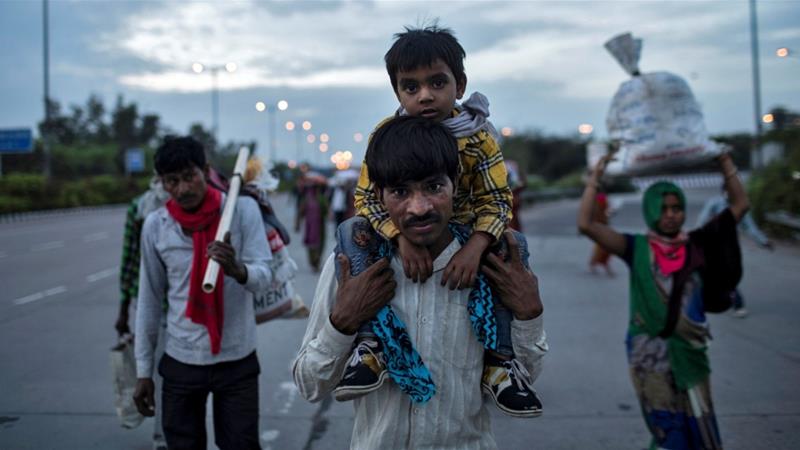
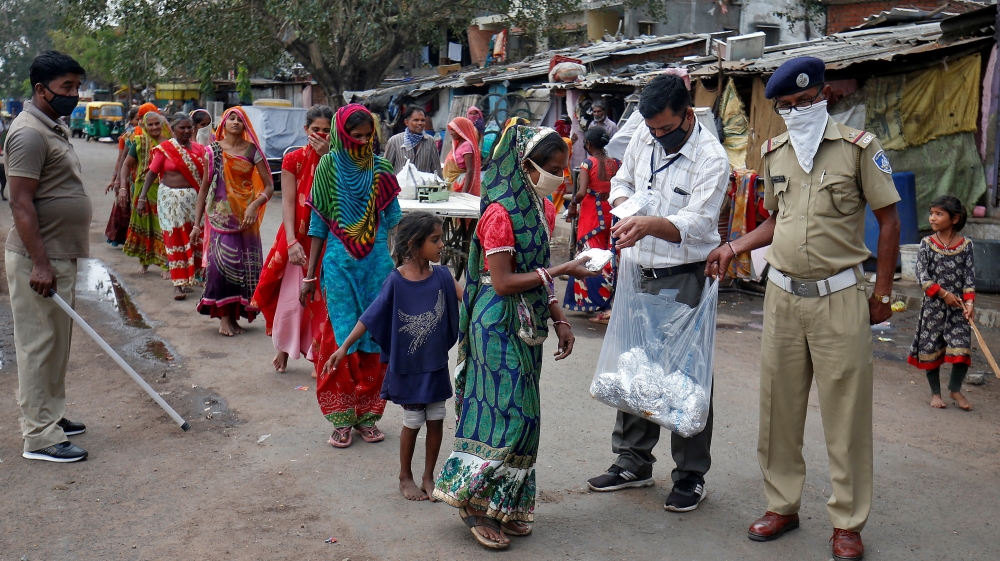
    #Chaos and hunger amid India #coronavirus lockdown

    India’s strict lockdown of 1.3 billion people disrupts lives with migrant workers facing hunger and forced to walk home.

    https://www.aljazeera.com/mritems/imagecache/mbdxxlarge/mritems/Images/2020/3/27/58c0e40ee226450e87e6ec696b0378f7_18.jpg

    As countries globally began enforcing strict lockdowns to prevent the spread of the coronavirus, India, the world’s second most populous country, followed suit.

    Prime Minister Narendra Modi on Tuesday announced a 21-day lockdown to contain the virus spread that has now killed 17 Indians and infected more than 700 others.

    The South Asian nation reported its first coronavirus case on January 30 but in recent weeks the number of infections has climbed rapidly, worrying public health experts who say the government should have acted sooner.

    India’s main opposition Congress party has also criticised the government over a delayed response.
    Government defends lockdown

    But the ruling Bharatiya Janata Party (BJP) leader Sundhanshu Mittal said India was one of few countries to have acted swiftly and decisively to contain the outbreak.

    “You can’t have knee-jerk reactions to such catastrophes without evaluating and anticipating the scale of the problem and looking at the international domain knowledge and consensus. A lot of administrative decisions were made,” he said.

    India’s Health and Family Welfare Ministry claims the rate of increase in infections has stabilised. “While the numbers of COVID-19 cases are increasing, the rate at which they are increasing appears to be relatively stabilising. However, this is only the initial trend,” a spokesperson said.

    According to the latest report by the country’s top medical research body, the Indian Council of Medical Research (ICMR), 27,688 coronavirus tests had been carried out by 9am on Friday.

    “A total of 691 individuals have been confirmed positive among suspected cases and contacts of known positive cases,” read the ICMR update. On Thursday, India witnessed the highest daily increase in COVID-19 cases of 88 people.

    While the numbers do not paint a grim picture compared to other countries that are finding it difficult to contain the virus, concern is growing among healthcare experts who believe that the number of infections could be far higher than what is being reported.

    Academics from three American universities and the Delhi School of Economics in a report based on current trends and demographics have claimed that India could experience as many as 1.3 million coronavirus infections by mid-May.
    Scaling up testing facilities

    Experts also say India’s capacity to test is poor and more robust testing would reveal the true extent of the pandemic.

    “We have to test anyone who is showing any symptoms, we can’t be restricted to hospitalised cases or those with travel history,” said Dr T Sundaraman, the national convener of the People’s Health Movement.

    “We don’t know much because the rate of testing is still modest and very limited. If the testing expands we may find the real numbers which we don’t have,” he told Al Jazeera.

    https://www.aljazeera.com/mritems/Images/2020/3/27/2d650768c7b743d19d2b9ab8c565bcad_18.jpg

    Facing its biggest health emergency since the country gained independence from Britain in 1947, the Indian government announced a series of steps starting with a 14-hour public curfew on Sunday.

    The government has also scaled up testing facilities and engaged private contractors to help it conduct tests.

    From 72 testing centres initially, India now has 104, with a capacity to test 8,000 samples daily. Another two rapid testing laboratories that can conduct more than 1,400 tests per day are also expected to be operating soon.

    Leena Meghaney, a legal expert on public healthcare, claimed that a global shortage of chemicals used in the tests and the validation of testing kits being produced domestically were hindering India’s testing capacity.

    “This shortage was not specific to India but a global phenomenon. It happened in the USA and France, and India must have faced a similar shortage. The government had to scale it up and procure testing kits from companies which had to be first validated [which] also took some time,” Meghaney told Al Jazeera.
    Shortage of PPE and ventilators

    Not only is India’s testing capability low, as COVID-19 cases continue to rise, the country is also facing a shortage of equipment needed to support medical staff.

    Some say shortages of N-95 masks and other personal protective equipment (PPE) used by healthcare workers have been caused by a last-minute rush by the government, despite the World Health Organization (WHO) warning governments in February to scale up production.

    India has 0.7 hospital beds for every 100,000 people, far fewer than countries like South Korea (six per 100,000) that have been able to successfully contain the virus.

    Ventilators are also in short supply. India has nearly 100,000 ventilators but most are owned by private hospitals and are already being used by existing patients with critical illnesses.

    https://www.aljazeera.com/mritems/Images/2020/3/27/231c8dd02f58435d85bb30d53f0413b7_18.jpg

    Some reports suggest that India needs another 70,000 ventilators, which it usually imports, but on Friday, the government announced that it had ordered only 10,000.

    “Ventilators are a costly and critical piece of equipment which are going to go under production by [the state-run] Defence Research and Development Organisation,” said Dr Preeti Kumar of the Public Health Foundation of India, a public-private organisation.

    “And then we have items like caps, masks, gowns and gloves. These are high-volume and low-cost consumables that will definitely be produced. It is not the state that is going to produce, it will only order. A lot will depend on how geared up our production companies are to come up to speed and start producing.”
    Migrants workers stranded

    Meanwhile, Sundaraman from the People’s Health Movement highlighted how the stress of lockdown appeared to be overtaking the stress of the disease. Sundaraman said his biggest concern was the thousands of migrants who found themselves stranded across India as Modi announced the lockdown with just four hours’ notice.

    “What is really worrying is the huge migration that has started across the country. You just can’t stop public transport like that. The lockdown should have been done in a phased way. People shouldn’t be stranded without income, without work. Even in an authoritarian state, they would know that this is something the state has to do,” said Sundaraman.

    https://www.aljazeera.com/mritems/Images/2020/3/27/872d69ab870940ef98b92dce36aef07b_18.jpg

    Photographs of migrant workers walking hundreds of kilometres or crammed in trucks and empty railway crates show how the government ignored their plight.

    Police have also resorted to heavy-handedness against migrants, street vendors and meat sellers. One person died in the state of West Bengal after being beaten up by police for venturing out to buy milk during the lockdown.

    In a video shared on Twitter, police appeared to use batons on Muslim worshippers leaving a mosque during a ban on religious gatherings. Al Jazeera has not verified whether the video is authentic.

    Meanwhile, in an apparent violation of the lockdown rules, Chief Minister Yogi Adityanath of India’s most populous state, Uttar Pradesh, was seen organising a religious function in Ayodhya town.
    ’Totally unplanned’

    Reetika Khera, associate professor at the Indian Institute of Management, Ahmedabad and a right to food activist, claimed that the prime minister’s speeches created panic among migrants and then police mishandled the lockdown.

    “Now the police are the biggest problem. They are violating government rules. Essential services are to remain open and the biggest violator is the police. I am not sure about the government’s communication strategy, they are supposed to be sharp at that but clearly that is not the case if we can’t communicate clearly to the police,” she said.

    The lockdown has also led to the shutdown of routine healthcare services, with Megahney claiming that people with other illnesses have now been stranded without healthcare.

    “I know a number of people with HIV who have been stranded. Similarly, a lot of cancer patients are finding it hard to access basic healthcare services. This must be addressed urgently because one of the fallouts of COVID-19 could be that people with other diseases could end up paying the price,” said Meghaney.

    Mittal, the BJP leader said the lockdown was announced swiftly so the government could contain the spread of infection.

    “If there are migrants who are stranded, government is making provisions to make them reach their houses.”

    Meanwhile, the Indian government on Thursday announced a $23bn fiscal stimulus package to help the poor address financial hardships during the three-week lockdown. India’s finance minister claimed that no one would go hungry during this period.

    “One unequivocally good announcement is the doubling of entitlement for existing Public Distribution System card holders,” Khera told Al Jazeera.

    India has an existing welfare programme for the poor and the government appears to be using that to provide direct cash transfers and food grains.

    However, nearly 85 percent of India’s population works in the informal sector and migrants, in particular, do not have access to these resources.

    https://www.aljazeera.com/mritems/Images/2020/3/27/2eee51d2ef4f4aa2a134c406d42555c2_18.jpg

    ▻https://www.aljazeera.com/news/2020/03/chaos-hunger-india-coronavirus-lockdown-200327094522268.html
    #Inde #confinement #faim #alimentation #travailleurs_étrangers #migrations

    ping @thomas_lacroix @isskein

    CDB_77 @cdb_77
    • @cdb_77
      CDB_77 @cdb_77 31/03/2020

      Et nouvelles de l’#île_Maurice, reçues d’une amie qui y a habité et qui a donc des informations de première main (30.03.2020) :

      Le premier ministre mauricien a calqué le lockdown mauricien sur l’Inde. Résultat : depuis 5 jours, tous les #supermarchés et #épiceries sont fermées. La brigade anti-emeute « gère » les gens qui sortent pour se procurer de la #nourriture. Les supermarchés vont de nouveau ouvrir dans deux jours, mais dans maintes quartiers, il n’y a pas de supermachés et les gens n’ont pas de voiture !

      CDB_77 @cdb_77
    • @sinehebdo
      Dror@sinehebdo @sinehebdo 31/03/2020

      #coronavirus #solidarité #pauvreté #Inde

      Voir compile des effets délétères indirects de la pandémie :
      ►https://seenthis.net/messages/832147

      Dror@sinehebdo @sinehebdo
    • @cdb_77
      CDB_77 @cdb_77 1/04/2020

      En Inde, des millions de migrants de l’intérieur affamés abandonnent les villes

      Le confinement du géant d’Asie du Sud provoque une crise sanitaire sans précédent, jetant sur les routes des populations non protégées contre le coronavirus.

      https://www.courrierinternational.com/sites/ci_master/files/styles/image_original_765/public/assets/images/rts37inl_layout_comp.jpg?itok=ljliJVuM#.jpg

      ▻https://www.courrierinternational.com/revue-de-presse/societe-en-inde-des-millions-de-migrants-de-linterieur-affame

      CDB_77 @cdb_77
    Écrire un commentaire
  • @simplicissimus
    Simplicissimus @simplicissimus 28/05/2019
    5
    @enuncombatdouteux
    @sinehebdo
    @reka
    @cy_altern
    @02myseenthis01
    5

    Chagos : l’ONU somme Londres de rendre l’archipel de l’océan Indien à l’île Maurice
    ▻https://www.francetvinfo.fr/monde/afrique/maurice/chagos-l-onu-somme-londres-de-rendre-l-archipel-de-l-ocean-indien-a-l-i

    https://www.francetvinfo.fr/image/75necp5dp-81e6/1500/843/19357823.jpg

    Au milieu de l’océan Indien, Diego Garcia, la plus grande des îles de l’archipel des Chagos, est devenue en 1966 une base militaire conjointe britannique et américaine d’importance, au détriment des habitants.
    STRINGER . / X80002

    Les Chagos se trouvent au cœur d’un litige vieux de cinq décennies, depuis la décision britannique de séparer en 1965 cet archipel de l’île Maurice et d’y installer une base militaire commune avec les Etats-Unis sur l’île principale de Diego Garcia.

    Cinglant revers pour le Royaume-Uni. Le 22 mai 2019, à l’Assemblée générale de l’ONU, une majorité de pays lui a demandé de rétrocéder l’archipel des Chagos à l’île Maurice, d’ici au mois de novembre. L’ensemble, constitué de 55 îles, abrite une base conjointe britannique et américaine, stratégique.

    Initiée par les autorités mauriciennes de Port-Louis, une résolution de rétrocession, non contraignante, mais à forte valeur politique, a été adoptée par 116 pays, six s’exprimant contre, dont le Royaume-Uni, les Etats-Unis, l’Australie et la Hongrie. Cinquante-six Etats ont choisi l’abstention. Les pays africains ont, en revanche, voté massivement en faveur de la résolution.

    Simplicissimus @simplicissimus
    • @simplicissimus
      Simplicissimus @simplicissimus 28/05/2019

      Les 6 votes contre : Australie, États-Unis, Hongrie, Israël, Maldives, Royaume-Uni.

      Simplicissimus @simplicissimus
    • @simplicissimus
      Simplicissimus @simplicissimus 28/05/2019

      L’Express de Maurice détaille les changements de camp depuis le vote précédent en 2017

      Chagos : ces cinq pays qui ont changé de position en notre défaveur | lexpress.mu
      ▻https://www.lexpress.mu/article/353601/chagos-cinq-pays-qui-ont-change-position-en-notre-defaveur

      https://www.lexpress.mu/sites/lexpress/files/i/social/images/article/2019/2019-05/2019-05-26/chagos_new.jpg

      Une victoire retentissante de plus. Mercredi 22 mai dernier, lors du vote pour que l’avis consultatif de la CIJ devienne une résolution, l’attention était braquée sur les 32 pays qui se sont ralliés à la cause des Chagossiens. Mais il y a aussi ceux qui ont changé de position en notre défaveur. Qui sont-ils ? Et pourquoi ce changement ? Linsdey Collen, porte-parole de Lalit, nous livre son analyse.

      Le 22 mai, la motion pour que l’avis consultatif de la Cour internationale de justice (CIJ) devienne une résolution des Nations unies a été adoptée à une écrasante majorité. 116 pays ont voté pour Maurice, alors que six ont voté contre. 56 pays se sont abstenus et 15 étaient absents.

      En 2017, lorsque Maurice avait présenté la résolution pour que l’affaire des Chagos soit portée devant la CIJ, les votes étaient très différents. 94 pays avaient voté pour, 15 contre, 65 s’étaient abstenus et 19 n’étaient pas présents.

      Parmi les pays qui ont changé de position, cinq, qui avaient voté pour en 2017, se sont abstenus. Selon Lindsey Collen, qui a suivi ce combat pendant trois décennies, il est étonnant qu’il n’en ait pas eu plus. « Les États-Unis et le Royaume-Uni ont sorti l’artillerie lourde pour convaincre les pays sur ce vote. La campagne de pression a été virulente, comme on a pu le voir à travers la presse internationale », explique la porte-parole de Lalit. Selon elle, la plupart des pays qui ont changé de position sont des petits pays qui, souvent, comptent sur les aides des grandes puissances. Ou encore, il y a des cas où ces alliés mènent une politique de « carrot on a stick ». Quant aux Philippines, le changement de position est dû au changement de régime du pays.

      Simplicissimus @simplicissimus
    • @simplicissimus
      Simplicissimus @simplicissimus 28/05/2019

      suite logique de l’avis consultatif il y a 3 mois, ▻https://seenthis.net/messages/763238

      Simplicissimus @simplicissimus
    • @corinne2
      corinne @corinne2 29/05/2019

      À quand la même chose Pour les îles éparses que la France doit rendre à Madagascar ?

      corinne @corinne2
    • @sinehebdo
      Dror@sinehebdo @sinehebdo 29/05/2019

      Et Mayotte que la France doit rendre aux Comores...

      #Chagos #Diego_Garcia #UK #Ile_Maurice

      Dror@sinehebdo @sinehebdo
    • @sinehebdo
      Dror@sinehebdo @sinehebdo 29/05/2019

      #France #Mayotte #Territoire_occupé #Comores #Néocolonialsme #Outre-Mer

      À Mayotte, l’éternel débat sur le droit du sol
      Pascal Charrier, La Croix, le 10 mars 2018
      ►https://seenthis.net/messages/676236

      Dror@sinehebdo @sinehebdo
    • @reka
      Phil Reka docs & archives @reka CC BY-NC-SA 29/05/2019

      #état #territoires #disputed_territories #territoires_contestés #colonies #colonialisme

      Phil Reka docs & archives @reka CC BY-NC-SA
    Écrire un commentaire
  • @reka
    Phil Reka docs & archives @reka CC BY-NC-SA 31/05/2017
    4
    @unagi
    @mad_meg
    @kent1
    @val_k
    4

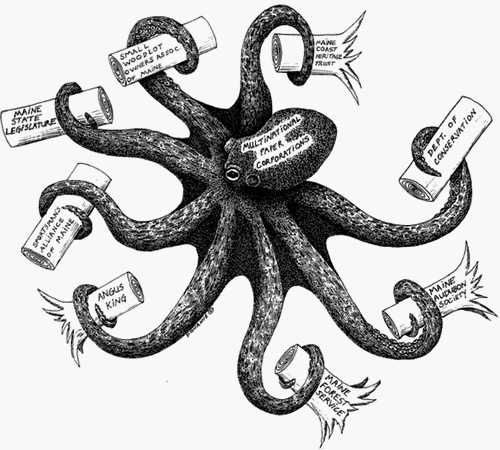
    La carte et la pieuvre

    The Octopus, a Motif of Evil in Historical Propaganda Maps

    ►https://hyperallergic.com/375900/the-map-octopus-a-propaganda-motif-of-spreading-evil

    https://hyperallergic.com/wp-content/uploads/2017/05/octopusmapfeat.jpg https://hyperallergic.com/wp-content/uploads/2017/05/octopusmap12-1080x827.jpg

    The Octopus, a Motif of Evil in Historical Propaganda Maps

    Since the 19th century, the motif of an octopus on propaganda maps has represented the inhuman spread of evil, its tentacles grasping for land and power.

    #pieuvre #cartographie #manipulation #propagande #visualisation

    Phil Reka docs & archives @reka CC BY-NC-SA
    • @elihanah
      Elihanah @elihanah 31/05/2017

      Merci sur le site il y a plusieurs carte utilisées par la propagande et la pieuvre est souvent le modèle comme elle l’a été pour la mafia ...►https://hyperallergic.com/375900/the-map-octopus-a-propaganda-motif-of-spreading-evil

      Elihanah @elihanah
    • @ktche
      ktche @ktche CC BY-NC-SA 31/05/2017

      De quoi la pieuvre est-elle la figure ?

      ►http://www.arhv.lhivic.org/index.php/2008/10/19/844-de-quoi-la-pieuvre-est-elle-la-figure

      A ce stade, l’image de la pieuvre géante est une figure de fantaisie, proche du dragon ou de la licorne. Elle évoque une force menaçante dissimulée au fond des mers, sans pour autant être liée à un contenu métaphorique déterminé. A la fin du XIXe siècle, on la voit associée à la franc-maçonnerie, première manifestation d’un lien entre cette figure et un pouvoir occulte

      [...] les tentacules permettent d’ajouter l’idée de ramifications multiples, tandis que le corps mou du céphalopode illustre celle d’un pouvoir sans visage.

      Il n’est guère étonnant de constater l’installation des auteurs antisémites dans cette tradition iconographique, à partir des années 1930. On notera cependant que, même dans ce cadre, l’utilisation de l’image de la pieuvre reste toujours liée à l’évocation du versant économique du pouvoir supposé du peuple juif. En réalité, la composante géographique de la figure, qui suppose de localiser à un endroit précis la tête du céphalopode, est en contradiction avec un élément central de la doctrine antisémite, qui dessine le Juif en apatride. C’est pourquoi la propagande nazie préfère traduire sa détestation du peuple juif par la métaphore des rats ou des poux, soit un grouillement qui se répand de façon virale [...]

      La pieuvre est une figure employée par l’anti-capitalisme tronqué, cette perception complotiste du capitalisme qui cherche à fixer sur un groupe ethnique, social, ou national la face abstraite et déterminante de la domination impersonnelle du capital. Elle n’est pas fondamentalement antisémite, mais elle ne lui est pas non plus totalement étrangère. Si Le Juif Süss ne fait pas appel à cette métaphore, les protocoles des sages de Sion le font bien dès 1901.

      ktche @ktche CC BY-NC-SA
    • @reka
      Phil Reka docs & archives @reka CC BY-NC-SA 21/06/2017

      Une de plus

      http://68.media.tumblr.com/2b47a0a39b511170a3f1d669c21a12df/tumblr_oo6o32xu3e1r84j0io1_1280.jpg

      Phil Reka docs & archives @reka CC BY-NC-SA
    • @elihanah
      Elihanah @elihanah 21/06/2017

      communist arent coming, russian arent coming ..Merci Reka

      Elihanah @elihanah
    • @cdb_77
      CDB_77 @cdb_77 14/07/2021

      La #pieuvre, une figure récurrente des #cartes de communication politique

      https://seenthis.net/local/cache-vignettes/L600xH392/octopus_Euro9f70-70201.png https://seenthis.net/local/cache-vignettes/L482xH505/B25pIu6IEAA14051-d3cb5.png https://seenthis.net/local/cache-vignettes/L413xH600/octopus-germ10a9-3c3fe.jpg https://seenthis.net/local/cache-vignettes/L350xH525/How-Communis01e0-61d01.jpg https://seenthis.net/local/cache-vignettes/L364xH550/Non-La-Franc2dab-bb828.jpg

      ▻https://seenthis.net/messages/315547

      CDB_77 @cdb_77
    • @cdb_77
      CDB_77 @cdb_77 14/07/2021
      @simplicissimus

      Les « viles » tentaculaires : réquisitions satiriques de la pieuvre

      https://idata.over-blog.com/0/53/69/44/ReOapload/Viles-tentaculaires/Pieuvre2.jpg https://idata.over-blog.com/0/53/69/44/ReOapload/Viles-tentaculaires/Grandjouan_Pieuvre_VoixDuPeuple_500.jpg https://idata.over-blog.com/0/53/69/44/ReOapload/Viles-tentaculaires/occitans.jpg https://idata.over-blog.com/0/53/69/44/ReOapload/Viles-tentaculaires/MPC-paper.jpg https://idata.over-blog.com/0/53/69/44/ReOapload/Viles-tentaculaires/CC_61171.jpg https://idata.over-blog.com/0/53/69/44/ReOapload/Viles-tentaculaires/Confiance-Chirchill1.jpg https://idata.over-blog.com/0/53/69/44/ReOapload/Viles-tentaculaires/Pieuvre8.jpg https://idata.over-blog.com/0/53/69/44/ReOapload/Viles-tentaculaires/Pieuvre9.jpg https://idata.over-blog.com/0/53/69/44/ReOapload/Viles-tentaculaires/Pieuvre10.jpg https://idata.over-blog.com/0/53/69/44/ReOapload/Viles-tentaculaires/squelette_plusieurs-tetes.jpg https://idata.over-blog.com/0/53/69/44/ReOapload/Viles-tentaculaires/Pieuvre12.jpg https://idata.over-blog.com/0/53/69/44/ReOapload/Viles-tentaculaires/indie-moet-70-.jpg https://idata.over-blog.com/0/53/69/44/ReOapload/Viles-tentaculaires/L-Evenement.jpg https://idata.over-blog.com/0/53/69/44/ReOapload/Viles-tentaculaires/octopussy-2.jpg https://idata.over-blog.com/0/53/69/44/ReOapload/Viles-tentaculaires/hate.jpg https://idata.over-blog.com/0/53/69/44/ReOapload/Viles-tentaculaires/racisme--Slim.jpg


      ►https://www.caricaturesetcaricature.com/article-17261296.html

      signalé ici aussi par @simplicissimus :
      ▻https://seenthis.net/messages/315547#message315591

      CDB_77 @cdb_77
    • @cdb_77
      CDB_77 @cdb_77 14/07/2021

      Prends compte. Zot tou même la sauce

      https://i.imgur.com/6WzrI5S.jpg?1

      Photo de #Kisten_Koop, Île Maurice. Année 2000, au moment des élections.

      #île_Maurice #Île_Maurice #capitalisme

      CDB_77 @cdb_77
    Écrire un commentaire
  • @mediapart
    Mediapart @mediapart 28/01/2017

    L’armée américaine reste aux #Chagos
    ▻https://www.mediapart.fr/journal/international/280117/l-armee-americaine-reste-aux-chagos

    Au 1er janvier 2017, Londres et Washington ont renouvelé pour vingt ans le bail d’occupation de l’archipel des Chagos. La Grande-Bretagne a déporté les habitants de ces îles de l’océan Indien en 1967, afin de permettre la construction d’une base militaire américaine, au carrefour stratégique du Moyen-Orient et de l’Asie.

    #International #armée_américaine #décolonisation #diplomatie #Etats-Unis #grande_bretagne #Ile_Maurice

    Mediapart @mediapart
    Écrire un commentaire
  • @cdb_77
    CDB_77 @cdb_77 8/10/2016
    @isskein @ville_en

    #Femmes et #migrations : celles qui restent

    Ce numéro d’Échogéo, dans différents contextes géographiques au sud (Amérique centrale, Afrique de l’ouest et de l’est, Asie du sud), interroge la place des femmes dans l’émigration internationale, et plus particulièrement de celles qui « restent » en l’absence des hommes, de celles qui restent alors que d’autres partent. Le rôle des femmes dans les espaces d’émigration a fait l’objet de certains travaux dans le champ de la géographie ou plus largement des sciences sociales et ce, dès les années 1970-1980 et plus encore dans les années 1990. Cependant, les contextes actuels de mondialisation migratoire, de diversification des flux et des profils de migrants, de complexification des formes de migrer, de facilitation des mobilités via les nouvelles technologies de l’information ou encore le resserrement des liens urbain-rural suscitent un besoin de nouveaux éclairages.

    Geneviève Cortes
    Femmes et migrations : celles qui restent [Texte intégral]
    Introduction
    Anaïs Trousselle
    Mobilités et #immobilités des femmes qui « restent » dans la #vallée_du_Rio_Negro (#Nicaragua) [Texte intégral]
    Aurélia Michel
    Les femmes qui restent, ressorts de l’#économie_familiale d’archipel au #Mexique [Texte intégral]
    Pierre Dérioz, Pranil Upadhayaya, Maud Loireau, Philippe Bachimon, Justine Le Noac’h et Mauve Létang
    #Émigration_masculine et développement touristique en versant sud du massif des #Annapurna (#Népal) : les femmes à la manœuvre [Texte intégral]
    Colette Le Petitcorps
    Genre, migrations et sédentarités [Texte intégral]
    Le cas de Mauriciennes #employées_de_maison en #France de retour au pays
    Sihé Néya
    Les mobilités spatiales féminines entre logiques individuelle et familiale [Texte intégral]
    L’exemple des migrantes burkinabè entre le #Burkina_Faso et la #Côte_d’Ivoire
    François Ruf
    « Une femme en Côte d’Ivoire, une femme au Burkina Faso » [Texte intégral]
    Changement écologique et social autour du #cacao... et de l’#anacarde
    Amina Saïd Chiré et Bezunesh Tamru
    Les migrantes de retour dans la #Corne_de_l’Afrique [Texte intégral]
    Vers une transformation sociale des espaces émetteurs : le cas éthiopien

    ▻http://echogeo.revues.org/14646
    #celles_qui_restent #genre #mobilité #revue #île_Maurice #Ethiopie #sédentarité
    cc @isskein
    signalé par @ville_en (merci !)

    • #afrique
    CDB_77 @cdb_77
    Écrire un commentaire
  • @cdb_77
    CDB_77 @cdb_77 25/11/2014
    4
    @fil
    @cela
    @visionscarto
    @jcfichet
    4

    La #pieuvre, une figure récurrente des #cartes de communication politique

    S’il existe des genres littéraires, il existe aussi à coup sur des genres cartographiques. Parmi eux, l’”#octopus_mapping” (NdT : les cartes avec des pieuvres ) fait parti d’un genre bien spécifique. Utilisé abondamment dans les cartes dites de propagande (on dirait plutôt aujourd’hui cartes de communication politique), ces représentations sont à mi chemin entre la carte de géographie et le dessin satirique de presse. Convaincu que la carte a aussi un fonction polémique, je me suis essayé à l’exercice sur un de mes thèmes de réflexion : la politique migratoire européenne. Plus qu’une carte de communication réellement opérante, cette réalisation est surtout à prendre comme un exercice de style cartographique.

    http://f-origin.hypotheses.org/wp-content/blogs.dir/1381/files/2014/11/octopus_Europe.png http://f-origin.hypotheses.org/wp-content/blogs.dir/1381/files/2014/11/B25pIu6IEAA10Ft.png http://f-origin.hypotheses.org/wp-content/blogs.dir/1381/files/2014/11/octopus-german-wolfe.jpg http://f-origin.hypotheses.org/wp-content/blogs.dir/1381/files/2014/11/How-Communism-Works-1938.jpg http://f-origin.hypotheses.org/wp-content/blogs.dir/1381/files/2014/11/Non-La-France-ne-sera-pas-un-pays-colonis%C3%A9-ca.-1950.jpg

    ▻http://neocarto.hypotheses.org/1083
    #cartographie #animal #visualisation #propagande

    CDB_77 @cdb_77
    • @simplicissimus
      Simplicissimus @simplicissimus 25/11/2014

      Pas de référence à la figure de la pieuvre maçonnique ?

      Un autre site avec des thématiques de pieuvre plus variées : la ville, le capital,… les femmes !
      ►http://www.caricaturesetcaricature.com/article-17261296.html

      http://idata.over-blog.com/0/53/69/44/ReOapload/Viles-tentaculaires/octopussy-2.jpg

      (au titre définitivement intraduisible…)

      Simplicissimus @simplicissimus
    • @gonzo
      gonzo @gonzo CC BY-NC 25/11/2014

      Des exemples aussi sur ce site mais, là, je n’ai pas le temps de retrouver ! ►http://www.midafternoonmap.com

      gonzo @gonzo CC BY-NC
    • @cdb_77
      CDB_77 @cdb_77 14/07/2021

      voir aussi ce fil de discussion :
      ►https://seenthis.net/messages/602840

      CDB_77 @cdb_77
    • @cdb_77
      CDB_77 @cdb_77 14/07/2021

      Prends compte. Zot tou même la sauce

      https://i.imgur.com/6WzrI5S.jpg?1

      Photo de #Kisten_Koop, Île Maurice. Année 2000, au moment des élections.

      #île_Maurice #Île_Maurice #capitalisme

      CDB_77 @cdb_77
    • @cdb_77
      CDB_77 @cdb_77 14/07/2021

      Made in Switzerland:

      https://seenthis.net/local/cache-vignettes/L510xH679/SuMIqBvjpg-33768-a652a.jpg

      ►https://seenthis.net/messages/804196
      #UDC

      CDB_77 @cdb_77
    • @cdb_77
      CDB_77 @cdb_77 14/07/2021

      https://seenthis.net/local/cache-vignettes/L600xH597/ePa9DIyjpg-00c2d-e81e7.jpg

      ▻https://seenthis.net/messages/804196#message804198

      CDB_77 @cdb_77
    Écrire un commentaire

Thèmes liés

  • #île_maurice
  • #ile_maurice
  • #inde
  • #visualisation
  • #pieuvre
  • #pétrole
  • #abu_dhabi
  • #coronavirus
  • #migrations
  • naturalfeature: chagos
  • city: londres
  • region: océan indien
  • #cartographie
  • #propagande
  • #chagos
  • #france
  • #cartes
  • #kisten_koop
  • #capitalisme