Thomas Sauvin’s archive of discarded family negatives captures an era when 36 photos could document years of birthdays, travel, and everyday life.
By Cai Yineng #arts #history
Of the many consumer goods that entered #China in the #1980s, one small item transformed how millions of families recorded their lives: #35mm color negative film.
In 1984, #Fujifilm established its #Beijing office, as Chinese photographers were beginning to embrace the company’s color film, known for its green packaging and the distinctive greenish cast of its prints. #Kodak, Fujifilm’s main rival at the time, soon followed, expanding its presence and introducing a network of express color photo stores across China in the 1990s.
These developments, together with the arrival of point-and-shoot cameras that required little skill to achieve proper exposure and sharp focus, enabled ordinary Chinese people to record their lives in color. The film was developed to produce negatives, which were then printed as photographs for family albums.
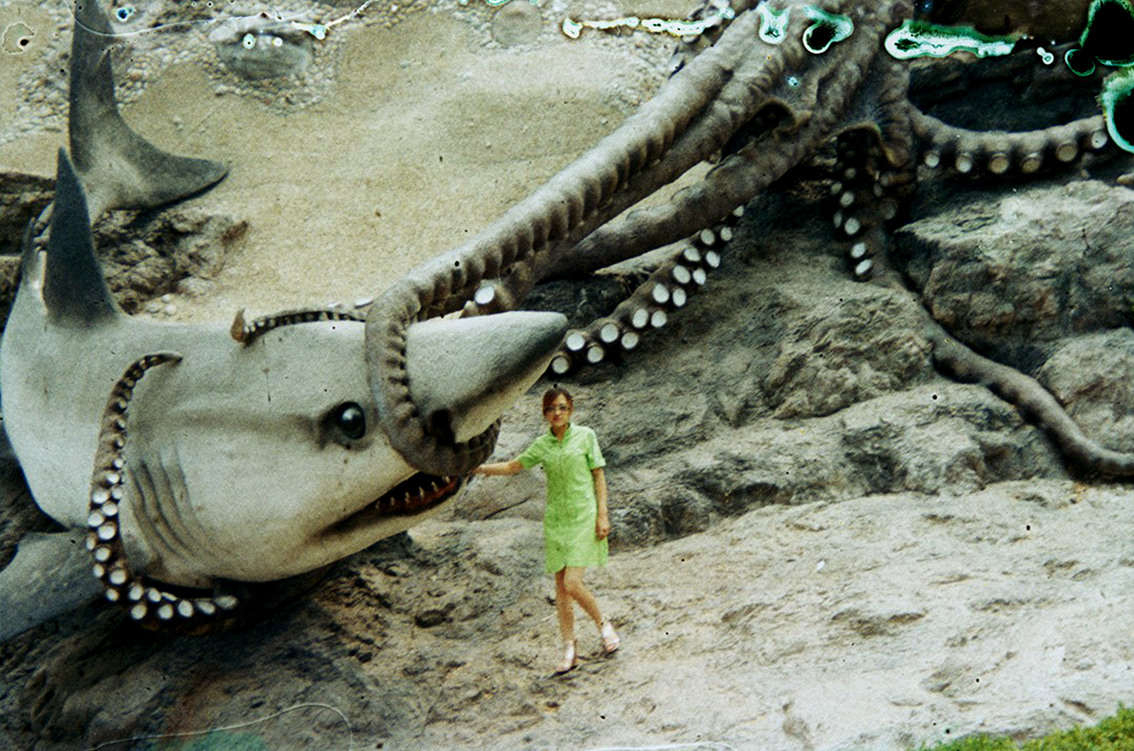
Not everyone kept the negatives. Many ended up at recycling plants, which is where French artist Thomas Sauvin’s work began. In 2009, Sauvin met Xiaoma, a Beijinger who recovered silver nitrate from X-rays, CDs, and negatives. The two struck a deal, and Sauvin received his first batch of negatives to digitize. Their partnership would eventually help create one of China’s largest private archives of photographic negatives: the Beijing Silvermine.
(...)