• #Intelligence_artificielle & nouveau #fascisme

    Une approche originale, à la fois philosophique, morale et politique
    sur l’intelligence artificielle.

    Une analyse qui inscrit l’IA, à l’aide d’exemples sociétaux précis,
    dans la montée à l’échelle mondiale de ce que l’auteur qualifie de « #nouveau_fascisme ».

    Cet ouvrage constitue une analyse de la manière dont l’IA est présentée au grand public, à savoir comme une avancée technologique porteuse de solutions pour divers problèmes auxquels l’humanité doit faire face. Une image en contradiction avec la réalité des faits, puisque #Rainer_Mühlhoff montre que l’industrie de l’IA repose sur l’#exploitation et le #mépris de l’être humain. Il en appelle à ne pas se laisser distraire par des questions spéculatives alors que les promoteurs et industriels de l’IA s’allient concrètement et sur le court terme avec des politiques réactionnaires.
    La structure du livre sert parfaitement le propos de l’auteur, puisqu’il commence par définir l’IA d’un point de vue #technique et historique, avant de l’inscrire dans une société de #préemption, puis d’aborder son traitement médiatique en lien avec les #idéologies_réactionnaires qui dominent cette #industrie – une industrie qui, par ailleurs, suit les dérives autoritaires des États. Il définit ensuite la notion de « nouveau fascisme », et développe sa vision de la #technologie comme instrument de #pouvoir. Enfin, il conclut en explicitant les moyens à notre disposition pour prendre une autre direction et aborder différemment les vraies questions liées à l’IA.

    « Compte tenu du caractère incertain et non démontré des potentiels d’application de cette technologie spéculative, l’argumentation politique et économique en faveur des innovations en IA repose souvent sur l’idée qu’il faut se préparer à un avenir incertain, imprévisible mais inéluctable. C’est pourquoi il conviendrait d’accorder une liberté maximale au développement technologique. Ainsi comprise, la #dérégulation représente plus qu’une simple suppression des contraintes politiques et morales – elle entraîne un déplacement massif du pouvoir, qui s’éloigne des institutions démocratiques pour se concentrer entre les mains d’#acteurs_privés. Ainsi, l’influence des récits futuristes et solutionnistes sur l’IA revient à sécuriser et renforcer les conditions politiques, économiques et idéologiques d’une #croissance sans entraves du #capitalisme_numérique. »

    ▻https://agone.org/livre/intelligence-artificielle-nouveau-fascisme
    #néo-fascisme #IA #AI #livre #privatisation #futurisme #solutionnisme

  • L’industrialisation du vivant
    ▻https://laviedesidees.fr/Alex-Blanchette-Porkopolis

    Les fermes-usines élèvent, abattent et découpent des centaines de milliers de porcs par an, transformant ainsi le vivant en produit et exploitant à cette fin une main d’œuvre la plupart du temps immigrée.

    #International #capitalisme #élevage_industriel #animal

  • Réflexion critique sur la culture « outdoor » - avec Mathias Riquier
    ▻https://spectremedia.org/podcast/reflexion-critique-sur-la-culture-outdoor-avec-mathias-riquier/?playing=2916

    Trail, running, trek, bikepacking, alpinisme, escalade, bivouac.... Ce soir on va prendre l’air et de la hauteur avec les Oreilles loin du front puisqu’on discutera avec Mathias Riquier qui vient de publier « Enfermés dehors — L’outdoor et la capture du désir d’évasion » aux éditions Divergences. Dans son essai critique, il revient sur les fondements des sports de pleine nature et de leurs développements pour mieux penser les bases d’un nouvel art du vagabondage.

    Le livre ici : Enfermés dehors
    ▻https://www.editionsdivergences.com/livre/enfermes-dehors

    #outdoor #nature #performance #audio #podcast #livre #Mathias_Riquier #sport #capitalisme #sociologie

  • #Vidéo : "NON, VOUS N'ÊTES PAS UNE MERDE" Vaincre les attaques intimes du capitalisme (FARTON BINK et NICOLAS FRAMONT)
    ▻https://frustrationmagazine.fr/video-non-vous-n-etes-pas-une-merde

    Burn-out, addiction au tramadol, développement personnel qui culpabilise plus qu’il ne “soigne”, injonction à une vie sociale « parfaite »… Pour la sortie de son premier livre, “Non, vous n’êtes pas une merde : se défendre contre les attaques intimes du capitalisme”, Farton Bink, co-rédactrice en chef de Frustration Magazine, échangeait avec Nicolas Framont le 14 Octobre dernier à la REcyclerie. « Je suis une merde. » Cette phrase, on se la dit tout bas, le dimanche soir ou après une [...]

  • La #répression des #manifestations lycéennes est une leçon de fascisme, par Paul B. Preciado

    Une société devient peu à peu fasciste lorsqu’elle est capable de sacrifier la vie de ses #enfants au nom de l’#ordre et de la #stabilité_nationale telle qu’elle est définie par les #adultes.

    Certain·es considèrent à tort que l’éventuelle (bien qu’improbable) arrivée du #RN au pouvoir lors des prochaines législatives marquerait le moment où la société française passerait de la #démocratie au #fascisme. Mais ceux d’entre nous qui ont vécu sous une #dictature savent que le fascisme n’arrive jamais et ne disparaît jamais du jour au lendemain. En Espagne, par exemple, le fascisme n’a pas commencé par le soulèvement militaire, ni pris fin avec la mort de Franco. Entre 1933 et 1935, un gouvernement républicain, mais conservateur, a banalisé la #répression violente des manifestations d’étudiants et d’ouvriers, qui s’est ensuite étendue aux paysans, aux classes moyennes et aux intellectuels, sans qu’il y ait d’opposition effective. La #violence_policière et militaire déployée contre les #manifestations pacifiques des étudiants a servi d’#école_du_fascisme.

    Le fascisme, c’est l’#infanticide comme stratégie de gouvernement

    Paradoxalement, bien que ce soit la droite conservatrice et national-fasciste qui ait fait de la « protection de l’enfance » un rempart politique lui servant à mettre en œuvre des lois répressives telles que l’interdiction de l’avortement, de l’adoption et de la filiation par les personnes homosexuelles, ainsi que l’interdiction pour les adolescents d’accéder aux processus de transition de genre ; ce sont pourtant ces mêmes protecteurs de l’enfance qui, lorsqu’il s’agit d’écouter ce que les « enfants » ont à dire et de répondre à leurs demandes, envoient la police armée contre eux. En réalité, pour le #nationalisme, l’#enfance est aussi importante que la terre : toutes deux sont considérées comme des espaces vierges qu’il est possible de coloniser, c’est-à-dire d’occuper, de posséder, de violer, de détruire. Le fascisme est une relation de #terreur, de #soumission et de #colonisation paterno-filiale, mise en scène et érotisée à l’échelle nationale. Le fascisme, c’est l’infanticide comme stratégie de gouvernement.

    Au Museo del Prado à Madrid, on peut voir l’une des représentations les plus effrayantes de la volonté infanticide des parents blancs, capitalistes et hétérocoloniaux. Dans l’un de ses tableaux noirs des années 1820, #Goya nous montre la voracité avec laquelle #Saturne se nourrit du corps d’un·e adolescent·e, la folie qui pousse le père à se croire légitimé pour dévorer la vie et le corps de ses enfants. Dans le mythe gréco-romain, Saturne-Chronos est le temps : un titan qui se nourrit de ses propres enfants dans un rituel aussi sauvage qu’incessant. Saturne est aujourd’hui une allégorie de la génération des baby-boomers qui dévorent leurs enfants. La manière dont le capitalisme patriarcal, dans son évolution vers le fascisme, dévore ses enfants en mangeant leur futur. La scène représentée par Goya se répète aujourd’hui dans les rues de France : Saturne tire une balle en caoutchouc à bout portant sur un lycéen sans défense et lui arrache la main, qui explose dans un bain de sang. Un groupe de Saturnes armés avance vers une petite foule d’adolescents pacifiques et désarmés qui leur crient : « Non, s’il vous plaît, laissez-nous manifester. » Mais les Saturnes ne s’arrêtent pas : ils frappent, attaquent, écrasent la tête des enfants avec leurs bottes, traînent leurs corps en les tirant par les cheveux, profitant au passage pour leur toucher les fesses ou la poitrine.

    Les adolescent·es scolarisé·es constituent la seule force sociale capable de fabriquer le temps

    Face à la génération des Saturnes-boomers, les adolescent·es scolarisé.es dans des #lycées publics abandonnés par la République, les enfants blessés, aveuglés, mutilés par la #violence du père, sont avant tout des #corps vivants chargés d’avenir. Ils constituent la seule force sociale capable de fabriquer le temps. Et les pères fascistes convoitent ce corps, souhaitant à la fois s’y reproduire, le dévorer, le détruire. Ils veulent faire tourner cette usine jour et nuit, en extraire autant d’avenir que possible, quoi qu’il en coûte. C’est la soif d’avenir du père qui caractérise le #capitalisme productiviste et colonial : dévorer la terre, dévorer la vie, violer et dévorer le désir de l’enfant, dévorer les animaux, dévorer les plantes, dévorer l’univers, dévorer le temps, tout dévorer. Le fascisme est vivipare et futurophage. L’ampleur des #violences_policières déployées contre les adolescents manifestants montre bien que ce dont il est question ici, ce n’est pas du droit des enfants à une #éducation, de la nécessité d’avoir davantage d’enseignants, des conditions de travail des remplaçants ou de l’isolation thermique des établissements scolaires contre le froid ou la chaleur.

    Saturne et sa répression policière sont là pour donner à la société une leçon de fascisme et vérifier qu’elle y résiste sans se plaindre. Deux options s’offrent à nous : transformer la manifestation des lycéens en #grève_nationale, ou accepter la #dérive_fasciste silencieuse et progressive de toute une société – et ça, bien avant le RN.

    ►https://www.liberation.fr/idees-et-debats/opinions/la-repression-des-manifestations-lyceennes-est-une-lecon-de-fascisme-par-

    Le #tableau de Goya dont il est question dans cet article :
    Saturne dévorant un de ses fils

    Saturne dévorant un de ses fils, également appelée Saturne dévorant son enfant ou simplement Saturne (en espagnol : « Saturno devorando a un hijo »), est une des Peintures noires de Francisco de Goya, peinte entre 1819 et 1823 directement sur les murs de sa maison appelée la Quinta del Sordo (« Maison de campagne du Sourd ») dans les environs de Madrid. La peinture a été transférée sur une toile après la mort de Goya et est depuis exposée au Musée du Prado à Madrid.

    Ce tableau fait référence à la mythologie grecque par le biais de la mythologie latine. L’un des titans, Cronos (assimilé à Saturne), pour éviter que ne s’accomplisse la prédiction selon laquelle il serait détrôné par l’un de ses fils, dévore chacun d’eux à leur naissance.

    ►https://fr.wikipedia.org/wiki/Saturne_d%C3%A9vorant_un_de_ses_fils

    –-

    déjà signalé par @monolecte :
    ▻https://seenthis.net/messages/1196048

  • Reading Marx on Halloween - Jacobin
    ▻https://jacobin.substack.com/p/reading-marx-on-halloween

    Life under capitalism is the experience of horror — and there is no better guide to it than Karl Marx.

    Like the seemingly omnipotent antagonist in any given horror movie, capitalism is not just unstoppably horrific. It horrifies in its apparent unstoppability.

    “The runaway world,” argues Chris Harman in a book on zombie capitalism, “is the economic system as Marx described it, the Frankenstein’s monster that has escaped from human control; the vampire that saps the lifeblood of the living bodies it feeds off.”

    Get a year of Jacobin in print, plus access to our 16-year archive, starting at just $10. Subscribe for yourself or give it as a gift.

    The diagnosis invites the big question: how do we orient ourselves politically within a social dynamic whose very essence is horror?

    This is a question taken up by Karl Marx himself, whose writing overflows with tropes and figures born of the gothic, and it is one worth revisiting for Halloween.

    “Capital,” Marx tells us, “is dead labour, that, vampire-like, only lives by sucking living labour, and lives the more, the more labour it sucks. The time during which the labourer works, is the time during which the capitalist consumes the labour-power he has purchased of him.” Or, in an altogether more grotesque formulation:

    The capital given in exchange for labour-power is converted into necessaries, by the consumption of which the muscles, nerves, bones, and brains of existing labourers are reproduced, and new labourers are begotten.

    These two passages from Capital sound more like Mary Shelley than a work of political economy, summoning predatory vampires, undead monsters, and dismembered bodies.

    [...]

    Marx’s horrors are irredeemable and absolute. When he insists that capitalism is the mode of production that “comes dripping from head to foot, from every pore, with blood and dirt,” he really commits himself, as a gifted writer and a master-stylist, to conveying specifically that kind of horror.

    #capitalisme_zombie

  • L’écocide capitaliste, tome 3 : Perspectives historiques
    ▻https://oclibertaire.lautre.net/spip.php?article4800

    Dans les deux premiers tomes (ici : résumé du tome 1 et du tome 2), Alain Bihr a planté le décor de l’écocide en cours pour en dévoiler les rouages, à la lumière d’une théorie marxiste renouvelée, à même d’intégrer les implications de la socionature spécifique produite par le mode de production capitaliste. Grâce à ce remarquable travail théorique, l’auteur nous a donné les clés pour saisir, dans ce troisième tome, le développement diachronique de l’abstraction de la nature dont use le capital pour se valoriser, les falsifications idéologiques qui en résultent, et l’alternative qui s’offre désormais à nous : le communisme ou la mort. #363_Octobre_2026

    / #Environnement,_Ecologie, #Capitalisme, Touchons le fond / Théorie, #Lutte_de_classes, #Luttes_de_territoire

    #Touchons_le_fond_/_Théorie

  • Le problème à trois corps du #Capitalisme
    ▻https://oclibertaire.lautre.net/spip.php?article4801

    À la base, ce livre démontre une thèse familière aux lectrices et lecteurs de Courant Alternatif : c’est l’accumulation du capital qui est à la source tant de la destruction de la planète, que de la crise économique et de la crise anthropologique. Il montre que toute tentative de solution à l’un de ces problèmes aggrave les deux autres. Et que la seule façon de sortir de cette course à l’abîme, c’est de sortir du capitalisme. #363_Octobre_2026

    / #Environnement,_Ecologie, Capitalisme, Touchons le fond / Théorie

    #Touchons_le_fond_/_Théorie

  • L’intelligence artificielle en questions
    ▻https://abasbruit.org/2026/10/30/lintelligence-artificielle-en-questions

    Le Grand Projet des magnats de l’IA, dont la fortune n’a d’égal que l’hubris et le cynisme, est de créer une caste de post-humains intimement couplés à la méga-machine, et dont le génome serait « amélioré ». Ils pourraient bien se passer d’une bonne partie de l’humanité dont la masse informe des inutiles, ou sinon vaguement utiles, formerait une sorte de sous-prolétariat héréditaire qui a d’ailleurs déjà un nom : « permanent underclass ».

    #Enquêtes #Entretiens #arts_de_la_résistance #capitalisme #fascisme #IA #Technique

  • L’intelligence artificielle en questions
    ▻https://abasbruit.org/2026/10/28/lintelligence-artificielle-en-questions

    Le Grand Projet des magnats de l’IA, dont la fortune n’a d’égal que l’hubris et le cynisme, est de créer une caste de post-humains intimement couplés à la méga-machine, et dont le génome serait « amélioré ». Ils pourraient bien se passer d’une bonne partie de l’humanité dont la masse informe des inutiles, ou sinon vaguement utiles, formerait une sorte de sous-prolétariat héréditaire qui a d’ailleurs déjà un nom : « permanent underclass ».

    #Enquêtes #Entretiens #arts_de_la_résistance #capitalisme #fascisme #IA #Technique

  • La poule aux œufs d’or, l’horloge technologique et le grand congélateur
    ▻https://oclibertaire.lautre.net/spip.php?article4791

    Le plan de lutte contre l’infertilité, tel qu’il est présenté avec ses mesures pour inciter à la congélation des gamètes, occulte la différence profonde du traitement des corps masculins et féminins, en mettant sur le même plan congélation de gamètes mâles (spermatozoïdes) et congélation de gamètes femelles (ovocytes). Si la congélation du sperme est ancienne et indolore, la congélation des ovocytes est quant à elle beaucoup plus récente, complexe et éprouvante. #363_Octobre_2026

    / #Capitalisme, #féminisme, Société, Santé, #luttes_de_femmes

    #Société #Santé

  • Sur l’emballement climatique, ses suites et les possibilités qu’elles peuvent receler
    ▻https://oclibertaire.lautre.net/spip.php?article4792

    Quand on y réfléchit, que les populations aient été informées en temps réel de la dégradation accélérée des conditions de vie sur Terre et se soient bougées aussi peu (la génération de la jeunesse « Action climat » a été valeureuse, mais minoritaire, gagnant à NDDL mais souvent distante des Gilets jaunes), ça pose problème. #363_Octobre_2026

    / #Social, #Environnement,_Ecologie, #Capitalisme

  • Im Vergleich : Deutsche Bahn und China Rail
    ▻https://www.nachdenkseiten.de/?p=157941

    Cet article conduit à deux conclusions.

    L’économie de marché socialiste chinoise ressemble beaucoup au modèle économique allemand avant sa domination par les ultra ou néolibéraux à partir de la fin des années 1970. Néanmoins c’est le primat de la politique et son exercice par le parti communiste qui empêchent en Chine le même changement de cap ultralibéral comme en Allemagne. Ce fut d’ailleurs la question essentielle du conflit de 1989. Le parti et la société chinoise ont opté pour la libéralisation du pays en maintenant le pouvoir de la société sur ses acteurs économiques.

    Puis les nationalisations ou « socialisations » des parties essentielles de l’économie etl la libération de ces secteurs de l’obligation de rentabilité á court terme sont la condition essentielle pour arrêter le déclin et la déstruction de l’économie et de la société allemande.

    24. 0.2026 von Hua Bin - Die DB und China Rail repräsentieren zwei Systeme, die nach völlig gegensätzlichen Philosophien arbeiten. Dies führt zu radikal unterschiedlichen Ergebnissen hinsichtlich der Leistungsfähigkeit des Schienenverkehrs und der ökonomischen Effekte. Von Hua BIN

    Ein Freund von mir war kürzlich in Deutschland und erzählte mir, wie er seinen Heimflug verpasste, weil sein Zug Verspätung hatte. Ich war schockiert, denn als ich 1997 in Deutschland lebte, konnte man seine Uhr nach der Deutschen Bahn (DB) stellen.

    Zu dieser Zeit machte ich ein Praktikum bei Mercedes-Benz in Stuttgart. Ich konnte den Fußweg von der Wohnung zur Bushaltestelle zeitlich genau planen und hatte dann mit weniger als fünf Minuten Gesamtwartezeit einen Anschluss an den Zug zum Büro. Die Bus- und Zugfahrpläne waren so perfekt aufeinander abgestimmt, dass man sich auf einen zweiminütigen Fußweg und genau zwei Minuten Wartezeit dazwischen verlassen konnte. Sowohl Busse als auch Züge waren äußerst pünktlich.

    Ich hatte eine besondere Vorliebe für die DB, da ich fast jedes Wochenende mit ihrem „Schönes-Wochenende“-Ticket für 35 Mark durch Deutschland reiste. Leider wurde dieses Serviceangebot im Jahr 2019 eingestellt.

    Im Winter 1997 verirrte ich mich bei einer Wanderung mit mehreren Freunden im Schwarzwald in der Nähe von Baden-Baden. Erst als wir zufällig auf ein Gleis stießen, das uns zu einem kleinen ländlichen Bahnhof führte, konnten wir der kalten Nacht entrinnen. Ich kann mich bis heute an das warme Licht auf dem Bahnsteig erinnern.

    Seitdem habe ich die DB immer sehr geschätzt. Sie können sich also vorstellen, wie überrascht ich war, als mein Freund sich über die Verspätung und den schlechten Service beschwerte.

    Das brachte mich dazu, nachzulesen, was mit der DB in den letzten 30 Jahren passiert ist. Kurz gesagt: Die Dinge haben sich eindeutig zum Schlechten gewendet.

    Heute gilt ein Zug laut Definition der DB als pünktlich, wenn er weniger als sechs Minuten verspätet ankommt. Das ist weit entfernt von der sprichwörtlichen Pünktlichkeit der späten 90er-Jahre. Selbst bei dieser niedrigen Messlatte liegt die Pünktlichkeit nur bei etwa 50 bis 60 Prozent und damit deutlich unter dem selbst gesetzten Ziel von 70 Prozent.

    Als offizielle Gründe werden veraltete Infrastruktur, umfangreiche Baumaßnahmen und überlastete Gleise genannt.

    Doch wenn ich etwas tiefer grabe, scheint der Rückgang der Effizienz der Deutschen Bahn auf eine völlig missratene Privatisierung im Jahr 1994 zurückzuführen zu sein, die zu jahrzehntelanger extremer Unterinvestition in die Infrastruktur führte.

    Die Bahnreform von 1994 führte die ehemaligen staatlichen Eisenbahnen Ost und West mit einem klaren Auftrag zusammen: Die DB sollte als gewinnorientiertes Privatunternehmen arbeiten, um sich auf einen späteren Börsengang vorzubereiten.

    Um Investoren anzuziehen, gab die DB extremen Kostensenkungen den Vorzug vor der öffentlichen Daseinsvorsorge. Sie baute aggressiv Personal ab, lagerte die Instandhaltung aus und begann, in globale Logistikunternehmen (wie DB Schenker) zu investieren, statt sich auf den inländischen Schienenverkehr zu fokussieren.

    Unter dem Deckmantel der Effizienzsteigerung hat die DB ihr Streckennetz drastisch verkleinert, um Geld zu sparen. Fast 8.000 Kilometer Nebenstrecken wurden komplett abgebaut. Tausende Weichen, Ausweichgleise und Reservegleise wurden entfernt.

    Wenn 1997 ein Zug liegen blieb oder Verspätung hatte, konnte ein Fahrdienstleiter ihn mithilfe dieser Reservegleise leicht um das Problem herumleiten. Heute hat das Bahnnetz solche Puffer nicht mehr. Bleibt ein Nahverkehrszug in der Nähe von Frankfurt am Main stehen, wirkt sich das ähnlich aus wie ein liegengebliebenes Auto auf einer einspurigen Autobahn. Es entstehen sofortige, landesweite Folgeverzögerungen.

    Das Problem wird durch ein gemischtes Schienennetz noch verschärft, in dem schnelle Intercity-Expresszüge die Gleise mit langsamen Regionalzügen und schwerem Güterverkehr teilen.

    Im Vergleich dazu nutzen die chinesischen Hochgeschwindigkeitsbahnen oder das französische TGV-Netz größtenteils eigens dafür vorgesehene Hochgeschwindigkeitsstrecken.

    Während das physische Schienennetz der DB drastisch ausgedünnt wurde, stieg die Zahl der Fahrgäste pro Jahr von 1,5 Milliarden im Jahr 1994 auf heute 2,4 Milliarden.

    In den 1990er-Jahren war es in Deutschland noch üblich, in der Nähe seines Arbeitsplatzes zu wohnen. In den letzten 30 Jahren zwangen jedoch explodierende Wohnkosten in wichtigen Ballungszentren wie Frankfurt am Main, München, Berlin und Hamburg einen großen Teil der Erwerbsbevölkerung dazu, weiter hinaus in die umliegenden Vororte und kleineren Städte zu ziehen.

    Dies führte zu einem rasanten Anstieg der Pendlerzahl in Deutschland, mit Millionen von Menschen, die jeden Tag deutlich längere Strecken hin und zurück zurücklegen mussten. Das Netz der Deutschen Bahn ist mittlerweile fast ständig zu 100 Prozent ausgelastet.

    Um noch einen draufzusetzen, haben Deutschlands strenge Schuldenobergrenzen staatliche Ausgaben eingeschränkt.

    Seit Jahren gibt Deutschland nur einen Bruchteil dessen aus, was seine Nachbarländer für den Bahnverkehr ausgeben. So investiert die Schweiz beispielsweise jährlich über 400 Euro pro Einwohner in die Bahninfrastruktur. Deutschland gibt dagegen regelmäßig nur etwa 100 Euro aus.

    Die katastrophale Erfahrung der DB mit der Privatisierung spiegelt wider, was bei anderen ähnlichen Projekten wie [dem größten privaten Wasser- und Abwasserversorgungsunternehmen] Thames Water in Großbritannien geschah.

    Als die Regierung unter Margaret Thatcher im Jahr 1989 den britischen Wassersektor privatisierte, wurde Thames Water mit einer sauberen Bilanz und ohne Schulden an private Investoren übergeben. Die nachfolgenden privaten Eigentümer behandelten das Versorgungsunternehmen, das 16 Millionen Kunden in London und Südengland bedient, jedoch wie eine unternehmerische Melkkuh.

    Private Investoren – Wall-Street-Banken und Hedgefonds – belasteten das Versorgungsunternehmen mit einem Schuldenberg und entnahmen Hunderte Millionen an Verwaltungsgebühren und Dividenden.

    Anstatt die Einnahmen zu nutzen, um die aus der viktorianischen Zeit stammenden Rohrleitungen und Kläranlagen zu verbessern, floss das Geld an die Aktionäre und in Bonuszahlungen für Führungskräfte. Bis 2026 stieg diese Verschuldung auf rund 20 Milliarden Pfund.

    Während der gezielte Einsatz von Finanzinstrumenten und strukturierten Finanzierungen kurzfristige Renditen für privates Beteiligungskapital generierte, verrottete die physische Infrastruktur.

    Thames Water ist zu einem landesweiten Skandal geworden, nachdem das Unternehmen Milliarden Liter ungeklärtes Abwasser direkt in die Themse und in lokale Gewässer geleitet hat.

    Aufgrund der veralteten Infrastruktur treten 25 Prozent des gesamten aufbereiteten Wassers direkt aus den Leitungen aus, bevor es die Haushalte der Kunden überhaupt erreicht.

    Angesichts schwerer Dürreperioden und Rekordtemperaturen verhängt Thames Water wiederholt längere Bewässerungsverbote, da dem System die strukturelle Widerstandsfähigkeit fehlt, um die Wasserversorgungssicherheit der Region zu gewährleisten.

    Die meisten Privatisierungsprojekte öffentlicher Versorgungsunternehmen weisen ein ähnliches Muster auf: chronische Unterinvestition, extreme Kürzungen der Betriebskosten und untragbare Verschuldung, während sich Finanzinvestoren bereichern.

    Die DB und Thames Water sind Symbole für die Zerstörung öffentlicher Güter zugunsten privater Investorengewinne in rentenkapitalistischen Ökonomien.

    Im krassen Gegensatz dazu bleibt die chinesische Infrastruktur fest in öffentlicher Hand.

    Während Europa und die USA bei der Verwaltung ihrer nationalen Infrastruktur eine Politik des reaktiven, von Austerität geprägten und auf Renteneinnahmen ausgerichtetes Managements verfolgen, hat China eine Strategie des vorausschauenden, angebotsorientierten Bauens eingeschlagen – oft Jahre dem Bedarf voraus.

    In den 1990er-Jahren war China noch stark von jahrzehntealten, technisch veralteten Schienennetzen abhängig, die immer wieder Ausfälle verzeichneten.

    Ich erinnere mich noch daran, wie ich mitten im Sommer stundenlang in Waggons ohne Klimaanlage saß, als der Zug von Peking nach Chongqing auf meiner Heimreise vom College wegen eines Motorschadens liegen blieb. Früher dauerte die Fahrt nach Fahrplan 40 Stunden. Heute benötigt der Hochgeschwindigkeitszug weniger als sieben Stunden.

    Als China im Jahr 2004 mit dem Bau seines nationalen Hochgeschwindigkeitsbahnnetzes begann, gab es eine Welle negativer Presse aus dem Westen. Westliche „Experten“ äußerten sich eifrig darüber, wie verschwenderisch das Projekt sei und dass sich die Bahn niemals rentieren würde.

    Den Schwarzsehern zum Trotz hat China in den letzten 20 Jahren über 50.000 Kilometer Hochgeschwindigkeitsstrecken gebaut und damit mehr als 70 Prozent der weltweiten Gesamtkapazität geschaffen.

    Am 28. September 2026 gab China die Fertigstellung von vier neuen Hochgeschwindigkeitsstrecken in vier Provinzen bekannt. Diese erweitern das Netz um weitere 1.142 Kilometer.

    Eine dieser Strecken ist die 318 Kilometer lange Verbindung Harbin–Yichun. Sie ist mittlerweile Chinas nördlichste Hochgeschwindigkeitsbahnstrecke und führt durch alpinen Permafrost.

    Das Netz deckt nun 97 Prozent aller Städte mit mehr als 500.000 Einwohnern ab. Es wird auf dafür vorgesehenen Bahnstrecken betrieben und erreicht eine Abfahrtspünktlichkeit von 98 Prozent sowie eine Ankunftspünktlichkeit von 95 Prozent.

    Anstatt bei jeder einzelnen Strecke auf Profitabilität und hohe Renditen abzuzielen, dient das chinesische Hochgeschwindigkeitsbahnsystem als öffentliches Gut und generiert systemischen Nutzen für die gesamte Wirtschaft und die Allgemeinheit.

    Die DB und China Rail repräsentieren zwei Systeme, die nach völlig gegensätzlichen Philosophien arbeiten. Dies führt zu radikal unterschiedlichen Ergebnissen hinsichtlich der Leistungsfähigkeit des Schienenverkehrs und der ökonomischen Effekte.

    Vorausschauend Bauen vs. rückläufige Vermögenswerte managen

    Chinas Infrastrukturstrategie basiert auf der Philosophie, dass der Aufbau groß angelegter Hochleistungsverkehrsnetze Wirtschaftswachstum und zukünftige Nachfrage schafft, statt auf den Bedarf nur zu reagieren.

    Indem China das weltweit größte Hochgeschwindigkeitsbahnnetz aufbaute, noch bevor die Nachfrage vollständig gesättigt war, konnte das Land die Engpassphase vollständig umgehen.

    Demgegenüber betreibt Deutschland ein streng bedarfssynchrones (Just-in-Time) und gewinnorientiertes Unternehmensmodell.

    Investitionen werden nur gebilligt, wenn mathematisch nachgewiesen ist, dass die vorhandenen Kapazitäten vollständig ausgeschöpft sind.

    Das bedeutet, dass zum Zeitpunkt der Planung, Finanzierung und des Baus eines Projekts die Nachfrage den Ausbau bereits bei Weitem überholt hat, was dazu führt, dass das Netzwerk permanent hinterherhinkt.

    China hat früh erkannt, dass die Mischung aus langsamen Güterzügen und schnellen Personenzügen die Gesamtkapazität eines Netzes einschränkt. Beijing hat ein völlig separates, eigens dafür vorgesehenes Netz für die Hochgeschwindigkeitszüge Fuxing und Hexie aufgebaut.

    Deutschland zwang hingegen schnelle Nahverkehrszüge dazu, dieselben Gleise mit schweren Güterzügen zu teilen, um Geld zu sparen und den Bau völlig neuer Strecken zu vermeiden.

    Wenn ein langsamer Güterzug liegen bleibt, kommt auch das gesamte nationale Expressnetz zum Stillstand.

    Wirtschaftlicher Multiplikator vs. direkter Profit

    Der chinesische Staat betrachtet Hochgeschwindigkeitszüge als öffentliches Versorgungsgut und als wirtschaftlichen Multiplikator.

    Selbst wenn einzelne Eisenbahnlinien mit finanziellen Verlusten arbeiten oder hohe Schulden machen, sind die Investitionen aufgrund der enormen wirtschaftlichen Produktivität, der regionalen Integration und der Stadtentwicklung, die sie ermöglichen, gerechtfertigt.

    Im Rahmen der Privatisierung im Jahr 1994 behandelte die deutsche Regierung die DB wie ein gewöhnliches Handelsunternehmen. Der Erfolg wurde daran gemessen, ob die Betriebskosten gesenkt und ein direkter finanzieller Gewinn erzielt wurde. Dies führte unmittelbar dazu, dass die präventive Instandhaltung der Schienenwege vernachlässigt wurde.

    Man würde vielleicht denken, dass das deutsche Modell zumindest eine höhere Kapitalrendite für Investoren erzielen konnte, auch wenn China einen höheren gesamtgesellschaftlichen Nutzen erzielt.

    Doch die Realität zeigt eine ironische Wendung: Das deutsche Modell hat letztendlich auch die Investoren enttäuscht.

    In einem klassischen kapitalistischen System führt die Vernachlässigung der Instandhaltung von Vermögenswerten in der Regel zu hohen Dividenden für Investoren oder treibt die Aktienkurse in die Höhe.

    Doch weil die Privatisierung der DB unausgegoren war, erreichte sie keines von beiden. Der einzige Investor der DB ist nach wie vor die Bundesregierung, denn der Plan für einen Börsengang wurde vor zwei Jahrzehnten aufgegeben.

    Da das Bahnnetz zugunsten kurzfristiger Kosteneinsparungen des Unternehmens ruiniert wurde, holten die langfristigen Verbindlichkeiten das Unternehmen schließlich ein.

    Anstatt üppige Dividenden zu zahlen, hat die DB die Steuerzahler durch Rettungspakete Milliarden gekostet. Kürzlich meldete das Unternehmen einen Nettoverlust von 2,3 Milliarden Euro.

    Um ihre gewaltigen Schulden in den Griff zu bekommen, war die DB gezwungen, ihr hochprofitables globales Logistiktochterunternehmen DB Schenker zu verkaufen. Damit stabilisierte sie ihre Bilanz künstlich.

    Indem Deutschland ein öffentliches Kernmonopol wie ein Privatunternehmen behandelte, schuf es kein hochprofitables Unternehmen, sondern einen „Engpass“, der die deutsche Wirtschaft jedes Jahr Milliarden an entgangener Unternehmensproduktivität kostet.

    In einer sozialistischen Marktwirtschaft wird kritische Infrastruktur über staatliche Unternehmen gesteuert.

    Während China Rail aufgrund des Ausbaus seines umfangreichen Hochgeschwindigkeitsnetzes eine massive Schuldenlast trägt, werden die Verluste direkt vom Staat aufgefangen.

    Aus der Perspektive Beijings ist die direkte finanzielle Kapitalrendite von Investitionen in die Eisenbahninfrastruktur selbst zweitrangig. Der eigentliche Gewinn liegt in der gesellschaftlichen und makroökonomischen Rendite.

    Durch die Verbindung weit verstreuter Städte senkt der Staat Transportkosten, steigert den Immobilienwert, erschließt regionale Arbeitsmärkte und fördert die wirtschaftliche Mobilität.

    Tatsächlich subventioniert der Staat die Zugfahrkarten, um in der gesamten Gesellschaft enormen Gewinn in Form von Steuereinnahmen und Wirtschaftswachstum einzufahren.

    Ein herausragendes Beispiel ist die Greater Bay Area in Guangdong: Sieben Metropolen – darunter Guangzhou, Shenzhen und Hongkong – sind über Hochgeschwindigkeitszüge, U-Bahnen und ein Autobahnnetz zu einem integrierten Netzwerk verbunden.

    Die Region, die sich einer beispiellosen Lieferketten-Dichte erfreut, wird von der Weltorganisation für geistiges Eigentum der Vereinten Nationen als innovativster Städteverbund der Welt eingestuft, noch vor dem Silicon Valley.

    Die gleiche Vorgehensweise wiederholt sich in nahezu jedem Bereich mit natürlichen Monopolen – Telekommunikation, Strom- und Wasserversorgung, nationales Autobahnnetz und Bankwesen.

    Anstatt privatem Kapital zu erlauben, aus solchen Vermögenswerten Rentiers-Einkünfte zu erzielen, wie es in kapitalistischen Gesellschaften geschieht, hält Beijing diese Schlüsselbereiche der Wirtschaft fest in öffentlicher Hand.

    Das deutsche kapitalistische Modell versucht, die DB in eine ordentliche Schublade zu stecken und verlangt, dass die Schublade selbst profitabel sein muss.

    Chinas staatlich geführtes Modell betrachtet die Eisenbahn hingegen lediglich als ein Rädchen in einem größeren nationalen Getriebe.

    Das 30-jährige Experiment der DB hat letztlich belegt, dass man bei kritischen öffentlichen Monopolen wie der Eisenbahn, wenn man versucht, auch noch den letzten Cent an unternehmerischen Mikrogewinnen herauszupressen, in der Regel das gesamte System zum Zusammenbruch bringt.

    Der Beitrag erschien im Original bei Strategic Culture Foundation.
    ▻https://strategic-culture.su/news/2026/10/11/deutsche-bahn-and-china-rail
    Übersetzt aus dem Englischen von Marta Andujo.

    Über den Autor: Hua BIN aus China ist ein ehemaliger Unternehmensleiter und Autor geopolitischer und wirtschaftlicher Analysen.

    #Allemagne #Chine #économie #trains #réseau_ferroviaire #privatisation #capitalisme #économie_de_marché_socialiste

  • Epstein Family Values
    ▻https://www.equator.org/articles/epstein-family-values

    Il est possible que le monde privé de Marine Le Pen ressemble à celui crée par Jeffrex Epstein, Donald Trump et les autres riches d’extrême droite souvent mais pas forcément proches d’Israël.

    Suivant les documents de l’affaire Epstein il y a une culture et une forme de vie des très riches qui a davantage de points communs avec la vie des princes saoudiens qu’avec les normes culturelles occidentales modernes.

    14.2.2026 by Melinda Cooper - The billionaire patriarchs of the American far-right want to rule an economy of masters and servants

    1.

    Among the weirder features of the contemporary American far right is the emergence of ‘primal fathers’ – Old Testament patriarchs who want to sire not just a family, but a race. Elon Musk is the best known of these Aspirational Abrahams, although he is by no means the only one. A long Wall Street Journal report has documented Musk’s desire to beget what he calls a “legion” of children who would save humanity from demographic freefall and bear his superior genes into the far future. A Space X rocket stands ready to transport his seed beyond Earth in a process akin to inverse panspermia, the theory that organic life arrived on our planet via space dust.

    Musk is currently thought to have at least 14 children with four women, whose legal and financial affairs are partly managed by Jared Birchall, the director of his family office. “We will need to use surrogates”, Musk texted one of them, to “reach legion-level before the apocalypse.” In preparation for this scale up in operations, he has acquired a multi-residential compound in Austin, Texas.

    Silicon Valley pronatalism is generally understood as eugenic – a reading that captures the desire for racial purification, but not the distinct process by which purity is pursued. The “classic” American eugenicists of the progressive era sought to banish genetic abnormality, which they saw as responsible for mental degeneracy and other social ills. By contrast, Musk and his ilk are steeped in the pseudoscience of transhumanism – less concerned with the elimination of error than the exaltation of exceptional deviance. The ideal patriach is one who breaks from the normal distribution of intelligence with his uber IQ. He seeks not just to preserve the white genetic heritage, but to resurrect it on newly sanctified foundations. Primal fathers are revered as the founders of a new race, rather than the ancestors of an old one.

    The primal father is the stuff of myth. In Totem and Taboo, Freud suggested that the primitive unconscious was inhabited by an overbearing patriarch and a horde of envious sons. The father demands exclusive property rights over all women, irrespective of age and kinship relation. His autocratic reign is only superseded when the brothers rise up, murder him and enshrine a new regime in which women are communal property. Freud candidly acknowledged that this was bogus prehistory. There was no developmental or anthropological subtext behind the myth of the primal horde, only the crossed-out traces in the minds of his patients.

    Yet this fantasy is sometimes played out in real life. This is most obvious in the case of cult leaders, who, with fascinating predictability, end up installing a regime of compulsory communal sex over which they hold ultimate monopoly rights. They too prefer compounds to single-family residences and, when faced with the challenge of succession, resort to fantasies of immortality and deification. Their normalisation of imminent apocalypse can be read as the cosmic translation of this fear: cult leaders find it easier to imagine the end of the world than the loss of their personal power.

    It goes without saying that this ethos is distinctly at odds with the traditional family values espoused by the religious right (one reason for the rumbling discord among various strands of the MAGA coalition). Primal fathers want an extended household, not a family. They gladly transgress the conservative taboos against adultery, incest and intergenerational sex because all members of their household have the status of servant, whatever their blood relationship.

    The distinctive features of their household economies become clearer when we consider the case of Jeffrey Epstein. Like Musk, Epstein was fascinated by transhumanism and had dreams of seeding the human race with his DNA. In 2008, after being convicted for soliciting prostitution from minors, he fantasised about retreating to his Zorro Ranch in New Mexico to impregnate up to 20 women at a time. In her posthumously published memoir Nobody’s Girl, Virginia Roberts Giuffre, who at 16 was recruited by Epstein and his then-girlfriend Ghislaine Maxwell, recounts that her abusers proposed to retain her as a surrogate for their future child, over whom she would have no custody rights. They would pay her $200,000 a month to raise the child and accompany it around the world for rendezvous with Epstein. Fearing that her child would be abused, Giuffre concocted an escape plan.

    Epstein’s case is more instructive than Musk’s because it combines the two economies of sexual property that Freud discerned in the primitive unconscious – fratriarchal and patriarchal. Epstein was able to forge unshakeable bonds with his fellow predators by telling them ‘what’s mine is yours’, and keeping the photo evidence. In this sense, he established a fratriarchal system in which young women and girls were shared among primal brothers as a form of social glue. But Epstein also wanted to retain at least some of these women as his own inalienable property. The mothers of his future children were to be off limits, sequestered behind the walls of an inaccessible compound.

    The Epstein household economy thus assigned women to one of two regimes of sexual property – with some graduating from the fratriarchal to the patriarchal as they grew older. All women and girls are the property of one man; or all women and girls are the property of all men.

    2.

    Freud saw the primitive horde as belonging squarely in the realm of the unconscious. It only bubbled up to the surface during moments of organised transgression, such as carnivals. But there is nothing mediated or subliminal about the Silicon Valley far right’s desire to reenact the conflict between primal fathers and brothers. In fact, its leading ‘philosopher’, Peter Thiel – a member of the original ‘PayPal Mafia’ – first encountered Freud through the work of René Girard, the Christian philosopher who taught at Stanford in the 1990s.

    Thiel calls himself a Girardian to this day, but his reading of Freud is sui generis. In a book-length statement of his business philosophy, Zero to One, he uses Totem and Taboo as a prism through which to analyse the political economy of a Silicon Valley founder-controlled firm. He celebrates startup founders as iconoclastic brothers, intent on overthrowing the paternal power of incumbent monopolies such as Google, Amazon or Microsoft. The ‘tech bro’ alliance has proven its power to disrupt, but Thiel rightly warns that the primal roles are not fixed. As soon as their father is sacrificed, the brotherhood descends into murderous competition, each son asserting his individual right to create a monopoly. “Extreme founders are not new in history,” Thiel writes, pointing to Oedipus and Romulus.

    Thanks to the most recent trove of documents released by the US Department of Justice, we now know Epstein was close to the leading figures of the Silicon Valley far right. After Brexit, he exchanged emails with Thiel, celebrating the “return of tribalism”, and before his death he invested millions in Thiel’s tech ventures. Epstein would have recognised himself in Thiel’s portrait of the tragic founder: he saw himself as operating ‘above the law’, and destined to make his own laws. He endlessly interrogated his victims’ childhood histories for signs of vulnerability, per Giuffre, but flinched before any enquiry into his own upbringing. Epstein, it seems, came from nowhere, an orphan son. In one artifact from the latest DOJ trove, a video interview taped by Steve Bannon, he cast himself as an outsider – “Jeffrey Epstein, just a good kid” – unencumbered by the long biographies that trail the likes of Bill Clinton or Paul Volcker.

    If the mythology of the primal father maps onto the new elite’s preferred business form, it applies in another way to their domestic arrangements. The appropriate reference point here is not the nuclear family but the household economy, where production is inseparable from reproduction, and the management of business assets is coextensive with the preservation of family possessions.

    The extreme wealth created since the global financial crisis has revived a form of labour that, at least in Anglo-America, had by the mid-twentieth century become increasingly rare: large-scale, long-term, in-house domestic service. Consider Palm Beach, where Trump and Epstein once brushed shoulders, and which is now home to many of America’s billionaires (as well as the president’s closest allies). In the last decade, Blackstone founder and Republican megadonor Steve Schwarzman has moved in, as have Citadel’s Ken Griffin and hedge fund manager Paul Tudor Jones. Others, such as David Koch’s widow, Julia, and KKR cofounder Henry Kravis, are long-term residents. Their households are not just domiciles but major sources of employment, each drawing in dozens of permanent and seasonal workers from the poorer areas of Palm Beach County and from as far afield as New York, Ireland, South Africa and Romania.

    This form of domestic service is tacitly ruled over by something akin to ‘master and servant’ laws – a form of employment that once granted masters virtual dominion over their private sphere of government and punished workers with criminal sanctions such as in-house arrest, imprisonment and even corporal punishment. Given the origins of master and servant laws in medieval England, it would be easy to identify this development as a return to feudalism – an increasingly popular reading of the present conjuncture, as exemplified by the recent work of Yanis Varoufakis.

    The argument owes much to Marx, who implied that personal domestic service would become obsolete as feudal relations gave way to the free labour contract. But recall that, contrary to Marx’s predictions, domestic service expanded in the late nineteenth century, not in spite of but because of the growing concentration of industrial and financial wealth. Moreover, master and servant relations endured well into the twentieth century, and have made a comeback in recent decades, if not in formal legal arrangements then at least in de facto ones.

    These laws proved particularly hard to dislodge when it came to the treatment of domestic servants, primarily black women: any attempt at labour organisation was met with the argument that they were family members, hence liable to be treated with the same forms of abuse as next of kin. Here we get a sense of the distinct ‘confusion of categories’ that reigns in the household economy. While the nuclear family posits an ideal separation between home and market, personal and work life, master and servant laws assume a complete fusion between the two spheres.

    Epstein owned multiple large properties – in Palm Beach, New York, Paris and New Mexico – as well as a private island, Little Saint James. His payroll included dozens, perhaps hundreds, of in-house staff, ranging from legal advisers and bodyguards to chauffeurs, cooks, cleaners, gardeners, maintenance workers and ‘masseuses’. Visitors describe a hierarchy of attendants whose precise relationship to Epstein – intimate or commercial – was sometimes difficult to discern. Male business partners such as the lawyer Alan Dershowitz were friends and, according to the allegations of some victims, occasional participants in sexual crimes. In Relentless Pursuit, Bradley J. Edwards, a Florida attorney who represented some 20 of Epstein’s victims, suggests that a cast of official girlfriends, typically older and wealthier, formed a charmed inner circle and were sometimes complicit in the abuse. If the relationship ended on good terms, they could be promoted, joining Maxwell as full-time procurers of young girls.

    3.

    The origins of Epstein’s wealth remain elusive. We know that he served as unqualified financial advisor and estate planner to billionaires such as Les Wexner (Victoria’s Secret), Leon Black (Apollo Global Management) and, according to the most recent revelations, real estate mogul Mortimer Zuckerman and heiress Ariane de Rothschild. The extraordinary fees he was paid by these people continue to defy explanation. What we do know is how Epstein used this money: as a slush fund for his business of full-time patronage. In his dealings with other elite men, he dangled the promise of financial and sexual favours. His beneficiaries might receive funding for a research unit along with an apparently risk-free visit to the Epstein residence, replete with photo documentation. In exchange, they were expected to secure his access to ever-higher circles of influence.

    Both financially and sexually, Epstein bound his reputation to those of his beneficiaries. Any damage to his name would inevitably tarnish theirs. For many years, this arrangement translated into virtual legal immunity. In 2008, federal prosecutors failed to press full sex-trafficking charges against him, despite testimony from 36 young women.

    Epstein styled himself as a patron even to his young female victims. The schoolgirls he picked up in New York were promised funds to cover tuition fees to Ivy League colleges or a good word with the owner of a famous art gallery. Teens from West Palm Beach trailer parks might become professional masseuses, or at the very least full-time recruiters of other girls. (The runaway Giuffre was to receive professional training as a masseuse at the most renowned school in Thailand.) Many victims saw his patronage as a genuine economic alternative. According to the attorney Edwards, several of the victims he represented were abused as children or came from violent homes. Some were genuinely grateful that Epstein rescued them from lower-paid sex work.

    It wasn’t just the $100 for a first ‘massage’ session – Epstein also promised a career trajectory of sorts. Yet sexual patronage quickly turned into sexual indenture: while generous with his small gifts, he never delivered on the big promises. The point was to keep his victims in a state of permanent indebtedness.

    Because Epstein entangled almost anyone he met in proliferating ties of obligation and dependence, the task of assigning blame is unusually fraught. All his household staff were likely complicit, at some level, in his sexual abuse. Many of them must have had direct knowledge of what was going on – the celebrity chef who greeted young women in the kitchen before they went upstairs, the chauffeurs who drove Maxwell around New York as she scouted for schoolgirls, the housekeeper who cleaned up bedrooms and bathrooms. Even Epstein’s lowliest victims could allegedly buy their way out of the worst forms of abuse by recruiting other girls. More than one has described the Epstein household economy as an elaborate pyramid scheme in which participants were encouraged to see themselves as independent contractors – free to run their own ‘small businesses’ in modelling or art as long as they also fulfilled the master’s recruitment needs. At what point did dependent self-interest turn into complicity?

    In witness statements to police and prosecutors, victims draw attention to the uncannily familiar rapport that Epstein and Maxwell created amid the most horrific abuse. One girl ate popcorn and watched Sex and the City with them before her assault. Maxwell, according to another witness, behaved like a cool older sister, inducting her siblings into a world of adult sophistication.

    Kinship ties, unlike free-market relations, evoke a form of non-contractual obligation – a bond that cannot be readily dissolved in exchange for money. The household economy extends these non-contractual obligations to workers as well as family members, erasing the core distinction between the two (although not the hierarchies within). One former victim had trouble escaping Epstein because she felt indebted to him as a “friend, father figure, employer and master”. Giuffre recounts that Epstein and Maxwell acted like her parents, providing dental care and teaching table manners.

    Yet at other times, Virginia was the play-mother, putting Epstein’s socks on in the morning and tucking him into bed at night. “Epstein and Maxwell solidified their power over me by offering a new sort of family,” she writes. “Epstein was the patriarch, Maxwell the matriarch, and these roles were not merely implicit. Maxwell liked to call the girls who regularly serviced Epstein her ‘children’.” The emotional ties that bound her to Epstein felt real: “not love exactly, but I think the right word is fealty”.

    The debt, however, was not reversible. Epstein could sever ties with any member of his household at will, but no one, especially not his young victims, could do the same. Giuffre migrated to Australia to get away, but remained “scared to death” of him. Many other women have testified that Epstein and Maxwell threatened to kill them if they attempted to escape or reported their abuse.

    4.

    The Epstein household may have reached extremes of sadism, but its political economy is becoming less exceptional by the day. When a single individual disposes of more money than a government grant awarding agency or research university, the impact on knowledge production and academic relations is profound. The same ripple effect can be seen in the service and housing sector, as billionaire compounds begin to shape the fortunes of entire urban economies. Epstein’s household enterprise was no doubt unique in its sheer organisational complexity, but the kind of personal obligation and indebtedness he inspired among dependents is now a standard feature of the billionaire household economy.

    This insight helps to clarify the catalytic role that the #MeToo movement played in our current cycle of conservative backlash. It is hard to keep track of the men from across the political spectrum who in recent years have experienced sudden conversions to the Trumpist far right. When asked to explain their change of heart, they repeatedly point to anecdotes of sexual injury that seem too trivial, not to say ludicrous, to have occasioned a sense of world-historical collapse. The apparent discrepancy makes more sense when we recall that #MeToo originated in one particular sector of the film industry – the highly personalised world of the private arthouse studio. As cofounder of Miramax and The Weinstein Company, Harvey Weinstein was the product of a peculiar style of founder-controlled partnership in which owner-managers are afforded unchecked power over their staff and clients. The #MeToo movement represented a direct attack on their combined sexual and economic power. It is no surprise that Epstein and Weinstein were friends. Or that men from across the political spectrum reached out to Epstein for advice when dealing with sexual assault allegations in the wake of #MeToo.

    Thanks to our growing insight into Epstein’s world, we have gained a clearer picture of the psychic and economic logic of the contemporary far right. Just as Epstein wanted to close off all escape routes to his female victims, Trump and his tech reactionaries want to shut down all alternatives to the household economy and turn the presidency into a founder-controlled family firm. Attacks on the administrative state, the public sector and unions, and the transformation of border control agents into a personal militia can be understood as parts of a broader programme to extend the rule of master and servant to the entire economy. Perhaps if we all become Uber drivers, third-party Amazon sellers, trade contractors to real estate moguls, or academic supplicants to billionaires, then the founder will be safe from collective sacrifice?

    Epstein’s victims experienced the rule of master and servant not just as economic but sexual violence. They were the first to name and resist our emergent political order.

    #relations_de_classes #capitalisme #élites #abus_sexuel #viol #esclavage #féodalisme #politique #affaires #nantis #exploitation

  • « La #jeunesse se lève contre le désastre qu’on lui propose »

    Une nouvelle #mobilisation est annoncée samedi 24 octobre avant une grande journée intersyndicale le 5 novembre. Des mouvements de revendications qui ont débuté à Mayotte et en Guyane avant de s’étendre à l’Hexagone et à d’autres pays du continent européen.

    Depuis des semaines, les lycéen·nes manifestent en France. Le mouvement a commencé en outre-mer, où se cumulent de façon éclatante la question des prix, celle d’une jeunesse sans avenir et, depuis des décennies, une féroce répression.

    Après la France, mais aussi après d’autres mouvements de la #Gen_Z dans le monde ces dernières années, d’autres sociétés en Europe sont mobilisées : en Belgique, en Italie, en Espagne, en Grèce, en Albanie...

    Regarder ce qui se passe en outre-mer et en Europe, c’est peut-être mieux comprendre ce qui se joue là, profondément, au-delà des slogans, des coups de menton et du projet politique cynique qui consiste à tout racialiser pour mieux éviter de comprendre.

    ▻https://www.mediapart.fr/journal/international/221026/la-jeunesse-se-leve-contre-le-desastre-qu-lui-propose
    #17_octobre_2026 #24_octobre_2026 #couvre-feu #France #mouvement_lycéen #Outre-mer #jeunes #répression #macronisme #macronie #Etat_d'urgence #mouvements_sociaux #criminalité_organisée #droit #polycrise #contestation #responsabilité #Mayotte #Nou_las_palé #Martinique #La_Réunion #TikTok #réseaux_sociaux #décolonial #Grèce #Albanie #Italie #Espagne #Portugal #Belgique #Serbie #violences_policières #casseurs #émeute #pillages #LFI #ultra-gauche #racaille #déni #inversion_de_la_responsabilité #mots #vocabulaire #colère #déresponsabilisation #stratégie_du_chaos #traumatisme #maintien_de_l'ordre #fascisme

    • Émeute

      Émeutes contre la vie chère, émeutes raciales et anti-policières, émeutes anti-immigrés, émeutes publiques quasi-insurrectionnelles… Toujours imprévisibles, extra-légales et illégitimes, les émeutes sont devenues, en ce début de XXIe siècle aussi diverses qu’innombrables, et l’auteur en fait le tour et retrace l’histoire du mot.

      À l’ère de la globalisation des révoltes, l’émeute paraît en être la forme par excellence, de Pointe-à-Pitre (2009), Alger (2011) et São Paulo (2013), à Clichy-sous-Bois (2005) à Athènes (2008), Tottenham et Liverpool (2011), Hambourg (2011), Ferguson (2014) et Minneapolis (2020), en passant par le « Printemps arabe » (2011-2013), l’insurrection à Hong Kong (2017-2019) et le mouvement des Gilets jaunes (2018-2019) ; et même en Chine, sous la qualification de « urban disorders », dans le Xinjiang (2009), Wukan (2011 et 2016), ou encore Yugao (2013). Souvent spectaculaires et hypermédiatisées, ces violences collectives dites « urbaines » se muent en spectacle dans la société du même nom, vidées de leurs significations politiques.

      Alors bien sûr, il y a émeutes et émeutes – frumentaires, ouvrières, xénophobes et racistes, raciales, carcérales, interethniques, urbaines, publiques, etc. Et l’inflation récente de cette notion a tendance à l’associer à toute révolte faisant usage de la violence, comme en Nouvelle-Calédonie ou au Royaume-Uni en 2024. Or l’émeute, si on reprend sa définition comme « soulèvement populaire spontané », désigne une forme de protestation collective bien définie. Il en existe plusieurs généalogies dont #Michel_Kokoreff ressse les grandes lignes. L’émeute a donc une histoire avec ses logiques, ses règles, ses acteurs, ses imaginaires, ses spectres aussi. Elle n’est pas qu’un « reflet » de transformations sociales et économiques plus générales. Quelles sont, en évitant les anachronismes et les risques de redondance, les similitudes et les différences, les interruptions et continuités, les impasses et avancées ? Voilà une des questions qui traverse ce livre.

      Car l’essentiel est la mise en perspective des émeutes contemporaines, et plus encore, de ce qu’il faut bien appeler les émeutes de la mort, en France. C’est à peine s’il en reste des traces, vite effacées, oubliées. Nous sommes déjà passés à autre chose – comme après les attentats terroristes, l’épisode du Covid-19, la victoire politique du Rassemblement national (RN) –, aspirés par l’accélération vertigineuse du temps. Jusqu’au prochain drame et à la répétition des mêmes discours et des mêmes arguments – lassants. Conjurer l’oubli, le défaire, est impératif pour saisir les différentes causes des émeutes et entendre la parole des acteurs de l’ombre faisant irruption sur le devant de la scène – sans rien régler, l’émeute étant, précisément, ce reste : de l’inconciliable.

      ▻https://anamosa.fr/livre/emeute
      #livre

    • Géopolitique de la jeunesse. Engagement et (dé)mobilisations

      Si le « moment 68 » a constitué une grille de lecture à l’origine de l’image mythique du « jeune engagé », les mobilisations actuelles de la jeunesse revêtent des formes différentes, entre incertitudes futures et luttes au présent. Dans un contexte de mondialisation, les actions pour le climat, les mobilisations LGBTQI+, le mouve­ment iranien « Femme Vie Liberté » ou ceux de défense des conditions d’étude, témoignent tous d’une dynamique plurielle. En parallèle, l’engagement des jeunes est devenu une préoccupation pour les pouvoirs publics entraînant la création d’une diversité de dispositifs censés le ­favoriser.
      Au travers de nombreux exemples, Valérie Becquet et Paolo ­Stuppia en analysent les ressorts et dressent ainsi une géopolitique de la jeunesse d’aujourd’hui.

      ▻https://www.lecavalierbleu.com/livre/geopolitique-de-jeunesse-2

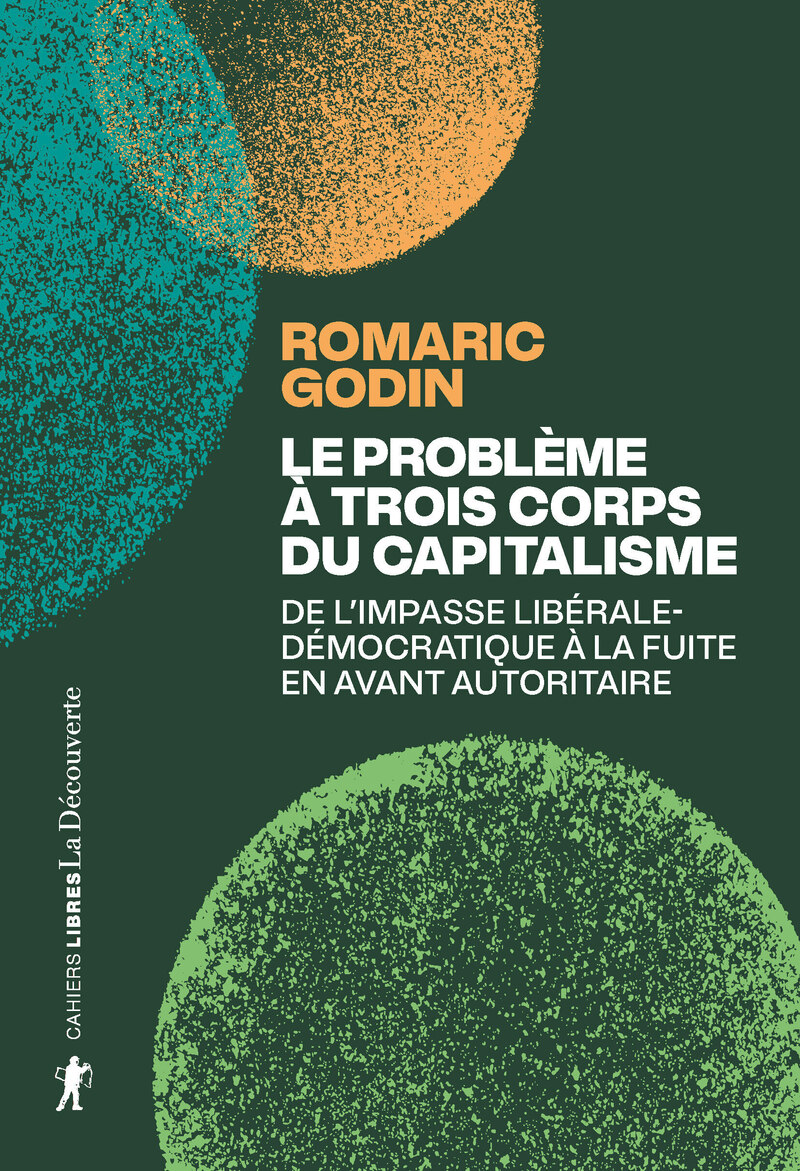
    • Le problème à trois corps du #capitalisme. Sur la gestion autoritaire du #désastre (et les moyens de lui faire face)

      Le monde prend un tour de plus en plus chaotique. La #guerre revient à l’ordre du jour, les catastrophes écologiques se succèdent, les sociétés se fracturent, l’#extrême_droite semble monter partout. Derrière ce #désordre_généralisé se déploient trois crises – les trois corps de notre problème – en apparence indépendantes, en réalité étroitement liées : une #crise_économique, une #crise_écologique et une #crise_anthropologique. Toutes trois sont sous-tendues par une même dynamique, celle de l’accumulation du capital, avec ses effets destructeurs sur les économies, la nature et les humains. De sorte que ces #crises s’entretiennent les unes les autres et qu’aucune solution ne peut être trouvée – en tout cas tant que les sociétés continueront à placer en leur centre le capital.
      Pour l’heure, l’échec du #néolibéralisme est en train de donner naissance à un monstre : un capitalisme d’État d’un genre nouveau qui gère l’urgence dans l’intérêt exclusif du capital et trouve sa traduction politique dans l’extrême droite. Ce « #capitalisme_d'État_d'urgence » n’a rien d’autre à offrir que davantage de #destruction. Il oblige ceux qui veulent stopper ce mouvement à revoir entièrement leur stratégie et leurs objectifs.

      ▻https://www.editionsladecouverte.fr/le_probleme_a_trois_corps_du_capitalisme-9782348087769
      #autoritarisme

    • Avant le 17 octobre, le précédent kanak qui éclaire les méthodes du gouvernement

      L’action et la communication du pouvoir depuis les violences du 17 octobre font écho à ce qu’il s’était passé en #Nouvelle-Calédonie après les révoltes de 2024. Recherche de bouc émissaire, restriction des libertés publiques, dérive autoritaire… Impuissants, les mêmes responsables reproduisent les mêmes procédés… voués à l’échec.

      ▻https://www.mediapart.fr/journal/france/201026/avant-le-17-octobre-le-precedent-kanak-qui-eclaire-les-methodes-du-gouvern

    • Manifestations du 17 octobre : pourquoi parler de « casseurs » ne suffit pas à expliquer l’ampleur des pillages et #débordements

      Les pillages et les #violences commis en marge des manifestations du 17 octobre 2026 ont focalisé l’attention sur les « casseurs ». Mais le recours à ce terme ne pose-t-il pas plus de questions qu’il n’apporte de réponses ? Le sociologue Paolo Stuppia revient sur la situation inédite à laquelle ont été confrontées différentes villes dans toute la France, et la complexité de mouvements conjuguant la mobilité de groupes aux motivations floues avec l’extrême agilité des réseaux sociaux.

      ▻https://theconversation.com/manifestations-du-17-octobre-pourquoi-parler-de-casseurs-ne-suffit-

    • Reading the Riots

      Two days after the police shooting of a local black man, #Mark_Duggan, in north London on 6 August 2011, protestors gathered outside the local police station.

      Mishandling of this protest led to the outbreak of violence and looting. Disorder spread rapidly, initially across London, and subsequently to Birmingham, Liverpool, Nottingham, Manchester and Salford.

      In the face of considerable speculation about the causes of the riots, and the absence of an official inquiry, the Guardian and the LSE established a unique collaborative study.

      ▻https://www.lse.ac.uk/lse-player/reading-the-riots

  • Le racket comme forme de domination
    ▻https://oclibertaire.lautre.net/spip.php?article4786

    Dans un #Mexique où le racket est devenu la norme en matière d’exercice du pouvoir, il faut commencer par dévoiler les règles de ce jeu pervers. En attendant des jours meilleurs, il reste nécessaire de soutenir les multiples luttes populaires qui, malgré tout, continuent d’exister dans les interstices du système. #363_Octobre_2026

    / #International, #Capitalisme, Touchons le fond / Théorie, Mexique

    #Touchons_le_fond_/_Théorie

  • Micaela Schäfer : „Durch OnlyFans habe ich in anderthalb Jahren eine Million Euro Umsatz gemacht“
    ▻https://www.berliner-zeitung.de/article/micaela-schaefer-durch-onlyfans-habe-ich-in-anderthalb-jahren-eine-

    C’est une belle histoire de réussite et d’auto-détermination. La protagoniste est entrepreneure, cheffe d’agence et propriétaire de biens immobiliers. Elle se montre nue avec d’autres femmes mais refuse la pénétration et le sexe public avec des hommes. Elle est créatrice, DJ, idole public et profiteuse de l’alinéation capitaliste. C’est une femme à l’esprit et à la position masculine. Elle a laissé derrière le stade d’auto-entrepreneuse du sexe.

    Aujourd’hui c’est une capitsliste qui travsille et donne l’exemple. Elle vit le rêve petit bourgeois. Elle n’atteindra jamais la position assurée de Selma Hayek ou le calme des membres des grandes familles.

    24.10.2026 von Anne Vorbringer - Micaela Schäfer ist das bekannteste Erotikmodel Deutschlands. Vor der Venus-Messe haben wir mit der Berlinerin über ihr Business gesprochen, über OnlyFans und die Konkurrenz durch KI-Models.

    Micaela Schäfer ist seit mehr als 20 Jahren im Erotikgeschäft tätig und eines der bekanntesten Gesichter der Berliner Erotikmesse Venus, die an diesem Wochenende in den Messehallen unter dem Funkturm stattfindet. Bekannt wurde die Berlinerin durch Modeljobs, Nacktshootings und Reality-TV-Auftritte.

    Heute verdient sie unter anderem mit OnlyFans, als DJ auf Mallorca und mit Werbedeals Geld. Schäfer ist Geschäftsführerin ihrer eigenen GmbH, in der ihre Einkünfte aus drei Erotik-Bezahlplattformen zusammengeführt werden.

    Im Interview spricht die 42-Jährige über das Millionengeschäft mit erotischen Inhalten, die Konkurrenz durch KI-Models und darüber, warum sie auch mit 50 noch vor der Kamera stehen will. Außerdem verrät sie, wie sie mit Immobilien fürs Alter vorsorgt – und was ihre Mutter zu ihrer Karriere sagt.

    Frau Schäfer, Sie sind seit vielen Jahren das Gesicht der Venus. Warum sollte man die Messe mal besucht haben?

    Die Venus steht für Erotik, Sexualität, Lifestyle. Wer kommt damit nicht in Berührung? Ich vergleiche das immer mit der Grünen Woche: Da geht es um Lebensmittel, und wir alle müssen essen. Bei der Venus geht’s um Sexualität – und die ist genauso existenziell. Selbst wenn wir uns nicht fortpflanzen, so haben wir doch Spaß an Sex und an sexuellen Aktivitäten. Auch wenn man sich einfach nur Filme anschaut oder Selbstbefriedigung macht – das Thema betrifft alle Menschen auf dieser Welt. Egal welches Geschlecht, welche Kultur, welchen Beruf, welche Einkommensklasse oder welchen IQ man hat.

    Reisehighlights Reisehighlights exklusiv für Sie
    Mehr

    Hoch hinaus: An Schuhen mangelt es Micaela Schäfer nicht.

    Hoch hinaus: An Schuhen mangelt es Micaela Schäfer nicht.

    © Max vom Hofe/Berliner Zeitung

    Auf die Messe zu gehen, ist auch nicht mehr so ein Tabuthema, oder?

    Es hat sich auf jeden Fall gelockert. Früher gingen ja wirklich viele heimlich in die Venus rein, nach dem Motto: Hoffentlich sieht mich mein Nachbar nicht. Und am nächsten Tag auf der Arbeit hat man auch nicht darüber gesprochen. Das ist jetzt schon entspannter.
    Was genau bringt denn so ein Besuch auf der Venus?

    Das kommt darauf an, mit welchen Erwartungen man hingeht. Ist man schon sexuell offen und sagt, ich habe einen Fetisch, den würde ich gerne mal ungehemmt ausleben? Man kann zum Beispiel nackt durch die Messehallen laufen oder im engen roten Lederanzug. Da schaut einen niemand komisch an. Die Venus ist die einzige Messe ohne Kleiderordnung. Du kannst kommen, wie du möchtest.

    Manchmal schlummert vielleicht etwas, das man ausprobieren möchte. Dann kann man sich mit Gleichgesinnten unterhalten und etwas über sich selbst herausfinden. Oder man findet einfach Frauen geil und möchte viele geile Frauen sehen, wenn ich es mal so direkt ausdrücken darf. Ich finde, Sexualität ist auch etwas Banales. Das muss man nicht großartig hochschwafeln. Das kann man ruhig mal so belassen.

    Als Gegenpol zu den aufgeladenen politischen Zeiten und Debatten?

    Ich finde, es kocht im Moment ein bisschen hoch. Wir sollten nicht immer alles politisieren, nicht alles in Grund und Boden reden. Manchmal ist es besser, nicht überall die ganz große Message und den ganz großen Sinn dahinter herstellen zu wollen.

    2004 wurde sie „Miss Ostdeutschland“ und trat zur Wahl der „Miss Germany“ an, wurde jedoch wegen vorab veröffentlichter Oben-ohne-Fotos vom Wettbewerb ausgeschlossen. 2006 war sie Kandidatin der ersten Staffel von „Germany’s Next Topmodel“ und belegte den achten Platz. Es folgten viele weitere Fernsehauftritte in Reality-Sendungen; 2012 wurde sie im Dschungelcamp Vierte.

    Ihre Karriere begann Anfang der 2000er-Jahre mit Misswahlen und ersten Nacktshootings. Wann war Ihnen klar: Mit Erotik lässt sich richtig Geld verdienen?

    Für mich stand fest, ich wollte beruflich etwas in den Medien machen und damit natürlich auch Geld verdienen. Anstatt die hundertste Schauspielerin oder das tausendste Model zu werden, habe ich für mich entschieden: Ich provoziere gerne, ich habe kein Problem damit, mich auszuziehen und mich vor anderen Menschen zu zeigen.

    Es hat aber viele Jahre gedauert, bis ich damit tatsächlich Geld verdient habe. Zu meiner Anfangszeit gab es kein OnlyFans. Es gab keine Möglichkeit für Frauen, mit Nacktaufnahmen ein hohes Einkommen zu generieren. Man konnte Pornos drehen, damit haben aber auch nur die Superstars in Deutschland – Dolly Buster, Kelly Trump oder Vivian Schmitt – richtig Geld verdient. Alle anderen nicht. Jetzt ist das anders. Du kannst als Frau mit Erotik Millionärin werden. Und das ganz selbstbestimmt. Ich kann entscheiden: Was wird veröffentlicht? Ich schneide meine Videos selbst, ich drehe das, was ich möchte.

    Inwieweit haben Bezahlplattformen wie OnlyFans das Geschäft verändert?

    Finanziell sind ganz andere Dimensionen möglich. Durch OnlyFans habe ich innerhalb von anderthalb Jahren einen Umsatz von einer Million Euro gemacht. Der Gewinn ist zwar weit darunter: Man hat eine Agentur, OnlyFans verdient mit, wir leben in Deutschland und zahlen Steuern. Am Ende bleibt trotzdem viel Geld für eine Arbeit, die einem Spaß macht. Diese Plattformen ermöglichen nicht nur Frauen, sondern auch Männern, selbstbestimmt ein Einkommen zu generieren. Das ist großartig. Keiner zwingt den Konsumenten, das zu kaufen. Diese Videos oder Fotos basieren auf Freiwilligkeit – auf beiden Seiten.

    Foto
    Will noch viele Jahre vor der Kamera stehen: Micaela Schäfer © Max vom Hofe/Berliner Zeitung

    Was war denn früher, vor den Bezahlplattformen, anders?

    Ich habe vorher genauso gut gearbeitet, aber nicht so viel Geld mit meinem nackten Körper verdient. Ich war immer auf große Brands angewiesen. Die haben mir vorgeschrieben, was ich zu tun habe. Dann hatte ich ein Fotoshooting, wurde einmal dafür bezahlt, und das war’s. Heute kann ich ein Video drehen, es 500-mal verkaufen und 500-mal daran verdienen, weil ich die Rechte daran habe. Ich kann entscheiden, wem ich es verkaufe und zu welchem Preis. Ich würde aber auch nicht verzweifeln, wenn OnlyFans morgen sagt: „Wir schließen den Laden.“ Ich kann mit anderen Dingen Geld verdienen.

    Ohnehin kommt mit der Künstlichen Intelligenz der nächste Umbruch. Was passiert mit dem Geschäftsmodell, wenn KI immer mehr virtuelle Erotikmodels hervorbringt?

    Das bereitet mir auf jeden Fall große Sorgen. Am Anfang fand ich es eine tolle Spielerei. Ich habe selbst so eine App heruntergeladen, einen Avatar generiert und Fotos auf meinem Instagram-Kanal gepostet. Ich dachte zunächst: Mensch, toll, jetzt habe ich ja gar keine Arbeit mehr. Aber inzwischen poste ich keine solchen Fotos mehr.

    Das ganze Netz, ganz Instagram sind voll von diesen KI-generierten Inhalten, und ich finde das so traurig. Ich scrolle da nur noch weiter und schaue mir nichts mehr an. Es hat keine Bedeutung mehr. Der Content verliert total an Wert.

    Foto
    Micaela Schäfer beim Fotoshooting in ihrer Wilmersdorfer Wohnung © Max vom Hofe/Berliner Zeitung

    Und dennoch ist die KI aus der Erotikbranche kaum noch wegzudenken. Sogenannte AI Influencer und virtuelle Models generieren Millionenumsätze. Kommt man daran überhaupt noch vorbei?

    Sicherlich ist das in der Branche der Fall, dass viele Erotikdarstellerinnen sich Avatare machen lassen, die dann Geld generieren. Ich distanziere mich davon und halte es für eine gefährliche Entwicklung, wenn wir komplett verlernen, für unser Geld zu arbeiten.

    Aber es wird wahrscheinlich so kommen, der Markt wird dorthin gehen. Für mich entscheide ich aber: Ich drehe meine Videos selbst, weil es mir auch noch Spaß macht. Ich will etwas tun, und meine Fans sollen authentisches Material bekommen. Man muss KI-Inhalte ja auch kennzeichnen. Und ob Männer tatsächlich bereit sind, Geld für einen KI-generierten Avatar von Micaela Schäfer zu zahlen, wage ich dann doch zu bezweifeln.

    Was ist heute im Erotikgeschäft die lukrativste Einnahmequelle?

    Bei den Bezahlplattformen ist das tatsächlich Content via Webcam, also beim Livestreaming im direkten Kontakt mit den Fans. Das gab es ja früher nicht, dass sich die Fans direkt Videos wünschen und mit dir in Kontakt treten konnten.

    Jetzt kannst du dir fast alles erkaufen. Und damit verdient man natürlich am meisten Geld, weil man es von überall auf der Welt machen kann. Ich brauche nur ein Handy und Internet und kann meine Videos produzieren. Ich bin unabhängig. Da ist wahnsinnig viel Geld zu holen, weil Erotik sich immer noch sehr gut verkauft.

    Zumindest, wenn man so bekannt ist wie Sie …

    Ja. Ich kenne natürlich auch viele Frauen, die OnlyFans machen und nichts verdienen. Oder höchstens ein Taschengeld. Viele stellen sich das sehr einfach vor: „Ich zeige meine Brüste und bin Multimillionärin.“ So läuft es nicht. Gerade heutzutage ist es noch härtere Arbeit geworden, weil alle auf den Zug aufspringen. OnlyFans ist keine Tabuplattform mehr. Mittlerweile redet jeder offen darüber. Jedes gut aussehende Mädel wird gefragt: „Machst du auch OnlyFans?“

    Für junge Frauen kann das gefährlich werden. Denn zu 99 Prozent wird sich die Hoffnung aufs schnelle Geld nicht erfüllen. Und dann ist da Material im Netz, das man so schnell nicht wegbekommt. Deswegen sollte man sich wirklich sicher sein, dass man so Geld verdienen will.

    Sie selbst haben diese Frage für sich in jungen Jahren auch mit Ja beantwortet.

    Ich gehöre zu den Frauen, die ganz klar sagen: Ich stehe zu hundert Prozent dahinter. Das ist einfach mein Business. Deshalb mache ich das ja auch seit über 20 Jahren erfolgreich. Ich habe nie versucht, die Branche zu wechseln, und will es auch in Zukunft nicht tun. Ich freue mich auf meinen 50. Geburtstag und darauf, auch dann noch Teil der Erotikbranche in Deutschland zu sein.

    Foto
    Keine Pornos mit Männern: Micaela Schäfer zieht im Job klare Grenzen. © Max vom Hofe/Berliner Zeitung

    Viele Darstellerinnen beenden die Karriere in ihren 40ern, auch Schauspielerinnen jenseits der 50 beklagen mangelnde Sichtbarkeit. Das schreckt Sie alles nicht?

    Überhaupt nicht. Als Schauspielerin bist du abhängig von den Sendern, die dich buchen müssen, von Regisseuren und Produzenten. Das bin ich nicht. Ich habe meine Community und meine Fans. Die behandle ich gut und binde sie an mich. Ich bekomme mittlerweile so viele Anfragen von jungen Männern, bei denen ich teilweise denke: Gott, meint der das jetzt ernst? Der ist 25! Auch auf Mallorca, wo ich ein halbes Jahr lang fast jeden Tag im Oberbayern auftrete, treffe ich fast nur auf junge Leute. Die könnten alle meine Söhne sein. Die himmeln mich an, schenken mir Sachen mit Herzchen drauf und schreiben mir auf Instagram. Viele von denen werden mich auch auf OnlyFans suchen. Das ist schön, und das nehme ich natürlich mit, so lange es geht.

    Wo ziehen Sie für sich die Grenze? Was würden Sie auch für viel Geld nicht machen?

    Ganz klar: Pornos mit Männern. Ich drehe zwar Erotikfilme, aber die sind eher soft und nur mit anderen Frauen. Man sieht bei mir auch nicht den Intimbereich. Und das funktioniert trotzdem. Bei mir ist der Kick eher, dass man mich in meinen Videos nahbar und ungeschminkt erleben kann. Ich gehe meistens ohne Make-up vor die Webcam.

    Als Mitgründerin der Berliner Immobilienagentur Ex & Neu Immobilien haben Sie noch ein zweites Standbein. Wie kam es dazu?

    Ich besitze fünf Immobilien in Berlin, die ich privat als Altersvorsorge gekauft habe. Das ist in unserer Branche nicht so üblich. Die meisten verprassen das Geld eher, aber das ist nicht so mein Ding. Die Idee zur Agentur kam mit meinem Ex-Freund Felix Steiner, der Makler ist. Wir wollten noch ein zweites Standbein aufbauen, weil ich mich wahnsinnig für Immobilien interessiere und Berlin gut kenne.

    Allerdings konnte ich mich bisher um meine Immobiliengeschäfte nicht so kümmern, wie ich es mir gewünscht hätte. Ich wollte eigentlich den Maklerschein machen und mich richtig reinarbeiten. Aber allein durch mein Mallorca-Engagement ist das fast unmöglich. Zukünftig möchte ich auf jeden Fall viel, viel mehr machen.

    Aber mit fünf Wohnungen haben Sie ja schon ein ordentliches Portfolio.

    Das klingt jetzt so, aber ich habe noch 1,5 Millionen Euro Kreditschulden, keine einzige dieser Immobilien ist abbezahlt. Ich war damals wahnsinnig mutig, habe Geld in die Hand genommen, das ich entbehren konnte, und habe immer weiter investiert, auch in ETFs.

    Wenn nichts Schlimmes auf der Welt passiert, bin ich mit 60 wahrscheinlich aus den Schulden raus und kann dann auf ein gutes Vermögen blicken. Bis dahin muss ich aber Geld verdienen, deswegen arbeite ich auch weiterhin sehr hart.

    Foto
    Schäfer wuchs in einfachen Verhältnissen in Hellersdorf auf. © Max vom Hofe/Berliner Zeitung

    Sie haben einen ostdeutschen Hintergrund. Spielt das für Sie eine Rolle?

    Ich war sechs Jahre alt, als die Mauer fiel, habe also nicht viel von der DDR mitbekommen. Aber ich bin in sehr einfachen Verhältnissen groß geworden. Wir lebten im Plattenbau, ich hatte kein eigenes Zimmer. Das hat mich geprägt, auch wenn ich es nie als Last empfand. Meine Mutter war alleinerziehend, hat nur halbtags gearbeitet.

    Sie hat immer zu mir gesagt: Arbeite, hab Visionen, hab Träume und arbeite daran, dass sie in Erfüllung gehen. Das ist der Schlüssel zum Erfolg. Und das hab ich befolgt. Ich wollte damals raus aus Hellersdorf, das war mein erstes Ziel – und das habe ich geschafft. Von meiner ersten eigenen Einzimmerbude in Friedrichshain für 300 Euro habe ich mich dann immer weiter hochgearbeitet. Darauf bin ich sehr stolz. Ich glaube, meine Mutter hat da gute Weichen gestellt.

    Wie blickt Ihre Mutter heute auf Ihre Karriere?

    Sie hat lange nicht gedacht, dass das, was ich mache, funktioniert. Keine Mutter ist schließlich happy, wenn die Tochter sich mit 20 überall nackig macht. Sie war jedenfalls nicht diejenige, die gesagt hat: „Wow, tolles Geschäftsmodell, super.“

    Sicherlich hätte sie sich etwas anderes für mich vorgestellt. Als ich bei „Germany’s Next Topmodel“ war, dachte sie, ich könnte vielleicht gewinnen und aufs Cover der Vogue kommen. Das sind so die Vorstellungen. Aber die Realität war anders. Ich wurde schon bei „Miss Germany“ wegen meiner Nacktfotos rausgekickt, und bei Heidi Klum war ich mit diesem Background auch nicht die Beliebteste.

    Es hat danach noch sechs Jahre gedauert, dann kam der Erfolg. Ich habe meiner Mutter ein Haus gekauft. Das hatte ich ihr immer versprochen: Wenn ich irgendwann mal zu Geld komme, Mutti, bekommst du ein Haus mit Garten. Das hat sie jetzt. Und sie ist megastolz auf mich. Man muss halt die Tochter auch einfach mal machen lassen.

    ZUR PERSON

    Micaela Schäfer kam 1983 in Leipzig zur Welt und lebte zwei Jahre dort, bevor sie mit ihrer Mutter in den Ost-Berliner Bezirk Marzahn und später nach Hellersdorf zog. Dort machte sie ihren Zehnte-Klasse-Abschluss und ließ sich anschließend zur pharmazeutisch-kaufmännischen Angestellten ausbilden.

    #capitalisme #sexe #femmes #industrie_pornographique #platefirmes

  • „Ein echter Sozi“ bei Rheinmetall : Sigmar Gabriel verteidigt fürstlich bezahlten Rüstungsjob
    ▻https://www.berliner-zeitung.de/article/ein-echter-sozi-bei-rheinmetall-sigmar-gabriel-verteidigt-fuerstlic

    Si tu veux comprendre l’évolution du parti ouvrier social-démocrate de Lassalle et Marx dans le SPD d’aujourd’hui, cet article est pour tioi.

    23.10.2026 von Boban Dukic - Der frühere SPD-Chef erklärt auf X, warum ein Sozialdemokrat in den Aufsichtsrat des Rüstungskonzerns gehört. Seine Überzeugung lässt er sich dabei gut honorieren.

    Panzer, Munition und Sozialdemokratie passen für Sigmar Gabriel problemlos in einen Lebenslauf. Warum das so ist, erklärt der frühere SPD-Chef jetzt in einem Video auf X.

    „‚Ein echter Sozi im Aufsichtsrat von Rheinmetall – wie passt das denn zusammen?‘ So oder ähnlich werde ich häufig gefragt“, beginnt der Ex-Außenminister sein Video. Die Frage sei „ja auch berechtigt“, deshalb wolle er sie beantworten.

    Interview mit Sigmar Gabriel: „Putin redet nur mit den USA. Wir sind Zuschauer“
    Interview mit Sigmar Gabriel: „Putin redet nur mit den USA. Wir sind Zuschauer“
    Ein echter Sozi gehört in den Aufsichtsrat

    Die Antwort steht schon im Begleittext. „Ein #EchterSozi in Aufsichtsräten großer Konzerne? Genau dort gehört er hin“, schreibt Gabriel. Sein Mandat beim Düsseldorfer Rüstungskonzern sei „kein Widerspruch zu meiner Haltung, sondern Ausdruck davon“.

    Die SPD sei „nie eine Partei gegen Unternehmen“ gewesen, sagt Gabriel, sondern eine „für faire Arbeit und gute Arbeit und für Mitbestimmung“. Wer über Arbeitsplätze mitentscheiden wolle, müsse „mittendrin sein in der Wirtschaft und nicht am Rand stehen“.

    Das klingt nach Betriebsrat und IG Metall. Gabriel sitzt bei Rheinmetall allerdings auf der Bank der Anteilseigner. Mitbestimmung aus Sicht der Aktionäre ist auch eine Form von Mitbestimmung, nur eben eine andere.
    Willy Brandt muss mal wieder herhalten

    Dann wird es historisch. Wer unabhängig sein wolle „von den Launen Donald Trumps“, brauche eine eigene Verteidigungsindustrie. Die SPD war laut Gabriel „nie eine pazifistische Partei“, er selbst übrigens auch nicht. Schließlich diente er „aus Überzeugung“ als Zeitsoldat bei der Bundeswehr.

    Unter dem „Entspannungspolitiker und Friedensnobelpreisträger Willy Brandt“ lag der Verteidigungshaushalt nach Gabriels Worten „fast doppelt so hoch wie heute“. „Über vier Prozent des Bruttoinlandsprodukts damals.“ Brandt kam allerdings nach seiner Amtszeit ohne Aufsichtsratsposten bei einer Waffenschmiede aus.
    Gabriels Überzeugung hat ein Preisschild

    „Ja, ich werde dafür bezahlt, das ist kein Geheimnis“, sagt Gabriel. Die Höhe der Bezahlung könne man „überall nachlesen“. Wir haben das getan.

    Die Deutsche Bank zahlte ihm für 2025 die feste Grundvergütung von 300.000 Euro. Von Siemens Energy erhielt er für das im September 2025 beendete Geschäftsjahr 181.333 Euro, von Rheinmetall laut Vergütungsbericht für gut sieben Monate seit Mai 82.603 Euro.

    Zusammen sind das knapp 564.000 Euro für 2025. Was Heristo zahlt, ein Familienunternehmen aus Bad Rothenfelde, das unter anderem Katzenfutter herstellt, bleibt offen. Die Firma ist nicht börsennotiert und muss die Bezüge nicht veröffentlichen. „Überall nachlesen“ endet also in der niedersächsischen Provinz.
    Stahlharte Prinzipien bei Thyssenkrupp

    „Meine Grenzen sind dabei klar“, sagt Gabriel. Er arbeite nicht für ausländische Regierungen, und wenn er in einem Gremium nicht mehr verantwortlich arbeiten könne, höre er auf. „So geschehen bei Thyssenkrupp Steel.“

    Von April 2022 bis Ende August 2024 führte Gabriel den Aufsichtsrat der Stahltochter, ehe er sich im Streit mit Konzernchef Miguel López von dem Posten trennte.

    Was ihm das Mandat einbrachte, steht allerdings nirgends. Die Thyssenkrupp Steel Europe AG ist eine Konzerntochter und nicht selbst an der Börse notiert, die Vergütung für Gabriel ist nicht veröffentlicht.
    Seitenhieb Richtung Schröder?

    Und die ausländischen Regierungen? Einen Namen nennt Gabriel nicht. Muss er auch nicht.

    Der Satz dürfte auf Altkanzler Gerhard Schröder zielen, der bis 2022 den Aufsichtsrat des russischen Staatskonzerns Rosneft führte. Seit Ende September sitzt er zudem im Aufsichtsrat von Hyperglobus, dem abgespaltenen Russlandgeschäft der Handelskette Globus.

    Gabriel, seit 2019 auch noch Vorsitzender der Atlantik-Brücke, des Vereins für die deutsch-amerikanische Freundschaft, versucht hier im Vergleich zum Altkanzler offensichtlich, sein Rüstungsmandat mit einem zweifelhaften moralischen Vorsprung gut zu verkaufen.
    Mittendrin, wo es sich lohnt

    „Man muss nicht alles gut finden“, sagt Gabriel zum Schluss. Über Aufrüstung, Rheinmetall und Jugendoffiziere an Schulen kann man tatsächlich streiten, und Gabriel vertritt dazu eine klare Position.

    Jugendoffiziere müssten „Zugang zu Schulen haben“, fordert er, „damit junge Menschen verstehen, warum der Frieden verteidigt werden muss“. Eine folgerichtige Forderung, die auch den Kollegen in Düsseldorf beim Rüstungskonzern gefallen dürfte.

    Bemerkenswert ist etwas anderes. Ein Sozialdemokrat gehöre „nicht an den Rand der Wirtschaft, sondern mitten rein“, findet Gabriel. Mittendrin heißt dabei offenbar dort, wo die sozialdemokratische Überzeugung mit mehr als einer halben Million Euro im Jahr vergoldet wird.

    #SPD #capitalisme #armement #Allemagne #lutte_des_classes #profiteurs_de_la_guerre

  • Wall Street Is Getting Very Nervous About AI
    ▻https://jacobin.com/2026/10/artificial-intelligence-investors-finance-bubble

    The math behind both AI firms’ business model and their future fiscal projections don’t add up. We know this because the people who have actual money on the line — investors, bond traders, insurers — are acting like it. Photo by Annabelle Gordon

    Il est bizarre comment la déscription économique précise et la conclusion erronnée cohabitent dans cet article. Bref en matière purement économique la question du caractère plus ou moins démocratique, va savoir ce que c’est, d’une société ne joue qu’un rôle secondaire. À la différence avec les États Unis la Chine a accumulé d’énormes richesses et saura mieux digérer la facture pour l’investissement dans l’#IA que son concurrent occidental.

    Voici donc un exemple pour du « western marxism » ou du trotzkisme pur et simple, en tous les cas c’est l’expression de la pensée idéaliste et petite bourgeoise de l’auteur .

    23.10.2026 von Branko Marcetic - If you want to know whether artificial intelligence is a gigantic economic bubble, don’t just take pundits’ word for it. Major investors are now moving their money to try to protect themselves from the AI bubble popping.

    For an industry that we’re told is central to our collective future, the artificial intelligence (AI) industry increasingly seems to be built on a combination of artificially inflated hopes and bad accounting.

    The industry’s critics have been raising concerns about its finances for a while: the fact that most of its flagship firms are grossly unprofitable, that they’ve had to jack up their prices to try break even (leading their business customers to pump the brakes on using their products), or that many of the eye-popping investment announcements that are meant to show demand for AI is strong have actually been circular financing — meaning different AI firms cycling money to and from each other.

    But none of it has seemed to slow the industry’s boom or the relentless hype machine behind it. Until now, anyway. It used to be that you mostly heard concerns about the industry’s underlying economics in newspapers, blogs, social media posts, and podcasts, and that those concerns went completely unreflected in the markets. But these concerns seem now to have finally bled over into investors’ thinking.

    The price of bonds issued for the borrowing that undergirds the build-out of data centers has sharply dropped in recent months, as has the bond price for “neocloud companies,” middleman firms that provide the computing power for AI firms who may not have their own data centers. The largest of these neoclouds, CoreWeave, recently saw its bonds enter distressed territory.

    What does that mean? In short, that investors are suddenly abandoning the AI-related debt they’d happily financed until just a few months ago when it seemed like a great investment, because they’re starting to suspect these firms are not actually going to end up being able to pay it off. Nearly half of the bonds raised this year to finance data center projects by some of the biggest tech firms are now rated “junk.”

    At the same time, the market for credit default swaps (CDSs) for AI is booming, with the value traded of CDSs linked to major AI firms having more than quadrupled between July and September. Made famous by their role in the 2008 financial crisis, CDSs are basically insurance against future debt defaults, another sign of investor doubt that AI industry firms are actually good for the money they’ve borrowed to fund their build-out.

    To put it plainly: the people who move money around for a living are starting to have serious doubts about how sustainable the AI boom actually is, and we know they are not because they’re just saying so, but because they’re making financial decisions as if they are.

    What’s changed to bring this shift about? A number of things, including the fact that, some voices in the financial world now are saying so.

    The AI industry’s current unprofitability was acceptable as long as it seemed plausible that, at some unspecified future date, this technology would actually start making money. But a spate of recent news and analysis has underscored the fantastical math behind AI firms’ accounting.

    According to one highly cited Brookings Institution paper, the colossal amounts of money already being plowed into the AI build-out mean that US consumers and businessses will need to spend enough on the technology by 2032 to generate $3.5 trillion worth of revenue, or just shy of 9 percent of the country’s GDP, to make good on it. There is quite literally no precedent for this in American history — the railroad boom involved capital spending more than an entire percentage point of US GDP smaller than the AI build-out. According to the Wall Street Journal, that would mean the nation spending around the same amount every year on AI as it currently does for food, or seven times the amount it spends on the internet, phones, and other communications combined.

    Needless to say, this looks unlikely.

    Last month, the chief economist of asset management firm Apollo pointed out the wide gulf between the huge future operating cash flow that analysts are expecting for the tech sector specifically, and the much smaller future operating cash flow analysts are expecting for companies in other sectors. In other words, the businesses that are in theory meant to be the tech world’s customers are not even seriously expected to have the money on hand that tech firms are boasting they will extract from them.

    Someone’s math here is off, and it’s reasonable to assume that it’s the AI firms’. Years of overoptimistic revenue projections and consistent money-losing from the sector were dramatically illustrated earlier this month when one prominent firm, Character.ai, filed for bankruptcy. In its filing, the company revealed that it had been losing around $8–9 million per month over the course of this year — which it said was an improvement from previous years — and that its subscription revenue had only ever been a fraction of the amount it was spending on the computing needed to run its AI.

    These fears were heightened by some bad news around several high-profile AI firm initial public offerings (IPOs), when a privately held company starts selling its shares to the general public for the first time.

    First, OpenAI, the company behind ChatGPT, delayed its IPO over internal worries that it might end up a flop, because retail investors — basically, you and I if we got into the stock market — may not actually end up as eager to buy its shares as they hoped. Among the reasons why were general market uncertainty caused by the Iran war, growing skepticism toward AI, a spate of damaging headlines about the technology’s safety issues, and a stagnated user base for ChatGPT. The company has now had to pare back its valuation for its latest round of funding due to a palpable drop in enthusiasm from investors.

    Meanwhile, Claude’s maker Anthropic has made headlines for a prospectus — the document put out by a firm going public that explains the business and lays out its financial reality for possible investors — that has seemed to prove true every worry just laid out about AI’s business model. The latest version of the document, obtained by the Wall Street Journal this week, showed the firm posted a more than $80 billion loss this year, while its spending on computing and infrastructure is exponentially ballooning, its demand for computing capacity outstrips what is available, and its list of possible risk factors are longer than the company description.

    One of those risk factors has become a major general concern for AI investors: the growing public hatred of data centers and the push to restrict or even outright stop their continuing construction. Popular distaste for data centers cuts across party and ideological lines and has become a central issue in the upcoming midterm elections, making it more likely a government clampdown on them intensifies.

    Just in the first half of this year, environmental activists and local residents have blocked more than a hundred data centers worth roughly $198 billion in capital. That included a major project of Oracle’s in New Mexico that pushed the company into declaring force majeure — meaning, tear up a contract because of an unforeseen act of God — after having already spent millions.

    This is yet another, and an especially big, reason for investors in AI to worry they’re not going to get their money back. For AI companies to have any hope of meeting their already unrealistic revenue goals, data centers have to be built somewhere; but voters across the country are vehemently opposed to having them built in their neighborhoods, because they find them noisy, intrusive, harmful to the environment, and have a habit of driving up their electricity bills. So they’re organizing to have them restricted or outright banned, which is what they have done in more than five hundred counties and municipalities. Something will have to give here.

    That’s not to mention investor fears that they could be left holding the bag on data center debt. The Brookings study mentioned earlier estimates the AI data center build-out will cost a total of $10.3 trillion by 2032; market research firm Gartner estimates that AI data center owners will have to generate a staggering $8.5 trillion in revenue through 2030 to cover the build-out while making a decent return. These are enormous sums behind something that is being financed largely by massive and rapidly growing levels of borrowing.

    On top of this is the fact that the chips AI firms rely on, and which they spend billions of dollars on, are becoming obsolete quicker and quicker — much more rapidly than the lifespan many of these companies initially budgeted for. It’s another case of wishful accounting by the industry, and another reason to worry for investors, since borrowing by AI firms is often secured on the back of chips that will lose their value before the lifetime of the loan is up.

    So it’s no wonder that investors are now souring on AI and hedging their bets in anticipation of a bubble bursting. That could come sooner than we think: Oracle, considered a “bellwether” for the wider AI credit market, has seen its bonds downgraded to just above junk status. One economist believes that if its bonds ever do hit that nadir, it would be a “sign of contagion” for the sector more widely.

    The stakes here are high. By some estimates, AI is now a leading pillar of the economy, making a bigger contribution to GDP growth than the dot-com bubble did in 2000 before it burst, according to the Federal Reserve Bank of St Louis. So any AI slowdown would likely affect the wider economy, particularly the construction industry, where it’s driving a blue-collar job boom.

    But maybe more important are the ripple effects it could have on the financial system. The Bank of England and the International Monetary Fund have both singled out the shoddy economics behind the AI boom as a potential threat to global financial stability.

    Jason Thomas, the head of investment firm Carlyle Group’s global research and investment strategy, has warned repeatedly that he sees similarities between AI project financing and the subprime mortgage crisis. Lenders right now are not giving out money based on the economics of a project itself, he said, but on the ability of the firm sponsoring the project to swallow the liabilities if need be — similar to what they were doing in the years leading up to the 2008 crash. He warned that, given this, investors have far too much exposure to the industry than they should to breathe easy.

    What’s notable about this is that Thomas isn’t just an analyst, but has skin in the game: the firm he works for, Carlyle, is heavily invested in the AI sector.

    Tied up in this risk is the fact that many AI firms are building data centers without adequate insurance, since the projects are simply too expensive, complex, and risky for many insurers to take on, leaving the companies building data centers on the hook for what could be billions of dollars of losses if something derails their construction. Also tied up in it is the $3 trillion private credit industry, or what used to be called “shadow banking”: the private equity firms, asset managers, and other nonbank entities whose systemic risks have long worried financial analysts, since they act like banks but without any of the accompanying regulation, oversight, and government backstops.

    This doesn’t mean that a 2008-style crisis is necessarily in the cards. There is an ongoing debate about the level of risk AI poses to wider financial stability, and there are some experts who believe AI’s contribution to the US economy is overstated. We won’t know exactly what the end of the AI boom will look like or how badly it will affect the rest of us until such a thing happens.

    But it does seem implausible at this point to believe it won’t mean at least some significant amount of pain for US workers and households more generally.

    What we can safely say is that the math behind both AI firms’ business model and their future fiscal projections simply don’t add up, and that we can be sure of this because the people who have actual money on the line — investors, bond traders, insurers — are acting like it. Despite the supposed rationality of markets and the private sector, the AI boom is looking more and more like yet another historical episode where herd thinking and hype is driving the high-risk decisions of private capital.

    Beyond everything else, it’s a colossal waste of money. The gargantuan sums we’re talking about are comparable to what we should have started spending years ago on the renewable energy transition in order to prevent a climate catastrophe — a catastrophe that the AI build-out, perversely, is making worse.

    Instead, because this money is concentrated in private hands, these resources are being plowed into an industry that doesn’t actually make money and seems to be built on wishful thinking. We see a similar thing happening in China, where, because these decisions are made similarly undemocratically, vast sums are also thrown into one big bet on AI while the rest of the economy stagnates.

    If this all does fall apart and the ripple effects of that collapse are as bad as some predict, it’s more than likely that taxpayers will be asked to foot the bill for another bailout. If and when that time comes, remember that there were umpteen warning signs and that it all could have been avoided.

    #capitalisme #bulle #crise #cycle_économique #économie

  • Longtermism Is How Tech Billionaires Justify Their Destructive Ambitions | Political Research Associates
    ▻https://politicalresearch.org/2026/10/22/longtermism-how-tech-billionaires-justify-their-destructive-ambit

    If Andreessen’s ideas sound hostile to democracy and designed to further enhance the power of tech billionaires, it’s because they are. The accelerationist mindset he was promoting asserts that technological progress must be the most important pursuit, regardless of the social dislocation and inequality that might be created in the process. It will all pay off in the long term, and that should justify suffering in the short term. Technocracy has long had support within the engineering‑minded circles of the tech industry; some, like Peter Thiel, have even openly opposed democracy. “I no longer think that freedom and democracy are compatible,” he wrote in 2009, going on to argue against women’s suffrage.[Footnote 5]

    For years, Thiel worked to popularize the ideas of Curtis Yarvin within his circles. Yarvin’s political program—if it can even be called that—is referred to as the Dark Enlightenment, and asserts that white people are genetically superior to other races and that the United States should be led by a monarchical regime headed up by a “national CEO” who would run the country like a startup.[Footnote 6] One of the dictator’s first moves would be to RAGE, an acronym for Retire All Government Employees. It’s an agenda that sounds not dissimilar to what Elon Musk attempted to do with the Department of Government Efficiency in the opening months of Trump’s second term.

    To truly understand the extent of the deranged authoritarianism that has taken hold in parts of the tech industry’s elite, one can look at another Yarvin disciple, Balaji Srinivasan. He made his initial fortune from a genetics testing company, before joining Andreessen’s venture capital firm as a partner in 2013. Around the time Andreessen released his manifesto, Srinivasan was openly calling for a form of “tech Zionism” to be implemented in San Francisco, where the city would be governed by “Grays”—citizens loyal to the tech industry.[Footnote 7]

    #Capitalisme_numérique #Idéologie #Silicon_Valley #Libertarianism

  • La terre crue, matériau du futur
    ▻https://www.terrestres.org/2026/10/22/la-terre-crue-materiau-du-futur

    Le bâti en terre crue, une pratique du passé ? Oui, et c’est bien ce qui fait sa valeur. Dans le livre-manuel “Avec la terre”, une sociologue, un maçon et une historienne-artisane appellent à se réapproprier les techniques de construction en terre, pour réparer les ravages d’un siècle de bâtiments industriels et fabriquer des habitats désirables. Extrait. L’article La terre crue, matériau du futur est apparu en premier sur Terrestres.

    #Capitalisme #Décroissance #Ecoféminisme #Ecologie Politique #Histoire #Infrastructures #Technocritique

  • #carcere DI TORINO E PARASSITI – GRECIA : AI E “CASO MARFIN” – CHARCTER.AI E #a16z – #guerra_ibrida SIONISTA : MALWARE E ACQUA – MUSE CHARM E COLONIZZAZIONE COGNITIVA@0
    ▻https://radioblackout.org/podcast/carcere-di-torino-e-parassiti-grecia-ai-e-caso-marfin-charcter-ai-e-a

    Estratti dalla puntata del 19 ottobre 2026 di #bello_come_una_prigione_che_brucia TORINO: PARASSITI IN CARCERE Quali sono le soglie di degrado tollerabili secondo i ragionieri della pena? Sezioni infestate da parassiti di varia natura all’interno di un habitat artificiale – come quello detentivo – dove individui deumanizzati possono sperare di muoversi tra […]

    #candiru #capitalismo_della_sorveglianza #intelligenza_artificiale #israelificazione #killer_robots #sionismo #sorveglianza
    ▻https://radioblackout.org/wp-content/uploads/2026/10/BCUPCB_giorgio-vallette-parassiti.mp3