Seenthis
•
 
Identifiants personnels
  • [mot de passe oublié ?]

 
  • #c
  • #co
  • #col
  • #colle
  • #collec
  • #collect
RSS: #collection

#collection

  • #collections_en_ligne
  • #collections_coloniales
  • #collections_suisses_des_affiches
  • #collectionner
  • #collectionneurs
  • #collectionneur_nécrophile
  • #collectionnite_aigüe
  • #collection+json
  • #collection_lambert
  • #collection_d'objets
  • #collection_de_cartes
  • #collection_des_appareils_mentaux
  • #collection_photographie
  • #collection_cartographique
  • #collection-cartographie
0 | 25 | 50 | 75 | 100 | 125 | 150 | 175
  • @vazi
    vazy @vazi CC BY 11/08/2026
    2
    @fsoulabaille
    @02myseenthis01
    2

    Accessibility and Archives: Lost and Found: The Hans Würtz Collection — Archives & Records Association
    ▻https://www.archives.org.uk/diversity-allies-blog/accessibility-and-archivesnbsp-lost-and-found-the-hans-wrtz-collection

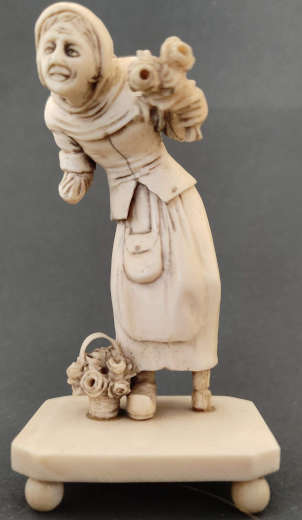
    The Würtz Collection stands as a singular repository of new knowledge, revealing that representations of disability in art long predate modern figures like Frida Kahlo. Within the Collection, distinct groupings—particularly of figurative sculpture—suggest the presence of artists or studios deliberately creating images of disabled people for public viewing, collection, and purchase. Some of these works appear to draw directly from Jacques Callot’s (1592–1635) Grotesque Dwarves series, which likely inspired both porcelain and bone-carved pieces in the archive. We also believe that original prints by Callot are housed within the Collection itself.

    https://substackcdn.com/image/fetch/$s_!BP4k!,w_1456,c_limit,f_webp,q_auto:good,fl_progressive:steep/https%3A%2F%2Fsubstack-post-media.s3.amazonaws.com%2Fpublic%2Fimages%2F3bad51e0-e566-40b3-ab5a-8ae06794cc35_784x760.jpeg

    ▻https://www.imagesofdisability.org
    https://smashdatabase.s3.eu-west-2.amazonaws.com/smash/wp-content/uploads/Photo_of_W4-892x1536x.jpg

    vazy @vazi CC BY
    • @klaus
      klaus++ @klaus 12/08/2026

      Accessibility and Archives: Lost and Found: The Hans Würtz Collection

      Professor Simon Mckeown undertakes research and teaches at the School of Arts and Creative Industries at Teesside University, Middlesbrough, UK in the fields of fine art, digital creativity and disability. He is a disabled practicing artist as well as a disability heritage specialist. In the first of a two-part blog, he explores a historic collection of images and representations of disability first assembled by Hans Würtz (1875–1958) against the backdrop of rising National Socialism in Germany.

      In 2013, the exhibition Disabled by Normality was presented at Prague’s DOX Centre for Contemporary Art. Curated by Jaroslav Anděl and Kateřina Kolářová, with curatorial support from Leoš Válka and Michaela Šilpochová (DOX), it was organised in collaboration with the Jedlička Institute and Schools and the National Medical Library both in Prague. Critically, it marked the first public unveiling since 1932 of a long-lost collection of artworks representing disabled people—resurrecting not just art, but forgotten history.

      At the turn of the twentieth century, German pedagogue Hans Würtz (1875–1958) assembled a vast collection of disability-related artworks. Active between 1910 and 1932, his work unfolded against the backdrop of rising National Socialism. In 1932, as director of the Oskar Helene Heim disability institute, he curated an exhibition featuring figurative depictions of disabled people. This bold move led to his arrest and the eventual loss of most of his Collection to the Czech Republic, where it has since remained largely unknown.
      A Black and white photo of an elderly couple, both have heavy winter overcoats, Rosa wears a cloche hat, Wurtz has glasses.

      Hans and Rosa Wurtz

      More than a cabinet of curiosities, Würtz’s “Collection” offers a rare cultural perspective on disability. He was a pioneer who challenged the dominant medical view of impairment, shifting the lens toward cultural expression. His work remains both socially and artistically significant—particularly in spaces where representations of disabled people are scarce or fraught, such as museums and the media.

      Originally comprising over 7,000 items, the Würtz Collection today includes 3,142 pictures, 14 oil paintings, 175 sculptures, and 1,221 glass plate negatives. Loss, theft, and redistribution have significantly reduced its size. It remains unclear how much of the core material is now dispersed across European institutions—and whether restitution claims might be warranted.

      Remarkably, the Collection survived WWII, bombing, flooding, and sweeping political upheavals including Nazism, Communism, and the 1989 Velvet Revolution. In the 1970s, it was divided in Prague: the largest portion resides in the Historical Archive of the Jedlička Institute; a smaller part, including all sculptures, was transferred during the Communist era to the National Medical Library in Prague. A third, much smaller portion is held at the Special Education Archive at Humboldt University in Berlin. After WWII, boxes containing thousands of glass negatives were discovered in the basement of the Oskar Helene Heim in Berlin—capturing visual records of the institute and elements of the Collection. Alongside manuscripts, letters, and a few additional images gathered by Würtz’s widow Rosa, this material formed the “Hans Würtz Archive” held at Humboldt University in Berlin.

      The Würtz Collection stands as a singular repository of new knowledge, revealing that representations of disability in art long predate modern figures like Frida Kahlo. Within the Collection, distinct groupings—particularly of figurative sculpture—suggest the presence of artists or studios deliberately creating images of disabled people for public viewing, collection, and purchase. Some of these works appear to draw directly from Jacques Callot’s (1592–1635) Grotesque Dwarves series, which likely inspired both porcelain and bone-carved pieces in the archive. We also believe that original prints by Callot are housed within the Collection itself.
      Small statuette of a man who has both legs amputated below the knee and is using sticks to walk. He has a beard and is smiling

      Statuette of an amputee

      Spanning centuries and encompassing diverse materials and media, the Würtz Collection powerfully illustrates the ubiquity of portraits and visualisations of disabled people throughout art history. To our knowledge, no museum has matched the depth of insight it offers. As scholarship like Beyond the Footnotes[1] and initiatives such as Curating for Change[2], increasingly call for greater disabled representation, the Würtz archive emerges as a vital exemplar—one that deserves a central place in museological discourse and practice.
      Small monochrome statuette of a blind organ grinder

      Statuette of blind organ grinder

      Würtz envisioned this Collection as a foundation for an interdisciplinary cultural approach to disability. As a pedagogue, he also sought to demonstrate that disabled people need not be cast solely as recipients of charity but as individuals capable of work and success. Nearly a century later, disability remains underrepresented and often misrepresented in museums—frequently filtered through outdated or voyeuristic perspectives.

      What stands out in our analysis is the rare opportunity for disabled people to see and enjoy ourselves represented in art history through the Collection. It reflects the lived experience of disability—whether fanciful, faithful, or cruel—in both two and three dimensions. I know of no other location that does this. Here, disability is explored with depth and complexity, not relegated to a passing mention or a footnote in a broader narrative.

      What remains unclear—due to the Collection’s lack of provenance—is how and why many of these objects were created. Were disabled people the makers, the artists, the designers? Or were they simply the subjects? And how does this shape the way we interpret the Collection? I hope, and suspect, that in some cases disabled artisans and craftspeople carefully depicted both disabled and non-disabled figures for an appreciative (buying and collecting) audience.

      In conclusion, the Collection holds immense cultural value and offers rich, largely unexplored material for analysing historical images and cultural conceptions of impairment and disability. At the time, progressive sections of the Berlin press described the Collection as ’unique’ and called for its inclusion in a museum. Würtz himself recognised this, stating that his collection should serve as an inspiration for historians, artists, philosophers, psychologists, educators, and writers (Würtz 1932, 73)[3].

      I feel immensely proud to have helped Würtz’s aims and to have jointly led the Collection back to Berlin.

      Musenbury, Mckeown and Krysl with objects from the collection

      Credits:

      Images of Disability is a collaborative project made possible through funding from the UK Arts and Humanities Research Council (AHRC) and the German Research Foundation (DFG) with the support of Teesside University, Middlesbrough, UK, Humboldt-Universität zu Berlin, Germany and in partnership with the National Medical Library, Prague, Czech Republic and the Jedlička Institute and Schools, Prague, Czech Republic with thanks to DOX Centre for Contemporary Art without whom this project would not have been possible.

      Text © Simon Mckeown 2025 / Images © respective owners as detailed above

      [1] Dodd, Jocelyn et al (2004): Buried in the Footnotes: The Representation of Disabled People in Museum and Gallery Collections

      [2] ▻https://curatingforchange.org

      [3] Würtz “Smash the Crutches”, Berlin 1932

      #handicap #Behinderte #archives #collection

      klaus++ @klaus
    Écrire un commentaire
  • @cdb_77
    CDB_77 @cdb_77 17/05/2026

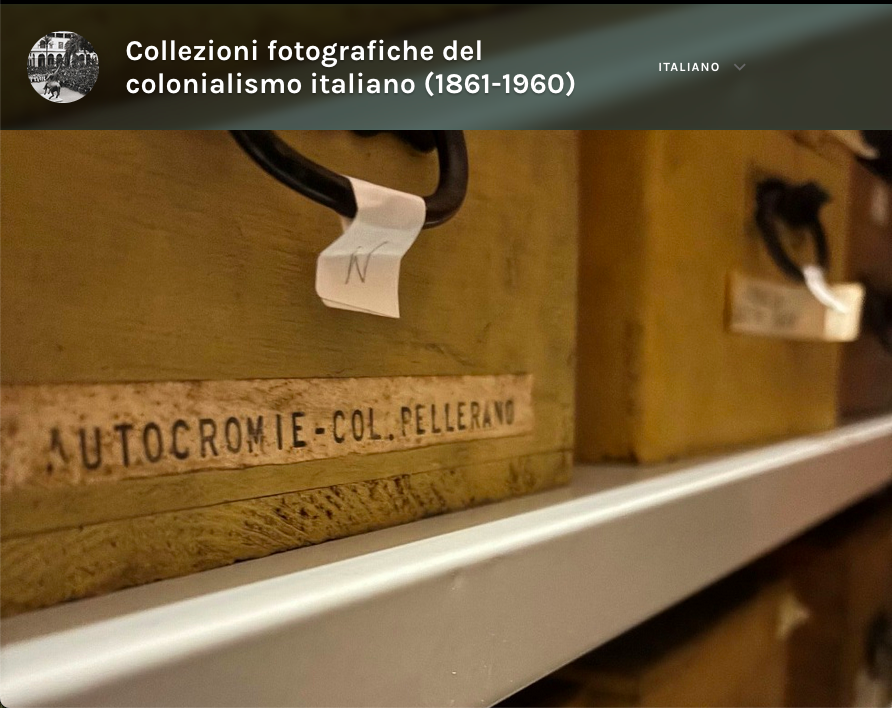
    Collezioni fotografiche del colonialismo italiano (1861-1960)

    https://pixelfed.zoo-logique.org/storage/m/_v2/578583396227231930/0d402c64b-2701fc/zCWkczVAK43m/e2vtQWuxFTs21r4Qbc3VIxuThJDrHTGwrPtHac3E.png

    La «#Fototeca_IsIAO» si trova presso la «Biblioteca #IsIAO» - Sala delle Collezioni Africane e Orientali della Biblioteca Nazionale Centrale di Roma. Essa custodisce la più vasta raccolta di fotografie relative al colonialismo italiano, avendo ereditato il materiale dal #Museo_delle_Colonie di Roma, un’istituzione di propaganda che all’epoca faceva parte del Ministero delle Colonie, nonché da varie istituzioni coloniali esistite nel corso del XX secolo.

    Una fotografia non parla da sé, specialmente se ha un passato conteso e controverso. Non è sempre e/o solo un documento d’archivio inoppugnabile. Non è solo una «fredda» prova del reale. La maggior parte delle immagini coloniali conservate nella fototeca IsIAO sono oggetti complessi, che hanno mutato pelle più volte nel corso della loro lunga vita istituzionale. Possono scatenare ricordi, produrre nuove analisi, generare scoperte, (ri)connettere idee, persone, eventi. Queste fotografie furono raccolte da entità coloniali, ordinate e classificate in categorie funzionali all’interno della propaganda coloniale, tanto che molto spesso le (rare) didascalie che le accompagnano risultano razziste, offensive, capziose.

    Il progetto presentato oggi su Zooniverse intende rendere accessibili le collezioni fotografiche dell’IsIAO a un pubblico più ampio, invitando a partecipare alla descrizione delle immagini in modo più equo e inclusivo. Ma il nostro obiettivo va oltre la semplice descrizione: intendiamo anche raccogliere dati fondamentali su persone, luoghi ed eventi, aprendo al contempo uno spazio per un confronto critico con questa documentazione.

    ▻https://www.zooniverse.org/projects/it/chiararoma/photographic-collections-of-italian-colonialism-1861-1960
    #photographies #colonialisme_italien #Italie_coloniale #colonialisme #archive #collection_photographie #crowdsourcing

    CDB_77 @cdb_77
    Écrire un commentaire
  • @cdb_77
    CDB_77 @cdb_77 10/11/2024
    @reka @cede

    Displacing and Displaying the Objects of Others. The Materiality of Identity and Depots of Global History

    https://pixelfed.zoo-logique.org/storage/m/_v2/578583396227231930/0bb057b62-db9a0d/toijLAWP3dB7/UTsihbZfGwS9YHeMUnQhESX2rutcZyZd6oFCKNbQ.png

    Displacing and Displaying the Objects of Others is a thought-provoking collection that brings together a diverse range of contributions inspired by research from the “Hamburg’s (post-)colonial legacy” research center. The authors explore new perspectives in provenance research by situating it within the broader contexts of global history, colonial history, and postcolonial studies.

    This volume goes beyond simply tracing the origins of objects, considering the significant impact on the societies from which these objects originate. It also critically examines how these objects were used in collections and museums and how the process of musealization shaped collecting practices. With its multiperspective approach, Displacing and Displaying the Objects of Others encourages readers to reflect on the deep connections between past and present and to consider responsible ways of engaging with colonial collections.

    ▻https://www.degruyter.com/document/doi/10.1515/9783111335568/html
    #objets #musées #décolonial #colonialité #collections #collections_coloniales
    #livre

    ping @reka @cede

    CDB_77 @cdb_77
    Écrire un commentaire
  • @cdb_77
    CDB_77 @cdb_77 3/10/2024
    4
    @ericw
    @reka
    @grommeleur
    @02myseenthis01
    4
    @reka

    SOUND EFFECTS

    ►https://sound-effects.bbcrewind.co.uk

    #sons #base_de_données #sound_effects #effets_sonores #archive #open_source #radio #bibliothèque #collection #banque_de_sons

    ping @reka

    CDB_77 @cdb_77
    • @grommeleur
      grommeleur @grommeleur 3/10/2024

      Attention cependant à la licence qui interdit les usages commerciaux libres

      Pro Sound Effects operate the commercial licensing of BBC sound effects. If you wish to use any sound effects commerically, you can click the ’Buy sound’ button in the ’Show details’ section of any listed sound effect.

      grommeleur @grommeleur
    Écrire un commentaire
  • @cdb_77
    CDB_77 @cdb_77 10/03/2024

    #Ikea, le seigneur des forêts

    https://medias.unifrance.org/medias/81/47/274257/format_page/media.jpg

    Derrière son image familiale et écolo, le géant du meuble suédois, plus gros consommateur de bois au monde, révèle des pratiques bien peu scrupuleuses. Une investigation édifiante sur cette firme à l’appétit démesuré.

    C’est une des enseignes préférées des consommateurs, qui équipe depuis des générations cuisines, salons et chambres d’enfants du monde entier. Depuis sa création en 1943 par le visionnaire mais controversé Ingvar Kamprad, et au fil des innovations – meubles en kit, vente par correspondance, magasins en self-service… –, la petite entreprise a connu une croissance fulgurante, et a accompagné l’entrée de la Suède dans l’ère de la consommation de masse. Aujourd’hui, ce fleuron commercial, qui participe pleinement au rayonnement du pays à l’international, est devenu un mastodonte en expansion continue. Les chiffres donnent le tournis : 422 magasins dans cinquante pays ; près d’un milliard de clients ; 2 000 nouveaux articles au catalogue par an… et un exemplaire de son produit phare, la bibliothèque Billy, vendu toutes les cinq secondes. Mais le modèle Ikea a un coût. Pour poursuivre son développement exponentiel et vendre toujours plus de meubles à bas prix, le géant suédois dévore chaque année 20 millions de mètres cubes de bois, soit 1 % des réserves mondiales de ce matériau… Et si la firme vante un approvisionnement responsable et une gestion durable des forêts, la réalité derrière le discours se révèle autrement plus trouble.

    Greenwashing
    Pendant plus d’un an, les journalistes d’investigation Xavier Deleu (Épidémies, l’empreinte de l’homme) et Marianne Kerfriden ont remonté la chaîne de production d’Ikea aux quatre coins du globe. Des dernières forêts boréales suédoises aux plantations brésiliennes en passant par la campagne néo-zélandaise et les grands espaces de Pologne ou de Roumanie, le documentaire dévoile les liens entre la multinationale de l’ameublement et l’exploitation intensive et incontrôlée du bois. Il révèle comment la marque au logo jaune et bleu, souvent via des fournisseurs ou sous-traitants peu scrupuleux, contribue à la destruction de la biodiversité à travers la planète et alimente le trafic de bois. Comme en Roumanie, où Ikea possède 50 000 hectares de forêts, et où des activistes se mobilisent au péril de leur vie contre une mafia du bois endémique. Derrière la réussite de l’une des firmes les plus populaires au monde, cette enquête inédite éclaire l’incroyable expansion d’un prédateur discret devenu un champion du greenwashing.

    ►https://www.arte.tv/fr/videos/112297-000-A/ikea-le-seigneur-des-forets
    #film #film_documentaire #documentaire #enquête
    #greenwashing #green-washing #bois #multinationale #meubles #Pologne #Mazovie #Mardom_House #pins #Ingvar_Kamprad #délocalisation #société_de_consommation #consumérisme #résistance #justice #Fondation_Forêt_et_citoyens #Marta_Jagusztyn #Basses-Carpates #Carpates #coupes_abusives #exploitation #exploitation_forestière #consommation_de_masse #collection #fast-furniture #catalogue #mode #marketing #neuro-marketing #manipulation #sous-traitance #chaîne_d'approvisionnement #Sibérie #Russie #Ukraine #Roumanie #accaparement_de_terres #Agent_Green #trafic_de_bois #privatisation #Gabriel_Paun #pillage #érosion_du_sol #image #prix #impact_environnemental #FSC #certification #norme #identité_suédoise #modèle_suédois #nation_branding #Estonie #Lettonie #Lituanie #lobby #mafia_forestière #coupes_rases #Suède #monoculture #sylviculture #Sami #peuples_autochtones #plantation #extrême_droite #Brésil #Parcel_Reflorestadora #Artemobili #code_de_conduite #justice #responsabilité #abattage #Nouvelle-Zélande #neutralité_carbone #compensation_carbone #maori #crédits-carbone #colonisation

    CDB_77 @cdb_77
    • @cdb_77
      CDB_77 @cdb_77 10/03/2024

      #fsc_watch

      https://pixelfed.zoo-logique.org/storage/m/_v2/578583396227231930/062ac74bd-fb82c6/MnvHMT9maBGk/a8AwDQowoWP7LW8rBWGLNZTLSZXb1Stwu9Jidk7a.png

      This site has been developed by a group of people, FSC supporters and members among them, who are very concerned about the constant and serious erosion of the FSC’s reliability and thus credibility. The group includes Simon Counsell, one of the Founder Members of the FSC; Hermann Edelmann, working for a long term FSC member organisation; and Chris Lang, who has looked critically at several FSC certifications in Thailand, Laos, Brazil, USA, New Zealand, South Africa and Uganda – finding serious problems in each case.

      As with many other activists working on forests worldwide, we share the frustration that whilst the structural problems within the FSC system have been known for many years, the formal mechanisms of governance and control, including the elected Board, the General Assembly, and the Complaints Procedures have been highly ineffective in addressing these problems. The possibility of reforming – and thus ‘saving’ – the FSC through these mechanisms is, we feel, declining, as power within the FSC is increasingly captured by vested commercial interest.

      We feel that unless drastic action is taken, the FSC is doomed to failure. Part of the problem, in our analysis, is that too few FSC members are aware of the many profound problems within the organisation. The FSC Secretariat continues to pour out ‘good news stories’ about its ‘successes’, without acknowledging, for example, the numerous complaints against certificates and certifiers, the cancellation of certificates that should never have been awarded in the first place, the calls for FSC to cease certifying where there is no local agreement to do so, the walk-outs of FSC members from national processes because of their disillusionment with the role of the economic chamber, etc. etc. etc.

      There has been no honest evaluation of what is working and what is not what working in the FSC, and no open forum for discussing these issues. This website is an attempt to redress this imbalance. The site will also help people who are normally excluded from the FSC’s processes to express their views and concerns about the FSC’s activities.

      Please share your thoughts or information. Feel free to comment on our postings or send us any information that you consider valuable for the site.

      UPDATE (25 March 2010): A couple of people have requested that we explain why we are focussing on FSC rather than PEFC. Shortly after starting FSC-Watch we posted an article titled: FSC vs PEFC: Holy cows vs the Emperor’s new clothes. As this is somewhat buried in the archives, it’s reproduced in full here (if you want to discuss this, please click on the link to go to the original post):
      FSC vs PEFC: Holy cows vs the Emperor’s new clothes

      One of the reasons I am involved in this website is that I believe that many people are aware of serious problems with FSC, but don’t discuss them publicly because the alternative to FSC is even worse. The alternative, in this case is PEFC (Programme for the Endorsement of Forest Certification schemes) and all the other certification schemes (Cerflor, Certflor, the Australian Forestry Standard, the Malaysian Timber Certification Council and so on). One person has suggested that we should set up PEFC-Watch, in order “to be even-handed”.

      The trouble with this argument is that PEFC et al have no credibility. No NGOs, people’s organisations or indigenous peoples’ organisations were involved in setting them up. Why bother spending our time monitoring something that amounts to little more than a rubber stamp? I can just see the headlines: “Rubber stamp PEFC scheme rubber stamps another controversial logging operation!” Shock, horror. The Emperor is stark bollock naked, and it’s not just some little boy pointing this out – it’s plain for all to see, isn’t it?

      One way of countering all these other schemes would be to point out that FSC is better. But, if there are serious problems with FSC – which there are, and if we can see them, so can anyone else who cares to look – then the argument starts to look very shaky.

      FSC standards aren’t bad (apart from Principle 10, which really isn’t much use to anyone except the pulp and paper industry). They say lots of things we’d probably want forest management standards to say. The trouble is that the standards are not being applied in practice. Sure, campaign against PEFC, but if FSC becomes a Holy Cow which is immune to criticism (not least because all the criticism takes place behind closed doors), then we can hardly present it as an alternative, can we?…”

      By the way, anyone who thinks that PEFC and FSC are in opposition should read this interview with Heiko Liedeker (FSC’s Executive Director) and Ben Gunneberg (PEFC’s General Secretary). In particular this bit (I thought at first it must be a mix up between FSC and PEFC, or Liedeker and Gunneberg):

      Question: As a follow-up question, Heiko Liedeker, from your perspective, is there room ultimately for programs like the Australian Forestry Standard, Certfor and others to operate under the FSC umbrella?

      Heiko Liedeker: Absolutely. FSC was a scheme that was set-up to provide mutual recognition between national standard-setting initiatives. Every national initiative sets its standard. Some of them are called FSC working groups, some of them are called something else. In the UK they are called UKWAS. We’ve been in dialogue with Edwardo Morales at Certfor Chile. They are some of the FSC requirements listed for endorsement, we certainly entered into discussion. We’ve been in discussion with the Australian Forestry Standard and other standard-setting initiatives. What FSC does not do is, it has one global scheme for recognizing certification. So we do not, and that’s one of the many differences between FSC and PEFC, we do not require the development of a certification program as such. A standard-setting program is sufficient to participate in the network.

      ▻https://fsc-watch.com

      CDB_77 @cdb_77
    • @cdb_77
      CDB_77 @cdb_77 10/03/2024

      Lasy i Obywatele

      https://pixelfed.zoo-logique.org/storage/m/_v2/578583396227231930/062ac74bd-fb82c6/IHzKm6GcLz06/tLPH4RmvVqic7SDS7uNsFlv2rOXvBRqPAsnfDcRv.png https://pixelfed.zoo-logique.org/storage/m/_v2/578583396227231930/062ac74bd-fb82c6/53V2OkLrkMfQ/IvQPS8t3cY9W74jfbDcpkmP0SOC1XlFAUXjiYCcy.png

      ▻https://lasyiobywatele.pl

      #cartographie #visualisation #cartographie_participative #cartographie_radicale #contre-cartographie #Pologne

      CDB_77 @cdb_77
    • @cdb_77
      CDB_77 @cdb_77 18/04/2024

      Complicit in destruction: new investigation reveals IKEA’s role in the decimation of Romania’s forests

      https://bmf.ch/cache/images/D/DJI_0399_1000.JPG https://pixelfed.zoo-logique.org/storage/m/_v2/578583396227231930/c6a394f69-21cf85/UVjqnkmKWRII/yXOlgZtbfabWsACg0iho1LUZaK6o02Ez5gszOewf.png

      IKEA claims to be people and planet positive, yet it is complicit in the degradation and destruction of Romania’s forests. A new report by Agent Green and Bruno Manser Fonds documents this destruction and presents clear requests to the furniture giant.

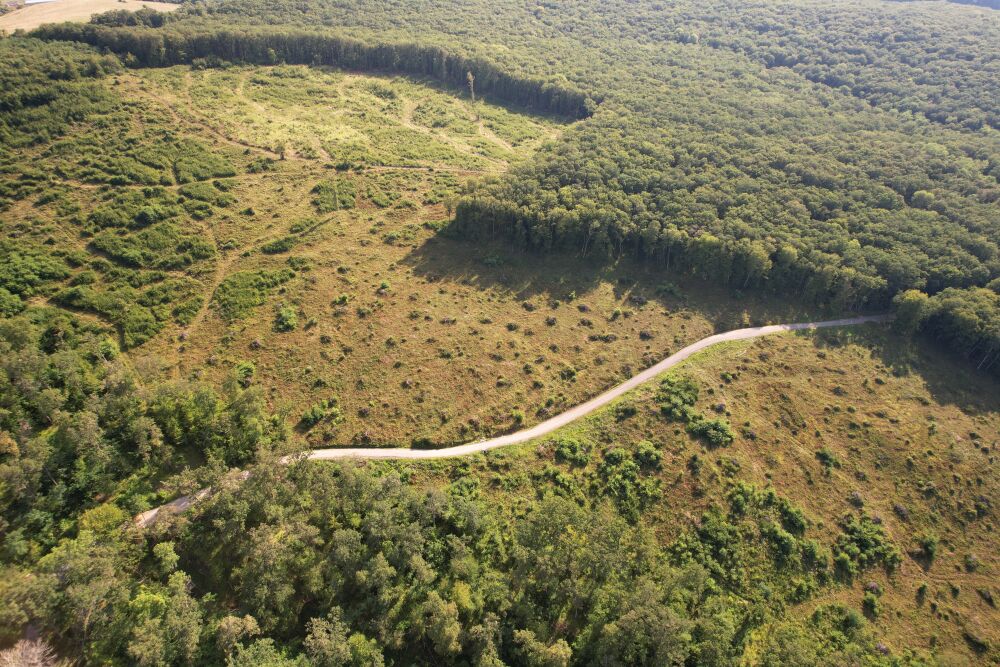
      A new investigative report (▻https://www.bmf.ch/upload/Kampagnen/Ikea/AG_BMF_report_IKEA_web_EN.pdf) by Agent Green and Bruno Manser Fonds shows a consistent pattern of destructive logging in IKEA-linked forests in Romania, with massive consequences for nature and climate. The findings are based on an analysis of official documents and field investigations of nine forest areas in Romania. Seven of them are owned by the IKEA-related company Ingka Investments and two are public forests supplying factories that produce for IKEA. The analysis uncovers over 50 suspected law violations and bad forest management practices. Biodiversity rich forest areas cut to the ground, intensive commercial logging conducted in ecologically sensitive or even old-growth forests without environmental assessments, dozens of meters deep tractor roads cutting through the forest are just a few of the issues documented.

      Most of the visited forests are fully or partially overlapping with EU protected areas. Some of these forests were strictly protected or under low-intensity logging before Ingka took over. Now they are all managed to maximize wood extraction, with no regard to forest habitats and their vital role for species. Only 1.04% of the total Ingka property in Romania are under a strict protection regime and 8.24% under partial protection. This is totally insufficient to meet EU goals. The EU biodiversity strategy requires the protection of a minimum of 30% of EU land area, from which 10% need to be strictly protected. One key goal is to strictly protect all remaining primary and old-growth forests in the EU.

      At the press conference in Bucharest Gabriel Păun, President of Agent Green, stated: “IKEA/Ingka seem to manage their forests like agricultural crops. Letting trees grow old is not in their culture. Removing entire forests in a short period of time is a matter of urgency for IKEA, the tree hunter. The entity disregards both the written laws and the unwritten ways of nature. IKEA does not practice what they preach regardless of whether it is the European Union nature directives, Romanian national legislation, or the FSC forest certification standard. But as a company with revenues of billions of Euros and Romania’s largest private forest owner, IKEA / Ingka should be an example of best practice.”

      Ines Gavrilut, Eastern Europe Campaigner at the Bruno Manser Fonds, added: “It is high time that IKEA started to apply its declared sustainability goals. IKEA could do so much good if it really wanted to set a good example as a forest owner, administrator, and large wood consumer in Romania and beyond. Needs could also be covered without resorting to destructive logging, without converting natural forests into plantations – but this requires tackling difficult issues such as the core of IKEA’s business model of “fast furniture”. Wood products should not be for fast consumption but should be made to last for decades.”

      Agent Green and Bruno Manser Fonds urge IKEA and the Ingka Group to get a grip on their forest operations in Romania to better control logging companies, not to source wood from national or natural parks, to effectively increase protection and apply forestry close to nature in own forests, to ensure full traceability and transparency of the IKEA supply chain, and allow independent forest oversight by civil society and investigative journalists.

      In August 2021, Agent Green published its first report documenting destruction in IKEA-linked forests in Romania. In May 2023, Agent Green and Bruno Manser Fonds sent an open letter of concern to the Ingka Group and IKEA Switzerland. BMF also started a petition demanding IKEA to stop deforestation in Romania’s protected forest areas and other high conservation value forests.

      The ARTE documentary IKEA, the tree hunter brilliantly tells the story of the real cost of IKEA furniture, the uncontrolled exploitation of wood and human labour.

      ▻https://bmf.ch/en/news/neue-untersuchung-belegt-ikeas-beteiligung-an-der-waldzerstorung-in-rumanien-256

      #rapport

      CDB_77 @cdb_77
    Écrire un commentaire
  • @visionscarto
    visionscarto @visionscarto via RSS 4/09/2023
    6
    @cdb_77
    @colporteur
    @biggrizzly
    @ericw
    @reka
    @heinrich
    6

    L’Europe des camps d’enfermement - 2010
    ▻https://visionscarto.net/europe-des-camps

    Titre : L’Europe des camps d’enfermement - 2010 Mots-clés : #migrations #réfugiés #asile #encampement #frontières #UE #Europe #politique_migratoire #politique_d'asile #violence Auteur : Olivier Clochard et Philippe Rekacewicz Date : Juin 2010 L’Europe des camps d’enfermement Olivier Clochard et Philippe Rekacewicz, juin 2010. #Collection_cartographique

    visionscarto @visionscarto via RSS
    • @cdb_77
      CDB_77 @cdb_77 4/09/2023

      https://visionscarto.net/local/cache-vignettes/L1024xH746/31012485697_a8db-5e7ac-c3235.jpg?1693817115#.jpg

      #camps_ouverts #camps_fermés #détention_administrative #rétention #cartographie #visualisation #Europe #UE #EU #asile #migrations #réfugiés #déboutés

      CDB_77 @cdb_77
    • @biggrizzly
      BigGrizzly @biggrizzly CC BY-NC-SA 4/09/2023

      #frontex #ignominie

      BigGrizzly @biggrizzly CC BY-NC-SA
    Écrire un commentaire
  • @visionscarto
    visionscarto @visionscarto via RSS 4/09/2023
    2
    @cdb_77
    @reka
    2

    L’avancée des frontières européennes
    ▻https://visionscarto.net/avancee-des-frontieres

    Titre : L’avancée des frontières européennes : la politique de voisinage — 2010 Mots-clés : #frontières #UE #Europe #politique_migratoire #politique_de_voisinage #marges #asile #politique_d'asile Auteur : Olivier Clochard et Philippe Rekacewicz Date : Juin 2010 L’avancée des frontières européennes Olivier Clochard et Philippe Rekacewicz, juin 2010. #Collection_cartographique

    visionscarto @visionscarto via RSS
    • @cdb_77
      CDB_77 @cdb_77 4/09/2023

      https://visionscarto.net/local/cache-vignettes/L600xH470/32080476858_ccf7-83f2c-77114.jpg?1693817884#.jpg

      #cartographie #visualisation #migrations #réfugiés #asile #externalisation #UE #EU #Union_européenne #PEV

      CDB_77 @cdb_77
    Écrire un commentaire
  • @visionscarto
    visionscarto @visionscarto via RSS 4/09/2023
    2
    @cdb_77
    @reka
    2

    Accords en toile d’araignée sur les migrations
    ▻https://visionscarto.net/migrations-accords-en-toile-d-araignee

    Titre : Accords en toile d’araignée sur les migrations — 2010 Mots-clés : #frontières #UE #Europe #asile #politique_de_voisinage #marges #France #migrations #politique_migratoire #accord_de_réadmission Auteur : Olivier Clochard et Philippe Rekacewicz Date : Juin 2010 Accords en toile d’araignée sur les migrations Olivier Clochard et Philippe Rekacewicz, juin 2010. #Collection_cartographique

    visionscarto @visionscarto via RSS
    • @cdb_77
      CDB_77 @cdb_77 4/09/2023

      https://visionscarto.net/local/cache-vignettes/L1200xH677/32080477258_35d6-a0831-c91f2.jpg?1693819655#.jpg

      #migrations #asile #réfugiés #cartographie #visualisation #accords_bilatéraux #accords_de_réadmission #réadmission #accord_de_Cotonou

      CDB_77 @cdb_77
    Écrire un commentaire
  • @martin
    Martin @martin PUBLIC DOMAIN 8/07/2022

    Nostalgique des manuels d’utilisation de jeux vidéo ? Ces archives SNES incroyables vont vous plaire - Numerama
    ▻https://www.numerama.com/pop-culture/1030136-nostalgique-des-manuels-dutilisation-de-jeux-video-ces-archives-sn

    https://www.numerama.com/wp-content/uploads/2022/07/capture-decran-2022-07-05-a-11-07-00.jpg

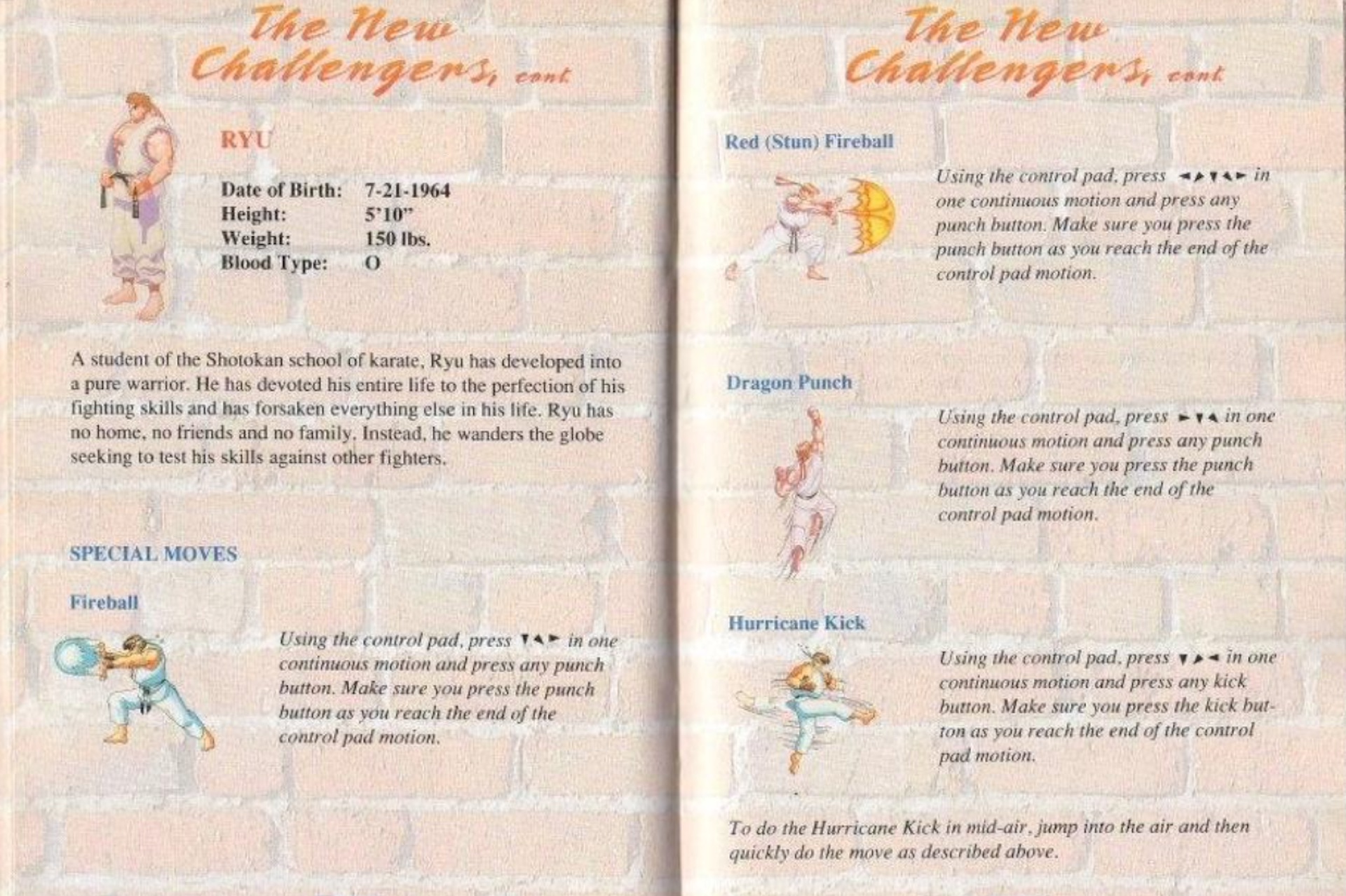
    Un passionné de vieux jeux vidéo a abattu un travail d’archivage incroyable pour répertorier tous les manuels de jeux de la Super Nintendo (SNES). Les scans sont disponibles. Gare à la nostalgie.

    SNES Manual Archive US PAL : Free Download, Borrow, and Streaming : Internet Archive
    ▻https://archive.org/details/snes_manuals

    Collection of All US SNES Manuals and All PAL Exclusive manuals.

    #jeu_vidéo #jeux_vidéo #nintendo #console_snes #console_super_nintendo #archivage #préservation #manuel #livret #collection

    Martin @martin PUBLIC DOMAIN
    Écrire un commentaire
  • @martin
    Martin @martin PUBLIC DOMAIN 9/06/2022

    CGW Museum - Columns
    ▻https://cgwmuseum.org/columns/index.php?id=5

    Being on the receiving end of a transaction involving counterfeit items, is, as you can imagine, exceptionally frustrating. Obviously there’s a personal stake. But it’s even more upsetting in a community that, in the overall scheme of things, is relatively niche - small enough so that most people know each other at least to some extent - and where relationships are generally quite friendly and transactions are largely executed on trust. It’s particularly egregious when the counterfeiter is not only a member of this community, but a well-known one who has regularly engaged in discussions on the authenticity of games and who has denounced other potential counterfeiters. When that happens, it is a fundamental betrayal of an accepted code of conduct that hits at some very basic values and principles. And it’s a behaviour that is damaging not just to a few individuals, but to the community as a whole.

    #jeu_vidéo #jeux_vidéo #contrefaçon #apple_ii #jeu_vidéo_the_chambers_of_xenobia #jeu_vidéo_fracas #jeu_vidéo_santa_paravia #jeu_vidéo_fiumaccio #jeu_vidéo_enchanted_island #jeu_vidéo_wizard_and_the_princess #jeu_vidéo_softporn #jeu_vidéo_blue_sky_software #jeu_vidéo_cannonball_blitz #jeu_vidéo_pegasus_ii #disquette #cassette #enrico_ricciardi #collection #préservation

    Martin @martin PUBLIC DOMAIN
    Écrire un commentaire
  • @unagi
    unagi @unagi CC BY-NC 30/05/2022
    10
    @biggrizzly
    @simplicissimus
    @arno
    @7h36
    @colporteur
    @jeanmarie
    @grommeleur
    @olaf
    @vazi
    @fonkisifou
    10

    fil photos de Gabriele Galimberti : “The Ameriguns” où des "vrais gens" comme on dit à la TV se mettent en scène avec leurs flingues.

    Joey R Johnson 👨‍👨‍👦🏳️‍🌈 sur Twitter : “Parker, 33, his wife, Jalyn, 29, and their children in Poseyville, Indiana. Parker is the local pastor. ▻https://t.co/eMT62hfa3E” / Twitter
    ▻https://twitter.com/Johnson__joey/status/1530500001402609665

    https://www.gabrielegalimberti.com/wp-content/uploads/2020/11/Schermata-2020-10-06-alle-11.37.18.png

    unagi @unagi CC BY-NC
    • @rastapopoulos
      RastaPopoulos @rastapopoulos CC BY-NC 30/05/2022

      Sur le site du photographe :
      ▻https://www.gabrielegalimberti.com/the-ameriguns

      #USA #États-Unis #armes #monde_de_merde

      RastaPopoulos @rastapopoulos CC BY-NC
    • @sandburg
      Sandburg @sandburg CC BY-SA 30/05/2022

      Y’en a pour 150 000 $ de flingues.
      Doivent etre contents de leur héritage les enfants accrochés au mur.
      #welcome_friends

      Sandburg @sandburg CC BY-SA
    • @unagi
      unagi @unagi CC BY-NC 30/05/2022

      https://www.gabrielegalimberti.com/wp-content/uploads/2022/05/0_0_0001.jpg

      unagi @unagi CC BY-NC
    • @sandburg
      Sandburg @sandburg CC BY-SA 30/05/2022

      #gta_pour_de_vrai

      Sandburg @sandburg CC BY-SA
    • @marcimat
      marcimat @marcimat 30/05/2022

      Oh god ! Ces collections de (frapa) dingues !… Ça doit coûter dix bras, mais on dirait que c’est des gens ultra aisés partout dans ces portraits… Mais à quoi donc ça leur sert d’en avoir autant ?

      marcimat @marcimat
    • @sombre
      Sombre @sombre CC BY-NC-SA 30/05/2022

      Mais à quoi donc ça leur sert d’en avoir autant ?

      Pour faire bisquer leurs voisins sûrement ...

      Sombre @sombre CC BY-NC-SA
    • @grommeleur
      grommeleur @grommeleur 30/05/2022

      #photographie

      grommeleur @grommeleur
    • @vazi
      vazy @vazi CC BY 30/05/2022

      #collectionnite_aigüe (se soigne difficilement)

      vazy @vazi CC BY
    • @vazi
      vazy @vazi CC BY 31/05/2022

      Dans la suite du fil je découvre la notion de #familicide :

      Family annihilators: It is important to highlight that in an estimated 95% of the cases, the perpetrator is the head of the household & a male. In almost every case, the familicide is premeditated & the perpetrator views his family members as property, such that he maintains

      ▻https://twitter.com/Johnson__joey/status/1531234502818807808?s=20&t=s5pVb0XbV3dDoc1MKkyAtQ

      vazy @vazi CC BY
    • @fonkisifou
      Fonkisifou @fonkisifou CC BY-NC-SA 2/06/2022

      Quand l’industrie se mêlent à la culture...le débat est presque perdu d’avance...

      ▻https://en.wikipedia.org/wiki/Gun_culture_in_the_United_States

      “In 1995, political scientist Robert Spitzer said that the modern American gun culture is founded on three factors: the proliferation of firearms since the earliest days of the nation, the connection between personal ownership of weapons and the country’s revolutionary and frontier history, and the cultural mythology regarding the gun in the frontier and in modern life.”

      ▻https://archive.org/details/politicsofguncon00spit/mode/2up

      #gun_culture

      Fonkisifou @fonkisifou CC BY-NC-SA
    Écrire un commentaire
  • @martin
    Martin @martin PUBLIC DOMAIN 8/05/2022

    Sometimes Preserving Video Game History Requires Partnering With the Enemy
    ▻https://www.vice.com/en/article/epx3yw/sometimes-preserving-video-game-history-requires-partnering-with-the-enemy

    https://video-images.vice.com/articles/627003d537545900934ecf17/lede/1651508298284-fqz93jovsairn7l.jpeg?image-resize-opts=Y3JvcD0xeHc6MC43NDkzeGg7MHh3LDAuMTUwMXhoJnJlc2l6ZT0xMjAwOiomcmVzaXplPTEyMDA6Kg

    In his tweet revealing the news, Cifaldi, who dedicated much of his life to preserving video game history where companies themselves often fail, seemed excited to finally share some of the rare video game history he was able to document by cooperating with Wata. But the response he got was not entirely enthusiastic. Some people responded with surprise and anger that he would work with Wata, which has been accused of making video game history harder to share with the public and contributing to a speculative investment bubble.

    #jeu_vidéo #jeux_vidéo #video_game_history_foundation #frank_cifaldi #wata_games #histoire #préservation #collection #spéculation #business #finance #jeu_vidéo_silent_hill_2 #jeu_vidéo_final_fantasy_x #jeu_vidéo_super_mario_64 #jeremy_parish #retronauts #limited_run_games #console_neo_geo #deniz_kahn #console_snes #snes_central #prototype #classic_gaming_expo #lost_levels #jeu_vidéo_madden_96 #console_playstation #jeu_vidéo_yoshi #jeu_vidéo_star_fox #argonaut_software

    Martin @martin PUBLIC DOMAIN
    Écrire un commentaire
  • @martin
    Martin @martin PUBLIC DOMAIN 26/04/2022

    (106) Collector’s Quest Inédit chez Atarimania (Coin-Op Legacy) EP1 - YouTube
    ►https://www.youtube.com/watch?v=fEAYZmFesi0

    (106) Collector’s Quest Inédit chez Atarimania (Coin-Op Legacy) EP2 - YouTube
    ►https://www.youtube.com/watch?v=fEAYZmFesi0

    #jeu_vidéo #jeux_vidéo #rétrogaming #musée #matériel #logiciel #nostalgie #console #ordinateur #borne_d_arcade #collection #atarimania #atari #passion

    Martin @martin PUBLIC DOMAIN
    Écrire un commentaire
  • @visionscarto
    visionscarto @visionscarto via RSS 5/04/2022
    2
    @kent1
    @monolecte
    2

    Les États-Unis en quatre couleurs
    ▻https://visionscarto.net/les-etats-unis-en-quatre-couleurs

    Titre : Les États-Unis en quatre couleurs Mots-clés : #Algorithmes #Coloriage #Contraintes Auteur : Philippe Rivière Date : Avril 2021 Un théorème de mathématiques démontre que quatre couleurs suffisent à colorier n’importe quelle carte (sans que deux régions contiguës ne partagent la même couleur, bien entendu). Dans la pratique, le coloriage peut se faire à la main en s’armant de patience, ou bien par des techniques algorithmiques dites de « programmation logique » ou de « programmation par (...) #Collection_cartographique

    visionscarto @visionscarto via RSS
    • @cdb_77
      CDB_77 @cdb_77 5/04/2022

      https://visionscarto.net/local/cache-vignettes/L1856xH1299/us-states-fobceb-94720.png?1647292957#.jpg

      CDB_77 @cdb_77
    Écrire un commentaire
  • @cdb_77
    CDB_77 @cdb_77 9/03/2022
    @visionscarto

    #Cartoprodig, des #cartes pour comprendre le monde

    La carte s’est imposée comme un mode d’expression indispensable, omniprésent sur Internet, dans la presse, dans les publications du domaine scientifique ou en direction du grand public. Plus efficace et plus facile d’accès qu’un texte ou qu’un tableau de chiffres, ce mode de communication (carto)graphique offre à la fois une vision synthétique et détaillée des variations d’un phénomène dans l’espace, que ce soit à l’échelle d’une commune ou d’une région, d’un pays, d’un continent ou du monde. Parallèlement, de multiples organisations internationales (Banque mondiale, agences des Nations unies, Cnuced, OCDE, et quelques autres), produisent régulièrement des statistiques, agrégées au niveau des États, sur un très grand nombre de thèmes, allant de l’éducation à l’économie, en passant par l’environnement, la santé, les migrations, etc. Ces données, téléchargeables librement, sont particulièrement riches. Prises individuellement et par leur comparaison, elles reflètent l’état du monde à un instant t, tout autant que les trajectoires des pays ou des continents sur plusieurs décennies. Ces données, qui sont largement mobilisées dans les rapports organismes qui les produisent comme dans de nombreuses autres publications (notamment des atlas et manuels scolaires) ne font pour autant pas l’objet d’un traitement cartographique systématique.

    C’est ce que propose Cartoprodig avec une collection originale de plus de 400 cartes exploitant plus de 60 indicateurs statistiques produits par une dizaine d’organismes . Ces cartes, répondant toutes au même modèle et proposant un traitement simple de chaque indicateur statistique, sont conçues pour être des documents facilement exploitables, qui garantissent au lecteur-utilisateur la validité des données, la rigueur des traitements et la fiabilité des fonds de carte. Cartoprodig se présente ainsi comme une ressource utile aux chercheur.e.s, enseignant.e.s-chercheur.e.s, étudiant.e.s, enseignant.e.s du secondaire, expert.e.s, et tout.e.s celles et ceux qui ont besoin de cartes simples, fiables, pour illustrer un propos ou faire le point sur une situation mesurable à travers un indicateur statistique. Les cartes sont téléchargeables librement au format pdf (idéal pour l’impression) ou jpg (idéal pour les écrans).

    https://www.cartoprodig.cnrs.fr/wp-content/uploads/2022/02/figure2_FR-796x1024.jpg

    ▻https://www.cartoprodig.cnrs.fr

    #collection

    ping @visionscarto

    CDB_77 @cdb_77
    Écrire un commentaire
  • @hlc
    Articles repérés par Hervé Le Crosnier @hlc CC BY 8/12/2021
    1
    @fil
    1

    NFT sales reached $27 billion this year - Protocol — The people, power and politics of tech
    ▻https://www.protocol.com/bulletins/nft-sales-2021
    ▻https://www.protocol.com/media-library/beeple-nft.jpg?id=28173483&width=1200&coordinates=0%2C27%2C0%2C28&height=6

    As the NFT craze took over this year, people poured $26.9 billion into the digital ownership tokens in the first ten months of 2021, a report by blockchain analysis service Chainalysis found.

    The report, which tracked transactions sent to the two types of Ethereum smart contracts typically associated with NFTs between January and October, notes that the average transaction value and total of all sales rose toward the end of the year. One noticeable spike in sales occurred at the end of August, driven by NFT group Bored Ape Yacht Club’s release of its latest collection, which raked in $96 million.

    Marketplace OpenSea took the crown as the most popular NFT buying destination, making up $16 billion, or nearly 60%, of all NFT transactions in the 10-month period. CryptoPunks, an NFT collection established in 2017, came in as the most popular collection with a transaction volume of $3 billion between March and October.

    Large NFT transactions have also become more common. Collector-sized transactions, or those the report defines as worth between $10,000 and $100,000, accounted for 63% of transaction volume between March and October. Institutional transactions, or those worth more than $100,000, made up 26% of activity in that time period.

    #NFT #Collections #Foutaises

    Articles repérés par Hervé Le Crosnier @hlc CC BY
    Écrire un commentaire
  • @martin
    Martin @martin PUBLIC DOMAIN 21/07/2021

    Collectors are as confused as you are about that $1.56M Super Mario 64 sale | Ars Technica
    ▻https://arstechnica.com/features/2021/07/collectors-are-as-confused-as-you-are-about-that-1-56m-super-mario-64-s

    https://cdn.arstechnica.net/wp-content/uploads/2021/07/super-mario-world-vacuum-sealed-760x380.jpg

    But for newcomers from other collectible spaces, this kind of quality-based price premium is relatively common. “In other spaces such as comics, coins, or sports cards, and many other collectibles, the difference between the second-highest grade and the highest grade can be a drastic difference in value and sometimes much more,” Wata Games CEO Ryan Sabga told Ars. “Attaining the finest known example from a condition standpoint drives a certain type of collector’s behavior, specifically the collector who wants the absolute best. The collectible video game market is no different.”

    #jeu_vidéo #jeux_vidéo #culture #collection #heritage_auctions #wata_games #record #analyse #zelda #the_legend_of_zelda #mario #super_mario_bros #mario_64 #jeu_vidéo_zelda #jeu_vidéo_the_legend_of_zelda #jeu_vidéo_mario #jeu_vidéo_super_mario_bros #jeu_vidéo_mario_64 #excellence #rareté

    Martin @martin PUBLIC DOMAIN
    Écrire un commentaire
  • @vanderling
    Vanderling @vanderling 5/07/2021

    Balade du milliardaire
    https://lundi.am/Balade-du-milliardaire

    https://lundi.am/IMG/arton4199.jpg

    #collectionneur_nécrophile

    Vanderling @vanderling
    • @vanderling
      Vanderling @vanderling 5/07/2021

      Rennes. Exposition Pinault : un vautour plus vrai que nature au Couvent des Jacobins.
      https://www.ouest-france.fr/bretagne/rennes-35000/exposition-de-la-collection-pinault-rennes/rennes-exposition-pinault-un-vautour-plus-vrai-que-nature-au-couvent-de
      https://media.ouest-france.fr/v1/pictures/MjAyMTA3MDQzZjQ1YmY1ZTMwNWJjZDc4MDI0ZDM1NzhlNjcwOGY?width=940&foc
      #vautour

      Vanderling @vanderling
    Écrire un commentaire
  • @visionscarto
    visionscarto @visionscarto via RSS 11/06/2021

    L’arc des réfugiés
    ▻https://visionscarto.net/l-arc-des-refugies

    Titre : L’arc des réfugiés (révision : septembre 2017) Mots-clés : #Réfugiés #Droits_humains #Discrimination #Asile #Guerre #Conflits Sources : Sources : Haut commissariat des Nations unies pour les réfugiés (HCR) ; Office de secours et de travaux des Nations unies pour les réfugiés de Palestine dans le Proche-Orient (UNRWA) ; Conseil norvégien pour les réfugiés (NRC) ; Observatoire des personnes déplacées (IDMC) ; Comité américain pour les réfugiés et les immigrants (USCRI) ; Croix-Rouge ; Croissant-Rouge ; (...) #Collection_cartographique

    visionscarto @visionscarto via RSS
    Écrire un commentaire
  • @visionscarto
    visionscarto @visionscarto via RSS 23/01/2021
    10
    @fil
    @odilon
    @ericw
    @suske
    @rastapopoulos
    @7h36
    @kent1
    @reka
    @solitudemaisdishuits
    @touti
    10

    Sites d’essais nucléaires et accidents
    ▻https://visionscarto.net/essais-nucleaires

    Titre : Sites des essais nucléaires et accidents Mots-clés : #nucléaire #essais_nucléaires #accidents_nucléaires Autrice : Agnès Stienne Date : Avril 2014 #Collection_cartographique

    visionscarto @visionscarto via RSS
    • @odilon
      odilon @odilon CC BY-NC-ND 23/01/2021

      https://visionscarto.net/local/cache-vignettes/L2000xH1403/carte-essaisbcd6-f265d.jpg?1611314637

      odilon @odilon CC BY-NC-ND
    Écrire un commentaire
  • @visionscarto
    visionscarto @visionscarto via RSS 17/12/2020
    2
    @reka
    @rastapopoulos
    2

    Première guerre israélo-arabe (principaux massacres et gains territoriaux) : 1947-1949
    ►https://visionscarto.net/israel-palestine-1947-1949-massacres-gains-territoriaux

    Titre : Première guerre israélo-arabe (principaux massacres et gains territoriaux) : 1947-1949 Mots-clés : #israël #palestine #proche-orient #moyen-orient #monde_arabe #guerre #conflits #frontières #colonisation Auteur : Philippe Rekacewicz Date : 2006 #Collection_cartographique

    visionscarto @visionscarto via RSS
    Écrire un commentaire
  • @visionscarto
    visionscarto @visionscarto via RSS 16/12/2020

    Troisième guerre israélo-arabe (guerre « des six jours ») : 1967
    ►https://visionscarto.net/troisieme-guerre-israelo-arabe

    Titre : Troisième guerre israélo-arabe (guerre « des six jours ») : 1967 Mots-clés : #israël #palestine #proche-orient #moyen-orient #monde_arabe #guerre #conflits Auteur : Philippe Rekacewicz Date : 2006 #Collection_cartographique

    visionscarto @visionscarto via RSS
    Écrire un commentaire
  • @visionscarto
    visionscarto @visionscarto via RSS 16/12/2020

    Quatrième guerre israélo-arabe (guerre du Kipour) : 1973
    ►https://visionscarto.net/quatrieme-guerre-israelo-arabe

    Titre : Quatrième guerre israélo-arabe (guerre « du Kipour ») : 1973 Mots-clés : #israël #palestine #proche-orient #moyen-orient #monde_arabe #guerre #conflits Auteur : Philippe Rekacewicz Date : 2006 #Collection_cartographique

    visionscarto @visionscarto via RSS
    Écrire un commentaire
  • @visionscarto
    visionscarto @visionscarto via RSS 16/12/2020

    Deuxième guerre israélo-arabe (« crise de Suez ») : 1956
    ►https://visionscarto.net/deuxieme-guerre-israelo-arabe

    Titre : Deuxième guerre israélo-arabe (crise de Suez) : 1956 Mots-clés : #israël #palestine #proche-orient #moyen-orient #monde_arabe #guerre #conflits Auteur : Philippe Rekacewicz Date : 2006 #Collection_cartographique

    visionscarto @visionscarto via RSS
    Écrire un commentaire
  • @visionscarto
    visionscarto @visionscarto via RSS 16/12/2020

    Afrique : les principales étapes de la décolonisation
    ►https://visionscarto.net/afrique-decolonisation

    Titre : Afrique : les principales étapes de la décolonisation Mots-clés : #afrique #décolonisation #colonisation Auteur : Philippe Rekacewicz Date : 2006 #Collection_cartographique

    visionscarto @visionscarto via RSS
    Écrire un commentaire
0 | 25 | 50 | 75 | 100 | 125 | 150 | 175

Thèmes liés

  • #collection_cartographique
  • person: philippe rekacewicz
  • person: philippe rekacewicz date
  • #visualisation
  • #cartographie
  • #climat
  • #asie
  • #frontières
  • #europe
  • #changement_climatique
  • #démographie
  • #russie
  • #asile
  • #ue
  • #guerre
  • #chine
  • #environnement
  • #migrations
  • #jeu_vidéo
  • #jeux_vidéo
  • #réfugiés
  • #israël
  • #palestine
  • #proche-orient
  • #moyen-orient
  • #monde_arabe
  • #conflits
  • #santé
  • #inégalités
  • #états-unis
  • #pékin
  • #géopolitique
  • #représentation
  • city: pékin
  • #géographie_physique
  • #sciences_de_la_terre
  • #archive
  • #réfugiés
  • #guerre
  • #conflits