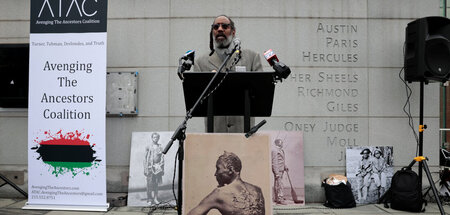
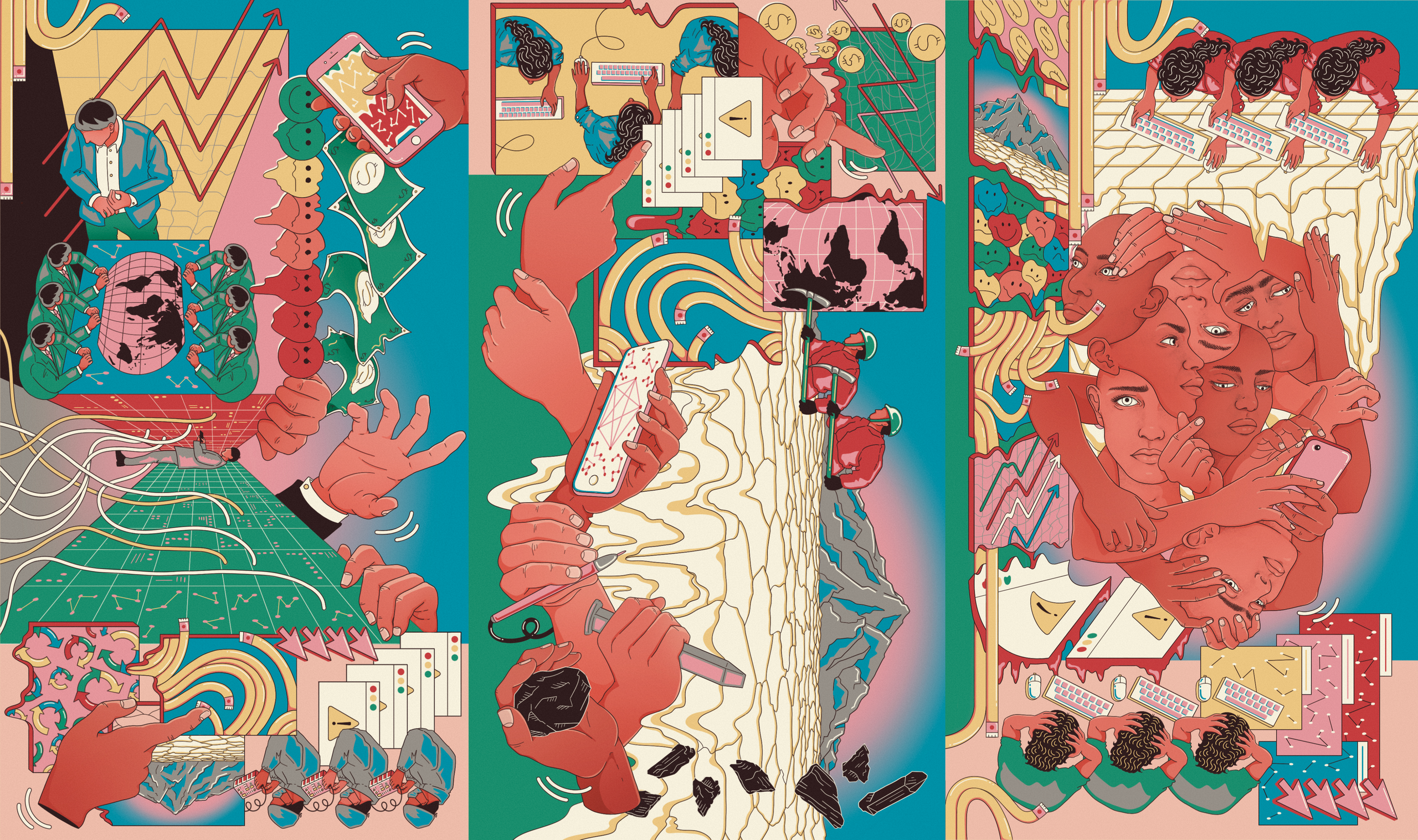
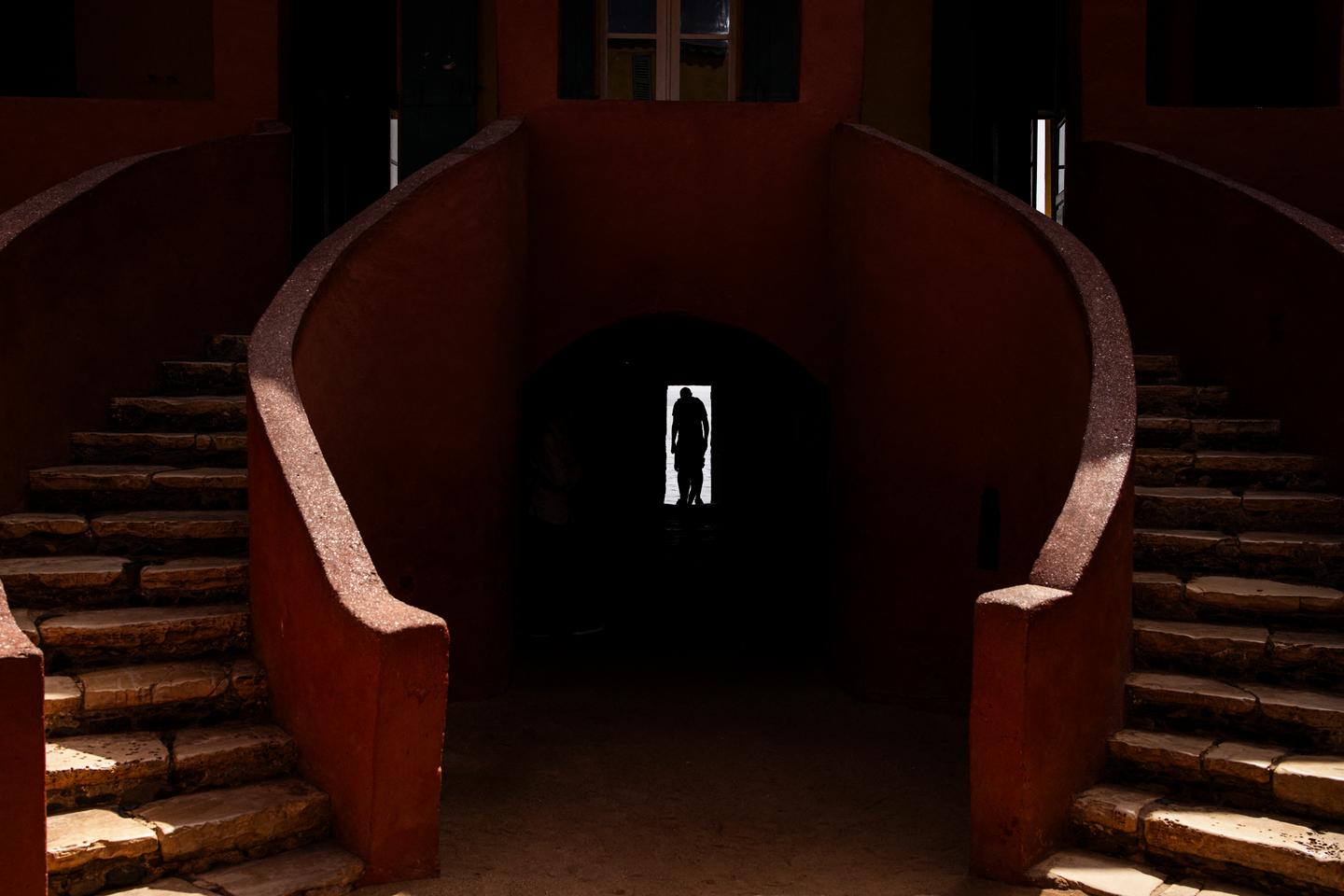
• Epstein Family Values
    ▻https://www.equator.org/articles/epstein-family-values

    Il est possible que le monde privé de Marine Le Pen ressemble à celui crée par Jeffrex Epstein, Donald Trump et les autres riches d’extrême droite souvent mais pas forcément proches d’Israël.

    Suivant les documents de l’affaire Epstein il y a une culture et une forme de vie des très riches qui a davantage de points communs avec la vie des princes saoudiens qu’avec les normes culturelles occidentales modernes.

    14.2.2026 by Melinda Cooper - The billionaire patriarchs of the American far-right want to rule an economy of masters and servants

    1.

    Among the weirder features of the contemporary American far right is the emergence of ‘primal fathers’ – Old Testament patriarchs who want to sire not just a family, but a race. Elon Musk is the best known of these Aspirational Abrahams, although he is by no means the only one. A long Wall Street Journal report has documented Musk’s desire to beget what he calls a “legion” of children who would save humanity from demographic freefall and bear his superior genes into the far future. A Space X rocket stands ready to transport his seed beyond Earth in a process akin to inverse panspermia, the theory that organic life arrived on our planet via space dust.

    Musk is currently thought to have at least 14 children with four women, whose legal and financial affairs are partly managed by Jared Birchall, the director of his family office. “We will need to use surrogates”, Musk texted one of them, to “reach legion-level before the apocalypse.” In preparation for this scale up in operations, he has acquired a multi-residential compound in Austin, Texas.

    Silicon Valley pronatalism is generally understood as eugenic – a reading that captures the desire for racial purification, but not the distinct process by which purity is pursued. The “classic” American eugenicists of the progressive era sought to banish genetic abnormality, which they saw as responsible for mental degeneracy and other social ills. By contrast, Musk and his ilk are steeped in the pseudoscience of transhumanism – less concerned with the elimination of error than the exaltation of exceptional deviance. The ideal patriach is one who breaks from the normal distribution of intelligence with his uber IQ. He seeks not just to preserve the white genetic heritage, but to resurrect it on newly sanctified foundations. Primal fathers are revered as the founders of a new race, rather than the ancestors of an old one.

    The primal father is the stuff of myth. In Totem and Taboo, Freud suggested that the primitive unconscious was inhabited by an overbearing patriarch and a horde of envious sons. The father demands exclusive property rights over all women, irrespective of age and kinship relation. His autocratic reign is only superseded when the brothers rise up, murder him and enshrine a new regime in which women are communal property. Freud candidly acknowledged that this was bogus prehistory. There was no developmental or anthropological subtext behind the myth of the primal horde, only the crossed-out traces in the minds of his patients.

    Yet this fantasy is sometimes played out in real life. This is most obvious in the case of cult leaders, who, with fascinating predictability, end up installing a regime of compulsory communal sex over which they hold ultimate monopoly rights. They too prefer compounds to single-family residences and, when faced with the challenge of succession, resort to fantasies of immortality and deification. Their normalisation of imminent apocalypse can be read as the cosmic translation of this fear: cult leaders find it easier to imagine the end of the world than the loss of their personal power.

    It goes without saying that this ethos is distinctly at odds with the traditional family values espoused by the religious right (one reason for the rumbling discord among various strands of the MAGA coalition). Primal fathers want an extended household, not a family. They gladly transgress the conservative taboos against adultery, incest and intergenerational sex because all members of their household have the status of servant, whatever their blood relationship.

    The distinctive features of their household economies become clearer when we consider the case of Jeffrey Epstein. Like Musk, Epstein was fascinated by transhumanism and had dreams of seeding the human race with his DNA. In 2008, after being convicted for soliciting prostitution from minors, he fantasised about retreating to his Zorro Ranch in New Mexico to impregnate up to 20 women at a time. In her posthumously published memoir Nobody’s Girl, Virginia Roberts Giuffre, who at 16 was recruited by Epstein and his then-girlfriend Ghislaine Maxwell, recounts that her abusers proposed to retain her as a surrogate for their future child, over whom she would have no custody rights. They would pay her $200,000 a month to raise the child and accompany it around the world for rendezvous with Epstein. Fearing that her child would be abused, Giuffre concocted an escape plan.

    Epstein’s case is more instructive than Musk’s because it combines the two economies of sexual property that Freud discerned in the primitive unconscious – fratriarchal and patriarchal. Epstein was able to forge unshakeable bonds with his fellow predators by telling them ‘what’s mine is yours’, and keeping the photo evidence. In this sense, he established a fratriarchal system in which young women and girls were shared among primal brothers as a form of social glue. But Epstein also wanted to retain at least some of these women as his own inalienable property. The mothers of his future children were to be off limits, sequestered behind the walls of an inaccessible compound.

    The Epstein household economy thus assigned women to one of two regimes of sexual property – with some graduating from the fratriarchal to the patriarchal as they grew older. All women and girls are the property of one man; or all women and girls are the property of all men.

    2.

    Freud saw the primitive horde as belonging squarely in the realm of the unconscious. It only bubbled up to the surface during moments of organised transgression, such as carnivals. But there is nothing mediated or subliminal about the Silicon Valley far right’s desire to reenact the conflict between primal fathers and brothers. In fact, its leading ‘philosopher’, Peter Thiel – a member of the original ‘PayPal Mafia’ – first encountered Freud through the work of René Girard, the Christian philosopher who taught at Stanford in the 1990s.

    Thiel calls himself a Girardian to this day, but his reading of Freud is sui generis. In a book-length statement of his business philosophy, Zero to One, he uses Totem and Taboo as a prism through which to analyse the political economy of a Silicon Valley founder-controlled firm. He celebrates startup founders as iconoclastic brothers, intent on overthrowing the paternal power of incumbent monopolies such as Google, Amazon or Microsoft. The ‘tech bro’ alliance has proven its power to disrupt, but Thiel rightly warns that the primal roles are not fixed. As soon as their father is sacrificed, the brotherhood descends into murderous competition, each son asserting his individual right to create a monopoly. “Extreme founders are not new in history,” Thiel writes, pointing to Oedipus and Romulus.

    Thanks to the most recent trove of documents released by the US Department of Justice, we now know Epstein was close to the leading figures of the Silicon Valley far right. After Brexit, he exchanged emails with Thiel, celebrating the “return of tribalism”, and before his death he invested millions in Thiel’s tech ventures. Epstein would have recognised himself in Thiel’s portrait of the tragic founder: he saw himself as operating ‘above the law’, and destined to make his own laws. He endlessly interrogated his victims’ childhood histories for signs of vulnerability, per Giuffre, but flinched before any enquiry into his own upbringing. Epstein, it seems, came from nowhere, an orphan son. In one artifact from the latest DOJ trove, a video interview taped by Steve Bannon, he cast himself as an outsider – “Jeffrey Epstein, just a good kid” – unencumbered by the long biographies that trail the likes of Bill Clinton or Paul Volcker.

    If the mythology of the primal father maps onto the new elite’s preferred business form, it applies in another way to their domestic arrangements. The appropriate reference point here is not the nuclear family but the household economy, where production is inseparable from reproduction, and the management of business assets is coextensive with the preservation of family possessions.

    The extreme wealth created since the global financial crisis has revived a form of labour that, at least in Anglo-America, had by the mid-twentieth century become increasingly rare: large-scale, long-term, in-house domestic service. Consider Palm Beach, where Trump and Epstein once brushed shoulders, and which is now home to many of America’s billionaires (as well as the president’s closest allies). In the last decade, Blackstone founder and Republican megadonor Steve Schwarzman has moved in, as have Citadel’s Ken Griffin and hedge fund manager Paul Tudor Jones. Others, such as David Koch’s widow, Julia, and KKR cofounder Henry Kravis, are long-term residents. Their households are not just domiciles but major sources of employment, each drawing in dozens of permanent and seasonal workers from the poorer areas of Palm Beach County and from as far afield as New York, Ireland, South Africa and Romania.

    This form of domestic service is tacitly ruled over by something akin to ‘master and servant’ laws – a form of employment that once granted masters virtual dominion over their private sphere of government and punished workers with criminal sanctions such as in-house arrest, imprisonment and even corporal punishment. Given the origins of master and servant laws in medieval England, it would be easy to identify this development as a return to feudalism – an increasingly popular reading of the present conjuncture, as exemplified by the recent work of Yanis Varoufakis.

    The argument owes much to Marx, who implied that personal domestic service would become obsolete as feudal relations gave way to the free labour contract. But recall that, contrary to Marx’s predictions, domestic service expanded in the late nineteenth century, not in spite of but because of the growing concentration of industrial and financial wealth. Moreover, master and servant relations endured well into the twentieth century, and have made a comeback in recent decades, if not in formal legal arrangements then at least in de facto ones.

    These laws proved particularly hard to dislodge when it came to the treatment of domestic servants, primarily black women: any attempt at labour organisation was met with the argument that they were family members, hence liable to be treated with the same forms of abuse as next of kin. Here we get a sense of the distinct ‘confusion of categories’ that reigns in the household economy. While the nuclear family posits an ideal separation between home and market, personal and work life, master and servant laws assume a complete fusion between the two spheres.

    Epstein owned multiple large properties – in Palm Beach, New York, Paris and New Mexico – as well as a private island, Little Saint James. His payroll included dozens, perhaps hundreds, of in-house staff, ranging from legal advisers and bodyguards to chauffeurs, cooks, cleaners, gardeners, maintenance workers and ‘masseuses’. Visitors describe a hierarchy of attendants whose precise relationship to Epstein – intimate or commercial – was sometimes difficult to discern. Male business partners such as the lawyer Alan Dershowitz were friends and, according to the allegations of some victims, occasional participants in sexual crimes. In Relentless Pursuit, Bradley J. Edwards, a Florida attorney who represented some 20 of Epstein’s victims, suggests that a cast of official girlfriends, typically older and wealthier, formed a charmed inner circle and were sometimes complicit in the abuse. If the relationship ended on good terms, they could be promoted, joining Maxwell as full-time procurers of young girls.

    3.

    The origins of Epstein’s wealth remain elusive. We know that he served as unqualified financial advisor and estate planner to billionaires such as Les Wexner (Victoria’s Secret), Leon Black (Apollo Global Management) and, according to the most recent revelations, real estate mogul Mortimer Zuckerman and heiress Ariane de Rothschild. The extraordinary fees he was paid by these people continue to defy explanation. What we do know is how Epstein used this money: as a slush fund for his business of full-time patronage. In his dealings with other elite men, he dangled the promise of financial and sexual favours. His beneficiaries might receive funding for a research unit along with an apparently risk-free visit to the Epstein residence, replete with photo documentation. In exchange, they were expected to secure his access to ever-higher circles of influence.

    Both financially and sexually, Epstein bound his reputation to those of his beneficiaries. Any damage to his name would inevitably tarnish theirs. For many years, this arrangement translated into virtual legal immunity. In 2008, federal prosecutors failed to press full sex-trafficking charges against him, despite testimony from 36 young women.

    Epstein styled himself as a patron even to his young female victims. The schoolgirls he picked up in New York were promised funds to cover tuition fees to Ivy League colleges or a good word with the owner of a famous art gallery. Teens from West Palm Beach trailer parks might become professional masseuses, or at the very least full-time recruiters of other girls. (The runaway Giuffre was to receive professional training as a masseuse at the most renowned school in Thailand.) Many victims saw his patronage as a genuine economic alternative. According to the attorney Edwards, several of the victims he represented were abused as children or came from violent homes. Some were genuinely grateful that Epstein rescued them from lower-paid sex work.

    It wasn’t just the $100 for a first ‘massage’ session – Epstein also promised a career trajectory of sorts. Yet sexual patronage quickly turned into sexual indenture: while generous with his small gifts, he never delivered on the big promises. The point was to keep his victims in a state of permanent indebtedness.

    Because Epstein entangled almost anyone he met in proliferating ties of obligation and dependence, the task of assigning blame is unusually fraught. All his household staff were likely complicit, at some level, in his sexual abuse. Many of them must have had direct knowledge of what was going on – the celebrity chef who greeted young women in the kitchen before they went upstairs, the chauffeurs who drove Maxwell around New York as she scouted for schoolgirls, the housekeeper who cleaned up bedrooms and bathrooms. Even Epstein’s lowliest victims could allegedly buy their way out of the worst forms of abuse by recruiting other girls. More than one has described the Epstein household economy as an elaborate pyramid scheme in which participants were encouraged to see themselves as independent contractors – free to run their own ‘small businesses’ in modelling or art as long as they also fulfilled the master’s recruitment needs. At what point did dependent self-interest turn into complicity?

    In witness statements to police and prosecutors, victims draw attention to the uncannily familiar rapport that Epstein and Maxwell created amid the most horrific abuse. One girl ate popcorn and watched Sex and the City with them before her assault. Maxwell, according to another witness, behaved like a cool older sister, inducting her siblings into a world of adult sophistication.

    Kinship ties, unlike free-market relations, evoke a form of non-contractual obligation – a bond that cannot be readily dissolved in exchange for money. The household economy extends these non-contractual obligations to workers as well as family members, erasing the core distinction between the two (although not the hierarchies within). One former victim had trouble escaping Epstein because she felt indebted to him as a “friend, father figure, employer and master”. Giuffre recounts that Epstein and Maxwell acted like her parents, providing dental care and teaching table manners.

    Yet at other times, Virginia was the play-mother, putting Epstein’s socks on in the morning and tucking him into bed at night. “Epstein and Maxwell solidified their power over me by offering a new sort of family,” she writes. “Epstein was the patriarch, Maxwell the matriarch, and these roles were not merely implicit. Maxwell liked to call the girls who regularly serviced Epstein her ‘children’.” The emotional ties that bound her to Epstein felt real: “not love exactly, but I think the right word is fealty”.

    The debt, however, was not reversible. Epstein could sever ties with any member of his household at will, but no one, especially not his young victims, could do the same. Giuffre migrated to Australia to get away, but remained “scared to death” of him. Many other women have testified that Epstein and Maxwell threatened to kill them if they attempted to escape or reported their abuse.

    4.

    The Epstein household may have reached extremes of sadism, but its political economy is becoming less exceptional by the day. When a single individual disposes of more money than a government grant awarding agency or research university, the impact on knowledge production and academic relations is profound. The same ripple effect can be seen in the service and housing sector, as billionaire compounds begin to shape the fortunes of entire urban economies. Epstein’s household enterprise was no doubt unique in its sheer organisational complexity, but the kind of personal obligation and indebtedness he inspired among dependents is now a standard feature of the billionaire household economy.

    This insight helps to clarify the catalytic role that the #MeToo movement played in our current cycle of conservative backlash. It is hard to keep track of the men from across the political spectrum who in recent years have experienced sudden conversions to the Trumpist far right. When asked to explain their change of heart, they repeatedly point to anecdotes of sexual injury that seem too trivial, not to say ludicrous, to have occasioned a sense of world-historical collapse. The apparent discrepancy makes more sense when we recall that #MeToo originated in one particular sector of the film industry – the highly personalised world of the private arthouse studio. As cofounder of Miramax and The Weinstein Company, Harvey Weinstein was the product of a peculiar style of founder-controlled partnership in which owner-managers are afforded unchecked power over their staff and clients. The #MeToo movement represented a direct attack on their combined sexual and economic power. It is no surprise that Epstein and Weinstein were friends. Or that men from across the political spectrum reached out to Epstein for advice when dealing with sexual assault allegations in the wake of #MeToo.

    Thanks to our growing insight into Epstein’s world, we have gained a clearer picture of the psychic and economic logic of the contemporary far right. Just as Epstein wanted to close off all escape routes to his female victims, Trump and his tech reactionaries want to shut down all alternatives to the household economy and turn the presidency into a founder-controlled family firm. Attacks on the administrative state, the public sector and unions, and the transformation of border control agents into a personal militia can be understood as parts of a broader programme to extend the rule of master and servant to the entire economy. Perhaps if we all become Uber drivers, third-party Amazon sellers, trade contractors to real estate moguls, or academic supplicants to billionaires, then the founder will be safe from collective sacrifice?

    Epstein’s victims experienced the rule of master and servant not just as economic but sexual violence. They were the first to name and resist our emergent political order.

    #relations_de_classes #capitalisme #élites #abus_sexuel #viol #esclavage #féodalisme #politique #affaires #nantis #exploitation

  • ‘We Were Simply Animals’
    ▻https://www.equator.org/articles/we-were-simply-animals-turati

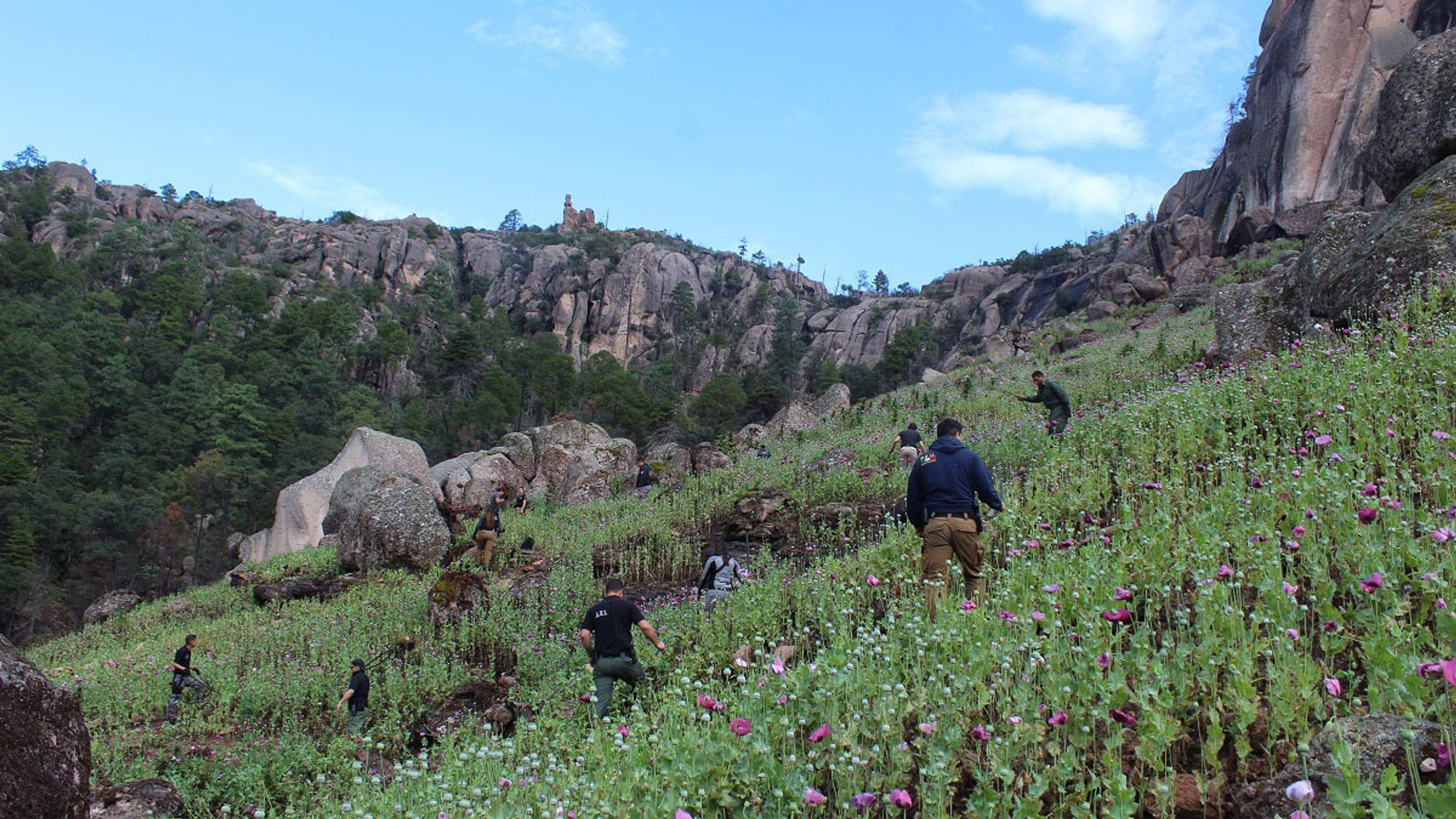
    Agents from the Chihuahua State Attorney General’s Office on a search operation at a deserted narco-run forced labour camp in the Sierra Tarahumara mountains (2018) / All images courtesy of Quinto Elemento Lab

    L’ #esclavage au #Mexique dans la production de #drogues

    29.7.2026 Translated from Spanish by John Gibler, by Marcela Turati, Thelma Gómez Durán, Eliezer Budasoff - What happens to the disappeared in Mexico’s narco-slavery camps

    For the past five years, Marcela Turati, Thelma Gómez Durán and Eliezer Budasoff have been investigating forced labour camps run by drug cartels in the Sierra Tarahumara mountains in the Mexican state of Chihuahua. In a landmark report, they tracked down and interviewed victims of this criminal operation – men who were kidnapped, held in captivity in the mountains, and made to cultivate drugs under extreme conditions, without pay, often for years on end. The existence of these camps is an open secret in Chihuahua, tolerated by the authorities. This is the most detailed portrait to date of life inside Mexico’s expanding narco-slavery system.

    The names of all living characters have been changed to protect their identities. This translation has been edited and abridged: the full story, in Spanish, can be read at Quinto Elemento Lab.
    1. The Rescue

    In the early hours of 11 July 2019, a convoy of pickup trucks set out westwards from Ciudad Cuauhtémoc in Chihuahua, a state on the US-Mexico border. It travelled for a few hours towards the Sierra Tarahumara mountains, first on highways and then on dirt roads, before stopping at a lone cabin just beyond the village of Yoquivo, where the route became too rough.

    More than 50 state officials – mostly police investigators, plus some prosecutors – got out. Around 10 were left on guard; the rest advanced on foot through the temperate forest. At some point they split up: one group took the path to the top of the mountain, and the others descended towards the bottom of the canyon. The latter walked for another four hours, through pine, madrone and oak groves, from time to time coming upon clearings where the trees had been felled and burned to make way for poppy and marijuana crops. At last, they reached a spot where a band of raggedly dressed men were clearing a slope with their hands. When the men caught sight of the officials, they looked terrified, as if expecting to be arrested.

    The second group made its way up stone cliffs so high and sheer that they formed a natural wall. At the peak, there was a kind of grotto, formed by the space between giant rock formations, with a narrow entrance. An assortment of items were strewn around inside: clothes, blankets and a radio; a blackened broom and plastic jugs; a ladle, a grill and pots; bags of fertiliser and packets of cornflour.

    These were the remains of a forced labour camp, one of many that drug cartels have been operating since at least 2017 across the Sierra Tarahumara – a magnificent landscape of mountains and canyons that stretches nearly 1,000 kilometres from just south of the US border through the states of Chihuahua, Sonora, Durango and Sinaloa. The camps parasitically feed on the surrounding region. Cartel agents from out of state approach vulnerable local men with the promise of credible jobs – putting up fences, clearing land, tending livestock – at an unspecified location. Recruits are, instead, kidnapped and taken to isolated corners of the mountains, where they are made to perform hard agricultural labour under the constant watch of armed guards for no pay, for months or even years on end, until they almost drop dead. This captive workforce is largely drawn from poor neighbourhoods in the foothills, at settlements of displaced indigenous Rarámuri people, along the railway tracks where day labourers gather for work, outside welfare offices.

    Twenty-one men – the youngest was 18, the oldest 52 – were rescued from the camp near Yoquivo that day. The “subhuman conditions” of their captivity had left them “physically shattered”, an agent from the public prosecutor’s office told us. During the long walk out of the forest, they seemed not so much happy as disoriented and afraid: two camp overseers had been freed by agents as well. Back at the convoy, when the officials offered to share their provisions, the captives could not contain themselves. “We were carrying tins of tuna,” an agent told us. “They would ask for some and then say: ‘May I eat all of it?’”

    On the return journey, during a stop at a checkpoint on the Las Estrellas highway, a staff member from the Chihuahua State Attorney General’s Office took a photograph of the survivors. While a few of them look at the camera, the rest stare hard at the ground, as if ashamed, or gaze vacantly into space. Their features are mostly obscured by the shadows cast by baseball caps. Still, you can make out sunken cheeks and beards several weeks old. The thick black grime that has accumulated on their clothes makes them resemble coal miners. They look so haggard that it is difficult to guess their age. Only two carry backpacks; the rest are wearing all their possessions.

    At the public prosecutor’s office in Ciudad Cuauhtémoc, the freed men gave their sworn testimonies one by one. A local activist named Gabino Gómez came to meet them; he had been advocating on behalf of the relatives of disappeared victims for close to a decade. (The first case in the city that came to his attention involved eight members of the same family.) When Gabino saw the survivors, he rushed to shake their hands and hug them. They could not understand why a complete stranger was so distressed and emotional. In that bewilderment lay their tragedy. They had been so thoroughly severed from society that they could not see themselves as Gabino saw them.

    Most of the survivors did not consider themselves to be “victims” of human trafficking, let alone slavery. All they knew was that they had been duped. Only four of the 21 had been reported as disappeared by their families. The other 17 had been officially forgotten.

    The July 2019 raid was a long time coming. For at least two years, the Chihuahua police had been hearing from escapees of forced labour camps in the Sierra Tarahumara – but they singularly failed to investigate their allegations. In 2018, when a Rarámuri teenager fled from a camp and contacted the public prosecutor’s office, they did not even bother to interview him at length.

    Later that year, three captives made a daring escape from another camp. An older prisoner hatched the plan out of pity for two recently kidnapped teenagers, who cried every night. If I’m going to die here, he thought, I might as well die trying to get those kids out. After months of waiting for the right moment, he urged them to take their chance while they were hauling water from a nearby stream one afternoon. They walked through the forest for three days, without food, hiding in caves during the day and setting out after dark, pursued all along by their captors, whose flashlights they could see in the distance. At the main road, they hitched a ride on a pickup truck.

    Under the initials B.A.R., the man recorded an in-depth sworn testimony with the public prosecutor. The situation he described was reminiscent of haciendas in the nineteenth century, but with the colonial slaver replaced by the armed drug trafficker. For three years he had been held with dozens of other captives in the mountains. From dawn till dusk they farmed poppies and cannabis; at night they slept on the floors of stone caves. They were forced to smoke marijuana and snort cocaine to weaken their resistance. Order was violently enforced: beatings with oak clubs, food deprivation, waterboarding. “I was punished too,” B.A.R. said. “They’d grab me by my feet and hold me upside down, dunking me in the river until I nearly drowned.”

    Sometimes, B.A.R. testified, the guards ordered the captives to rape one another. One of the teenagers who escaped with him was himself punished this way. “I didn’t do anything, because I was afraid,” he told the authorities. “It hurt a lot. It happened many times.” The runaways described fatal violence. “I saw them kill some of my compañeros,” B.A.R. said. One was drowned; another was beaten to death; a third was pushed off a cliff. One of the teenagers recounted how the camp cook was murdered: “A man shot her in the forehead.”

    B.A.R. told prosecutors that he had been taken to at least six different forced-labour camps in the mountains. Prompted by his testimony, they carried out a raid at the very site of the future rescue, where they found food, cooking equipment, tools and even parts of a cabin. Perhaps because the camp was deserted on that day, they assumed it had been abandoned. There were no followup investigations.

    The next July, three more runaways appeared. A police officer saw them get out of the back of a pickup truck at the Las Estrellas checkpoint. They were dirty and malnourished; their clothes were in tatters. Commander Julio César Andrade did not believe them when they claimed to have been working in a nearby apple orchard. He took them to eat at a roadside restaurant, where the truth came out. At the prosecutor’s office, they provided sworn statements that were virtually carbon copies of those gathered from around Chihuahua in the preceding two years: the same recruitment method, the same cavernous area in the Sierra Tarahumara, the same physical and psychological torture. One of the escapees served as a guide during the big rescue operation that followed.

    The Mexican press reported on the rescue as if it had uncovered a case of business fraud, rather than human rights violations. The captives were described as men conned into living in caves and working without pay. Most articles failed to mention that four of them had been reported missing. (Their discovery was an unusual outcome in a country where the official figure of disappeared people stands above 130,000, with 95% of those from the last two decades.) Questions were not asked about state culpability, or even the existence of other camps. Thus a grave political crime was turned into a macabre oddity.

    In order to understand how modern slavery came to be institutionalised in the Sierra Tarahumara, it is necessary to understand how drug cartels have evolved in recent decades – and how their relationship with the state has changed, too. Since the 1970s, when Mexico became a large-scale producer of poppies and marijuana, there have been reports of civilian agricultural labourers at clandestine narco-camps. Initially these was paid jobs. In The Century of Drugs (2005), the sociologist Luis Astorga described how, in the early 1980s, cartels actively recruited working-class youth to travel to the so-called Golden Triangle in the mountains of Sinaloa, Chihuahua and Durango to plant poppies, for a salary far higher than local farms offered. The money was so good that some villages were emptied of able-bodied men during the harvest season.

    This bucolic picture darkened as cartels transformed from local operations to transnational criminal enterprises. In 1984, near the village of El Búfalo, a 544-hectare marijuana production facility run by the Sinaloa cartel was discovered. More than 12,000 migrant workers were toiling there in captivity, in extreme conditions, often without pay. Around 400 soldiers raided the complex and freed the labourers, though the overseers fled.

    After the scandal at El Búfalo, there were no further reports of clandestine camps until the 2010s. The timing was not coincidental. In 2012, Colorado and Washington legalised cannabis, a move that was eventually adopted by other US states. Meanwhile, fentanyl use skyrocketed among Americans; it proved cheaper, more potent and easier to produce than heroin. These twin developments led to a fall in demand for Mexican cannabis and poppies, as the Sinaloan journalist Marco Vizcarra, who has extensively investigated drug markets, explained to us. In the past decade or so, the price of a kilo of opium gum has halved.

    Domestic production was also reorganised in this period. Where there was once a sort of free market, with any number of intermediaries buying and selling the gum, by 2017 the Sinaloa cartel had developed a monopsony through force. They unilaterally brought the price down, squeezing individual growers.

    All this led to a resurgence of kidnapping and slavery, as cartels tried to adapt to new market circumstances and bring down their “labour costs”. Such crimes occurred in Guerrero and Jalisco, but mainly in Chihuahua, which has become a hotbed of narco violence, in particular battles between local factions of the Juárez cartel. Disappearances have been rising almost continuously for over a decade. More than 2,841 people – 2,494 men and 347 women – have been officially reported missing since 2014, though the true figure is certainly much higher. In 2016, there were more disappearances in Ciudad Cuauhtémoc than any other Mexican city.

    Around that time, shady operators began arriving in numbers in Chihuahua’s mountainous western region, renting agricultural plots for drug production, and eventually displacing the landowners, many of whom were Rarámuri. Villagers observed them forcing migrants off northbound trains and coercing them to work in the fields. The Casa del Migrante shelter in Chihuahua City began to gather testimonies about this practice from Central Americans heading to the US. At least two of their complaints were shelved by the state attorney general.

    And so slavery in the Sierra Tarahumara became a kind of open secret. State officials were well aware that forced-labour camps were operating in the mountains, but they did next to nothing to find out more. Almost no first-hand accounts from survivors were available to the public. Until now.

    a group of men after their rescue from a forced labour camp in Mexico. their faces are blurred out

    Picture of 21 rescued captives taken by an agent of the Chihuahua State Attorney General’s Office, Las Estrellas intersection, July 2019
    a map showing the area of Chihuahua, Mexico where many forced labour narco camps exist

    Map of Chihuahua state / Made by Oldemar González

    We have been investigating and writing about forced disappearances in Mexico for over 15 years. This work has taken us to morgues, cemeteries, unmarked burial plots and clandestine mass graves. News of the Sierra Tarahumara rescue grimly piqued our interest. Here, for the first time, was a story indicating that some of the disappeared may still be alive.

    It took us a while to track down the survivors. The Chihuahua public prosecutor’s office allowed us to look at the 21 sworn testimonies, but forbade us from making copies, or even taking notes. So we recorded ourselves reading the documents aloud. Those accounts – and our interviews with state officials – lead us to various impoverished suburbs of Chihuahua City and Ciudad Cuauhtémoc, where locals soon came forward to help us identify our subjects. Over five years, we conducted long and often fraught interviews with many of them – in low-income housing complexes and indigenous settlements, roadside cafes and cheap motels, abandoned houses and even garbage dumps.

    These were sobering interactions. Freedom had not been kind to the captives. Few had been able to regain even the wretched standard of living that had pushed them into the arms of the cartels in the first place. Many were scarred by paranoia, trapped in addiction or suffering mental illnesses. Some had been abandoned by their partners or families. More than one, we learned, died after being rescued, some by their own hand. We came to feel that these men had been triply betrayed: first by the narcos who had lured them into the mountains, then by the government that failed to look for them, and finally by a society that refused to welcome them back into its fold.

    We are telling their stories not because we hope to secure justice, but simply to establish the truth. This was a modest ambition shared by one of our interlocutors, Andrés. He told us that many of the survivors’ accounts had been doubted. He’d even read criticisms on social media: That’s what they deserve for being shiftless and lazy. “Those people should try thinking before they speak, because they don’t know when they might suddenly find themselves in a similar situation,” Andrés said. “They might be lucky enough to be rescued, or unlucky enough to die out there. I decided to give this interview because this situation’s not going to change. In Mexico, there’s sexual slavery, human trafficking, forced labour. This didn’t start yesterday; it’s been going on for many years.”
    2. Javier

    On his 987th day of captivity, after spending a whole week praying to Saint Jude to help him escape from the mountains, Javier did not know how to react when he saw all those uniformed men emerge from the bushes. At that moment he was on his knees, clearing weeds by hand. His first thought was that they had come to kill them. The camp guards had often warned that members of los contras, a rival cartel, could attack anytime.

    He only managed to run a few metres before stopping, paralysed, in front of a sheer cliff. When the police caught up and explained that it was a rescue, his second thought was that they were going to arrest him. They mentioned a hotel, which he feared was “going to be a prison”, he told us when we interviewed him at the public prosecutor’s office. The conversation occurred in the presence of a state official who often interrupted us and closed down certain enquiries: for instance, about whether the state had provided Javier with psychological treatment.

    At 39, Javier was one of the oldest of the 21 survivors. He had spent the longest time in the camp. According to his calculations, his captors owed him 248,055 pesos of stolen wages, after deducting for provisions like cigarettes and biscuits that the guards gave him “on credit”. Two hundred and forty-eight thousand and fifty-five Mexican pesos, for close to a thousand days of his life. He knew now that no one was going to pay him.

    Javier’s story begins, like so many others, with a desperate lack of money. And a fight with his wife – a scene that would play over and over in his mind during his long captivity. One evening in September 2016, she returned home from work to discover that he had not managed to put any food on the table. They argued. If you’re not bringing home milk or diapers, you might as well not bother coming back.

    He stormed off to the train tracks on the outskirts of Chihuahua City, where day labourers gather to wait for jobs. A heavy-duty grey pickup – “the one-tonne truck”, he calls it – was parked there, with seven men already sitting in the back. The driver stepped out and made him an offer. Work with us on a cattle ranch in the mountains for a month. We will give you 300 pesos a day, three meals a day, and a place to live. The catch was that they had to leave straight away. There was no time for Javier to tell his wife or say goodbye to their three children. Still, it was not a hard decision, especially in his angry state. He would call her later, he thought – and he would return with good money.

    For a few hours, everything seemed normal. The recruiters bought them beers and paid for dinner at a roadside canteen. It is hard to say exactly when the men began to realise that they had been tricked, when it dawned on them that something was wrong, when they knew that it was already too late. An agent told us that recruits sometimes tried to jump out of the truck before it reached its destination. When that happened, a foreman would get out, draw his gun and point it at them.

    The truck stopped at a village in the mountains around nightfall. The recruiters put hoods over their captives’ heads, then forced them to walk for hours to a makeshift camp, where they slept on the ground. At dawn they were woken and marched 15 minutes down the mountain slope to a poppy field, where their task was to score the plants to extract opium gum. Such was the work during the autumn. Thereafter their labour varied according to the growing cycle: preparing the land, sowing and harvesting. Agriculture was interspersed with an endless series of taxing errands: clearing scrub, chopping firewood, carrying supplies, washing, cutting steps into the mountainside, digging wells, fetching water and chaperoning captives to other fields. The aim was to wear them down “until they were no longer of any use”, as another survivor told us.

    In his sworn testimony, Javier recalled that there were about 80 workers and six armed guards in the first camp he was taken to. Those numbers varied from one site to the next, and across the season, halving after the harvest. What never changed was their hunger. Twice a day, in the morning and the evening, they received a bowl of soup or beans. When at risk of fainting, they were sent to the loquero – literally, the crazy-maker – who plied them with “loco”, a mixture of cornflour, water and sugar, which kept them wired until nightfall.

    Beatings were the primary means of discipline. Whether the task was to fell trees with a chainsaw, burn scrub or plough the land with a pickaxe, the enforcer’s club always set the pace. “I’d collapse and they’d come over and whack me,” Javier told us. The guards promised to “give some water” to anyone who disobeyed orders. That is, to dunk him in a pool or well until he turned purple. “They would pull him out, hit him in the stomach with the butt of a rifle to get the water out, and then do it all over again.”

    Hunger eventually overcame resistance. Many captives agreed to literally beat their fellows with a club for a reward as small as a soft drink or some biscuits. Their captors gave these twisted directives to keep things moving, or simply for their own entertainment. Javier maintains that he never beat anyone, no matter how hungry he was.

    The daily indignities and humiliations were innumerable. They were not allowed to go to the toilet without being watched. They were forced to urinate into a 20-litre bucket in the cave that was their quarters. They were only allowed to bathe once a month, down at the freezing stream, sharing a bar of soap among 15 people, with no way to dry off afterwards. They lived in the very garments they’d arrived in, which soon turned to rags. They had to steal from each other or pick up discards to get a change of clothes. Javier once grew so desperate that he traded a pack of cigarettes for a pair of tattered trousers.

    As time went on, some captives began to disappear. In his testimony, Javier recounts his own escape attempt. Around five months in, he and a friend walked for two hours, until they came upon another camp, where they were intercepted by a rifle-wielding man in a balaclava and a soldier’s cap, who promptly put them to work in nearby poppy fields. Javier never mustered the courage to flee again. He was afraid of wild animals, of falling off a cliff at night, of getting lost, of running into the rival cartel – and above all, of being caught by the overseers.

    Javier tells the story of another man who made it as far as Yoquivo, the nearest village, about a three-hour walk away, where the bosses got most of their supplies. It had around 135 inhabitants at the time. At the village shop, the escapee tried to trade his mobile phone for food. The shopkeeper asked him to wait, disappeared inside, and phoned the camp bosses. As punishment, the runaway was dunked several times in the stream, and then tied to a tree, naked, for an entire day.

    The captives worked on eight different plots of land that all belonged to the same family. Within this vast criminal setup, there were social hierarchies. Multiple survivors told us about men and women who were paid to undertake unforced labour for short spells during the harvest season. They mostly hailed from Sinaloa, and may have been relatives or friends of the camp operators. Every time such a group arrived, Javier would beg the overseers to send him back with them. “They’d say to me: ‘No, we’ll take you back, you’ll be getting out soon. You’ve already earned a good amount, we’re going to pay you. Or you can take some land.’”

    These interactions always left Javier especially depressed. He’d have dreams about being back home, but without his wife. A few times he convinced the guards to lend him a phone to call her, in exchange for cigarettes or performing errands. When he tried to explain his situation, she never believed him. She suspected that he had found another woman. She threatened to find someone else as well.

    To cope with the pain, Javier would tally the wages he was owed. “I dreamed of how all this money could buy us a little house, clothes for the children, and food.” These thoughts even spurred him on to work harder. Perhaps that’s why he didn’t know what to feel when the police rescued him. He was going to see his wife and children, but he was no longer a creditor. The fantasy that had given meaning to his life for three years had melted away.

    Javier returned home empty-handed, his pride even more broken than it had been on that fateful day he went to the railway tracks. His family no longer pay much attention to him. In fact, they are angry that he abandoned them. He doesn’t know how to convince them that he was held by force, against his will. Each time his wife gets drunk, she takes it out on him all over again, blaming him for everything that happened. He responds helplessly: It’s over, it’s in the past, don’t do this.

    “It would be better for me not to remember anything,” Javier told us near the interview’s end, when we asked about his future plans.
    3. Andrés

    A few days after the rescue, Andrés’ father finally arrived in Ciudad Cuauhtémoc to pick him up. Unlike other victims’ relatives, who wept with joy to see their long-missing sons and fathers, he seemed angry. After a formal greeting, he said: “Tell me the truth, loco. Are there going to be any problems? Could something happen to us?”

    “I have no idea,” Andrés replied.

    “Tell me straight up if we’re in danger, so we can get out of here quickly… ”

    The two of them caught the bus back to their village, feeling nervous and uneasy. His father repeatedly asked him if they might be killed. Andrés could only tell him to be quiet.

    Two years on, he was still looking over his shoulder. His life had become peripatetic: every so often he relocated to a new house, or a new town. He only visited his children, who lived with their mother, at night – “like a criminal” – and always left by dawn. Indeed, he lived in fear of arrest. If an old report were to surface and expose his connection to the mountain camps, he thought, no one would believe the truth. Sometimes he wished he hadn’t been rescued. “I would have preferred to escape,” he told us when we interviewed him one afternoon in June 2021, after his shift as a butcher at a supermarket in Mexico’s far north. “Right now I’d be a normal person, just like anyone else.” He agreed to speak on the condition that we conceal his identity.

    Andrés’ ordeal in the Sierra Tarahumara had left him very unstable, as we learned during the period of our correspondence. He would call us from the side of a highway somewhere, and then vanish for days, before reappearing in Acapulco or Mexico City. But he could also be exceptionally lucid. During seven months of captivity, he had closely observed his surroundings, absorbing as much information as possible. This was because of a story he had read many years earlier in Reader’s Digest, about two black slaves chained together and forced to work on a railway line. “The slaves began to plan their escape, watching the guards’ movements – when they changed shifts, when they were allowed to rest, and at what point they might let them slip away,” he recalled. Andrés close study of the camp enabled him to describe the forced labour operations in the Sierra Tarahumara in unequalled detail.

    Andres’ story, as told in his official statement, begins like many others. He was drinking a soda outside a convenience store in Chihuahua City, waiting to catch a bus back to his village, when a truck pulled up. The man in the passenger seat – “dressed in ranch-style clothing, with a sturdy build and a moustache” – asked if he knew how to set up fence posts. If so, there was a job for him near Ciudad Cuauhtémoc, and a free ride there to boot. I’ll save myself the 100 pesos for the bus, thought Andrés. He took a seat in the back among a few other men.

    The truck hadn’t even left Chihuahua when the police stopped them. Officers made all the men get out and asked them if they’d been drinking, what they were carrying, what their names were – until the moustached foreman intervened. After some money exchanged hands, a senior policeman appeared and told the other cops to “get the hell out of there”.

    It is a damning detail to include in a prosecutorial report: a complaint hidden within another complaint. The real story is even more shameful. Andrés told us that the police themselves had delivered him to the recruiters: they had accosted him at the bus stop, on the pretext of running a background check, given him a beating and then handed him over. When a senior prosecutor read as much in the text that his assistants had prepared, he ordered them to amend the account. In the version that made it into the case file, the police merely accept a bribe.

    The truck drove on for a long while, almost without slowing down, before turning onto a dirt road. When the vehicle could go no further, the captives were told to get out. Andrés glanced around: “All I could see were hills and trees.” From there they walked for several hours into the heart of the mountains. They smelled burning wood long before arriving at the base camp, which was laid out around a large cave, inside which “there were a few iron sheets for cooking, a stone countertop, and a storeroom for food”.

    When some of the captives went behind the counter, the armed men kicked them out. “They haven’t even done a lick of work and they already want to eat. The food is for those who’ve already got shit done,” one said. A short while later, Andrés recalled, hundreds of people came down the path that the captives had just descended. At the cave, they were each given a plate, a spoon, a few beans and some tortillas.

    The next day, Andrés’ group was made to walk for three hours to fetch blankets that had been stashed in covered pits. Each of them lugged a pile of 10 or so blankets back to base camp. That evening the guards explained their duties: “Don’t panic, guys. We’re not going to kill you. You are here to work your asses off. If you work hard, there won’t be any beatings, you will have a lovely time.”

    Their daily routine was numbing and miserable. They came out of their caves at 4:30 AM, did a roll call, were allowed to use the toilet, and were then led into the mountains. “As soon as we arrived at the fields, they would shout: ‘Bend over, get to work.’” Breakfast was served at about 10 AM, back at the cave; it lasted five or 10 minutes. While the stragglers finished their meals, the others filled jugs with water or loco. Then they returned to work the fields until sundown.

    As a mercy, their shifts began later when they had to carry large loads – around 5:30 or 6 AM – but often only ended at 2 AM or 3 AM the following morning. They walked for between six and eight hours through the mountains, back and forth. During these endless, pack-mule journeys, Andrés often considered suicide. “I would think: ‘I might as well throw myself off the cliff – to hell with it, it’s easier to die here, right now, while I’m not so fucked up.’ You didn’t see it as suicide, but as a release, as setting yourself free.”
    a cave in the mountains of northern mexico where enslaved labourers slept

    The cave where captives slept at night
    a group of men sit on rocks at a forced labour camp in the mountains of northern Mexico

    Some of the captives rescued in July 2019

    He even witnessed murder: “We often carried very heavy water jugs – as much as 60 litres – uphill, on narrow paths that barely had space for a single person: there was a sheer drop on one side and the rock face on the other. One man refused to go up the slope with his load. So a supervisor came over, punched him in the face, gave him a massive kick, and threw him into a nearby stream. He floated down to a spot where several currents met, forming a sort of whirlpool. From higher up, we watched him drown. They brought us back down for the water jugs, but his body was abandoned.”

    In all, Andrés lived in three different camps and worked in five. Like the chained slave from Reader’s Digest, he stored food, and did favours for the guards, including watching over other captives and slaughtering cows. If he kept his wits about him, it was by escaping into his own mind. “They saw me as a tame chicken, but I had something they couldn’t access: what I was thinking.”

    Andrés recalls that, five days before the rescue, the camp supervisors appeared more alert and better armed, with rifles and grenades. They spoke of a “massacre” at another camp. When the police arrived, Andrés heard a gunshot, which made him think the moment had come: “They’re going to execute us.” After everything had settled down, the authorities asked him to find captives in other parts of the forest. Apparently he knew his way around better than they did.

    “Go and get them,” they said.

    “No, let’s go together,” he replied.

    “No, you go, we’ll wait here for you. Are you scared or what?”

    “Well, if you lot with guns are in a panic, do you think I won’t be as well?”

    Andrés didn’t conduct a search, and neither did the police.
    4. Vistas Cerro Grande

    La Noria, also known as Vistas Cerro Grande, is a suburb tucked away on the southern outskirts of Chihuahua City, at the foot of the Cerro Grande mountain. It is an area infamous for disturbing news stories, blighted by poverty and plagued by drugs, short on formal employment and neglected by the state. All of this makes it an ideal recruiting ground for cartels. A foreman can prey on any number of debt-ridden addicts, cash-strapped young fathers and seasonal labourers struggling after the harvest.

    Five of the 21 survivors were initially poached from Vistas Cerro Grande. In April 2019, Hipólito was roaming the neighbourhood in search of work when a truck stopped in front of him. “I was looking to scrape together enough for some nappies and a pint of milk. They gave me 1,000 pesos to put up a fence. That was all that I earned in seven months of captivity. In return I lost my family. I lost everything. Now I live in the dark.”

    He never won back his wife’s trust after his rescue. She never fully believed that a cartel had kidnapped him. She thought he’d left her for another woman. She didn’t even come to pick him up from the prosecutor’s office; he went home on a bus with a trafficker and a foreman who the authorities had granted victim status. “We arrived, looked around, and found nothing,” Hipólito said. “Empty houses, no families. You could say we left the small hell only to enter the big one.”

    His wife couldn’t – or didn’t want to – deal with someone who had developed an addiction to crystal meth while in captivity. She left, taking their two girls with her. He did not recover from her departure. A relative told us that he tried to kill himself several times: by hanging, with pills. One night in 2021, two years before his death, we found him on the backstreets of La Noria; he was about to climb down into the bed of a dry stream filled with rubbish. During our subsequent interview, he referred to himself as a beast of burden, a horse, a rag, a branch, a pig.

    “They’d give you an ass-kicking that left you knocked out for days,” he said. “I had no say in anything, I had to do whatever they told me.... We were simply animals. In that place life had no value.”

    At one point, he leaned towards the mobile phone we were using to record the interview: “If she hears this on the TV or wherever it’s going to be shown, I want to send a greeting to my sweet wife. Forgive me, my love. This is what really happened, Lorena. I love you and I care for you so much, my Lore. Believe that I’m so proud of you for everything. I’m leaving those two bright little stars in your care. I love them. Thank you.”

    In the early hours of 15 July 2023, almost exactly four years after his rescue, Hipólito was found beaten to death on the streets of the Granjas del Cerro Grande neighbourhood. There was a news article about it in a local newspaper; it consisted of five lines. His life, from his capture onwards, amounted to a single sentence.

    The day he was taken away, Hipólito had climbed into the truck with four neighbours, three of them barely out of their teens: Bryan, David and Brandon. Bryan’s mother, who knew he was craving money to buy a truck, tried desperately to stop him going, right up to the very last moment. “Instead of taking shortcuts, come and work with me in a maquiladora,” she pleaded. After this fell on deaf ears, she confronted the foreman, Licho, who said it was too late: her son had already spent his advance of 1,000 pesos, on drugs and essentials for the trip.

    There was nothing more she could do. Bryan had recently turned 18; he didn’t need her permission to leave home. Licho comforted her. “The boys are clearing a plot of land in the mountains so a school can be built. Don’t worry, they’ll be back soon.” He promised weekly updates, via Brandon’s mother, Elvira, who had packed lunches for the journey.

    “It was all lies,” Bryan’s mother told us in August 2024. “They never answered Elvira’s calls. They said there was no mobile service. Every night I’d go to Elvira and ask her: ‘Have you heard anything?’”

    Three months after Brandon left, another teenager who had gone with him turned up unannounced on Elvira’s doorstep. He had escaped from their camp in the mountains, where the boys were sleeping in caves and extracting opium gum in exchange for drugs. Dismayed by the news, the two mothers visited Licho’s house, which was up on the hill. The foreman assured them that the boys were fine; they would be coming back soon. But his drunk, wheelchair-bound father interrupted the conversation to say, tearfully, that he too had lost a son in those fields – the boy had been drowned as punishment.

    Before the families could report Licho to the police, Bryan escaped on foot with a friend. “He turned up looking worse than a beggar,” his sister recalled. “His sleeves were torn, his trainers were full of holes, and he had no socks. There was a fungal infection on his hands, which were black, all burned. Because he rolled up his trousers, his legs were burned. Because they didn’t bathe out there, he was covered in scabies.”

    Bryan never spoke about what he went through. When someone asked him about it, he just shrugged his shoulders. “He shut himself off from the world,” his mother told us. Two childhood photographs of him hung on the wall of the living room where we conducted the interview: one from nursery and another from primary school. He looks happy in both. His hair is combed, his uniform spotless. What had happened to to the mischievous kid who used to pretend to be Spider-Man? To the teenage heartthrob who practised parkour? Now he was a zombie.

    These days Bryan’s family devote themselves to protecting him from himself. He has tried to commit suicide multiple times; he has been diagnosed with schizophrenia. His mother was aware that her son’s case was not an isolated one. “It’s awful that they’re out there taking people away, and on top of that poisoning them, stuffing them with drugs. I don’t even know what to think.”

    Brandon only came home much later, after the July 2019 rescue. Not yet 18, he returned in a state of madness. “They brought him here themselves,” Hipólito told us, referring to the traffickers. “Because his family reported him as disappeared, there were police investigations and all that fuss. Things were getting dicey with the government, so they had to let him go.”

    Hipólito said that, at first, Brandon had been “easygoing, a hard worker, a good conversationalist – he could hold his own in a debate”. But as time went on, the boy was subjected to a lot of abuse. When we asked if that abuse was sexual, Hipólito refused to answer: “I’m not going to talk; I’ll hold my tongue. I’ll die without saying a word.”

    Later that day, we found Brandon himself sitting on the sidewalk in front of a corner store next to his house. At our prompting, he began recounting what happened: the trip to the mountains; the “drug traffickers with weapons” who forced them to work from 5 AM until 8 PM; how two people were shot for trying to escape. But as he went on, his account became filled with fantasy and delirium: spaceships, kings and queens, zodiac signs and planets, Jesus Christ and the Virgin of Guadalupe.

    When we met him again three years later, his house had been set on fire – perhaps because of a dispute about drug debts, or in an act of revenge; it was not entirely clear. Plastic sheets and pieces of wood covered the windows. Outside, there were sacks of rubbish and heaps of soil, tyres and a car seat, a ruined sofa. Through the open door we could see clothes piled on the floor.

    Brandon’s skin was damaged. “I cut myself. I need to do so to feel a bit of pain, so I can breathe,” he said. His brother approached, evidently high. He wept over Brandon’s fate, and that of Elvira, who had been left mostly non-responsive after unsuccessful brain surgery. Some young people passing by stopped to listen to our conversation, too. They mentioned other locals who had been through the caves. It seemed that everyone knew someone who had been abducted. That guy over there… Ask that one… The other guy…

    One youth said he had been going to the caves of his own volition since the age of 17. They used to pay him up to 8,000 pesos for six weeks during the harvest season. But then bad things started happening. “I’d heard that sometimes they didn’t pay their workers, or that they held them there for a long time.” That’s why he stopped going.

    A sign on a rock warning against proceeding into nearby poppy fields
    5. Aftermath

    The investigation was mishandled from the outset. Sources with access to the investigation file told us that it was poorly compiled, and that statements from key witnesses and earlier victims had been omitted. Only five arrest warrants were ever issued. In 2023, after the first public prosecutor assigned to the case requested a leave of absence, it fell to Carlos Reyes Chaparro, a 21-year-veteran of the judicial system, to take it on. He told us that he “knew absolutely nothing” about the crimes.

    By the time Chaparro was put in charge, the only individual ever arrested in the case was already in state custody. Henry Giovanni Velázquez Barrera, alias El Chiapas, had found out about the rescue raid on Facebook, when scrolling on his phone at his home in Vistas Cerro Grande, where he lived with a two-year-old daughter. The news had not particularly worried him; he was confident of not being arrested. A month later, when his employers asked him to bring more men and supplies into the mountains, he agreed. Even after an arrest warrant for him was issued, Henry kept up his recruitment and transport business, until June 2022, when the police captured him almost by chance: he was travelling in a van that was stopped at a checkpoint for a random inspection.

    The trial of El Chiapas began in June 2024. While six freed captives identified him as their recruiter, only three, including Andrés, came forward to testify against him. After three weeks, he was sentenced to 22 years and six months in prison for human trafficking, specifically forced labour. When we interviewed Henry that August, at Social Rehabilitation Centre Number 7 in Cuauhtémoc, the 47-year-old seemed resigned to his fate: “That’s how the law is here. What can one say? Nothing. Just keep quiet.”

    The Mexican constitution stipulates that a person may be held in pre-trial detention for a maximum of two years. This law is, of course, routinely violated: thousands have rotted behind bars for far longer without getting their day in court. But incredibly, El Chiapas’s judicial right was respected. A year after the first trial, he was sitting for a second, on separate charges, brought in 2023, of trafficking Rarámuri people from Guachochi. At the same time, his initial 22-year sentence was being appealed; a final ruling had not yet been given. So, when the two-year period of pretrial detention pertaining to the second trial expired, on 3 July 2025, he was allowed to walk out of Social Rehabilitation Centre Number 7. When he failed to turn up for a hearing of the second trial the next day, he officially became a fugitive. By then it was too late. The sole defendant in the case of forced labour in the Sierra Tarahumara had fled.

    None of the survivors we interviewed ever received psychological treatment. Nor did their families. Some of them had not even been informed that a trial of El Chiapas was underway, let alone that he had been released on a technicality.

    By July 2025, when El Chiapas walked out of prison, at least five of the 21 men rescued in 2019 had died in acts of violence, or from chronic diseases.

    Ezequiel Barrera Huizar died in November 2019, just four months after the rescue. He suffered from type 2 diabetes. Alcohol had exacerbated his hepatitis C condition. His family suggested to us that the true cause of his death was the lasting trauma of all the punishments he had received in captivity.

    Sergio González Cruz, who appeared at the Las Estrellas checkpoint in July 2019, died in May 2022, two weeks short of his 36th birthday. His official cause of death was asphyxia by hanging.

    Ernesto Hernández Porras died in November 2023, aged 44. His official cause of death was septic shock resulting from pneumonia. According to his death certificate, he had been suffering from pulmonary tuberculosis for several months.

    José González González died of a traumatic brain injury in June 2024, two months shy of his 40th birthday.

    Hipólito Ponce de León González was beaten to death on the streets of Vistas Cerro Grande in July 2025, aged 41.

    Neither the federal nor the Chihuahua state authorities had carried out preventive actions to help other people avoid what the 21 rescued men had gone through. An official from the prosecutor’s office told us that he believes several camps are still operational in the mountains around Yoquivo.

    Nothing has changed in Vistas Cerro Grande. Between 2021 and 2025, on just the one street where Hipólito lived, we met five other young people who had been lured into the mountains. They alluded to other neighbours who had been similarly deceived.

    El Chiapas remains on the run.
    *

    After interviewing Andrés, we showed him the photograph that the state agents took at the Las Estrellas checkpoint after the big rescue operation. At first glance, the men all looked alike. Then, as his eyes adjusted, he began to recognise individuals. He remembered details, nicknames: El Azul, El Neto, El Oaxaca, El Rocker.

    “This guy cried every day,” he said of a man wearing a Superman sweater. They called him Torreón, or Rambo. “Every day he’d say: ‘Damn it, I want a hamburger. I used to eat and work out, I used to cycle all the time, I was really in shape.’”

    He pointed out another man in the second row, wearing a blue cap: “This guy really wanted to listen to Guns N’ Roses.”

    El Porras, in the last row: “He was cut up thinking about his three-year-old daughter – he wanted to see his little girl.”

    El Chivo, in the first row: “He was always complaining. He wanted to beat the shit out of the men who captured us, but he was old. He said he had very pretty daughters.” The other captives called him uncle, or father-in-law.

    “You look at this and see a rescue photograph, but we also see it as a photo of humiliation. We don’t look like ourselves; we don’t look like people,” Andrés said when he finally glanced up from the image.

    “If you look closely, we’re all in shreds – we look like, What? What do you mean, a photo? What do you want to prove? Only a few, if you look closely, are happy.”

    This is an edited version of a longer investigation by the Quinto Elemento Lab team. The original story in Spanish can be read here.

    →Marcela Turati is a Mexican journalist who covers human rights violations and enforced disappearances. She is the cofounder of the investigative media outlet Quinto Elemento Lab, the coordinator of the news website A dónde van los desaparecidos, and the author of San Fernando: Última Parada and Fuego Cruzado: Las Víctimas Atrapadas en la Guerra del Narco, about the victims of the Mexican drug war. Her awards include the Iberoamericano Gabo for Lifetime Achievement and Anna Politkovskaya-Arman Soldin Prize for Courage in Journalism.

    →Thelma Gómez Durán is a journalist specialising in stories about human rights and the environment. She has coordinated investigations such as ”Los Explotadores del Agua” and “A estas personas las desaparecieron por defender el ambiente y el territorio”, and she is a contributor to Quinto Elemento Lab and Mongabay Latam.

    →Eliezer Budasoff is an award-winning journalist and editor. He hosts the podcast El Hilo, and has previously worked for The New York Times en Español, El País and Etiqueta Negra.

    →John Gibler is a journalist and author reporting from the ground in Mexico on communities affected by conflict.

    #Traven B. Traven

  • Elitesklavereien und Profifußball : (Dis) Kontinuitäten in der Produktion von Elitekörpern / Alexander Rothenberg
    ▻https://www.voebb.de/aDISWeb/app/prod00?sp=SAK35289792

    Cette dissertation apporte des preuves pour l’existence de formes d’esclavage moderne dans le sport. Dans l’ère capitaliste un mélange bizarre de commerce et de domination se manifeste dans la production et consommation des corps d’athlètes. Au coeur des pratiques agissent des êquipes d’entraîneurs, de médecins et de commerciaux qui ne figurent pas dans la conclusion du texte et méritent donc des analyses supplémentaires. La découverte essentielle de l’auteur est que la vente et l’abus des corps humains n’est pas réservé aux internmédiares scandaleux comme #Epstein et qu’il existe une industrie à la fois capitaliste et esclavagiste officielle et acceptée de tous.

    Konklusion
    ...
    Die vorliegende Arbeit konnte zeigen, dass die Produktion, Instrumentalisierung und Kapitalisierung von Elitekörpern eine lange Geschichte aufweist und bis heute Aktualität besitzt. Dabei ließen sich sowohl klare Kontinuitäten bis in die Gegenwart nachzeichnen als auch spezifische Unterschiede zwischen traditionellen und zeitgenössischen Formen, die kulturelle, gesellschaftliche, politische und ökonomische Ursachen aufweisen.

    Die identifizierten Parallelen fanden sich sowohl in der Praxis als auch in der Einschreibung und Sichtbarkeit von Macht. Allen Formen gemeinsam ist die Absicht, Elitekörper in ihrem leistungsfähigsten Alter zu kontrollieren, um sie spezielle Aufgaben ausführen zu lassen.
    Diese Spezialisierung erfordert eine jahre- und jahrzehntelange Ausbildung, die bereits im Kindesalter beginnt. In dieser langen Periode finden zudem Gleichschaltungsprozesse der Körper statt, die jenen aus totalen Institutionen entsprechen. Das junge Alter nimmt
    dabei aus entwicklungspsychologischer Sicht eine wichtige Rolle ein. Einerseits erleichtert ein frühestmögliches Eingreifen und Disziplinieren die Produktion von Elitekörpern, andererseits macht es die Körper durch die intensive und lange Ausbildungsphase leistungsfähiger und damit wertvoller. Zudem wird durch den frühen Eingriff in die Entwicklung des Kindes und Jugendlichen die Ausbildung von Autonomiekompetenz eingeschränkt.

    Dabei gilt: Je geringer der soziale Rückhalt (etwa in Form von familiärer Einbindung) ist, desto einfacher gestaltet sich die Disziplinierung und damit die Kontrolle. In traditionellen Elitesklavereien waren die Kinder durch die Verschleppung in weit entfernte Gebiete grundsätzlich sozial isoliert, während dies in zeitgenössischen elitären asymmetrischen
    Abhängigkeitsverhältnissen seltener der Fall ist (zumindest nicht räumlich). Diese ‚Einschränkung des Bewusstseins‘ führte und führt zu einer Akkumulation von Kapital.
    ...
    Die in der vorliegenden Arbeit untersuchten großen Mannschaftssportarten sind durch die weiter oben dargestellte Kapitalisierung zu einem Ziel von Investoren geworden. In diesen zeitgenössischen elitären asymmetrischen Abhängigkeitsverhältnissen erfolgt die Verwendung von Elitekörpern explizit unpolitisch und vor allem zu unterhaltenden und ökonomischen Zwecken.518 Das bedeutet nicht, dass sämtliche Nationalstaaten nicht auch massiv von den sportlichen Erfolgen der Eliteathlet:innen profitieren würden – ganz besonders trifft das auf sämtliche Sportarten zu, in denen Nationalverbände an Wettkämpfen teilnehmen. Abgesehen von Nationalmannschaften sind daher weniger Mannschaftssportarten als vielmehr Einzelsportarten betroffen.

    Dieser Unterschied zu traditionellen Elitesklavereien mit ihrer Absicht, politisches Kapital zu generieren, liefert auch den entscheidenden Rückschluss darauf, weshalb in der Gegenwart mehr stark asymmetrisch abhängige Elitekörper existieren als zu irgendeinem anderen Zeitpunkt in der Geschichte.

    Die Entdeckung des Elitekörpers durch die Unterhaltungsindustrie (ganz besonders im Elitesport) hat nicht nur einen gesamtgesellschaftlichen Wandel herbeigeführt, sondern im Zuge der Globalisierung und Digitalisierung das globale Finanzkapital mit Verbindungen in höchste Wirtschafts-, Macht- und Politeliten involviert. Die Kapitalisierung der Körper und der gesellschaftliche Konsum von Elitesport hat wechselseitig auch kulturelle und soziale Veränderungen initiiert. Abseits der Profite durch den Kauf und Verkauf
    haben die Elitefußballer (und Athlet:innen in den anderen Mediensportarten) durch ihren Beitrag zum sportlichen Erfolg einen direkten wirtschaftlichen Effekt auf den Verein oder nationalen Verband. Auch indirekt und ohne sportlichen Erfolg können Elitefuß-
    baller Einfluss auf ökonomische Profite haben, etwa durch individuelle gute Leistungen und einen steigenden Marktwert, aber auch aufgrund wachsender Bekanntheit und Vermarktung (siehe David Beckham). Je bekannter und prominenter der Spieler, desto größer das Interesse potenzieller Sponsoren und Anleger (wenn der Verein börsennotiert
    ist). Elitesklaverei hat sich gewandelt, angestoßen durch globakapitalisierte Märkte und wachsende gesellschaftliche Ungleichheit. Ehemals war Elitesklaverei vor allem ein Faktor für politische Stabilität (sowohl innen-, als auch außenpolitisch). Auf einer (inter-)kulturellen Ebene bedeutete Elitesklaverei auch Integration.

    Heute ist Elitesklaverei ein Symptom und ein Faktor für die Akkumulation von Kapital und wird zusätzlich auch zur
    innenpolitischen Stabilisation genutzt.

    Ein fünfter Unterschied liegt in der Dauer der Verfügung über die Körper. Anders als in traditionellen Elitesklavereien besteht in zeitgenössischen Formen ein zeitlich stark eingeschränkter Gebrauch. Eliteathlet:innen verlieren das über Jahrzehnte akkumulierte Kapital sehr plötzlich, sobald ihre Körper nicht mehr wettbewerbsfähig sind. In
    der Folge sind sie nicht mehr profitabel und werden entweder aussortiert oder sie beenden die aktive Zeit selbst (häufig aufgrund physischer Beeinträchtigungen und Schmerzen).

    Die Zeitspanne der Wettbewerbsfähigkeit eines Körpers kann sich je nach Sportart stark unterscheiden und reicht von nur einigen wenigen aktiven Jahren im Jugendalter (etwa beim Eiskunstlaufen oder Kunstturnen der Frauen) bis zu langen Karrieren, die
    sich über mehrere Jahrzehnte erstrecken (vor allem bei weniger körperintensiven Sportarten). Dabei gibt es selbstverständlich auch Ausnahmen, in denen einzelne Elitekörper wesentlich länger konkurrenzfähig bleiben.

    In traditionellen Elitesklavereien war die Dauer der Verfügung über die Körper grundsätzlich ohne Beschränkung. Das lag vor allem an der weniger körperintensiven Nutzung, sodass zumindest körperlich kein Risiko oder Verschleiß bestand. Schwere Verletzungen der Körper (für Elitemilitäreinheiten etwa aus kriegerischen Auseinandersetzungen) bedeuten in zeitgenössischen Elitesklavereien oft das Ende des elitären Status. Es ist unklar, was mit traditionellen Elitesklav:innen nach einer solchen Verletzung geschah.

    Dabei gilt auch hier, dass die medizinischen Entwicklungen im 20. und 21. Jahrhundert dazu geführt haben, dass viel häufiger als in der Vormoderne die Funktionalität eines versehrten Körpers wiederhergestellt werden kann.

    In traditionellen Elitesklavereien erfolgte selten ein Handel mit Elitekörpern. Die Ausbildung von Jungen und Mädchen in Privathaushalten stellte eine Ausnahme dar und war in der Regel mit einer Schenkung und nicht einem Verkauf der Körper verbunden. Neben der Kapitalisierung ist der Handel mit Körpern ein typisches Merkmal in den meisten großen Mediensportarten. Insbesondere der in dieser Arbeit analysierte Fußball basiert explizit auf dem Kauf- und Verkauf von Körpern. Auch in den großen amerikanischen Ligen wird mit Körpern gehandelt, jedoch eher tauschbasiert und nicht so offenkundig an ökonomischem Profit orientiert (ausgenommen ist der Tausch für einen Starspieler oder Athleten, der bestimmte kapitalisierbare Werte verkörpert).

    Der internationale Profifußball zeigt mit seinen gigantischen aus dem Handel mit Körpern erzielten Profiten Parallelen zum transatlantischen Sklavenhandel. Ein wesentlicher Unterschied zeigte sich neben der Existenz von Verträgen (an dieser Stelle sei noch einmal auf die Hinweise David Ellermans zu Arbeitsverträgen und Sklaverei hingewiesen [1992]) die Häufigkeit des Verkaufs.

    Im Profifußball sind Verkäufe von Athlet:innen besonders profitabel, sodass ein Verkauf im Vergleich mit dem Atlantischen Sklavenhandel häufiger geschieht (zumindest in der verhältnismäßig kurzen Zeitspanne der Profikarriere).

    Die Parallelen wurden auch in der Figur des Zwischenhändlers oder Vermittlers deutlich. Die ständige Evaluation der Leistungsfähigkeit, der Profit aus dem selektierten und akkumulierten Körperkapital, deren gesellschaftliche Marginalität sowie deren ständige Bewegung über nationale und juristische Grenzen hinweg sind eindeutige Parallelen. So wie Sklavenhändler während des transatlantischen Sklavenhandels
    sind Spielerberater im Elitefußball Broker, die sich in vielen unterschiedlichen Kulturkreisen bewegen und für die staatliche Grenzen längst obsolet geworden sind.
    ...

    ISBN: 978-3-11-138186-2
    VÖBB-Katalog: 35289792
    Schriftenreihe: Dependency and Slavery Studies ; 15
    Schlagworte: Deutschland ; Berufsfußball ; Autonomie; Gewalt; Profisport ; Autonomy; violence; professional sport ; Autonomie ; Gewalt ; Profisport ; Autonomy ; violence ; professional sport

    #sport #esclavage #capitalisme #exploitation #iatrocratie

  • On leur arrache les yeux pour plus de productivité : la face cachée des crevettes de supermarché
    ▻https://vert.eco/label-vert/on-leur-arrache-les-yeux-pour-plus-de-productivite-la-face-cachee-des-crevette

    Y en a crustacé. Un rapport de l’ONG International council for animal welfare (Icaw) publié ce vendredi dénonce l’épédonculation des crevettes, soit la mutilation des tiges oculaires des femelles reproductrices. Plusieurs enseignes françaises de supermarchés se sont déjà engagées pour mettre fin à cette pratique.

    Contrairement à ce que tu pourrais le croire, il ne s’agit pas d’un article sur les techniques de maintien de l’ordre en France.

  • Berliner »Pelicot-Prozess« : Die Ware Frau
    ▻https://www.nd-aktuell.de/artikel/1202988.vergewaltigung-berliner-pelicot-prozess-die-ware-frau.html

    Feminist*innen protestieren vor dem Kriminalgericht Moabit in Berlin. Foto : nd/ Jule Meier

    Les plateformes du sexe sont pour les femmes ce qu’Uber est pour les chauffeurs de taxi, l’humiliation et la misère par une force naturelle inexplicable jusqu’à ce qu’elle affiche son vrai visage dans les batailles imposées par la lutte de libération de ses victimes.

    Les plateformes transforment les abus isolés plutôt rares dans un phénomène de taille industrielle qu’elles créent car elles incitent aux pires excès de ce que les fascistes et libéraux considèrent comme l’essence de l’homme. Pour eux l’homo oeconomicus est un loup pour les autres motivé uniquement par le désir de domination et d’appropriation des richesses d’autrui, le parfait capitaliste décrit dans le film "Hostel".

    La technologie n’est pas neutre, elle est développée selon les intérêts de ses propriétaires. Il faut punir les responsables et créer des réseaux informatiques différents.

    Soyons clairs et précis. Dans une société où chaque chef d’entreprise est un petit roi grâce au droit à la propriété privée divine, où la soumission des exploités est la condition incontournable du succès individuel, la vie sexuelle est transformée en champ de bataille alors qu’elle est à l’origine notre force de vie et l’unique source de joie.

    Les sentiments humains les plus forts qui sont à l’origine de notre qualité d’être humains, sont pervertis par le système d’exploitation et amplifiés par la technologie capitaliste d’abord au point où on tue par millions les millions les juifs et les soviétiques, puis l’internet et les cycles de financement de startups élèvent le viol individuel au niveau d’un phénomène de taille industrielle qui produit des profits à l’échelle industrielle.

    Le capitalisme du vingt et unième siécle transforme en profit encore la dernière goutte de sang et de sperme, les corps et âmes des hommes et femnes exposés à la machine manipulatrice étant consommés par Leviathan comme leurs ancêtre sur les champs de bataille de 14/19 et 39/45.

    Il faut en finir avec cette guerre.

    6.10.2026 von Jule Meier - Hinweis zu sensiblen Inhalten: Dieser Artikel thematisiert sexualisierte Gewalt, darunter konkrete Beschreibungen von Vergewaltigungen.

    Rund dreißig Frauen mit Plastikbechern, in denen eine grüne Flüssigkeit zu sehen ist, stehen vor dem Kriminalgericht Moabit. Sie sind nicht zum Feiern hier, sondern um zu protestieren. Die giftgrüne Farbe stehe symbolisch für K.-o.-Tropfen, sagt Sina Tonk von Terres des Femmes gegenüber »nd«. Die Frauenorganisation begleitet an diesem Dienstag einen weiteren Verhandlungstag im Berliner Prozess, der wegen der Parallelen zum Fall der Französin Gisèle Pelicot als »Pelicot-Fall« bezeichnet wird.

    Dem Angeklagten Frank S. wird vorgeworfen, insgesamt 14 Frauen sediert und teils mehrfach vergewaltigt sowie Aufnahmen der Taten in Chats verbreitet zu haben. Die Frauen habe er zwischen 2016 und 2022 über Online-Datingplattformen kennengelernt. Auf seinen Festplatten fanden die Ermittler*innen Material, das mutmaßliche Straftaten an 59 Frauen zeigt – viel mehr als die Staatsanwaltschaft angeklagt hat. Der inzwischen 68-Jährige muss sich vor dem Landgericht Berlin wegen Vergewaltigung, gefährlicher Körperverletzung, Verletzung des höchstpersönlichen Lebensbereichs und von Persönlichkeitsrechten durch Bildaufnahmen verantworten. Im August 2026 räumte Frank S. die Vergewaltigungen ein.

    In dem Fall zeige sich eine »extreme Entmenschlichung, in der Frauen als Ware gehandelt werden«, sagt die Kriminalbeamtin Nina S. vor Gericht. Die Kriminalbeamtin befasst sich seit Jahren mit Vergewaltiger-Netzwerken und hat die Festnahme des Angeklagten vorbereitet. »Die eigenen Partner bieten ihre Frauen an«, so die Beamtin über digitale Plattformen, auf denen Frank S. aktiv war. »Es geht darum, dass Frauen nicht mehr in der Lage sind, sich zu wehren.« Darum, dass die Männer ein Wissen hätten, dass die Frauen nicht hätten. »Es entsteht oft das Gefühl, dass der sexuelle Kontakt nicht im Vordergrund steht, sondern die Macht«, so die Beamtin. Was sich beispielsweise am Einführen von Gegenständen in die Körper oder am Beschmieren der Betäubten zeige.

    Ein leises Schlucken ist hin und wieder im Gerichtssaal zu hören. Welches Ausmaß die digital vernetzte Vergewaltiger-Szene in Deutschland annimmt und in welcher Art und Weise die Frauen mutmaßlich getäuscht, betäubt und anschließend vergewaltigt worden sind, ist an diesem Verhandlungstag nicht immer leicht zu hören.

    Die Sehnsucht nach Nähe als Köder

    Gibt es etwas, das die Frauen verbindet, die Frank S. betäubt und vergewaltigt haben soll? Das will einer der Nebenklage-Anwälte von der leitenden Ermittlerin wissen.

    »Mehrfach geschieden oder verwitwet«, seien viele der Betroffenen gewesen. »Das waren Frauen, die nach Liebe gesucht haben«, so Nina S. Viele seien bereits lange Zeit alleine gewesen. Viele hätten zunächst auch erst einvernehmlichen Geschlechtsverkehr mit dem Angeklagten gehabt. »Bei vielen hatte ich das Gefühl, dass da Gefühle im Spiel gewesen sind.« Bis auf »ein komisches Gefühl«, das manche Frauen nach dem Date mit Frank S. verspürt hätten, sollen die meisten eine schöne Zeit gehabt haben.

    Wie man Opfer identifiziert

    »Das ist Puzzlearbeit«, sagt die Beamtin auf Frage des Richters, wie man die Opfer identifiziert habe. Die Ermittler*innen hatten die Gesichter der Frauen von Videos und Fotos; teils hatten sie Usernamen in den sozialen Medien oder gar Namen und Anschrift aus Chats und E-Mails. Die Ermittler*innen fragten Bestandsdaten bei Facebook ab und bekamen Zugang zu Datenbanken des Bundeskriminalamts. »So entstand langsam ein Bild«, sagt Kriminalbeamtin Nina S.

    Insgesamt 49 von 59 Frauen konnten so identifiziert werden. Die allermeisten Frauen seien vernommen worden. Vier oder fünf Frauen seien inzwischen ohne Tatzusammenhang verstorben – die Ermittler*innen gehen davon aus, dass die ersten Taten bereits 2006 stattfanden. Den mutmaßlichen Opfern habe man sich vorsichtig nähern müssen. Nach dem Treffen mit Frank S. habe – bis auf vermutlich eine Frau – keine der 59 Geschädigten Anzeige erstattet. Somit sei den meisten nicht bewusst gewesen, was bei dem Date geschehen war.

    Die Frauen hätten in der polizeilichen Befragung zunächst »fast übereinstimmend positiv« über Frank S. berichtet. Als sie erfuhren, was ihnen womöglich widerfahren war, waren die meisten zutiefst erschüttert. »Manche Frauen berichteten von einem Filmriss, manche berichteten davon, auf dem Sofa eingeschlafen und im Bett aufgewacht zu sein«, so Nina S. Manche hätten keinerlei Erinnerung gehabt. Für andere wiederum sei es fast »eine Erklärung« gewesen. Eine Frau hätte jahrelang unter Albträumen von Vergewaltigungen gelitten. »Die Opfer haben schwere psychische Leiden davongetragen«, so die Beamtin. »Es gab Frauen, die berichteten, als hätten sie etwas falsch gemacht.«
    Wie man sich tarnt, um zu vergewaltigen

    Gleichgültig, gar nicht sonderlich überrascht, habe Frank S. laut der Kriminalbeamtin gewirkt, als die Polizei seine Wohnung betrat und den Mann festnahm.

    Mehrere elektronische Endgeräte, Betäubungsmittel, Spritzen, eine alte Polaroid-Kamera, Fotos von entkleideten Frauen sowie Mütze und Funkgarnitur der Bundespolizei fanden die Ermittler*innen in der Wohnung von Frank S. Außerdem trafen sie dort seine damalige Lebensgefährtin an – sie soll ebenfalls auf den Vergewaltigungsvideos als ein sediertes Opfer zu sehen sein.

    »Zunächst leugnete er alles«, so die Kriminalbeamtin. Er habe angegeben, einige der Frauen nicht zu kennen, mit anderen einvernehmlich Geschlechtsverkehr gehabt und davon ebenfalls einvernehmlich Videos angefertigt zu haben.

    Frank S. soll sich als Polizist ausgegeben haben. Manche Frauen berichteten, er sprach davon, als Pilot bei der Bundespolizei zu arbeiten. Auf Facebook hatte er laut der Ermittler*innen ein Foto von sich in Pilotenuniform hochgeladen. Die Frauen soll er mit Komplimenten überschüttet haben.

    Viele Frauen hätten ihm vertraut, weil er sich als charmanter Polizist gegeben habe. »Sie haben sich sicher gefühlt«, so Nina S. Doch laut den Ermittler*innen habe keine Frau eingewilligt, dass der Angeklagte sie sediere, sexuelle Handlungen an ihr vornehme oder Videos davon im Netz hochlade.

    Viele der Frauen sollen während des zunächst einvernehmlichen Sex eingeschlafen sein, weil ihnen unwissentlich K.-o.-Tropfen verabreicht worden waren. Dass dies der Fall war, schließen die Ermittler*innen aus dem Verhalten der Frauen auf den Videos: starke Schnarchgeräusche, desorientierte Handlungen, Weinen, Schreien, Zittern, Krämpfe. Eine Frau sei während des Sex eingeschlafen, habe zu röcheln begonnen und sich in Rückenlage übergeben müssen. Frank S. soll laut Videomaterial mit der Penetration fortgefahren sein.

    Digital vernetzte Vergewaltiger

    Frank S. soll in regem Austausch mit anderen Usern auf Pornoseiten und auf Telegram gestanden haben. In Chats soll er Tipps zu Art und Dosierung der K.-o.-Tropfen gegeben haben. Außerdem dazu, wie man die Betäubungsmittel mit süßen Cocktails mischt, um sie den Frauen zu verabreichen. Er soll auch Fotos und Videos von anderen Usern angefordert haben. »Er hat sogar mit anderen Usern gemeinsame Vergewaltigungen geplant«, so Nina S.

    Die Ermittler*innen fanden Bildmaterial, auf dem beschmierte Brüste zu sehen waren. Man las dort einschlägige Webseiten-Titel, die Frank S. auf die Körper geschrieben hatte. »Ein gängiges Mittel in der Szene ist, Videos und Taten zu präsentieren von sedierten Frauen, denen man Gruppen- oder Webseitennamen gibt«, sagt die Beamtin S. Manchen Frauen habe er »Augen aufgeklebt«, sodass sie wirkten, als seien sie wach.

    Nicht ohne Protest

    »Die Frage ist, wie viele gibt es noch«, sagt Frauenrechtlerin Sina Tonk sichtlich aufgebracht. Anders als der Pelicot-Prozess, den Gisèle Pelicot bewusst öffentlich führen ließ, ist das Verfahren in Berlin jedoch größtenteils nicht öffentlich. Zum Schutz der Privatsphäre der Opfer schloss das Gericht die Öffentlichkeit für den Großteil der Verhandlungstage aus, an denen Betroffene befragt und Videos gezeigt werden.

    »Sexualisierte Gewalt wird als individuelles Fehlverhalten verstanden, aber dieser Fall zeigt ganz klar, dass es sich um Netzwerke handelt«, sagt Maria Schramm, die sich ebenfalls bei Terres de Femmes engagiert, im Gespräch mit »nd«. Der Verein fordert unter anderem eine Verjährungsfrist von mindestens 20 Jahren für Vergewaltigung sowie die Einführung des Prinzips »Nur Ja heißt Ja« im Sexualstrafrecht, nach dem nur eine ausdrückliche Zustimmung zählt. Zudem verlangt der Verein mehr Aufklärung über K.-o.-Tropfen, die Strafbarkeit des Besitzes von Tatvideos und die strafrechtliche Verfolgung von Personen, die in Chatgruppen mitlesen, wie dort sexualisierte Gewalt geplant wird, ohne einzugreifen.

    Der Prozess wird am Mittwoch fortgesetzt, ein Urteil wird am 14. Oktober erwartet.

    #Berlin #justice #viol #internet #plateformes #exploitation #Pélicot #esclaves

  • How Cornrows May Have Helped Free Slaves Navigate

    Cornrows are a hairstyle that holds deep cultural significance within the Black community. The style, named after the agricultural fields, dates back centuries and carries rich ties to African traditions. But did cornrows also serve as a method of covert resistance, allowing slaves to communicate, gain freedom, and preserve their cultural identity? The precise role of cornrows in aiding escapes during slavery is debated.

    Cornrows are often confused with traditional braids, but their distinct interwoven patterns have been a hallmark of various African cultures long before they reached the Americas. The term “cornrow” emerged between the 16th and 19th centuries in colonial America, but its roots extend deep into Africa. In fact, in the Caribbean, cornrows are sometimes referred to as “cane rows,” reflecting their association with the sugar cane fields worked by enslaved Africans.

    In ancient African civilizations, particularly Egypt, both men and women wore cornrows and braids, often adorned with gold or beads. These styles were used to signify social rank, kinship, and even age or marital status. They spread throughout the continent, influencing the hairstyles of various African regions and peoples. Cornrows were a way to maintain African heritage during a time of forced cultural erasure and displacement.

    Enslaved Africans were often stripped of their cultural identities, including having their heads shaved as a means of controlling and dehumanizing them. Yet, despite these efforts, cornrows became a quiet form of resistance. Slaves used cornrows to preserve their African heritage and as a tool for discreet communication.

    One of the most compelling accounts of this practice is found in Colombia, where Benkos Biohò, a formerly enslaved man, escaped and built a Palenque village, creating an underground resistance network. Women in the community would use their cornrows to create “maps” and pass on escape routes or meet-up times without drawing attention. Cornrows, with their complex and varied patterns, offered a hidden language that could guide slaves toward freedom.

    Similarly, historical records mention how enslaved individuals may have hidden seeds or fragments of food in their cornrows, providing sustenance during their perilous escapes. While no conclusive evidence has been found to directly confirm that enslaved people used cornrows as a systematic code for escape, these stories persist within oral histories and seem plausible within the context of slave resistance.

    Historians like Patricia Turner, folklorist and professor of African American studies at the University of California Los Angeles, caution against categorically declaring these practices true, as it remains difficult to verify such claims from the time. Yet, dismissing these stories entirely does a disservice to the resilience and creativity of enslaved peoples who found ways to survive in the harshest of conditions.

    “These are kind of urban legends that serve a function of giving particulars to generalities. Slave messages on quilts and cornrows… give a story to something that is ultimately very true in my mind,” she said.

    For some scholars, the possibility that enslaved people could have hidden messages or food in their cornrows makes logical sense, even if it’s impossible to confirm. Turner’s perspective, shared by others, is that the absence of direct evidence doesn’t necessarily negate the stories; instead, it underscores the importance of telling the broader history of Black resistance and survival, whether through folklore or historical record.

    Oral history in Colombia recounts tales of Black slaves using their hair to send messages. A 2011 Washington Post article about the Smithsonian Folklife Festival explored this history through the perspective of Ziomara Asprilla Garcia, an Afro-Colombian hair braider:

    “It had thick, tight braids, braided closely to the scalp, and was tied into buns on the top,” Asprilla Garcia said. “And another style had curved braids, tightly braided on their heads. The curved braids would represent the roads they would [use to] escape.”

    Cornrows are more than just a style—they are a symbol of Black heritage, strength, and resilience. While many people across the world wear the hairstyle, cornrows continue to hold deep cultural importance for people of African descent. Celebrities such as Beyoncé, Alicia Keys, and Laverne Cox have made the style a fixture of modern fashion, showcasing its versatility while acknowledging its roots in African culture.

    Cornrows, like other natural Black hairstyles such as dreadlocks, are often deemed “unprofessional” or “untidy” by institutions like schools and workplaces. In February 2024, a judge ruled that a Texas high school legally suspended a Black student, Darryl George, for wearing his hair in locs— even though he ties them up instead of allowing them to hang over his face and ears.

    The history of cornrows goes beyond their aesthetic appeal. They symbolize a connection to African heritage, a quiet act of defiance during slavery, and a way for modern Black individuals to express pride in their culture. Whether or not slaves in the U.S. used cornrows as a secret means of communication, the hairstyle remains a symbol of the ingenuity of those who fought to keep their cultural identity intact.

    ▻https://caro.news/how-cornrows-may-have-helped-free-slaves-navigate
    #esclavage #cartographie #tresses #coiffure #cheveux #liberté

  • En Martinique et en Guadeloupe, la mer met au jour les cimetières d’esclaves et menace ce patrimoine - RFI
    ▻https://www.rfi.fr/fr/france/20260815-samedi-7h-en-martinique-et-en-guadeloupe-la-mer-met-au-jour-les-cimeti%

    Sur les plages des Antilles françaises, la montée des eaux et l’érosion causées par le changement climatique font parfois remonter les cimetières d’esclaves. Si cela permet d’enrichir les connaissances sur les personnes esclavisées, ce phénomène menace un patrimoine archéologique et mémoriel sensible.

    À Saint-François, en Guadeloupe, les ossements affleurent à la plage des Raisins-Clairs depuis maintenant plusieurs années. Ce lieu apprécié des touristes abrite un cimetière de personnes esclavisées. L’Institut national de recherches archéologiques préventives (Inrap) y a déjà identifié 48 sépultures lors de fouilles préventives menées en 2013 et 2014 et le cimetière pourrait conserver encore des centaines de sépultures allant environ du XVIIe au XIXe siècle.

    Mais le cimetière a sans doute été plus vaste qu’à l’heure actuelle à cause de l’avancée de la mer. « Sur des images aériennes des années 1950, on voit que le cimetière était dans la forêt. Et maintenant, il part à l’eau. On a vraiment un recul très important […]. On a du mal à quantifier la quantité de sépultures perdues », décrit Jérôme Rouquet, archéo-anthropologue à l’Inrap.
    Une érosion qui s’accélère

    Lorsque la mer grignote le littoral, « elle constitue un petit talus qui va venir entamer les sépultures enfouies, détaille Patrice Courtaud, archéo-anthropologue à la retraite et référent scientifique du documentaire Mémoires enfouies. Si l’érosion arrive par l’Est, on va avoir d’abord les pieds qui vont partir à la mer et puis ça va remonter jusqu’au crâne. Ça nous fait perdre le squelette, le matériel et puis toutes les observations liées aux sépultures. »

    L’érosion détruit alors des informations précieuses pour la recherche. Mais Thomas Romon, archéologue à l’Inrap, ajoute : « Pour la population locale, ça concerne d’autres aspects, parce que ça concerne en fait la mémoire de ces individus […]. Il y a des enjeux qui sont archéologiques et puis il y a des enjeux qui sont mémoriels. »

    Ce sont souvent les cyclones qui ont mis à jour ces cimetières oubliés. Patrice Courtaud a commencé à travailler sur ces sites à la fin des années 1990 après le passage du cyclone Luis qui a révélé des ossements et des sépultures potentielles dans l’Anse Sainte-Marguerite dans la commune du Moule en Guadeloupe. La découverte du cimetière de l’Anse-Bellay en Martinique a eu lieu en 2007 après le cyclone Dean.

    Et ce phénomène ne se limite pas aux Antilles françaises. À La Réunion, le cyclone Gamède, en 2007, a dégagé des ossements sur le littoral de Saint-Paul. Les fouilles ont ensuite permis de les relier à un ancien cimetière d’esclaves, lui aussi fragilisé par la houle et les tempêtes.

    Cette pression du littoral sur ces sépultures n’est pas nouvelle, mais elle s’accélère. Jérôme Rouquet souligne que dans les Antilles, « cette accélération de l’érosion des côtes conduit à la destruction irrémédiable de tous ces sites ». Elle est liée à la « montée des eaux et puis les tempêtes tropicales qui sont de plus en plus violentes » et font « reculer le trait de côte à une vitesse assez affolante ».

    Les données des observatoires côtiers vont dans le même sens ; à savoir une accélération de l’érosion dans ces territoires. En Guadeloupe, une part significative des plages et côtes basses sableuses recule désormais de plusieurs dizaines de centimètres par an, avec des épisodes de recul de 3 à 5 mètres après des tempêtes. En Martinique, l’ensemble de la côte n’est pas concerné, mais sur 40% des plages suivies le recul du trait de côte est supérieur à 50 centimètres par an.

    Si l’érosion met une contrainte forte pour les archéologues et tous ceux cherchant à préserver la mémoire locale, elle a aussi permis d’en apprendre plus. Les plages des Antilles, longtemps vues comme de simples lieux touristiques, ont été des lieux d’inhumation privilégiés par les propriétaires d’esclaves. « Les plages étaient des espaces marginaux qui n’étaient pas cultivables. C’est pour ça qu’une partie des esclaves y ont été enterrés », résume Patrice Courtaud. « On n’avait pas d’indication historique comme quoi les esclaves étaient enterrés sur les plages. C’est vraiment l’archéologie après l’érosion marine qui a pu le déterminer », poursuit-il.

    Malgré la salinité, les perturbations de la houle et des êtres vivants, les sépultures continuent de livrer des informations précieuses. Jérôme Rouquet rappelle que lors des fouilles préventives, ils ont pu trouver « des restes de cercueils. On avait le bois des cercueils et les clous qui étaient conservés sur des tombes qui ont peut-être entre 250 et 300 ans. » Les restes humains « relativement bien conservés » ont permis de documenter « les pratiques funéraires et la biologie des individus », tandis que des analyses génétiques et isotopiques en cours permettront de préciser leurs origines et conditions de vie dans les plantations.

    Pour protéger ce patrimoine archéologique, plusieurs solutions peuvent se dessiner. Depuis mai 2026, la mairie de Saint-François a installé des balises pour informer les touristes et éviter le piétinement des sépultures. « Ce balisage ici présent permet d’informer toute personne qui va arriver devant du fait qu’on accède à une zone archéologique protégée », explique Barbara Camier à nos confrères de la 1ère Guadeloupe. Dans le même temps, des projets d’infrastructures comme des digues sont en réflexion pour limiter l’impact de la houle.

    En Martinique, sur le site funéraire de l’Anse-Bellay où des restes d’esclaves ont aussi été retrouvés, une solution proposée par le collectif citoyen Kolektif Anse-Bellay a pu voir le jour. « Ce sont des gens qui venaient voir les fouilles archéologiques et qui ont mesuré la véritable valeur mémorielle des restes archéologiques et qui ont demandé et même exigé que le site soit sanctuarisé », explique l’archéologue Thomas Romon. Après les fouilles archéologiques, les ossements ont été transférés à ce collectif avec l’autorisation de la préfecture pour qu’ils soient réinhumés dans un monument commémoratif en 2023. Un lieu pour se recueillir et honorer des personnes esclavisées dont les traces avaient été volontairement effacées par les colons.

    Mais ce qui se joue aujourd’hui sur quelques dizaines de mètres de sable à Saint‑François concerne de nombreux autres sites archéologiques. Lors d’un colloque en 2024, Jean-François Modat, conservateur régional de l’archéologie, alertait déjà sur le fait que 160 sites archéologiques sont menacés en Guadeloupe, « dont une quinzaine sont déjà en train de partir à la mer ». Si des réponses locales peuvent sauver des sites, ce ne sera pas possible pour tous. Jean-François Modat résumait alors : « On sait qu’on ne pourra pas tout protéger et que nous allons devoir choisir qui on sauvegarde, qui on étudie et qui on laisse partir. »

  • Babys auf dem internationalen Markt
    ▻https://www.nd-aktuell.de/artikel/1198749.leihmutterschaft-babys-auf-dem-internationalen-markt.html

    La vision de l’avenir d’une certaine Ayn Rand est en train de devenir une prophétie autoréalisatrice.

    1943, Schwester in einem Lebensbornheim

    La pollution et l’aliénation dans les sociétés industrialisées appelée « conditions de vie » font baisser d’une manière radicale la fertilité des couples en age de procréer. A la fin seulement les vrais riches et leur cour auront les moyens nécessaires pour acheter un enfant mis au monde par une mère porteuse dans un pays africain. Ces enfants de la race de Übermensch seront des blancs soigneusement sélectionnés parmi des millier d’œufs fécondés

    On fabrique des bébés riches dès la prise en mains par leurs parents acheteurs. L’élite contourne ainsi le vieux problème de la noblesse dégénérée par mariages répétés entre cousins. Au contraire, la nouvelle classe dominante élargira soigneusement soon pool génétique avec chaque nouvelle génération.

    Les superflus moins fortunés seront jetés dans l’abîme de l’idiotie, de la consommation et de la dégénération biologique. On les euthanasiera suivant l’exemple de Soylent Green .

    Le cas de l’ancien ministre de la santé allemand, un homme qui est en relation avec Peter Thiel et fait objet du scandale du jour à cause de l’achat d’un enfant, n’est qu’un signe précurseur d’un développement général plausible.

    Jusqu’ici ce sont des spéculations et extrapolations.

    Nous constatons par contre le fait qu’aujourd’hui un organisme du type Lebensborn n’a pas besoin d’idéologie nazie ni de centres de procréation nordique. L’empoissonnement des corps humains et le marché capitaliste l’ont reproduit sous forme de chaîne de production mondialisée. L’imaginaire dystopique et la réalité sous l’impérialisme états-unien se sont fondus dans une activité économiques spécifique et rentable.

    Soyez rassurés, pour le moment ce n’est pas grave. Le monstre capitaliste en fera naître d’autres horreurs. Préparez-vous à les faire tomber.

    2.4.2026 von Irina Herb - Um den Kinderwunsch hat sich eine globale Ökonomie entsponnen, viele Leihmütter kommen momentan aus Ghana. Wie kann eine linke Kritik daran aussehen?

    Bestellen Sie online, von überall und von jedem Gerät«. – »Sichern Sie sich 10 000 Dollar Rabatt«. Bei diesen Werbungen von zwei internationalen Unternehmen geht es nicht um das neueste iPad oder Auto, sondern um menschliche Eizellen und um Babys. Eizellen können von einer dänischen Eizellbank bestellt, in der Ukraine befruchtet und genetischen Tests unterzogen werden. Wenn gewünscht, werden sie nach Geschlecht selektiert und nach Ghana geschifft, wo sie von einer sogenannten Leihmutter ausgetragen werden. Nach etwa zehn Monaten, so das Versprechen, kann das Baby für einen Preis von etwa 36 000 bis 60 000 US-Dollar von deutschen Wunscheltern abgeholt werden.

    Dieses Beispiel ist nur eine von mittlerweile unzähligen Möglichkeiten, auf kommerziellem Wege und mit Rückgriff auf die Körper Dritter, ein »eigenes« Kind zu bekommen. Ob Eizellen von Frauen aus der Ukraine, die groß, blauäugig, intelligent oder »musikalisch« sein sollen, Selektion von Embryonen durch Künstliche Intelligenz in San Diego (USA), genetische Tests durch ein indisches Unternehmen oder Leihmutterschaft in Georgien, Armenien, Mexiko, Kolumbien, Argentinien, Ghana oder der Ukraine – all diese Möglichkeiten stehen mittlerweile für zahlungsfähige Kundschaft zur Verfügung und wurden am Wochenende des 8. März 2026 auf der Messe »Wish for a Baby« in Berlin beworben – obwohl Leihmutterschaft und Eizell-»Spende« in Deutschland illegal sind.

    In konservativen bis rechten Kreisen wird Kritik an Leihmutterschaft geübt, zuletzt, wie im »nd« analysiert, bei dem am gleichen Wochenende stattfindenden Kongress »Kinder und Kommerz« der »Aktion Lebensrecht für Alle« – also Gegnern von Schwangerschaftsabbrüchen. Mit dabei: CDU- und AfD-Mitglieder sowie rechte Influencer*innen wie Birgit Kelle. Durchzogen von Trans*feindlichkeit und konservativen Ideen einer vermeintlich »natürlichen« Familie, wurde dort die Kommerzialisierung des Kinderkriegens skandalisiert.

    Die industrienahe Lobby und liberale Gruppen, inklusive der FDP, sehen im Markt von Eizellen und Schwangerschaft hingegen oftmals die Emanzipation von Frauen, technologischen Fortschritt und Gleichstellung von LGBTQI+, die von der Industrie als kaufkräftige Zielgruppe entdeckt wurden.

    Eine konsistente Antwort auf Leihmutterschaft und Eizell-»Spende« von links bleibt hingegen bisher aus. Vor diesem Hintergrund lohnt ein Blick auf den Leihmutter-Markt unter macht- und kolonialismussensiblen Gesichtspunkten.
    Von globalen Fertilitätsketten

    Leihmutterschaft – also das freiwillige oder erzwungene Austragen eines Kindes für eine andere Person – gab es vermutlich schon immer. Neu ist die sogenannte gestationale Leihmutterschaft, bei der Embryos aus Eizellen und Spermien außerhalb des Körpers erzeugt und einer dritten Person eingesetzt werden. Die Schwangere ist dementsprechend genetisch nicht mit dem Baby verwandt. Diese Form boomte nach technischen Fortschritten ab den 80er Jahren zuerst in den USA.

    Der hohe Preis (100 000 bis 180 000 Dollar für ein Kind) bewegte die Industrie, neue Standorte mit niedrigeren Preisen und vorteilhafteren Regulierungen zu suchen. So entstanden ab den 2000er Jahren in Indien und Thailand Hotspots, die aufgrund strikter werdender Regulierung durch solche in weiteren Ländern wie Georgien, der Ukraine und Mexiko ersetzt oder komplementiert wurden.

    Eine eher neue Entwicklung ist die Erschließung afrikanischer Leihmütter-Märkte wie in Ghana und Kenia für Wunscheltern aus dem Globalen Norden. Durch aggressives Marketing und »Low Budget«-Optionen werden neben der afrikanischen Diaspora dezidiert weiße Europäer*innen und US-Amerikaner*innen angesprochen. So zeigte eine ghanaische Agentur auf der Messe »Wish for a Baby« Bilder von weißen Babys und versicherte, dass die Embryonen mit genetischem Material aus Europa in Zypern hergestellt werden können – diese würden persönlich mit dem Flugzeug dort abholt.

    Ghana steht exemplarisch dafür, wie Fertilität und Schwangerschaft schon immer in kapitalistische und damit auch (neo)koloniale Strukturen eingebettet waren. Wer dort Leihmutterschaft erforscht – wie ich es Anfang dieses Jahres zusammen mit Sabina Appiah-Boateng an der University of Cape Coast tun durfte – kommt nicht um die (neo)koloniale Vergangenheit und Gegenwart herum.

    Ghanas Küste ist gesprenkelt von kolonialen Schlössern, die den Schweden, Dänen, Portugiesen und Briten – und im Osten auch den Deutschen – zu Gräueltaten, inklusive der Vergewaltigung und des Handels mit versklavten Menschen, dienten. Versklavte Menschen wurden nicht nur zur Arbeit auf Plantagen gezwungen, sondern auch zur Schwangerschaftsarbeit: Die biologische Vermehrung – systematisch durch Vergewaltigungen vorangetrieben – der versklavten Menschen war ein zentraler Bestandteil der Ökonomie in den siedlerkolonialistischen Amerikas. In dieser, so rekonstruiert die US-amerikanische Philosophin und Bürgerrechtlerin Angela Davis, wurden Frauen dazu gezwungen, bis zu 18 Kinder zu bekommen, die ihnen nicht selbst »gehörten«. Davis sieht vor diesem Hintergrund in heutiger Leihmutterschaft ein Echo versklavter Frauen.
    Die »doppelt freie« Schwangere

    Heutzutage treten Frauen aus Ghana und den umliegenden Ländern durch eine sogenannte freie Entscheidung in ein Leihmutterschaftsarrangement ein – so frei, wie frau eben entscheiden kann, wenn sie Geld zum (Über)Leben für sich und ihre Kinder braucht. Dieser Zusammenhang erinnert an den Marx’schen Begriff des »doppelt freien Arbeiters«. Aufgrund der globalen Asymmetrie lässt sich diese Ausbeutung mit dem in Ghana entstandenen Konzept des Neokolonialismus verbinden: Kwame Nkrumah, Ghanas sozialistischer und erster Präsident, kritisierte in den 60er Jahren, dass ehemalige Kolonien zwar erfolgreich formale Unabhängigkeit erkämpften, aber innerhalb des kapitalistischen Weltsystems weiterhin von außen kontrolliert würden. Dies, so seine Diagnose, zwinge die ehemaligen Kolonien weiter zu unterbezahlter und gefährlicher Arbeit sowie ungleichem Handel.

    Eine ghanaische Agentur zeigt Bilder von weißen Babys und versichert, dass die Embryonen mit genetischem Material aus Europa hergestellt werden können.

    Diese Asymmetrie, die durch ein liberales Verständnis von Vertragsfreiheit verdeckt wird, drückt sich unter anderem dadurch aus, dass das Leihmutterschafts-Verhältnis durch einen Vertrag geregelt wird, den die Leihmutter aufgrund mangelnder Mittel in den meisten Fällen nicht gerichtlich durchsetzen könnte. Dagegen verpflichtet sie sich den Agenturen und Kliniken gegenüber nicht nur dazu, das Kind nach der Geburt abzugeben, sondern auch dazu, weitreichende Rechte und Selbstbestimmung aufzugeben.

    In den von uns beforschten Fällen wohnen Leihmütter in Sammelunterkünften, die sie nicht verlassen dürfen – wenn sie ins Krankenhaus müssen, werden sie von einem Taxi hin- und zurückgebracht. Ihre Handys werden ihnen teilweise entzogen, und in mehreren Fällen dürfen sie ihre Kinder und Familienangehörige gar nicht oder nur unter Aufsicht sehen. Sie müssen auch unterschreiben, dass sie keinen Sex haben und die vorgeschriebene Nahrung und Medizin zu sich nehmen werden.

    Wie mehrere der interviewten Vermittler betonten, sollen die Leihmütter gar nichts machen, um das »Outcome« des »Programms«, wie es mitunter genannt wurde, nicht zu gefährden: »Sie üben keinerlei Aktivitäten aus. Ihre Aufgabe besteht darin, zu essen, ihre regelmäßigen Dehnübungen zu machen und sich viel auszuruhen. Hygiene ist entscheidend.« Auch über die Art der Geburt – vaginal oder durch Kaiserschnitt – dürfen sie nicht mitentscheiden. Wie ein Arzt sagte: »Die Entscheidung über die Geburt liegt bei mir.« Hingegen können die »Wunscheltern« – so werben mehrere Agenturen explizit – teilweise darüber befinden, ob sie bei der Geburt dabei sein wollen.

    Solche Mechanismen zur Optimierung von Schwangerschaften erinnern an Taylorismus, also an die Versuche Frederick Winslow Taylors im 19. Jahrhundert, die Stahlindustrie durch Standardisierungen, minutiöses Management fragmentierter Arbeitsschritte und Arbeitsteilung effizienter zu strukturieren.
    Ware Baby: In der rechten Kritik an Leihmutterschaft ist das Motiv vom zusammengebauten, künstlichen Baby beliebt, um die »natürliche« Familie zu propagieren.

    In diesem Zusammenhang scheint es auch auffällig – ohne dass gesicherte Zahlen vorliegen –, wie häufig es zu Zwillings- und sogar Drillingsgeburten kommt. Es ist eine so häufige Erscheinung, dass es unterschiedliche Preise gibt: Zwei Kinder gibt es zwar nicht zum Preis von einem, aber billiger als zwei separate Schwangerschaften. Eine mögliche Erklärung dafür ist, dass mehrere Embryonen eingesetzt werden, um Kosten zu drücken und die Erfolgschancen auf eine erfolgreiche Einpflanzung eines Embryos auf Kosten der Leihmutter zu erhöhen. Für all das bekommt die Leihmutter bei einem einzelnen Kind etwa 2000 bis 5000 Dollar – wohl in etwa so viel wie ein deutsches Wunschelternteil in einem Monat verdient.

    Babys: Eine vulnerable Ware

    Klar wurde auf der Messe, insbesondere in Kombination mit den Einsichten aus Ghana: Heute kann sich jede*r, die oder der die Mittel hat, durch Leihmutterschaft ein Baby kaufen. Selbst die sonstige Unberechenbarkeit von Schwangerschaft wird durch »Liefergarantien« (»guaranteed baby-take home packages«) aus dem Weg geräumt – zumindest für die Wunscheltern.

    Dabei ist nicht nur bedenklich, dass Wunscheltern dazu motiviert werden, ihre Babys zu ›optimieren‹, indem sie dazu ermutigt werden, nicht nur das genetische Material nach ihren Präferenzen auszusuchen, sondern auch genetisch zu ›screenen‹ und auszusortieren – ein Trend, der momentan insbesondere im Silicon Valley im Kontext einer »selektiv pronatalistischen« Ideologie propagiert und finanziell unterfüttert wird. Auch der mangelnde Schutz von Kindern gibt zu denken. In vielen Fällen, darunter in Ghana, existiert keine konsistente Regulierung oder Informationen darüber, was mit Babys aus Leihmutterschaftsarrangements passiert. Wie mir ein ghanaischer Anwalt sagte: »Wenn ich das Geld habe, kann ich eine Frau dazu bringen, als Leihmutter zu fungieren, und zack – ich bezahle die Anwälte und werde Elternteil. Es wird so einfach, dass solche Dinge geschehen, und das grenzt schon an Kinderhandel.«

    Das »Wall Street Journal« berichtete beispielsweise von einem superreichen Unternehmer, der bis zu 100 Kinder via Leihmutterschaft gezeugt haben soll. Außerdem tauschen sich Männer in Internetforen darüber aus, wie sie durch Leihmutterschaft an Kinder kommen können. So schreibt ein Forenmitglied, dass in Ghana viele Single-Väter unterwegs seien; die meisten von ihnen hätten das Sorgerecht für ihre biologischen Kinder entweder durch ihre »Ex-Frauen« oder das Jugendamt verloren. Um dieses »Trauma«, wie er es nennt, nicht wiederholt erleben zu müssen, biete es sich an, in Ghana ein »eigenes« Kind per Leihmutter zu »bekommen«. Die Vereinten Nationen schlugen bereits 2018 Alarm.
    Unerfüllte Kinderwünsche

    Kritik an kommerzialisierten internationalen Leihmütter-Märkten greift zu kurz, wenn sie nicht auch den unerfüllten Kinderwunsch politisiert. Im Jahr 2020 waren über 40 Prozent der 25- bis 34-Jährigen in Deutschland ungewollt kinderlos, ein Anstieg von zehn Prozent in weniger als zehn Jahren. Diese Zahlen sind politisch und werden mitunter von rechts vereinnahmt. Dabei weisen diese Zahlen auf wichtige politische Schieflagen hin. Denn steigende biologische Infertilität hängt erwiesenermaßen mit Umweltverschmutzung – darunter Pestizidbelastung, Mikroplastik, hochprozessierte Ernährung und Lärmbelastung – und einem Mangel an guter Gesundheitsversorgung zusammen. Beispielsweise warten Menschen, die unter Endometriose leiden, momentan etwa sechs bis zehn Jahre auf eine Diagnose. Diese Zeit kann einen erheblichen Einfluss auf die Kinderplanung haben.

    Zur steigenden biologischen Infertilität kommt die sogenannte soziale Infertilität, die ebenso politisch ist: Menschen entscheiden sich aufgrund äußerer Umstände, den Kinderwunsch zu verschieben oder aufzugeben. Dazu gehören unter anderem ökonomische Unsicherheiten, die Weltlage und die Wohnungskrise. Eine Studie zum Zusammenhang von Wohnraumverfügbarkeit und Rückgang der Geburtenrate in den USA zeigt: Menschen in überteuerten Mietverhältnissen schieben ihren Kinderwunsch stärker auf als jene in bezahlbarem oder gekauftem Wohnraum. Und mit steigendem Alter wird das Schwangerwerden schwieriger. Die Autor*innen der Studie, Irakli Japaridze und Nagham Sayour, schlussfolgern: Sogar temporäre Wohnungskrisen können langfristige Auswirkungen auf die »Alterspyramide« haben.

    Hier schließt sich der Kreis von global ungleich verteilter Fertilität, Schwangerschaft und dem Recht auf Leben im Kontext globaler Leihmutterschafts-Märkte. Es ist nämlich diese sich wandelnde Demografie und sogenannte Überalterung im Globalen Norden, die momentan im Kontext sinkender Geburtenraten zu Warnrufen von Eliten wie Trump und kapitalnahen Institutionen wie McKinsey oder der OECD führt. Und tatsächlich lässt sich sagen: In kapitalistischen Gesellschaften sind sinkende Geburtenraten und steigende Lebenserwartung eine Herausforderung, da diese das Hauptaugenmerk auf die Generierung von Profit legen, statt auf Sorgearbeit und Bedürfnisbefriedigung.

    Das Rentensystem und die Versorgung Pflegebedürftiger drohen deshalb bei der Alterung einer Gesellschaft zusammenzubrechen. Vor diesem Hintergrund versuchen viele der reichen Staaten momentan nicht nur, das Recht auf Rente und Teilzeit anzugreifen, sondern auch, Teile der eigenen Bevölkerung dazu zu ermutigen, mehr Kinder zu bekommen – während sie andere junge Menschen im Mittelmeer ertrinken oder mit deutschen Waffen und Geldern zerbomben lassen.

    So finden sich diejenigen, die sich erfolglos ein »eigenes« Kind wünschen, in einem System wieder, das die Konditionen für das Kinderkriegen unterminiert und gleichzeitig nach mehr Kindern ruft – idealerweise aus den »richtigen« Schichten, mit der »richtigen« Hautfarbe und ohne Behinderung. Statt sozialer Lösungen für die Care- und Wohnkrise werden technologische »Fixes« und Outsourcing angeboten: Fertilitätsbehandlungen verheirateter heterosexueller Paare werden in Deutschland subventioniert, und bei der Bewerbung illegaler Praktiken wie Leihmutterschaft und Eizellspende wird ein Auge zugedrückt – während es bis vor Kurzem zu Anklagen führte, wenn Ärzt*innen Informationen zu Schwangerschaftsabbrüchen bereitstellten.

    #sélection #eugénisme #impérialisme #iatrocratie #dystopie #enfants #esclavage #colonialisme

  • Jens Spahn
    ▻https://de.wikipedia.org/wiki/Jens_Spahn

    L’ancien mimistre de la santé a opté pour la forme d’esclavage la plus moderne. Il a acheté un enfant aux États Unis. Pourquoi pas, son conjoint n’a pas d’uterus et c’est un couple de nantis. C’est bien d’être riche, on n’a pas besoin de solidarité et on peut faire chier le monde en toute impunité.

    Enfin je suis sûr que nos ami.es homosexuelles qui se sont mis à quatre pour avoir un enfant sans faire appel à un service commercial se sont beaucoup mieux éclaté.es que monsieur le ministre.

    P.S. Ceci est un texte où l’écriture dite inclusive est utile car elle rend explicite la pluralité sexuelle et la personnalité des personnes dans l’histoire.

    Kontroversen

    Umstrittene Immobilienkäufe

    Im Juli 2020 kauften Spahn und sein Ehemann eine denkmalgeschützte Villa in Berlin-Dahlem für 4,125 Millionen Euro.[168] Der Kauf wurde im Wesentlichen durch ein Darlehen der Sparkasse Westmünsterland finanziert, für die er zwischen 2009 und 2015 Mitglied des Verwaltungsrats war.[169][170] Das Amtsgericht Schöneberg bestätigte dem Berliner Tagesspiegel die Höhe des Kaufpreises. Laut Bericht von Business Insider lässt sich im Kaufvertrag ablesen, „dass Spahn zwei Drittel der Kaufsumme schultert und sein Ehemann ein Drittel“.[169] Gegen Berichte über die exakte Höhe des Kaufpreises und die Einzelheiten der Finanzierung ging Spahn gerichtlich vor.[171][172][173] Spahns Anwälte erklärten Mitte März 2021 einen „Rechteverzicht“, sodass seitdem die Kaufsumme ohne Einschränkung von den Medien genannt werden konnte.[168] Ende April 2021 entschied das OLG Hamburg sodann, dass Spahn die Kosten eines von ihm gegen Journalisten angestrengten Prozesses tragen müsse. Wegen seiner überragenden Bekanntheit als einer der profiliertesten deutschen Politiker müsse er es hinnehmen, wenn über seine privaten Vermögensverhältnisse berichtet werde (Az.: 7 U 16/21).[174]

    Am 22. Dezember 2020 berichtete Hans-Martin Tillack im Stern, die Immobiliengeschäfte Spahns in Berlin reichten „weiter als bisher gedacht“. In einem Fall habe er 2017 eine Wohnung von dem mit ihm auch privat bekannten Pharmamanager Markus Guilherme Leyck Dieken gekauft. 2019 wurde dieser Geschäftsführer der Gematik GmbH, einem Unternehmen, an welchem das Gesundheitsministerium in demselben Jahr die Mehrheit der Gesellschaftsanteile übernommen hatte.[172] Für Dieken ließ Spahn die Bezüge des Geschäftsführers im Vergleich zum Vorgänger annähernd verdoppeln.[175] Die nichtstaatliche Antikorruptions-Organisation Transparency International hatte die Berufung auf den Geschäftsführungsposten kritisiert.[176] Schon der Bundestagsabgeordnete Spahn habe als zeitweiliger Teilhaber einer Lobbyagentur „eine übermäßige Nähe zu Klienten aus dem Medizin- und Pharmasektor“ gezeigt, zitiert Tillack das damalige TI-Vorstandsmitglied Wolfgang Wodarg.[177] Am 24. Februar 2021 berichtete der Tagesspiegel, Spahn habe über seine Anwälte Auskünfte vom Grundbuchamt über die Identität der recherchierenden Journalisten und die Details ihrer Anfragen verlangt und erhalten.[172]

    Recherchen der Zeit ergaben, dass Spahn für den Kauf von Immobilien insgesamt über 6,35 Millionen Euro an Krediten aufgenommen habe.[178] Spahn behauptete, sein Ehemann Daniel Funke habe ein hohes Erbe erhalten. Die Wochenzeitung Die Zeit hatte darüber berichtet, dass Daniel Funke das Vermögen von seinem Vater geerbt haben soll.

    Laut Recherchen des Spiegel ist dies nicht wahrheitsgemäß: Dieses Erbe hat es nie gegeben. Der Kredit sollte durch Vermögen, das bei einer Bank in Nußdorf am Attersee in Oberösterreich liegt, abgesichert werden. Seine Herkunft ist unklar. Funkes verstorbener Vater, ein Realschullehrer in Baden-Württemberg, war aber weder vermögend noch lebte er in Österreich.[179] Fest steht, dass Spahn und Funke die Finanzierung der Berliner Villa durch die österreichische Bank im August 2020 zurückzogen, nachdem öffentlich nach der Herkunft des Geldes gefragt wurde. Spahn lieferte keine plausible Erklärung dafür, woher das Geld stammt, er erklärte dies zu seiner „Privatsache“.[180]

    Im Februar 2023 wurde bekannt, dass Spahn und sein Ehemann die Villa in Berlin für 5,3 Millionen Euro wieder verkauft und dabei nach Angaben der Berichterstattung wegen Renovierung und Kaufnebenkosten 200.000 Euro Verlust gemacht haben sollen.[181]
    Nebentätigkeiten
    Bearbeiten

    Neben seinem Mandat war Jens Spahn von Dezember 2009 bis Juni 2015 Mitglied des Verwaltungsrates der Sparkasse Westmünsterland.[182] In dieser Zeit war er Mitglied im Kreistag des Kreises Borken, der einer der Träger der Sparkasse Westmünsterland ist.

    Von 2006 bis 2010 war er über eine Gesellschaft bürgerlichen Rechts an einer Lobbyagentur für Pharmaklienten namens „Politas“ als Gründer beteiligt. Gleichzeitig saß er 2005–2009 als Obmann der CDU im Gesundheitsausschuss des Deutschen Bundestages, dessen Mitglied er bereits ab 2002 war.[183] Spahn nahm in dieser Tätigkeit an gesundheitspolitischen Debatten, z. B. der Liberalisierung des Apothekenmarkts, teil.[184] Sein Geschäftspartner und Freund Max Müller arbeitete in dieser Zeit u. a. für die Versandapotheke DocMorris und den Pharmagroßhändler Celesio.[185] Ein Bericht des Focus bezeichnete die Abgeordnetentätigkeit und seine Arbeit als Gesundheitspolitiker in Verbindung mit bezahlten Nebentätigkeiten für die Pharmaindustrie als „interessantes Geschäftsmodell“ und warf ihm mögliche finanzielle Interessenkonflikte vor.[186]

    Von 2017 bis 2018 war Spahn neben seiner Tätigkeit als Bundesgesundheitsminister privat an der Pareton GmbH beteiligt, die eine Software für die Abgabe von Steuererklärungen entwickelt.[187] Für den möglichen Interessenkonflikt zwischen seiner Zuständigkeit für die Regulierung von Finanztechnologie-Firmen im Rahmen seiner Tätigkeit als Staatssekretär im Finanzministerium und seiner privaten finanziellen Beteiligung an einer ebensolchen Firma wurde er von Medien, Politikern und Transparency International kritisiert.[188][189] Im August 2017 berichtete die Süddeutsche Zeitung, Spahn beabsichtige, seine Anteile zu verkaufen sowie die als sogenannter Business Angel erhaltenen staatlichen Zuschüsse in Höhe von 3.000 Euro zurückzuzahlen. Zuvor hatte er eingeräumt, für seine Beteiligung diesen staatlichen Zuschuss kassiert zu haben, nachdem er als Beauftragter der Bundesregierung für Start-up-Unternehmen seine Investition von 15.000 Euro in das Start-up-Unternehmen mit lediglich beruflichem Interesse begründet hatte.[190][191] Das Finanzamt ermittelte gegen Pareton. Das Unternehmen geriet im Jahr 2015 ins Visier der Finanzverwaltung, nachdem die Steuerberaterkammer Stuttgart im Oktober 2014 bekanntgegeben hatte, dass die Agentur als Steuerberatungsgesellschaft nicht anerkannt sei. In Bietigheim-Bissingen untersagte das dortige Finanzamt der Firma Hilfeleistungen in Steuersachen.[192] Im Sommer 2018 gab Spahn seine Anteile am Unternehmen ab.[193] Die Pareton GmbH meldete am 15. Oktober 2018 Insolvenz an.[194]
    Spendenveranstaltung während der Pandemie
    Bearbeiten

    Ende Februar 2021 wurde öffentlich, dass Jens Spahn am 20. Oktober 2020, einen Tag bevor er positiv auf das Corona-Virus getestet wurde, an einem Spendendinner mit ungefähr einem Dutzend Unternehmern zur Finanzierung seines Bundestagswahlkampfs teilnahm. Kritisiert wurden dabei vor allem, dass Jens Spahn noch am Vormittag desselben Tages im ZDF sagte, dass vor allem das Feiern und Geselligsein Hauptansteckungspunkte seien und zum zweiten, dass der Gastgeber (Peter Zimmermann) zu Spenden von 9.999 Euro für Spahns Bundestagswahlkampf aufgefordert hatte. Letzteres wurde kritisiert, da Parteien erst ab einem Spendenwert von 10.000 Euro zur Veröffentlichung der Identität der Spender verpflichtet sind.[195][196]
    Maskenaffäre
    Bearbeiten
    Siehe auch: Maskenaffäre (CDU/CSU)

    Während der Corona-Pandemie schaffte das von Spahn geführte Bundesministerium für Gesundheit kurzfristig Schutzausrüstung in Form Mund-Nasenschutz-Gesichtsmasken an. Der Bundesrechnungshof kritisierte später diese Beschaffung. Ausgehend von einem dringlich zu beschaffenden Drei-Monats-Bedarf von 75 Millionen FFP2-Masken und 200 Millionen OP-Masken wurden von Spahns Ministerium insgesamt 5,8 Milliarden Masken beschafft. Die „massive Überbeschaffung“ kostete ca. 7 Milliarden Euro.[197][198] Der Anteil des Bundesgesundheitsministeriums am Bundeshaushalt für das Jahr 2020 belief sich auf ca. 38 Milliarden Euro, in den Vorjahren konstant auf ca. 15 Milliarden Euro. Die im Bundeshaushalt 2020 aufgeführte Position Zuschüsse zur Bekämpfung des Ausbruchs des neuen Coronavirus belief sich auf ca. 9 Milliarden Euro.[199]

    Parallel dazu wurde im Frühjahr 2020 von Bundeswirtschaftsminister Peter Altmaier (CDU) die inländische Herstellung von FFP-2-Masken mit 100 Millionen Euro gefördert.[200][201][202]

    Ab dem 25. März 2020 bot das von Spahn geführte Bundesgesundheitsministerium online über die Generalzolldirektion über ein Open-House-Verfahren (ohne Ausschreibung, jeder Anbieter erhält einen Vertrag) an, 4,50 Euro für FFP-2-Masken und 60 Cent für OP-Masken zu bezahlen. Bereits zehn Tage nach Start des Verfahrens waren 733 Verträge mit einem Volumen von mehr als 6,4 Milliarden Euro zu Stande gekommen. Das Open-House-Verfahren wurde daraufhin vorzeitig bereits Ende März wieder geschlossen.[203] Insgesamt wurden über das Open-House-Verfahren 738 Zuschläge an 535 Lieferanten erteilt.[204] In einem Gastkommentar der Legal Tribune Online wurde dieses Verfahren mit einer Facebook-Party verglichen.[205]

    Zahlreiche Masken wurden vom Bundesgesundheitsministerium wegen Mängeln nicht abgenommen.[206] In der Folge wurden beim Landgericht Bonn 89 Klagen auf Zahlung des Kaufpreises eingereicht. Die im Mai 2021 noch rechtshängigen 70 Verfahren haben zusammen einen Streitwert von etwa 206 Millionen Euro, wodurch dem Bundesgesundheitsministerium weitere Verfahrenskosten in Höhe von voraussichtlich 20 Millionen Euro entstehen werden.[207]

    Ein Teil der abgenommenen, ebenfalls mangelhaften Masken, etwa 96 Millionen, wurde später an Pflegeheime und andere Einrichtungen verschickt, zusammen mit einem Schreiben, dass diese Masken nur im Notfall zu verwenden wären. Im Juni 2020 wurde bekannt, dass das von Spahn geführte Ministerium beabsichtigte, einen großen Teil der nutzlosen Masken an Menschen mit Behinderung, Obdachlose und Hartz-IV-Empfänger zu verschenken.[208]

    Auf Vermittlung der Tochter des früheren CSU-Generalsekretärs Gerold Tandler, Andrea Tandler, und Monika Hohlmeier, Tochter des CSU-Politikers Franz Josef Strauß, kaufte das Bundesgesundheitsministerium im Frühjahr 2020 von dem Handelsunternehmen EMIX Trading GmbH Schutzausrüstung für insgesamt 670 Millionen Euro, darunter 32 Millionen FFP2-Masken zum Preis von 5,95 Euro pro Stück, ca. 20 Prozent teurer als im Open-House-Verfahren.[209] Die Geschäfte mit Emix sollen zu einem vermuteten Gewinn der Emix-Eigentümer, zwei 23-Jährige aus Zürich, Luca Steffen und Jascha Rudolphi[210][211], in Höhe von 130 bis 200 Millionen Euro geführt haben. Andrea Tandler soll für diese Geschäfte Provisionen in Höhe von 34 bis 51 Millionen Euro erhalten haben.[212]

    Alle Verträge des Bundes und der Länder mit der Emix belaufen sich auf insgesamt 712,5 Millionen Euro. In dem letzten Kaufvertrag vom 24. April 2020 kaufte das Bundesgesundheitsministerium Masken für 5,40 Euro netto das Stück, nachdem bereits seit Ende März eine Überbeschaffung durch das Open-House-Verfahren zum Preis von 4,50 Euro pro Maske erfolgt war.[213] Ein großer Teil der später gelieferten Masken waren minderwertig, weswegen der Bund und Emix sich auf eine verringerte Liefermenge einigten. Über die Lieferung und Bezahlung von Masken zum Kaufpreis von 44 Millionen Euro besteht zwischen Bund und Emix Uneinigkeit.

    Ebenfalls im April 2020, nach Abschluss des Open-House-Verfahrens, kaufte das Bundesgesundheitsministerium 570.000 FFP2-Masken von der Burda GmbH, dem Arbeitgeber von Daniel Funke, dem Ehemann von Jens Spahn. Im Juni 2024 wurde bekannt, dass der Bund 2,3 Milliarden Euro nachträglich an Lieferanten von Corona-Masken zahlen muss, weil diese geklagt hatten und das Urteil zu ihren Gunsten ausgefallen war. Es wird geschätzt, dass diese Summe noch bis 3,5 Milliarden Euro steigen könnte. Der Bundesrechnungshof kritisierte die Beschaffung der Masken im Nachhinein ebenfalls als „ineffizient und unwirtschaftlich“.[214][215]

    Ein Gutachten der von Spahns Nachfolger im Amt des Bundesministers für Gesundheit Karl Lauterbach (SPD) eingesetzten[216] Sonderermittlerin Margaretha Sudhof (SPD) zur Maskenaffäre lag Anfang Juni 2025 dem Rechercheverbund von NDR, WDR und Süddeutscher Zeitung in Auszügen vor.[217] Aus den 170 Seiten gehe hervor, dass durch Spahns Maskenbeschaffung mutmaßlich ein Milliardenschaden entstanden ist. Unter anderem habe Spahn dem Logistikunternehmen Fiege ohne Ausschreibung einen Auftrag zur Maskenbeschaffung erteilt. Dieser sei ergangen, obwohl das eigentlich für die Logistik zuständige Beschaffungsamt des Innenministeriums Spahn vor Fiege gewarnt habe. Das Beschaffungsvorhaben habe nicht funktioniert; dadurch sei großer Schaden entstanden. Weshalb Spahn sich so stark für das Unternehmen aus seiner münsterländischen Heimat einsetzte, ist nicht geklärt. In einem Spiegel-Interview, das im Sudhof-Bericht erwähnt wird, sagte Spahn 2021 dazu, „dass es wesentlich besser funktioniert, wenn das Angebot von jemand kommt, den man kennt und einschätzen kann“. Das Sudhof-Gutachten wurde 2025 fertiggestellt, jedoch initial nicht veröffentlicht. Bundesgesundheitsministerin Nina Warken (CDU) weigerte sich zunächst, den Bericht dem Bundestag vorzulegen, was Opposition und Teile der Medien kritisierten.[218][216][219] Im Juni 2025 wurde der vollständige Bericht durch das Portal FragDenStaat veröffentlicht.[220] Nina Warken legte den Bericht dem Haushaltsausschuss des Bundestags in geschwärzter Form vor. Am 25. Juni 2025 stand Spahn dem Haushaltsausschuss Rede und Antwort. Warken warf dem Sudhof-Gutachten methodische Mängel vor. Politiker der Opposition forderten Spahns Rücktritt und erklärten, Spahn stehe im Verdacht des „Machtmissbrauchs im Amt“.[221][222]

    Die Generalstaatsanwaltschaft Berlin hat ein Verfahren im Zusammenhang mit Maskenkäufen gegen Spahn im März 2026 eingestellt, da sich keine zureichenden tatsächlichen Anhaltspunkte für das Vorliegen einer Straftat ergeben hätten.[223]
    Teilnahme an Treffen des „Dialog“-Netzwerks von Peter Thiel
    Bearbeiten

    Im Juni 2026 wurde durch ein Datenleck bekannt, dass Spahn mehrfach an geheimen Treffen des vom paläolibertären Unternehmer Peter Thiel gegründeten „Dialog“-Netzwerks teilgenommen hatte, der Demokratie und Freiheit für unvereinbar hält und demokratische Kontrolle möglichst umgehen sowie Kontakte zur extremen Rechten knüpft. Nach Angaben der CDU/CSU-Bundestagsfraktion nahm er 2018 in Irland, 2019 in Italien, 2022 in Portugal, 2023 in Spanien und 2024 in Deutschland an dem Format teil. Die Teilnahmen fielen teils in seine Amtszeit als Parlamentarischer Staatssekretär im Bundesfinanzministerium und teils in seine Amtszeit als Bundesgesundheitsminister. Die Fraktion erklärte, Spahn sei Thiel bei diesen Treffen nicht begegnet; auch den Begriff „Dialog-Society“ kenne er nicht. Eine Einladung zu einem weiteren Treffen im August 2026 in Irland sagte Spahn ab. In der Berichterstattung wurde eine reguläre Teilnahmegebühr von 15.000 Euro genannt; ein Fraktionssprecher erklärte, Spahn habe anfallende Teilnahmegebühren in niedrig dreistelliger Höhe selbst getragen.[224][225] Die Teilnahmen führten zu starker Kritik an Spahn aus Opposition wie Regierungskoalition.[226] LobbyControl kritisierte Spahns frühere Teilnahme als gefährlich und naiv und warf ihm vor, sich „in antidemokratische Kreise“ zu begeben.[224] Gemäß Correctiv sei in der CDU kaum jemand derart eng mit dem rechtslibertären Lager in den USA vernetzt wie Spahn.[227]
    Umgang mit der AfD
    Bearbeiten

    Spahn wird immer wieder vorgeworfen, eine Annäherung der Union an die AfD vorzubereiten.[228] Im Frühjahr 2025 forderte Spahn, die AfD bei Verfahren und Abläufen im Parlament sowie in den Bundestagsausschüssen so zu behandeln wie jede andere Oppositionspartei. Zu diesem Zeitpunkt wurde die AfD vom Bundesamt für Verfassungsschutz bereits als rechtsextremistischer Verdachtsfall bewertet.[229][230][231] Spahns Vorstoß stieß auf heftige Kritik, teilweise auch aus der Unionsfraktion.[232][233][234]

    Im Mai 2026 wies Spahn den Vorwurf zurück, er wolle die Union hin zur AfD öffnen. Mit ihm werde „es keine Zusammenarbeit mit dieser AfD geben.“ Medial wurde auf die besondere Wortwahl Spahns hingewiesen, die die Möglichkeit offen lasse, mit einer AfD zusammenzuarbeiten, die sich von der gegenwärtigen unterscheide.[228]

    #nantis #mère_porteuse #esclavage_moderne #Allemagne #politique #CDU #covid-19

  • Sensationsfund in Pompeji: So lebten Menschen aus der untersten Schicht vor 2000 Jahren
    ▻https://www.berliner-zeitung.de/article/archaeologen-machen-sensationellen-fund-in-pompeji-wichtiger-als-ei

    Des nouvelle de la vie d’esclave romain

    20.6.2026 von Team News, Manuel Almeida Vergara - Nördlich der versunkenen Stadt haben Forscher ein altes Sklavenzimmer entdeckt. Es gibt Einblicke in den Alltag der damaligen Unterschicht.

    Was wir über die Lebensrealitäten vor Hunderten, vor Tausenden von Jahren wissen, das wissen wir meistens von den oberen Klassen dieser Zeiten. Historische Porträts? Gibt’s so gut wie nur von Herrschern. Archäologische Funde metallener Schätze? Gehörten einst den Königinnen und Königen. Detaillierte Biografien? Werden von niedriggestellten Menschen kaum bekannt.

    Dabei können auch und gerade Hinweise zum Leben und Wirken der einfachsten Leute Aufschluss über die Gesellschaften und politischen Systeme der Vergangenheit geben. Insofern ist das, was Archäologinnen und Archäologen nun in Pompeji freigelegt haben, von besonderer wissenschaftlicher Relevanz.

    Nördlich der versunkenen Stadt in der heutigen italienischen Region Kampanien haben sie ein Sklavenzimmer gefunden, das Einblicke gibt in den Alltag der untersten Schicht vor 2000 Jahren. Es handele sich um einen Fund, „der wichtiger ist und mehr Aufschluss gibt über das antike Leben als eine schöne Statue“, twitterte Gabriel Zuchtriegel, der deutsche Museumsdirektor von Pompeji, auf der Online-Plattform X (ehemals Twitter).

    Foto
    Neuester Fund: Das Foto zeigt das Sklavenzimmer unweit von Pompeji, mit Betten, Schränken und Krügen. © Parco Archeologico di Pompei

    Das Zimmer liegt in der Villa Civita Giuliana, rund 600 Meter entfernt von der antiken Stadt; für seine Rekonstruktion wurde eine bewährte Methode angewendet, bei der Hohlräume, die organisches Material in der erstarrten Vulkanasche hinterlassen hat, mit Gips gefüllt werden. Die Einrichtung der Kammer lasse darauf schließen, dass es auch innerhalb des Dienstbotenquartiers eine strenge Hierarchie gegeben habe, teilte die Ausgrabungsstätte am Sonntag (20. August) mit.

    Selbst der Fluchtversuch einer Ratte konnte rekonstruiert werden

    Das ließen zwei unterschiedliche Betten vermuten – eines extrem einfach gehalten und ohne Matratze, ein anderes mit deutlich komfortablerer Ausstattung. Neben den beiden Betten waren in der Kammer auch zwei kleine Schränke gefunden worden. Ein ähnliches einfaches Bett wie jenes, das nun gefunden wurde, war bereits im Jahr 2021 in einem anderen Sklavenzimmer in Pompeji entdeckt worden.

    Foto
    Guten Appetit: im Juni wurde das Fresko entdeckt, das einen archaischen Vorgänger der Pizza zeigen könnte. © Pompeii Archaelogical Park/AP

    Von den prekären Umständen, unter denen die Sklavinnen und Sklaven gelebt haben, zeugten auch weitere Funde in der Kammer: Bestimmte Keramikgefäße und Amphore ließen eine höchst unhygienische Lebensweise erkennen, heißt es in er Mitteilung. Es konnte nachgewiesen werden, dass in dem Zimmer mindestens drei Nagetiere gelebt hatten; ferner gehen die Archäologinnen und Archäologen davon aus, dass die Sklavenzimmer gleichzeitig als eine Art Abstellraum genutzt wurden. Erkennbar sei, dass eine Ratte in einem Krug unter einem der Betten versucht hatte, dem sogenannten pyroklastischen Strom zu entkommen, der Pompeji in den Untergang gerissen hatte.

    Im Jahr 79 nach Christus war die antike Stadt Pompeji bei Ausbrüchen des nahen Vesuvs unter Asche, Schlamm und Lava begraben worden. Die Stadt, ihre Bewohnerinnern und Bewohner wurden dadurch teilweise konserviert – erst im 18. Jahrhundert war Pompeji wiederentdeckt worden. Seitdem gehört die Ausgrabungsstätte nicht nur zu den beliebtesten Sehenswürdigkeiten Italiens – die hier gemachten Funde haben nicht selten Sensationsstatus.

    So war erst im Juni ein rund 2000 Jahre altes Wandgemälde freigelegt worden. Das Stillleben zeigt eine offenbar metallene Platte mit Lebensmitteln darauf. Darunter ein rundes Gebäck mit Belag, das nun als eine Art archaischer Vorläufer der heutigen Pizza gehandelt wird.

    #Italie #Herculaneum #archéologie #esclavage #teyvail #exploitation #histoire #antiquité #économie

  • Le stratificazioni criminali e la “signoria territoriale” dietro la strage di #Amendolara

    Il primo giugno in provincia di Cosenza quattro uomini sono stati bruciati vivi dai loro presunti caporali dentro il minivan con cui stavano andando a lavorare. Protestavano per avere un contratto. Di loro si sa ancora poco, così come della vicenda specifica, ma con Anna Sergi, docente esperta di criminalità organizzata, tracciamo i contorni e il contesto. Tra ‘ndrangheta, gruppi criminali locali, aziende che restano sempre sullo sfondo e la totale assenza dello Stato.

    Il più giovane era #Ullah_Ismat_Qiemi, 19 anni, il più grande #Waseem_Khan, 29. E poi #Amin_Fazal_Khogjani, 28, e #Safi_Iayjad, 27. Sono i nomi delle vittime della strage di Amendolara, in provincia di Cosenza. Bruciati vivi all’interno del minivan con cui si stavano dirigendo nei campi di frutta dove lavoravano per pochi euro al giorno, puniti da due “caporali” perché chiedevano un contratto. Di loro si sa ancora poco così come dei contorni specifici della vicenda che ha visto il fermo di due uomini che, stando ai sistemi di videosorveglianza della stazione di servizio della statale 106 jonica-cosentina, hanno gettato un accendino nell’abitacolo dopo aver chiuso tutte le portiere. Quello di cui invece è già possibile tracciare un contorno è il contesto in cui si è verificata la strage.

    Il caporalato è sistemico. Per garantire i servizi alle aziende committenti, i caporali si occupano di tutto: dal trasporto alle abitazioni, spesso fatiscenti e insalubri, fino allo sfruttamento nei campi. Il tutto “garantito” dalla vulnerabilità dei lavoratori -tra gli 11 e i 12mila quelli senza un permesso di soggiorno in Calabria- che vengono controllati con la violenza e le minacce. Ma poi, soprattutto, il “terzo livello” che sta sopra ai “caporali”. Per Anna Sergi, professoressa di Sociologia del diritto e della devianza presso l’Università di Bologna e una delle massime esperte di criminalità organizzata, è necessario evitare semplificazioni.

    “La #piana_di_Sibari è una delle aree più fertili della Calabria su cui però troviamo delle ‘locali bastarde’ della ‘ndrangheta -spiega-. Diversi piccoli gruppi, diverse ‘ndrine, che però è difficile associare a un gruppo di appartenenza primario. Questa strage ce lo racconta indirettamente”. Per Sergi, infatti, fenomeni di violenza così gravi sono in qualche modo la dimostrazione che in quel territorio non c’è una gerarchia chiara quanto piuttosto una lotta intestina tra cosche che cercano di accaparrarsi il controllo e un’influenza maggiore possibile. “Negli ultimi anni tra #Rossano e #Corigliano si sono registrati tantissimi casi di cronaca, anche gravi, così come ci sono state diverse operazioni della Direzione nazionale antimafia”.

    Differenziare la tipologia di criminalità presente sul territorio non è una questione di lana caprina ma è importante per capire a chi rispondono i “caporali” e in quale contesto operano. La ‘ndrangheta non gestisce direttamente lo sfruttamento perché è troppo rischioso. “Semplicemente la risoluzione dei conflitti o il caporalato ‘diretto’ non portano abbastanza soldi; quello che conta è la signoria territoriale e il legame con lo ‘sfruttatore’, spesso un bracciante che ha fatto ‘carriera’ e conosce quelle dinamiche, nasce sotto questo aspetto”. Per Sergi, ormai, raramente il caporale paga una quota al clan ma è l’azienda che fa da “tramite”. O in maniera diretta -attraverso un ruolo societario di un affiliato- o indirettamente, perché l’organizzazione criminale fa da intermediario facendo sì che una società che ha un debito da saldare incontri il caporale.

    A prescindere dalle modalità, l’obiettivo è sempre mantenere un profilo basso. “Tutto ciò che è eclatante e attira l’attenzione mediatica e giudiziaria va evitato, tanto che quando più di 15 anni fa scoppiarono le rivolte nella piana di Gioia Tauro, dopo i fatti di Rosarno, le famiglie locali di ‘ndrangheta erano preoccupate di quanto stava accadendo”, sottolinea la professoressa che da quel 7 gennaio 2010 traccia una linea senza soluzione di continuità.

    Perché se ci sono delle differenze territoriali e di “tipologia” di organizzazione e stratificazione criminale, quello che non cambia è l’assenza dello Stato. “Il controllo dei clan avviene innanzitutto rendendo impossibile qualsiasi via di fuga: non sempre quindi c’è un rapporto di ‘vassallaggio’ diretto. Il mio obiettivo, come clan, è far sì che non ci sia tutela legale possibile, non ovviamente per i ‘braccianti’ ma neanche per i caporali. Questa è la signoria territoriale. Ed è questo lo scandalo che continua”.

    Uno scandalo su cui, il giorno successivo alla morte dei quattro giovani di origine pakistana, ha richiamato l’attenzione di monsignor Francesco Savino, vescovo di Cassano All’Ionio e vicepresidente della Conferenza episcopale italiana. “Il caporalato non è una deviazione marginale, non è un residuo antico dimenticato nei campi. È un sistema. È una struttura di dominio -ha detto-. Basta con il silenzio sporco delle convenienze. Occorre una mobilitazione civile che non può essere il semplice rito, le semplici passerelle o l’emozione del momento e poi dopo qualche giorno si spegne. Invoco una rivolta delle coscienze, una sollevazione morale dei cittadini e delle cittadine, credenti e non credenti, qui veramente è in gioco la dignità della persona”.

    ▻https://altreconomia.it/le-stratificazioni-criminali-e-la-signoria-territoriale-dietro-la-strag
    #tuerie #ndrangheta #mafia #caporalato #criminalité_organisée #Italie #Calabre #brûlés_vifs #résistance #exploitation #conditions_de_travail

    • Strage di caporalato in Calabria: non chiamiamola tragedia

      I quattro braccianti bruciati vivi ad Amendolara volevano ribellarsi allo sfruttamento. Non un caso isolato: da anni, associazioni e attivisti sul territorio denunciano un sistema capillare che lucra sulla manodopera straniera, mentre le risposte politiche si limitano a interventi emergenziali.

      Waseem Khan, 29 anni, Amin Fazal Khogjani, 28 anni, Safi Iayjad, 27 anni e il più giovane Ullah Ismat Qiemi, di appena 19. Ora conosciamo i nomi delle vittime di quella che sindacati e giornali hanno definito la «strage di caporalato» di Amendolara, cittadina calabrese al confine Nord della provincia di Cosenza, avvenuta lunedì 1° giugno. Non conosciamo ancora le loro storie, il percorso che li aveva portati su quel territorio e che li aveva resi vittime di un sistema di sfruttamento. Conosciamo però i dettagli della loro morte. Di quello che gli inquirenti della Procura di Castrovillari hanno definito «omicidio plurimo e pluriaggravato», che presenta i tratti tipici della premeditazione, ripreso in tutta la sua ferocia dalle telecamere di servizio del distributore di carburante dov’è stata ritrovata la carcassa carbonizzata del minivan con all’interno i corpi dei quattro braccianti – in parte pachistani, in parte di origine afghana, stando al racconto dell’unico sopravvissuto. Un copione già visto, scritto dalle dinamiche del caporalato e dello sfruttamento degli invisibili delle campagne di raccolta tra la Piana di Gioia Tauro, la Sibaritide e il Metapontino. Una “metastasi” del tessuto sociale declassata a fatalità in quel lembo di Calabria dove la vita non fa notizia e raccontata «sempre dopo che il male ha lasciato i suoi morti sull’asfalto», per usare le parole consegnate ad Avvenire del vicepresidente Cei e vescovo di Cassano all’Ionio Francesco Savino.

      Il racconto del superstite: «Uccisi perché chiedevamo un contratto regolare»

      La dinamica del fatto è apparsa chiara dopo la diffusione del primo filmato di videosorveglianza. Nel video si vedono due persone bloccare con forza la portiera di un minivan parcheggiato vicino al distributore di carburante in una piazzola della statale 106 jonica-cosentina. Dentro ci sono cinque persone, che cercano, invano, di uscire con tutte le loro forze dal veicolo cosparso di benzina. Stando alle indagini della squadra mobile di Cosenza, i due “caporali”, entrambi 32enni di origine pachistana, avrebbero gettato un accendino nell’abitacolo dandosi alla fuga subito dopo la prima fiammata. Taj Mohammad Alamyar riesce a mettersi in salvo fuggendo dal bagagliaio nonostante le ustioni. «Mi sono spinto all’indietro, ho superato lo schienale, sono caduto nel vano dove si mettono le valigie e con le braccia che bruciavano mi sono buttato sull’asfalto», ha raccontato al Tgr Calabria il bracciante agricolo, di origine afghana come «almeno tre delle altre persone a bordo». Come le altre vittime, sfruttato nei campi da un sistema che definisce mafioso. Non parla della ‘ndrangheta, ma di una «grande mafia» che coinvolgerebbe diverse persone di origine pachistana.

      Oltre che sullo sfruttamento dei braccianti agricoli, il sistema lucrerebbe anche sullo spaccio di grandi quantità di stupefacenti. Aspetti tutt’ora al vaglio della procura diretta da Alessandro D’Alessio, che durante la conferenza stampa del pomeriggio del 3 giugno, data la fase ancora embrionale delle indagini, non si è voluto sbilanciare pubblicamente sul movente e sul contesto nel quale è maturato il fatto. «I soldi non ce li davano, da mangiare sì. La casa sì, ma i soldi no» da oltre un mese. Giovanni Mininni, segretario generale della Flai Cgil, afferma che questo fatto apre uno squarcio su un problema capillare e su una «rete ampia di caporali» strutturati in un «sistema organizzato e centralizzato» che controlla l’intero territorio. Una dinamica che aveva portato quel gruppo di persone a ribellarsi ai loro aguzzini, rifiutandosi di lavorare senza un regolare contratto, e ricevendo in cambio prima delle minacce con coltelli e pistole e, in seguito, quella spedizione punitiva culminata con la spietata esecuzione. Gli autori del crimine si sarebbero fermati al distributore per «regolare i conti». La loro identificazione è stata possibile anche grazie al racconto del sopravvissuto.

      In quella zona a cavallo tra la Calabria e la Basilicata, concluso il periodo di raccolta agrumicola – come raccontatoci dai braccianti stanziati in autunno negli insediamenti della Piana di Gioia Tauro – in questo periodo dell’anno ci si sposta per la raccolta delle fragole. Il salario, per così dire, sarebbe di 50 euro al giorno, dai quali detrarre il 10 per cento da consegnare ai “caporali” per il trasporto nei campi. I braccianti vivono in alcuni alloggi dislocati in diverse zone della provincia. Non insediamenti che aggregano grandi quantità di persone: gli appartamenti sono sparsi sul territorio a macchia di leopardo per saltare meno all’occhio. Alamyar mostra ai giornalisti quello di Villapiana dove viveva con altre dieci persone, comprese le vittime. Mostra le condizioni della loro abitazione da 500 euro mensili e una busta paga fittizia che reca in calce la somma di 350 euro. Sono queste le condizioni alle quali i braccianti hanno voluto ribellarsi, pagandone caro il prezzo.

      I racconti di sfruttamento tra la Sibaritide e il Metapontino

      Negli ultimi anni, diverse inchieste giudiziarie hanno fatto luce su questo fenomeno. A marzo 2022 è stata chiusa un’indagine durata circa tre anni che ha portato alla luce un rodato sistema di sfruttamento dei braccianti agricoli proprio in quella zona tra le province di Cosenza e Crotone. Alla base del sistema c’era un «reclutatore» originario di Mirto Crosia, altro paese della jonica-cosentina, che svolgeva un’attività di intermediazione illecita di manodopera con diverse aziende locali finite sotto la lente della procura. Sui braccianti, assieme ad altri sodali, svolgeva un controllo asfissiante: «Compilava un piccolo libricino col numero delle cassette riempite da ogni operaio per calcolarne la paga», ha raccontato una delle vittime nel 2020. «Quando si accorgeva che avevamo raccolto poche cassette di pomodori iniziava a maltrattarci, offendendoci e minacciandoci. Diceva con tono di voce alto: ’Testa di ca**o, testa di min**ia! Domani non ti porto a lavorare!’. Io restavo zitto e continuavo a lavorare. La mia giornata lavorativa veniva retribuita con 30 euro, in contanti, ogni lunedì. […] Ho lavorato anche di domenica. Non ho mai ricevuto alcun compenso straordinario».

      I racconti sono tanti, si sovrappongono tra loro. «Mi facevo trovare alle tre del mattino», dice un’altra vittima. Era quello l’orario in cui il furgone rosso passava per condurli nel campo di raccolta. «Ho lavorato quasi tutti i giorni di agosto. Arrivavamo [sui campi di Strongoli, in provincia di Crotone] alle 6 del mattino e lavoravo fino alle 16 del pomeriggio, con una pausa che si aggirava dai 10 ai 30 minuti, dove mangiavo un panino portato da casa. Mi veniva dato incarico di raccogliere i pomodori dalla pianta e di metterli in delle cassette di legno per poi sistemarli nei cassoni del camion». Chi si ribella al sistema rischia di pagare con la vita. Il Fatto Quotidiano ha riportato l’arresto, avvenuto alla fine del 2025, di altri quattro cittadini pachistani all’esito di un’indagine partita da un incidente stradale che aveva coinvolto alcuni braccianti nella zona di Scanzano Jonico. Anche in quel caso, quella che di primo impatto sembrava una tragedia aveva portato alla luce un sistema di sfruttamento nei campi agricoli della Basilicata.

      Non sfugge inoltre la ricorrenza, in quella porzione di Calabria, di un modus operandi, quello degli incendi di veicoli, spesso letto, anche nelle cronache, in maniera frammentaria e decontestualizzata. Sul territorio di Corigliano Rossano sono decine e decine i casi di rogo doloso di autoveicoli. Nel 2021 i casi censiti erano oltre cinquanta, almeno raddoppiati negli anni successivi. Dopo il rogo di alcuni mezzi appartenenti a cittadini di origine rumena, alcune testate locali avevano scritto della possibile «ombra del caporalato» dietro a fatti tanto ricorrenti da non poter pensare a semplici ritorsioni o attività “microcriminali” ma ad un sistema radicato. L’Osservatorio Placido Rizzotto della Flai Cgil aveva scritto di 36 inchieste in regione che avevano fatto luce su un giro di affari illecito nel settore pari a circa 2,5 miliardi di euro. Dinamiche rispetto alle quali la ‘ndrangheta è spettatrice interessata com’era stato evidenziato anche in altre inchieste, tra cui “Rasoterra”. L’indagine risale al 2021 ed aveva fatto luce sugli interessi di alcuni soggetti riconducibili alla cosca “Piromalli-Molè”, egemone sul territorio di Gioia Tauro, negli insediamenti della zona industriale popolati dai braccianti migranti.
      I «ghetti» e l’approccio emergenziale: solo la morte fa notizia

      Tra la Piana di Sibari e Crotone corrono circa 150 chilometri della statale 106. Percorrendo quel tratto, a qualsiasi ora del giorno e della notte, ci si imbatte spesso in diverse biciclette al bordo della carreggiata che trasportano cassette di agrumi, pomodori o finocchi. Una via crucis ricorrente che si sceglie di non vedere. La dinamica che alimenta il caporalato sta tutta qui. Una pratica diffusa, soprattutto a certe latitudini, anche grazie alla connivenza di tutte le parti sociali. Non a caso, monsignor Savino ha parlato di «zona grigia che vede, sa e lascia fare». Nel suo appello, il vescovo di Cassano – una delle cittadine più grandi della Sibaridite, nota per la presenza di alcuni tra più pericolosi gruppi criminali della zona e per alcuni fatti di sangue come l’esecuzione del piccolo “Cocò” Campolongo nel 2014 – chiede «allo Stato di esserci con tutta la sua forza, non soltanto dopo il sangue, ma prima: nelle campagne, nelle filiere agricole, nei luoghi di reclutamento della manodopera, negli alloggi indegni, nei trasporti opachi, nei rapporti di lavoro irregolari, nelle sacche di vulnerabilità dove il caporalato mette radici». Queste parole ricordano molto le invocazioni di associazioni e attivisti che si susseguono dal 2010, anno della cosìddetta rivolta dei braccianti di Rosarno.

      L’attenzione sugli insediamenti dei braccianti in Calabria viene richiamata dopo incidenti o tragiche morti come quella di Soumaila Sacko, sindacalista e bracciante ucciso a colpi di arma da fuoco nei campi del Vibonese. Ad aprile 2026, Emergency aveva manifestato preoccupazione per l’ennesima presa di posizione di carattere emergenziale nella zona della tendopoli di San Ferdinando. La autorità avrebbero disposto un nuovo sgombero dell’area popolata dai braccianti, dopo quello del 2019 a lungo decantato dall’allora capo del Viminale Matteo Salvini. La notizia del nuovo intervento è contenuta nel decreto n. 238/2026, inserito nel “Decreto Caivano” come azione di contrasto alla criminalità nelle periferie. Qui si legge dello smantellamento dell’insediamento informale «ai fini della tutela pubblica e privata incolumità» con l’autorizzazione allo spostamento delle persone presenti in tendopoli nella zona di contrada Russo con un «intervento rifunzionalizzante» del suo borgo sociale – leggasi foresteria – di proprietà del Comune di Taurianova. Secondo l’associazione, dietro questa misura si cela l’ennesimo sgombero «senza soluzioni abitative dignitose e percorsi di integrazione», quindi l’ennesimo intervento emergenziale che produrrebbe «solo nuove forme di marginalità e ghettizzazione, senza affrontare strutturalmente il problema».

      Il dramma nei numeri: 11mila irregolari nella sola provincia di Crotone

      Tali interventi alimentano la vulnerabilità dei braccianti migranti che diventano vittime dello sfruttamento. Testimonianza che per debellare la piaga del “caporalato”, non bastano interventi in emergenza o di carattere repressivo. Un aspetto reso evidente – ma già rimosso – durante la pandemia. Le regolarizzazioni a tempo volute dall’allora ministro Teresa Bellanova misero in luce il bisogno di manodopera migrante in determinati settori, ma anche i limiti dello Stato nel riconoscere i giusti diritti a queste persone. Secondo il report finale del Ministero dell’Interno, nella provincia di Crotone le istanze presentate ai fini dell’emersione di rapporti di lavoro subordinato irregolare furono solo 109 (non tutte riferibili a braccianti agricoli). Un dato irrisorio se si considera il numero di braccianti presenti nella zona.

      I numeri reali, ancora oggi, dicono tutt’altro. Nel settimo rapporto Agromafie e caporalato, l’Osservatorio Placido Rizzotto, sulla base di dati Istat aggiornati al 2023, ha stimato che nel settore agricolo in Italia vengono impiegati oltre 872mila lavoratori (dipendenti e indipendenti). Il tasso di irregolarità ammonterebbe al 30 per cento contandosi oltre 200mila irregolari (impiegati in modo non standard, ovvero a “nero” o “grigio”), 11-12mila solo nella provincia di Crotone. La cifra ricomprende anche tra i 4 e i 5mila lavoratori e lavoratrici straniere così detti “stagionali”, che ogni anno giungono sul territorio «in occasione di fasi di lavorazione che richiedono picchi di forza lavoro».

      Sulla vicenda è intervenuta anche Libera, che ha parlato di «tragedia annunciata»: «Ancora una volta i braccianti sono vittime di un sistema che umilia, sfrutta e uccide. In tutto questo hanno facile gioco le mafie: quelle internazionali che gestiscono la tratta e quelle locali che controllano il caporalato o assoldano manodopera criminale a basso costo fra i disperati. Alla commozione di queste ore bisogna far seguire azioni vere e concrete per fare in modo che questo ennesimo sacrificio non sia stato vano. Quei quattro corpi carbonizzati devono gridare forte alle nostre coscienze, devono inchiodare alle nostre responsabilità».

      ►https://lavialibera.it/it-schede-2710-strage_di_caporalato_in_calabria_non_chiamiamola_tragedia

      #agriculture #fraises #travailleurs_agricoles #saisonniers

    • L’#esclavage_moderne en Italie : quatre travailleurs agricoles migrants brûlés vifs dans un véhicule utilitaire

      Le 1er juin 2026, quatre ouvriers agricoles ont péri brûlés vifs dans le sud de l’Italie, victimes d’un acte de violence sauvage et prémédité. Les victimes – Waseem Khan, 29 ans, de nationalité pakistanaise ; et trois Afghans, Amin Fazal Khogjani, 28 ans, Ullah Ismat Qiemi, 19 ans, et Safi Iayjad, 27 ans – étaient enfermés dans une fourgonette sur le parking d’une station-service de la route nationale 106 à Amendolara, petite commune de la côte ionienne de Calabre, et ont été brûlés vifs par deux chefs de gangs auprès desquels ils avaient osé réclamer leurs salaires volés.

      Le crime a été filmé par une caméra de vidéosurveillance. Deux ouvriers agricoles, identifiés et arrêtés quelques heures plus tard comme étant Safeer Ahmed et Ali Raza, tous deux de nationalité pakistanaise et désormais inculpés d’homicides aggravés multiples, auraient versé un liquide inflammable dans l’habitacle, bloqué les portes de l’extérieur pour empêcher toute fuite, jeté un briquet à l’intérieur et pris la fuite alors que la camionnette s’embrasait. Les pompiers ont retrouvé quatre corps carbonisés.

      Un cinquième passager, Taj Mohammad Alamyar, un Afghan de 35 ans, a survécu de justesse en brisant la vitre arrière et en s’extirpant du véhicule. Il a subi de graves brûlures aux mains et au bras droit. Un sixième ouvrier pu échapper à la mort uniquement parce qu’il était malade et contraint de rester chez lui ce jour-là.

      Selon le témoignage d’Alamyar, les travailleurs s’étaient vu promettre 45 € par jour pour huit heures de cueillette de fraises dans les zones d’agriculture intensive de la région. Ils n’avaient rien reçu depuis le 20 avril. Survivant avec le strict minimum et entassés à dix dans une pièce d’un logement contrôlé par leurs recruteurs, ils avaient commis le délit de réclamer leurs arriérés de salaire.

      Les enquêteurs ont également constaté que 14 autres véhicules transportant des migrants pakistanais en Calabre avaient été incendiés au cours des mois précédents, preuve d’une violente guerre criminelle pour le contrôle de la ressource la plus lucrative de l’économie agricole du sud de l’Italie : le travail forcé.

      Le système de caporalato utilise des intermédiaires criminels pour recruter des migrants vulnérables, monopoliser leurs transports et leurs logements, et les louer à des employeurs agricoles à des tarifs exorbitants. Il constitue l’épine dorsale de la filière fruits et légumes italienne. Il sert les impératifs de profit de la Grande Distribuzione Organizzata (les consortiums de grande distribution qui dominent les chaînes de supermarchés italiennes), qui compriment les prix à la production au point que le maintien d’un emploi légal devient financièrement impossible pour les exploitants agricoles.

      Le syndicat agricole FLAI-CGIL et l’Osservatorio Placido Rizzotto estiment qu’en Italie entre 400 000 et 430 000 travailleurs agricoles sont soumis au recrutement irrégulier de travail, ce qui fait d’eux des victimes potentielles ou actives du système caporalato.

      Plusieurs chercheurs de renom, parmi lesquels Letizia Palumbo, Francesco Carchedi et Jean-René Bilongo, ont largement documenté les conditions de travail forcé, de traite des êtres humains et d’esclavage moderne en Italie. Selon les données les plus récentes de l’Indice mondial de l’esclavage (2023), environ 197 000 personnes vivaient en situation d’esclavage moderne en Italie en 2021. Les syndicats et les organisations de défense des droits humains estiment que le nombre réel pourrait être bien plus élevé.

      Alamyar a témoigné que les truands-recruteurs menaçaient les travailleurs avec des armes à feu et des couteaux pour les contraindre à travailler dans les champs. Le détournement des salaires est si bien organisé que les caporali accompagnent systématiquement les travailleurs directement aux distributeurs automatiques pour récupérer physiquement l’argent versé sur les bulletins de paie officiels, ne laissant aucune trace écrite tout en leur soutirant jusqu’au dernier euro de leur labeur.

      Les quatre victimes décédées, ainsi que le survivant, étaient titulaires de permis de séjour italiens en règle et résidaient dans le pays depuis des années sans casier judiciaire. Ils étaient employés au noir, exploités jusqu’à l’usure et furent brûlés vifs lorsqu’ils ont réclamé ce qui leur était dû.

      La Première ministre Giorgia Meloni, la politicienne fasciste à la tête du gouvernement italien depuis trois ans et demi, qui a systématiquement ciblé les immigrés et fait grimper le taux d’extrême pauvreté au niveau record de 9,8 pour cent, a publié un communiqué condamnant ce « meurtre horrible » et promis que justice soit faite. La ministre du Travail, Marina Calderone, a qualifié cet épisode d’« inacceptable ».

      Mais c’est Meloni qui a considérablement aggravé les conditions dans lesquelles ce travail forcé s’exerce. Elle a fortement restreint les procédures d’asile, renforcé les contrôles aux frontières et réduit les dispositifs de protection sociale.

      Son décret Cutro de 2023 a aboli les permis de protection spéciale, supprimé les programmes d’intégration et créé de toutes pièces une classe de travailleurs isolés et juridiquement précaires, précisément ceux qui finissent par tomber entre les mains des caporali. La menace de perdre son statut légal constitue le piège disciplinaire du système : dénoncer le vol de salaire ou l’abus entraîne la perte de l’emploi, l’irrégularité administrative et l’expulsion.

      De l’autre côté de l’hémicycle parlementaire, Elly Schlein, du Parti démocrate, a annoncé sa participation à une manifestation organisée par FLAI-CGIL sur le lieu des meurtres. La porte-parole du PD, Camilla Laureti, a déclaré que cette tragédie avait « profondément marqué la République démocratique tout entière ».

      Le Parti démocrate a sa part de responsabilité dans le cadre juridique qui engendre ces conditions. Le décret Minniti-Orlando de 2017 a supprimé les recours en deuxième instance pour les demandeurs d’asile et a été le premier à criminaliser les ONG de sauvetage en Méditerranée. La loi Bossi-Fini de 2002, qui lie directement les permis de séjour aux contrats de travail valides, n’a jamais été abrogée par aucun gouvernement italien, qu’il soit de centre-gauche ou de droite.

      Le massacre d’Amendolara s’est produit quelques jours avant un tournant décisif dans la politique migratoire européenne. Le 12 juin, le nouveau régime d’asile européen commun et le règlement de l’UE sur le retour, sont entrés en vigueur simultanément. Ce règlement a été élaboré en étroite collaboration entre le Parti populaire européen (PPE), parti conservateur, et trois groupes parlementaires d’extrême droites néofascistes, marquant ainsi l’effondrement effectif de la prétendue barrière séparant le conservatisme traditionnel de l’extrême droite.

      Les refus d’asile prononcés par tout État membre de l’UE, y compris par des gouvernements très restrictifs comme la Pologne ou la Hongrie, seront automatiquement reconnus dans tout l’espace Schengen, sans possibilité de recours interne. Les migrants, y compris les familles avec enfants, peuvent être détenus jusqu’à 30 mois. La création de centres de rétention extraterritoriaux dans des pays comme le Rwanda, la Libye et la Mauritanie est envisagée, ainsi que le renforcement des pouvoirs de police et la baisse des aides sociales afin de forcer les migrants à accepter leur expulsion.

      Le modèle de cette offensive n’est pas nouveau. Aux États-Unis, l’administration Trump a mis en place un système de détention et d’expulsion massives, véritable goulag intérieur, ciblant, comme en Italie, des travailleurs entrés en situation régulière, et déployant des agents de l’ICE (police de l’immigration) lourdement armés et non masqués, qui mènent des descentes sans mandat sur les lieux de travail.

      À l’instar de l’UE, Washington offre aux employeurs un moyen efficace d’imposer la discipline au travail et de réprimer toute résistance collective en maintenant des millions de migrants dans une situation d’incertitude juridique permanente. Le Parti démocrate, qui a largement contribué à la mise en place de l’infrastructure d’expulsion dont Trump dispose aujourd’hui, joue un rôle similaire à celui du Parti démocrate italien, versant parfois des larmes hypocrites sur les conséquences qu’il a lui-même engendrées.

      Ces mesures aggravent et institutionnalisent la vulnérabilité des travailleurs migrants déjà pris au piège du système de caporalato. Lorsque l’État capitaliste traite les migrants en hors-la-loi passibles de détention et d’expulsion arbitraires, il adresse un message clair aux organisations criminelles et aux patrons-exploiteurs qui dépendent de leur travail : ces travailleurs peuvent être maltraités, volés et tués en toute impunité. L’horrifiant assassinat de ces quatre travailleurs s’inscrit dans la violence structurelle du régime frontalier de l’UE, comme la guerre contre les migrants menée outre-Atlantique.

      Dès lors qu’une partie de la société est privée de ses droits démocratiques, ce précédent s’étend à d’autres : les jeunes qui s’opposent au militarisme, les travailleurs qui résistent aux licenciements et aux baisses de salaires, les locataires qui luttent contre la flambée des loyers. La privation des droits civiques des migrants sert de terrain d’expérimentation pour des attaques plus larges contre toute la classe ouvrière, tandis que les élites dirigeantes européennes se préparent à une intensification des conflits sociaux.

      Les meurtres d’Amendolara sont l’aboutissement logique d’une économie politique qui a systématiquement transformé des êtres humains en objets jetables, produit non seulement de la brutalité individuelle, mais aussi de décennies de législation bipartite à Rome, Bruxelles et Washington, conçue pour maximiser au service des profits la vulnérabilité et le caractère jetable de la main-d’œuvre immigrée.

      La classe ouvrière ne peut se tourner vers un pouvoir politique qui s’indigne de tels crimes tout en créant les conditions qui les rendent possibles, de même que la guerre, le génocide et l’attaque des droits démocratiques. Ce qu’il faut c’est développer un mouvement socialiste international unissant travailleurs migrants et travailleurs autochtones dans une lutte commune. Ce mouvement doit défendre les pleins droits politiques et sociaux pour tous, sans distinction de statut migratoire. Il doit remettre en cause le système capitaliste même, dont les frontières, les régimes de travail et l’exploitation motivée par le profit sont la source de ces abus.

      ▻https://www.wsws.org/fr/articles/2026/06/10/kapl-j10.html

  • L’Italie visée par deux plaintes auprès de la CEDH pour avoir libéré le tortionnaire de migrants libyen Osama Almasri Najim - InfoMigrants
    ▻https://www.infomigrants.net/fr/post/71639/litalie-visee-par-deux-plaintes-aupres-de-la-cedh-pour-avoir-libere-le

    L’Italie visée par deux plaintes auprès de la CEDH pour avoir libéré le tortionnaire de migrants libyen Osama Almasri Najim
    Par RFI Publié le : 01/06/2026
    L’Italie de nouveau interpellée pour avoir permis à Osama Almasri Najim d’échapper à la Cour pénale internationale (CPI). Sous mandat d’arrêt pour crimes contre l’humanité et crimes de guerre, ce responsable de la police libyenne, considéré comme un tortionnaire de migrants dans la prison de Mitiga (à Tripoli), avait été arrêté début 2025, puis relâché deux jours plus tard et reconduit par un vol de l’armée italienne jusqu’en Libye. Après cet épisode, des plaintes ont été déposées devant la Cour européenne des droits de l’Homme à Strasbourg.
    C’est un petit pas de plus dans cette affaire qui n’en finit pas d’embarrasser l’Italie. La Cour européenne des droits de l’Homme (CEDH) a notifié à Rome les deux plaintes déposées en février et en avril par deux plaignants, après la fuite organisée par Rome d’Osama Almasri Najim, le chef de la police judiciaire de Tripoli, en janvier dernier. Ce Libyen est sous mandat d’arrêt de la Cour pénale internationale (CPI) pour « crimes contre l’humanité et crimes de guerre commis dans la prison de Mitiga », à Tripoli, qu’il dirige dans la terreur depuis 2011.
    Les deux plaignants accusent l’Italie de plusieurs violations de la Convention sur les droits de l’Homme, dont le droit à la vie, et celui à être protégé contre la torture, les traitements inhumains et dégradants.
    Encore mineure lors de son arrivée en Libye, la première victime, originaire de Côte d’Ivoire, dénonce l’esclavage, les violences sexuelles et la torture perpétrées par les sbires d’Osama Almasri Najim. Elle était finalement parvenue à fuir en Italie en traversant la Méditerranée en 2017.Le second plaignant, un Soudanais, a quitté le Soudan du Sud en guerre en 2018. Il a été détenu en Libye, à la prison Al-Jadida. L’homme a été forcé de combattre dans un groupe armée dirigée par Osama Almasri Najim. Il avait une première fois porté plainte en Italie, contre les ministres de l’Intérieur et de la Justice, qui ont permis à Osama Almasri Najim d’échapper à la CPI. Mais il a été débouté

    #Covid-19#migration#migrant#libye#soudan#CEDH#droit#sante#cotedivoire#esclavage#italie

  • Réparations pour l’esclavage : une lutte légitime

    Lorsqu’une personne en blesse une autre, le bon sens veut qu’elle présente ses excuses et, de préférence, qu’elle répare le préjudice qu’elle a pu causer. S’excuser, réparer et veiller à ce que cela ne se reproduise plus. Cela semble être les règles fondamentales de la coexistence. La coexistence entre les personnes, mais aussi entre les différents secteurs d’une société et entre des nations entières. L’histoire nous montre que la coexistence n’est pas la norme. Le colonialisme et l’exploitation ont existé, mais les auteurs de ces crimes les reconnaissent rarement.

    La colonisation de ce qu’on appelle aujourd’hui les Amériques (à partir de 1492) en est un exemple. Les Européens ont envahi ces terres, se sont approprié des terres qui ne leur appartenaient pas, ont assassiné des millions de ses habitant·es et ont réduit les autres à l’esclavage. Presque immédiatement, l’enlèvement d’Africain·es·a commencé ;elles et ils ont été contraints au travail forcé, ce qui a généré d’immenses profits qui ont produit l’« accumulation primitive » dont parle Karl Marx dans Le Capital et ont ouvert la voie au développement du capitalisme.

    ▻https://entreleslignesentrelesmots.wordpress.com/2026/05/28/reparations-pour-lesclavage-une-lutte-legitime

    #politique #esclavage

  • 25 ans d’errance mémorielle. Lettre ouverte au Président de la République Française par Serge Letchimy

    Monsieur le Président,
    Vingt-cinq ans après la loi Taubira, la France se trouve devant une vérité simple : elle a su nommer le crime, mais elle peine à en tirer toutes les conséquences. La loi du 21 mai 2001 a constitué une rupture majeure : pour la première fois, la République reconnaissait que la traite négrière transatlantique et l’esclavage colonial relevaient du crime contre l’humanité. Elle arrachait cette histoire au folklore militant, au silence, aux marges tropicales de votre récit national. Elle imposait aussi son enseignement, la recherche, la commémoration. C’était considérable. C’était même, pour les descendants de ces victimes, l’abandon par la France de sa vieille et hautaine solitude au monde. Son Histoire nationale, solitaire jusqu’alors dans le théâtre des conquérants, rejoignait enfin les histoires offusquées ; sa mémoire touchait enfin aux autres mémoires blessées.

    INCOHÉRENCE

    Mais une loi peut ouvrir une porte sans que le pays accepte vraiment de la franchir. Depuis 2001, la mémoire de l’esclavage avance en France par à-coups : journées nationales, travaux d’historiens, création d’institutions, Mémorial ACTe, Fondation pour la mémoire de l’esclavage, futur mémorial parisien… Pourtant, ces avancées demeurent insuffisamment reliées à une

    ▻https://entreleslignesentrelesmots.wordpress.com/2026/05/17/25-ans-derrance-memorielle-lettre-ouverte-au-p

    #esclavage #memoire

  • Vote sur l’esclavage à l’ONU : lettre à Emmanuel Macron

    Il arrive qu’une Nation soit convoquée non par l’urgence du calendrier, mais par l’urgence de la conscience. Il arrive qu’un vote, fût-il symbolique, fasse vaciller les murs d’un silence ancien. M. Macron, nous vous écrivons parce que la France, patrie des droits de l’Homme, ne peut demeurer spectatrice lorsque l’humanité tente de nommer l’une de ses fractures fondatrices.

    Monsieur le Président de la République,

    Il arrive qu’une Nation soit convoquée non par l’urgence du calendrier, mais par l’urgence de la conscience. Il arrive qu’un vote, fût-il symbolique, fasse vaciller les murs d’un silence ancien.

    Le 25 mars 2026, l’Assemblée générale des Nations Unies a adopté une résolution proclamant que la traite des Africains réduits en esclavage et l’esclavage racialisé des Africains constituent l’un des crimes les plus graves commis contre l’humanité appelant à des mesures de justice réparatrice. Le texte a été adopté à une large majorité (123 voix pour, 3 contre, 52 abstentions).

    ▻https://entreleslignesentrelesmots.wordpress.com/2025/11/21/onu-efforts-croissants-en-vue-dun-traite-sur-les-crimes-contre-lhumanite/#comment-73336

    #esclavage

  • Esclavage : reconnaître la dette du crime contre l’humanité

    Le 25 mars, l’Assemblée générale des Nations Unies a adopté une résolution déclarant la traite et l’esclavage racialisé des Africains plus grave crime contre l’humanité. Vingt-cinq ans après la loi qu’elle avait portée, Christiane Taubira s’étonne de l’abstention de la France.

    Liquidons la part insignifiante de l’événement : les trois votes contre [États-Unis, Israël, Argentine].

    ▻https://entreleslignesentrelesmots.wordpress.com/2025/11/21/onu-efforts-croissants-en-vue-dun-traite-sur-les-crimes-contre-lhumanite/#comment-73308

    #esclavage

  • Les angles morts de la #colonisation

    > #Genève, ville cololniale sans colonies
    > Quand Genève accueillait des #zoos_humains
    > La France, république basse en couleurs
    > L’empire Ottoman, ou la colonialisme emprunté
    > L’histoire sans fin de la fin des colonies
    > Enquête sur la #violence des hommes de l’#esclavage

    ▻https://www.unige.ch/campus/164-decolonisation
    #Suisse #Suisse_coloniale #colonisation #colonialisme

    –-

    ajouté à la métaliste sur la Suisse coloniale :
    ►https://seenthis.net/messages/868109

  • Vernissage - Colonialisme. Une Suisse impliquée

    Dès le 16e siècle, des citoyens et citoyennes et des entreprises helvétiques entretiennent des liens étroits avec le système colonial. Certaines firmes suisses ainsi que des individus prennent part à la #traite transatlantique, exploitent des personnes réduites en #esclavage et font fortune grâce au commerce de produits coloniaux. Des Suisses et des Suissesses partent comme missionnaires à travers le monde. D’autres, mus par la pauvreté ou la soif d’aventure, s’engagent comme #mercenaires dans les armées européennes, lesquelles enchaînent les conquêtes territoriales et écrasent la résistance de peuples autochtones. Des experts suisses mettent leur savoir au service des puissances coloniales. Les Universités de Zurich et de Genève enseignent et diffusent des thèses racistes qui connaissent une résonance internationale et servent à légitimer le système colonial.

    Basée sur les tout derniers résultats de la recherche, l’exposition offre, pour la première fois en Romandie, une vue d‘ensemble de l’histoire des liens coloniaux de la Suisse et s’appuie sur de nombreux objets, documents d’archives, photographies et œuvres d’art.

    ▻https://www.chateaudeprangins.ch/fr/evenement/vernissage-colonialisme-une-suisse-impliquee-44912
    #Suisse #colonialisme #Suisse_coloniale #colonialisme_suisse #exposition #racisme #université #musée

    –-

    ajouté à la métaliste sur la Suisse coloniale :
    ►https://seenthis.net/messages/868109

  • USA: Washingtons Sklaven
    ▻https://www.jungewelt.de/artikel/518288.usa-washingtons-sklaven.html

    Trump kam nicht durch. Michael Coard, einer der Gründer der »Avening The Ancestors Coalition« spricht, nachdem die Ausstellung infolge eines Gerichtsbeschlusses wieder reinstalliert wurde (Philadelphia, 19.2.2026) Hannah Beier/Reuters

    Le gouvernement Trump agit contre la mémoire de l’esclavage pratiqué par les fondateurs de l"état.

    27.2.2026 von Jürgen Heiser - In ihrem Bemühen, die USA wieder »great« zu machen, greift die Trump-Regierung zu Gewalt und Zensur. Der Versuch, eine die Sklaverei entlarvende Ausstellung in Philadelphia zu entfernen, scheiterte aber vorerst

    Es gehört zur Tradition des seit 1926 stets im Februar begangenen »Black History Month«, dass die Versklavung von Millionen aus Afrika verschleppten Menschen als konstituierendes Moment des Rassismus in den Vereinigten Staaten im Zentrum des Gedenkens steht. Seit einiger Zeit arbeitet die Regierung von US-Präsident Donald Trump jedoch mit ihrer MAGA-Kampagne daran, die USA von dieser Geschichte reinzuwaschen, sprich: die Verbrechen und Menschenrechtsverletzungen der Sklaverei zu leugnen und die Geschichte umzuschreiben.

    Sowohl die bürgerliche als auch die materialistische Geschichtsschreibung erkennen im Amerikanischen Bürgerkrieg (1861–1865), der von den Unionsstaaten des Nordens siegreich entschieden wurde, einen Wendepunkt in der Entwicklung der Vereinigten Staaten. Der Zeitzeuge Karl Marx analysierte in seinem am 25. Oktober 1861 in der Wiener Tageszeitung Die Presse erschienenen Artikel »Der Bürgerkrieg in den Vereinigten Staaten« weitsichtig den damaligen Grundwiderspruch des von Spaltung zerrissenen Landes: »Der gegenwärtige Kampf zwischen Süd und Nord ist also nichts als ein Kampf zweier sozialer Systeme, des Systems der Sklaverei und des Systems der freien Arbeit. Weil beide Systeme nicht länger friedlich auf dem nordamerikanischen Kontinent nebeneinander hausen können, ist der Kampf ausgebrochen. Er kann nur beendet werden durch den Sieg des einen oder des andern Systems.«
    Ideologische Kämpfe

    Seit die Einwanderungs- und Zollbehörde ICE mit vermummten Bundesbeamte Jagd auf Migrantinnen und Migranten macht, gibt es Proteste. Nachdem ICE-Beamte bei diesen Protesten in Minneapolis zwei Menschen erschossen hatten und bekannt wurde, dass es bereits zuvor Tote in den von der Behörde betriebenen Deportationslagern gegeben hatte, gingen Hunderttausende auf die Straße und forderten »ICE Out!«. Rasch bildeten sich Netzwerke heraus, die Fluchthilfe leisten. Wo die »Slave chaser« – Sklavenjäger – von ICE auftauchen, wird lautstark gewarnt und Krach geschlagen. Und es gibt auch organisierte Gegenwehr. In Philadelphia traten kürzlich Mitglieder der neugegründeten »Black Lions Party« mit legal erworbenen und ebenso legal offen getragenen Waffen auf und stellten sich den Überfällen von ICE und den sie begleitenden Polizeistreifen entgegen.

    Selbst bürgerliche Medien, die zunächst zurückhaltend berichteten, stellen angesichts der Zuspitzung die Frage: Stehen die USA vor einem Bürgerkrieg? Auf der 31. Internationalen Rosa-Luxemburg-Konferenz am 10. Januar in Berlin ließ Robert Saleem Holbrook, der Leiter des Abolitionist Law Center (ALC) aus Pennsylvania, das gegen Rassismus, Gefängnisse und Zwangsarbeit kämpft, das Publikum aufhorchen, als er sagte, der »erste Bürgerkrieg, der über die Frage der Legitimität der Sklaverei geführt wurde«, sei »nie beendet« worden.

    Damit spielte Holbrook darauf an, dass die heutige Situation im gefängnisindustriellen Komplex eine moderne Fortsetzung der Sklaverei ist. Denn massenhaft und für lange Strafen eingekerkerte Menschen aus der schwarzen, hispanischen und indigenen Bevölkerung müssen in den staatlichen und privaten Knastfabriken unentgeltlich Zwangsarbeit leisten. »Abolition«, der ursprüngliche Begriff für den Kampf zur Abschaffung der Sklaverei, steht im Namen des ALC heute für die Abschaffung des Gefängnissystems, das »routinemäßig einen Verstoß gegen elementare Menschenrechte« darstellt.

    Wie in der Praxis des ALC umfasst der Abolitionismus auch heute den Kampf um die Definitionshoheit darüber, was die Sklaverei historisch für die US-Gesellschaft bedeutet. Auf dieser Ebene ist der »alte« Bürgerkrieg längst nicht zu Ende. Denn zur Zuspitzung der neuerlichen, auch wieder bewaffnet nach innen gerichteten Ausdehnung der weißen Vorherrschaft des US-Imperiums gehört nicht zufällig der ideologische und propagandistische Klassenkampf gegen alles, was zur Aufarbeitung der Sklaverei gehört.

    Pennsylvania war der erste US-Bundesstaat, der die schrittweise Abschaffung der Sklaverei beschloss. Zwischen 1790 und 1800 wurde Philadelphia daher zu einem Zufluchtsort für freie Schwarze, und die schwarze Bevölkerung der Stadt verdoppelte sich rasch. Zugleich wurde die Stadt auch ein bedeutender Ort für die Herausbildung einer Infrastruktur, die später der Aufrechterhaltung der weißen Vorherrschaft diente, ohne dass dazu in den Nordstaaten die Sklaverei noch nötig gewesen wäre. Philadelphia war entscheidend an der Durchsetzung des »Fugitive Slave Act« (Gesetz über flüchtige Sklaven) von 1850 beteiligt, das vorsah, entlaufene Sklaven wieder in die Südstaaten zu bringen.

    Angesichts dieser Bedeutung Philadelphias für den gesellschaftlichen Kampf um die Sklaverei erscheint es als geradezu symbolisch, dass die Regierung unter Donald Trump gerade dort zu Beginn des Jahres zuschlug. Der Vorgang im Independence National Historical Park vom 22. Januar erregte internationales Aufsehen. Trotz breiter Proteste der örtlichen Bevölkerung entfernten Mitarbeiter des National Park Service auf Weisung aus dem Weißen Haus eine Ausstellung über die Lebensgeschichte von Menschen afrikanischer Herkunft, die unter dem ersten US-Präsidenten George Washington als Sklaven Zwangsarbeit leisten mussten. Sie zeigte unter dem Titel »The Dirty Business of Slavery« (»Das schmutzige Geschäft der Sklaverei«) wie der transatlantische Sklavenhandel funktionierte und kritisierte die Komplizenschaft der sogenannten Gründerväter der USA mit der Sklaverei. Inhalt und Ausrichtung der Ausstellung stellten eine generelle Kritik am System der Leibeigenschaft und Zwangsarbeit dar, die Trump und die anderen Vorkämpfer der heutigen weißen Vorherrschaft nicht hinnehmen wollten.

    Die aus 34 Informationstafeln und Videoinstallationen bestehende Ausstellung war schon im Dezember 2010 eröffnet worden. Unter freiem Himmel wurde sie zu einem Anziehungspunkt für Menschen jeden Alters. Schulklassen der Black Community hielten regelmäßig am ehemaligen Standort des »President’s House« ihren Unterricht ab. Als das Haus noch stand, diente es als vorübergehende Residenz für George Washington und dessen Nachfolger John Adams. Ende des 18. Jahrhunderts waren Washington D. C., und das Weiße Haus nicht viel mehr als Skizzen auf dem Reißbrett. Philadelphia diente als provisorische Hauptstadt der USA.
    Trickreicher Sklavenhalter

    George und Martha Washington zogen 1790 von New York, der ersten, kurzzeitigen Hauptstadt, nach Philadelphia. Sie wohnten fast bis zum Ende von Washingtons zweiter Amtszeit im Jahr 1797 in der Market Street. Bei ihnen lebten mindestens neun ihrer Sklaven, und das, obwohl sich die Sklaverei in Pennsylvania durch das Gesetz »Gradual Abolition of Slavery Act« von 1780 im Prozess der schrittweisen Abschaffung befand. Diese Sklaven hatten die Washingtons von ihrem Landsitz Mount Vernon in Virginia mitgebracht.

    Für vorübergehend im Staat lebende Personen – wie beispielsweise Regierungsbeamte – gab es hinsichtlich der Abschaffung der Sklaverei eine Übergangsklausel: Sklavenhalter durften ihre Sklaven nur für höchstens sechs Monate mitbringen. Blieben die Leibeigenen länger als ein halbes Jahr in Pennsylvania, hatten sie das Recht, ihre Freiheit zu verlangen. Washington nutzte jedoch rechtliche Schlupflöcher, um seine Sklaven nicht freilassen zu müssen. Der Präsident war sich dieser rechtlichen Grauzone bewusst und wies seine Sekretäre an, alle notwendigen Maßnahmen – wie zum Schein vollzogene Aus- und Wiedereinreisen der Sklaven im Halbjahresrhythmus – diskret abzuwickeln.

    Die Gedenk- und Informationstafeln der Ausstellung schilderten die Schicksale der Menschen, die dem Ehepaar Washington dienen mussten. Wie bei der Mehrzahl der Sklavinnen und Sklaven üblich, sind von den neun Personen nur in Ausnahmefällen Familiennamen bekannt. Man kennt lediglich ihre Vornamen: Joe Richardson arbeitete mit seinen Gefährten Austin und Paris als Stallknecht, Giles als Kutscher und Stallknecht. Hercules Posey diente als Koch, sein Sohn Richmond als Küchenhelfer. Christopher Sheels war Leibdiener des Präsidenten, Oney Judge persönliche Zofe der Präsidentengattin, und das Kindermädchen Moll musste die Enkelkinder der Washingtons hüten.

    Der Anstoß für die Errichtung der Ausstellung war ein Zufallsfund. Als die Gedenkstätte der Liberty Bell im Jahr 2003 in einen neuen Pavillon verlegt werden sollte, wurden bei Bauarbeiten am 200 Meter entfernten neuen Standort nicht nur archäologische Überreste des »President’s House« entdeckt, sondern auch die Gräber der Sklaven, die mit den Washingtons dort gelebt hatten. Offensichtlich waren sie hinter der Residenz »privat« vergraben worden und in Vergessenheit geraten. Der Fund führte in der Stadt zu einer langwierigen und äußerst angespannten Debatte darüber, wie man den Spagat hinbekommen könnte, am selben Ort sowohl die Liberty Bell als »Symbol der Freiheit« als auch die Geschichte der Sklaverei angemessen darzustellen.

    Nach dem Fund der sterblichen Überreste gründeten Angehörige der Black Community Philadelphias die »Avenging The Ancestors Coalition« (ATAC), um den National Park Service und die Verwaltung des Independence National Historical Park dazu zu bewegen, der Errichtung eines Sklavereidenkmals zuzustimmen. Die ATAC gelobte, für ihre ehemals verscharrten Vorfahren Gerechtigkeit einzufordern und alles dafür zu tun, sie angemessen zu bestatten und ihr Vermächtnis zu pflegen. »Diese neun gehörten zu den 316 schwarzen Männern, Frauen und Kindern, die von Washington auf seiner Plantage in Mt. Vernon, Virginia, versklavt wurden«, erklärte die Koalition. Im Laufe von acht Jahren organisierte ATAC zahlreiche Versammlungen, Kundgebungen und Demonstrationen, um die Errichtung der Mahn- und Gedenkstätte durchzusetzen.
    Kritisch und schnörkellos

    Der Erfolg der politischen Basisarbeit von ATAC zeigte sich darin, dass die Ausstellung kritisch und schnörkellos die Entwicklung der Sklaverei, ihre Nutznießer und ihre Opfer beleuchtete. Auf einer Tafel war zu sehen, wie US-Präsident Washington den berüchtigten »Fugitive Slave Act« von 1793 unterzeichnete, mit dem die der Sklaverei Entkommenen der Hatz durch die Sklavenjäger ausgesetzt wurden. Im Hintergrund erkennt man eine Gruppe weißer Männer mit Knüppeln und Gewehren, die Jagd auf vier schwarze Männer machen, die zu fliehen versuchen.

    Von den neun Sklavinnen und Sklaven im Haushalt der Washingtons ist lediglich überliefert, dass zwei von ihnen der Leibeigenschaft des Herrscherpaares entkommen konnten. 1796 gelang Oney Judge die Flucht in den freien Staat New Hampshire. Sie war auf der Plantage der Familie Washington in Virginia geboren worden. Daraufhin erklärte US-Präsident Washington sie öffentlich zur Flüchtigen und veröffentlichte Anzeigen, in denen er ihre »Rückgabe« forderte.

    Da Judge aus dem Haus in Philadelphia geflohen war und dies nicht ohne Hilfe geschafft haben konnte, nahm der National Park Service die Gedenkstätte in Philadelphia 2022 in ein nationales Netzwerk von »Stätten der Underground Railroad« auf. Damit ging die Bundesbehörde die gesetzliche Verpflichtung ein, auch die Ausstellung in Philadelphia als Teil des landesweiten Netzwerks »über die Geschichte des Widerstands gegen die Versklavung durch Flucht und Entkommen zu ehren, zu bewahren und zu fördern«.
    Keine Befugnis

    Die Entfernung der Ausstellung auf der Basis einer »Executive Order« aus dem Hause Trump verstieß somit gegen ein geltendes Bundesgesetz. Doch das kümmerte weder Trump noch seine Gefolgsleute der MAGA-Bewegung, die auch in der Leitung des National Park Service sitzen. Der amtierende US-Präsident zielt mit seinen Maßnahmen gegen Museen, Forschungseinrichtungen und Curricula auf eine Umdeutung der US-amerikanischen Geschichte ab. Mit den Worten von Trumps »Executive Order« geht es darum, »Wahrheit und Vernunft in der amerikanischen Geschichte wiederherzustellen«. Seine Verfügung wies das US-Innenministerium an, dafür zu sorgen, dass alle »Elemente« entfernt werden sollen, die »die Vergangenheit oder Gegenwart der Amerikaner in unangemessener Weise herabsetzen«.

    Nachdem Angestellte der Parkverwaltung die Gedenktafeln am 22. Januar innerhalb von nur zwei Stunden mit Brechstangen entfernt und mit einem Pick-up weggefahren hatten, brach in Philadelphia ein Sturm der Entrüstung aus. Die ATAC-Koalition und andere Bürgerrechtsorganisationen mobilisierten die Öffentlichkeit. Auch das Stadtparlament opponierte gegen den gewaltsamen Eingriff des Weißen Hauses. Am Ende einer Kundgebung befestigten Schülerinnen und Schüler massenhaft Protestzettel mit Aufschriften wie »Lernt die ganze Geschichte«, »Geschichte ist real« oder »Sagt die Wahrheit – gebt uns unsere Geschichte zurück!« auf den nunmehr leeren Halterahmen der Ausstellungsexponate. Die ebenfalls von den Tafeln entfernten Namen von Oney Judge, Moll und ihren sieben Leidensgefährten blieben nach der Zerstörung der Ausstellung nur noch mit Filzstift auf ein größeres Blatt gepinnt erhalten.

    Gegen den Akt des Vandalismus im Auftrag Trumps reichte die Stadt Philadelphia umgehend Klage gegen US-Innenminister Doug Burgum, die amtierende Direktorin des National Park Service, Jessica Bowron, und ihre jeweiligen Behörden ein. Am 17. Februar meldete die Agentur AP, dass die Bundesrichterin Cynthia Rufe vom Bezirksgericht für den östlichen Bezirk von Pennsylvania dem Eilantrag der Stadt Philadelphia am Tag zuvor stattgegeben habe. In ihrer Entscheidung ordnete sie zunächst an, die 34 Informationstafeln und Videoinstallationen über die neun von George Washington versklavten Menschen »unverzüglich wiederherzustellen«. Das Hauptverfahren »über die Rechtmäßigkeit der Entfernung« steht indes noch aus. Ausdrücklich untersagte Richterin Rufe der Regierung, »Ersatzmaterialien anzubringen, die die Geschichte anders darstellen«. Diese Festlegung hielt die Richterin für notwendig, da sie sich bereits während einer Anhörung im Januar aufgrund von »äußerst gewagten« und »erschreckenden« Aussagen der Anwälte des US-Justizministeriums genötigt sah, diese zu warnen, ihre Beamten selbst entscheiden zu lassen, »welche Teile der US-Geschichte an den Standorten des National Park Service zu zeigen« seien.

    Die vorläufige Gerichtsentscheidung erfolgte ausgerechnet am »Presidents’ Day«, dem Bundesfeiertag zu Ehren von George Washington und aller anderen US-Präsidenten. Richterin Rufe, die noch vom republikanischen US-Präsidenten George W. Bush ernannt worden war, begann ihre schriftliche Anordnung mit einem Bezug zu George Orwells dystopischem Roman »1984« und verglich die Trump-Regierung mit »dem totalitären Regime aus dem Buch«, so AP. »Als ob das Ministerium für Wahrheit aus George Orwells 1984 mit seinem Motto ›Unwissenheit ist Stärke‹ heute existieren würde, wird dieses Gericht nun aufgefordert, zu entscheiden, ob die Bundesregierung die von ihr beanspruchte Befugnis hat, historische Wahrheiten zu verschleiern und zu verfälschen, um einen gewissen Einfluss auf historische Fakten auszuüben«, so die Richterin. »Die hat sie nicht.«

    Die Entfernung der Tafeln stelle einen Verstoß gegen bestehende Verträge mit der Stadt Philadelphia sowie gegen das »Gesetz zur Einrichtung des Independence National Historical Parks« dar, hieß es in ihrem Entscheid. Zudem unterbinde die Entfernung von Materialien über die geflüchtete Sklavin Judge laut Bundesrichterin Rufe »wichtige Informationen«, die die Gedenkstätte zu einem Teil des von einer Bundesbehörde unterhaltenen »Underground Railroad«-Netzwerks machten.

    Da die Regierung der ersten Anweisung nicht schnell genug nachgekommen war und die Ausstellungsexponate noch nicht wieder an Ort und Stelle angebracht waren, setzte Rufe in einer Folgeanordnung eine strikte Frist bis zum Nachmittag des 20. Februar 2026. Zudem darf die Regierung bis zum Abschluss des Hauptverfahrens keine neuen, »alternativen« Geschichtsinterpretationen an dem Ort anbringen, ohne die Zustimmung der Stadt Philadelphia einzuholen.
    Vorläufiger Sieg

    Mitarbeiter des National Park Service begannen am 19. und 20. Februar tatsächlich damit, die Tafeln wieder zu montieren. Allerdings legte die Trump-Regierung gegen die Entscheidung von Richterin Rufe vor dem 3. US-Appellationsgericht Berufung ein. Dieses Gericht setzte daraufhin einen Teil von Rufes Anordnung vorläufig außer Kraft, so dass die vollständige Wiederherstellung rechtlich noch immer umkämpft ist. Das von Richterin Rufe ausgesprochene Verbot, eigene neue Tafeln der Regierung aufzuhängen, blieb jedoch bestehen.

    Lokalpolitiker und führende Persönlichkeiten der schwarzen Gemeinde begrüßten die Entscheidung der Richterin, demonstrieren indes wegen ihres vorläufigen Charakters und der teilweisen Aussetzung durch das Appellationsgericht weiterhin für die vollständige Wiederherstellung der Ausstellung. Der demokratische Abgeordnete Malcolm Kenyatta aus Philadelphia sagte, die Community habe sich gegen den Versuch der Trump-Regierung durchgesetzt, »unsere Geschichte weißzuwaschen«. Mit ihren wochenlangen Protesten habe sich die Bevölkerung von Philadelphia gewehrt. Er sei »absolut stolz darauf, wie wir zusammengehalten haben«, so Kenyatta. »Wir hoffen, dass die Gerichte aus juristischer Sicht das Richtige tun, aber wir orientieren uns an den Bürgerrechtskämpfen der 1950er und 1960er Jahre«, sagte der Rechtsanwalt und ATAC-Gründer Michael Coard auf einer Kundgebung. »Es gibt eine Strategie des Aktivismus und es gibt eine Prozessstrategie. Wir verfolgen beide.«

    #USA #esclavage #histoire #racisme #politique

  • Pour faire fonctionner toute l’IA, le colonialisme, l’impérialisme, l’exploitation, l’esclavage sont indispensables. – La fourmi dans la coquille
    ▻https://lafourmi.media/lire/pour-faire-fonctionner-toute-lia-le-colonialisme-limperialisme-lexploita

    Par leur conception, les I.A. statistiques, qui reposent dans leur immense majorité sur un entraînement nécessitant des millions ou des milliards de données, annotées, classées, filtrées par des travailleurs humains, puis sur un alignement là aussi nécessairement humain, mais aussi sur du matériel et des matières premières exploitant des ouvriers et mineurs dans le monde entier, sont structurellement dépendantes de ces chaînes de sous-traitance qui commence dans les start-ups de l’I.A. et se termine sur les tâcherons philippins, indiens, kényans ou les mineurs et mineuses congolaises, par exemple. C’est absolument inévitable, et il faut arrêter d’imaginer les start-ups comme des lieux de conception numérique détachés de ce colonialisme, qui seraient juste des enclos à développeurs informatiques branchés sur internet concevant des I.A. simplement à travers de complexes lignes de code. Toutes les start-ups dépendent des données, des métaux et des semi-conducteurs, dans une quantité qui ne permet et ne permettra jamais leur production éthique, alors même que nous n’avons pas abordé ici les conséquences sur l’environnement planétaire de cette production.

    On peut alors mettre un mot plus exact pour qualifier ces tâcherons, ces ouvriers, ces mineurs : ils sont des esclaves, modernes certes, mais pas bien différents depuis toujours, issus de pays pauvres, « d’anciennes » colonies, toujours victimes de l’exploitation par ceux qui possèdent les richesses et la puissance.

    #ia #colonialisme #esclavage

  • Cosmo-poétique du #refuge. Comment les #esclaves en #fuite ont réinventé la #liberté

    Le #marronnage se déploie sur près de quatre siècles dans les Amériques et les archipels de l’océan Indien. À Haïti, des rythmes de travail aux champs aux cérémonies vodoues, ce monde afro-diasporique s’est construit contre le capitalisme, sa propriété privée et sa quête du profit. De la colonie à notre société de contrôle, la #sécession_marronne ne demande qu’à être réinventée.

    ▻https://shs.cairn.info/revue-z-2018-1-page-146

    #résistance #transe #vodou #écologie_politique #dissidence

  • Libye : opération d’envergure à Sabha, avec l’arrestation de 2 000 migrants et la démolition de camps - InfoMigrants
    ▻https://www.infomigrants.net/fr/post/69640/libye--operation-denvergure-a-sabha-avec-larrestation-de-2-000-migrant

    Libye : opération d’envergure à Sabha, avec l’arrestation de 2 000 migrants et la démolition de camps
    Par Leslie Carretero Publié le : 04/02/2026
    Une opération d’envergure a été menée mardi matin dans la ville de Sabha, au centre de la Libye : plus de 2 000 exilés subsahariens ont été arrêtés et leurs habitations de fortune démolies. Sabha, un des principaux carrefours migratoires de la région, est tristement connue pour les violences commises sur les migrants en route vers le nord du pays. C’est ici qu’un marché aux esclaves avait été filmé par une télévision américaine en 2017.
    Aux premières heures de la journée du mardi 3 février, des dizaines de véhicules de police ont débarqué dans un quartier de Sabha, une ville du sud de la Libye. Les policiers, soutenus par des militaires, ont mené une opération d’envergure dans cette municipalité, connue pour être un lieu de transit des exilés en route vers le nord du pays. Cette manœuvre visait « les sites de rassemblements de migrants illégaux dans la ville », indiquent les autorités libyennes sur Facebook.
    Les vidéos publiées sur les réseaux sociaux du ministère libyen de l’Intérieur montrent des pièces spartiates où étaient entassés les migrants subsahariens. Les exilés étaient contraints de dormir à même le sol, parfois sur des couvertures, et ne bénéficiaient que d’un petit filet de lumière via des trous sur le toit, construit avec des morceaux de bois.Sur d’autres images, on voit des dizaines de personnes en fil indienne sortir des habitations de fortune, puis assises par terre en attendant les consignes des policiers, armés de kalachnikovs. Parmi ces exilés, on compte de nombreuses femmes et plusieurs jeunes enfants.
    Au total, plus de 2 000 Subsahariens, de différentes nationalités, ont été interpellés lors de cette opération d’ampleur. Aucune information n’a été donnée sur l’endroit où ont été emmenés les migrants mais on peut supposer que ces personnes ont été transférées vers des centres de détention. Pour en sortir, elles devront certainement payer une rançon qui s’élève à plusieurs centaines d’euros.Le camp a été totalement démoli mardi par des pelleteuses, qui ont rasé l’ensemble des abris de fortune.
    Avec cette opération, les autorités entendent « renforcer les contrôles et envoyer un message fort aux réseaux de contrebande », écrivent-elles sur Facebook. Dans une des vidéos, un officiel rappelle qu’"il est interdit de louer des appartements à des migrants en situation irrégulière". Et l’homme en uniforme de continuer : « Cette année, on va ‘purifier’ tous les quartiers [où vivent] des migrants irréguliers ».
    Selon l’association Refugees in Libya, qui documente le quotidien des migrants en Libye, « ces actions n’ont aucun lien avec la réglementation de l’immigration (…) mais semblent plutôt liées à des conflits politiques locaux et à des rivalités sécuritaires ». L’organisation s’inquiète de « l’instrumentalisation des migrations à des fins de punition collective et de représailles politiques ».
    Ville du centre de la Libye, Sabha est l’un des principaux carrefours migratoires de la région. La plupart des Subsahariens qui quittent leur pays dans l’espoir d’atteindre les côtes libyennes, puis l’Europe, transitent par cette ville au sud du pays. Mais Sabha est aussi un lieu très dangereux pour ces exilés. C’est notamment dans cette ville qu’une journaliste américaine de la chaîne de télévision CNN avait réussi à filmer un marché aux esclaves en 2017.La rédaction d’InfoMigrants a, au fil des années, reçu de nombreux témoignages de migrants racontant avoir été détenus, torturés et parfois revendus dans cette ville, par des trafiquants d’êtres humains.
    En 2017, Issa, 16 ans, nous avait raconté sa détention dans une prison clandestine de Sabha. Privés de nourriture, de médicaments, d’eau, contraints au silence, les exilés détenus dans ces centres meurent par dizaine. « Il faut être en bonne santé. Les gens qui y entrent malades meurent en moins d’une semaine… », avait raconté Issa, qui ne pesait plus que 45kg après un mois de détention.
    En 2020, Ibrahim, un Sénégalais de 20 ans, avait aussi contacté InfoMigrants pour témoigner de son calvaire dans une prison non officielle de Sabha. « Chaque jour, nos geôliers nous frappaient et appelaient nos familles. Sous les coups, j’appelais ma mère, qui m’entendait crier, pour lui demander de m’envoyer de l’argent afin de sortir de là. Ma mère pleurait à l’autre bout du fil, c’était très dur », avait expliqué le jeune homme.
    Autre signe de ces conditions de vie inhumaines infligées aux migrants dans la région : en mars 2024, 65 corps de migrants ont été découverts dans une fosse commune située en plein désert, entre Sabha et Tripoli

    #Covid-19#migrant#migration#libye#subsahariens#camp#sante#droit#violence#esclavage#detention

  • ▻https://afriquexxi.info/Les-engages-de-La-Reunion-grands-oublies-de-l-histoire-coloniale*

    *Les engagés de La Réunion, grands oubliés de l’histoire coloniale

    Reportage · Au musée Stella Matutina, une exposition est consacrée aux travailleurs contraints, dès l’abolition de l’esclavage, à la mise en sucre de Bourbon à la sueur de leur front et dans des conditions serviles. Le devoir de mémoire commence à peine dans cette île de l’océan Indien, notamment sous l’impulsion des descendants.

    Eva Sauphie, 30 janvier 2026

    À La Réunion, toute la population ou presque est liée à l’histoire du sucre et à celle de « l’engagisme ». Ce système a succédé à l’esclavage à la suite de l’abolition en 1848. Sous la pression des planteurs, qui ont alors besoin de remplacer les esclaves, l’administration française recrute sur la base d’un contrat d’engagement une main-d’œuvre bon marché qu’elle fait travailler dans les plantations de canne à sucre et dans les usines sucrières. Juridiquement libres, mais en fait contraints de s’engager, ces travailleurs viennent majoritairement du sud de l’Inde (118 000 déplacés indiens), notamment des cinq comptoirs français (Yanaon, Karikal, Pondichéry, Chandernagor, Mahé), mais aussi de ports sous domination britannique (Calcutta, Madras). Une convention est signée entre ces deux empires vers 1860 pour réglementer le code de l’engagisme. D’autres forçats du sucre sont recrutés en Afrique de l’Est, qui fournit le deuxième contingent de l’île (entre 34 000 et 37 000 engagés), à Madagascar, aux Comores, en Chine et au Vietnam. Au total, l’engagisme a concerné pas moins de 164 000 étrangers à Bourbon, l’ancien nom de l’île.

    Néanmoins, ce pan de l’histoire coloniale est longtemps resté enfoui dans les archives départementales de l’île. L’exposition Les engagés du sucre, présentée au musée Stella Matutina jusqu’au 4 avril 2027, sort ce passé des oubliettes. Sur les bas flancs de Piton Saint-Leu, sur la côte ouest de La Réunion, vient s’étirer cette ancienne usine sucrière construite en 1858 au beau milieu de la savane et des champs. Vers 1860, c’est ici que débarquèrent 196 engagés, des Indiens pour la plupart. Des cases d’habitations jonchant le littoral sont encore visibles aujourd’hui, en contrebas, vers la Pointe au Sel. Elles ont été construites sur les quelque 500 hectares de terres rachetés en 1869 par Jean Dussac, un médecin français. Une importante population d’origine indienne vit toujours sur place, non loin de la maison de l’ancien propriétaire devenue depuis le Fonds régional d’art contemporain (Frac Réunion).

    (...)

    #Colonisation #Esclavage #Inde #Réunion #Mémoire #Mozambique

  • « Comme si mes ancêtres me parlaient depuis l’océan » : au Sénégal, les Afro-Américains en « pèlerinage »
    ▻https://www.lemonde.fr/afrique/article/2026/01/27/comme-si-mes-ancetres-me-parlaient-depuis-l-ocean-au-senegal-les-afro-americ

    « Comme si mes ancêtres me parlaient depuis l’océan » : au Sénégal, les Afro-Américains en « pèlerinage »
    L’île de Gorée, « symbole de la traite négrière » selon l’Unesco, accueille près de 100 000 personnes par an. Parmi elles, le nombre de touristes américains, à la recherche de leurs origines, est en hausse.
    Par Jules Crétois (Dakar, correspondance)
    « Mes ancêtres ont sans doute été ici ! » IShowSpeed, Darren Jason Watkins Jr. de son vrai nom, star des réseaux sociaux avec 50 millions d’abonnés sur YouTube, est habitué aux cabrioles et aux défis sportifs. Mais à la Maison des esclaves de Gorée, au Sénégal, à une demi-heure de Dakar en bateau, il fait comme tout le monde : il suit le guide.L’influenceur américain, en tournée africaine depuis fin décembre 2025, découvre, ce 20 janvier, les cellules dans lesquelles s’entassaient, au XVIIIe siècle, enfants, femmes et hommes, les fers qui les entravaient et la fameuse porte dite du « voyage sans retour », une petite ouverture dans la bâtisse sur l’océan, que les esclaves empruntaient pour ne jamais revenir.
    Il n’est pas du tout certain que les ancêtres de IShowSpeed soient passés par Gorée. Si les guides locaux assurent que le lieu a occupé une place centrale dans la traite, son importance réelle est discutée. « La Maison des esclaves n’a joué qu’un rôle mineur dans la traite des Noirs », lit-on sur le site de la Fondation pour la mémoire de l’esclavage. La plupart des 12 à 17 millions de personnes déplacées de l’Afrique vers les Amériques, entre le XVIe et le XIXe siècle, partaient des actuels Angola, Bénin et Ghana. Mais personne ne nie le poids symbolique du site sénégalais.
    Entrée au Patrimoine mondial de l’Organisation des Nations unies pour l’éducation, la science et la culture en 1978, Gorée est décrite par l’institution comme une « île mémoire », une « terre de pèlerinage pour toute la diaspora africaine » et revêt, pour la « conscience universelle », le « symbole de la traite négrière ». L’endroit où se fait la reconnaissance du crime. Le pape Jean-Paul II l’a visité en 1992, le président Barack Obama et sa famille en 2013.
    « Les Afro-Américains sont les plus émus lors de la visite. Beaucoup pleurent. La plupart ne déjeunent pas après le passage par la Maison… Pour eux, ça n’est pas une visite, c’est comme un pèlerinage », raconte Assane Camara, organisateur de tours avec l’agence Revina, qui cible particulièrement les Américains. « On les voit serrer les poings, d’autres commentent en live la visite sur les réseaux sociaux. Moi, j’ai peur qu’ils tapent les visiteurs blancs », abonde Oumar Sidibe, guide anglophone sur l’île depuis deux ans.
    Originaire de l’Etat américain de Géorgie, Jeanette Mitchell est venue plusieurs fois à Gorée depuis les années 2010. « La première fois, c’était comme si mes ancêtres me parlaient depuis l’océan…, se souvient la quadragénaire. L’esclavage, c’est toute notre histoire. Il fallait voir, il fallait sentir, mettre des images sur tout cela… » Depuis, elle accompagne des petits groupes d’Afro-Américains désireux, eux aussi, de faire le voyage. « Je vois bien, dit-elle, que pour les Sénégalais, cette histoire est importante, mais pas aussi fondamentale que pour nous. »
    Depuis plusieurs années, environ 100 000 personnes visitent annuellement la Maison des esclaves. La plupart d’entre eux sont des scolaires venus de tout le Sénégal. Mais « les Afro-Américains sont de plus en plus nombreux. C’est la grosse tendance. On en reçoit plusieurs chaque semaine », souligne Kaba Laye, employé à la Maison des esclaves. L’Agence sénégalaise de promotion touristique ne dispose pas de chiffres précis, mais confirme : « Ça augmente. »
    « Cette hausse est aussi concomitante avec le recours aux tests ADN, qui indiquent souvent aux Afro-Américains une part d’origines ouest-africaines », remarque Maceo Thomas, venu des Etats-Unis et installé au Sénégal après plusieurs voyages. « Un sentiment de connexion presque mystique traverse beaucoup de voyageurs », observe-t-il.
    Dans son livre Le Message (Autrement, 2025), le célèbre auteur noir américain Ta-Nehisi Coates raconte avoir été, lui aussi, « submergé par les pensées et les émotions » au Sénégal. « Devant Gorée, j’étais un pèlerin qui accomplissait un voyage ancestral. Je revenais à l’origine du temps, pas à ma naissance, mais à la naissance du monde moderne », écrit-il. « Nous avons droit à ce souvenir, nous avons le droit de choisir le rocher de Gorée, de le sacraliser, de verser des larmes devant lui, de pleurer ce qu’il représente (…). Gorée est le nom d’un site que mon peuple a déclaré sacré. »
    Sur le bateau qui relie Dakar à l’île, l’excitation et l’émotion des visiteurs des Etats-Unis les distinguent. Leur curiosité aussi. « Venir au Sénégal, c’est aller à Gorée, mais c’est aussi se connecter avec un tout », explique Jeanette Mitchell. « Un tout dont nous venons, mais qui s’est transformé ou perdu avec la traversée de l’océan », continue-t-elle, citant la découverte des tissus anciens comme le bogolan, le ceebu jën (plat à base de riz et de poisson) ou encore les différentes manières de se tresser pour les femmes.
    Gorée n’est pas le seul site mémoriel de la traite atlantique. En Gambie, la petite île de Kunta Kinteh, baptisée d’après le nom du héros du roman Racines (1976), de l’Américain Alex Haley, avec son fortin, témoigne de la place du fleuve Gambie dans le commerce des esclaves. Les autorités béninoises investissent, elles, dans le site de Ouidah, ville côtière et important point de commerce et d’embarquement d’esclaves. Le parcours mémoriel proposé aux visiteurs s’ouvre sur l’ancienne place des ventes aux enchères et se termine par la Porte du non-retour, un mémorial commémorant la déportation des esclaves. Un musée dédié à l’histoire de la traite est en construction.
    « Il faut être honnête, les Béninois travaillent mieux sur leur destination. Nous, on a tendance à considérer que l’existence du site de Gorée suffit, et qui veut vient », confie, sous couvert d’anonymat, un fonctionnaire sénégalais. « Nous travaillons sur une politique pour cibler cette population spécifique. Il y a des rencontres avec des partenaires, comme le Harlem Tourism Board [office de tourisme du quartier Harlem de New York] pour des voyages “retour aux sources” », se défend une source à l’Agence sénégalaise de promotion touristique. « La visite de IShowSpeed, ajoute-t-elle, a été un excellent coup de pub. »

    #Covid-19#migrant#migration#senegal#esclavage#memoire#benin#traite#sante