• MUSKISM | Kirkus Reviews
    https://www.kirkusreviews.com/book-reviews/quinn-slobodian/muskism

    A propos de la relation entre l’état et les grandes entreprises technologiques

    Dystopian isn’t a strong enough word for the technocratic future the authors prophesy in this bleak but urgent book.

    Un extrait

    SpaceX signaled an evolution in the development of Muskism. The War on Terror helped nurture a new type of state symbiosis, one in which military contractors began to perform roles formerly reserved for the government.

    Muskism absorbed the idea that companies, by entering into such partnerships with the state, can become state-like. The goal was not to eliminate the government nate the government but to vassalize it, such that it can only exercise its authority by purchasing services from a monopoly provider.

    By 2025, SpaceX accounted for 95 percent o all orbital launches in the United States and more than half of all launches globally—a position that made the Pentagon, NASA, and other government agencies deeply reliant on Musk.30 SpaceX became the de facto gatekeeper for government access to low Earth orbit.

    Muskism - A Guide for the Perplexed, Quinn Slobodian & Ben Tarnoff, 2026, HarperCollins Publishers, ISBN 13 9780063484337

    #capitalisme #impérialisme #guerre #USA

  • Le siècle du « rêve chinois »
    https://lvsl.fr/le-siecle-du-reve-chinois

    Après le « siècle de l’humiliation » puis les erreurs de #Mao_Zedong, la #chine a finit par rattraper son retard de développement sur l’Occident à une vitesse incroyablement rapide. Après l’urbanisation de masse, la maîtrise de toutes les filières industrielles et la fin de l’extrême pauvreté, l’Empire du milieu entend désormais être une « civilisation écologique » et a réalisé de vrais progrès en ce sens. Si les critiques occidentales sur le manque de libertés et l’aliénation sociale restent vraies, l’expression de « rêve chinois » n’est pas infondée. Pour le journaliste allemand Fabian Scheidler, il est temps de s’intéresser réellement à la Chine, au-delà des clichés, et de comprendre en quoi consiste le « socialisme aux caractéristiques chinoises ».

    #International #Comment_la_Chine_change_le_monde #croissance #écologie #impérialisme #transition_énergétique #voiture_électrique #Xi_Jimping

  • The AI Rules You Can’t Read
    https://shellypalmer.com/2026/08/the-ai-rules-you-cant-read

    Conspirationnisme ou conspiration globale contre l’humanité : that is the question . On a l’impression que sous l’influence des techno-fascistes voire de l’élite techno-féodale selon Yánis Varoufákis la maison blanche se comporte de plus en plus en Fantômas déglingué. Pourtant les mesures prises au centre de l’impérialisme sont très concretes.

    5.8.2026 by Shelly Palmer - The White House does not plan to publicly release its new framework for evaluating advanced AI models, three sources told Axios. That means the government has written the standard by which the most powerful systems in the world will be judged and shared it only with the companies invited into the room.

    The framework, outlined in a June executive order, gives the government access to models up to 30 days before release and sets the terms for confidentiality, cybersecurity, insider risk, and intellectual property. It decides which models fall within scope and which “trusted partners” get early access to the most advanced systems, possibly including foreign governments (though the EU declined to comment and the U.K. didn’t respond). Tuesday’s meetings were staff-level and industry-only. Companies that weren’t invited remain in the dark, as does everyone else.

    You can argue that some of this needs to be secret. The executive order explicitly classifies the benchmarking process for cyber capabilities, and you don’t publish the tests you use to probe whether a model can write a zero-day, because that is a recipe for bad actors to follow. However, it does not explain keeping the entire framework private, including the parts that decide who is trusted, who gets early access, and what a model has to clear before it ships.

    We now have a voluntary framework that only a privileged few can read. What could possibly go wrong?

    We spent the summer arguing about open weights and open source and whether Chinese labs would eat America’s lead. I’m not sure the answer to open models is a closed rulebook.

    Every company needs a Claw strategy. Do you have one?

    Author’s note: This is not a sponsored post. I am the author of this article and it expresses my own opinions. I am not, nor is my company, receiving compensation for it. This work was created with the assistance of various generative AI models.

    URLs de l’articles
    https://www.axios.com/2026/08/04/white-house-ai-framework-under-wraps

    #USA #impérialisme #IA #politique

  • « L’Islam politique au service de l’impérialisme ? » La #Turquie au sein de l’OTAN
    https://lvsl.fr/lislam-politique-au-service-de-limperialisme-la-turquie-au-sein-de-lotan

    La Turquie, qui a accueilli le sommet de l’OTAN début juillet, dispose de la deuxième armée de l’Alliance. Son rôle stratégique dans un ordre mondial dominé par les États-Unis l’emporte depuis longtemps sur les inquiétudes liées à son manque de normes démocratiques. Mais il y a plus : en Turquie, impératifs de sécurité extérieure et autoritarisme interne ont eu tendance à se renforcer plutôt qu’à s’opposer. Par Oğul Tuna, traduction par Alexandra Knez.

    #International #impérialisme #OTAN

  • Babys auf dem internationalen Markt
    https://www.nd-aktuell.de/artikel/1198749.leihmutterschaft-babys-auf-dem-internationalen-markt.html

    La vision de l’avenir d’une certaine Ayn Rand est en train de devenir une prophétie autoréalisatrice.

    1943, Schwester in einem Lebensbornheim

    La pollution et l’aliénation dans les sociétés industrialisées appelée « conditions de vie » font baisser d’une manière radicale la fertilité des couples en age de procréer. A la fin seulement les vrais riches et leur cour auront les moyens nécessaires pour acheter un enfant mis au monde par une mère porteuse dans un pays africain. Ces enfants de la race de Übermensch seront des blancs soigneusement sélectionnés parmi des millier d’œufs fécondés

    On fabrique des bébés riches dès la prise en mains par leurs parents acheteurs. L’élite contourne ainsi le vieux problème de la noblesse dégénérée par mariages répétés entre cousins. Au contraire, la nouvelle classe dominante élargira soigneusement soon pool génétique avec chaque nouvelle génération.

    Les superflus moins fortunés seront jetés dans l’abîme de l’idiotie, de la consommation et de la dégénération biologique. On les euthanasiera suivant l’exemple de Soylent Green .

    Le cas de l’ancien ministre de la santé allemand, un homme qui est en relation avec Peter Thiel et fait objet du scandale du jour à cause de l’achat d’un enfant, n’est qu’un signe précurseur d’un développement général plausible.

    Jusqu’ici ce sont des spéculations et extrapolations.

    Nous constatons par contre le fait qu’aujourd’hui un organisme du type Lebensborn n’a pas besoin d’idéologie nazie ni de centres de procréation nordique. L’empoissonnement des corps humains et le marché capitaliste l’ont reproduit sous forme de chaîne de production mondialisée. L’imaginaire dystopique et la réalité sous l’impérialisme états-unien se sont fondus dans une activité économiques spécifique et rentable.

    Soyez rassurés, pour le moment ce n’est pas grave. Le monstre capitaliste en fera naître d’autres horreurs. Préparez-vous à les faire tomber.

    2.4.2026 von Irina Herb - Um den Kinderwunsch hat sich eine globale Ökonomie entsponnen, viele Leihmütter kommen momentan aus Ghana. Wie kann eine linke Kritik daran aussehen?

    Bestellen Sie online, von überall und von jedem Gerät«. – »Sichern Sie sich 10 000 Dollar Rabatt«. Bei diesen Werbungen von zwei internationalen Unternehmen geht es nicht um das neueste iPad oder Auto, sondern um menschliche Eizellen und um Babys. Eizellen können von einer dänischen Eizellbank bestellt, in der Ukraine befruchtet und genetischen Tests unterzogen werden. Wenn gewünscht, werden sie nach Geschlecht selektiert und nach Ghana geschifft, wo sie von einer sogenannten Leihmutter ausgetragen werden. Nach etwa zehn Monaten, so das Versprechen, kann das Baby für einen Preis von etwa 36 000 bis 60 000 US-Dollar von deutschen Wunscheltern abgeholt werden.

    Dieses Beispiel ist nur eine von mittlerweile unzähligen Möglichkeiten, auf kommerziellem Wege und mit Rückgriff auf die Körper Dritter, ein »eigenes« Kind zu bekommen. Ob Eizellen von Frauen aus der Ukraine, die groß, blauäugig, intelligent oder »musikalisch« sein sollen, Selektion von Embryonen durch Künstliche Intelligenz in San Diego (USA), genetische Tests durch ein indisches Unternehmen oder Leihmutterschaft in Georgien, Armenien, Mexiko, Kolumbien, Argentinien, Ghana oder der Ukraine – all diese Möglichkeiten stehen mittlerweile für zahlungsfähige Kundschaft zur Verfügung und wurden am Wochenende des 8. März 2026 auf der Messe »Wish for a Baby« in Berlin beworben – obwohl Leihmutterschaft und Eizell-»Spende« in Deutschland illegal sind.

    In konservativen bis rechten Kreisen wird Kritik an Leihmutterschaft geübt, zuletzt, wie im »nd« analysiert, bei dem am gleichen Wochenende stattfindenden Kongress »Kinder und Kommerz« der »Aktion Lebensrecht für Alle« – also Gegnern von Schwangerschaftsabbrüchen. Mit dabei: CDU- und AfD-Mitglieder sowie rechte Influencer*innen wie Birgit Kelle. Durchzogen von Trans*feindlichkeit und konservativen Ideen einer vermeintlich »natürlichen« Familie, wurde dort die Kommerzialisierung des Kinderkriegens skandalisiert.

    Die industrienahe Lobby und liberale Gruppen, inklusive der FDP, sehen im Markt von Eizellen und Schwangerschaft hingegen oftmals die Emanzipation von Frauen, technologischen Fortschritt und Gleichstellung von LGBTQI+, die von der Industrie als kaufkräftige Zielgruppe entdeckt wurden.

    Eine konsistente Antwort auf Leihmutterschaft und Eizell-»Spende« von links bleibt hingegen bisher aus. Vor diesem Hintergrund lohnt ein Blick auf den Leihmutter-Markt unter macht- und kolonialismussensiblen Gesichtspunkten.
    Von globalen Fertilitätsketten

    Leihmutterschaft – also das freiwillige oder erzwungene Austragen eines Kindes für eine andere Person – gab es vermutlich schon immer. Neu ist die sogenannte gestationale Leihmutterschaft, bei der Embryos aus Eizellen und Spermien außerhalb des Körpers erzeugt und einer dritten Person eingesetzt werden. Die Schwangere ist dementsprechend genetisch nicht mit dem Baby verwandt. Diese Form boomte nach technischen Fortschritten ab den 80er Jahren zuerst in den USA.

    Der hohe Preis (100 000 bis 180 000 Dollar für ein Kind) bewegte die Industrie, neue Standorte mit niedrigeren Preisen und vorteilhafteren Regulierungen zu suchen. So entstanden ab den 2000er Jahren in Indien und Thailand Hotspots, die aufgrund strikter werdender Regulierung durch solche in weiteren Ländern wie Georgien, der Ukraine und Mexiko ersetzt oder komplementiert wurden.

    Eine eher neue Entwicklung ist die Erschließung afrikanischer Leihmütter-Märkte wie in Ghana und Kenia für Wunscheltern aus dem Globalen Norden. Durch aggressives Marketing und »Low Budget«-Optionen werden neben der afrikanischen Diaspora dezidiert weiße Europäer*innen und US-Amerikaner*innen angesprochen. So zeigte eine ghanaische Agentur auf der Messe »Wish for a Baby« Bilder von weißen Babys und versicherte, dass die Embryonen mit genetischem Material aus Europa in Zypern hergestellt werden können – diese würden persönlich mit dem Flugzeug dort abholt.

    Ghana steht exemplarisch dafür, wie Fertilität und Schwangerschaft schon immer in kapitalistische und damit auch (neo)koloniale Strukturen eingebettet waren. Wer dort Leihmutterschaft erforscht – wie ich es Anfang dieses Jahres zusammen mit Sabina Appiah-Boateng an der University of Cape Coast tun durfte – kommt nicht um die (neo)koloniale Vergangenheit und Gegenwart herum.

    Ghanas Küste ist gesprenkelt von kolonialen Schlössern, die den Schweden, Dänen, Portugiesen und Briten – und im Osten auch den Deutschen – zu Gräueltaten, inklusive der Vergewaltigung und des Handels mit versklavten Menschen, dienten. Versklavte Menschen wurden nicht nur zur Arbeit auf Plantagen gezwungen, sondern auch zur Schwangerschaftsarbeit: Die biologische Vermehrung – systematisch durch Vergewaltigungen vorangetrieben – der versklavten Menschen war ein zentraler Bestandteil der Ökonomie in den siedlerkolonialistischen Amerikas. In dieser, so rekonstruiert die US-amerikanische Philosophin und Bürgerrechtlerin Angela Davis, wurden Frauen dazu gezwungen, bis zu 18 Kinder zu bekommen, die ihnen nicht selbst »gehörten«. Davis sieht vor diesem Hintergrund in heutiger Leihmutterschaft ein Echo versklavter Frauen.
    Die »doppelt freie« Schwangere

    Heutzutage treten Frauen aus Ghana und den umliegenden Ländern durch eine sogenannte freie Entscheidung in ein Leihmutterschaftsarrangement ein – so frei, wie frau eben entscheiden kann, wenn sie Geld zum (Über)Leben für sich und ihre Kinder braucht. Dieser Zusammenhang erinnert an den Marx’schen Begriff des »doppelt freien Arbeiters«. Aufgrund der globalen Asymmetrie lässt sich diese Ausbeutung mit dem in Ghana entstandenen Konzept des Neokolonialismus verbinden: Kwame Nkrumah, Ghanas sozialistischer und erster Präsident, kritisierte in den 60er Jahren, dass ehemalige Kolonien zwar erfolgreich formale Unabhängigkeit erkämpften, aber innerhalb des kapitalistischen Weltsystems weiterhin von außen kontrolliert würden. Dies, so seine Diagnose, zwinge die ehemaligen Kolonien weiter zu unterbezahlter und gefährlicher Arbeit sowie ungleichem Handel.

    Eine ghanaische Agentur zeigt Bilder von weißen Babys und versichert, dass die Embryonen mit genetischem Material aus Europa hergestellt werden können.

    Diese Asymmetrie, die durch ein liberales Verständnis von Vertragsfreiheit verdeckt wird, drückt sich unter anderem dadurch aus, dass das Leihmutterschafts-Verhältnis durch einen Vertrag geregelt wird, den die Leihmutter aufgrund mangelnder Mittel in den meisten Fällen nicht gerichtlich durchsetzen könnte. Dagegen verpflichtet sie sich den Agenturen und Kliniken gegenüber nicht nur dazu, das Kind nach der Geburt abzugeben, sondern auch dazu, weitreichende Rechte und Selbstbestimmung aufzugeben.

    In den von uns beforschten Fällen wohnen Leihmütter in Sammelunterkünften, die sie nicht verlassen dürfen – wenn sie ins Krankenhaus müssen, werden sie von einem Taxi hin- und zurückgebracht. Ihre Handys werden ihnen teilweise entzogen, und in mehreren Fällen dürfen sie ihre Kinder und Familienangehörige gar nicht oder nur unter Aufsicht sehen. Sie müssen auch unterschreiben, dass sie keinen Sex haben und die vorgeschriebene Nahrung und Medizin zu sich nehmen werden.

    Wie mehrere der interviewten Vermittler betonten, sollen die Leihmütter gar nichts machen, um das »Outcome« des »Programms«, wie es mitunter genannt wurde, nicht zu gefährden: »Sie üben keinerlei Aktivitäten aus. Ihre Aufgabe besteht darin, zu essen, ihre regelmäßigen Dehnübungen zu machen und sich viel auszuruhen. Hygiene ist entscheidend.« Auch über die Art der Geburt – vaginal oder durch Kaiserschnitt – dürfen sie nicht mitentscheiden. Wie ein Arzt sagte: »Die Entscheidung über die Geburt liegt bei mir.« Hingegen können die »Wunscheltern« – so werben mehrere Agenturen explizit – teilweise darüber befinden, ob sie bei der Geburt dabei sein wollen.

    Solche Mechanismen zur Optimierung von Schwangerschaften erinnern an Taylorismus, also an die Versuche Frederick Winslow Taylors im 19. Jahrhundert, die Stahlindustrie durch Standardisierungen, minutiöses Management fragmentierter Arbeitsschritte und Arbeitsteilung effizienter zu strukturieren.
    Ware Baby: In der rechten Kritik an Leihmutterschaft ist das Motiv vom zusammengebauten, künstlichen Baby beliebt, um die »natürliche« Familie zu propagieren.

    In diesem Zusammenhang scheint es auch auffällig – ohne dass gesicherte Zahlen vorliegen –, wie häufig es zu Zwillings- und sogar Drillingsgeburten kommt. Es ist eine so häufige Erscheinung, dass es unterschiedliche Preise gibt: Zwei Kinder gibt es zwar nicht zum Preis von einem, aber billiger als zwei separate Schwangerschaften. Eine mögliche Erklärung dafür ist, dass mehrere Embryonen eingesetzt werden, um Kosten zu drücken und die Erfolgschancen auf eine erfolgreiche Einpflanzung eines Embryos auf Kosten der Leihmutter zu erhöhen. Für all das bekommt die Leihmutter bei einem einzelnen Kind etwa 2000 bis 5000 Dollar – wohl in etwa so viel wie ein deutsches Wunschelternteil in einem Monat verdient.

    Babys: Eine vulnerable Ware

    Klar wurde auf der Messe, insbesondere in Kombination mit den Einsichten aus Ghana: Heute kann sich jede*r, die oder der die Mittel hat, durch Leihmutterschaft ein Baby kaufen. Selbst die sonstige Unberechenbarkeit von Schwangerschaft wird durch »Liefergarantien« (»guaranteed baby-take home packages«) aus dem Weg geräumt – zumindest für die Wunscheltern.

    Dabei ist nicht nur bedenklich, dass Wunscheltern dazu motiviert werden, ihre Babys zu ›optimieren‹, indem sie dazu ermutigt werden, nicht nur das genetische Material nach ihren Präferenzen auszusuchen, sondern auch genetisch zu ›screenen‹ und auszusortieren – ein Trend, der momentan insbesondere im Silicon Valley im Kontext einer »selektiv pronatalistischen« Ideologie propagiert und finanziell unterfüttert wird. Auch der mangelnde Schutz von Kindern gibt zu denken. In vielen Fällen, darunter in Ghana, existiert keine konsistente Regulierung oder Informationen darüber, was mit Babys aus Leihmutterschaftsarrangements passiert. Wie mir ein ghanaischer Anwalt sagte: »Wenn ich das Geld habe, kann ich eine Frau dazu bringen, als Leihmutter zu fungieren, und zack – ich bezahle die Anwälte und werde Elternteil. Es wird so einfach, dass solche Dinge geschehen, und das grenzt schon an Kinderhandel.«

    Das »Wall Street Journal« berichtete beispielsweise von einem superreichen Unternehmer, der bis zu 100 Kinder via Leihmutterschaft gezeugt haben soll. Außerdem tauschen sich Männer in Internetforen darüber aus, wie sie durch Leihmutterschaft an Kinder kommen können. So schreibt ein Forenmitglied, dass in Ghana viele Single-Väter unterwegs seien; die meisten von ihnen hätten das Sorgerecht für ihre biologischen Kinder entweder durch ihre »Ex-Frauen« oder das Jugendamt verloren. Um dieses »Trauma«, wie er es nennt, nicht wiederholt erleben zu müssen, biete es sich an, in Ghana ein »eigenes« Kind per Leihmutter zu »bekommen«. Die Vereinten Nationen schlugen bereits 2018 Alarm.
    Unerfüllte Kinderwünsche

    Kritik an kommerzialisierten internationalen Leihmütter-Märkten greift zu kurz, wenn sie nicht auch den unerfüllten Kinderwunsch politisiert. Im Jahr 2020 waren über 40 Prozent der 25- bis 34-Jährigen in Deutschland ungewollt kinderlos, ein Anstieg von zehn Prozent in weniger als zehn Jahren. Diese Zahlen sind politisch und werden mitunter von rechts vereinnahmt. Dabei weisen diese Zahlen auf wichtige politische Schieflagen hin. Denn steigende biologische Infertilität hängt erwiesenermaßen mit Umweltverschmutzung – darunter Pestizidbelastung, Mikroplastik, hochprozessierte Ernährung und Lärmbelastung – und einem Mangel an guter Gesundheitsversorgung zusammen. Beispielsweise warten Menschen, die unter Endometriose leiden, momentan etwa sechs bis zehn Jahre auf eine Diagnose. Diese Zeit kann einen erheblichen Einfluss auf die Kinderplanung haben.

    Zur steigenden biologischen Infertilität kommt die sogenannte soziale Infertilität, die ebenso politisch ist: Menschen entscheiden sich aufgrund äußerer Umstände, den Kinderwunsch zu verschieben oder aufzugeben. Dazu gehören unter anderem ökonomische Unsicherheiten, die Weltlage und die Wohnungskrise. Eine Studie zum Zusammenhang von Wohnraumverfügbarkeit und Rückgang der Geburtenrate in den USA zeigt: Menschen in überteuerten Mietverhältnissen schieben ihren Kinderwunsch stärker auf als jene in bezahlbarem oder gekauftem Wohnraum. Und mit steigendem Alter wird das Schwangerwerden schwieriger. Die Autor*innen der Studie, Irakli Japaridze und Nagham Sayour, schlussfolgern: Sogar temporäre Wohnungskrisen können langfristige Auswirkungen auf die »Alterspyramide« haben.

    Hier schließt sich der Kreis von global ungleich verteilter Fertilität, Schwangerschaft und dem Recht auf Leben im Kontext globaler Leihmutterschafts-Märkte. Es ist nämlich diese sich wandelnde Demografie und sogenannte Überalterung im Globalen Norden, die momentan im Kontext sinkender Geburtenraten zu Warnrufen von Eliten wie Trump und kapitalnahen Institutionen wie McKinsey oder der OECD führt. Und tatsächlich lässt sich sagen: In kapitalistischen Gesellschaften sind sinkende Geburtenraten und steigende Lebenserwartung eine Herausforderung, da diese das Hauptaugenmerk auf die Generierung von Profit legen, statt auf Sorgearbeit und Bedürfnisbefriedigung.

    Das Rentensystem und die Versorgung Pflegebedürftiger drohen deshalb bei der Alterung einer Gesellschaft zusammenzubrechen. Vor diesem Hintergrund versuchen viele der reichen Staaten momentan nicht nur, das Recht auf Rente und Teilzeit anzugreifen, sondern auch, Teile der eigenen Bevölkerung dazu zu ermutigen, mehr Kinder zu bekommen – während sie andere junge Menschen im Mittelmeer ertrinken oder mit deutschen Waffen und Geldern zerbomben lassen.

    So finden sich diejenigen, die sich erfolglos ein »eigenes« Kind wünschen, in einem System wieder, das die Konditionen für das Kinderkriegen unterminiert und gleichzeitig nach mehr Kindern ruft – idealerweise aus den »richtigen« Schichten, mit der »richtigen« Hautfarbe und ohne Behinderung. Statt sozialer Lösungen für die Care- und Wohnkrise werden technologische »Fixes« und Outsourcing angeboten: Fertilitätsbehandlungen verheirateter heterosexueller Paare werden in Deutschland subventioniert, und bei der Bewerbung illegaler Praktiken wie Leihmutterschaft und Eizellspende wird ein Auge zugedrückt – während es bis vor Kurzem zu Anklagen führte, wenn Ärzt*innen Informationen zu Schwangerschaftsabbrüchen bereitstellten.

    #sélection #eugénisme #impérialisme #iatrocratie #dystopie #enfants #esclavage #colonialisme

  • La recherche Google change de visage dès aujourd’hui, avec AI Overviews et AI Mode : voici comment ça marche
    https://www.clubic.com/actualite-622237-la-recherche-google-change-de-visage-des-aujourd-hui-avec-a

    Google déploie ce mercredi en France AI Overviews et AI Mode, deux ans après leur lancement mondial. Le géant américain détaille ces nouveautés propulsées par l’IA, qui font basculer la recherche en ligne dans une nouvelle ère, entre promesses aux utilisateurs et inquiétudes des éditeurs de presse.

    Voilà, c’est fini, vous pouvez cesser d’utiliser Google, et passer sur DuckDuckGo ou Qwant, pour avoir des résultats qui vous montrent une liste de sites, plutôt qu’une réponse de LLM.

  • Brief History | RoTLD - Romania Top Level Domain
    https://www.rotld.ro/scurt-istoric

    Parfois il suffit de lire pour saisir le contexte d’un phénomène. Ce matin j’ai reçu un message de quelqu’un qui prétendait d’avoir récupéré mes logins et codes d’accès. En général j’efface ce vomi d’imposteur, mais là je l’ai regardé de plus près et je suis tombé sur un serveur mail roumain. Pourquoi la Roumanie est-elle une terre fertile pour de telles entreprises ? Voilà ce que trouve dans la présentation du NIC (RoTLD) roumain.

    Tout de suite après la chute du dictateur roumain le capital états-unien s’est jeté sur les secteurs économiques prometteurs du pays. L’internet en Roumanie a ainsi été établi sous la direction de DEC qui y a introduit le groupe Mellon toujours présent en Europe de l’Est. La domination impérialiste états-unienne y est solidement ancrée.

    https://mellongroup.com

    En Chine les choses ne se sont pas passées de la même manière. A peu près au même moment à Beijing l’université Beida (北京大学, https://english.pku.edu.cn ) a établi une collaboration avec l’université FU Berlin ( https://www.fu-berlin.de ) et les chercheurs de Berlin on collaboré avec leurs collègues chinois afin de réaliser les premières connexions internet entre universités. C’était une initiative indépendante, presque clandestine à cause du retard habituel des fonctionnaires politiques en matière d’innovation. (cf. https://en.wikipedia.org/wiki/The_Black_Cannon_Incident ) Il va falloir que je retrouve les document qui racontent les détails de cette collaboration. Aujourd’hui en Chine on préfère raconter l’histoire comment déjà sous Mao on a établi des relations avec des extraterrestres ( https://en.wikipedia.org/wiki/The_Three-Body_Problem_(novel) ) ;-)

    La petite histoire roumaine est significative car elle aide à comprendre comment à partir de 1989 les acteurs états-uniens on semé la pagaille en Russie et dans les autres pays de l’Europe de l’Est. La Chine a su défendre son indépendance, chose qu’on ne comprenait pas entièrement á l’époque et que lui reprochent toujours les propagandistes occidentaux.

    Brief History

    Brief history of ICI-Bucharest’s contribution to the development of computer networks in general and in particular to the development of the Internet in Romania.

    ICI-Bucharest had teams that researched and experimented on local and remote computers interconnections since the 1970s. Some of the important achievements before 1990 are:
    In December 1979, ICI-Bucharest conducted the first remote country interconnection experiment on a leased line of a mini-computer installed at ICI-Bucharest with a Felix computer installed at Territorial Electronic Computing Center Constanta;
    cInterconnection of the first three Romanian nodes (Bucharest, Bacău, Cluj) of the National Computer Network RENAC, the UNIREA Experiment of April 5th, 1984, which received the “Traian Vuia” Prize of the Romanian Academy;
    The first CORA e-mail application on the RENAC network, conducted in 1983-1984;
    CAMELEON - the first local LAN network for interconnecting mini and micro-computers in the CAER system.
    Taking into account the experience of ICI-Bucharest in the field of computer networks, in 1991, the Prime Minister approved the proposal of the Romanian Academy, of the Ministry of Education and of the Science and the National Commission for Informatics for the connection to the European Research Academic Network “EARN” and the installation of the central node at ICI Bucharest.

    Based on this decision, the activity of ICI-Bucharest in the field of computer networks is directed to the interconnection of the Romanian institutions to the European and international research networks, with financial support from the research funds and donations from the Mellon and Digital Equipment Corporation of USA, according to the agreements concluded with the Romanian Academy and the National Commission for Informatics.

    The important achievements in the early 1990s are as follows:

    a. Installation and commissioning of the first permanent leased communication line between ICI-Bucharest aand the University of Vienna for the connection of Romania to the Internet on 1 December 1992;
    b. The connection of the first institutions (Polytechnic University of Bucharest, Magurele Atomic Physics Institute, Institute of Mathematics of the Romanian Academy, University of Galati, CEPES-European Center for Studies of UNESCO) as a “permanent connection” to the international research networks through leased telephone lines by ICI-Bucharest between December 1992 and January 1993);
    c. Installing a dial-up access line that connects tens and later on, hundreds of institutions across the country;
    d. ICI-Bucharest becomes the first Internet Service Provider in Romania, developing in the coming years the National Research Network (RNC), which in 2003 connected over 100 institutions on a permanent basis and 250 institutions on dial-up lines, offering Internet services to over 15,000 users;
    e. The Romanian Academy awarded the the National RNC Research Network with the “George Cartianu” Prize in 1994;
    f. As operator of the National RNC Research Network, ICI-Bucharest represented Romania in TERENA - Research Networks Association in Europe and in CEENET - the Association of Research Networks in Central and Eastern Europe;
    g. In 1996, ICI-Bucharest is the first point of interconnection of Internet Service Providers in Romania, which functioned until the establishment of RONIX by ANISP in 2001;
    h. The RNC functioned until 2006, when the Ministry of Education and Research took the decision to abolish the RNC and transfer the research institutions to RoEduNet;
    i. ICI-Bucharest, through RNC, has been an educational environment where many young enthusiasts have been formed for the use and management of Internet technology, which later contributed to the introduction of the Internet in other institutions. Most of the research institutes, institutes of the Romanian Academy, universities, museums, schools, libraries, cultural organizations, NGOs, industry research groups, organizations involved in projects funded by the European Commission first made contact with the Internet by connecting to ICI -Bucharest, but not only so, most of the public and government institutions had the first connection to the Internet through ICI-Bucharest, for example: the Romanian Government, the Romanian Presidency, the Romanian Senate, the Chamber of Deputies, the Ministry of Research, Communications, Ministry of Justice, Ministry of Finance, Ministry of Foreign Affairs, Ministry of Labor and Social Solidarity, Romanian Academy, Ministry of Interior, Ministry of Public Works and Territorial Planning, National Bank of Romania, mayors, prefectures, etc.

    4. In the years 1992-1993, the Internet was not known in Romania. In order to offer complete Internet services to its users, ICI-Bucharest had to create all the necessary conditions. In this respect ICI-Bucharest realized the following:

    a. In 1992, ICI-Bucharest created the first local IP (LIR) local registry in Romania that provided Internet IP addresses to both its users and other institutions that started to build their own Internet infrastructure. For many years, ICI-Bucharest was the only IP address allocation Register in Romania;
    b. Beginning in 1992 and finalized on February 26, 1993, ICI-Bucharest registered at IANA (Internet Assignment Numbers Authority) the “.ro” Top Level Domain addressing on the Internet, thus creating an own identity of Romania in the Internet address space;
    c. Although IP addresses were allocated to users in Romania and the “.ro” domain was registered with IANA on 26.02.1993, Internet connectivity for Romania was only possible in Europe, users in Romania did not have Internet connectivity with America. After several investigations, it was found that the US National Science Foundation did not allow address routing for Romania and Bulgaria due to the restrictions imposed by COCOM on the countries that had been part of the communist camp. As a result, ICI-Bucharest has taken steps through the Vienna University and RIPE in Amsterdam to resolve the situation. Following ICI-Bucharest, on April 16, 1993, an email from Dr. Steven Goldstein was received, informing us that following the reclassification of RO and BG country codes to W (favored nations), the NSFNET network immediately allows routing traffic for Romania and Bulgaria. As a result, April 16, 1993 is the date from which Romania has full Internet connectivity with United States of America, and through United States of America with the entire world.
    NATIONAL INSTITUTE FOR RESEARCH AND DEVELOPMENT IN INFORMATICS - ICI BUCHAREST
    Address: Bd. Maresal Alexandru Averescu Nr. 8-10, Sector 1, Cod 011455, Bucharest, Romania
    E-Mail: Contact Info
    WORKING HOURS
    Monday - Thursday: 9:00 - 16:00 hrs
    Friday: 9:00 - 13:30 hrs
    Links
    ANPC
    © 2026 RoTLD

    #internet #impérialisme #Roumanie #USA #Chine #histoire

  • China warnt vor Hintertür in KI-System Claude Code von Anthropic
    https://www.berliner-zeitung.de/article/china-warnt-vor-hintertuer-in-ki-system-claude-code-von-anthropic-1

    Est-ce que le pape (souverain pontife) est catholique ?

    8.7.2026 von Sophie Barkey - China wirft Anthropic vor, in die Programmierhilfe Claude Code eine Hintertür eingebaut zu haben. Die Warnung fällt in eine Phase wachsender Rivalität zwischen chinesischen und westlichen KI-Anbietern.

    Die chinesische Cybersicherheitsbehörde (NVDB) hat am Mittwoch vor einem Sicherheitsrisiko in der KI-Programmierhilfe Claude Code des US-Unternehmens Anthropic gewarnt.

    Das Werkzeug enthalte eine Hintertür, über die sensible Daten wie Standort- und Identitätskennungen ohne Zustimmung der Nutzer an entfernte Server übertragen werden könnten, teilte die dem Ministerium für Industrie und Informationstechnologie unterstellte Stelle am Mittwoch mit.

    Betroffen seien die Versionen 2.1.91 bis 2.1.196, die zwischen Anfang April und Ende Juni erschienen sind. Die NVDB rief chinesische Unternehmen und Nutzer auf, die Software umgehend zu deinstallieren oder auf eine bereinigte Fassung zu aktualisieren. Zudem solle der Datenverkehr aus Entwicklungsumgebungen in sensiblen Netzbereichen stärker überwacht werden.
    Anthropic äußert sich bislang nicht

    Anthropic reagierte nach Angaben der Nachrichtenagentur AFP und des US-Senders CNBC zunächst nicht offiziell auf Anfragen. Der Claude-Code-Ingenieur Thariq Shihipar erklärte vergangene Woche auf der Plattform X, es handle sich um ein im März gestartetes Experiment, das Missbrauch durch nicht autorisierte Wiederverkäufer verhindern und vor sogenannter Distillation schützen solle. Bei diesem Verfahren wird ein fremdes KI-Modell systematisch abgefragt, um dessen Fähigkeiten auf ein eigenes, günstigeres Modell zu übertragen.

    Die Funktion werde in einer der nächsten Programmversionen entfernt, schrieb Shihipar weiter.

    Anthropic sperrt Nutzer und Unternehmen aus China sowie aus weiteren als gegnerisch eingestuften Ländern offiziell vom Zugang zu seinen Produkten. Über VPN-Verbindungen und Zwischenhändler ist eine Nutzung dort dennoch möglich.
    Wettbewerb zwischen China und den USA

    Der Vorgang fällt in eine Phase verschärfter Konkurrenz zwischen KI-Unternehmen aus China und dem Westen. Anthropic hatte im vergangenen Monat dem chinesischen Technologiekonzern Alibaba vorgeworfen, die eigenen KI-Modelle durch Distillation nachzubilden. Alibaba äußerte sich dazu nicht, wies laut CNBC seine Beschäftigten aber an, ab dem 10. Juli keine Anthropic-Werkzeuge mehr dienstlich zu nutzen.

    Liu Gang, Chefökonom des chinesischen Instituts für Entwicklungsstrategien der neuen KI-Generation, sagte der chinesischen Zeitung Global Times, die ausgesprochene Warnung vor Claude Code sei Teil der Bemühungen Pekings, Risiken durch KI-Anwendungen einzudämmen und die Aufsicht über die Branche auszubauen.

    Jedes Werkzeug eines Drittanbieters mit Zugriff auf Programmcode und Systemarchitektur müsse ohne transparente Prüfmechanismen als potenzielles Sicherheitsrisiko gelten.

    #IA #concurrence #impérialisme

  • Tiananmen : The Massacre that Wasn’t
    https://liberationnews.org/tiananmen-the-massacre-that-wasnt-2

    Voici une analyse des sources états-uniennes sur les événements de 1989. L’auteur tire la conclusion à partir des contradictions dans les reportages occidentales que le « 1989 Tiananmen Square protests and massacre » fut en réalité la tentative avortée d’un changement de régime soutenu par les États Unis suivant le scénario réalisé avec succès à Moscou, vingt cinq ans plus tard à Kiev et surtout en Yougoslavie où les conséquences de l’intervention occidentale ont provoqué des guerres fratricides et justifié l’intervention de l’OTAN qui continue encore sous d’autres drapeaux.

    Contenu plausible à vérifier.

    4.6.2021 by Brian Becker - Liberation News is republishing the following article originally posted in 2014 to answer the lies spread by the U.S. government and its loyal corporate media outlets about China on the occasion of the 32nd anniversary of the 1989 events in Tiananmen Square. While the mythology around this incident has always been promoted as part of the U.S. ruling class’s hostility to the Chinese revolution led by the Communist Party, the distortion now takes on renewed significance as the United States has declared “great power competition” primarily with China to be the defining feature of its military and foreign policy. We hope this article will equip progressive people with the information needed to resist the demonization campaign targeting China that is a necessary precursor to deadly confrontation.

    The hysteria generated about the Tiananmen Square “massacre” was based on a fictitious narrative about what actually happened when the Chinese government finally cleared the square of protestors on June 4, 1989.

    The demonization of China was highly effective. Nearly all sectors of U.S. society, including most of the “left,” accepted the imperialist presentation of what happened.

    At the time the Chinese government’s official account of the events was immediately dismissed out of hand as false propaganda. China reported that about 300 people had died in clashes on June 4 and that many of the dead were soldiers of the Peoples Liberation Army. China insisted that there was no massacre of students in Tiananmen Square and in fact the soldiers cleared Tiananmen Square of demonstrators without any shooting.i

    The Chinese government also asserted that unarmed soldiers who had entered Tiananmen Square in the two days prior to June 4 were set on fire and lynched with their corpses hung from buses. Other soldiers were incinerated when army vehicles were torched with soldiers unable to evacuate and many others were badly beaten by violent mob attacks.

    These accounts were true and well documented. It would not be difficult to imagine how violently the Pentagon and U.S. law enforcement agencies would have reacted if the Occupy movement, for instance, had similarly set soldiers and police on fire, taken their weapons and lynched them when the government was attempting to clear them from public spaces.

    In an article on June 5, 1989, the Washington Post described how anti-government fighters had been organized into formations of 100-150 people. They were armed with Molotov cocktails and iron clubs, to meet the PLA who were still unarmed in the days prior to June 4.

    What happened in China, what took the lives of government opponents and of soldiers on June 4, was not a massacre of peaceful students but a battle between PLA soldiers and armed detachments from the so-called pro-democracy movement.

    On one avenue in western Beijing, demonstrators torched an entire military convoy of more than 100 trucks and armored vehicles. Aerial pictures of conflagration and columns of smoke have powerfully bolstered the [Chinese] government’s arguments that the troops were victims, not executioners. Other scenes show soldiers’ corpses and demonstrators stripping automatic rifles off unresisting soldiers,” admitted the Washington Post in a story that was favorable to anti-government opposition on June 12, 1989.ii

    The Wall Street Journal, the leading voice of anti-communism, served as a vociferous cheerleader for the “pro-democracy” movement. Yet, their coverage right after June 4 acknowledged that many “radicalized protesters, some now armed with guns and vehicles commandeered in clashes with the military” were preparing for larger armed struggles. The Wall Street Journal report on the events of June 4 portrays a vivid picture:

    “As columns of tanks and tens of thousands soldiers approached Tiananmen many troops were set on by angry mobs … [D]ozens of soldiers were pulled from trucks, severely beaten and left for dead. At an intersection west of the square, the body of a young soldier, who had beaten to death, was stripped naked and hung from the side of a bus. Another soldier’s corpse was strung at an intersection east of the square.”iii

    The massacre that wasn’t

    In the days immediately after June 4, 1989, the New York Times headlines, articles and editorials used the figure that “thousands” of peaceful activists had been massacred when the army sent tanks and soldiers into the Square. The number that the Times was using as an estimate of dead was 2,600. That figure was used as the go-to number of student activists who were mowed down in Tiananmen. Almost every U.S. media outlet reported “many thousands” killed. Many media outlets said as many 8,000 had been slaughtered.

    Tim Russert, NBC’s Washington Bureau Chief, appearing later on Meet the Press said “tens of thousands” died in Tiananmen Square.iv

    The fictionalized version of the “massacre” was later corrected in some very small measure by Western reporters who had participated in the fabrications and who were keen to touch up the record so that they could say they made “corrections.” But by then it was too late and they knew that too. Public consciousness had been shaped. The false narrative became the dominant narrative. They had successfully massacred the facts to fit the political needs of the U.S. government.

    “Most of the hundreds of foreign journalists that night, including me, were in other parts of the city or were removed from the square so that they could not witness the final chapter of the student story. Those who tried to remain close filed dramatic accounts that, in some cases, buttressed the myth of a student massacre,” wrote Jay Mathews, the Washington Post’s first Bureau Chief in Beijing, in a 1998 article in the Columbia Journalism Review.

    Mathews’ article, which includes his own admissions to using the terminology of the Tiananmen Square massacre, came nine years after the fact and he acknowledged that corrections later had little impact. “The facts of Tiananmen have been known for a long time. When Clinton visited the square this June, both The Washington Post and The New York Times explained that no one died there [in Tiananmen Square] during the 1989 crackdown. But these were short explanations at the end of long articles. I doubt that they did much to kill the myth.”v

    At the time all of the reports about the massacre of the students said basically the same thing and thus it seemed that they must be true. But these reports were not based on eyewitness testimony.

    What really happened

    For seven weeks leading up to June 4, the Chinese government was extraordinarily restrained in not confronting those who paralyzed the center of China’s central capital area. The Prime Minister met directly with protest leaders and the meeting was broadcast on national television. This did not defuse the situation but rather emboldened the protest leaders who knew that they had the full backing of the United States.

    The protest leaders erected a huge statue that resembled the United States’ Statue of Liberty in the middle of Tiananmen Square. They were signaling to the entire world that their political sympathies were with the capitalist countries and the United States in particular. They proclaimed that they would continue the protests until the government was ousted.

    With no end in sight the Chinese leadership decided to end the protests by clearing Tiananmen Square. Troops came into the Square without weapons on June 2 and many soldiers were beaten, some were killed and army vehicles were torched.

    On June 4, the PLA re-entered the Square with weapons. According to the U.S. media accounts of the time that is when machine gun toting PLA soldiers mowed down peaceful student protests in a massacre of thousands.

    China said that reports of the “massacre” in Tiananmen Square were a fabrication created both by Western media and by the protest leaders who used a willing Western media as a platform for an international propaganda campaign in their interests.

    On June 12, 1989, eight days after the confrontation, the New York Times published an “exhaustive” but in fact fully fabricated eyewitness report of the Tiananmen Massacre by a student, Wen Wei Po. It was full of detailed accounts of brutality, mass murder, and heroic street battles. It recounted PLA machine gunners on the roof of Revolutionary Museum overlooking the Square and students being mowed down in the Square. This report was picked up by media throughout the U.S.vi

    Although treated as gospel and irrefutable proof that China was lying, the June 12 “eyewitness” report by Wen Wei Po was so over the top and would so likely discredit the New York Times in China that the Times correspondent in Beijing, Nicholas Kristof, who had served as a mouthpiece for the protestors, took exception to the main points in the article.

    Kristof wrote in a June 13, 1989 article,

    “The question of where the shootings occurred has significance because of the Government’s claim that no one was shot on Tiananmen Square. State television has even shown film of students marching peacefully away from the square shortly after dawn as proof that they were not slaughtered. …

    The central scene in the [eyewitness] article is of troops beating and machine-gunning unarmed students clustered around the Monument to the People’s Heroes in the middle of Tiananmen Square. Several other witnesses, both Chinese and foreign, say this did not happen. …

    There is also no evidence of machine-gun emplacements on the roof of the history museum that were reported in the Wen Wei Po article. This reporter was directly north of the museum and saw no machine guns there. Other reporters and witnesses in the vicinity also failed to see them. …

    “The central theme of the Wen Wei Po article was that troops subsequently beat and machine-gunned students in the area around the monument and that a line of armored vehicles cut off their retreat. But the witnesses say that armored vehicles did not surround the monument – they stayed at the north end of the square – and that troops did not attack students clustered around the monument. Several other foreign journalists were near the monument that night as well and none are known to have reported that students were attacked around the monument.”vii

    The Chinese government’s account acknowledges that street fighting and armed clashes occurred in nearby neighborhoods. They say that approximately three hundred died that night including many soldiers who died from gunfire, Molotov cocktails and beatings. But they have insisted that there was no massacre.

    Kristof too says that there were clashes on several streets but refutes the “eyewitness” report about a massacre of students in Tiananmen Square: “the students and a pop singer, Hou Dejian, were negotiating with the troops and decided to leave at dawn, between 5 A.M. and 6 A.M. The students all filed out together. Chinese television has shown scenes of the students leaving and of the apparently empty square as troops moved in as the students left.”

    Attempted counter-revolution in China

    In fact, the U.S. government was actively involved in promoting the “pro-democracy” protests through an extensive, well-funded, internationally coordinated propaganda machine that pumped out rumors, half-truths and lies from the moment the protests started in mid-April 1989.

    The goal of the U.S. government was to carry out regime change in China and overthrow the Communist Party of China which had been the ruling party since the 1949 revolution. Since many activists in today’s progressive movement were not alive or were young children at the time of the Tiananmen incident in 1989, the best recent example of how such an imperialist destabilization/regime change operation works is revealed in the recent overthrow of the Ukrainian government. Peaceful protests in the downtown square receive international backing, financing and media support from the United States and Western powers; they eventually come under the leadership of armed groups who are hailed as freedom fighters by the Wall Street Journal, FOX News and other media; and finally the government targeted for overthrow by the CIA is fully demonized if it uses police or military forces.

    In the case of the “pro-democracy” protests in China in 1989 the U.S. government was attempting to create a civil war. The Voice of America increased its Chinese language broadcasts to 11 hours each day and targeted the broadcast “directly to about 2,000 satellite dishes in China operated mostly by the Peoples Liberation Army.”viii

    The Voice of America broadcasts to PLA units were filled with reports that some PLA units were firing on others and different units were loyal to the protestors and others with the government.

    The Voice of America and U.S. media outlets tried to create confusion and panic among government supporters. Just prior to June 4 they reported that China’s Prime Minister Li Peng had been shot and that Deng Xiaoping was near death.

    Most in the U.S. government and in the media expected the Chinese government to be toppled by pro-Western political forces as was starting to happening with the overthrow of socialist governments throughout Eastern and Central Europe at the time (1988-1991) following the introduction of pro-capitalist reforms by Gorbachev in the Soviet Union in 1991.

    In China, the “pro-democracy” protest movement was led by privileged, well-connected students from elite universities who were explicitly calling for the replacement of socialism with capitalism. The leaders were particularly connected to the United States. Of course, thousands of other students who participated in the protests were in the Square because they had grievances against the government.

    But the imperialist-connected leadership of the movement had an explicit plan to topple the government. Chai Ling, who was recognized as the top leader of the students, gave an interview to Western reporters on the eve of June 4 in which she acknowledged that the goal of the leadership was to lead the population in a struggle to topple the Communist Party of China, which she explained would only be possible if they could successfully provoke the government into violently attacking the demonstrations. That interview was aired in the film the “Gate of Heavenly Peace.” Chai Ling also explained why they couldn’t tell the rank and file student protestors about the leaders’ real plans.

    “The pursuit of wealth is part of the impetus for democracy,” explained another top student leader Wang Dan, in an interview with the Washington Post in 1993, on the fourth anniversary of the incident. Wang Dan was in all the U.S. media before and after the Tiananmen incident. He was famous for explaining why the elitist student leaders didn’t want Chinese workers joining their movement. He stated “the movement is not ready for worker participation because democracy must first be absorbed by the students and intellectuals before they can spread it to others.”ix

    Twenty-five years later – U.S. still seeks regime change and counter-revolution in China

    The action by the Chinese government to disperse the so-called pro-democracy movement in 1989 was met with bitter frustration within the United States political establishment.

    The U.S. imposed economic sanctions on China at first, but their impact was minimal and both the Washington political establishment and the Wall Street banks realized that U.S. corporations and banks would be the big losers in the 1990’s if they tried to completely isolate China when China was further opening its vast domestic labor and commodities market to the direct investment from Western corporations. The biggest banks and corporations put their own profit margins first and the Washington politicians took their cue from the billionaire class on this question.

    But the issue of counter-revolution in China will rear its head again. The economic reforms that were inaugurated after the death of Mao opened the country to foreign investment. This development strategy was designed to rapidly overcome the legacy of poverty and under-development by the import of foreign technology. In exchange the Western corporations received mega profits. The post-Mao leadership in the Communist Party calculated that the strategy would benefit China by virtue of a rapid technology transfer from the imperialist world to China. And indeed China has made great economic strides. But in addition to economic development there has also developed a larger capitalist class inside of China and a significant portion of that class and their children are being wooed by all types of institutions financed by the U.S. government, U.S. financial institutions and U.S. academic centers.

    The Communist Party of China is also divided into pro-U.S. and pro-socialist factions and tendencies.

    Today, the United States government is applying ever greater military pressure on China. It is accelerating the struggle against China’s rise by cementing new military and strategic alliances with other Asian countries. It is also hoping that with enough pressure some in the Chinese leadership who favor abandoning North Korea will get the upper hand.

    If counter-revolution were to succeed in China the consequences would be catastrophic for the Chinese people and for China. China would in all likelihood splinter as a nation as happened to the Soviet Union when the Communist Party of the Soviet Union was toppled. The same fate befell the former Yugoslavia. Counter-revolution and dismemberment would hurtle China backwards. It would put the brakes on China’s spectacular peaceful rise out of under-development. For decades there has been a serious discussion within the U.S. foreign policy establishment about the dismemberment of China which would weaken China as a nation and allow the United States and Western powers to seize its most lucrative parts. This is precisely the scenario that cast China into its century of humiliation when Western capitalist powers dominated the country.x

    The Chinese Revolution has gone through many stages, victories, retreats and setbacks. Its contradictions are innumerable. But still it stands. In the confrontation between world imperialism and the Peoples Republic of China, progressive people should know where they stand – it is not on the sidelines.

    Sources

    i Jim Abrams, “Rival military units battle in Beijing,” Associated Press, June 6, 1989.

    ii John Burgess, “Images Vilify Protesters; Chinese Launch Propaganda Campaign,” Washington Post, June 12, 1989

    iii James P. Sterba, Adi Ignatius and Robert S. Greenberger, “Class Struggle: China’s Harsh Actions Threaten to Set Back 10-Year Reform Drive — Suspicions of Westernization Are Ascendant, and Army Has a Political Role Again — A Movement Unlikely to Die,” Wall Street Journal, June 5, 1989

    iv Jay Mathews, “The Myth of Tiananmen and the Price of a Passive Press,” Columbia Journalism Review September/October 1998

    v Mathews, ibid.

    vi Wen Wei Po, “Turmoil in China; Student Tells the Tiananmen Story: And Then, ‘Machine Guns Erupted’” New York Times, June 12, 1989

    vii Nicholas Kristof, “Turmoil in China; Tiananmen Crackdown: Student’s Account Questioned on Major Points,” New York Times, June 13, 1989

    viii “Voice of America Beams TV Signals to China,” New York Times, June 9, 1989

    ix Sheryl Wudunn, “A Portrait of a Young Man as a Beijing Student Leader,” New York Times, June 3, 1989.

    #Chine #histoire #impérialisme #regime_change

  • 200 Years Old - Frank Zappa
    https://www.allmusic.com/song/200-years-old-mt0044284213


    À propos du deux cent cinquantième anniversaire de la déclaration d’indépendance.

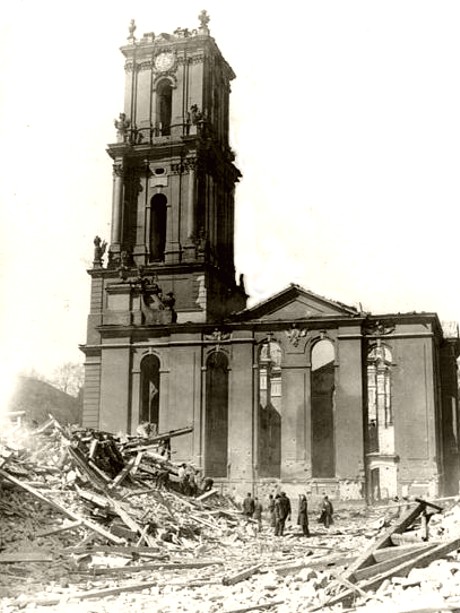
    Depuis 1976 les chooses ne se sont pas vraiment améliorées. Après le départ de l’armée d’occupation états-unienne on nous a imposé l’occupation par l’armée du capital allemand. C’est pire qu’une occupation militaire étrangère dans les règles.

    Les « GI’S » étaient des jeunes gens qui s’amusaient quand ils étaient en permission et claquaient leur solde comme s’il n’y avait pas de lendemain. Pour leur confort et pour faire bonne impression il y avait plein de « jobs » agréables et bien payés chez eux pour les berlinois. Ils avaient même une organisation « Contact » qui s’occupait des relations amicales des soldats et de leurs familles avec les berlinois.

    Le nouvel occupant des vieilles casernes renoue avec les traditions prusses et nazies, il est radin et nous prive des boulots auprès des institutions du « Bund » en squattant plein de secteurs d’activités avec ses sous-entreprises privées.

    Comme quoi une bonne occupation étrangère n’est pas le pire des systèmes si l’occupant respecte les règles et s’abstient de suivre ses pulsions meurtrières et d’autres envies perverses.

    200 Years Old Review by François Couture

    Frank Zappa interpreted the celebrations surrounding the bicentennial of the Declaration of Independence (1976) as a huge marketing scam and an occasion for cheap patriotic propaganda. His 1975 LP Bongo Fury included two pieces inspired by the upcoming event, and “200 Years Old” is, of course, one of them (the other is “Poofter’s Froth Wyoming”). One of two studio tracks on the album (all others were recorded live), it is a simple blues-rock, the kind of vehicle Zappa favored as a showcase for Captain Beefheart’s voice (another example would be “Willie the Pimp”). A disillusioned Zappa affirms in the introduction that, sitting early in a hotel breakfast room in front of overpriced orange juice and corn flakes, he came to realize: “This is the life.” The chorus, “She’s 200 years old/So mean, she couldn’t grow no lips,” is the only intelligible part of the lyrics and, following the aforementioned passage, it is a disappointingly weak sociopolitical comment. Knowing Zappa’s political views, one expected something more than a light cynical pun. Not much more than album filler material, “200 Years Old” has never been performed on stage (at least there are no indications of such an event in the various set lists salvaged through the years). Then again, it became yesterday’s news pretty quickly.

    200 Years Old https://www.youtube.com/watch?v=ToqrGsEFE4w

    Poofter’s Froth Wyoming Plans Ahead - Lyrics
    https://www.best-poems.net/lyrics/songs/77065/Poofters%20Froth%20Wyoming%20Plans%20Ahead.html

    Poofter’s Froth Wyoming Plans Ahead https://www.youtube.com/watch?v=QDO-HpnCmdM

    Frank zappa (lead guitar, vocals)
    Captain beefheart (harp, vocals)
    George duke (keyboards, vocals)
    Napoleon murphy brock (saxophone, vocals)
    Bruce fowler (trombone)
    Tom fowler (bass)
    Denny walley (slide guitar, vocals)
    Terry bozzio (drums)

    While we’re at it, we have a sort of a cowboy song we’d like to do for ya. this is a song that deals with the rapidly approaching 200th birthday of the united states of america, ladies and gentl
    This is a song that warns you in advance, that next year, everybody is gonna try and sell you things that maybe you shouldn’t ought to buy, and not only that, they’ve been planning it for years
    Name of this song is (pardon me), poofters from Wyoming, plans ahead.

    Poofters from Wyoming,
    March eleven sixty-seven
    Take a letter, miss abetter
    As our pigeons will be homin’.

    To our jobbers in Dakota
    And to merwyn, Minnesota
    This is merely just a note about
    Performance to our quota

    Well, we’ve all come out to show dem,
    And the elks have helped us load ’em
    Little packets full of jackets
    Little rackets, little rackets

    Little poofter-cloth appointments
    Little pofter’s froth anointments
    Little hoods, little goods
    Little doo-dads from the woods

    The entire stock is shipping
    Oh our shod is hardly slipping
    To the markets of the world
    Our wrinkled pennants are unfurled!

    T-shirt racks, rubber snacks,
    Poster rolls with matching tacks
    Yes, a special beer for sports
    (and paper cups that hold two quarts)

    Everything a nation needs
    For making hoopla while it feeds
    The trash compactors, small reactors,
    Mowers, blowers, throwers & the glowers:

    This is buy-cent-any-all salute(hyulk!)
    Two hundred years have gone ka-poot!
    Ah but we have been astute!
    Signed: anon. - wyo. galoot!

    #USA #musique #parodie #anniversaire #impérialisme #militarisme

    • Vol. 15 No. 20 · 21 October 1993, The Morning After, Edward Said, 4483 words
      https://www.lrb.co.uk/the-paper/v15/n20/edward-said/the-morning-after

      Now that some of the euphoria has lifted, it is possible to re-examine the Israeli-PLO agreement with the required common sense. What emerges from such scrutiny is a deal that is more flawed and, for most of the Palestinian people, more unfavourably weighted than many had first supposed. The fashion-show vulgarities of the White House ceremony, the degrading spectacle of Yasser Arafat thanking everyone for the suspension of most of his people’s rights, and the fatuous solemnity of Bill Clinton’s performance, like a 20th-century Roman emperor shepherding two vassal kings through rituals of reconciliation and obeisance: all these only temporarily obscure the truly astonishing proportions of the Palestinian capitulation.

      So first of all let us call the agreement by its real name: an instrument of Palestinian surrender, a Palestinian Versailles. What makes it worse is that for at least the past fifteen years the PLO could have negotiated a better arrangement than this modified Allon Plan, one not requiring so many unilateral concessions to Israel. For reasons best known to the leadership it refused all previous overtures. To take one example of which I have personal knowledge: in the late Seventies, Secretary of State Cyrus Vance asked me to persuade Arafat to accept Resolution 242 with a reservation (accepted by the US) to be added by the PLO which would insist on the national rights of the Palestinian people as well as Palestinian self-determination. Vance said that the US would immediately recognise the PLO and inaugurate negotiations between it and Israel. Arafat categorically turned the offer down, as he did similar offers. Then the Gulf War occurred, and because of the disastrous positions it took then, the PLO lost even more ground. The gains of the intifada were squandered, and today advocates of the new document say: ‘We had no alternative.’ The correct way of phrasing that is: ‘We had no alternative because we either lost or threw away a lot of others, leaving us only this one.’

      In order to advance towards Palestinian self-determination – which has a meaning only if freedom, sovereignly and equality, rather than perpetual subservience to Israel, are its goal – we need an honest acknowledgment of where we are, now that the interim agreement is about to be negotiated. What is particularly mystifying is how so many Palestinian leaders and their intellectuals can persist in speaking of the agreement as a ‘victory’. Nabil Shaath has called it one of ‘complete parity’ between Israelis and Palestinians. The fact is that Israel has conceded nothing, as former Secretary Of State James Baker said in a TV interview, except, blandly, the existence of ‘the PLO as the representative of the Palestinian people’. Or as the Israeli ‘dove’ Amos Oz reportedly put it in the course of a BBC interview, ‘this is the second biggest victory in the history of Zionism.’

      By contrast Arafat’s recognition of Israel’s right to exist carries with it a whole series of renunciations: of the PLO Charter; of violence and terrorism; of all relevant UN resolutions, except 242 and 338, which do not have one word in them about the Palestinians, their rights or aspirations. By implication, the PLO set aside numerous other UN resolutions (which, with Israel and the US, it is now apparently undertaking to modify or rescind) that, since 1948, have given Palestinians refugee rights, including either compensation or repatriation. The Palestinians had won numerous international resolutions – passed by, among others, the EC, the non-aligned movement, the Islamic Conference and the Arab League, as well as the UN – which disallowed or censured Israeli settlements, annexations and crimes against the people under occupation.

      It would therefore seem that the PLO has ended the intifada, which embodied not terrorism or violence but the Palestinian right to resist, even though Israel remains in occupation of the West Bank and Gaza. The primary consideration in the document is for Israel’s security, with none for the Palestinians’ security from Israel’s incursions. In his 13 September press conference Rabin was straightforward about Israels continuing control over sover-eignty; in addition, he said, Israel would hold the River Jordan, the boundaries with Egypt and Jordan, the sea, the land between Gaza and Jericho, Jerusalem, the settlements and the roads. There is little in the document to suggest that Israel will give up its violence against Palestinians or, as Iraq was required to do after it withdrew from Kuwait, compensate those who have been the victims of its policies over the past 45 years.

      Neither Arafat nor any of his Palestinian partners who met the Israelis in Oslo has ever seen an Israeli settlement. There are now over two hundred of them, principally on hills, promontories and strategic points throughout the West Bank and Gaza. Many will probably shrivel and die, but the largest are designed for permanence. An independent system of roads connects them to Israel, and creates a disabling discontinuity between the main centres of Palestinian population. The actual land taken by these settlements, plus the land designated for expropriation, amounts – it is guessed – to over 55 per cent of the total land area of the Occupied Territories. Greater Jerusalem alone, annexed by Israel, comprises a huge tranche of virtually stolen land, at least 25 per cent of the total amount. In Gaza settlements in the north (three), the middle (two) and the south, along the coast from the Egyptian border past Khan Yunis (12), constitute at least 30 per cent of the Strip. In addition, Israel has tapped into every aquifer on the West Bank, and now uses about 80 per cent of the water there for the settlements and for Israel proper. (There are probably similar water installations in Israel’s Lebanese ‘security zone’.) So the domination (if not the outright theft) of land and water resources is either overlooked, in the case of water, or, in the case of land, postponed by the Oslo accord.

      What makes matters worse is that all the information on settlements, land and water is held by Israel, which hasn’t shared most of these data with the Palestinians, any more than it has shared the revenues raised by the inordinately high taxes it has imposed on them for 26 years. All sorts of technical committees (in which non-resident Palestinians have participated) have been set up by the PLO in the territories to consider such questions, but there is little evidence that committee findings (if any) were made use of by the Palestinian side in Oslo. So the impression of a huge discrepancy between what Israel got and what the Palestinians conceded or overlooked remains unrectified.

      I doubt that there was a single Palestinian who watched the White House ceremony who did not also feel that a century of sacrifice, dispossession and heroic struggle had finally come to nought. Indeed, what was most troubling is that Rabin in effect gave the Palestinian speech while Arafat pronounced words that had all the flair of a rental agreement. So far from being seen as the victims of Zionism, the Palestinians were characterised before the world as its now repentant assailants: as if the thousands killed by Israel’s bombing of refugee camps, hospitals and schools in Lebanon; Israel’s expulsion of 800,000 people in 1948 (whose descendants now number about three million, many of them stateless); the conquest of their land and property; the destruction of over four hundred Palestinian villages; the invasion of Lebanon; the ravages of 26 years of brutal military Occupation – it was as if these sufferings had been reduced to the status of terrorism and violence, to be renounced retrospectively or passed over in silence. Israel has always described Palestinian resistance as terrorism and violence, so even in the matter of wording it received a moral and historical gift.

      In return for exactly what? Israel’s recognition of the PLO – undoubtedly a significant step forward. Beyond that, by accepting that questions of land and sovereignty are being postponed till ‘final Status negotiations’, the Palestinians have in effect discounted their unilateral and internationally acknowledged claim to the West Bank and Gaza: these have now become ‘disputed territories’. Thus with Palestinian assistance Israel has been awarded at least an equal claim to them. The Israeli calculation seems to be that by agreeing to police Gaza – a job which Begin tried to give Sadat fifteen years ago – the PLO would soon fall foul of local competitors, of whom Hamas is only one. Moreover, rather than becoming stronger during the interim period, the Palestinians may grow weaker, come more under the Israeli thumb, and therefore be less able to dispute the Israeli claim when the last set of negotiations begins. But on the matter of how, by what specific mechanism, to get from an interim status to a later one, the document is purposefully silent. Does this mean, ominously, that the interim stage may be the final one?

      Israeli commentators have been suggesting that within, say, six months the PLO and Rabin’s government will negotiate a new agreement further postponing elections, and thereby allowing the PLO to continue to rule. It is worth mentioning that at least twice during the past summer Arafat said that his experience of government consisted of the ten years during which he ‘controlled’ Lebanon, hardly a comfort to the many Lebanese and Palestinians who recollect that sorry period. Nor is there at present any concrete way for elections to be held should they even be scheduled. The imposition of rule from above, plus the long legacy of the occupation, have not contributed much to the growth of democratic, grass-roots institutions. There are unconfirmed reports in the Arabic press indicating that the PLO has already appointed ministers from its own inner circle in Tunis, and deputy ministers from among trusted residents of the West Bank and Gaza. Will there ever be truly representative institutions? One cannot be very sanguine, given Arafat’s absolute refusal to share or delegate power, to say nothing of the financial assets he alone knows about and controls.

      In both internal security and development, Israel and the PLO are now aligned with each Other. PLO members or consultants have been meeting with Mossad officials since last October to discuss security problems, including Arafat’s own security. And this at the time of the worst Israeli repression of Palestinians under military occupation. The thinking behind the collaboration is that it will deter any Palestinian from demonstrating against the occupation, which will not withdraw, but merely redeploy. Besides, Israeli settlers will remain living, as they always have, under a different jurisdiction. The PLO will thus become Israel’s enforcer, an unhappy prospect for most Palestinians Interestingly, the ANC has consistently refused to supply the South African government with police officials until after power is shared, precisely in order to avoid appearing as the white government’s enforcer. It was reported from Amman a few days ago that 170 members of the Palestine Liberation Army, now being trained in Jordan for police work in Gaza, have refused to co-operate for precisely that reason. With about 14,000 Palestinian prisoners in Israeli jails – some of whom Israel says it may release – there is an inherent contradiction, not to say incoherence, to the new security arrangements. Will more room be made in them for Palestinian security?

      The one subject on which most Palestinians agree is development, which is being described in the most naive terms imaginable. The world community will be expected to give the nearly autonomous areas large-scale financial support; the Palestinian diaspora is expected, indeed preparing, to do the same. Yet all development for Palestine must be funnelled through the joint Palestinian-Israeli Economic Co-operation Committee, even though, according to the document, ‘both sides will co-operate jointly and unilaterally with regional and international parties to support these aims.’ Israel is the dominant economic and political power in the region – and its power is of course enhanced by its alliance with the US. Over 80 per cent of the West Bank and Gaza economy is dependent on Israel, which is likely to control Palestinian exports, manufacturing and labour for the foreseeable future. Aside from the small entrepreneurial and middle class, the vast majority of Palestinians are impoverished and landless, subject to the vagaries of the Israeli manufacturing and commercial community which employs Palestinians as cheap labour. Most Palestinians, economically speaking, will almost certainly remain as they are, although now they are expected to work in private-sector, partly Palestinian-controlled service industries, including resorts, small assembly-plants, farms and the like.

      A recent study by the Israeli journalist Asher Davidi quotes Dov Lautman, president of the Israeli Manufacturers Association: ‘It’s not important whether there will be a Palestinian state, autonomy or a Palestinian-Jordanian state. The economic borders between Israel and the territories must remain open.’ With its well developed institutions, close relations with the US and aggressive economy, Israel will in effect incorporate the territories economically, keeping them in a state of permanent dependency. Then Israel will turn to the wider Arab world, using the political benefits of the Palestinian agreement as a Springboard to break into Arab markets, which it will also exploit and is likely to dominate.

      Framing all this is the US, the only global power, whose idea of the New World Order is based on economic domination by a few giant corporations and pauperisation if necessary for many of the lesser peoples (even those in metropolitan countries). Economic aid for Palestine is being supervised and controlled by the US, bypassing the UN, some of whose agencies like UNRWA and UNDP are far better placed to administer it. Take Nicaragua and Vietnam. Both are former enemies of the US; Vietnam actually defeated the US but is now economically in need of it. A boycott against Vietnam continues and the history books are being written in such a way as to show how the Vietnamese sinned against and ‘mistreated’ the US for the latter’s idealistic gesture of having invaded, bombed and devastated their country. Nicaragua’s Sandinista government was attacked by the US-financed Contra movement; the country’s harbours were mined, its people ravaged by famine, boycotts and every conceivable type of subversion. After the 1991 elections, which brought a US-supported candidate, Mrs Chamorro, to power, the US promised many millions of dollars in aid, of which only 30 million have actually materialised. In mid-September all aid was cut off. There is now famine and civil war in Nicaragua. No less unfortunate have been the fates of El Salvador and Haiti. To throw oneself, as Arafat has done, on the tender mercies of the US is almost certainly to suffer the fate the US has meted out to rebellious or ‘terrorist’ peoples it has had to deal with in the Third World after they have promised not to resist the US any more.

      Hand in hand with the economic and strategic control of Third World countries that happen to be close to, or possess, resources like oil that are necessary to the US, is the media system, whose reach and control over thought is truly astounding. For at least twenty years, Yasser Arafat was taken to be the most unattractive and morally repellent man on earth. Whenever he appeared in the media, or was discussed by them, he was presented as if he had only one thought in his head: killing Jews, especially innocent women and children. Within a matter of days, the ‘independent media’ had totally rehabilitated Arafat. He was now an accepted, even lovable figure whose courage and realism had bestowed on Israel its rightful due. He had repented, he had become a ‘friend’, and he and his people were now on ‘our’ side. Anyone who opposed or criticised what he had done was either a fundamentalist like the Likud settlers or a terrorist like the members of Hamas. It became nearly impossible to say anything except that the Israeli-Palestinian agreement – mostly unread or unexamined, and in any case unclear, lacking dozens of crucial details – was the first step towards Palestinian independence.

      So far as the truly independent critic or analyst is concerned, the problem is how he is to free himself from the ideological system which both the agreement and the media now serve. What is needed are memory and scepticism (if not outright suspicion). Even if it is patently obvious that Palestinian freedom in any real sense has not been achieved, and is clearly designed not to be, beyond the meagre limits imposed by Israel and the US, the famous handshake broadcast all over the world is supposed not only to symbolise a great moment of success but to blot out past as well as present realities.

      Given a modicum of honesty the Palestinians should be capable of seeing that the large majority of people the PLO is supposed to represent will not really be served by the agreement, except cosmetically. True, residents of the West Bank and Gaza are rightly glad to see that some Israeli troops will withdraw, and that large amounts of money might start to come in. But it is rank dishonesty not to be alert to what the agreement entails in terms of further occupation, economic control and profound insecurity. Then there is the mammoth problem of the Palestinians who live in Jordan, to say nothing of the thousands of stateless refugees in Lebanon and Syria, ‘Friendly’ Arab states have always had one law for Palestinians, one for natives. These double standards have already intensified, as witnessed by the appalling scenes of delay and harassment that have occurred on the Allenby Bridge since the agreement was announced.

      So what is to be done, if crying over spilt milk is useless? The first thing is to spell out, not only the virtues of being recognised by Israel and accepted at the White House, but also what the truly major disabilities are. Pessimism of the intellect first, then optimism of the will. You can’t improve on a bad situation that is largely due to the technical incompetence of the PLO – which negotiated in English, a language that neither Arafat nor his emissary in Oslo knows, with no legal adviser – until on the technical level at least you involve people who can think for themselves and are not mere instruments of what is by now a single Palestinian authority. I find it extraordinarily disheartening that so many Arab and Palestinian intellectuals, who a week earlier had been moaning and groaning about Arafat’s dictatorial ways, his single-minded control over the money, the circle of sycophants and courtiers that have surrounded him in Tunis of late, the absence of accountability and reflection, at least since the Gulf War, should suddenly make a 180-degree switch and start applauding his tactical genius, and his latest victory. The march towards self-determination can only be embarked on by a people with democratic aspirations and goals. Otherwise it is not worth the effort.

      After all the hoopla celebrating ‘the first step towards a Palestinian state’, we should remind ourselves that much more important than having a state is the kind of state it is. The history of the post-colonial world is disfigured by one-party tyrannies, rapacious oligarchies, social dislocation caused by Western ‘investments’, and large-scale pauperisation brought about by famine, civil war or outright robbery. Any more than religious fundamentalism, mere nationalism is not, and can never be, ‘the answer’ to the problems of new secular societies. Alas one can already see in Palestine’s potential statehood the lineaments of a marriage between the chaos of Lebanon and the tyranny of Iraq.

      If this isn’t to happen, a number of quite specific issues need to be addressed. One is the diaspora Palestinians, who originally brought Arafat and the PLO to power, kept them there, and are now relegated to permanent exile or refugee status. Since they comprise at least half of the total Palestinian population their needs and aspirations are not negligible. A small segment of the exile community is represented by the various political organisations ‘hosted’ by Syria. A significant number of independents (some of whom, like Shafik al-Hout and Mahmoud Darwish, resigned in protest from the PLO) still have an important role to play, not simply by applauding or condemning from the sidelines, but by advocating specific alterations in the PLO’s structure, trying to change the triumphalist ambience of the moment into something more appropriate, mobilising support and building an organisation from within the various Palestinian communities all over the world to continue the march towards self-determination. These communities have been singularly disaffected, leaderlees and indifferent since the Madrid process began.

      One of the first tasks is a Palestinian census, which has to be regarded not just as a bureaucratic exercise but as the enfranchisement of Palestinians wherever they are. Israel, the US and the Arab states – all of them – have always opposed a census: it would give the Palestinians too high a profile in countries where they are supposed to be invisible, and before the Gulf War, it would have made it clear to varions Gulf governments how dependent they were on an inappropriately large, usually exploited ‘guest’ community. Above all, opposition to the census stemmed from the realisation that, were Palestinians to be counted all together, despite dispersion and dispossession, they would by that very exercise come close to constituting a nation rather than a mere collection of people. Now more than ever the process of holding a census and perhaps, later, world-wide elections – should be a leading item on the agenda for Palestinians everywhere. It would constitute an act of historical and political self-realisation outside the limitations imposed by the absence of sovereignty. And it would give body to the universal need for democratic participation, now ostensibly curtailed by Israel and the PLO in a premature alliance.

      Certainly a census would once again raise the question of return for those Palestinians who are not from the West Bank and Gaza. Although this issue has been compressed into the general ‘refugee’ formula deferred until the final status talks some time in the future, it needs to be brought up now. The Lebanese government, for instance, has been publicly heating up the rhetoric against citizenship and naturalisation for the 350-400,000 Palestinians in Lebanon, most of whom are stateless, poor, permanently stalled. A similar situation obtains in Jordan and Egypt. These people, who have paid the heaviest price of all Palestinians, can neither be left to rot nor dumped somewhere else against their will. Israel is able to offer the right of return to every Jew in the world: individual Jews can become Israeli citizens and live in Israel at any time. This extraordinary inequity, intolerable to all Palestinians for almost half a century, has to be rectified. It is unthinkable that all the 1948 refugees would either want or be able to return to so small a place as a Palestinian state: on the other hand, it is unacceptable for them all to be told to resettle elsewhere, or drop any ideas they might have about repatriation and compensation.

      One of the things the PLO and independent Palestinians should therefore do is raise a question not addressed by the Oslo Accords, thereby pre-empting the final status talks – namely, ask for reparations for Palestinians who have been the victims of this dreadful conflict. Although it is the Israeli Government’s wish (expressed quite forcibly by Rabin at his Washington news conference) that the PLO should close ‘its so-called embassies’, these offices should be kept open selectively so that claims for repatriation or compensation can be pressed.

      In sum, we need to move up from the state of supine abjectness in which the Oslo Accords were negotiated (‘we will accept anything so long as you recognise us’) into one that enables us to prosecute parallel agreements with Israel and the Arabs concerning Palestinian national, as opposed to municipal, aspirations. But this does not exclude resistance against the Israeli occupation, which continues indefinitely. So long as occupation and settlements exist, whether legitimised or not by the PLO, Palestinians and others must speak against them. One of the issues not raised, either by the Oslo Accords, the exchange of PLO-lsraeli letters or the Washington speeches, is whether the violence and terrorism renounced by the PLO includes non-violent resistance, civil disobedience etc. These are the inalienable right of any people denied full sovereignty and independence, and must fee supported.

      Like so many unpopular and undemocratic Arab governments, the PLO has already begun to appropriate authority for itself by calling its opponents ‘terrorists’ and ‘fundamentalists’. This is demagoguery. Hamas and Islamic Jihad are opposed to the Oslo agreement but they have said several times that they will not use violence against other Palestinians. Besides, their combined sway amounts to fewer than a third of the citizens of the West Bank and Gaza. As for the Damascus-based groups, they seem to me to be either paralysed or discredited. But this by no means exhausts the Palestinian opposition, which also includes well-known secularists, people who an committed to a peaceful solution to the Palestinian-Israeli conflict, realists and democrats. I include myself in this group which is, I believe, far bigger than is now supposed.

      Central to this opposition’s thinking is the desperate need for reform within the PLO, which is now put on notice that reductive claims to ‘national unity’ are no longer an excuse for incompetence, corruption and autocracy. For the first time in Palestinian history such opposition cannot, except by some preposterous and disingenuous logic, be equated with treason or betrayal. Indeed our claim is that we are opposed to sectarian Palestinianism and blind loyalty to the leadership: we remain committed to the broad democratic and social principles of accountability and performance that triumphalist nationalism has always tried to annul. I believe that a broad-based opposition to the PLO’s history of bungling will emerge in the diaspora, but will come to include people and parties in the Occupied Territories.

      Lastly there is the confusing matter of relationships between Israelis and Palestinians who believe in self-determination for two peoples, mutually and equally. Celebrations are premature and, for far too many Israeli and non-Israeli Jews, an easy way out of the enormous disparities that remain. Our peoples are already too bound up with each other in conflict and a shared history of persecution for an American-style pow-wow to heal the wounds and open the way forward. There is still a victim and a victimiser. But there can be solidarity in struggling to end the inequities, and for Israelis in pressuring their government to end the occupation, the expropriation and the settlements. The Palestinians, after all, have very little left to give. The common battle against poverty, injustice and militarism must now be joined seriously, and without the ritual demands for psychological security for Israelis – who if they don’t have it now, never will. More than anything else, this will show whether the symbolic handshake is going to be a first step towards reconciliation and real peace.

      #palestine #impérialisme

  • Linker Radikalismus: Desaster mit Nachspiel
    https://www.jungewelt.de/artikel/525034.linker-radikalismus-desaster-mit-nachspiel.html

    Drei Entführte starben, aber immerhin 102 konnten gerettet werden. Befreite Geiseln kommen am Flughafen Ben Gurion in Tel Aviv an (27.6.1976)

    À propos du rôle de du détournement d’avion à Entebbe en 1976 dans l’histoire de la gauche antiimpérialiste et du mythe de l’antisemitisme de gauche.

    27.6.2026 von Gerhard Hanloser - Vor 50 Jahren endete die Geiselnahme von Entebbe blutig. Die terroristische Tat hatte weitreichende Folgen – auch für die Linke

    Die Entführung eines Passagierflugzeugs der Air France am 27. Juni 1976 und ihre verheerenden Folgen sind weniger stark im kollektiven Gedächtnis verankert als beispielsweise jene der »Landshut«-Maschine im Deutschen Herbst 1977. Beide Male versuchten palästinensische bewaffnete Luftpiraten, die Entlassung mehrerer politischer Gefangener zu erzwingen. Im Gegensatz zu der bekannteren Entführung des Flugzeugs »Landshut« nach Mogadischu waren an der ein Jahr früher erfolgten Geiselnahme auch deutsche Militante beteiligt. Es waren die Gründungsmitglieder der Revolutionären Zellen (RZ) aus Frankfurt am Main, Wilfried Böse und Brigitte Kuhlmann. Zusammen mit bewaffneten Militanten der »Volksfront zur Befreiung Palästinas – External Operation« (PFLP-EO) kaperten sie ein Flugzeug, das von Tel Aviv aus über einen Zwischenstopp in Athen nach Paris fliegen sollte, und lenkten es über eine Zwischenstation in die ugandische Stadt Entebbe.

    Die RZ hatten genauso wie die Rote Armee Fraktion (RAF) ihre Wurzeln in der sich radikalisierenden Außerparlamentarischen Opposition (APO) der Bundesrepublik. Sie wollten einen strategisch und inhaltlich etwas anders gelagerten Weg des »bewaffneten Kampfes« gehen als die RAF. Vorgesehen war nicht eine komplette Illegalisierung der Stadtguerilleros, sondern die RZ-Aktivisten sollten weiterhin auch in den diversen Strukturen der legalen radikalen Linken agieren. Neben antiimperialistischen Aktionen, vornehmlich gegen den von den USA unterstützten Putsch in Chile von 1973, und sozialrevolutionären Aktionen, die den antikapitalistischen und antipatriarchalen Kämpfen von Arbeitern, Jugendlichen und Frauen helfen und ihre Feinde angreifen sollten, nannten die ursprünglichen RZ ausdrücklich »Aktionen gegen die Filialen und Komplizen des Zionismus in der BRD« als Feld ihres Wirkens.
    Gefangenenbefreiung

    In der Frühphase der Organisation zählte zu dieser antizionistischen Ausrichtung offensichtlich eine inhaltlich-strategische wie logistisch-organisatorische Zusammenarbeit mit der marxistisch-leninistischen Kaderorganisation PFLP. Diese Art der politischen Verbindung hatte auch einen nicht unproblematischen Aspekt, was den RZlern selbst durchaus bewusst war, wie eine Aussage in einem Selbstinterview der RZ aus dem Jahr 1975 deutlich macht. Darin bekunden sie, dass es eine politische Bestimmung in ihrer Politik geben würde, die »viele Genossen nicht verstehen und nicht akzeptieren und die auch die Massen nicht verstehen und die sie vorläufig auch nicht interessieren wird«. 1976 ging es aber in erster Linie um die Befreiung gefangener Genossinnen und Genossen. Nach den Aussagen des RZ-Mitglieds Rudolf Schindler hätten Böse und Kuhlmann die Möglichkeit gesehen, »sich einer genialen und garantiert unblutigen Aktion der PFLP anzuschließen, durch die ein halbes Hundert Palästinenser aus israelischen Gefängnissen befreit werden sollten. Die PFLP sei daran interessiert, durch deutsche Beteiligung ihren Konflikt mit Israel zu internationalisieren und die Freilassung von Ulrike Meinhof und anderen RAF-Gefangenen in ihre Forderung mitaufzunehmen.«

    Sieben Tage nach der Entführung, am 4. Juli 1976, starteten israelische Spezialeinheiten eine spektakuläre Militäroperation namens »Operation Thunderbolt«. Die insgesamt sieben palästinensischen und deutschen Geiselnehmerinnen und Geiselnehmer wurden gezielt getötet und die 102 Geiseln befreit, drei von ihnen starben im Kugelhagel. In davor stattfindenden Kampfhandlungen zwischen ugandischen Wachsoldaten und israelischen Kommandotrupps wurden über zwanzig ugandische Armeeangehörige sowie der Einsatzleiter der israelischen Spezialeinheit, Jonathan Netanjahu, der Bruder des amtierenden israelischen Premierministers, als einziges Opfer auf israelischer Seite ebenfalls getötet. Der spätere Bundeskanzler Helmut Kohl erklärte damals in seiner Rolle als Oppositionsführer der CDU im Deutschen Bundestag: »Israel hat der Welt ein Beispiel gegeben, wie man mit entschlossenem und verantwortungsvollem Handeln den internationalen Terror eindämmen kann.« Aus dem Haus des Medienkonzerns Springer wurde verkündet: »Die Israelis haben einen Sieg für die ganze freie Welt errungen.« Objektiv betrachtet war die Operation eine Anwendung militärischer Gewalt auf fremdem Staatsgebiet und lief daher grundsätzlich dem Gewaltverbot nach Artikel 2 Abs. 4 der UN-Charta zuwider.

    Die bereits damals traditionsreiche Solidaritätszeitung iz3w (Blätter des Informationszentrums 3. Welt) aus Freiburg im Breisgau bezog sich auf das Völkerrecht und kritisierte, dass die Indus­trieländer die israelische Aktion rechtfertigten, die israelische Verletzung der Charta der Vereinten Nationen wortlos hinnahmen und »alleine den individuellen Terror verdammt wissen« wollten, welcher dem globalen System schaden wolle, es jedoch eher stabilisieren würde. Währenddessen übertraf die Vielzahl von sogenannten K-Gruppen wie KPD/ML, KPD-AO und Kommunistischer Bund Westdeutschland (KBW) sich selbst in militant-antiimperialistischer Phrasendrescherei. Differenzierender wurde im damals recht einflussreichen Arbeiterkampf, der Zeitung des Kommunistischen Bundes (KB), erklärt, dass es nur vordergründig um die Rettung unschuldiger Menschen gegangen sei. Israel würde die Avantgarde des Imperialismus darstellen, welcher schlicht sein Recht auf Aggression durchsetze – »zum Beispiel, wenn Staaten der ›Dritten Welt‹ auf den Gedanken kommen sollten, sich gegen die Ausplünderung ihrer Rohstoffe zu wehren«. Das besonders Perfide sei nun jedoch, dass »diese Kampagne sich diesmal besonders gut hinter dem ›menschlichen‹ Interesse an der Befreiung der Geiseln und der in der faschistischen Vergangenheit begründeten Sympathie für Israel verstecken konnte«. Die DKP-nahe Deutsche Volkszeitung blieb stärker der antifaschistischen Tradition verpflichtet und äußerte sich in deutlichen Worten zu dem Terror »bundesdeutscher Anarchisten«, welcher einer Logik der »Degradierung des Menschen zum Handelsobjekt« folge. Historische Parallelen und Erinnerungen an Gewalt gegen Juden, die von Deutschen ausgeübt wurden, sollte man nicht sofort von der Hand weisen. Gleichzeitig machte der von dem prominenten Mitglied der Deutschen Friedensunion Hans-Werner Bartsch verfasste Text deutlich, dass die israelische Regierung in den widerrechtlich besetzten Gebieten als »Terrorregime« agiere und damit Terror selbst hervorgerufen habe.
    Endpunkt revolutionärer Moral

    Im Januar 1978 erschien in der Frankfurter Theoriezeitschrift der undogmatischen Linken Autonomie. Materialien gegen die Fabrikgesellschaft unter dem Pseudonym M. Lubetsky eine tiefgreifende Abrechnung mit der Politik des bewaffneten Antiimperialismus, wie sie von der RAF und auch den RZ propagiert und ausgeführt wurde. Der Text trug den vielsagenden Titel »Stammheim und Tel Zaatar. Versuch über Moral und Politik«. Tatsächlich ging es den RZ-Militanten – allen voran der 29jährigen Brigitte Kuhlmann – darum, die gefangenen Genossen endlich aus den Gefängnissen zu befreien. Besonders Ulrike Meinhofs Zustand sorgte für Beunruhigung. Für die Aktivisten der PFLP-EO wiederum dürfte die Situation im Flüchtlingslager Tel Al-Zaatar in Beirut, das seit Januar 1976 von libanesischen christlichen Milizen belagert worden war, ein entscheidendes Motiv gewesen sein. Die palästinensischen Kämpfer dort drohten aufgerieben und massakriert zu werden. Mittels der Entführung sollte Handlungsfähigkeit bewiesen werden.

    Der in Frankfurt am Main ansässige Marxist Moishe Postone, der sich hinter dem Pseudonym Lubetsky verbarg, sah in der Aktion einen Endpunkt revolutionärer Moral erreicht. Der Antizionismus gehöre zum Internationalismus der Neuen Linken, dürfe sich dann aber gerade nicht gegen Juden, die in Palästina leben, richten. Vielmehr müsse sich ein emanzipatorisches Programm auch in den Aktionen selbst manifestieren. Die militanten Palästinenser verteidigte er vor dem Vorwurf des Nationalismus: »Ihr Nationalismus ist total verständlich, nicht nur moralisch, sondern auch materiell. Welche andere Haltung wäre denn möglich für Menschen, die vertrieben wurden und seither außerhalb jeder realen gesellschaftlichen Struktur gelebt haben: seit über einer Generation in Flüchtlingslagern, die permanent das Ziel brutaler israelischer Angriffe waren und von den arabischen Staaten in deren Konflikten untereinander als Spielball benutzt wurden?« Die linke Bewegung müsse »zu einer kritischen Unterstützung antiimperialistischer Bewegungen kommen«. Dies erfordere, den Konflikt in Palästina konkret zu untersuchen und zu erkennen, dass Kampfweisen wie in Algerien oder Vietnam hier nicht funktionieren können, da die Situation eine völlig andere sei. Außerdem sei auf »Glorifizierung des bewaffneten Kampfs im Ausland« ebenso zu verzichten wie auf das Springen von einem »Identifikationsobjekt« zum anderen. Besonders deutsche nichtjüdische Linke sollten Schuld und Verantwortung angesichts der Nazigeschichte stärker reflektieren.

    Neben diesen klugen Beobachtungen arbeitete der Text Postones mit weitreichenden Spekulationen. So behauptete er, die Forderung nach Freilassung von politischen Gefangenen hätte das eigentliche Ziel verschleiert, nämlich Syrien und andere Staaten verstärkt gegen Israel auf und an die Seite der PLO und der PFLP zu bringen, und damit einen Block der Unnachgiebigen zu formen. Postone führte weiter aus: »Ich glaube, dass dieses Ziel die spezifische Form der Aktion erklärt. Zwei Tage, nachdem die Air-France-Maschine Entebbe erreichte, wurden die etwa 150 nichtjüdischen Passagiere freigelassen. Die etwa 100 jüdischen Passagiere wurden als die eigentlichen Geiseln festgehalten. Und unter denen, die die Selektion der Passagiere in jüdische und nichtjüdische vornahmen (nicht etwa israelische und nichtisraelische, was schlimm genug gewesen wäre), waren junge Deutsche: Ich glaube nicht, dass dies ein Zufall war, sondern es war eine bewusste Inszenierung (ob die unmittelbar beteiligten Entführer dies nun realisierten oder nicht). Die Absicht war, so extrem zu provozieren, dass eine extrem gewalttätige israelische Reaktion ausgelöst würde. Der Welt wurde, wieder einmal, vorgeführt, wie Deutsche Juden und Nichtjuden voneinander selektierten.« Eine ungeheure Welle traumatischer Erinnerungen wäre ausgelöst worden. »Alle kleinen Erfolge, die progressive Antizionisten bei ihrem Versuch, die enge Verbindung von jüdischem Selbstverständnis und Zionismus zu brechen, erzielt hatten – eine Verbindung, die erst nach dem Zweiten Weltkrieg zu einer so allgemeinen wurde –, waren weggefegt. Die Absicht war, eine Einheitsfront aller palästinensischen Gruppen und Araber gegen alle Israelis und Juden herzustellen, alle Konflikte innerhalb der jeweiligen ›Lager‹ zu verkleistern, so dass jede Seite in der anderen die ›wirklichen Nazis‹ sah – eine Absicht, die nichts mehr mit einer progressiven Befreiungsbewegung zu tun hat.«

    Die heutige Quellenlage bestätigt Postones Mutmaßung zur Absicht der Aktion nicht. So distanzierten sich sowohl PFLP als auch PLO von der Aktion, während die verantwortliche Splitterorganisation PFLP-EO mit einem Erfolg ihres Unternehmens zu rechnen schien. Durchaus korrekt scheinen Postones zeitgenössische pessimistische Bemerkungen jedoch in Hinsicht auf die Wirkung der Entführung und ihrer Folgen zu sein.

    Willkommener Anlass

    Die Aktion von Entebbe wurde rasch zu einem Vorwand für verschiedene Akteure, die bislang mit dem Milieu der radikalen Linken verbunden waren, sich von Internationalismus und Antiimperialismus ganz zu lösen. Der zwischen Nonkonformismus und Konformismus pendelnde Publizist Henryk M. Broder begründete in den 1980er Jahren seinen Abschied von der Linken mit Entebbe und wollte festgehalten wissen, dass die »deutschen Genossen«, wie er nur noch spöttisch formulierte, »ihren palästinensischen Freunden« geholfen hätten, indem sie anhand der Namen in den Pässen die Juden von den Nichtjuden separiert hatten. Er konstatierte: »Es war die erste ›Selektion‹ nach 1945.«

    Nach dieser Polemik Broders wurde es bis in die frühen 1990er Jahre weitgehend still um den Fall Entebbe. Im Umbruchsjahr 1991 meldete sich schließlich eine Revolutionäre Zelle mit einer ungewöhnlichen Erklärung zu Entebbe, zur Jahre zurückliegenden Ermordung eines ehemaligen Genossen und zur Frage des »linken Antisemitismus« zu Wort. Der Text trug den Titel »Gerd Albartus ist tot«. Folgt man dieser Erklärung der RZ, die sich offensichtlich gerade in Abwicklung befand, dann fand in Entebbe eine »Selektion entlang völkischer Linien« statt: »Die legitime und notwendige Kritik an der israelischen Besatzungspolitik sowie die selbstverständliche Solidarität mit dem Widerstand der Palästinenser war umgeschlagen in die Bereitschaft, jüdische Passagiere gleich welcher Staatsangehörigkeit für den Terror und die Grausamkeit des israelischen Regimes haftbar zu machen und damit sozialrevolutionäre Maßstäbe gegen die der Sippenhaft einzutauschen.« Das Dokument gilt damit als eines der wichtigsten Beispiele nicht nur linker Selbstkritik, sondern der Beweisführung, dass es einen originären »linken Antisemitismus« geben würde, der sogar zu mörderischen oder Mord in Kauf nehmenden Aktionen führe. Eine andere Revolutionäre Zelle bestritt dagegen im Mai 1992 diese Darstellung der Ereignisse in Entebbe kategorisch. Sie folge »bürgerlicher Medienpropaganda« und zeige ein »unsägliches Misstrauen gegenüber den eigenen beteiligten GenossInnen«. Gewertet wurde das Papier der anderen RZ-Gruppe als »Rundumschlag auf Kosten der kämpfenden Völker im Trikont«. Außerdem hieß es: »Eine Auswahl von Jüdinnen und Juden hat es nicht gegeben.« Am Ende wurde erklärt, »Strategie und Taktik bewaffneter Politik weiterzuentwickeln« stünde auf der Tagesordnung – nicht das Aufgeben.

    Im Mai 1992 schob die sich selbstkritisch präsentierende Revolutionäre Zelle einen Text nach, in dem sie gegen diese Gegenreden anderer RZ-Gruppen und Einzelpersonen ihre Kritik am linken Antizionismus vertiefte: Dieser sei »keineswegs so unschuldig, wie er sich gibt. Er ist zu einem Erkennungszeichen der Zugehörigkeit zu einem bestimmten subkulturellen Milieu der radikalen Linken geworden« und würde als Loyalitäts­test gelten. Damit trafen die Autoren und Autorinnen sicher einen Punkt, und ihr öffentliches Abrücken von einer unkritischen Palästina-Solidarität und einem geschichtslosen Antizionismus war überfällig, kam allerdings Jahre, wenn nicht Jahrzehnte zu spät. Schließlich war die RZ in den 1980er und frühen 1990er Jahren eher dafür bekannt, militant gegen die Ausländer- und Asylpolitik der Bundesrepublik vorzugehen. Die zerknirschte Selbstkritik, der heftige Streit und die Auflösungen der RZ-Gruppen fielen so in der Tat zusammen mit einer Welle des rechten Alltagsrassismus und »mit dem vorläufigen triumphierenden Siegeszug des Imperialismus über Trikont und Osteuropa«, wie es die orthodox-antiimperialistisch argumentierende RZ-Gruppe in ihrer Kritik formulierte.

    Für die sich in den 1990ern formierenden »Antideutschen«, die allerdings lediglich eine aggressive Absetzbewegung von der Linken darstellten (vgl. junge Welt vom 8.8.2025), sowie für die interessierte Öffentlichkeit allgemein liegt mit der selbstkritischen RZ-Erklärung, die von »Selektion« und »völkischen Linien« sprach, ein entscheidendes Beweisstück vor, um der radikalen und militanten Linken generell Antisemitismus vorhalten zu können. Schließlich hatte die federführende RZ des »Gerd Albartus ist tot«-Papiers auch konstatiert: »Wir sind mittlerweile davon überzeugt, dass in Sachen Antisemitismus für uns ein immenser Nachholbedarf besteht.« Nicht alle nahmen ihr die Selbstkritik ab. Der Konkret-Publizist Wolfgang Pohrt las dies als »reumütige Bilanz«, die »den eigenen Abgang mit Bedeutungsschwere zu befrachten« trachte. Wo radikale Enthüllung geboten wäre, würde dieser Text der Revolutionären Zelle ausweichen und zu Beschwichtigungsformeln greifen. »Sie sind damit auf dem besten Weg, sich rückwirkend jede Legitimation ihrer Praxis zu entziehen, und, was dasselbe ist, ihre Heimkehr ins wiedervereinigte Deutschland vorzubereiten.«

    Die Polemik von Pohrt ist nicht ganz halt- und grundlos. Weit erfolgreicher als die damals noch Illegalisierten der RZ hat schließlich der ehemalige Frankfurter Linksradikale Joseph »Joschka« Fischer, der einer militanten Konkurrenzgruppe zur RZ entstammte, wiederholt auf Entebbe rekurriert, um seinen Weg zur Macht mit Läuterungserzählungen zu glätten. Der aktivistische Politologe Markus Mohr, Herausgeber des bislang umfangreichsten Buches über die »Legenden um Entebbe«, konnte detailliert nachzeichnen, wie Fischer, changierend zwischen biographischer Fälschung und passender Selbsterfindung, besonders in den Jahren von 1997 bis 2001 »Entebbe« nutzte, um sich zum »Freund Israels« zu stilisieren, der schon im Jahre 1976 über die Entführungstat entsetzt gewesen sein will – wofür sich jedoch keine Quelle finden lässt.

    Späte Korrekturen

    Der israelische Historiker und Soziologe Moshe Zuckermann hat in einem Aufsatz über Mythos und Ideologie der Befreiungsoperation von Entebbe im kulturellen Gedächtnis Israels die immerwährende Selbstviktimisierung und den ideologischen Nexus der israelischen Schoah-Erinnerung und des Entebbe-Ereignisses dargestellt und kritisiert. In israelischen Tageszeitungsberichten, Politikerstatements und kulturindustriellen Produkten zu Entebbe reichte die Tatsache, dass deutsche Terroristen dabei waren, bereits aus, um die Entführungstat mit den Konzentrationslagern in Verbindung zu bringen. Zuckermann kommt zu dem Schluss: »Klischee, antideutsches Ressentiment und interessengeleitete Ideologie bildeten dabei eine Rezeptionsmelange, die weder etwas mit dem realen Holocaust noch mit seiner authentischen Erinnerung und eben auch nicht unbedingt mit dem, was sich in Entebbe real zugetragen hat, zu tun haben muss.«

    Vor dem Hintergrund dieses Rezeptionskontextes in Israel meldete sich in der Tageszeitung Haaretz im Jahre 2011 Ilan Hartuv, eine der damaligen Geiseln, zu Wort. Er wolle dem tradierten Mythos von der Selektion entgegentreten, denn »Entebbe war nicht Auschwitz«. Die Entführer hätten anhand der Pässe die Israelis von den Nichtisraelis getrennt, erklärte er. Einige der freigelassenen Passagiere seien Juden gewesen. Allerdings seien auch einige nichtisraelische Juden, die bei Tagesanbruch mit traditionellen Gebetsriemen zu beten begannen, den israelischen Staatsbürgern zugeordnet worden. Traumatische Szenen spielten sich ab. Die Entführer hätten aber im Gespräch versichert, sie positionierten sich nicht gegen Juden, sondern gegen Israel. Außerdem berichtet Hartuv von einem Wortwechsel zwischen einer Geisel und dem RZ-Mitglied Wilfried Böse. Einer der Entführten, ein Holocaustüberlebender, habe Böse seine KZ-Nummer gezeigt und ihm sinngemäß gesagt, dass Deutsche wohl immer gleich agieren. Böse sei darauf erbleicht und habe in der Erinnerung von Hartuv zitternd geantwortet: »Sie irren sich. Ich habe in Westdeutschland Terroranschläge verübt, weil das herrschende Establishment Nazis und Reaktionäre in seinen Dienst aufgenommen hat.« Er habe auch erklärt, er wisse sehr wohl, dass im September 1970 mehr Palästinenser durch Jordanier als durch Israelis umgekommen waren und syrische und christliche Milizen im libanesischen Bürgerkrieg die Palästinenser massakriert hatten – und nicht die Israelis. Aber er wolle den leidenden Palästinensern, die die Underdogs seien, helfen. Böse habe, so sagte hinterher eine Stewardess aus, im letzten Moment eine scharfe Handgranate aus dem Fenster geworfen, als das israelische Kommando die Flughalle stürmte und den 27jährigen sofort erschoss.

    Auch der Historiker Robert Wolff, der ausführlich die Quellen studiert hat, zeigt sich recht zurückhaltend, wenn es um die subjektiven Gründe der deutschen RZ-Aktiven geht, sich an der Entführung zu beteiligen. Ungeachtet dessen wird in zuweilen triumphalistischer Weise Böse und Kuhlmann als Intention Antisemitismus unterstellt, was durch die Quellenlage aber nicht gedeckt ist. In einer aktuellen Veröffentlichung des der »antideutschen« Szene entstammenden Historikers Jan Gerber zu Entebbe wird sogar der gesamten Linken, die sich internationalistisch und kritisch gegenüber Israel positionierte, ein als Antizionismus kaschierter Antisemitismus unterstellt. Diese Veröffentlichung in der Edition Tiamat reiht sich inhaltlich gut ein in das Verlagsprogramm des mittlerweile vollkommen proisraelischen Herausgebers Klaus Bittermann, der zu Beginn seiner Verlegertätigkeit noch Schriften der Zionismuskritikerin Hannah Arendt herausgebracht hatte.

    Jenseits dieser immer wiederkehrenden interessegeleiteten Instrumentalisierung des Desasters Entebbe bleibt die Entführung ein beschämendes Kapitel der militanten Linken. Die Revolutionären Zellen formulierten in ihrem selbstkritischen Papier vom Dezember 1991: »Was wir auf internationaler Ebene machten, war nicht die antiimperialistische Dimension dessen, wofür wir in der BRD kämpften, sondern stand im krassen Gegensatz dazu.« Dem kann kaum widersprochen werden. Dieses Kapitel des »roten Jahrzehnts« mit seiner bewaffneten Kollaboration mit und Parteinahme für militante Palästinenserorganisationen inklusive Gewalt gegen Zivilbevölkerung und Geiselnahme ist abgeschlossen. Der heutige radikale propalästinensische Aktivismus, beispielsweise von »Palestine Action Germany«, gegen eine Niederlassung des israelischen Rüstungskonzerns Elbit erfolgt im Rahmen zivilen, gewaltfreien Ungehorsams, obwohl auch diese politische Praxis von der Justiz in den Bereich des Terrorismus geschoben wird.

    À propos d’Entebbe
    https://seenthis.net/messages/1025515
    https://seenthis.net/messages/1021049#message1021206
    https://seenthis.net/messages/557569
    https://seenthis.net/messages/555947

    #histoire #terrorisme #antisemitisme #impérialisme #Palestine #PFLP #triage #sélection #FPLP

  • Opel-Werk in Thailand : Wie deutsches Steuergeld jetzt Chinas E-Autos antreibt
    https://www.telepolis.de/article/Opel-Werk-in-Thailand-Wie-deutsches-Steuergeld-jetzt-Chinas-E-Autos-antrei

    L’Europe perd les marchés sud-est asiatiques. Le succès de l’impérialisme occidental touche à sa fin

    22.6.2026 von Christoph Jehle -Ein mit deutschen Steuergeldern gefördertes Werk in Thailand baut keine Opel, sondern gehört heute einem chinesischen E-Auto-Rivalen.

    Deutschland hat bei der Elektromobilität sowie bei PV und Batteriespeicher gegen China schon verloren und ist auf dem besten Wege, auch seinen Vorsprung bei der Wärmepumpe zu verlieren.

    Das Reich der Mitte fokussiert sich längst auf andere erfolgversprechendere Märkte und setzt stark auf seine Nachbarländer in Südostasien. Dort bauen chinesische Unternehmen in mehreren Zukunftsbranchen vollständige Wertschöpfungsketten auf, die keine Zulieferungen aus Europa mehr brauchen.

    Die Reaktion der Deutschen, Klimaschutz-Vorgaben neuerdings vehement abzulehnen, hilft in diesem Wettbewerb wenig weiter.

    Der südostasiatische Markt ist verloren

    Weil Europa Südostasien in erster Linie als Nachfolger Chinas im Sinne einer verlängerten Werkbank betrachtet, ist man jetzt auf dem besten Weg, dort den gleichen Fehler wie in China zu machen.

    Über viele Jahrzehnte waren Länder wie Kambodscha, Laos, Malaysia, Myanmar, Philippinen, Singapur, Thailand und Vietnam für Deutsche höchstens als preiswerte Urlaubsländer von Interesse. Kaum jemand bemerkte, dass viele Fahrradmarken inzwischen in Kambodscha produzieren und fast alle Festplatten bekannter Marken aus Thailand kommen – oder aus den Philippinen.

    Festplattenwerke, wie das von IBM in Mainz, wurden 2003 geschlossen und mit Hitachi fusioniert, die den Bereich 2012 an Western Digital abgaben, welche heute wie Seagate ihre Produktion in Thailand konzentriert haben. Die Nachfrage der KI-Rechenzentren nach Festplatten geht somit an Europa vorbei.

    Zukunftsmarkt E-Mobilität

    Auch bei den E-Mobilen spielt Deutschland in Südostasien keine Rolle. Da hilft es auch nicht, dass der Aufbau eines Opel-Werkes für Verbrenner im thailändischen Rayong vom deutschen Steuerzahler maßgeblich unterstützt wurde. Heute gehört das Werk, das nie für die Marke Opel produzierte zu einem chinesischen Hersteller.

    „Südostasien bildet für mehrere Technologien ein neues geopolitisches Cluster“, betont Maria Maria Pastukhova von der Denkfabrik E3G gegenüber n-tv. Denn die Erneuerbaren sind infrastruktur- und kapitalintensive Energiesysteme. Daher seien solche Projekte – ob grenzüberschreitend oder nicht – unmittelbar mit den Machtstrukturen der südostasiatischen Nationen verwoben.

    Für die Energiewende braucht es Zugang zu Wertschöpfungsketten, zu Ressourcen, wie Solarpanels oder auch Wechselrichtern. Europa hat sich aus diesen Bereichen und ihrer Wertschöpfung weitestgehend verabschiedet und tritt da nur noch als Kunde auf.

    Europa nur noch Kunde

    Der Global EV Outlook der Internationalen Energieagentur zeigt, dass sich etwa die Verkäufe im Bereich der Elektromobilität in Südostasien im vergangenen Jahr mehr als verdoppelt haben. Der Anteil von E-Autos bei den Neuwagen lag bei knapp 20 Prozent. Das ist in etwa das Niveau, das Europa und Deutschland seit einigen Jahren halten.

    Angeführt wird die Verbreitung von Ländern wie Vietnam, Indonesien und Thailand, drei Länder, die die europäische Politik aus lauter Angst vor China bislang gar nicht im Fokus hatte. Auch als Folge des Iran-Krieges wächst die E-Mobilität in vielen asiatischen Ländern in jüngster Zeit rasant und die Elektroinfrastruktur wird zügigst ausgebaut.

    In Vietnam waren vergangenes Jahr fast 40 Prozent der neu verkauften Autos elektrisch. Mit Vinfast hat Vietnam mittlerweile auch einen eigenen Hersteller von Stromern. In Thailand, das bereits an zehnter Stelle bei der Automobilproduktion weltweit steht, erreichen die E-Mobil-Zulassungszahlen inzwischen 25 Prozent und sind damit nahe am europäischen Niveau.

    Asean-Freihandelszone mit China

    In diesen Ländern, wo ein beträchtlicher Teil der Wirtschaft in den Händen von sogenannten Second-Generation Zuwanderern aus China liegt, hat die Erweiterung und Vertiefung des Freihandelsabkommens die Position Chinas deutlich verbessert.

    Made in China hat beim Ruf gegen das alte Made in Germany nicht nur aufgeholt, sondern inzwischen überholt. Spricht man das Thema etwa in Bangkok an, bekommt man zu hören, dass ein Produkt aus Deutschland zum gleichen Preis deutlich schlechter sein muss als das chinesische Pendant, weil die Kosten in Deutschland ja viel höher seien.

    Weder die EU noch Deutschland konnten sich zu Freihandelsabkommen mit den Asean-Staaten durchringen.
    China und die Asean vertiefen ihre Beziehungen weiter

    Im vergangenen Jahr schlossen die Handelsminister aus China und den Asean-Staaten (Brunei-Darussalam, Indonesien, Kambodscha, Laos, Malaysia, Myanmar, Philippinen, Singapur, Thailand und Vietnam) bereits ihre Verhandlungen über eine Vertiefung ihres Freihandelsabkommens ab.

    Auf Initiative Chinas haben sich die wirtschaftlich aufstrebenden Staaten in zahlreichen Bereichen auf Rahmenbedingungen geeinigt, in welchen sich die EU bislang als führend eingeschätzt hat und die in den kommenden Jahren immer wichtiger werden.

    Das sind vor allem die digitale und die grüne Wirtschaft, Konnektivität in der Lieferkette, Normen und technische Vorschriften, Konformitätsbewertungsverfahren, gesundheitspolizeiliche und pflanzenschutzrechtliche Maßnahmen, Zollverfahren und Handelserleichterungen, Wettbewerb und Verbraucherschutz, die Förderung mittlerer, kleiner, und kleinster Unternehmen sowie wirtschaftliche und technische Zusammenarbeit.

    #Europe #impérialisme #Asie #crise

  • Die Revanche – Zum 85. Jahrestag des deutschen Überfalls auf die Sowjetunion
    https://overton-magazin.de/kolumnen/dagdelen-direkt/die-revanche-zum-85-jahrestag-des-deutschen-ueberfalls-auf-die-sowje

    Operation Barbarossa - Gefangenenlager
    Autor/-in unbekanntUnknown author, Public domain, via Wikimedia Commons

    ❝17.6.2026 von Sevim Dagdelen - Während deutsche Generäle mit Angriffen auf Russland drohen und die Bundeswehr zur größten Armee Europas aufgerüstet wird, mahnt der 85. Jahrestag des Überfalls auf die Sowjetunion an die gefährlichen historischen Kontinuitäten.

    Vor wenigen Tagen drohte der deutsche Luftwaffenchef Holger Neumann mit Angriffen der Bundeswehr auf Russland, sollte Moskau NATO-Territorium angreifen. Neumann sagte, Deutschland sei bereit „heute Nacht zu kämpfen“ und stellte verheerende deutsche Luftschläge gegen die Atommacht Russland in Aussicht, die insbesondere die Kola-Halbinsel, Kaliningrad und die Region des Schwarzen Meeres treffen sollten. Damit reiht sich der 57-jährige deutsche Luftwaffengeneral Neumann in eine ganze Kette deutscher Verantwortungsträger aus Politik und Armee ein, die einen neuen aggressiven Ton gegenüber Russland anschlagen. Deutschland wird, während es seine Armee zur größten Europas aufrüstet, als antirussische Schutzmacht begriffen.
    Revanche-Stimmung in Berlin und Brüssel

    Diese Herausforderung Russlands durch deutsche Politiker und Militärs stellt sich – sicherlich unfreiwillig – in den historischen Kontext des 85. Jahrestags des Überfalls des Dritten Reiches auf die Sowjetunion.

    Erinnern wir uns: Am 22. Juni 1941 fiel die deutsche Wehrmacht in die Sowjetunion ein. Ideologisch sah man sich als Speerspitze Europas zur Befreiung der Völker im Osten. In der NS-Legitimationsausstellung zur deutschen Invasion „Das Sowjetparadies“, die den Feldzug propagandistisch begleiten sollte, heißt es, dass sich zur Beseitigung der Sowjetunion „unter deutscher Führung an der Seite unserer Soldaten die besten Kräfte der Nationen Europas verbunden“ haben. Es sei auch daran erinnert, dass die mutigen Kämpfer der jüdisch-kommunistischen Herbert-Baum-Gruppe versuchten, das antisemitisch-antislawische Machtwerk mit Molotowcocktails zu zerstören.

    Die Zerschlagung der Sowjetunion jedenfalls war von Anfang an Programm des deutschen Angriffs. Mit zwei Völkermordprogrammen sollte Lebensraum für deutsche Siedler geschaffen werden, um den Raub als dauerhaftes koloniales Unternehmen absichern zu können. Das Zitat Adolf Hitlers: „Was für England Indien ist, wird für uns der Ostraum sein“, war Programm. Allerdings mit dem Unterschied, dass von Anfang an ein gezieltes Mordprogramm die dauerhafte Beherrschung des eroberten Gebiets sichern sollte.
    Völkermord und Ausplünderung als Programm

    Neben der systematischen Ermordung der europäischen Juden trat der Völkermord an den Völkern der Sowjetunion hinzu, der bis zum heutigen Tage von der Bundesregierung nicht anerkannt wurde. Dabei sind die Belege unstrittig. Der deutschen Invasion fielen 27 Millionen Sowjetbürger zum Opfer, der überwiegende Teil davon Zivilisten. Mit der Aushungerung von Leningrad mit über einer Million Opfern und dem NS-Hungerplan sollten dreißig Millionen Angehörige slawischer Völker in der Sowjetunion ausgelöscht werden, den Rest plante man nach Sibirien zu deportieren oder als Sklavenarbeiter zu nutzen. Die deutschen Kolonialpläne waren durch eine beispiellose Ausplünderungskampagne begleitet, die Boden, Menschen und Rohstoffe für die deutsche Wirtschaft vernutzen sollte. Geopolitisch ging es darum, Russland als Gegenpol eines imperialistischen Deutschlands mit dem Griff zur Weltmacht und zur Führung Europas ein für alle Mal zu beseitigen.

    Wenn wir heute der EU-Außenbeauftragten Kaja Kallas („Zerschlagung Russlands – Ich denke, wenn es mehr kleine Nationen gäbe… ist es keine schlechte Sache, wenn die große Macht tatsächlich viel kleiner wird“) oder dem CDU-Politiker Roderich Kiesewetter („Europa muss auf die Kapitulation Russlands hinarbeiten“) lauschen, ist unschwer das Echo der Vergangenheit zu hören. Es ist nichts anderes als der Traum von der Revanche für die deutsche Kapitulation 1945. Es ist der Ton für einen weiteren Griff nach der Weltmacht. Nur dass sich die Bedingungen fundamental geändert haben und selbst der einfältigste Mensch doch erkennen müsste, dass der Angriff auf eine Atommacht ein hohes Risiko in sich trägt und dass auch dieses Unternehmen mit einer noch gründlicheren Selbstzerstörung enden wird. Der Sound der Revanche wird begleitet von der Bereitschaft zur Apokalypse, auch hier eine beunruhigende Parallele zum NS-Überfall und der Heraufbeschwörung eines biblisch verbrämten Entscheidungskampfes, wie sie sich auch in der Ausstellung „Das Sowjet-Paradies“ findet.

    Ohne die Anerkennung der Vergangenheit und des Völkermords an den Völkern der Sowjetunion wird es keine Aussöhnung mit Russland geben, sondern nur das immer stärkere Bellen der Revanchisten und verträumten Kolonisatoren, die den NATO-Stellvertreterkrieg in der Ukraine zum deutschen Feldzug gegen Russland umwandeln möAlkemagne

    #histoire #Allemagne #URSS #Russie #guerre #revanchisme #impérialisme

  • Lügen, Angst und Massenmord : Wo heute die Nato steht, begann der Nazi-Krieg im Osten
    https://www.berliner-zeitung.de/article/luegen-angst-und-massenmord-wo-heute-die-nato-steht-begann-der-nazi

    L’OTAN occupe aujourd’hui les positions de la Wehrmacht au moment de l’attaque impérialiste allemande contre l’Union Soviétique. La guerre que nous prépare aujourd’hui le bloc impérialiste occidental tuera davantage de Russes que les 27 à 30 millions de victimes des nazis et soldats allemands.

    Pourquoi ? D’abord à cause de l’escalade nucléaire prévisible, puis à cause de la « logique des marchés ». Il faudra un projet au volume plus grand que celui de SpaxeX pour absorber les pertes suite à l’écroulement des contes de fées spatiales du patron.

    Les habitants de l’Europe occidentale et des autres continents ne seront pas épargnée

    Est-ce que cette grande guerre arrivera-t-elle ? On ne le sait pas, mais il faudra élever la voix contre l’armement de notre côté et pour la paix afin de changer la certitude en possibilité.

    Cet article donne le meilleur argument pour la paix. Les Russes ne nous haïssent pas bien au contraire. Ils ont fait preuve de leur grande humanité.

    17.6.2026 von Frank Schumann - 85 Jahre nach dem Überfall auf die Sowjetunion stehen heute deutsche Nato-Soldaten vor der Grenze Russlands und leisten einen „Beitrag zur Abschreckung“.

    Vor wenigen Tagen, am 6. Juni, wurde meine Mutter 100. Sie war also 15, als Deutschland und seine Verbündeten am 22. Juni 1941 die Sowjetunion überfielen. Sie lebte damals im ostpreußischen Trakehnen. In dem Gestüt, das als das bedeutendste des Deutschen Reiches galt, wurden seit 1732 Pferde für die Kavallerie gezüchtet. Ihr Vater arbeitete dort, seine Vorfahren waren aus Litauen eingewandert.

    Etwa vierhundert Kilometer südlich von Trakehnen lag Brest. Gegründet vor etwa tausend Jahren im Kiewer Rus, zeitweise mal litauisch, mal polnisch besetzt, seit 1795 gehörte Brest zum russischen Zarenreich. Zur Sicherung seiner Westgrenze errichteten die Russen dort eine gewaltige Festung, mit vier Quadratkilometern Ausdehnung die größte im russischen Reich des 19. Jahrhunderts. Entworfen hatte sie übrigens Karl Iwanowitsch Oppermann, ein russischer Militäringenieur deutscher Herkunft.
    Bollwerk gegen den Ansturm aus dem Westen

    In dieser Festung von Brest-Litowsk wurde am 3. März 1918 das Ende des Ersten Weltkrieges an der Ostfront besiegelt. Um Frieden zu bekommen, gab Sowjetrussland ein Viertel seines Territoriums in Europa her. Fast anderthalb Millionen Quadratkilometer und sechzig Millionen Menschen, dazu noch sechs Milliarden Goldmark als Entschädigung für deutsche Unternehmen.

    Bundeswehr übt den Krieg an der Nato-Ostgrenze: Panzerübung verschärft Spannungen nahe Belarus
    Bundeswehr übt den Krieg an der Nato-Ostgrenze: Panzerübung verschärft Spannungen nahe Belarus

    Im September 1939, als sich die deutsche Wehrmacht auf den Weg gen Osten machte, rückte die Rote Armee gen Westen vor – bis hin zu jener Linie, die 1919 in Versailles vom britischen Außenminister Curzon als Grenze zwischen Polen und der Sowjetunion markiert, aber damals von beiden Seiten nicht akzeptiert worden war. Im Oktober 1939 wurde Brest am Bug erneut Grenzstadt und die Festung Bollwerk gegen den erwarteten Ansturm aus dem Westen.

    An jenem 22. Juni 1941 befanden sich etwa 9000 Rotarmisten in der Festung, am jenseitigen Ufer des Grenzflusses lagen etwa doppelt so viele deutsche Soldaten.

    Die 45. Infanterie-Division hatte Befehl, die Festung im Handstreich zu nehmen. Der Handstreich misslang. Die Russen setzten sich mutig zur Wehr. 32 Tage nach dem Überfall wurde der letzte Verteidiger der Festung, ein Major Pjotr M. Gawrilow, gefangengenommen.

    Foto
    Der Veteran Major Pjotr M. Gawrilow (M.) verteidigte die Festung Brest-Litowsk. Hier bei der Parade zum 30. Jahrestag der Befreiung am 9. Mai 1975 in Moskau © imago

    Anfang 1980 wurde ich als Geschichtsredakteur der Tageszeitung Junge Welt nach Brest geschickt. Ich sollte zum 35. Jahrestag der Befreiung vom Faschismus etwas über die Heldenfestung schreiben, zu der die Gedenkstätte einige Jahre zuvor erklärt worden war. Also setzte ich mich in die Bahn, ich hatte auch einen Fotografen dabei.

    Die Schatten der Toten

    Gawrilow war im Vorjahr 78-jährig verstorben und neben seinen Kameraden in Brest bestattet worden. Nach dem Krieg hatte er in Sibirien ein Lager für japanische Kriegsgefangene geleitet, 1957 war er als Held der Sowjetunion geehrt worden. Es fanden sich aber andere interessante Gesprächspartner, und es gab viel zu entdecken.

    Die Festung: ein weitläufiges Areal mit Mauerresten und imposanten Mahnmalen, dominiert von einer gewaltigen Betonnadel, gleichsam ein überlanges Bajonett. Beeindruckend das Cholmer Tor mit seinen Zinnen und Erkern aus rotem Backstein. Die Ziegel: zernarbt von den Kugeln und den Granaten der Angreifer, zerschunden und zermahlen, aber standhaft. Ich konnte furchtlos durch das Tor schreiten. In den Katakomben waren Schatten von Menschen zu sehen. Stehende, Liegende, Hockende, verbrannt und verdampft in der Glut deutscher Flammenwerfer. Ihre Körper hatten verhindert, dass die Oberfläche der Ziegelwand hinter ihnen geschmolzen und glasiert war wie die übrige Fläche.

    Im Friedensmuseum von Hiroshima sah ich Gleiches: Steine, in die der Lichtblitz der Atombombe Silhouetten menschlicher Körper eingebrannt hatte. Und das vier Jahre nach Brest. Die gleichen Bilder, die gleiche Barbarei, die gleiche Idiotie.

    Zur Gegenwart komme ich noch.

    Ich schrieb also für die Zeitung über meine Wahrnehmungen und über die Stadt Brest. Sie zählte damals, als wir Deutschen 1941 über sie kamen, vielleicht 50.000 Bewohner. Zwei Drittel davon waren Juden. Brest war seinerzeit eines der größten kulturellen Zentren des Judentums. Noch bevor in Deutschland die Synagogen brannten, gab es dort antijüdische Ausschreitungen – Mitte der 30er-Jahre, als Brest polnisch war, mehr als 100. Im Mai 1937 starben bei einem Pogrom viele Menschen, 1500 jüdische Geschäfte wurden von polnischen Nachbarn heimgesucht, zerstört und geplündert, Werkstätten und Wohnhäuser angezündet.

    Gestapo-Terror

    Und als 1941 Brest von der Wehrmacht genommen war, rückte das Polizei-Bataillon 307 ein und massakrierte etwa 4000 Juden. Der ersten Welle folgte eine Einheit der faschistischen Sicherheitspolizei, einer Bande aus Gestapo und Kriminalpolizisten. Ihrem Terror fielen von Juli bis September 1941 in Brest fast 9000 Menschen zum Opfer.

    Drei Jahre später, im Juli 1944, wurde Brest von der Roten Armee befreit.

    Das von den Nazis dort eingerichtete Ghetto war schon lange liquidiert, das heißt deren Insassen ermordet. Die meisten starben in Bronnaja Gora. Wir wissen so gut wie nichts über diese Mordstätte bei Brest, die schon bald nach dem deutschen Überfall unweit einer Bahnstation eingerichtet worden war. Es gab keine Überlebenden und kaum deutsche Quellen. Historiker vermuten, dass dort mehr als 50.000 Menschen erschossen wurden, darunter vermutlich 15.000 bis 20.000 Juden aus Brest.

    Daran erinnern einige Denkmale am Ort des Verbrechens. Auf Russisch, Hebräisch, Jiddisch und Englisch heißt es da: „Im Gedenken an die mehr als 50.000 sowjetischen Bürger und Bürger aus Ländern Westeuropas, größtenteils jüdischer Nationalität, die in den Jahren des Großen Vaterländischen Krieges 1941–1945 bestialisch von den Faschisten ermordet wurden.“

    Das ganze Drama begann am 30. Januar 1933, als der NSDAP – der Alternative zur bürgerlich-parlamentarischen Republik – die Regierungsgewalt übergeben wurde. Und am 22. Juni 1941 wurde mit dem Überfall auf die Sowjetunion der imperialistische Wille vollstreckt, Raum und Rohstoffe im Osten zu erobern. Der „Kreuzzug gegen den jüdischen Bolschewismus“, das Unternehmen Barbarossa, begann mit über drei Millionen Soldaten, die auf breiter Front von der Ostsee bis zum Schwarzen Meer die sowjetische Grenze überschritten. Bei diesem deutschen Eroberungs- und Vernichtungskrieg halfen die europäischen Staaten Italien, Finnland, Ungarn, Rumänien, Kroatien, Slowakei und sogenannte Freiwillige aus Norwegen, Belgien, Spanien und den Niederlanden. Die deutsche Propaganda log und behauptete, es handele sich um einen Präventivkrieg.
    Die Lüge von der sowjetischen Invasion

    Am 27. Juni wurde nämlich verbreitet, die sowjetische Armee habe zum Angriff auf Europa bereitgestanden, und am 29. Juni meldete Berlin, dass die deutschen Truppen in den sowjetischen Aufmarsch hineingestoßen seien. In einer Sondermeldung am gleichen Tag hieß es, wahrscheinlich sei es gerade noch in letzter Minute gelungen, den mitteleuropäischen Raum vor einer sowjetischen Invasion zu bewahren. „Das deutsche Volk ist seinen tapferen Soldaten wahrhaft zu tiefstem Dank verpflichtet.“

    Am Tag des Überfalls fand im Berliner Olympiastadion das Endspiel um die deutsche Fußballmeisterschaft statt. Das Spiel wurde für die Wochenschau gefilmt. Deren erste Ausgabe nach dem 22. Juni begann nicht etwa mit Bildern vom neuen Krieg im Osten, sondern von diesem Fußballspiel.

    Foto
    Übung der Litauen-Brigade in Litauen. © Kay Nietfeld

    Meine Mutter, die heute Hundertjährige, verließ Ende 1944 Ostpreußen mit den Trakehnern, den zwei- und den vierbeinigen. Sie strandeten in Graditz bei Torgau, einem anderen preußischen Gestüt. Im Morgengrauen des 25. April 1945 flohen die Graditzer vor der heranrückenden Front. Sie passierten die Brücke über der Elbe, die flog unmittelbar hinter ihnen in die Luft. Deutsche Durchhaltekrieger hatten sie gesprengt. Am Nachmittag lagen sich Russen und Amerikaner auf den Trümmern in den Armen. (Die später wieder errichtete Brücke ließ Sachsens Ministerpräsident Kurt Biedenkopf in einer heimlichen Nacht- und Nebelaktion am 16. April 1994 gegen den Mehrheitswillen der Bevölkerung sprengen. Das Denkmal der Begegnung aber steht noch immer.)

    Krankenbesuch vom Rotarmisten

    Irgendwann kehrten meine Mutter und die anderen nach Graditz zurück. Von den dort stationierten Rotarmisten kam oft ein junger Bursche zu ihnen. Irgendein Iwan oder Sascha oder Kolja, keine Ahnung. Er kam ohne Arg, ohne böse Absicht. Seine Geschichte kannte niemand, er sprach nicht Deutsch und die Familie kein Russisch. Er sei ein lieber Kerl gewesen, anhänglich. Die Mutter meiner Mutter, eine resolute, praktische Frau Mitte vierzig, wusch ihm die Kragenbinden und die Uniform, setzte Flicken und stopfte Löcher, und er revanchierte sich für die mütterliche Fürsorge mit Essbarem.

    Eines Tages war „Muttr“ weg, was ihn sichtlich verstörte. „Hospital“, sagten die anderen.

    Später erzählte meine Oma diese Geschichte wieder und wieder. Sie lag mit einer Gallenkolik im Torgauer Krankenhaus, ein Saal mit 20 und mehr Betten. Plötzlich flog die Tür auf und ein Russe mit Waffe rückte ein. Geschrei aus den Betten, die Frauen fürchteten sich vor dem, was nun passieren würde. War ja kein Geheimnis. Doch der Soldat schritt davon unbeeindruckt durch den Gang und musterte die Patientinnen.

    Ganz hinten entdeckte er „Muttr“. Die lag blass im Bett, mit einem Schlauch im Mund und konnte nur mit den Augen sprechen. Der junge Russe blickte sie bang an, hilflos, ratlos. Dann griff er in seine Hosentasche und förderte einen schmutzigen, unansehnlichen Zuckerklumpen ins Freie. Und den reichte er ihr. Was für ein absurdes Angebot – und was für eine anrührende menschliche Geste. Er wollte Gutes tun, helfen, Mitgefühl zeigen. Wie viel Leid hatten diese Russen durch unsere Landsleute an Leid und Bitterkeit erfahren müssen. Und wie gingen sie danach mit uns um …

    Trakehnen heißt heute Jasnaja Poljana und hat die Nato als Nachbarn, die Grenze zu Polen und Litauen ist keine 30 Kilometer fern. Panzer mit dem Balkenkreuz zerfurchen litauischen Boden, 5000 deutsche Soldaten leisten dort dauerhaft einen „Beitrag zur Abschreckung“. Diese Litauen-Brigade, so der deutsche Verteidigungsminister, sei „das Leuchtturmprojekt der Zeitenwende“. Da kann einem nur schwarz vor Augen werden, wenn man die Geschichte kennt.

    Frank Schumann ist Verleger des 1990 gegründeten Verlages Edition Ost, gelernter Spezialglasfacharbeiter und Diplom-Journalist. Drei Jahre fuhr er zur See und war, Australien ausgenommen, auch auf allen Kontinenten unterwegs. Meist publiziert er unter seinem Namen, aber gern auch unter einem seiner fünf Pseudonyme.

    Dieser Text ist eine Rede, die Frank Schumann bei der Veranstaltung „Dankbarkeit, die ein Leben lang währt“ am 18. Juni im Theater Ost hält. Anlass ist der 85. Jahrestag des Überfalls der Wehrmacht auf die Sowjetunion. Karten und Informationen unter www.theater-ost.de

    #OTAN #Rusdie #capitalisme #impérialisme #nazis #génocide #guerre #paix

  • #Cuba face à l’escalade sans fin des #Sanctions américaines
    https://lvsl.fr/cuba-face-a-lescalade-sans-fin-des-sanctions-americaines

    Tandis que point le risque d’une invasion américaine, l’administration #Trump renforce les sanctions contre Cuba. Dernier épisode en date : l’ultimatum lancé par Washington aux entreprises étrangères entretenant des relations avec le conglomérat militaire cubain GAESA. Plusieurs groupes hôteliers ont annoncé leur départ de l’île, tandis que les paiements par Visa et Mastercard sont désormais suspendus. Cette nouvelle escalade intervient alors que Cuba traverse l’une des crises les plus graves de son histoire récente. Vincent Ortiz, rédacteur en chef adjoint du Vent Se Lève, était l’invité de France Culture pour le podcast « les enjeux internationaux ».

    #International #L'Amérique_latine_en_question #impérialisme #Sanctions_à_Cuba

  • Interview: Ukraine, imperialism and the left
    https://isj.org.uk/ukraine-imperialism-left

    Version originale de l’interview traduit par lvsl
    https://seenthis.net/messages/1171294

    Posted on 5th April 2026 - Volodymyr Ishchenko

    In this interview with Rob Ferguson, Ukrainian researcher and writer Volodymyr Ishchenko discusses the issues raised in his book Towards the Abyss: Ukraine from Maidan to War and other publications. Volodymyr is a well-known speaker on Ukraine in international academic and radical forums. His unique analysis of the trajectory of independent Ukraine, the Russian invasion and the post-Soviet states in general has won him both supporters and critics. Refusing to take a binary position on Ukraine, Volodymyr stands out as a voice critical of both Russia and NATO.

    Although International Socialism may have some differences of analysis, we believe Volodymyr has made, and continues to make, an important contribution to the discussion on Ukraine and the wider understanding of class struggle and conflict in the post-Soviet states. Volodymyr Ishchenko taught sociology at Kiev universities and was active in the Ukrainian new left. He is now a researcher at the Freie Universität Berlin. His writing has been published by the Guardian, Al Jazeera, Jacobin and New Left Review.

    Rob: It’s just over a decade since the Maidan protests, the fall of Viktor Yanukovych’s regime and the subsequent invasion by Russia. Your early articles from Towards the Abyss cover this period. They ran counter to the dominant narratives at the start of the war, both by Western liberals and by the majority of the Western left. In those articles you identify the relationship between imperialist rivalry, the interests of the Ukrainian oligarchs, and class and ethnic divisions in Ukraine. Could you outline how you saw these play out in the Maidan protests and their aftermath?

    Volodymyr: You’re right, that intersection is important, but it’s also important to understand how exactly they intersect. One way to approach this intersection is just to draw up a list: the internal conflict in Ukraine and regional divisions, the Russian aggression, NATO expansion and, more broadly, the rivalry between the United States and China.

    Susan Watkins makes this kind of argument in the New Left Review, that this war encompasses “five wars” at once.1 The problem is that people then say that at a specific moment, one particular conflict is much more important than others. However, that just brings the same problem through the back door—either we have to decide what is the most important dimension right now or we say that every dimension of the war is equally important. We just end up with an eclectic answer.

    In those earlier articles of 2014, my analysis was developing. We need to see the central contradiction, manifested in different ways, and on different levels behind the complexity. This requires an analysis of the war as a development of a class conflict emerging from the degeneration of the Soviet Revolution in 1917, the disintegration of that project and the promise it held out to the people of the Soviet Union and beyond.

    In that process, the post-Soviet ruling class emerged through acquiring former state property through privatisation. I refer to them as “political capitalists” whose interests came into conflict with the interests of transnational capital represented by, in particular, the European Union (EU), the International Monetary Fund and NATO.2

    Other privileged groups, primarily the professional middle class, were betting on a kind of comprador peripheral integration of the post-Soviet states into the US-led order. Within that order, they hoped to acquire better positions, which contradicted the vision of the political capitalists who had acquired the commanding heights of the post-Soviet economy.3 The political capitalists were politically organised by what the Italian Marxist Antonio Gramsci might have called Caesarist leaders, Vladimir Putin and Alexander Lukashenko being prominent examples.4

    Before 2014, this class conflict of interests took mainly a non-violent form. Ukraine was a peaceful country compared to other post-Soviet states. The 1990s saw civil wars, separatist conflicts and war with Russia in countries such as Moldova and Georgia. We also saw the war between Armenia and Azerbaijan, and conflicts in Central Asia. In that context, Ukraine was peaceful for a very significant period—until 2014.

    Yet, the violence around Euromaidan, between the opposition and the government of Yanukovych, developed before any direct Russian intervention.5 Even before Russia started the operation to annex Crimea in February 2014, there were dozens of protestors and police officers killed on the streets of Kiev. As for the question of NATO, this is a question not so much of Ukraine’s incorporation into NATO, but of Russia’s exclusion—a point Putin himself emphasises quite often.

    This is apparent, for example, from recently de-classified transcripts of conversations between Putin and George W Bush in the 2000s. In a recent article in the Washington Quarterly, political scientist Deborah Boucoyannis marshals evidence that NATO’s eastward expansion was not driven by fear of a Russian military threat as Russia was widely seen as quite weak in the 1990s. Rather, she demonstrates that this expansion was about filling the “security vacuum” left in Eastern Europe after the Warsaw Pact dissolved. In addition, local elites looked to anchor themselves within the Western civilisation, fearing that their own plebeian classes, hit hard by post-socialist transition, might become politically receptive to Russia.6

    For Russia to join the NATO alliance would, however, require a profound political-economic transformation—involving the removal of the political capitalists from control of their property and power. Peter Gowan, the late Marxist international relations scholar, made this point.7 If Western corporations had been allowed to acquire ownership of Russian oil and gas in the 1990s, Russia would have been an earlier member of NATO than Poland. But this didn’t happen. The integration of the Russian economy and political system into Euro-Atlantic structures would have required much more profound change than was the case in Eastern Europe, which took a different “transition” path after 1989, including opening themselves to transnational capital.

    Rob: Yanukovych, like others before him, vacillated between signing an Association Agreement with the EU and joining a customs union with Russia. These economic and geopolitical regional agreements were
    mutually exclusive.

    In International Socialism, we have argued that the imperialist rivalry over Ukraine deepened the rivalries between different capitalist interests within Ukraine, between those locked into old Soviet bloc industries and markets and those who looked West—although many bridged both. These camps in turn played off regional, ethnic and class divisions within Ukraine that come to a head in 2014. The Ukrainian working class objectively shared a common interest in opposition to the entire Ukrainian ruling class, but also to the imperialist rivals—NATO and Russia. The Euromaidan protests against withdrawal from the Association Agreement with the EU were quite small scale to begin with. It was only after the regime sent in the Berkut, the Ukrainian armed riot police, that mass numbers turned out to oppose the regime. Even at this point, unity around class demands might have opened up the possibility of forging unity that cut across regional divisions. Instead, we saw a descent into civil war, with Russian proxies seizing control in centres in the east and Russia annexing Crimea. The Ukrainian government turned to NATO and the EU and launched its “Anti-Terrorist Operation” against the separatists in the east, which in turn fuelled further division.

    Most of the Western left, from right-wing social democracy to sections of the radical left, have viewed Ukraine solely through the prism of Russian aggression. While woute stand in uncompromising opposition to Russian intervention in 2014 and its invasion of 2022, we have argued that the war in Ukraine has to be understood in the context of the rivalry between the imperialist powers and there is a responsibility on the left to oppose both rival camps.

    To what extent do you yourself see imperialist rivalries as dominant? And how do you see these rivalries interlocking with divisions inside Ukraine and across class interests?

    Volodymyr: That’s a fair description. However, formulated in this way, it brings different dimensions together in an eclectic way. So, I’ve been trying to develop a more coherent argument. My argument about political capitalism isn’t about internal predominance. I’m trying to point to the material interests lying behind this conflict, not just the interests of the Ukrainian oligarchs.

    If you think about the political dimension in the post-Soviet countries, we have to ask who organises the interests of the political capitalists. They’re not organised in a liberal-democratic way. They are organised by figures such as Putin and Lukashenko. Ukraine had to choose between the EU or the Eurasian Union. This was about economic interests. The EU offered a free trade zone that disadvantages advanced Ukrainian industries as these are uncompetitive against the stronger European corporations.

    It was just those industries that Putin aimed to re-integrate into a Eurasian bloc of ex-Soviet states—Belarus, Kazakhstan and, importantly, Ukraine—in order to form a stronger sovereign centre of capital accumulation in the post-Soviet region. Ukraine was a vital part of the former Soviet economy, particularly in machine-building, aviation, munitions, missiles and armaments. These were the most advanced components of the remaining Soviet industry in Ukraine.

    So, an analysis of political capitalism is a way of identifying the central contradiction driving conflict on both the domestic and the international level.

    Why was Ukraine so important for the EU? Why didn’t they allow Russia to keep Ukraine within its “sphere of influence”, in economic and political alignment with Russia? Did the Western powers want to prevent a stronger Russian-led reintegration of the post-Soviet states?

    The problem with this framework of inter-imperialist rivalry is that it’s quite difficult to identify exactly where this conflict of interests lies. The classical theories of imperialism, by Lenin and Rosa Luxemburg, for example, were developed to address the clash between expanding rival capitals. But this isn’t true of the post-Soviet case. This was a case of the physical disintegration of capital, of contraction.

    After the catastrophic decline in the 1990s, the post-Soviet economies were only beginning to grow—largely a restorative growth. The argument that Russia needed more markets and access to more resources is difficult to defend. Russia has quite considerable resources that it could develop without starting an expensive war, avoiding loss of markets, sanctions and so forth. This was pretty predictable, even if Russia had achieved the quick victory they hoped for.

    So, I’m not sure that placing the conflict within this straitjacket of imperialist rivalry actually explains much. Unless we identify the material interests of the ruling classes, this framework isn’t very helpful. It doesn’t mean it’s wrong, it just requires a serious analysis of what was actually driving the fundamental material clash of class interests behind the conflict. And here comes my argument about political capitalism.

    I understand political capitalists as a fraction of the capitalist class whose competitive advantage lies in the selective benefits they extract from the state. This analysis is compatible with Robert Brenner and Dylan Riley’s development of the concept of political capitalism, although they understand political capitalism as a stage, or phase of capitalism that comes after the end of the post-war boom.8 That was a period in which capitalists were pursuing productive capital investment. Now they argue, capitalists are more interested in political control of assets’ value. But my understanding of political capitalism comes most directly from heterodox economist Branko Milanović and sociologist Iván Szelényi.9 In the post-Soviet case, we see an especially predatory type of political capitalism that starts from stealing the state property inherited from the Soviet Union.

    Obviously, this could not continue indefinitely and would have entailed the total disintegration of society. As a result, we see the rise of “Caesarist” regimes, in particular that of Putin, which impose order on this zero-sum game in the long-term collective interests of the ruling class through coercion, while at the same time balancing the interests of its different fractions. For large and electorally important sections of the working class, such regimes offer stability.

    Putin then tries to reintegrate the ex-Soviet states, entering into a conflict with NATO. Political capitalists are fundamentally dependent on benefits from the state, their major competitive advantage. They therefore have a fundamental interest in state sovereignty, unlike those capitalists who rely mainly on technological innovation or super-exploitation of labour. Even when the latter groups receive state subsidies, they are not so dependent on specific people holding specific offices. These corruption schemes became a very important source of profit for post-Soviet political capitalists.

    So, if the political capitalists of these regimes do not have sovereign control over their territory, they are in trouble. We see this for example in the fate of some of the Ukrainian oligarchs and in the current conflict involving Volodymyr Zelensky’s cronies in Ukraine and anti-corruption bodies. These bodies were established under very strong pressure by the EU and US, and the Ukrainian ruling class has tried to resist and sabotage them.

    This conflict remains in place as it’s fundamentally a conflict between the interests of political capitalists and the interests of transnational capital, which benefits from so-called “transparency” and is inimical to protectionism.

    So, my argument is that we should be more reflective about the concepts we are using and be more specific about the actual material conflict behind the war and what is fundamental to the ruling classes in this conflict.

    Rob: I think there’s an interesting and important discussion around your argument and use of the concept of political capitalism which we might want to pursue beyond this interview.

    I would like to turn to the current war and to start with the figure of Zelensky, the now wartime president of Ukraine. You have an article reprinted in Towards the Abyss, written around the time of Zelensky’s election in 2019. Zelensky’s victory came as a shock in 2019. His claim to fame was as a national star of a comedy series—a political satire called, ironically, Servant of the People. Yet, he received a massive 73 percent of the vote in 2019, spanning across regional and ethnic divisions. He gained a strong vote in the eastern and south-east Russian-speaking regions. He was seen as independent of widely despised oligarchs and posed as an anti-corruption candidate. He was also seen as a candidate who sought to de-escalate the confrontation with Moscow. And yet—here he is now.

    The standard pro-Western, NATO explanation for Zelensky’s transition from compromise with Russia to wartime leader is that Russia gave him no option. Do you think the explanation is that straightforward?

    Volodymyr: Obviously, it was not that simple. You are right that in 2019, when Zelensky was elected, peace with Russia was on his agenda, although he was extremely vague about his programme. But there were expectations that he would follow a different path to the previous president Petro Poroshenko. Opinion polls showed that peace in Donbass was among the highest expectations the Ukrainian public held of the new president.

    There was also the issue of implementing the Minsk agreements; these presupposed the re-integration of the eastern regions, which had seceded in 2014, into Ukraine while allowing a degree of autonomy.10 However, this “special status” was perceived by Kiev as an obstacle to Ukraine’s further Western alignment, NATO membership, and integration into the EU, and it was seen as a block against further ethno-nationalist reforms in Ukraine.

    In the asymmetric class conflict between political capitalists and the professional middle class, Ukraine’s pro-Western camp was able to mobilise more effectively to influence the political and public sphere, with the support of sections of the Western elites in the EU and the US.11 This camp saw the Minsk agreements as a “capitulation”.

    We must ask capitulation relative to what? Looking at Minsk from the viewpoint of 2025, well, yes, Ukraine would not be in the EU or NATO. But Ukraine would not be destroyed. Formally at least, the Donbass would be re-integrated within Ukraine. Yes, Crimea would still be annexed by Russia, but Ukraine would be a much bigger territory than today. It’s only a very specific group of people that sees this as a capitulation compared to what we face now.

    My co-author, Peter Korotaev, analysed one of the most important Ukrainian media—the strongly pro-Western, liberal establishment Ukrainska Pravda.12 From 2014, they have been publishing opinion pieces and articles arguing against implementation of the Minsk Accords, which they saw as a block to the Euro-Atlantic integration of Ukraine. They didn’t need the Ukrainians of the Donbass. “Capitulation” for them meant abandoning a very specific national project for Ukraine, set firmly on a path to “Western civilisation”.

    The anti-capitulation protests opposed to Zelensky’s attempts at achieving peace in 2019 were not large and didn’t have the support of the majority of Ukrainians. However, there was a threat of insurgency in western Ukraine, where the protests did have support from the local authorities. Germany and France made no serious attempts to push Zelensky to implement the Minsk agreements. Under these conditions, Zelensky returned to the policies of the previous president, Poroshenko. Poroshenko himself had initially made moves towards implementing Minsk in 2015 but retreated in the face of violent demonstrations outside the Ukrainian parliament involving the Ukrainian far right.

    The US agenda also changed with Joe Biden’s election as president in 2021. Zelensky started a crackdown on the so-called pro-Russian opposition, specifically Victor Medvedchuk, a leader of the most popular opposition party, “Opposition Platform—For Life”, and a friend of Putin. This was a final trigger leading Putin to resort to more coercive diplomacy and threat of invasion. From 2021, Putin saw no interest in negotiation on Zelensky’s part nor any possibility of a pro-Russian party coming to power or entering a coalition government. Putin decided to cut the Gordian Knot, to force a change in government in Kyiv and to force Ukraine to accept certain conditions: neutrality, demilitarisation and so-called de-nazification. This was the strategy behind the “special military operation”. It failed, and the special military operation turned into a long and devastating war of attrition.

    Rob: This brings us to the question of national defence and national self-determination. The Ukrainian government, despite overwhelming opposition to the Russian invasion, isn’t able to mobilise or motivate
    the population to sacrifice beyond a certain point for the war of
    national defence.

    As you have just described, this is a war that has claimed hundreds of thousands of casualties, both Ukrainian and Russian, on a European battlefield. Defensive trench fortifications span 3,250 kilometres of terrain; artillery barrages of up to 30,000 shells a day. Today, Ukraine is the most heavily mined country globally, with mines and ordnance contaminating up to 30 percent of its territory. This is a war that combines the meatgrinder of trench warfare of 1914-8 with 21st century high-tech slaughter—the killer drones and satellite warfare that have claimed 70 percent of the casualties. A point I think that is too often missed is the inter-imperialist character of warfare itself. NATO is trying to put pressure on Zelensky to lower the age of conscription below the age of 25. Yet, there is active resistance to military snatch squads attempting to force young men to the front. It’s estimated that 650,000 Ukrainian men of fighting age have fled Ukraine, with perhaps 20,000 or more deserting every month; the Ukrainian government has launched 290,000 criminal cases for desertion. At the same time, majority opinion is obviously opposed to the invasion and opposed to concessions to Russia that would go beyond a certain point.

    What do you see as the attitudes of Ukrainian workers to the war now? What are the views among the population on ending the war, and on what terms? And what is your view of the possible outcomes?

    Volodymyr: Those figures you cited do tell a story. There is a class dimension, however. The burden of war is carried unequally; the stakes are different. The professional middle class and the Ukrainian elite have opposed concessions. However, from those who have suffered the most—the soldiers in the army, drawn mainly from poorer sections of society, and the populations of cities and towns close to the frontline—reactions are very different. The affluent can avoid conscription with bribes of thousands, even tens of thousands, of dollars, or by getting a fake medical certificate or bribing border guards.

    This issue of class inequality is very important. There was a point in 2022 in which a moment of national unity seemed to prevail. It seemed Putin had failed, and Ukraine was united against external aggression. Even then, this was a very partial view that didn’t take account of Ukrainians in Crimea or the Donbass, who had suffered shelling from the Ukrainian army since 2014, or Ukrainians in Russia, who have moved there before and after the collapse of the Soviet Union, or those who fled to Russia from Donbass.

    There are also the Ukrainians who fled to the EU after 2022. Many have become increasingly disconnected from Ukrainian politics and from the reality of Ukraine, as they try to integrate into the countries that may become home. Initially, the overwhelming majority of them said they would return at the end of the war. Now that figure has fallen to under 50 percent; and even these polls are skewed by respondents’ tendency to say they will return out of a sense of patriotism, when in fact real decisions will depend on the situation in Ukraine, on families and economic opportunities in the countries they have moved to.

    Is it true that fighting a long war against a stronger enemy necessarily leads to such a situation? There are prominent examples from history, when smaller nations were able to win against far stronger foes. Vietnam is just one example from the 20th century; Afghanistan is another. We can also make this point about revolutionary states—France after 1789 was able to defeat the strongest European powers for 25 years, until they were defeated in Russia. After the October Revolution of 1917, revolutionary Russia defeated the counter-revolutionary armies that invaded the Soviet Republic and then the Soviet Union defeated the even stronger Nazi threat in an existential struggle, not simply by terror or repression, but as a result of revolutionary modernisation of society.

    This isn’t the case in Ukraine, and therefore, it’s very important to understand the character of the war. Parts of the left love to compare Ukraine to Vietnam or Cuba, or Palestine, or other national liberation struggles, but the war in Ukraine didn’t develop as a national liberation struggle.

    In 2022, we were supposed to win quickly, but then Ukrainians realised how much suffering the war brings, and that we are not all together in death. In 2025, the government tried to offer higher payments to attract younger males aged 18-24 to the army and similar benefits to what Russia offers their contract soldiers. The government also promised a right to leave the country after one year’s service in the army. But none of this led to a significant increase in the number of volunteers.

    Yet in Russia, they are recruiting something like 30,000 each month, even after three years. Of course, they have reached certain limits. Nevertheless, the Russian state has proved capable of attracting new recruits and sustaining the size of their army. The Ukrainian army is now contracting.

    Ukrainians of course oppose the invasion, but the problem is whether you, personally, are going to sacrifice yourself for the state. This is a verdict on the Ukrainian post-Soviet state. Post-Soviet de-modernisation and neoliberal reforms created a gulf between the state and ordinary people—then suddenly, the state requires everyone to enlist and to fight for it. It just doesn’t work.

    Rob: This does lead to the next question. What’s your view on the positions taken by the Ukrainian left on the war?

    Volodymyr: When we speak about the left, we assume some relation to the working class. But the working class as a class is fragmented and has disintegrated politically. This was true even in the late Soviet period but is even more true of the post-Soviet collapse. People became impoverished and atomised. The unions were not real trade unions, the left parties didn’t really politically represent workers, even when they resisted the pro-capitalist, neoliberal reforms.

    The Communist Party of Ukraine (CPU) used to be the most popular party in the 1990s and was represented in parliament until 2014.13 It effectively allied to Yanukovych during Euromaidan and was made an easy scapegoat afterwards. In 2015, the party was suspended. In 2022, the CPU supported the Russian invasion as “anti-imperialist” and “anti-fascist.” In the occupied territories, they joined the Russian Communist Party and entered the local councils set up by the Russian authorities.

    On the other side, there are much smaller groups of younger left-wing people, representing at most a thousand across the whole country, quite disorganised in small networks and small organisations. Many have joined the Ukrainian army, although they were incapable of organising any left-wing unit, unlike the far right, which has strengthened its position as a military and political force.

    So now, liberal civil society tries to normalise the Azov leader, Andriy Biletsky.14 He has been whitewashed with the help of the Western press, which publish fawning interviews with him. In contrast, the pro-Ukrainian left in Ukraine cannot do much more than join the army as individuals, support small humanitarian initiatives or make some contact with small unions, which cannot do much under martial law. This then leads to a left-wing whitewashing on behalf of the pro-Western camp.

    There are some attempts to organise those attempting to evade conscription and raise the issue of political repression and ethno-nationalist policies in Ukraine. However, the few who attempt to do so have yet to become an influential political force.

    Rob: I take your point that it’s difficult and efforts so far have not really been met with anything concrete. But at least some are beginning to think in the right direction. The aim of a socialist should be to raise political questions about the nature of the war among those who are trying to evade its horror, to begin to try and lay down terrain for the future. You have to start where you are. Not to start at all, it seems to me, is the worst of all.

    Volodymyr: I totally agree. In this situation, it’s important to play for the long haul, to understand that, at this moment, you cannot stop the war through your own individual efforts. But by organising, you can retain an independent political position on the war and further the agenda of saving as many lives as possible, even if it’s simply making small efforts to oppose punitive measures, the snatch squads and so forth.

    Rob: I wanted to turn to the Western left, where there is a serious division. The majority position, from right-wing social democrats to much of the radical left, claim the war is solely characterised by the attempt of one imperialist power—Russia—to subjugate Ukraine. NATO’s expansion across Eastern Europe is, by this account, more or less irrelevant. It’s certainly not a causal factor. NATO’s arming of Ukraine is actively supported, or certainly not opposed.

    This journal and the International Socialist Tendency has, from the outset, opposed the Russian invasion as an illegitimate act of an imperialist power. However, we have also insisted that NATO is waging, in effect, a proxy war with Russia over Ukraine. Therefore, the prime responsibility of the left and the anti-war movement here is to oppose our own warmongers. This is an analysis we can trace back to our analyse not only of Maidan and Ukraine itself but the wider clash between NATO and Russia since the end of the Cold War.

    How do you view the response of the Western left to the Ukrainian crisis?

    Volodymyr: Well, the divisions on the Western left are, I think, a reflection of the left’s weakness in putting forward an autonomous, counter-hegemonic politics, which is itself a manifestation of the weakness of independent working-class politics.

    As a result, the left tends to take convenient positions. In Western Europe, it’s easy to align with the ruling class. Most social democratic, centrist or left-of-centre parties represent the interests of the political establishment rather than the interests of the working class.

    It’s not the first time the left has been both so polarised and, in a way, so impotent. What should be done when, objectively, the political dimension of the working class is weak? Even if you take correct positions, it doesn’t have much real political influence.

    In Ukraine, it’s impossible to identify any clearly progressive force that the left could unite behind. Therefore, the agenda has to be to reduce the harm and reduce suffering. This has been my red line from the beginning of the invasion, even from 2014. We now need to save as many lives as possible and as much of Ukrainian infrastructure as possible. That’s the most important thing. This isn’t a passive position. It requires collective action; it requires mobilisation, and it can unite broader groups on the left.

    At this point, we can hardly do more. But even this would be much more than what is offered by the ruling classes. Saving lives doesn’t figure at all in their priorities. This is what the left could offer. It could be a potentially unifying strategy, both for the Western and the Eastern European left.

    Rob: Finally, in your articles and essays, you discuss the failure of popular revolt to break through and transform relations of political and social power. You often use the Maidan revolt as a reference point. I’m never quite sure though to what extent you see the failure of popular revolt to break through as in some way predetermined by social, economic, and political structures and the conditions of post-Soviet collapse. Or to what extent you think that the potential for successful popular revolt has been undermined by political and organisational failure—for example, a failure to mobilise on a class basis and confront the state itself. So, do you see the failure of revolt to break through as determined by social, economic and political structures or by a subjective political and organisational failure?

    Volodymyr: I do not see it just as a subjective failure. I understand this argument might sound almost deterministic. However, there are very systematic studies that show that contemporary revolutions, including Euromaidan, but also the Arab Spring, and more recently Nepal and other examples, do not lead to sustained democratisation.15

    Typically, they lead to a temporary opening, which is then used by forces who are more privileged, better organised and, in many cases, not of the left. Democratic gains then give way to regimes that become more authoritarian and corrupt—less representative. This may in turn lead to another Maidan-type uprising, reproducing a vicious circle. There are structural problems behind this dynamic. Fundamentally, this points to the political disintegration of the working class, which has both an objective and subjective dimension.

    Yes, it’s about how we on the left organise class interests into a political force. But it’s also about what we can objectively do here and now. Do we really become stronger as a result of the new Maidans?

    The Ukrainian left has become profoundly weaker as a result. In the 1990s, left-wing parties were actually the most popular parties in the country; now, after the Orange Revolution of 2004, the Euromaidan of 2014 and the war, basically no political left exists of any relevance, and it doesn’t seem likely to emerge even after the war’s end.

    Obviously, not every revolution is the same, but I believe Euromaidan presents a typical, if extreme, example. A disorganised revolt with a very weak counter-hegemonic character results in further crisis and fragmentation of the working class and of the nation.

    This isn’t an argument just to do nothing. It’s an argument about how exactly the left is to become an autonomous, counter-hegemonic force capable of organising and uniting workers and raising class consciousness. Placing bets on destabilising Maidans may not be the right way.

    Volodymyr Ishchenko is a researcher at the Freie Universität Berlin, with some of his work published in the Guardian, Al Jazeera, Jacobin and New Left Review.
    Notes

    #Ukraine #Russie #guerre #capitalisme #impérialisme #

  • Décès de #Jean_Ziegler : retour sur soixante ans de combats
    https://lvsl.fr/deces-de-jean-ziegler-retour-sur-soixante-ans-de-combats

    Nous apprenons le décès de Jean Ziegler. Sociologue #Suisse, il a été rapporteur spécial pour le droit à l’alimentation du Conseil des droits de l’homme de l’ONU (de 2000 à 2008). Auteur de nombreux ouvrages sur les rapports Nord-Sud, il n’a eu de cesse de documenter les impacts sociaux de la #Mondialisation. Compagnon de route de Fidel #Castro, Thomas Sankara, Yasser Arafat ou encore Hugo Chavez, il a exploré des voies alternatives dans la lutte contre la faim et la pauvreté. Son parcours politique commence en 1961 à Kinshasa, au Congo nouvellement indépendant, où il est témoin du putsch (soutenu par les puissances occidentales) qui renverse le chef d’État Patrice Lumumba. Il se termine avec la publication d’un dernier ouvrage en 2024 (Où est l’espoir ?, Seuil), qui synthétise sa longue (…)

    #International #impérialisme #néolibéralisme #ONU

    • Mort de Jean Ziegler, ami du Sud global et combattant acharné contre la faim dans le monde
      Publié le 10 juin 2026 - L’Humanité
      https://www.humanite.fr/carnet/jean-ziegler/mort-de-jean-ziegler-ami-du-sud-global-et-combattant-acharne-contre-la-faim

      Toute sa vie, le sociologue suisse Jean Ziegler s’est posé une question finalement devenue le titre de son dernier livre publié en 2024 : « Où est l’espoir ? » Il s’interrogeait encore et toujours sur la façon de résister face à un monde impitoyable, pétri dans la guerre, la famine et les inégalités.

      Il est disparu ce 10 juin 2026 à Genève, à l’âge de 92 ans avec, en tête, cette quête qui a dirigé sa vie. Une question et des réponses qui l’ont amené à sillonner la planète et surtout, ce que dans le monde des bien-pensants on déteste, il a pris parti. Un parti philosophique, marxiste et moral. Pas au sens de la vieille morale qui s’écrivait à la craie sur le haut des tableaux noirs (« L’argent ne fait pas le bonheur », par exemple) mais celle de la dignité humaine et de son combat permanent....

    • Du terrorisme au terrorisme d’État
      08 octobre 2024 - par Jean Ziegler
      https://lvsl.fr/du-terrorisme-au-terrorisme-detat-par-jean-ziegler

      La question palestinienne est au coeur des écrits de Jean Ziegler depuis des décennies. Comme témoin, militant, rapporteur pour les Nations-Unies sur le droit à l’alimentation puis vice-président du Comité consultatif de l’ONU sur les Droits de l’homme, il a pu l’aborder sous ses multiples facettes. Dans cet article il revient sur le 7 octobre, l’année qui s’est écoulée, et remonte aux sources de l’impasse actuelle. Évoquant ses rencontres avec Yasser Arafat, il témoigne d’un temps où l’espérance d’une solution rayonnait. Puis il retrace la « chronique d’une catastrophe annoncée », suivant l’expression de l’écrivain Michel Warschawski, dont l’assassinat de Yitzhak Rabin constitue le catalyseur. Et appelle à une « insurrection des consciences » pour faire pour le triompher le droit. (...)

  • Empire Suicide Watch | Herman Mark Schwartz
    https://phenomenalworld.org/interviews/empire-suicide-watch

    #Empires typically do not collapse because of external aggression. They collapse because of some form of suicide. Going back to the discussion of elites, Trump is an extreme example of a cadre beginning to think about its own personal wealth at the expense of the big picture. But to what extent is the effort to create an inflection point purely a product of Trump? These efforts clearly predate him, as do the contradictions that led to his electoral victory. Trump did not cause the inflection point, but his actions will direct its outcomes. 

    But in terms of empire, this could take a very long time to play out. The downstream effects of the US university system collapsing, for example, are measured in decades, not weeks. While military credibility has been destroyed, the US remains the only force with logistical as well as command and control capacity to run a global war. It is possible that the Mad Emperor dies, a saner president is elected, and there’s some restoration.

    As Edward Luttwak’s book on the Byzantine Empire argues, the essence of Byzantine strategy was simple: don’t get into a war you’ll lose because it will destroy the empire. He wrote it largely as a warning to the American defense and foreign policy rulers in the context of the Iraq War. The war with Iran today is even more stupid. Part of the problem lies in Trump himself being an erratic and idiotic decision maker, but the present configuration reflects the pressures of the vast social forces around him: the oil industry, the defense industry, Iran hawks, and so on. So I do think there is justification for saying this is an empire on suicide watch: the leadership at the center is actively undermining the very foundations of American power.

    #impérialisme

  • Une histoire globale de la #vanille

    D’abord consommée dans des boissons chocolatées par les #Aztèques puis par les missionnaires espagnols en #Amérique_centrale, la vanille parvient à #La_Réunion, à #Madagascar, puis en #Polynésie_française au XIXe siècle. Les empires coloniaux rivalisent d’ingéniosité afin de l’acclimater là où ses pollinisateurs naturels sont absents.
    Éric Jennings analyse les circulations commerciales, scientifiques et humaines qui ont permis à la vanille de devenir l’une des #épices les plus chères et les plus appréciées au monde. Il retrace la découverte de sa fécondation artificielle par le botaniste belge #Charles_Morren puis par le tout jeune #Edmond_Albius, alors esclave sur l’#île_Bourbon, à la fin des années 1830 et au début des années 1840. Si cette méthode permet à la vanille d’être produite sur différents continents, elle reste très délicate à mettre en œuvre. Les «  marieuses  » doivent féconder à la main l’#orchidée avant que ne commencent la cueillette et le processus minutieux qui permettra à la gousse de dégager son goût subtil.
    L’auteur examine également le progressif remplacement de la vanille naturelle par des #arômes_artificiels et la transformation des représentations dont elle fait l’objet, de saveur raffinée parfois associée à la sexualité, à un ingrédient synonyme de fadeur pour certains.
    Cette histoire mêle concurrences des empires, piraterie et espionnage botanique, questions environnementales, techniques de production, habitudes de consommation, tout en reliant les mondes de l’Atlantique, de l’océan Indien et de l’océan Pacifique.

    https://www.cnrseditions.fr/catalogue/histoire/une-histoire-globale-de-la-vanille
    #livre #histoire #impérialisme #colonialisme #histoire_globale

  • Trump wants the Palestinians to pay for the U.S. occupation of Gaza – Mondoweiss
    https://mondoweiss.net/2026/05/trump-wants-the-palestinians-to-pay-for-the-u-s-occupation-of-gaza

    Le « conseil de paix » imaginé par Trump et consorts n’ayant pas un cnt en poche, on va piocher dans les revenus palestiniens confisqués pr Israël. ’Plus de détails ans le reste de l’article.)

    US President Donald Trump’s Gaza plan has finally surfaced its central contradiction. The so-called “Board of Peace” cannot fund its own reconstruction project, and Washington is now considering asking Israel to redirect part of $5 billion in clearance revenues it has been withholding from the Palestinian Authority (PA) toward the Gaza Strip – money that belongs to Palestinians living in the occupied West Bank, whom the PA nominally represents.

    The Trump administration has not formally decided whether to make the request, and as of late May, neither Israel nor the PA had reacted to the idea on the record. Yet the PA may be asked to pay for the reconstruction of Gaza despite not being invited to join the Board of Peace, which treats Gaza as a wholly separate jurisdiction from the West Bank, while the Palestinian population in the West Bank is already living through the deepest fiscal crisis the Authority has faced since its creation, engineered by the very withholding that now serves as a slush fund for an external reconstruction authority.

  • Der Westen in Afghanistan : Eine Chronik des Scheiterns
    https://krautreporter.de/nachrichten-erklart/4052-der-westen-in-afghanistan-eine-chronik-des-scheiterns

    « Manöverkitik » - on dénonce l’hypocrisie du quartier général, on décrit « le coût humain » des erreurs de dirigeant et on vise à côté de l’essentiel parce que la critique ouverte et précise met en danger ta promotion au rang supérieur. Cet article est un exemple pour une critique de la guerre impérialiste et coloniale à l’opposé de Fanon et Pontecorvo.

    Exercice dans le genre réussi on s’en inspirera pour en démasquer d’autres.

    17.8.2026 von Stephan Anpalagan - Die Nato-Mächte tun so, als hätten sie die Machtergreifung der Taliban und das verheerende Chaos in Afghanistan nicht kommen sehen. Dabei hat sich beides lange angekündigt. In diesem Artikel erkläre ich die Hintergründe, die dir helfen, dieses Scheitern zu verstehen.

    Es ist der vorläufige Höhepunkt einer Woche, die überflutet wurde mit grauenhaften und schrecklichen Nachrichten. Einer Woche, in der sich die Ereignisse überschlugen und die innen- und außenpolitischen Entwicklungen kaum mehr nachzuvollziehen sind. Inmitten all der Nachrichten und Bilder, der Empörung und Verzweiflung bahnt sich ein verwackeltes Handyvideo seinen Weg in die Social-Media-Timelines. Das Video ist nur wenige Sekunden lang. Man sieht ein Flugzeug aufsteigen. Mehrere Hundert Meter über dem Boden fallen zwei kleine Punkte herab. Abgeworfen wie Ballast. Man braucht einige Augenblicke, um zu realisieren, dass diese Punkte Menschen sind. Menschen, die sich während des Abflugs außen am Flugzeug festgekrallt hatten, hoch oben in der Luft aber ihren Halt verlieren. Und wenige Sekunden später ihr Leben.

    Selbst hartgesottene Kriegsberichterstatter:innen und gestandene Journalist:innen scheinen angesichts der aktuellen Nachrichtenlage mit ihrer Fassung zu ringen. In weiten Teilen dieses Landes herrscht vollkommene Ratlosigkeit, überdeckt von Scham darüber, wie Deutschland, Europa, ja der gesamte Westen derart versagen konnte. Politisch, militärisch, moralisch.

    Es fällt schwer zu begreifen, dass diese Mission gescheitert sein soll. 53 Staaten sollten, ausgerüstet mit einem starken Mandat des UN-Sicherheitsrates, die Taliban bekämpfen, die afghanischen Streitkräfte und Sicherheitsbehörden ausbilden und eine stabile Regierung samt demokratischer Institutionen etablieren. All dies ist gescheitert. Alle Fortschritte der vergangenen 20 Jahre wurden innerhalb weniger Wochen zunichte gemacht. Die Taliban sind zurück, von den afghanischen Streitkräften ist keine Spur zu sehen, die afghanischen Frauen, Männer und Kinder bangen nun um ihr Leben.
    Ein Soldat steht mit Helm auf dem Kopf und Gewehr über der Schulter vor dem Hindukusch.

    Ein sowjetischer Soldat bewacht eine afghanischen Straße, 1988. | © Wikipedia / CC-BY-SA 3.0/ RIA Novosti/A. Solomonov
    Die meiste Zeit seiner Geschichte befindet sich Afghanistan im Krieg⬆ nach oben

    Es scheint unbegreiflich. Wie kann es sein, dass die USA, die mächtigste Militärnation der Erde als Anführerin der mächtigsten Militärallianz in der Geschichte der Menschheit mit einem Einsatz von 2,2 Billionen US-Dollar es nicht schafft, in einem Zeitraum von 20 Jahren Sicherheit, Freiheit und Demokratie zu etablieren? Und wie konnte es zu einem derart unwürdigen und menschenverachtenden Ende kommen?

    Um sich einer Antwort auf diese Frage zu nähern, lohnt sich ein Blick in die wechselhafte Geschichte Afghanistans.

    Afghanistan befand sich die meiste Zeit seiner jüngeren Geschichte im Krieg. Seit der Gründung im Jahr 1747 war das Land Schauplatz weltpolitischer und regionalpolitischer Auseinandersetzungen. Es grenzt direkt an die ehemalige Sowjetunion (heute Turkmenistan, Usbekistan, Tadschikistan), das ehemalige Indien (heute Pakistan), an China und Iran. Nach der Besetzung 1839 durch die damalige Kolonialmacht Großbritannien, die ihren Einfluss über Indien hinweg vergrößern wollte, besiegte Afghanistan in einem mehrere Jahrzehnte währenden Konflikt seine Besatzer:innen und wurde 1919 zu einem souveränen und unabhängigen Staat.

    Im Anschluss etablierte sich eine konstitutionelle Monarchie, die Afghanistan in die internationale Staatengemeinschaft einführte und eine Entwicklung nach dem Vorbild westlicher Gesellschaften vorantrieb. Durch die Einflussnahme der Sowjetunion wurde erst der König gestürzt und dann durch den Einmarsch sowjetischer Truppen 1979 das gesamte Land in einen blutigen Bürgerkrieg gestürzt, in dessen Verlauf acht Millionen Afghan:innen nach Pakistan und Iran vertrieben wurden.
    Ehemalige Freiheitskämpfer wurden zu Fundamentalisten⬆ nach oben

    Die USA, die all dies mit großer Sorge betrachteten und ein Ausbreiten des Kommunismus mit allen Mitteln verhindern wollten, griffen noch im selben Jahr direkt und indirekt in den Konflikt ein: Gemeinsam mit Saudi-Arabien und Pakistan statteten sie die afghanische Widerstandsbewegung der Mudschahedin mit Geld und modernsten Waffen aus. Als öffentliches Zeichen für die Dringlichkeit der Mission lud der US-amerikanische Präsident Ronald Reagan die Mudschahedin gar ins Weiße Haus ein und lobte sie dort als Freiheitskämpfer.

    Währenddessen etablierte sich in Afghanistan ein junger Mann aus Saudi-Arabien als Ankerpunkt dieser Freiheitskämpfer, der Jahrzehnte später weltweite Berühmtheit erlangen sollte. Sein Name: Osama bin Laden.

    Mithilfe der CIA, die Kriegsgerät und Flugabwehrraketen nach Afghanistan schmuggelte, gelang den Mudschahedin schlussendlich der Sieg über die Sowjetunion – und Afghanistan wurde 1989 wieder frei von jeglicher Besatzung. Als die Mudschahedin sich über die anschließende Teilung der Macht jedoch uneins wurden, geriet Afghanistan erneut in einen vierjährigen blutigen Konflikt, an dessen Ende ein Großteil der Hauptstadt Kabul zerstört und 50.000 Menschen getötet wurden.
    Ein Vorbetter steht vor einer Reihe Männer, alle unterschiedlichen Alters, die Köpfe zum und im Gebet geneigt.

    Taliban beim Nachmittagsgebet in der Nähe von Chokar Karez, Afghanistan, etwa 80 km nördlich von Kandahar, am 1. November 2001. | © Getty Images / Robert Nickelsberg

    In den zahlreichen Koranschulen an der Grenze zu Pakistan gründeten sich in dieser Zeit die Taliban, die anfangs ohne politische Absichten ihre eigene fundamentalistische Lehre des Islam verbreiteten. Sie rekrutierten sich nicht nur, aber auch, aus ehemaligen Kämpfern der Mudschahedin. Auch sie griffen zu Waffen, eroberten zuerst Kandahar, dann den gesamten südlichen Teil Afghanistans und schlussendlich alle Provinzen inklusive Kabul. Die Menschen, die in ihrem Wunsch nach Ruhe und Frieden die Taliban zuerst begrüßten und unterstützten, sahen sich plötzlich Fundamentalisten ausgesetzt, die einen islamischen Gottesstaat errichteten und jede Form von Freiheit niederschlugen.
    Der Einmarsch der USA ist der Startpunkt der jetzigen Krise⬆ nach oben

    Parallel dazu ließ sich Osama bin Laden ab 1996 dauerhaft in Afghanistan nieder und baute sein eigenes islamistisches Netzwerk Al-Kaida weiter aus. Er arbeitete fortan mit den Taliban und seinen ehemaligen Mitstreitern bei den Mudschahedin zusammen. Seine Vorstellungen zur Unterwerfung der Welt und sein Hass auf die USA gingen aber bedeutend weiter als die Ambitionen der Taliban: Während die Taliban die vollständige soziale und religiöse Kontrolle in Afghanistan anstrebten, sah sich Bin Laden als Zerstörer der westlichen Welt. Er gilt als verantwortlich für mehrere Terroranschläge – unter anderem auf das World Trade Center 1993, die US-Botschaften in Nairobi (Kenia) und Daressalam (Tansania) sowie auf das World Trade Center und das Pentagon 2001. Spätestens seit der Jahrtausendwende ist Osama bin Laden der meistgesuchte Terrorist der Welt.

    US-Präsident Bill Clinton versuchte bereits auf diplomatischem Weg im Jahr 1999, die Auslieferung Bin Ladens zu erreichen, worauf die Taliban nicht eingingen. Als nach den Anschlägen am 11. September 2001 eine weitere Auslieferung scheiterte, stellten die USA ein Ultimatum an die Taliban und marschierten nach dessen Ablauf in Afghanistan ein. Damit begann der bis heute andauernde Afghanistan-Krieg.

    Nach den Anschlägen vom 11. September wurde aus innen-, aber auch aus sicherheitspolitischer Perspektive eine militärische Reaktion unumgänglich. Zu groß war die Sorge davor, dass der islamistische Terror weitere Ziele in den USA und in Europa ins Visier nehmen könnte. Das Ziel ist daher eindeutig: die vollständige Zerstörung der Terrororganisation Al Kaida, die Vertreibung der Taliban und die Befreiung der afghanischen Bevölkerung.
    Ein erschöpfter Mann sitzt beinhae herabfallend auf einem Pferd in einer Gebirgslandschaft, im Hintergrund is eine Festung zusehen.

    William Brydon, einer der einzigen Überlebenden der die Evakuierung aus Kabul und der britisch-indischen “Army of the Indus”, kommt im Januar 1842 vor den Toren von Jalalabad an. | © Wikipedia / Public Domain/ Elizabeth Butler
    Alle Militärmissionen sind gescheitert⬆ nach oben

    Im Rahmen einer Resolution des UN-Sicherheitsrates hat sich eine Allianz unter Leitung der USA mit der Mission „Operation Enduring Freedom“ in den „Kampf gegen den Terrorismus“ begeben. Später stattete der UN-Sicherheitsrat die „International Security Assistance Force“ unter Leitung der NATO mit einem Mandat zur „Erzwingung des Friedens“ aus. Dieses Mandat erstreckte sich von 2001 bis zum Jahr 2014. Im Jahr 2015 ist es von der NATO-Mission „Resolute Support Mission“ abgelöst worden.

    Die Ziele der jeweiligen Missionen sind immer gleich, nur die Schwerpunkte verändern sich. Der Terrorismus soll zerschlagen, die Taliban vertrieben und die afghanischen Sicherheitskräfte ausgebildet werden, um perspektivisch die Freiheit der Bevölkerung zu sichern. Zudem sollen demokratische Institutionen etabliert und regelmäßige Wahlen gesichert werden.
    Nichts von alledem ist gelungen. Alle Missionen sind gescheitert.

    Die US-Regierung hat früh damit begonnen, die Fehler in diesem Einsatz zu analysieren und Lehren aus ihnen zu ziehen. Die Washington Post hat über mehrere Jahre hinweg diese Informationen gesammelt und konsolidiert. Das Buch „The Afghanistan Papers: A Secret History of the War“ ist erschreckend in seiner Schonungslosigkeit.

    Bereits im Jahr 2003 stellte der US-Verteidigungsminister Donald Rumsfeld fest, dass er „keine Ahnung hat, wer eigentlich die Bösewichte in Afghanistan und Irak“ sind. Er lese zwar regelmäßig die Geheimdienst-Briefings, aber bei genauerem Hinsehen fiele auf, dass niemand wirklich Ahnung von dem Konflikt habe. An anderer Stelle müssen Diplomaten eingestehen, dass sie selbst nach Jahren des Konflikts noch immer nicht wissen, wer der Feind ist, wer innerhalb Afghanistans zu den Alliierten zählt und woran man eigentlich bemessen soll, dass man diesen Krieg gewonnen habe.

    Während die US-Präsidenten George Bush und Barack Obama die substanzielle Schwächung Al Kaidas herbeiführen konnten, ist es den Taliban ab 2003 gelungen, in Pakistan neu zusammenzufinden und durch gezielte Attentate und Terroranschläge den Frieden und die Stabilität in Afghanistan fundamental zu erschüttern.
    Schuld an dem Desaster haben nicht nur die USA – sondern auch Deutschland⬆ nach oben

    An anderer Stelle offenbaren sich Abgründe über die afghanischen Polizeieinheiten. Sie gehörten zu den „meistgehassten Institutionen in Afghanistan“, heißt es von Thomas Johnson, einem Angehörigen der US-Navy. Ein norwegischer NATO-Angehöriger erzählt, dass davon auszugehen sei, dass jede:r dritte afghanische Polizist:in nach seiner Ausbildung mitsamt seinen Waffen verschwinden würde, um auf eigene Rechnung Checkpoints zu eröffnen und Schutzgeld zu erpressen.

    Doch nicht nur die afghanische Polizei, auch das afghanische Militär sei vollkommen unnütz, da es weder willens noch in der Lage sei, seinen Bereich zu verteidigen. Vielmehr sei das Verschwinden von Militär-Equipment, das vom Pentagon zur Verfügung gestellt werde, an der Tagesordnung. In einem Bericht heißt es, dass man selbst über die Anzahl der Soldaten nicht genau Bescheid wisse. Von den gemeldeten 352.000 Soldaten seien nur 254.000 real nachvollziehbar. Der Sold für die fiktiven 100.000 Militärangehörigen würde in die Taschen der Kommandeure wandern. Mittlerweile muss jeder afghanische Soldat über Fingerabdruck oder einen Gesichtsscan validiert werden.

    Schuld an dem Desaster haben viele, nicht nur die USA allein. Sondern zum Beispiel auch Deutschland. Denn die Ausbildung der afghanischen Polizei lag schwerpunktmäßig in der Verantwortung der Deutschen. Über die schrieb Donald Rumsfeld im Jahr 2003, sie müssten einen besseren, schnelleren Job machen. Man sei erheblich unzufrieden mit ihrem Ergebnis.

    Im Jahr 2006, fünf Jahre nach dem Beginn der Militärintervention, fand ein US-Diplomat nach eigenen Aussagen, „so gut wie keinen einzigen ausgebildeten afghanischen Polizisten vor.“ Die deutschen Bemühungen seien „krass unterdimensioniert“, „sieben von zehn afghanischen Polizisten waren Analphabeten“, der Bedarf sei „nahezu unbegrenzt“. Überhaupt seien von den benötigten 10.000 Personen nur einige Hundert überhaupt ausgebildet worden.

    Nicht nur die fehlende Strategie und die unzuverlässigen Sicherheitskräfte gefährdeten den Erfolg der Afghanistan-Mission. Ein wesentliches Problem ist laut den Unterlagen der USA auch der Opium-Handel, mit dem die Taliban einen Teil ihrer Einnahmen generieren. Im Laufe ihrer Mission haben die USA mehr als neun Milliarden US-Dollar allein im Kampf gegen die Heroin-Produktion investiert. In aller Offenheit geben die Verantwortlichen zu, dass keine einzige Maßnahme gefruchtet habe. Dass sie mit ihrem Handeln Einiges sogar verschlimmert hätten. Im Jahr 2018 – 17 Jahre nach dem Einmarsch der westlichen Staatengemeinschaft in Afghanistan – produzierten afghanische Drogenhändler:innen 82 Prozent des Opiums im weltweiten Opiummarkt.
    Ein blauer Teppich mit unterschiedlichen unbemannten Drohnen, eine Zentral in rot

    Afghanischer Kriegsteppich, der amerikanische Reapar Drohnen darstellt. Teppiche dieser Arten werden seit dem Einmarsch der UdSSR geknüpft. | © Warrug.com
    Auch 20 Jahre später fehlt es an Wissen, Strategie, Verständnis⬆ nach oben

    Überhaupt scheinen die westlichen Militärs nicht nur ihre eigene Militärstrategie nicht verstanden zu haben, auch ein grundlegendes Verständnis des Landes, in dem sie sich aufhielten, scheint flächendeckend zu fehlen, bis heute. Schon 2015 sagte ein hochrangiger US-Militär, dass ihnen ein „fundamentales Wissen des Landes“ fehle und „dass sie auch nicht so genau wüssten, was sie da tun.“ (Ja, das sagt er wirklich. Im englischen Original steht dort: „We were devoid of a fundamental understanding of Afghanistan – we didn’t know what we were doing.“)

    Dieses fehlende Wissen, das fehlende Verständnis, die fehlende Strategie, all das hat sich auch 20 Jahre nach dem ursprünglichen Beginn der Mission nicht verändert. Noch immer fehlen grundlegende Erkenntnisse über die Verhältnisse in Afghanistan und den angrenzenden Regionen, noch immer finden vorhandene Informationen ihren Weg nicht zu den Entscheidungsträger:innen.

    Das alles blieb der Öffentlichkeit lange verborgen. Die Lage in Afghanistan blieb unklar. Unter anderem, weil die Öffentlichkeit getäuscht wurde.

    Im Jahr 2016 berichtete ein US-Militärangehöriger, dass die wesentlichen Erzählungen über Afghanistan aus folgenden Informationen bestünden: „Afghanistan steht über Nacht bereit für demokratische Prozesse“, „die Bevölkerung wird die Regierung in kürzester Zeit unterstützen“ und „mehr von allem ist besser.“ Um diese Erzählungen zu stützen, wurde jeder vorhandene Datenpunkt verändert, um das bestmögliche Bild vom Einsatz zu zeichnen.

    Die NATO hatte auch jenseits ihrer Überforderung und Unwissenheit gute Gründe dafür, Teile des Afghanistan-Einsatzes geheim zu halten. Die Errichtung des Foltergefängnisses Guantanamo, in dem selbst Kinder und Jugendliche über Jahre und Jahrzehnte unter menschenunwürdigen Bedingungen und ohne ein rechtsstaatliches Verfahren festgehalten wurden, ist auch ein Produkt dieser Afghanistan-Mission. Zudem waren die USA bis zuletzt sehr restriktiv mit ihren Informationen über die zahlreichen Zivilist:innen, die durch unbemannte Drohneneinsätze getötet wurden. Unter US-Präsident Donald Trump wurden die ohnehin wenig aussagekräftigen Zahlen weiter eingeschränkt und fortan vollständig geheim gehalten.

    Ein weiteres wenig beachtetes Thema sind die offenen Kriegsverbrechen, die durch NATO-Partner verübt wurden. Mindestens 39 Zivilist:innen wurden von 13 australischen Soldaten „unrechtmäßig getötet“. Experten gehen davon aus, dass dies nur die Spitze eines Eisberges ist, den internationale Streitkräfte geschaffen haben. Zeitweise wurden Mitglieder des Internationalen Strafgerichtshofes, die zu den Kriegsverbrechen der USA in Afghanistan ermittelten, mit persönlichen Sanktionen und Einreiseverboten belegt.
    Warum wurden die Warnungen ignoriert?⬆ nach oben

    Vor all diesen Hintergründen lässt sich kaum erahnen, welche Informationen über Afghanistan – auch von Seiten der Bundesregierung – nun glaubhaft sind und welche nicht.

    Eine der zynischsten Vermutungen ist die, dass es der deutschen Bundesregierung kurz vor der Bundestagswahl nicht recht gewesen wäre, wenn die Situation in Afghanistan eskaliert und sie eine neue Debatte über die Kosten des Militäreinsatzes und afghanische Kriegsflüchtlinge hätte führen müssen. So warnt das Personal in der Deutschen Botschaft in Kabul das Auswärtige Amt seit Wochen vor einer Gefährdung durch die Taliban, ein Diplomat sagte gar: „Wenn das an irgendeiner Stelle diesmal schiefgehen sollte, so wäre dies vermeidbar gewesen.“ Die Frage, warum diese Warnungen ungehört verhallten, bleibt.

    Nun ist der Einsatz vorbei. Die USA, das Vereinigte Königreich, Deutschland, überhaupt alle ziehen sich nun aus Afghanistan zurück. Bei den vielen gebrochenen Versprechen ist das vielleicht bitterste jenes, dass alle Menschen, die für die NATO, die Bundeswehr oder für deutsche Institutionen tätig waren, und die nun den Tod durch die Taliban befürchten müssen, gerettet werden würden.

    Das stimmt nicht. Es stimmt einfach nicht.

    Noch im Juni dieses Jahres stimmte die Bundesregierung geschlossen gegen einen Antrag der Grünen zur Aufnahme afghanischer Ortskräfte. Stattdessen heißt es von CDU- und CSU-Politiker:innen ernsthaft, dass die Aufnahme dieser besonders Schutzbedürftigen noch mehr Menschen zu einer Flucht motivieren würde. Wie in einer besonders schrägen Choreografie wiederholen zudem Armin Laschet, Paul Ziemiak und Julia Klöckner mantraartig, dass sich „2015 nicht wiederholen“ dürfe. Das Verteidigungsministerium versteigt sich gar zu dem Satz: „Ist ja nicht so, dass wir sie gezwungen haben, mit uns zusammenzuarbeiten“ – und lässt die Bundeswehr allen Ernstes lieber das restliche Bier aus Afghanistan ausfliegen, als ihre gefährdeten Ortskräfte in den Flieger zu setzen. Selten hat das Wort Menschenverachtung besser in eine politische Position gepasst als in diese.
    Ein Taliban steht auf der Motorhaube eines Humvees

    Die Taliban haben während ihres Sturms auf Kabul modernes, westliches Kriegsgerät erbeutet: Minen-geschütze Fahrzeuge wie in diesem Foto, aber etwa auch biometrische Scanner. | © Getty Images / NurPhoto/Stringer
    Die Taliban gehören nun zu den bestausgerüsteten Terrororganisation der Welt⬆ nach oben

    In einem sehenswerten Interview berichtet Marcus Grotian, ehemaliger Bundeswehrsoldat und Sprecher des „Patenschaftsnetzwerks Afghanische Ortskräfte“ von seinen Bekannten in Afghanistan, die nun in Kabul festsitzen. Der deutsche Staat hat ihnen zwar versprochen, dass ihre Visaanträge bearbeitet werden würden und sie anschließend nach Deutschland kommen könnten, aber nach seinen Kenntnissen wurde noch kein einziger Antrag bearbeitet. Durch die Aussage, der Antrag könne nur in Kabul und nicht im sicheren Ausland gestellt werden, sitzen die Menschen nun in einer Falle. Die Safehouses, in denen sie sich versteckt haben, sind, nachdem sie sie aus Sicherheitsgründen verlassen haben, direkt anschließend von den Taliban aufgesucht worden. Laut Augenzeugenberichten bewahrheitet sich die Befürchtung, dass die Taliban nun von Tür zu Tür gehen, um die „Verräter“ zu exekutieren.

    Diese Menschen in Afghanistan schweben in Lebensgefahr. Ihre Situation hat sich, das muss man leider in dieser Form feststellen, nach 20 Jahren deutlich verschlechtert. Die Taliban gehören nun, wo ihnen das Militär-Equipment der NATO in die Hände gefallen ist, zu den bestausgerüsteten Terrororganisationen der Welt. Mit ihrem Geld, den Bodenschätzen und dem Drogenhandel haben sie genügend Druckmittel, um auf militärischem und diplomatischem Weg ihre Interessen auszuspielen.

    Der Einsatz der gesamten westlichen Welt in Afghanistan ist gescheitert.

    Die Ratlosigkeit, die Fassungslosigkeit und die Scham in weiten Teilen der deutschen Bevölkerung sind berechtigt. Deutschland, Europa und der gesamte Westen haben versagt.

    Politisch, militärisch, moralisch.

    Redaktion: Esther Göbel; Schlussredaktion: Tarek Barkouni, Susan Mücke; Bildredaktion: Till Rimmele, Audioversion: Christian Melchert

    #guerre #propagande #Afghanistan #Allemagne #bellicisme #impérialisme #occupation_militaire #résistamce

  • William Brydon, un héro
    https://en.wikipedia.org/wiki/William_Brydon

    Remnants of an Army’ (1879) by Elizabeth Butler portraying William Brydon arriving at the gates of Jalalabad as the only survivor of a 16,500 strong evacuation from Kabul in January 1842.

    Dans l’empire du Royaume Uni le Raj britannique fut surtout une entreprise privée, de la British East India Company avec le soutien de la couronne . Elle recruta ses propres armées privées. En transformant l’économie des pays conquis suivant ses intérêts l’ East India Company causa de grandes famiines et des rébellions quelles maîtrisa par des sanglantes campagnes militaires. Le médecin William Brydon (1811 – 1873, mort à 61 ans) passa sa vie dans les batailles des guerre totales contre les peuples colonisés.

    L’age d’or du colonialisme

    The Last Stand, by William Barnes Wollen (1898)

    He studied medicine at University College London and at the University of Edinburgh] In 1835, he subsequently was appointed as an assistant surgeon in the Bengal Army of the British East India Company .

    Retreat from Kabul

    In 1841 William Brydon was posted to Afghanistan as the assistant surgeon of Shah Shuja’s Contingent—a British officered infantry force recruited in India to provide protection for the British-backed ruler in Kabul. This mercenary unit formed part of a combined British and Indian army which occupied the city in August 1839.

    In January 1842, following the killing of the two British representatives there, it was decided to withdraw the British force in Kabul. The nearest British garrison was in Jalalabad, 90 miles (140 km) away, and the army would need to go through mountain passes with the January snow hindering them.

    Under the command of Major-General William George Keith Elphinstone, 4,500 British and Indian soldiers plus 12,000 civilian camp followers, including wives and children, set out for Jalalabad on 6 January 1842, on the understanding that they had been offered safe passage. Afghan tribesmen intercepted them and proceeded to attack them during the next seven days. Brydon recorded in his diary that as early as the first night of the retreat many of his sepoys were crippled by frostbite and had to be abandoned in the snow.

    THE SOLE SURVIVOR OF AN ARMY DR. BRYDON REACHES JELLALABAD ALONE, Allan Stewart, 1911

    Dr Brydon only survivor of Cabul Army’, photograph by John McCosh, 1850
    After recovering from the wounds sustained during the retreat from Kabul, Brydon took part in the 2nd Anglo-Burmese War of 1852, when Rangoon was captured. Later he was serving as a regimental doctor at Lucknow when the Indian Mutiny (1857-1859) started and, along with his wife and children, survived the subsequent siege of the residency, being badly wounded in the thigh. He was appointed a Companion of the Order of the Bath (CB) in November 1858
    .
    La photo montre l’homme à 38 ans.

    Photograph of Dr. William Brydon, 2 January 1864 (à 52 ans)

    Notons que les armées occidentales y compris celles de la British East India Company n’ont jamais eu raison des peuples d’Afghanistan.

    #Royaume_Uni #Afghanistan #histoire #guerre #colonialisme #Empire_des_ Indes #impérialisme #iatrocratie #chirurgie

  • Der neue Kalte Krieg
    https://overton-magazin.de/hintergrund/politik/der-neue-kalte-krieg

    USA und China kämpfen um die Weltmacht.
    Quelle : Dieses Bild wurde mittels ChatGPT entwickelt
    .

    Condensé de la stratégie états-unienne pour empêcher la montée de la Chine avec plusieurs conclusions étonnantes qui révèlent la qualité de coup stratégique des guerres du moment.

    1.6.2026 von Boris Bayer - In Trumps zweiter Amtszeit kämpft Washington um die Dominanz im 21. Jahrhundert. Sieben Schauplätze zeichnen die Spuren im Konflikt mit China nach.

    Seit Jahrtausenden erzählen wir uns Geschichten, und ob wir sie glauben, hängt meist davon ab, ob sie in unser Weltbild passen. Die Welt des 21. Jahrhunderts ist komplex geworden; an vielen Orten ereignen sich gleichzeitig viele wichtige Dinge. Dieser Text versucht, einige dieser Ereignisse in einen Zusammenhang zu stellen — nicht damit sie singulär bleiben, sondern damit sie in einem größeren Ganzen Sinn ergeben und plausibel werden.

    Wer den Konflikt zwischen den Vereinigten Staaten und China heute noch als Handelsstreit beschreibt, sieht nur einen kleinen Teil des Bildes. Was im Frühjahr 2026 sichtbar wird, ist kein Zoll-Schlagabtausch und keine vorübergehende Eintrübung bilateraler Beziehungen. Es ist die Architektur einer langfristigen Auseinandersetzung — geführt nicht nur mit Truppen und Raketen, sondern hauptsächlich mit Lieferketten, Engpässen, Halbleiter-Vorprodukten und Finanzkanälen. Es ist ein neuer Kalter Krieg.
    Was diesen Konflikt vom alten Kalten Krieg unterscheidet

    Der heutige Konflikt folgt einer anderen Mechanik als der damalige. Die amerikanische Wirtschaft ist mit der chinesischen so eng verzahnt, dass eine vollständige Trennung kaum möglich ist. Apple lässt seine Geräte zu großen Teilen in China fertigen, Tesla wurde in Shanghai groß, Boeing braucht den chinesischen Markt. Umgekehrt hängen die Vereinigten Staaten bei Seltenen Erden, Batterien, Vorprodukten und Teilen industrieller Lieferketten weiter an China. Niemand kann hier einen neuen Eisernen Vorhang ziehen, ohne sich selbst zu verletzen.

    Der neue Konflikt ist deshalb keine einfache Trennungsübung, sondern ein Ringen um Engpässe. Wer kann wen über welche schmale Stelle unter Druck setzen, ohne das eigene Geschäftsmodell zu zerstören? Wer kontrolliert die kritischen Knoten einer globalen Versorgungsarchitektur, die unter der Annahme dauerhaften Friedens gebaut wurde?

    Die eigentliche Frage hinter all dem ist eine größere. Wer wird in der Mitte des 21. Jahrhunderts die führende Macht der Welt sein? Es geht um Ressourcen, Industriegüter, Daten und Künstliche Intelligenz. Wer diese vier Felder kontrolliert, kontrolliert die kommenden Jahrzehnte.
    Der Plan auf dem Papier

    Die intellektuelle Grundlage dieses Konflikts wurde lange vor Trumps zweiter Amtszeit gelegt. Den Auftakt machten Robert Blackwill und Ashley Tellis im März 2015 mit dem Council Special Report „Revising U.S. Grand Strategy Toward China“. Ihre Diagnose markierte den Bruch mit drei Jahrzehnten amerikanischer China-Politik: Die Strategie, China durch wirtschaftliche Integration in die liberale Weltordnung einzubinden, sei gescheitert. Sie habe nicht einen verantwortlichen Partner geschaffen, sondern eine geo-ökonomische und militärische Macht, die die amerikanische Vormachtstellung in Asien bedrohe. Washington brauche eine neue „Grand Strategy“, die den Aufstieg Chinas balanciere, statt ihn weiter zu fördern. Aus dieser einen Studie entwickelte sich über mehr als ein Jahrzehnt ein dichtes Netz strategischer Folgepapiere.

    Diese Haltung reicht quer durch das politische Spektrum. Die konservative Heritage Foundation hat 2023 mit ihrem Strategieentwurf „Winning the New Cold War“ den Begriff Cold War wieder hoffähig gemacht und eine republikanische China-Politik vorgezeichnet. Das Council on Foreign Relations und das Carnegie-Institut haben in den weiteren Arbeiten die geopolitische Architektur der notwendigen Neuausrichtung vertieft. Die RAND Corporation hat in mehreren Studien militärische und ökonomische Szenarien einer Sino-amerikanischen Konfrontation durchgespielt — vom „Thinking Through the Unthinkable“ einer Kriegssimulation bis zur jüngsten Studie zur ökonomischen Abschreckung im Taiwan-Konflikt. CSBA, CNAS, CSIS und etliche weitere Häuser haben mit eigenen Akzenten dieselbe Stoßrichtung gestützt. Sie unterscheiden sich in Ton — von konservativ-evangelikal bis liberal-interventionistisch — und in ihren bevorzugten Hebeln. Sie stimmen aber darin überein, dass eine harte China-Politik nicht nur möglich, sondern notwendig sei.

    Wer den roten Faden hinter dem Handeln der Trump-2.0-Administration sucht, findet ihre Antworten in genau diesem Diskursfeld. Die Strategiepapiere sind keine Schreibtischprodukte ohne Wirkung. Sie sind das intellektuelle Fundament der laufenden Politik. Was Trump heute tut, hatten die Denkfabriken jahrelang vorgedacht.

    Wie eng diese Studien mit der laufenden Regierung verbunden sind, zeigt sich an den Personen. Elbridge Colby, Mitgründer der Marathon Initiative und einer der prominentesten Vertreter einer Priorisierung der Großmachtkonkurrenz gegenüber China, wurde im April 2025 Pentagon-Chefstratege als Under Secretary of Defense for Policy, dem dritthöchsten Posten im Pentagon. Alexander Velez-Green, Co-Autor der zweiten Heritage-Strategiestudie „The Prioritization Imperative“ aus dem Jahr 2024, wurde sein Senior Advisor. Russell Vought, einer der Architekten von Heritage’s „Project 2025″, leitet das Office of Management and Budget. Mehr als zwei Dutzend weitere Beitragende der Strategiepapiere haben Schlüsselpositionen in Pentagon, Weißem Haus und nachgeordneten Behörden übernommen.
    Die Druckspuren im Überblick

    Dieser Text soll eine Übersicht über die verschiedenen Schauplätze dieser Auseinandersetzung geben und die einzelnen Druckspuren des Konflikts in eigenen Texten mit Daten und Quellen vertiefen.

    Der Weg zur Vormachtstellung in der Mitte des 21. Jahrhunderts verläuft auf mehreren Spuren parallel. Sieben davon bilden den Kern der Auseinandersetzung.

    Die Energie-Spur verläuft durch die Straße von Hormuz und macht aus jeder Krise im Persischen Golf eine doppelte Bewegung: eine Marktverschiebung zugunsten amerikanischer Energieexporte und eine Rohstoffverknappung für China. Die Vereinigten Staaten sind heute der größte Flüssigerdgas-Exporteur der Welt und zugleich ein großer Ölproduzent. Diese Spur ist im Beitrag zum Hormuz-Geschäftsmodell ausführlich beschrieben.

    Die Halbleiter-Spur läuft über Helium. Ein Drittel der globalen Heliumproduktion stammt aus der Hormuz-Region und versorgt vor allem Asien. Ohne Helium funktioniert die Lithografie nicht, mit der moderne Mikrochips hergestellt werden — und Mikrochips wiederum sind die Grundlage jeder zukünftigen KI-Entwicklung. Wenn die Versorgung stockt, treffen die Folgen vor allem Taiwan, Südkorea, Japan — aber auch China. Die Vereinigten Staaten haben eigene Heliumförderung und können den Engpass besser puffern. Trump nutzte diese Asymmetrie unmittelbar nach dem Beijing-Gipfel: Die Chipfertigung solle aus Taiwan in die USA verlagert werden. Eine solche Verlagerung würde zudem einen wichtigen amerikanischen Druckpunkt entfernen — Taiwan müsste mit seiner Halbleitertechnologie nicht mehr geschützt werden. Die Spur ist im erschienenen Beitrag zu Hormuz, Helium und Halbleitern entfaltet.

    Die Finanz- und Sanktionsspur ist der Punkt, an dem der Energieengpass in ein globales Compliance-Risiko übersetzt wird. Mit der Sanktionierung der Hengli-Raffinerie am 24. April zielte Washington nicht mehr nur auf iranische Verkäufer oder anonyme Schattenflotten, sondern auf einen großen chinesischen Käufer iranischen Öls. Die OFAC-Warnung vom 1. Mai weitete diesen Druck auf Zahlungen für eine „sichere“ Hormuz-Passage aus: Nicht nur Reedereien, sondern auch Banken, Versicherer, Händler und Dienstleister außerhalb der USA geraten damit in ein Sekundärsanktionsrisiko. China antwortete am 2. Mai mit der Aktivierung seiner Blocking Rules gegen die US-Sanktionen — ein juristischer Gegenschirm, der die eigenen Unternehmen schützen soll. Doch genau darin liegt die Brisanz: Peking kann seine Ausweichkanäle über RMB-Abrechnung, CIPS und spezialisierte Finanzinstitute nutzen, aber nur begrenzt offen verteidigen. Je sichtbarer diese Kanäle werden, desto eher geraten sie selbst in den Fokus amerikanischer Gegenmaßnahmen. Die USA greifen damit nicht nur einzelne Zahlungen an, sondern testen, wie weit Chinas parallele Finanzarchitektur trägt, bevor sie selbst sanktionsreif wird. Dieser Pfad ist noch offen, besitzt aber erhebliches Konflikt- und Eskalationspotenzial.

    Die westliche Hemisphäre ist ein weiterer Schauplatz. Während des letzten Jahres hat die Trump-Administration im eigenen Hinterhof eine Reihe von Operationen durchgeführt. Die Maduro-Operation vom 3. Januar 2026 — eine Delta-Force-Einheit, die USS Iwo Jima, die Festnahme des venezolanischen Präsidenten in Caracas und seine Verbringung nach New York — war eine ausgeführte Regime-Change-Aktion gegen einen souveränen Staat. Dazu gehören auch der Druck auf Grönland, die Forderung nach Kontrolle über den Panama-Kanal, die Wiederbelebung der Monroe-Doktrin und die Isolation Kubas. Diese Hemisphäre-Politik hat neben der Machtkonsolidierung auf dem eigenen Kontinent einen klaren Adressaten: China, dessen Investitionen in Lateinamerika in den letzten Jahren stark gewachsen waren.

    Die Lastenverteilung an die Verbündeten ist die fünfte Spur. Laut den Strategiepapieren kann die USA nur noch einen großen Konflikt zur gleichen Zeit führen die „One War Plus Burden Shifting“-Doktrin. Daraus folgt: Die Verbündeten müssen die Kosten der sekundären Konflikte tragen. Europa soll in der Ukraine die Kosten gegenüber Russland übernehmen, Südkorea soll sich um Nordkorea kümmern, und der Nahe Osten zahlt im Konflikt mit Teheran — mittelbar werden durch die dabei erzeugte Rohstoffverknappung auch die Kosten für China erhöht. Auch dieser Prozess ist noch nicht abgeschlossen.

    Der Weltraum ist die öffentlich am wenigsten diskutierte Druckspur. Trump kündigte im Januar 2025 das Golden-Dome-Programm an — 25 Milliarden Dollar Anschubfinanzierung, davon 20 Milliarden für weltraumgestützte Systeme, bis zu 7.800 Weltraum-Abfangraketen in der Vollausbaustufe. Parallel beobachten amerikanische Geheimdienste eine Verdreifachung chinesischer Aufklärungssatelliten zwischen 2018 und 2024, die Wiederbelebung des chinesischen FOBS-Systems, die Stationierung eines Alibaba-Sprachmodells im Orbit. Hier entscheidet sich, wer die nächste Generation kommerzieller Infrastruktur kontrolliert.

    Der Cyberspace ist die zweite unsichtbare Front, neben dem Weltraum. Anders als bei Energie oder Finanzen läuft die Auseinandersetzung hier schon seit Jahren. Chinesische Akteure haben sich seit 2021 unter dem Codenamen Volt Typhoon in amerikanischen Wasser-, Energie- und Transportnetzen festgesetzt. Sie haben dort fünf Jahre lang nichts getan. Genau das ist der Punkt: Sie haben sich positioniert — für den Fall, dass es zu einem Konflikt über Taiwan kommt. Eine zweite Gruppe namens Salt Typhoon hat amerikanische Telekommunikationsunternehmen wie Verizon, AT&T und T-Mobile infiltriert. Im Dezember 2024 hat China bei einem Genfer Treffen die Volt-Typhoon-Angriffe gegenüber Washington intern eingeräumt. Die Trump-Administration hat am 04. Juli 2025 eine Cyber-Initiative im Umfang von einer Milliarde Dollar verabschiedet und vollzieht einen Schwenk vom defensiven zum offensiven Cyberparadigma. US Cyber Command hat in 30 Ländern über 80 sogenannte Hunt-Forward-Operationen durchgeführt und dabei chinesische Schadsoftware in lateinamerikanischen Partnernetzwerken aufgedeckt. Dieser Pfad wird zur dauerhaften Niedrigintensitäts-Front: Eskalation ohne sichtbaren Kampf.

    Hinzu kommen geostrategische Punkte, die es lohnt im Blick zu behalten. Die Straße von Malakka, durch die ein Großteil des chinesischen Außenhandels läuft, und die alternativen Ausweichrouten Chinas. Der pakistanische Hafen Gwadar als Endpunkt des chinesisch-pakistanischen Wirtschaftskorridors. Die nördliche Seeroute durch die Arktis, deren Eis schmilzt und deren strategische Bedeutung wächst. Der Panama-Kanal, der schon im Visier Trumps steht. An jedem dieser Orte ereignen sich derzeit kleine Bewegungen — eine Sanktion, eine Investition, ein Aufmarsch, ein Vorfall. Noch sind die Signale zu schwach, um daraus einen größeren Plan oder eine klare Absicht abzulesen. Aber gerade in solchen Engpässen entscheidet sich oft, wer in zwei Jahren die Karten in der Hand hält.

    Die Verhandlungsmethode ist der Querschnitt, der alle anderen Spuren verbindet. Wie nutzt Trump diese Hebel überhaupt? Mit welchen Drohungen, welchen Zugeständnissen, welchen rhetorischen Schritten? Diese Frage ist im bereits erschienenen Beitrag zur Trump-Verhandlungstaktik behandelt — und sie ist der methodische Rahmen, in dem alle anderen Spuren stehen.
    Wo der Plan abweicht

    Doch zwischen Strategiepapier und Regierungshandeln klafft eine Lücke. Die deutlichste Abweichung liegt in der Taiwan-Frage. Die Strategiepapiere forderten eine massive Bewaffnung Taiwans. Die Trump-Administration hat ein vierzehn Milliarden Dollar schweres Waffenpaket „in abeyance“ gestellt — verschoben — und es laut Trumps eigenen Worten als „very good negotiating chip“ gegenüber Peking eingesetzt. Trumps Forderung, die Halbleiterproduktion solle aus Taiwan in die USA verlagert werden, läuft einer harten Schutzgarantie für Taipeh diametral entgegen.

    Die Administration nutzt die intellektuelle Vorlage der Denkfabriken selektiv. Die wirtschaftliche Schwächung Chinas wird hart vorangetrieben. Ein militärischer Ausbau in Regionen, die schwer zu halten oder zu verteidigen wären, wird vermieden — diese Last sollen die Verbündeten übernehmen. Die eigentliche Konzentration liegt auf den USA selbst: auf Reindustrialisierung, auf der Kontrolle der kritischen Engpässe, auf der Repatriierung industrieller Kapazität. Das berühmte Konzept der „Perlenkette“ — chinesischer Häfen entlang der asiatischen Seerouten — wird in der Trump-Lesart nicht durch eine westliche Gegenkette beantwortet, sondern durch industrielle Repatriierung. Statt Häfen zu kaufen, will Trump Fabriken zurückholen.

    Das ist ein Bruch mit der klassischen Containment-Doktrin. Die alten Strategiepapiere setzten auf militärische Präsenz und ein dichtes Netz von Verbündeten. Trump setzt auf industrielle Macht und auf Deals, die Verbündete zu Abhängigen machen. Statt der Region zu helfen, sich gegen China zu wappnen, macht er sie sich selbst untertan. Das ist eine eigene Logik. Sie verdient eine eigene Analyse.
    Was bleibt — und was kommen wird

    Der Ausgangspunkt ist die Beobachtung, dass das, was als Handelsstreit erscheint, in Wahrheit eine umfassende strategische Auseinandersetzung ist. Das Ziel ist, diese Mittel sichtbar zu machen, ihre Logik zu beschreiben und das Gesamtbild als das zu lesen, was es ist: ein Kalter Krieg in neuem Format. Der Plan ist zu jedem Schauplatz einen eigenen Artikel zu schreiben, um die Themen möglichst umfassend darzustellen.

    Ich bin natürlich nicht der erste, der diese Sachlage so darstellt und neben einem tagesaktuellen KI-gestützten Recherchesystem haben mir auch Artikel von Michael Hollister und Richard Medhurst geholfen.

    Boris Bayer

    Boris Bayer, 1980 geboren, hat Philosophie und Mathematik in Berlin studiert. Er lebt mit seiner Familie im ländlichen Raum in Franken.

    #USA #Chine #impérialisme #guerre

  • L’#Europe ferme son ciel à #Starlink et #Amazon : les deux tiers des #fréquences #satellite réservés aux Européens
    https://www.lesnumeriques.com/astronomie-conquete-spatiale/l-europe-ferme-son-ciel-a-starlink-et-amazon-les-deux-tiers-des-frequ

    #Elon_Musk ne va pas apprécier. La #Commission_européenne s’apprête à réserver les deux tiers de ses fréquences satellite aux opérateurs européens, repoussant Starlink et Amazon aux marges du marché continental. La décision, attendue ce mercredi, intervient une semaine avant la présentation du paquet « #souveraineté technologique » de #Bruxelles. #Washington a déjà prévenu : il y aura des conséquences.