• How Mexican drug cartels have outsourced meth labs to #Nigeria
    https://www.bbc.com/news/articles/crmrnxp4nllo

    That time they arrested five suspects, including one Mexican “methamphetamine expert”.

    The raids underline a broader trend of Africa’s, and particularly West Africa’s, growing role in the global synthetic drugs ⁠trade and the shift by criminal cartels to use the continent, not just as a trafficking hub, but also as a production base.

    Mexican specialists in manufacturing methamphetamine, often described as “cooks”, are increasingly being found working alongside locals in laboratories in Europe and Africa, according to law-enforcement agencies.

    Meth production has become increasingly sophisticated over the last few decades.

    #Mexico #globalisation

  • Matériaux : comment construire un autre monde | France Inter
    https://www.radiofrance.fr/franceinter/podcasts/la-terre-au-carre/la-terre-au-carre-du-mercredi-13-mai-2026-4522992

    D’où vient le béton coulé dans les fondations de nos immeubles ? Comment est fabriqué l’acier qui structure nos maisons ? De quel bois sont faits les meubles de nos appartements ? Nous sommes entourés de matériaux mais nous ne savons rien d’eux.

    Pour faire face au changement climatique, le monde du bâtiment joue un rôle majeur. Rien qu’en France le secteur de la construction représente 44% de l’énergie consommée et 123 millions de tonnes de CO2 : il faut produire les matériaux avec lesquels nous construisons nos logements mais aussi nous chauffer, climatiser, entretenir et parfois démolir ces bâtiments. Aujourd’hui on parle de « passoire thermique » ou de « diagnostic de performance énergétique » mais au fond nous ne connaissons que très peu les matériaux qui nous entourent au quotidien.

    La géographe Armelle Choplin et le philosophe en architecture Philippe Simay ont élaboré un « contre-catalogue » avec une liste de quinze matériaux majeurs de notre quotidien. Bois, colles, ciment, adjuvants sont vendus dans nos grandes surfaces et nos magasins de bricolage mais d’où viennent-ils ? Comment sont-ils fabriqués ? Et par qui ?

    L’acier fait partie des matériaux de leur enquête : le fer à béton est à l’un des biens les plus commercialisés et vendus au monde. Le prix de l’acier a flambé ces dernières années et pourtant les usines sidérurgiques ferment partout en Europe. La fabrication de l’acier s’est délocalisée en Inde et en Afrique et reflète les bouleversements de la mondialisation. C’est aussi le cas de la céramique qui continue à être produite dans certaines régions d’Italie ou d’Espagne mais avec de l’argile importé d’Ukraine.

    A lire : Armelle Choplin, Philippe Simay, Matériaux, un catalogue critique : construire le monde autrement publié aux éditions La Découverte

  • Mexico is officially launching universal healthcare this week, givi...
    https://diaspora.psyco.fr/p/12408056

    Mexico is officially launching universal healthcare this week, giving all 120 million citizens access to all public health institutions

    #politics #Mexico #healthcare

    Mexican President Claudia Sheinbaum has signed a presidential decree formally creating the country’s Universal Health Service, launching a phased rollout that will eventually allow every Mexican citizen to receive care at any public health institution in the country regardless of income, employment status, or geographic location.

    https://techfixated.com/mexico-is-officially-launching-universal-healthcare-this-week-giving-al

  • 🇵🇸🇸🇩🇨🇴NELA. @MoronNela
    https://x.com/MoronNela/status/2038955370668777633

    🇲🇽🚨 La présidente mexicaine ClaudiaSheinbaum vient de laisser clairement entendre que #México a tout à fait le droit d’envoyer du combustible à #Cuba, que ce soit pour des raisons humanitaires ou commerciales.

    Sans excuses. Sans hésitations. Sans demander la permission.

    Pendant six décennies, Washington a dicté au monde qui pouvait commercer avec Cuba et qui ne le pouvait pas. Le Mexique affirme que cette ère est terminée. Les nations souveraines élaborent leur propre politique commerciale. Elles n’attendent pas qu’un blocus soit levé ; elles agissent.

    D’abord, le Mexique a relancé les envois de pétrole. Maintenant, la présidente avertit l’empire. Cuba n’est pas seule. #Latinoamérica se réveille. Et les jours où Washington dictait qui recevait du combustible et qui mourait de faim touchent à leur fin.

    #Mexique

    • Une bombe sur Washington
      https://www.youtube.com/watch?v=jKGtaYQGpVM

      Ils nous prennent pour des attardés
      Ils veulent nous snober
      Ils nous prennent pour des poids plume
      Ce tas d’gros légumes

      Une bombe sur Washington
      Et tous les chats en crèvent

      Ils se prennent pour l’centre du monde
      Ils se rendent pas compte
      Ils ont même renié l’rock’n roll
      J’trouve pas ça très drôle

      Une bombe sur Washington
      Et tous les chats en crèvent
      Une grosse bombe sur Washington
      Et tous les chats en crèvent

      Na na na na na nana nana nana

      Une bombe sur Washinton
      Et tous les chats en crèvent
      Une bombe sur Washington
      Et tous les chats en crèvent

      Didier Wampas / Marc Police (1987) sur le 1er album des Wampas.
      https://wampas.com/album/tuttifrutti

  • Il megaprogetto fossile che mette a rischio “l’acquario del mondo”

    Si chiama “#Sierra_Madre” ed è un gasdotto di 800 chilometri che vorrebbe portare il gas estratto in #Texas all’impianto di #Puerto_Libertad, in Messico, con devastanti effetti sociali e ambientali. Sono coinvolte anche due imprese italiane.

    La moto di Julio Mora rimbalza tra le buche della prateria di Juan Mata Ortiz, nello Stato messicano del #Chihuahua, vicino al confine con gli Stati Uniti. In questa distesa in cui, prima di essere sterminati dal governo messicano, correvano gli apaches e i bisonti, l’uomo alleva bestiame e raccoglie l’argilla con cui plasma le sue ceramiche. Julio Mora ama la neve che d’inverno ricopre la pianura e la pioggia che a settembre la inverdisce. Ciò che teme è la siccità -che negli ultimi tre anni ha ucciso metà del suo bestiame- e un gasdotto che la compagnia statunitense #México_Pacific vuole costruire nel sottosuolo di #Mata_Ortiz.

    Si chiama Sierra Madre e verrà costruito da due imprese italiane: #Gdi_sicim_pipelines e #Bonatti. “Mi preoccupa che il gas possa fuoriuscire e infiltrarsi nella terra; sarebbe un problema, soprattutto per il foraggio e il bestiame. E mi preoccupa la qualità dell’acqua delle sorgenti che si trovano laggiù”, dice Mora seduto sulla sua motocicletta indicando l’orizzonte. Le sue inquietudini hanno un fondamento: secondo gli esperti tutti i gasdotti sono soggetti a fughe. Inoltre gli stessi studi di impatto ambientale presentati da México Pacific al ministero dell’Ambiente messicano, il quale non ha ancora rilasciato nessuna autorizzazione, riconoscono che il gasdotto Sierra Madre danneggerà non solo la qualità delle acque superficiali ma anche la flora, la fauna, il suolo e la copertura forestale. Sierra Madre sarà lungo 800 chilometri con un diametro grande quanto un bambino di otto anni. Porterà lo shale gas estratto in Texas con il metodo del fracking fino alla costa dello Stato messicano del Sonora, dove si troverà l’impianto di liquefazione Saguaro energy: un complesso con una superficie di 400 ettari, le cui emissioni durante l’intero ciclo di vita saranno equivalenti a quelle di Portogallo e Svezia messe insieme.

    Nell’impianto Saguaro energy il gas fossile -che è composto quasi interamente da metano e che ha un potenziale di riscaldamento globale fino a trenta volte maggiore della CO2– verrà liquefatto e caricato su navi lunghe 300 metri che attraverseranno il golfo della California, causando danni irrimediabili alle balene, che a migliaia ogni anno raggiungono questo mare per riprodursi, e alle numerose specie animali e vegetali che vivono in quello che l’oceanografo Jacques Cousteau ha chiamato “l’acquario del mondo”. Il 2 dicembre 2025 le Nazioni Unite hanno emesso una comunicazione ufficiale indirizzata al governo messicano in cui esprimono profonda preoccupazione per i megaprogetti di gas fossile liquefatto proposti nel golfo della California (sono in programma altri tre impianti e un altro gasdotto).

    In particolare l’Onu mette in discussione la legalità di queste opere, la loro sostenibilità climatica e la compatibilità con i diritti umani e con alcuni trattati internazionali firmati dal Messico. Molte organizzazioni e collettivi nel Paese si stanno opponendo al progetto Saguaro energy e al gasdotto Sierra Madre. Sono state organizzate diverse manifestazioni nelle piazze e la coalizione ¿Ballenas o Gas? ha consegnato al governo messicano una petizione con circa 300mila firme che chiede di cancellarlo. Molti media hanno pubblicato articoli e analisi sul megaprogetto e il primo dicembre 2025, durante una conferenza stampa, una giornalista ha messo alle strette la presidente Claudia Sheinbaum, che ha affermato che Saguaro non è irregolare.

    In verità la sua costruzione è stata bloccata da vari tribunali proprio a causa di alcune irregolarità che hanno portato i giudici a riconoscere come fondati i ricorsi presentati dalle organizzazioni sociali. “Finora Saguaro energy esiste solo sulla carta, quindi è il momento opportuno per impedire in tutti i modi che venga costruito”, afferma Claudia Campero dell’organizzazione messicana Conexiones climáticas. Il progetto Saguaro energy porterà il Messico al quarto posto tra i Paesi più rilevanti nel settore energetico per l’esportazione del Gas naturale liquefatto (Gnl). Tuttavia lo shale gas che sarà esportato in Asia attraverso il gasdotto Sierra Madre non sarà messicano ma statunitense. “Che cosa otterremo dall’invio di gas in Corea da parte dei ‘gringos’? Dov’è il vantaggio? Vedo solo rischi e il governo di Claudia Sheinbaum che difende apertamente gli interessi dei petrolieri texani”, commenta Nayo Rodríguez, membro dell’organizzazione del Chihuahua Eskuela radical che si oppone alla sua costruzione.

    Secondo i ricercatori del collettivo messicano Geocomunes gli Stati Uniti hanno deciso di non esportare il gas direttamente dalle proprie coste e di farlo passare per il Messico perché “l’installazione sulle coste messicane potrebbe comportare minori costi per le aziende rispetto a quelli negli Stati Uniti, nonché una maggiore flessibilità nei requisiti di mitigazione e riparazione degli impatti socio-ambientali”. Secondo Luca Ferrari, ricercatore dell’Istituto di geoscienze dell’Universidad autónoma de México (Unam), importare gas dagli Stati Uniti potrebbe presto diventare molto meno conveniente. Al momento il Paese nordamericano ha una sovrapproduzione di metano e per questo lo vende a prezzi molto bassi, ma il suo picco di produzione potrebbe presto essere raggiunto. “Il tema del gas potrebbe anche diventare un’ulteriore arma di ricatto di Donald Trump”, spiega Ferrari che teme che il Messico stia pianificando investimenti molto elevati in infrastrutture che, oltre a essere inquinanti, in un futuro prossimo potrebbero non essere più redditizie.

    “In ogni caso il vero affare sarà la costruzione del gasdotto: anche se dopo qualche anno non ci sarà più gas, chi ha costruito l’opera avrà già guadagnato”, conclude. Secondo il ricercatore dell’Unam, il gasdotto Sierra Madre e il progetto Saguaro energy trasformeranno Chihuahua e Sonora in una “zona di sacrificio”. Per la sua costruzione nel novembre 2023 l’azienda México Pacific ha firmato un contratto con una joint venture composta dalle due società italiane, come detto, Gdi sicim pipelines e Bonatti.

    Quest’ultima ha realizzato diverse opere in Messico, tra cui il gasdotto che fa parte di uno dei megaprogetti più emblematici dell’ex presidente Andrés Manuel López Obrador: il Proyecto integral morelos (Pim) che comprende -oltre al gasdotto costruito da Bonatti- due centrali termoelettriche e un acquedotto. L’opera è stata molto criticata dalle organizzazioni sociali messicane perché è stata realizzata senza il consenso della comunità indigene locali -condizione stabilita dalla costituzione messicana e da trattati internazionali- e si trova a soli 15 chilometri dal vulcano attivo Popocatépetl, dove il rischio di esplosioni è molto alto. Inoltre gli abitanti della zona che si sono opposti a Bonatti e alle altre società coinvolte sono stati minacciati e, in alcuni casi, uccisi. Il 20 febbraio 2019 Samir Flores Soberanes, conduttore radiofonico locale e membro del Congresso nazionale indigeno (Cni), è stato assassinato davanti alla porta di casa sua. Più recentemente è toccato a due leader dell’Asociación de usuarios del río Cuautla (Asurco): Francisco Vázquez e Carolina Plascencia Carvajal.

    Nel patio di casa sua Alma Soto Villa, moglie di Julio Mora, mostra come gli abitanti di Mata Ortiz preparano l’argilla che usano per le loro celebri ceramiche. Il marito la accompagna nella spiegazione della tecnica, mostrando le opere che espongono nella loro abitazione, e racconta che il gasdotto ha diviso gli abitanti di Mata Ortiz: c’è chi vuole che si costruisca e chi, come lui, è contrario.

    “La società ha partecipato all’assemblea della comunità e ha presentato il progetto ma non ha risposto ad alcune domande, relative ad esempio ai possibili impatti ambientali e a quanto pagherebbe la terra per metro quadrato. A ogni modo a me non interessano i soldi, quello che voglio è che non costruiscano il gasdotto -conclude Julio Mora-. Ci hanno detto che se l’assemblea della comunità non concederà l’autorizzazione per la costruzione dell’opera, com’è previsto dalla legge, loro la faranno comunque”.

    https://altreconomia.it/il-megaprogetto-fossile-che-mette-a-rischio-lacquario-del-mondo
    #Mexique #gaz #USA #gazoduc

  • Sick of Feeling Like a Tourist? There’s a Tour for That

    With visitors increasingly interested in the social and political realities of global tourist hot spots, some local guides are adapting their offerings.

    I arrived in Athens for the first time last May with visions of alabaster architecture and picturesque avenues. But when I arrived in Petralona, the central neighborhood where I was staying, I found vacant storefronts, broken sidewalks and crumbling, graffiti-covered buildings.

    The more I explored, the more I wondered why parts of this ancient city had come to convey urban decay rather than classical charm.

    A tour of the Acropolis would most likely not provide answers. Searching on Airbnb Experiences for something more relevant, I found the Athens Social and Political Walk. Its tagline: “How did the ‘cradle of democracy’ become the ‘basket case of Europe’?” I signed up for a similar tour offered by the guide.

    I met the guide, a 35-year-old Spanish-born political scientist named Isaac Caballero Suey, and five other participants near bustling Omonoia Square. Mr. Suey, who had close-cropped hair and glasses, started off by explaining that contemporary Athens has almost nothing in common with the Ancient Greece of Aristotle. These days the city is a petri dish for pretty much every major postmillennial social ill — gentrification, wealth disparity, refugee and immigrant crises, and infrastructure decay.

    With tourism putting pressure on vacation hot spots like Athens, Buenos Aires, Mexico City and Rio de Janeiro, experiences like Mr. Suey’s are drawing curious visitors. They offer a counterpoint to traditional tourism narratives and a way to learn about the tensions affecting the people who actually live in these places.
    Glimpses of an Unseen City

    For three hours, Mr. Suey led us through parts of the city most travelers would ignore or avoid — where abandoned schools and dingy apartments abutted high-rise hotels, and empty arcades concealed vacation rentals.

    He gave us a glimpse of the world inhabited by mostly unseen Athenians, including immigrants and squatters. He connected these locations to issues like corruption, cultural displacement and politics, and shared enlightening stories of grass-roots organizing and mutual aid.

    The tour scrambled my preconceptions, leaving me with an appreciation for Athens as it was rather than as I had imagined it. I wasn’t the only one.

    “The more traditional tourist narratives feel dismissive of the people who live in these places, like they’re not important, and it’s no surprise that places like Athens have struggled to find a modern identity because of this,” said Peter Allen, a 38-year-old software engineer from Liverpool who was also on the tour.

    Mr. Allen, who could be described as a digital nomad, slots into the typical Athens Social and Political Walk demographic, Mr. Suey said: left-leaning frequent travelers, mostly from major cities. “Professors, people of social sciences, politics, economics, but also a lot of tech people,” he explained. “I could even tell you they love the brand Patagonia.”

    Mr. Suey, who also offers tours like Understanding the Refugee Crisis and the Greek LGBTQ History Walk, noted that most bookings are last-minute, suggesting that curious tourists may seek out his distinctive analysis only after they’re exposed to the official “This is Athens” visitors’ guide.

    “My goal is to give you an image of what’s going on in the country, and this is not what tourism boards are interested in,” Mr. Suey said. “I see myself as a political scientist, and what I do is like a documentary.” It is also a business. My tour cost 32 euros, or about $37.

    Encouraged by feedback from participants, he started a company called Planetwonk to bring similar tours to destinations like Buenos Aires, Manila, Mexico City and Rio de Janeiro.

    Beyond ‘Tequila Tours’

    Mr. Suey put me in touch with his partner in Mexico City, a 27-year-old graduate student of art history named Gustavo Sánchez. When he responded to Mr. Suey’s job posting on LinkedIn last year, Mr. Sánchez was working as a traditional, federally credentialed guide doing “tequila tours, very mariachi, very stereotypical,” he said in a phone interview. “Those tours are fun, but if we only do those, we’re exoticizing the country. We’re hiding the problems.”

    Tensions have recently been rising in Mexico City as well-heeled tourists and remote workers have driven up the cost of real estate and food prices, and demonstrations erupted last summer.

    Well versed in Mexico City’s history of corruption and protest, and with Mr. Suey’s guidance, Mr. Sánchez created the Mexico City Social and Political Tour (€34). Mr. Sánchez takes his guests — primarily students, journalists and nonprofit workers — to places like La Merced, the neighborhood that’s home to Mexico City’s largest market and has struggled with government neglect, and Plaza Tlaxcoaque, the site of a former secret prison where dissidents were tortured, which now hosts a large encampment of homeless people.

    “Other guides believe we shouldn’t talk about the bad things happening here. I think that’s unethical,” he said, noting that to his knowledge he’s the only guide in the city leading tours of this type. “I love Mexico City. I’ve studied its history. When you love a place, you can criticize it, because you want it to change.”

    These types of tours offer an alternative to the crowded predictability of social-media-driven tourism, but they existed long before Instagram and its peers. The Catalonian artist and writer Joan Brossa organized a one-night-only “anti-tourism” tour of Barcelona in 1979.

    More recently, in Portugal, Bruno Gomes started We Hate Tourism Tours in 2008, during a painful economic downturn. A skater and surfer, Mr. Gomes used to schlep visiting friends around Lisbon in his van, skipping popular destinations for his personal favorites and planting the seeds of his current company. Today, along with a staff of eight, he offers tours like We Hate Landmarks and Real Life Suburbia, starting at €47 a person. Mr. Gomes and his team still bypass popular sites like the Moorish Castle in Sintra in favor of less-visited alternatives of guides’ choosing.

    “I’m a designer and an artist,” Mr. Gomes said. “My colleague, she’s a journalist. We have an engineer. We have a musician. No one really has anything to do with tourism. We just share what we love.”
    Space for ‘Anti-Tourism’

    Traditional tour operators in Athens and Mexico City don’t seem to mind the competition. Representatives from the nonprofit operator This Is Athens and El Taco Club, a service in Mexico City that employs 80 guides and hosts thousands of guests annually, both used the term “complementary” to describe the nontraditional experience these so-called anti-tourism tours provide.

    The common spirit behind these experiences is an urge toward counterprogramming, but they can diverge in their approach to doing business. In fact, some are not businesses at all.

    Kyle Kajihiro, a University of Hawaii professor of ethnic studies, has spent more than 20 years leading informal tours of Oahu, mostly for friends and colleagues, that challenge the erasure of Native Hawaiians by American colonialism and military expansion. He calls these outings DeTours.

    Dr. Kajihiro does zero marketing for DeTours, nor does he charge for them, and they’re not really targeted at the general public. Instead, when interested people reach out, he screens them to gauge their commitment to Native Hawaiian issues like land rights and food sovereignty. DeTours, he says, are not a commercial venture but rather a way to connect like-minded activists.

    “I think there’s a market for alternatives that are less ethically problematic, that even feel affirming of certain values people have. And there’s a need to have a different kind of story being told,” he said. “But I’m troubled by the way that even good intentions can become a commodified experience.”

    The notion of anti-tourism tours may seem contradictory, but according to Anu Taranath, a faculty member at the University of Washington and the author of “Beyond Guilt Trips: Mindful Travel in an Unequal World,” embracing the full breadth of these tours — from Mr. Suey’s expansive approach to Dr. Kajihiro’s strategic exclusivity — could help drive a necessary shift in travel habits.

    “We need to operate on all levels,” Dr. Taranth said. Anti-tourism “isn’t antithetical to tourism, but our definition of tourism should open up.”

    “None of those are simple conversations to have,” she added, “but I’m seeing people wanting to understand where we are and how we got here, and what it means to do something different.”

    https://www.nytimes.com/2025/10/29/travel/athens-mexico-tourism.html
    via @fil
    #anti-tourisme #résistance #villes #urbanisme #airBnB #surtourisme #tourisme_de_masse #urban_matter #Athènes #Buenos_Aires #Mexico_City #Rio_de_Janeiro #alternative #contre-narration #TRUST #master_TRUST

  • Wolfgang Sachs, Pauvre plutôt que différent, 1996

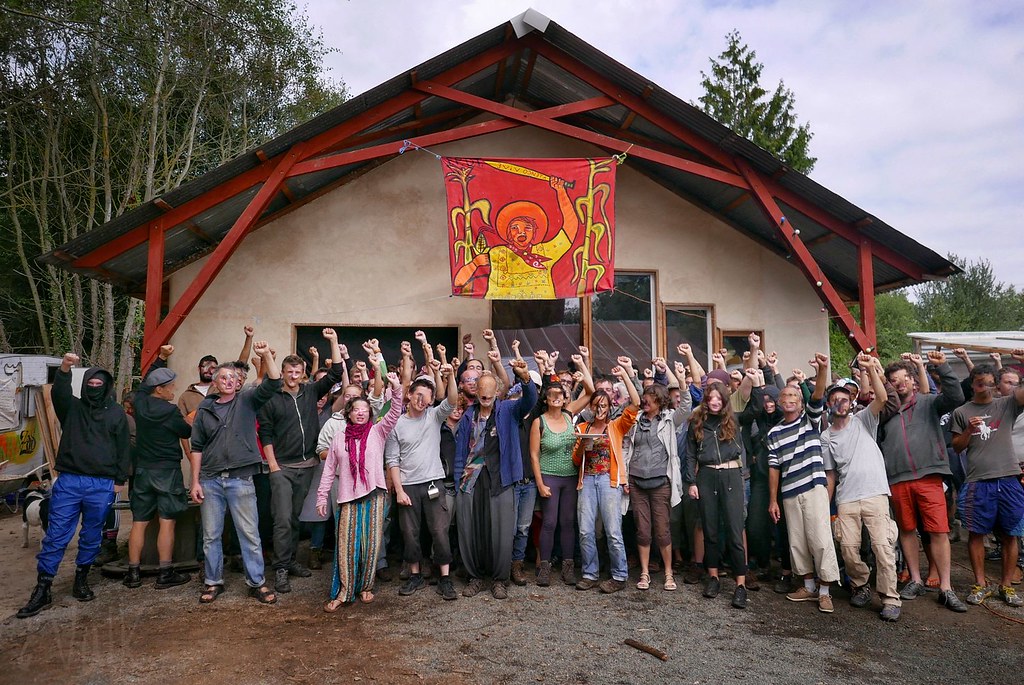
    Après coup, je me serais mordu la langue. Pourtant, ma remarque m’avait semblé la plus naturelle du monde. Six mois après le tremblement de terre – catastrophe de 1985 –, nous avions marché toute la journée dans Tepito, quartier populaire en plein cœur de #Mexico, en dérive et menacé par la spéculation. Nous étions préparés à trouver ruines et résignation, délabrement et misère, mais notre visite nous détrompa : nous trouvâmes plutôt un fier esprit de voisinage, une activité fébrile, de petites coopératives de construction partout, une #économie_informelle florissante. Au moment de partir, alors que nous tentions de faire un bilan respectueux, ce commentaire m’échappa : « C’est bien, mais en fin de compte, ils sont quand même tous pauvres dans ce quartier. » Ce qui fit se cabrer l’un de nos compagnons : No somos pobres , lança-t-il, somos Tepitanos ! (Nous ne sommes pas pauvres, nous sommes Tépitans). Quelle leçon ! Comment avais-je pu me fourvoyer à ce point ? Embarrassé, je dus m’avouer que, complètement à mon insu, le cliché du développement avait déterminé ma réaction.
    https://sniadecky.wordpress.com/2025/10/19/sachs-pauvre

    #pauvreté #critique_du_développement #Wolfgang_Sachs

  • BASTIONI DI ORIONE 02/10/2025 – MENTRE SEGUIAMO LE LOTTE ANTISIONISTE IN DIFESA DEI GAZAWI ANCHE IN #mexico, DIAMO SPAZIO ALLE LOTTE DELLA GENERAZIONE Z IN #Madagascar E #marocco E ANALIZZIAMO L’USO DEI “WAR BOND” PER FINANZIARE IL GENOCIDIO
    https://radioblackout.org/podcast/bastioni-di-orione-02-10-2025-mentre-seguiamo-le-lotte-antisioniste-i

    La puntata è stata dedicata doverosamente alle dirette delle manifestazioni a sostegno della Global Sudum Flottilla, inserendo alcuni interventi coerenti con la policy della trasmissione e così abbiamo dato spazio ai cortei e concerti solidali che si sono tenuti in Mexico con Francesco, un redattore di Radio Blackout da qualche mese inserito nella realtà messicana […]

    #akhannouch #amlo #antananarivo #ayotzinapa #casablanca #Chiapas #cuarta.transformation #discord #ejidos #ezln #genZ #GenZ212 #GSIS #Morena #necropolitica #orgullomexicano #presidenta #Rabat #Rajoelina #Ravelonarivo #SHEINBAUM #Tlatelolco #Zocalo

  • None of This Is Happening. Mexico’s desplazados fend for themselves
    https://thebaffler.com/salvos/none-of-this-is-happening-olson

    Three hours west of #Mexico City, the rural state has long been an epicenter of organized crime. Following the presidency of left nationalist Lázaro Cárdenas, whose mandate was considered the last cry of the Mexican Revolution before the country’s consolidation as a one-party autocracy, #Michoacán became the heart of Mexico’s agrarian reform efforts, as vast tracts of land were divvied up and parceled out to campesinos as ejidos, the communally owned territories enshrined in the 1917 Constitution. Following the 1982 debt crisis that tanked Mexico’s economy, greasing the skids for the shift to NAFTA, those same communal lands were bought off and converted into agro-industrial estates—a vast territorial dispossession leading to epidemic levels of poverty. Rural men who were left out of work flooded into criminal enterprises of growing sophistication, moving cocaine and methamphetamine through the state. Subsistence farmers in Michoacán’s coastal mountains, meanwhile, turned to growing marijuana and opium to avoid economic ruin. From the mid-1970s to the early 1990s, the groups of gunmen, corrupt police, and transporters moving drugs were under the strict control of protection rackets violently managed by the military and the Partido Revolucionario Institucional, or PRI, the one-party regime that took power after Cárdenas. By the time the PRI lost its hold on the federal government in 2000, the groups they’d overseen, able to negotiate more flexible protection pacts with local governors, had spun off into cartels, autonomous from the federal government but never beyond its reach.

    #Mexique

  • The #Sinaloa Cartel Civil War Raging in #Mexico : Los Chapitos vs El Mayo w/Nathan Jones
    https://podcasts.apple.com/us/podcast/the-sinaloa-cartel-civil-war-raging-in-mexico-los/id1529370760?i=1000678257381

    Sinaloa’s capital #Culiacan is roiling with violence in the wake of El Mayo’s capture, and his alleged betrayal at the hands of the Chapitos.

    But the bloodshed is just part of an ever-changing drug landscape, that’s increasingly dominated by the Sinaloa factions and the CJNG. How do these two organizations work? How can they work together? And what on earth can Mexico’s new president do to stop the bullets from flying? Sean spoke to expert Nathan P. Jones to find out.

    #Mexique #Podcast

  • Penser la modernité urbaine par la mise à mort des chiens
    https://metropolitiques.eu/Penser-la-modernite-urbaine-par-la-mise-a-mort-des-chiens.html

    Que peut donc révéler la mise à mort massive des chiens d’une société urbaine ? Arnaud Exbalin montre que les canicides mis en œuvre à la fin du XVIIIe siècle dans la ville de #Mexico éclairent les relations entre une colonie et sa métropole, mais aussi la fabrique d’un ordre urbain. La Grande Tuerie des chiens présente les canicides mis en œuvre à la fin du XVIIIe siècle par les vice-rois du #Mexique (près de 35 000 chiens étant tués en quelques années) et les met en perspective sur le temps long en les #Commentaires

    / #animaux, #histoire, #histoire_urbaine, #police, Mexico, Mexique, #Amérique_latine

    https://metropolitiques.eu/IMG/pdf/met-estebanez.pdf

  • Benjamin T. Smith
    Cartels As Protection Rackets
    How Mexican mobs took over the government’s shake-down industry
    https://www.crashoutmedia.com/p/cartels-as-protection-rackets

    Protection rackets are key to understanding the explosion of cartels in Mexico and their relationship with the state. But it’s not a model that is static but one that is violently evolving.

    In this article, I look at three distinct phases. The first runs up until the late 1980s when state forces shook down traffickers and created the system of territories or plazas, where they operated. A second phase was when the gangsters took over these shakedowns and became the fearsome cartels we know today who tax other traffickers in their territory. They still work with the government but more as privatized enterprises that have become more powerful than many elements of the state, such as city police who become their employees. This creates a constant power struggles and endemic violence that has characterized the last two decades.

    Yet we now see a third phase in which the cartels have expanded into extorting many legitimate businesses, from avocado growers to silver mines to chicken sellers. And they even shake down mayors for chunks of city budgets. As the presidency of Andrés Manuel López Obrador draws to an end, his successor (likely Claudia Sheinbaum) will have to face a country wrenched by the expansion of cartels into vast protection rackets and a potentially explosive social response to them.

    #Mexico #Mexique

  • How US Immigration Policy Foments Organized Crime on the US-Mexico Border
    https://insightcrime.org/investigations/unintended-consequences-us-immigration-policy-foments-organized-crime-

    Since the mid-1990s, the US government has relied on an immigration strategy deemed “prevention through deterrence.” The idea was simple: If you make it more difficult for people to cross into the United States, then the number who tried would dwindle.

    However, the policies have had numerous unintended consequences, including bolstering criminal organizations along the US-Mexico border. Today, human smuggling has transformed into one of the most lucrative industries for crime groups, which have diversified beyond their traditional criminal activities of smuggling drugs and weapons.

    But the powerful organized crime groups operating along the US-Mexico border have also taken advantage in other ways, particularly through extorting migrants and targeted kidnappings for ransom. Official corruption also expanded as the US government increased its reliance on third countries like #Mexico for enforcement and pushed migrants to remain in these countries.

    #USA #ÉtatsUnis #Mexique #migration

  • Migrants Died In Detention Fire Because They Couldn’t Pay $200 Bribe to Be Released
    https://www.vice.com/en/article/v7bmk4/ciudad-juarez-jail-fire-migrants-died-failed-to-pay-bribe-for-release

    Thirty-nine migrants died locked in that cell as the immigration detention center burned on the night of March 27, and another died later at the hospital. At least one migrant in the cell allegedly started the fire in protest at not being given food and water by the guards for 10 hours.

    Survivors say those who died did so for one reason: they could not or did not pay a $200 bribe to security guards to be released.

    Three survivors and two guards at the facility told VICE World News that the immigration jail at the center of the tragedy was a defacto “extortion center,” where only migrants with the means to pay were released. Others would have to stay in jail and be sent to Mexico City or deported back to their origin country.

    #Mexique #Mexico #CiudadJuárez #migration

  • Tomasz Konicz - Atomisierte Gewalt
    https://www.konicz.info/2023/01/11/atomisierte-gewalt

    Dabei sind es nicht nur die hohen militärischen und sicherheitspolitischen Risiken für ganze Ortschaften und Regionen, die solche spektakulären Einsätze von Sicherheitskräften gegen Kartellprominenz zu Ausnahmen machen, die weltweit Wellen schlagen. Aufgrund der allgegenwärtigen Korruption im mexikanischen Staatsapparat, der von Informanten der in Geld schwimmenden Kartelle durchsetzt ist, sind verdeckte Operationen gegen die mafiösen Netzwerke kaum realisierbar. Bei einem Volumen von 40 Milliarden Dollar, das der US-Drogenmarkt umfassen soll, handelt es sich bei den führenden Kartellen um milliardenschwere Verwilderungsformen von Konzernen, die sich Politiker und Militärs genauso kaufen können, wie modernste Waffen und Kommunikationstechnik. Die Sicarios (Auftragskiller) der Kartelle sind immer besser bezahlt und oftmals besser ausgerüstet als die Polizeikräfte, die gegen sie vorgehen sollen. Mexikos führende Mafiabosse sind zu Milliardären aufgestiegen.

    #Mexique #Mexico #Mexiko

  • Mexico City to swap Columbus statue for one of indigenous woman

    A statue of Italian explorer Christopher Columbus, which stood on one of the main avenues of Mexico City, will be replaced by one of an indigenous woman.

    Mexico City Mayor #Claudia_Sheinbaum said the bronze likeness of Columbus would be moved to a park and a statue of an #Olmec woman would take its place.

    The Columbus statue was removed from its plinth last year ahead of protests.

    Protesters have toppled Columbus statues in Latin America and the US.

    Christopher Columbus, an Italian-born explorer who was financed by the Spanish crown to set sail on voyages of exploration in the late 15th Century, is seen by many as a symbol of oppression and colonialism as his arrival in America opened the door to the Spanish conquest.

    Mayor Sheinbaum made the announcement on Sunday at a ceremony marking the international day of the indigenous woman.

    She said that relocating the statue was not an attempt to “erase history” but to deliver “social justice”.

    Ms Sheinbaum said that the Columbus statue “would not be hidden away” but that the civilisations which existed in Mexico before the Spanish conquest should receive recognition.

    The mayor said that sculptor #Pedro_Reyes was working on a statue of a woman from the Olmec civilisation, which flourished in the Gulf of Mexico from 1200 BC to 400 BC, to replace that of Columbus on Reforma Avenue.

    The plinth on which the Columbus statue stood has been empty since 10 October 2020 when it was removed “for restoration purposes” just two days before planned protests marking the arrival of Columbus in 1492.

    Some activists had issued calls on social media for the statue to be toppled.

    https://www.bbc.com/news/world-latin-america-58462071

    #Mexico_City #mexique #statue #monument #Colomb #Christophe_Colomb #toponymie #toponymie_politique #femmes #femme_autochtones #peuples_autochtones #justice_sociale #mémoire

    ping @cede

  • Lettre de la commission SEXTA de l’EZLN - Traversée Pour La Vie
    https://archive.org/details/Lettre_Traversee-pour-la-vie

    Le 5 octobre 2020, après 27 années de résistance et de construction d’un autre monde, l’Armée zapatiste de Libération Nationale (EZLN) a annoncé officiellement qu’une délégation allait quitter le Mexique et partir à la rencontre des peuples des 5 continents.
    Voici la lecture de la lettre de ce mois d’avril 2021 pour préparer ce voyage.
    Il est possible d’aider financièrement par ici : http://www.cspcl.ouvaton.org/spip.php?article1527

    Commission SEXTA de l’EZLN
    Coordination de la Traversée Pour La Vie
    Avril 2021

    Pour : Coordination Francophone
    Sœurs et frères, Camarades,

    Nous avons reçu avec plaisir votre invitation pour que, dans le cadre de la traversée zapatiste Pour la Vie, nous nous rencontrions, nous discutions et nous nous écoutions mutuellement sur notre histoire, nos rêves et cauchemars, nos rages et nos luttes.

    Nous savons bien que ce que nous nous proposons n’est pas une lutte étrangère. Ce n’est pas une lutte qu’il faut soutenir ou avec laquelle il faut être solidaire. Non, c’est une lutte qui nous est propre. A chacun dans sa géographie, et à chacun dans son calendrier. En fait, chacun la mène, cette lutte. Ce n’est pas comme si on ne faisait rien, à regarder comment arrivent les malheurs, à écouter des histoires d’injustices et de crimes, avec résignation et conformisme.

    Nous savons bien que parmi toutes les lamentations proches ou lointaines, il y a un tremblement qui fera craquer le monde entier : les sanglots de la terre. Et pas la terre comme la poussière, la couleur que nous sommes, mais tout : les vallées et montagnes, le vent, les eaux, les plantes, les animaux, les personnes. Mais la terre ne se résigne pas, elle résiste aussi,elle se rebelle contre cette mort.

    C’est alors que nous comprenons que ce n’est pas que la terre sanglote, mais qu’elle est en train de nous appeler. Et elle nous appelle à lutter contre la mort, à lutter pour la vie.
    /.../ retrouver la suite de la lettre dans l’écoute ou le pdf en pièce jointe.

    Lecture audio : @karacole / Karacole
    Photo : @val_k / ValK.
    El Semillero : Seminaire « La Pensée Critique face à l’Hydre Capitaliste » -du 3 au 9 mai 2015 - CiDeCi / Chiapas - #Mexico
    A retrouver par ici https://www.flickr.com/photos/valkphotos/sets/72157651920994107
    Ou dans la série consacrée au Mexique, de décembre 2014 à mai 2015 : https://www.flickr.com/photos/valkphotos/collections/72157651810788072

    ¤ autres photos : frama.link/valk
    ¿ infos : twitter.com/valkphotos
    ○ audios : frama.link/karacole
    ☆ oripeaux : frama.link/kolavalk
    ♤ me soutenir : https://liberapay.com/ValK

    #audio/opensource_audio #EZLN

  • Mexico, Ville Monstre
    Réseau contre la répression et pour la solidarité
    Au sujet des agressions contre la communauté d’Acapatzingo

    https://lavoiedujaguar.net/Mexico-Ville-Monstre-Reseau-contre-la-repression-et-pour-la-solidari

    Vous ne voyez ni entendez ?

    Durant ses conférences matinales et vespérales, le gouvernement néolibéral de López Obrador s’obstine à montrer un pays « heureux, heureux, heureux » où tout va à merveille. Mais, dans le Mexique d’en bas, dans celui où vit plus de 85 pour cent de la population, a lieu une escalade de violence qui, bien qu’elle touche tout le monde, se manifeste spécialement crûment contre les communautés en résistance.

    Avec cet aveuglement congénital dont souffre le gouvernement mexicain, on présente comme une « réalité » un pays dans lequel on minimise les chiffres réels des morts et des personnes affectées par la pandémie, dans lequel on nie l’existence des féminicides, des agressions contre les communautés originaires, des crimes contre les défenseurs de la vie, des déplacements forcés de milliers de personnes, et la présence croissante dudit « crime organisé » qui, en totale impunité, impose sa loi.

    Les actions menées par les bandes organisées ne sont pas étrangères à la stratégie du gouvernement fédéral pour imposer ses projets de mort. La mal-nommée Garde nationale et le crime organisé font partie du même programme gouvernemental : gouverner par la terreur. (...)

    #Mexique #Mexico #violence #López_Obrador #communauté #solidarité

  • Mexico
    Une ville sous le regard indien

    Joani Hocquenghem

    https://lavoiedujaguar.net/Mexico-Une-ville-sous-le-regard-indien

    Dominant l’horizon de l’altiplano de ses plus de deux mille mètres, le cercle de volcans veille sur la vallée de l’Anáhuac. En son centre, Mexico baigne dans une nappe de fumée dense où les vapeurs du Popocatepetl se mêlent aux gaz de la machine-monstre. « La marmite de sorcier », « la chaudière du diable » disent les Mexicains, « la terre qui pousse par en haut », « la vallée où vit le pouvoir », l’appellent les zapatistes. Là établirent leur capitale les Mexicas jusqu’à ce qu’une force plus grande, venue d’au-delà de l’horizon, les abolissent. Là régna l’Espagne jusqu’à l’indépendance, rivée au même site ; là s’imposa Porfirio Díaz jusqu’à la révolution ; là gouverna le PRI jusqu’à l’année 2000.

    À partir de la bataille de Tenochtitlan, l’onde de choc de la conquête, son sillage de violence et d’épidémies, propage un mouvement de fuite des peuples indiens. À mesure que la colonie importe d’Europe sa classe dominante, se remplit par le haut de nouveaux possédants, les uns sont intégrés à la société de l’envahisseur tout au bas de l’échelle, les autres chassés des terres fertiles, des plaines irriguées et tempérées vers les sierras ou la selva. L’Indépendance n’est pas leur émancipation ; le nouvel État accélère cette dépossession géographique et historique, nie toute existence à leur propriété communautaire de la terre.

    Avec la révolution, le mouvement centrifuge tend à s’inverser, par à-coups. La montée à la capitale en 1914 des paysans indiens en rébellion, plus qu’un raid militaire, prend des allures de retrouvailles, d’une reprise de contact entre deux mondes séparés. (...)

    #Mexique #Joani_Hocquenghem #Indiens #ville #Mexico #Tenochtitlan #zapatistes #révolution #cinéma #Mayas #Nahuas #Tarahumaras #Chiapas