Seenthis
•
 
Identifiants personnels
  • [mot de passe oublié ?]

 
  • #p
  • #ph
  • #pho
  • #photo
RSS: #photog

#photog

  • #photographers
  • #photographer's
  • #photographes_femmes
  • #photographes_albanais
  • #photographes_professionnels
  • #photographes_célèbres_mais_sagoins
  • #photographe_de_rue
  • #photographe_de_guerre
  • #photographe_du_jour
  • #photographe_amateur
  • #photographe_animalier
  • #photographe_arnaqueur
  • #photographs
  • #photography_tools
  • #photography_concentrate
  • #photographyconcentrate.com
  • #photographie
  • #photographique
  • #photographisme
  • #photographing_sharks
  • #photograpy
  • #photograpie
  • #photograbbr
  • #photograhie
  • #photogrammes
  • #photogrammétrie
  • #photogrpahie
  • #photogrsphie
0 | 25 | 50 | 75 | 100 | 125 | 150 | 175 | 200 | ... | 975
  • @framasoft
    Framasoft.org @framasoft via RSS CC BY 15/10/2026
    1
    @roinu
    1

    Listeners : dis-moi ce que tu écoutes
    ▻https://framablog.org/2026/10/15/listeners-dis-moi-ce-que-tu-ecoutes

    David nous a envoyé un communiqué de presse qui nous a interpellé⋅e⋅s. Listeners est un #Projet photographique conceptualisé par David Décamps ayant pour objectif de permettre la découverte de #Musique à travers celles et ceux qui l’écoute, et se libérer … Lire la suite­­

    #Fediverse #Interviews #Communaute #Interview #Licences #Photographie

    Framasoft.org @framasoft via RSS CC BY
    Écrire un commentaire
  • @liminaire
    liminaire @liminaire CC BY 13/10/2026

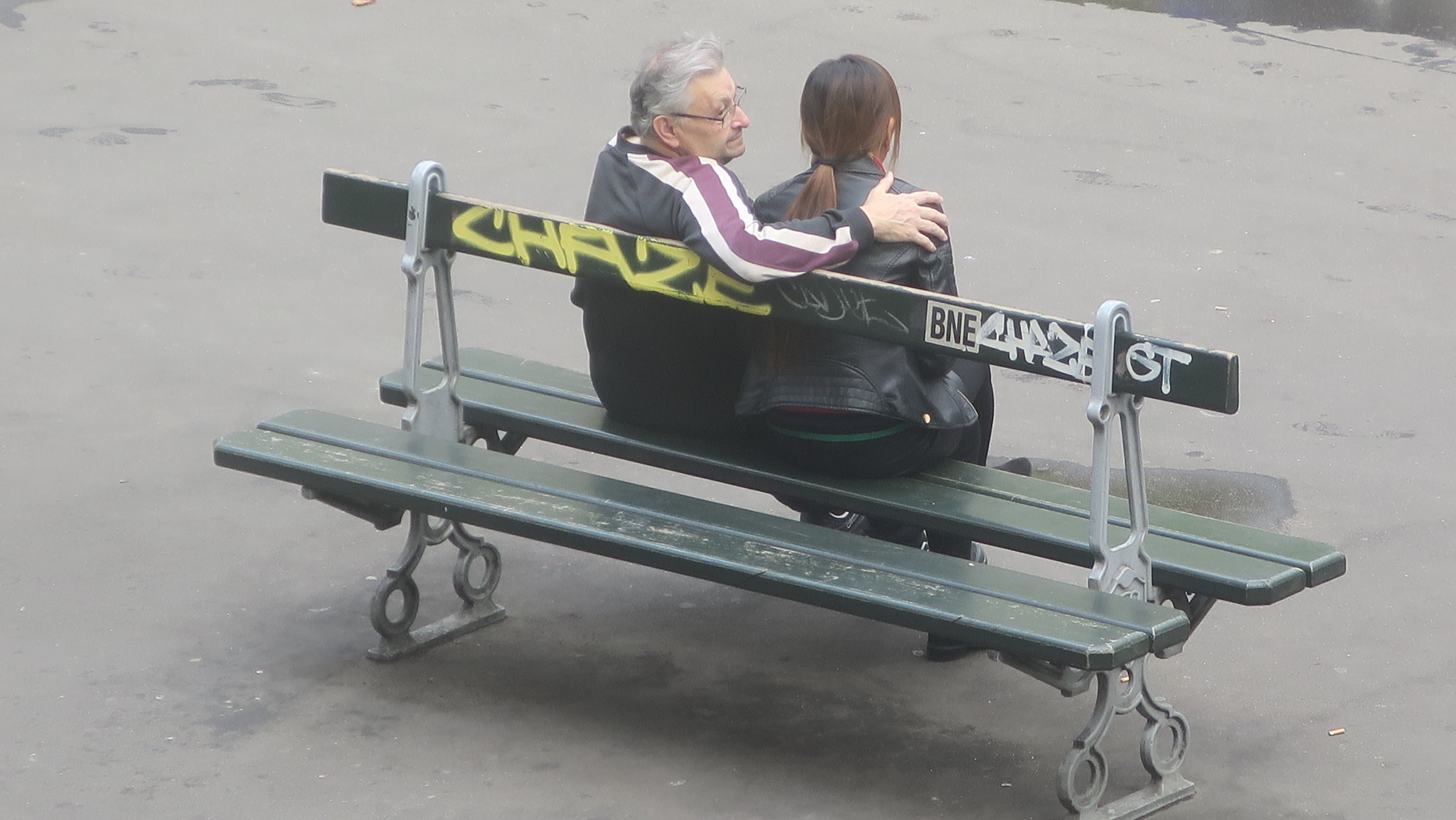
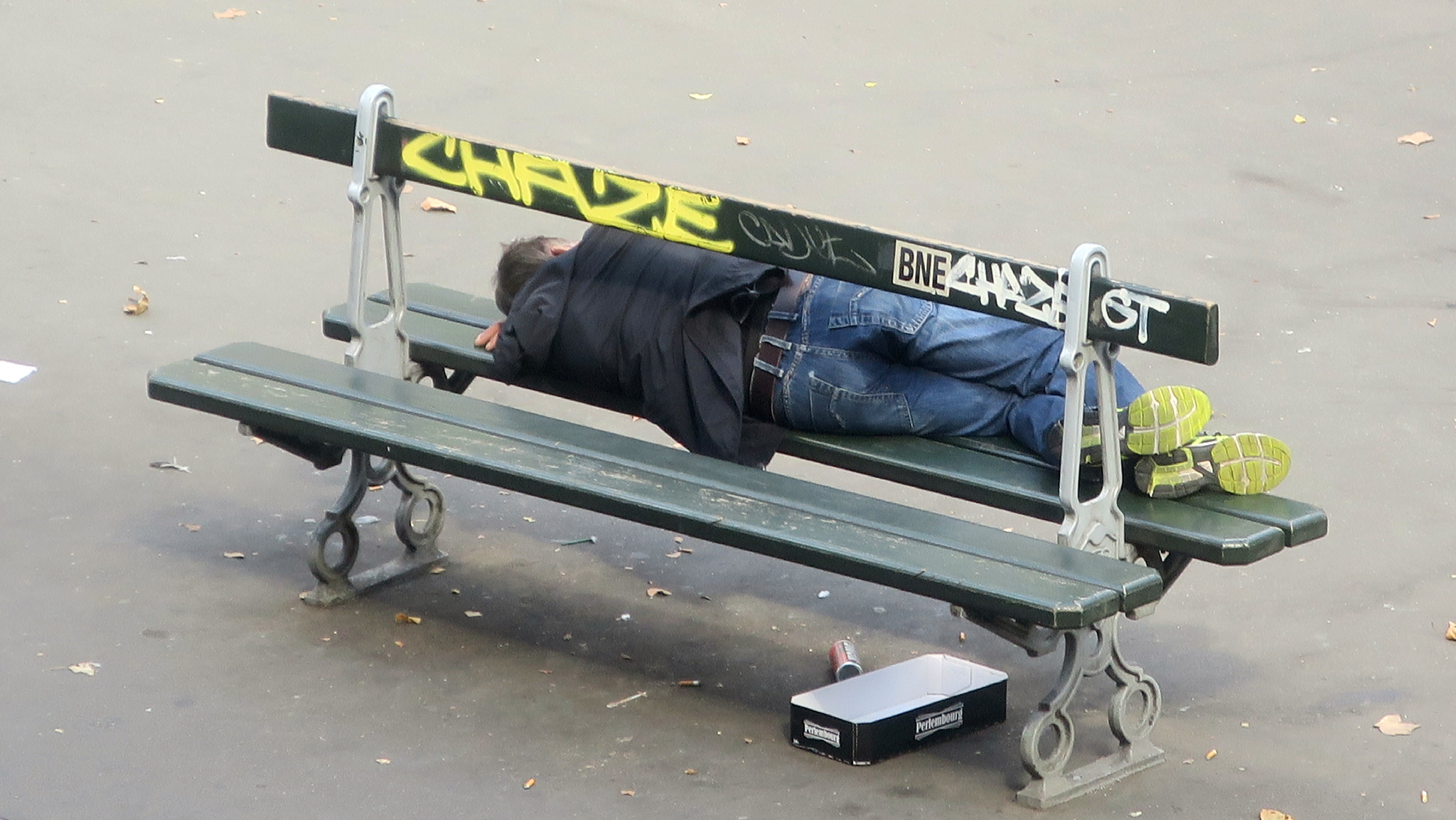
    Série (texte et photographie) à suivre sur la revue TINA online des Éditions JOU.

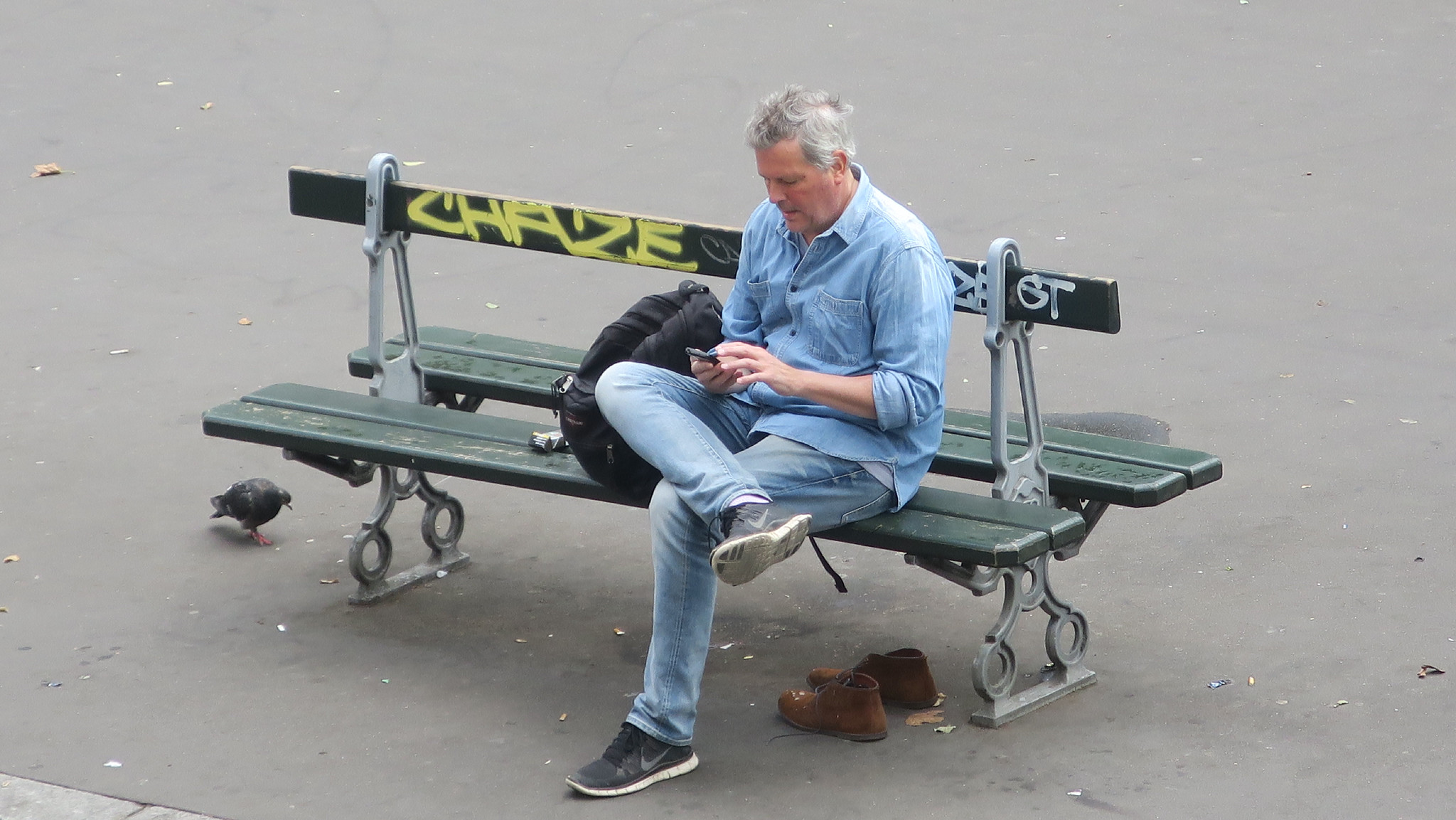
    ▻https://revuetina.editionsjou.net/324-sur-le-banc-21-par-pierre-menard

    https://revuetina.editionsjou.net/app/uploads/2026/08/Sur-le-banc-21.jpg

    #Récit, #Poésie, #Photographie, #Banc, #RevueTINA

    liminaire @liminaire CC BY
    Écrire un commentaire
  • @liminaire
    liminaire @liminaire CC BY 11/10/2026

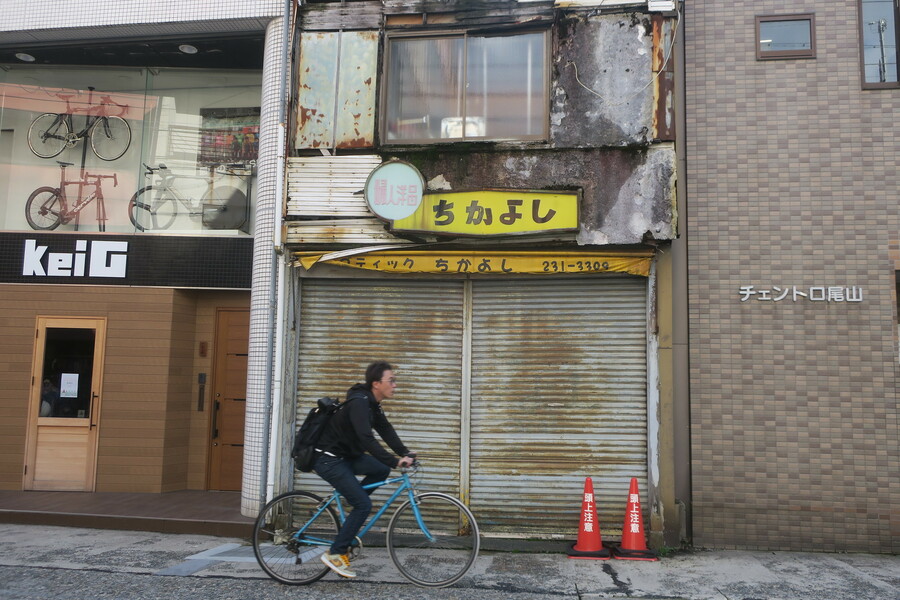
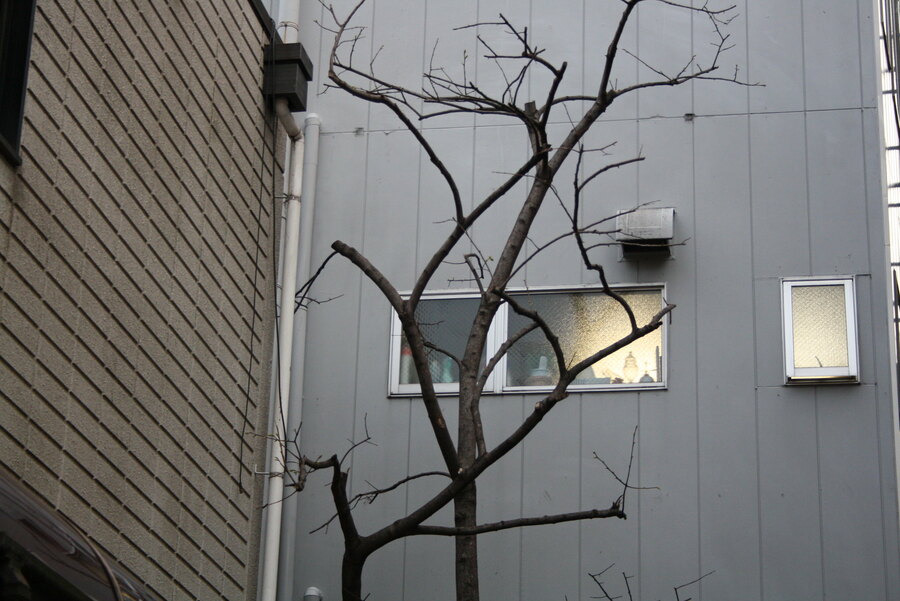
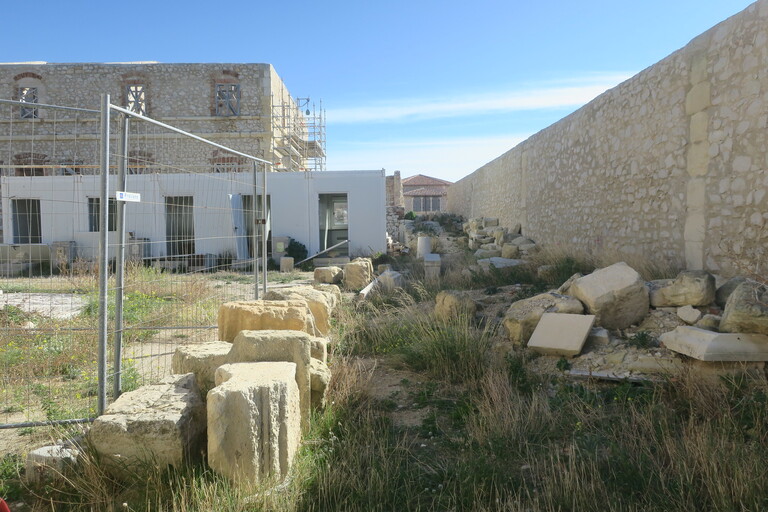
    De l’endroit où je me trouve en ce moment : Les traces d’une exploration. La nuit s’orienter aux étoiles.

    ▻https://liminaire.fr/chronique/entre-les-lignes/article/de-l-endroit-ou-je-me-trouve-en-ce-moment

    https://liminaire.fr/local/cache-vignettes/L900xH600/55574522899_e22502b8f3_k-4e414.jpg?1791364899 https://liminaire.fr/local/cache-vignettes/L900xH601/9384018193_b290c7e8ac_k-5c451.jpg?1791364899

    #Récit, #Poésie, #Photographie, #ContactsSuccessifs #Japon

    liminaire @liminaire CC BY
    Écrire un commentaire
  • @cdb_77
    CDB_77 @cdb_77 8/10/2026
    2
    @ericw
    @vazi
    2

    #Floutage de #visages

    https://pixelfed.zoo-logique.org/storage/m/_v2/578583396227231930/0e0206425-c6ee71/YQLLmfQ3GasE/tFiyndQPcYhyo8mILWKSM4pwNmRNtLDM9LnuFU56.png

    ▻https://face.framatoolbox.org

    Projet #faceprivacy :
    ▻https://forge.apps.education.fr/faceprivacy/app
    #photographie #logiciel #outil #anonymat

    CDB_77 @cdb_77
    Écrire un commentaire
  • @liminaire
    liminaire @liminaire CC BY 4/10/2026

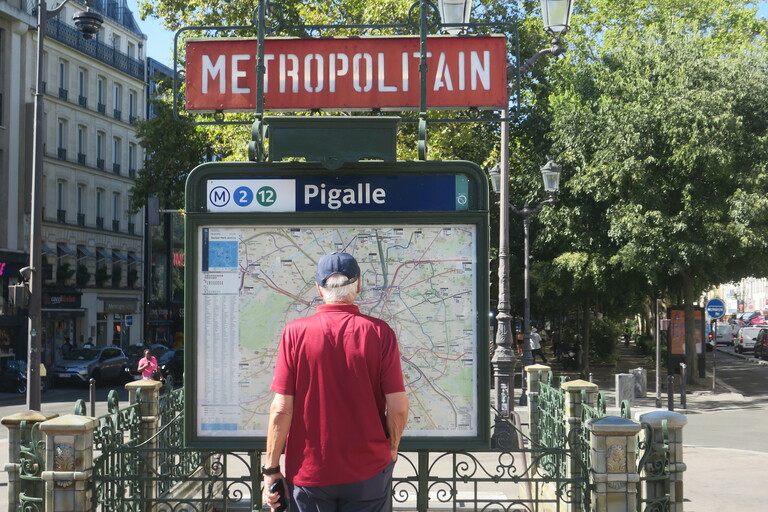
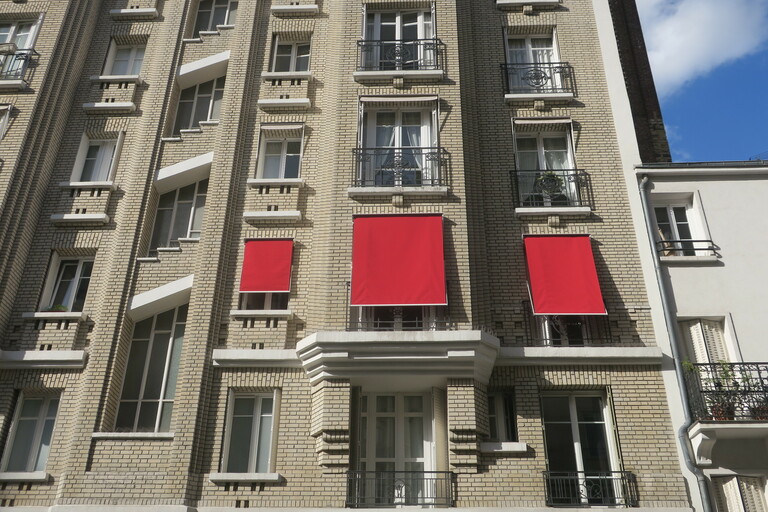
    À l’instar de Google Street, Google en moins, TINA Street scanne la ville au ras des rues dans la revue TINA. Aujourd’hui : l’Esplanade Nathalie Sarraute, Paris 18ème

    ▻https://revuetina.editionsjou.net/320-tina-street-6-par-pierre-menard

    https://scontent-cdg4-1.xx.fbcdn.net/v/t39.30808-6/833172068_10165140695348535_3479120958524297773_n.jpg?stp=dst-jpg_tt6&cstp=mx2048x1365&ctp=s2048x1365&_nc_cat=102&ccb=1-7&_nc_sid=b8278c&_nc_ohc=NWmRkX1l13YQ7kNvwH90MvJ&_nc_oc=AdoO6ku3nH8HtYC4--lL_7_MdIb39wR55JuFX3EwOOAPnoe7_bpoVX_jk8mio6iaooMLivjxVw6SFwSM3OAXNJ5K&_nc_zt=23&_nc_ht=scontent-cdg4-1.xx&_nc_gid=I8ZTML5fVXKkcqFKNTM7SQ&_nc_ss=7b2a8&oh=00_AQOBiCMf-F4zAmQzDSNVpz4qiCzS9_JUOnwj-FqT9yy0Ow&oe=6AC7562E https://scontent-cdg4-2.xx.fbcdn.net/v/t39.30808-6/836262259_10165140695368535_6940061155481808972_n.jpg?stp=dst-jpg_tt6&cstp=mx2048x1365&ctp=s2048x1365&_nc_cat=109&ccb=1-7&_nc_sid=b8278c&_nc_ohc=JI64Rz6PqwQQ7kNvwFkKL78&_nc_oc=AdomlLwfvdIPkWilY7sA7z1qUi3UTTNxEYgCezWo95Ac1nVyzd-XgomriVZfMSat8AAflcUH4kCqZdGgAVY0LNy7&_nc_zt=23&_nc_ht=scontent-cdg4-2.xx&_nc_gid=uHtj-ORhxNNgFinYfsknOA&_nc_ss=7b2a8&oh=00_AQN4ymRbS-b6J5ODOw9zyoNkdA4psvGm6v4buvsKWGNFsA&oe=6AC747CC

    #Récit, #Photographie, #Paris, #RevueTINA

    liminaire @liminaire CC BY
    Écrire un commentaire
  • @liminaire
    liminaire @liminaire CC BY 1/10/2026

    #Journal du regard : Septembre 2026

    ▻https://liminaire.fr/chronique/journal/article/journal-du-regard-septembre-2026

    ▻https://www.youtube.com/watch?v=_WU4nasVvbE

    Chaque mois, un film regroupant l’ensemble des images prises au fil des jours, le mois précédent, et le texte qui s’écrit en creux. « Une sorte de palimpseste, dans lequel doivent transparaître les traces - ténues mais non déchiffrables - de l’écriture “préalable” ». Jorge Luis Borges, Fictions

    (...) #Journal, #Vidéo, #Architecture, #Écriture, #Voix, #Sons, #Mémoire, #Paysage, #Ville, #Journal_du_regard, #Regard, #Dérive, #Photographie, #Nature, #Paris, #Banlieue, #Été, #Campagne, #Jardin (...)

    liminaire @liminaire CC BY
    Écrire un commentaire
  • @klaus
    klaus++ @klaus 29/09/2026

    Jetzt schlägt die Linke zurück: Elif Eralp verklagt Dobrindt, und Reiche soll Video löschen
    ▻https://www.berliner-zeitung.de/article/jetzt-schlaegt-die-linke-zurueck-elif-verklagt-dobrindt-und-reiche-

    https://berliner-zeitung-msp-prod.imgix.net/2026/09/28/4955358e-c8dd-496b-8f35-e7ccf0106ba3.jpg?rect=0%2C0%2C6000%2C4000&w=1024&auto=format
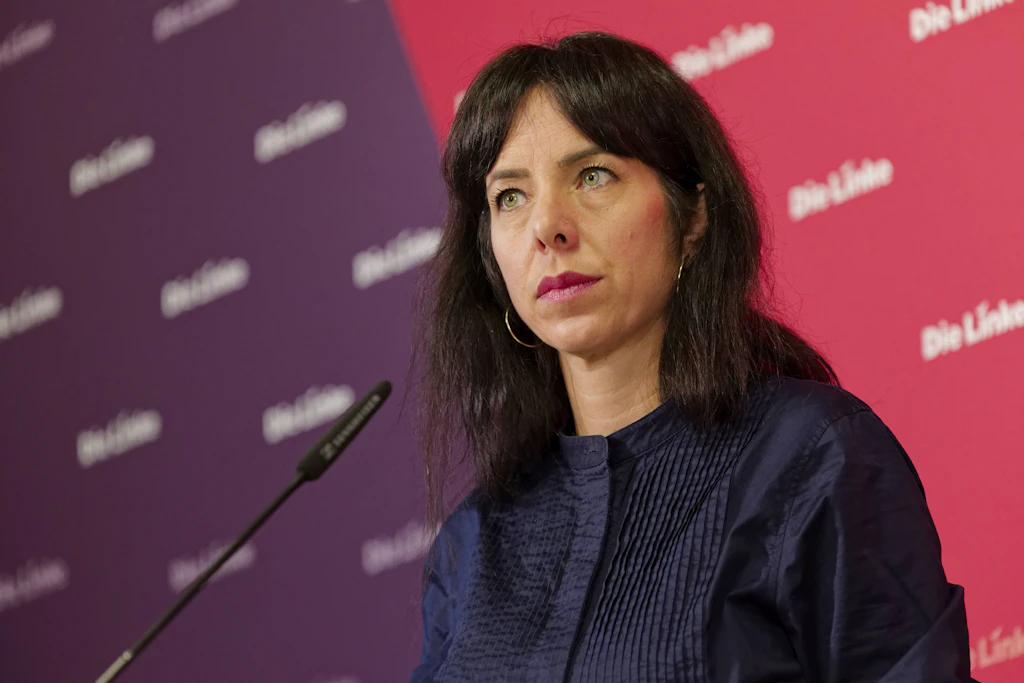
    Linke-Spitzenkandidatin Elif Eralp will Berlins erste Regierende Bürgermeisterin ihrer Partei werden. Die Sondierungen mit SPD und Grünen stehen bevor.© Jürgen Heinrich/Imago

    Fini la petite princesse rouge de Berlin. Cet article n’est pas d’un grand intérêt mais son illustration montre enfin une femme attentuve et décidée qui fait son age.
    Merici Jürgen Heinrich.

    28.9.2026 von Andreas Kopietz - Elif Eralp fühlt sich beleidigt und der Landesverband der Linkspartei findet, er wurde von einem Staatsorgan benachteiligt.

    Die Linkspartei schlägt zurück: Elif Eralp, die Berliner Spitzenkandidatin für das Rote Rathaus, hat Strafantrag gegen Bundesinnenminister Alexander Dobrindt (CSU) gestellt. Und Katherina Reiche, die CDU-Wirtschaftsministerin, bekam eine Unterlassungsaufforderung.

    Was war passiert? Es geht um eine Situation in der ZDF-Sendung „Maybrit Illner“ vom Donnerstag, in der es zu Wortgefechten zwischen Dobrindt und der Linke-Bundestagsfraktionschefin Heidi Reichinnek kam. Die Moderatorin Illner versprach sich dabei, korrigierte sich aber sofort: „Elif Eralp sagt, sie ist Antisemitin … Sie ist keine Antisemitin.“ Darauf sagte Dobrindt: „Na doch!“

    „Mit seiner Äußerung (‚Na doch!‘) macht sich Herr Dobrindt den Versprecher von Frau Illner, wonach Frau Eralp sage, sie sei Antisemitin, zu eigen. Die Äußerung hat im Kontext des Gesprächs einen eindeutigen Aussagegehalt“, heißt es in dem Schriftsatz des Anwalts Jasper Prigge, der der Berliner Zeitung vorliegt.

    Diese Äußerung erfülle den Tatbestand der üblen Nachrede. Indem er sich den Versprecher von Maybrit Illner zu eigen mache, stelle Dobrindt eine Tatsachenbehauptung auf, erklärt Prigge.

    Aus seiner Sicht liegt außerdem eine Beleidigung vor, weil Dobrindt gegenüber Eralp „erkennbar zum Ausdruck“ bringe, sie sei in seinen Augen eine Antisemitin. Die Bezeichnung als Antisemit sei in erheblichem Maße der Ehre abträglich, heißt es in dem Schriftsatz. „Es fehlt an tatsächlichen Anhaltspunkten, dass sie selbst sich jemals in einer Weise geäußert hätte, die sich als antisemitisch bezeichnen ließe. Im Gegenteil tritt Frau Eralp öffentlich für den Schutz jüdischen Lebens ein und hat dies auch im Wahlkampf mehrfach wiederholt.“ Die Tat sei schließlich auch geeignet, das öffentliche Wirken von Frau Eralp erheblich zu erschweren.

    „Organisierte Kriminalität fröhlich auf Wahlpartys begrüßt“

    Auch Bundeswirtschaftsministerin Katherina Reiche bekam Post von Prigges Anwaltskanzlei: eine strafbewehrte Unterlassungsaufforderung durch den Berliner Landesverband der Linken. Sie bezieht sich auf eine Rede, die Reiche auf der MyWay-Konferenz 2026 hielt und deren Videomitschnitt auf dem Instagram-Kanal des Ministeriums verbreitet wurde.

    Dort sagt Reiche über die Partei unter anderem, dass sie „Antisemitismus offen lebt“, den Juden in dieser Stadt Angst mache, jüdisches Leben bekämpfe und die organisierte Kriminalität „fröhlich auf Wahlpartys begrüßt“. Das sei gefährlich für die Hauptstadt und den Investitionsstandort Deutschland.

    „Mit der Veröffentlichung des oben zitierten Videoausschnitts verletzen Sie das Recht auf politische Chancengleichheit unserer Mandantin aus Art. 21 GG“, schreibt der Anwalt Prigge. Das Recht von Parteien, gleichberechtigt am Prozess der Meinungs- und Willensbildung des Volkes teilzunehmen, werde verletzt, wenn Staatsorgane als solche parteiergreifend zugunsten oder zulasten einer politischen Partei oder von Wahlbewerbern auf die politische Willensbildung des Volkes einwirkten.

    „Die Veröffentlichung der parteipolitisch einseitigen Kritik an unserer Mandantin auf dem mit staatlichen Mitteln finanzierten Instagram-Kanal des Bundesministeriums stellt einen Missbrauch öffentlicher Mittel dar und verletzt in erheblichem Maße das Neutralitätsgebot“, schließt der Anwalt.

    Sollte das Video am Dienstag noch im Netz und die Unterlassungserklärung nicht unterschrieben sein, dann will der Berliner Landesverband der Linken beim Bundesverfassungsgericht einen Antrag auf Erlass einer einstweiligen Anordnung stellen.

    #Berlin #politique #Die_Linke #Elif_Erslp #photographie

    klaus++ @klaus
    Écrire un commentaire
  • @liminaire
    liminaire @liminaire CC BY 22/09/2026

    Série (texte et photographie) à suivre sur la revue TINA online des Éditions JOU.

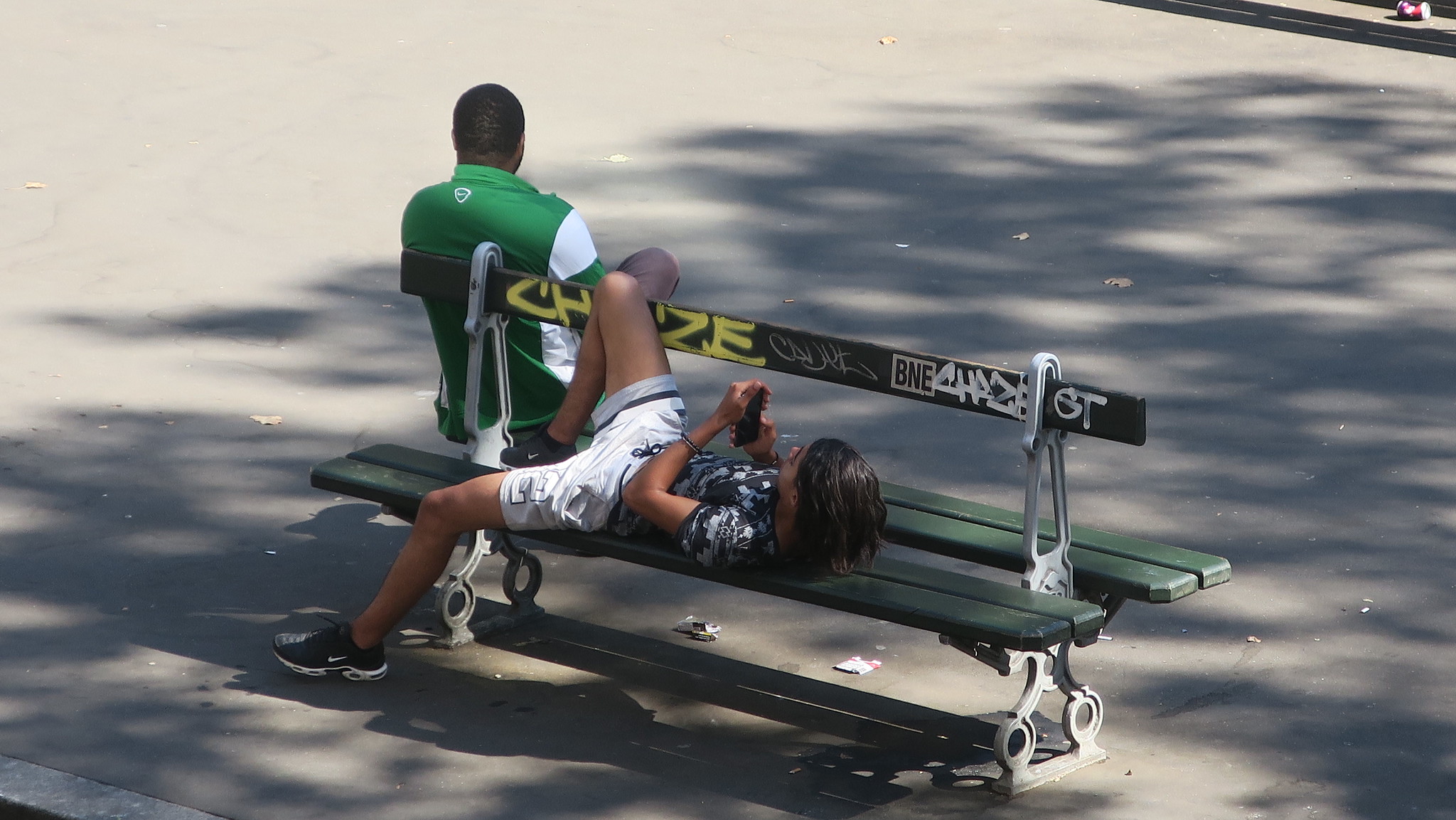
    ▻https://revuetina.editionsjou.net/317-sur-le-banc-20-par-pierre-menard

    https://revuetina.editionsjou.net/app/uploads/2026/08/Sur-le-banc-20.jpg

    #Récit, #Poésie, #Photographie, #Banc, #RevueTINA

    liminaire @liminaire CC BY
    Écrire un commentaire
  • @liminaire
    liminaire @liminaire CC BY 20/09/2026
    1
    @ericw
    1

    C’est comme ça : Le son est évanescent. Dans la confusion de la perspective. Notre présence au monde.

    ▻https://liminaire.fr/chronique/entre-les-lignes/article/c-est-comme-ca

    https://liminaire.fr/local/cache-vignettes/L768xH512/55528108029_ff692e6553_k-c7256.jpg?1789490674 https://liminaire.fr/local/cache-vignettes/L768xH512/53859741879_6929235bc0_k-a7cb5.jpg?1789490674

    #Récit, #Poésie, #Photographie, #ContactsSuccessifs

    liminaire @liminaire CC BY
    Écrire un commentaire
  • @cdb_77
    CDB_77 @cdb_77 18/09/2026
    2
    @inadvertance
    @ericw
    2

    Obsidian Urbex Photography

    https://www.obsidianurbexphotography.com/wp-content/uploads/2019/01/Moseley-Road-Baths-Birmingham-England-UK-Fisheye-Photograph-of-Derelict-Swimming-Pool.jpg

    #JANINE_PENDLETON

    https://www.obsidianurbexphotography.com/wp-content/uploads/2020/06/About-the-Photographer-Author-Janine-Pendleton-Obsidian-Urbex-Photography-1080x1080.jpg

    My passion is exploration of abandoned places, through photography. Answering the question “What lies beyond that “No Entry” sign?”. This is where you will find me, camera in hand.

    Welcome! I am Janine Pendleton, also known as Obsidian Urbex Photography. My interest in urban exploration photography started in August 2015 with an impromptu trip to that classic UK site, Camelot Theme Park. I used to go here as a kid with my parents, so seeing its dilapidated and desolate state some 15 years later struck a chord somewhere inside me.

    I was hooked! I spent the rest of 2015 was trawling the UK in search of abandoned places, making new friends along the way. In Spring 2016 I had my first trip to Europe, and things escalated from there. Over the last 9 years, I travelled to places that I never thought could exist. I have had road trips and adventures aplenty, making friends and getting in situations that seem almost impossible to believe as I sit at home writing this.

    ▻https://www.obsidianurbexphotography.com
    #urbex #abandon #photographie

    CDB_77 @cdb_77
    Écrire un commentaire
  • @cdb_77
    CDB_77 @cdb_77 3/09/2026
    8
    @sombre
    @simplicissimus
    @noun
    @chankalan
    @02myseenthis01
    @7h36
    @fonkisifou
    @fil
    8

    Burkina Faso bans “#poverty_porn”: photography as a neocolonial artefact

    https://substackcdn.com/image/fetch/$s_!c7PR!,w_1456,c_limit,f_webp,q_auto:good,fl_progressive:steep/https%3A%2F%2Fsubstack-post-media.s3.amazonaws.com%2Fpublic%2Fimages%2F8b1a30a2-6a72-480e-a89d-12b99f26d631_1206x1008.jpeg

    Burkina Faso has made a historic move against imperialism: it banned poverty porn.

    On July 2nd, the Council of Ministers adopted a new decree regulating humanitarian aid, including a ban on NGOs photographing vulnerable people next to the donations they’ve just received.

    The decree, which restricts degrading or exploitative images of aid recipients and requires informed consent, is part of a larger, radical anti-imperialist project led by the country’s leader, Captain Ibrahim Traoré, who has also nationalised gold mines, rejected IMF loans, and ordered the withdrawal of French troops from the country — all in service of his self-declared war on imperialism.

    Although many around the world celebrate the Burkinabe government’s anti-colonial project, the political conditions in which it is being carried out are far from auspicious, with a government crackdown that has dissolved political parties, shut down civil society groups, and tightened control over NGO money and operations.

    Even in a regrettable political context, this small line in a larger policy is a significant win in a much bigger fight over who gets to tell the story of crisis, and it exposes a deeper truth about the humanitarian sector’s obsession with turning crises into content.

    We have to ask ourselves: why has the Burkinabe government targeted humanitarian action as part of its war on imperialism?
    Human billboards, virtue signalling, and opportunities for compassion

    The new rules bar humanitarian actors from taking, displaying, or sharing images or videos that depict beneficiaries with donated items in a manner considered degrading or exploitative. The regulations are intended to ensure vulnerable people are treated with dignity and respect.

    A couple of months ago, one of the top voices in fundraising made the same point in his Substack newsletter. Beneficiaries shouldn’t have to carry around donated goods that bore the logo of the aid organization, he said. There really is no need for kids to carry a backpack with a huge NGO logo to school, to be constantly reminded of their position as aid recipients. It’s just unnecessary.

    You shouldn’t have to turn real people into billboards to convince others that your work is worth funding.

    I thought this was an obvious claim that did not need further discussion, that we were past using communities in crises as props for promotional communications. But I guess I was wrong.

    An American man, who had built his career as a Strategic Advisor to U.S.-based philanthropies and NGOs, took to LinkedIn to call this idea “peak ridiculousness”. “Storytelling takes many forms,” he argued, “and telling the stories of others is a perfectly valid way of creating opportunities for compassion.” He went on to declare that communities in crisis did not need this kind of “virtue signalling” and “we should be honest about what gets audiences to open their hearts and wallets”.

    Here is the uncomfortable thing: he is not wrong about the mechanics.

    The sad photo works. A 2024 study interviewing fundraising managers at NGOs in Ghana found they knew exactly what they were doing, described the imagery as effective, and considered the ethical cost worth the money it raised. In a way, the American strategist was right — beneficiaries need the money more than they need the virtue signalling.

    But what if it wasn’t about that? What if what Burkina Faso found was that these depictions carry more than just a moral cost, but perhaps also a monetary and political one?

    The real story isn’t who benefits from the picture, but what it costs, and who pays.
    A false story of passivity
    What he was doing was defending what is commonly known as “poverty porn”, a form of humanitarian imagery that uses graphic, shocking, or stereotypical depictions of poverty to elicit sympathy, pity, guilt, or donations, often by portraying people as helpless, dependent, and devoid of agency.

    This kind of distorted representation was first described by Jørgen Lissner in Merchants of Misery (1981), who warned against the “pornographic” use of suffering in aid imagery. His critique, and the work that followed, made a simple but important point: when people’s grief, bodies, and fear are displayed for emotional consumption by distant audiences, they are effectively stripped of their agency and their lives flattened into suffering.

    One thing I’d like to say up front, before I go deeper into this topic, is this: communities in crisis should not be reduced to simply being aid recipients.

    In many cases, they are also direct responders, actively leading resilience, peacebuilding, and reconstruction efforts. They effectively organize themselves within and outside of the sphere of international humanitarian assistance, forming community patrol groups to protect civilians in displacement camps, Village Savings and Loan Associations to pool resources for emergency funds, and mutual aid groups to deliver essential services where others cannot reach.

    When INGOs flood their communication materials with images of these communities receiving aid, they are perpetuating a false narrative of passivity, actively shaping how audiences judge what affected people are capable of.

    Now comes the million-dollar question: who is truly benefiting from this narrative?

    Hint: it’s not the communities.
    The White Savior Industrial Complex

    Poverty porn is not just a fundraising style but a business model.

    It relies on infantilizing and degrading stereotypes of beneficiaries to keep the colonial trope of the helpless ‘other’ alive, as a vehicle for sustaining humanitarian business.

    Why do you think most nonprofit leaders in the Global North believe that by emphasizing powerlessness, they will unlock more generosity? Because it reinforces the same moral script Western humanitarian fundraising has long relied on. The more desperate the people in the photo, the more righteous the donor feels for helping them.

    That is what this kind of visual stereotyping does. It casts the person in the photo as helpless and the organization as the savior, turning aid into a performance of moral authority that reinforces harmful narratives of white saviorism that are at the core of international development.

    A recent study looked at 363 charity ads in the UK and found that the majority of photographs used by INGOs featured children, or women and children, and depicted rural areas and poverty. Not a man, teenager, electrical device, or shoe in sight.

    This portrayal is intentional. The use of indigenous women and children as symbols of innocence and fragility, and the use of rural scenery to portray Global Majority countries as underdeveloped can be traced back to the origins of colonialism, when foreign lands were described as virginal, fertile, untouched (do you see the pattern here) and the people living in them as uncivilized savages in need of saving.

    The same study also demonstrated that Africa remains the predominant subject of charity appeals, even when this does not reflect the ratio of programmatic delivery by the organisations producing these ads. Read that twice. We have turned Africa into a ~literal~ begging bowl.

    “This continuous majority casting of African nations in the theatre of global development as recipients of humanitarian assistance, serves only to aid and abet the colonial notion of Africa as one huge ‘begging bowl’” — Deborah Adesina and David Girling, Charity Representations of Distant Others

    This kind of fundraising tactic profits from neocolonial ideological constructions, white sentimentality, and white guilt without requiring the viewer to confront their own role in the systems of power that created that injustice in the first place.

    Teju Cole, who coined the term ‘White Savior Industrial Complex’ in his 2012 article of the same name, named this dynamic years ago, and it is still with us. In his own words: “The White Savior Industrial Complex is a valve for releasing the unbearable pressures that build in a system built on pillage. We can participate in the economic destruction of Haiti over long years, but when the earthquake strikes it feels good to send $10 each to the rescue fund.”

    In other words, Global North charities, development, and humanitarian organizations, in their performance of white saviorism, are simultaneously benefiting from the exploitative and extractive post-colonial global order and helping perpetuate it by creating a cognitive “vent” through which the moral pressure of existing on the winning side of this system is relieved.
    Photography as a tool for empire

    So there it is, the ugly truth. International aid uses photography not for storytelling but for extraction.

    None of this is new. Photography has been a powerful tool for empire since its invention in 1839, shaping what could be seen, known, and believed about colonised peoples and places long before it decided what could be crowdfunded.

    The Decolonial Centre explored this in the article Photography and Colonialism, which explains how Western photographic practices have been used to create Eurocentric ‘visual regimes.’ Using Palestine as a case study, it examines how European photographic representations after World War I othered, erased, or deliberately mischaracterized Palestinians, framing them as disorderly subjects in need of control in times of resistance, and using visual erasure to deny their historical ties to the land.

    As anti-colonial theorist and psychiatrist Frantz Fanon famously said, colonialism is a psychological project as much as a political one.

    That’s what the American strategist missed. Photography is not just another form of storytelling. It is an inherently political medium, and it serves colonial interests now as much as it did a hundred years ago.
    The Grand Bargain’s Lie

    I know what you might be thinking: Woah, Paola, slow down.

    First you say poverty porn is a fundraising tactic, then a business model, and now you’re saying it’s a political tool? You’re starting to sound a bit conspiranoid.

    To which I say: hold my tinfoil hat.

    In 2016, the biggest players in humanitarian aid signed the Grand Bargain and promised to move at least 25% of funding to local and national responders, as directly as possible. It was going to be the great correction.

    In 2024, less than 10% of international humanitarian funding reached local and national actors at all, counting money that passes through intermediaries first. Direct funding sat at 3.8%. More than ninety cents on every dollar stayed with international organizations, most of it with UN agencies and international NGOs.

    So there is the stated bargain, and then there is the real one, the one nobody signed but everyone honors: keep the old architecture intact while performing its dismantling. Say decolonize in the panel. Wire the money north after.

    It’s all a clever scheme. The real bargain allows rich countries to quieten and distract from calls for global redistributive justice and new systems of global equity-based power distribution, which gained traction in Global Majority countries after World War II. All while keeping more than 90% of the tens of billions of humanitarian dollars flowing through and to Global North institutions.

    How do they do it? Use human rights as a distraction, humanitarian action as a band-aid, and development as the smokescreen.

    This is what makes aid imagery so politically useful to the existing order. As Janice Nathanson argues, aid photography often isolates suffering from the political and historical causes that produce it, so audiences are encouraged to see crisis rather than structural injustice. In other words, the same visual economy that turns poverty into pity also helps depoliticize inequality, making it easier to sustain a humanitarian system that manages symptoms while leaving the broader architecture of global redistribution untouched.

    The international humanitarian community uses sad pictures of vulnerable people to manufacture moral authority, which allows it to keep operating exactly as it does now.

    It makes international aid look essential, its value undeniable, its continuation imperative.

    It benefits us, the expensive intermediary layer sucking up 90% of the money, because it makes us seem necessary, instead of optional and redundant.

    It takes agency away from affected communities, which is convenient to international NGOs, because it justifies gatekeeping resources from local and national actors, rather than treating them as equal partners. It assumes communities in crisis should be grateful no matter what, which divests accountability to them and spares INGOs the work of meaningfully engaging them and capturing their voices.

    It’s a hard truth that most people in the system will never admit: that they need communities to stay dependent on international aid, so they can continue benefiting from their struggle.

    The humanitarian and development sectors don’t really want resilient communities. They want to get paid to foster resilience in communities.

    This bargain is so enmeshed in the fabric of the system that even people within it, like you or me, will inadvertently contribute to its continuation.
    The alternative: pictures that honor agency, dignity, and resilience

    But is it true that this genre of imagery is the most effective way to raise money? Obviously not.

    Stories of resilience, transformation, and overcoming travel much farther than stories of despair. Agency and persistence in the face of adversity will always be more compelling to audiences than sad stories that flatten the diversity of human experience.

    Look at what comes out of Gaza every day, images and videos made by Palestinians insisting on being seen as full people under conditions built to erase them, and how far those images move compared to any appeal a Western agency has ever art-directed.

    If poverty porn turns crisis into a spectacle of passivity, then the images and videos coming out of Gaza offer a radically different visual grammar. They reveal a struggle not only over land but over subjecthood itself — over who gets to define the meaning of life under conditions of domination. As Zahra from The Mazaj argues in her article Colonisation is as Much a Psychological Project as it is a Political One, Palestinians’ insistence on visibility and dignity on their own terms is an act of radical resistance to the oppressor’s decades-long attempt at narrative erasure. In that sense, the videos and images Palestinians create and circulate are not just records of suffering; they are acts of self-definition.

    And these images are more effective in unlocking generosity than swollen bellies and dusty feet. Susan Sontag warned that compassion is not a stable resource; it must be translated into action or it withers. The problem with poverty porn is not simply that it shows suffering, but that it so often leaves viewers in a state of passivity, where repeated exposure can slide into boredom, cynicism, or emotional numbing rather than solidarity. The sad photo does not just cost the person in it. It exhausts the audience it depends on.

    The videos circulating from Gaza confront this passivity directly: they demand that viewers not only witness suffering, but respond: to prove, as it were, that they are still human enough to be moved. — Laila Gutknecht, «Please don’t scroll»: Social Media as Humanitarian Communication in Gaza

    These alternatives exist in humanitarian work: plenty of local and lived-experience-led organizations already use visuals that center resilience without erasing pain. They show people as responders, organizers, and political actors, not just as aid recipients — and they don’t bypass dignity or consent in order to inspire generosity.

    The way forward

    Burkina Faso’s new decree does not solve the politics of aid, but it does expose a basic truth: the people being photographed are not props in someone else’s fundraising campaign. They have the right to refuse that role, and the aid sector has the right to be judged by how seriously it takes that refusal.

    The people caught in crisis are already rewriting the narrative behind a system that uses poverty and human suffering as promotional and fundraising tools. Our job is not to overwrite those accounts with prettier, more fundable narratives. It is to stop mistaking extraction for storytelling, and to build fundraising and communications strategies that do not depend on humiliation as a shortcut to compassion.

    We are undergoing a collective reckoning, and the new order — the one where mutual aid groups substitute foreign aid and South-South cooperation becomes the new ODA — will not be dependent on white pity.

    And it matters that we have honest conversations about this, not only as fundraisers, humanitarians, or donors, but as individuals who make choices about where our money, attention and support go. Our everyday decisions about how to engage, represent, and stay accountable to communities are how we build more equitable and sustainable alternatives to the current system.

    ▻https://pitchandpurpose.substack.com/p/burkina-faso-bans-poverty-porn-photography
    #Burkina_Faso #photographie #photojournalisme #nécolonialisme #interdiction #impérialisme #humanitaire

    CDB_77 @cdb_77
    Écrire un commentaire
  • @liminaire
    liminaire @liminaire CC BY 1/09/2026

    #Journal du regard : Août 2026

    ▻https://liminaire.fr/chronique/journal/article/journal-du-regard-aout-2026

    ▻https://www.youtube.com/watch?v=CW1NBrcg0bM

    Chaque mois, un film regroupant l’ensemble des images prises au fil des jours, le mois précédent, et le texte qui s’écrit en creux. « Une sorte de palimpseste, dans lequel doivent transparaître les traces - ténues mais non déchiffrables - de l’écriture “préalable” ». Jorge Luis Borges, Fictions

    (...) #Journal, #Vidéo, #Architecture, #Écriture, #Voix, #Sons, #Mémoire, #Paysage, #Ville, #Journal_du_regard, #Regard, #Dérive, #Photographie, #Nature, #Paris, #Normandie, #mer, #Carolles, #Granville, #Été, #Campagne, #Jardin (...)

    liminaire @liminaire CC BY
    Écrire un commentaire
  • @biggrizzly
    BigGrizzly @biggrizzly CC BY-NC-SA 25/08/2026
    4
    @mammut
    @02myseenthis01
    @sombre
    @grommeleur
    4

    China Before the Infinite Camera Roll
    ▻https://www.sixthtone.com/news/1018921

    Thomas Sauvin’s archive of discarded family negatives captures an era when 36 photos could document years of birthdays, travel, and everyday life.

    By Cai Yineng #arts #history

    Of the many consumer goods that entered #China in the #1980s, one small item transformed how millions of families recorded their lives: #35mm color negative film.

    In 1984, #Fujifilm established its #Beijing office, as Chinese photographers were beginning to embrace the company’s color film, known for its green packaging and the distinctive greenish cast of its prints. #Kodak, Fujifilm’s main rival at the time, soon followed, expanding its presence and introducing a network of express color photo stores across China in the 1990s.

    These developments, together with the arrival of point-and-shoot cameras that required little skill to achieve proper exposure and sharp focus, enabled ordinary Chinese people to record their lives in color. The film was developed to produce negatives, which were then printed as photographs for family albums.

    Not everyone kept the negatives. Many ended up at recycling plants, which is where French artist Thomas Sauvin’s work began. In 2009, Sauvin met Xiaoma, a Beijinger who recovered silver nitrate from X-rays, CDs, and negatives. The two struck a deal, and Sauvin received his first batch of negatives to digitize. Their partnership would eventually help create one of China’s largest private archives of photographic negatives: the Beijing Silvermine.

    (...)

    #photographie #histoire #négatifs

    BigGrizzly @biggrizzly CC BY-NC-SA
    • @mammut
      mammut @mammut 25/08/2026

      Beijing Silvermine ☆ 北京银矿
      ▻https://www.beijingsilvermine.com

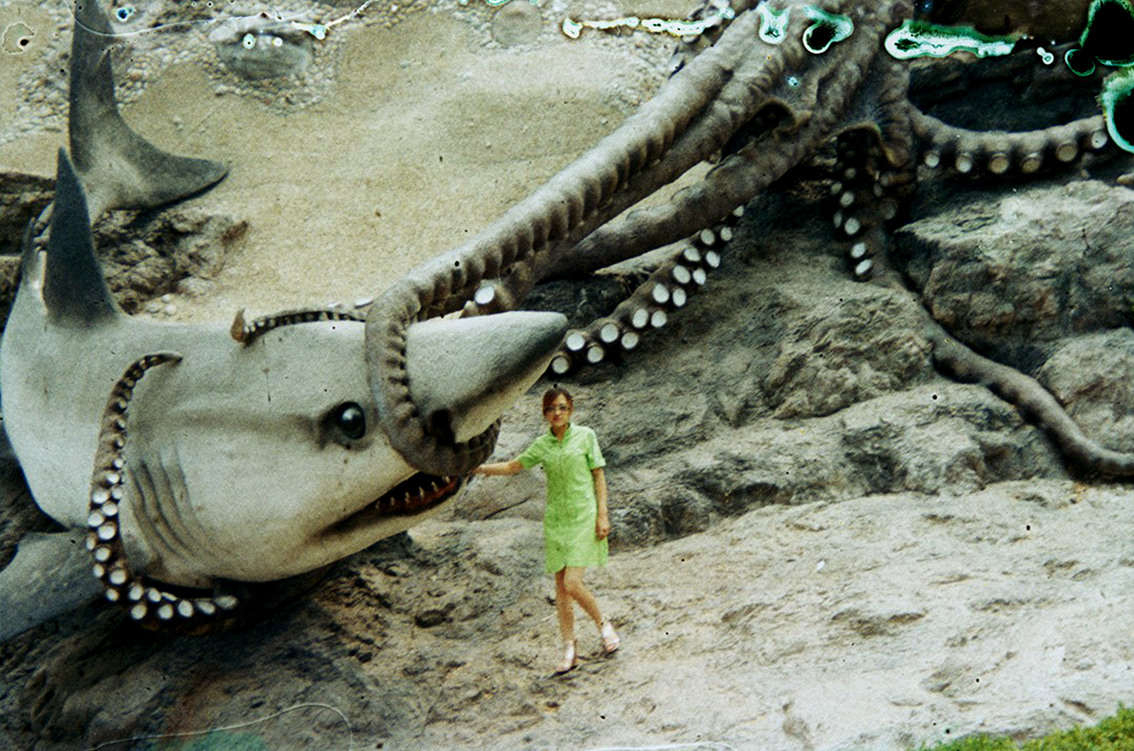
      http://static1.squarespace.com/static/57f4f5ca2994ca0ac87ba1df/t/5818829d893fc0c77e243164/1478001311323/home-china-110-beijing-silvermine-thomas-sauvin.jpg?format=1500w

      Beijing Silvermine is an archive of over a million negatives salvaged over the last 14 years from a recycling plant on the edge of Beijing. Assembled by the French collector and artist #Thomas_Sauvin, Beijing Silvermine offers a unique photographic portrait of the Chinese capital and the life of its inhabitants in the decade following the Cultural Revolution.

      北京银矿是由过去十四年间1 000 000张拯救于北京郊区一回收站的底片组成的档案库,由法国收藏家和艺术家苏文(Thomas Sauvin)集成,展示了文化大革命后中国首都和居民生活的独特影像记录。

      #archives #pellicule #argentique #mine_d'argent

      mammut @mammut
    • @klaus
      klaus++ @klaus 26/08/2026

      C’est #merveilleux !

      https://i.ibb.co/whJ9Rh8Q/20260826-Beijing-Silvermine-Gallery-cropped-w600px.jpg

      #Chine

      klaus++ @klaus
    Écrire un commentaire
  • @liminaire
    liminaire @liminaire CC BY 25/08/2026

    Série (texte et photographie) à suivre sur la revue TINA online des Éditions JOU.

    ▻https://revuetina.editionsjou.net/306-sur-le-banc-18-par-pierre-menard

    https://revuetina.editionsjou.net/app/uploads/2026/08/Sur-le-banc-18.jpg

    #Récit, #Poésie, #Photographie, #Banc, #RevueTINA

    liminaire @liminaire CC BY
    Écrire un commentaire
  • @klaus
    klaus++ @klaus 25/08/2026

    Checkpoint-Fotowettbewerb „Kiekste“: Das sind die besten Berlin-Bilder 2026
    ▻https://www.tagesspiegel.de/checkpoint/checkpoint-fotowettbewerb-kiekste-das-sind-die-besten-berlin-bilder-202

    https://www.tagesspiegel.de/images/15692495/alternates/BASE_4_3_W1000/1780918927000/et09-06-2026-bvg-service-still-irre-bornholmer-stra-e-barbara-habitzky.jpeg

    The Service is still irre“ – hier kommentiert die BVG offenbar sich selbst. Entdeckt und festgehalten von Checkpoint-Leserin Barbara Habitzky an der Tramhaltestelle Bornholmer Straße.

    https://www.tagesspiegel.de/images/13388230/alternates/BASE_1_1_W767/1743696227000/baer-braucht-pause-im-regierungsviertel-joerg-farys.jpeg

    #Berlin #photographie #concours #presse

    klaus++ @klaus
    Écrire un commentaire
  • @colporteur
    colporteur @colporteur CC BY-NC-SA 23/08/2026
    13
    @mfmb
    @mammut
    @fil
    @biggrizzly
    @george
    @7h36
    @arno
    @fitzlombard
    @sombre
    @alexcorp
    @touti
    @02myseenthis01
    @mad_meg
    13

    Une photographie représentant un match de foot devant des ruines à Gaza a été retirée de l’exposition du Deauville Sport Images Festival.
    ▻https://moncompte.actu.fr/cookiewall/landing?return_url=https://actu.fr/normandie/deauville_14220/la-culture-ne-doit-pas-etre-soumise-aux-pressions-une-photo-de-sport-

    C’est pour « ne pas heurter les sensibilités ».

    Il s’agit de cette photo.
    Photos show soccer’s return to Gaza as amputees and local teams play on improvised field
    ▻https://apnews.com/photo-gallery/photos-soccer-amputees-gaza-ruins-1ce4531db33f03b52a3734b2031da086

    https://dims.apnews.com/dims4/default/2524890/2147483647/strip/true/crop/5744x3831+1+0/resize/2720x1814!/format/webp/quality/90/?url=https%3A%2F%2Fassets.apnews.com%2F80%2F7b%2F2d1494cc4de9ae242437ce659a80%2F08a084e19112451fb74689f5c1e979ce#.jpeg

    colporteur @colporteur CC BY-NC-SA
    • @fil
      Fil @fil 23/08/2026

      photographe : Jehad Alshrafi

      Fil @fil
    • @cdb_77
      CDB_77 @cdb_77 24/08/2026

      #Gaza #foot #football #match #Jehad_Alshrafi #photographie #censure #Deauville_Sport_Images_Festival

      CDB_77 @cdb_77
    • @mammut
      mammut @mammut 24/08/2026

      Une autre avec sa légende

      https://dims.apnews.com/dims4/default/480dcb1/2147483647/strip/true/crop/6000x4000+0+0/resize/1360x907!/format/webp/quality/90/?url=https%3A%2F%2Fassets.apnews.com%2F1f%2Fe3%2F5780d872293aeed450bf41569344%2F7e33ae57aa914032b2ab13d77c8e4c63#.jpg

      Palestinian children watch amputee soccer players training on a newly constructed field surrounded by buildings destroyed in Israeli army bombardments during the Israel-Hamas war, in Gaza City, Wednesday, Feb. 11, 2026. (AP Photo/Jehad Alshrafi)

      mammut @mammut
    • @colporteur
      colporteur @colporteur CC BY-NC-SA 24/08/2026

      𝗘𝗡𝗤𝗨𝗘̂𝗧𝗘 : 𝗣𝗢𝗨𝗥𝗤𝗨𝗢𝗜 𝗨𝗡𝗘 𝗣𝗛𝗢𝗧𝗢 𝗗𝗘 𝗚𝗔𝗭𝗔 𝗔-𝗧-𝗘𝗟𝗟𝗘 𝗘́𝗧𝗘́ 𝗥𝗘𝗧𝗜𝗥𝗘́𝗘 𝗔̀ 𝗗𝗘𝗔𝗨𝗩𝗜𝗟𝗟𝗘 ?
      𝗧𝗔𝗚𝗦 𝗥𝗔𝗖𝗜𝗦𝗧𝗘𝗦, 𝗣𝗥𝗘𝗦𝗦𝗜𝗢𝗡𝗦 𝗘𝗫𝗧𝗥𝗘́𝗠𝗜𝗦𝗧𝗘𝗦 𝗘𝗧 𝗖𝗔𝗣𝗜𝗧𝗨𝗟𝗔𝗧𝗜𝗢𝗡 𝗗𝗘 𝗟𝗔 𝗠𝗔𝗜𝗥𝗜𝗘
      ▻https://www.facebook.com/story.php?story_fbid=122136673035190180&id=61585705400438

      Ce qui s’est produit à Deauville s’inscrit dans un mode opératoire bien connu des élus locaux. Les groupes à l’origine de cette censure n’en sont pas à leur coup d’essai : ils ont développé, au fil des ans, des leviers de pression systématiques pour imposer leur agenda politique dans l’espace public.
      Cette stratégie repose sur trois piliers :
      – Le harcèlement institutionnel : appels et démarches répétés auprès des services municipaux et des élus.
      - L’activisme numérique et le réseau : mobilisation d’influences privées. Sur les réseaux sociaux, l’une des instigatrices du décrochage s’en félicitait d’ailleurs ouvertement :
      « Avec mon mari on a mis la pression à la mairie et il a fait jouer toutes nos relations pour obtenir le retrait. »
      Et enfin le chantage médiatique : utilisation de médias politiques ciblés pour mettre en scène le conflit et fragiliser la mairie.

      𝗟𝗘 𝗣𝗥𝗘́𝗖𝗘́𝗗𝗘𝗡𝗧 𝗗𝗘 𝗧𝗥𝗢𝗨𝗩𝗜𝗟𝗟𝗘-𝗦𝗨𝗥-𝗠𝗘𝗥 : 𝗟𝗔 𝗣𝗥𝗘𝗨𝗩𝗘 𝗗𝗨 𝗥𝗔𝗣𝗣𝗢𝗥𝗧 𝗗𝗘 𝗙𝗢𝗥𝗖𝗘

      L’efficacité de cette méthode s’était déjà vérifiée à Trouville-sur-Mer. Face au refus de la maire de l’époque, Sylvie de Gaetano, d’accorder une autorisation pour un affichage politique [ ?], ces mêmes militants avaient collé leurs affiches directement sur la façade de l’hôtel de ville, contraignant l’édile à déposer plainte pour dégradations.
      Pour faire céder l’institution, les activistes avaient alors convoqué les caméras de CNews sur place. Si la maire a refusé de céder sur le bâtiment municipal, le rapport de force a néanmoins payé : les panneaux d’affichage politique sont restés installés sur la plage de Trouville, en plein domaine public, de façon illégale pendant plus d’une année entière sans que personne n’intervienne.

      𝗟𝗔 𝗠𝗔𝗜𝗥𝗜𝗘 𝗗𝗘 𝗗𝗘𝗔𝗨𝗩𝗜𝗟𝗟𝗘 𝗖𝗔𝗣𝗜𝗧𝗨𝗟𝗘 𝗠𝗔𝗟𝗚𝗥𝗘́ 𝗨𝗡𝗘 𝗜𝗠𝗔𝗚𝗘 𝗡𝗘𝗨𝗧𝗥𝗘

      À Deauville, la photo incriminée ne comportait pourtant ni drapeau, ni slogan, ni message partisan.
      Visée dès les premiers jours de la première édition en 2025 par des tags racistes, une autre photo de Gaza avait été la cible de dégradations et tags racistes à Deauville.
      Pour se défendre et « montrer patte blanche », la municipalité a publié un communiqué rappelant la neutralité de l’œuvre et soulignant avoir elle-même accueilli une exposition sur les otages israéliens après le 7 octobre. Mais cette justification n’a pas suffi à stopper la pression. En retirant l’image en urgence le 20 août au soir, la mairie a fini par céder, entérinant le succès de ces méthodes d’intimidation.
      Ce recul des institutions locales rappelle des épisodes nationaux similairement orchestrés, comme les pressions subies par le Musée du Jeu de Paume à Paris lors de l’exposition consacrée à la photographe palestinienne Ahlam Shibli.

      𝐋𝐚 𝐪𝐮𝐞𝐬𝐭𝐢𝐨𝐧 𝐪𝐮𝐢 𝐬𝐞 𝐩𝐨𝐬𝐞 𝐝𝐞́𝐬𝐨𝐫𝐦𝐚𝐢𝐬 𝐞𝐬𝐭 : 𝐣𝐮𝐬𝐪𝐮’𝐨𝐮̀ 𝐥’𝐚𝐫𝐭 𝐞𝐭 𝐧𝐨𝐬 𝐥𝐢𝐛𝐞𝐫𝐭𝐞́𝐬 𝐟𝐨𝐧𝐝𝐚𝐦𝐞𝐧𝐭𝐚𝐥𝐞𝐬 𝐫𝐞𝐜𝐮𝐥𝐞𝐫𝐨𝐧𝐭-𝐢𝐥𝐬 𝐬𝐢 𝐥𝐚 𝐦𝐞𝐧𝐚𝐜𝐞 𝐝𝐞 𝐜𝐞𝐫𝐭𝐚𝐢𝐧𝐬 𝐠𝐫𝐨𝐮𝐩𝐞𝐬 𝐞𝐭 𝐥𝐞 𝐯𝐚𝐧𝐝𝐚𝐥𝐢𝐬𝐦𝐞 𝐬𝐮𝐟𝐟𝐢𝐬𝐞𝐧𝐭 𝐝𝐞́𝐬𝐨𝐫𝐦𝐚𝐢𝐬 𝐚̀ 𝐟𝐚𝐢𝐫𝐞 𝐝𝐞́𝐜𝐫𝐨𝐜𝐡𝐞𝐫 𝐮𝐧𝐞 œ𝐮𝐯𝐫𝐞 𝐝’𝐚𝐫𝐭 𝐝𝐚𝐧𝐬 𝐮𝐧𝐞 𝐞𝐱𝐩𝐨𝐬𝐢𝐭𝐢𝐨𝐧 𝐜𝐮𝐥𝐭𝐮𝐫𝐞𝐥𝐥𝐞 ?

      colporteur @colporteur CC BY-NC-SA
    • @colporteur
      colporteur @colporteur CC BY-NC-SA 1/09/2026

      La mairie de Deauville désavouée par la justice après le retrait d’une photo de Gaza d’un festival
      ▻https://www.lemonde.fr/culture/article/2026/08/31/la-mairie-de-deauville-desavouee-par-la-justice-apres-le-retrait-d-une-photo
      #kancéfécépluafaire

      colporteur @colporteur CC BY-NC-SA
    Écrire un commentaire
  • @liminaire
    liminaire @liminaire CC BY 18/08/2026

    Série (texte et photographie) à suivre sur la revue TINA online des Éditions JOU.

    ▻https://revuetina.editionsjou.net/302-sur-le-banc-17-par-pierre-menard

    https://revuetina.editionsjou.net/app/uploads/2026/08/Sur-le-banc-17.jpeg

    #Récit, #Poésie, #Photographie, #Banc, #RevueTINA

    liminaire @liminaire CC BY
    Écrire un commentaire
  • @liminaire
    liminaire @liminaire CC BY 16/08/2026

    Tout est à recommencer : Appeler le passé et l’avenir au secours du présent. Une fois sur les sentiers, le monde, l’été, nous appartient.

    ▻https://liminaire.fr/chronique/entre-les-lignes/article/tout-est-a-recommencer

    https://liminaire.fr/local/cache-vignettes/L768xH512/55442945095_64de7db60c_k-1fa44.jpg?1786280408 https://liminaire.fr/local/cache-vignettes/L768xH512/51654724496_79196fdde6_k-439be.jpg?1786280408

    #Récit, #Poésie, #Photographie, #ContactsSuccessifs

    liminaire @liminaire CC BY
    Écrire un commentaire
  • @liminaire
    liminaire @liminaire CC BY 9/08/2026

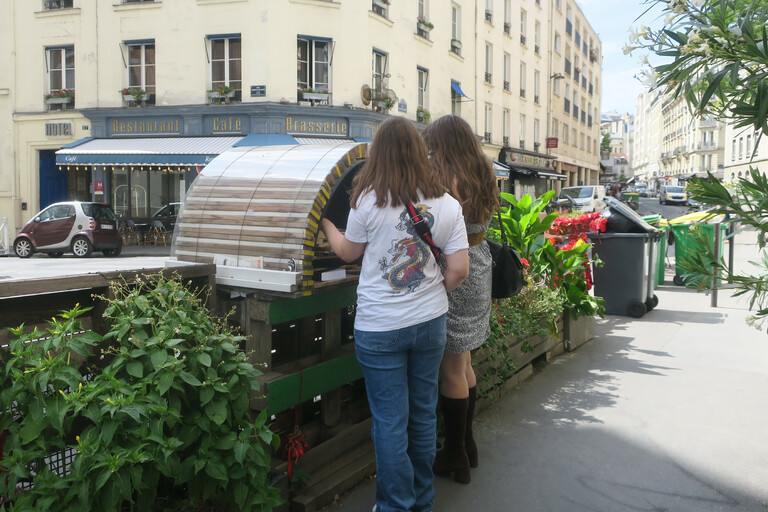
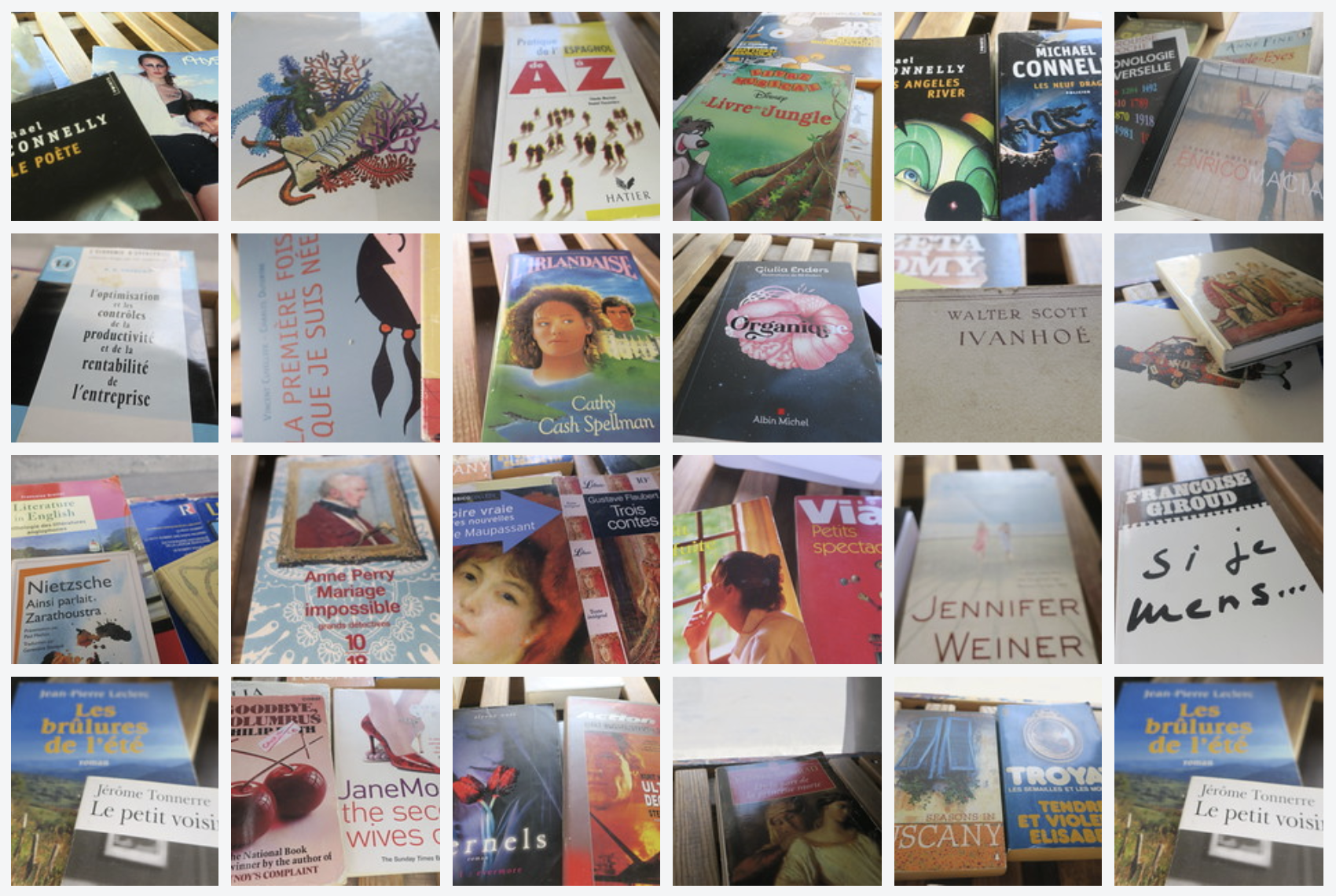
    Inventaire d’une boîte à livres : Comme le lecteur dans son livre.

    ▻https://liminaire.fr/ecriture/proces-verbal/article/comme-le-lecteur-dans-son-livre

    https://liminaire.fr/local/cache-vignettes/L768xH512/55450142899_b6bd1f2f9c_k-7c618.jpg?1786180396 https://liminaire.fr/IMG/png/capture_d_e_cran_2026-08-02_a_15.13_52.png

    #Récit, #Livres, #Photographie, #Boiteàlivres, #Paris

    liminaire @liminaire CC BY
    Écrire un commentaire
  • @liminaire
    liminaire @liminaire CC BY 2/08/2026

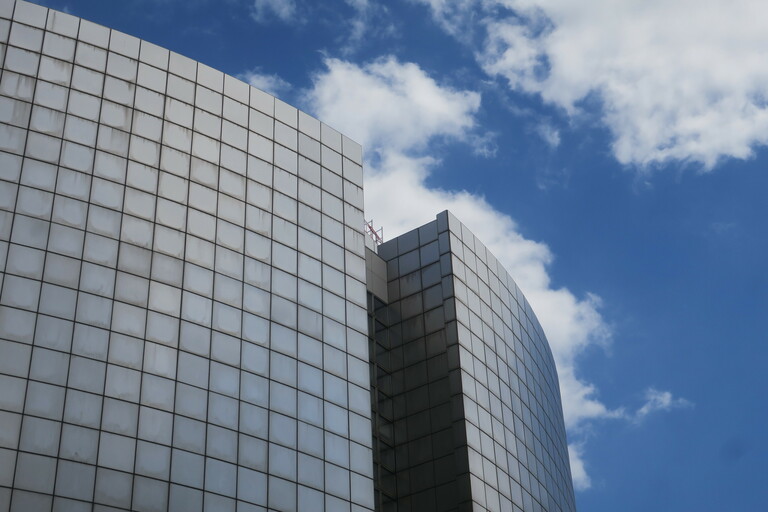
    Géométrie des nuages : Laisser venir l’émotion sans être engloutie par elle. Les vibrations de l’air. Face à l’inévitable.

    ▻https://liminaire.fr/chronique/entre-les-lignes/article/geometrie-des-nuages

    https://liminaire.fr/local/cache-vignettes/L768xH512/55423237058_2c61d40f52_k-6fe23.jpg?1785257441 https://liminaire.fr/local/cache-vignettes/L768xH512/55425146727_e93afd4244_k-f286a.jpg?1785257442

    #Récit, #Poésie, #Photographie, #ContactsSuccessifs

    liminaire @liminaire CC BY
    Écrire un commentaire
  • @liminaire
    liminaire @liminaire CC BY 1/08/2026

    #Journal du regard : Juillet 2026

    ▻https://liminaire.fr/chronique/journal/article/journal-du-regard-juillet-2026

    ▻https://www.youtube.com/watch?v=KOOq3n0EpDc

    Chaque mois, un film regroupant l’ensemble des images prises au fil des jours, le mois précédent, et le texte qui s’écrit en creux. « Une sorte de palimpseste, dans lequel doivent transparaître les traces - ténues mais non déchiffrables - de l’écriture “préalable” ». Jorge Luis Borges, Fictions

    (...) #Journal, #Vidéo, #Architecture, #Art, #Écriture, #Voix, #Sons, #Mémoire, #Paysage, #Ville, #Journal_du_regard, #Regard, #Dérive, #Photographie, #Nature, #Paris, #Été, #Jardin (...)

    liminaire @liminaire CC BY
    Écrire un commentaire
  • @touti
    vide @touti 4/07/2026
    3
    @vazi
    @fonkisifou
    @biggrizzly
    3

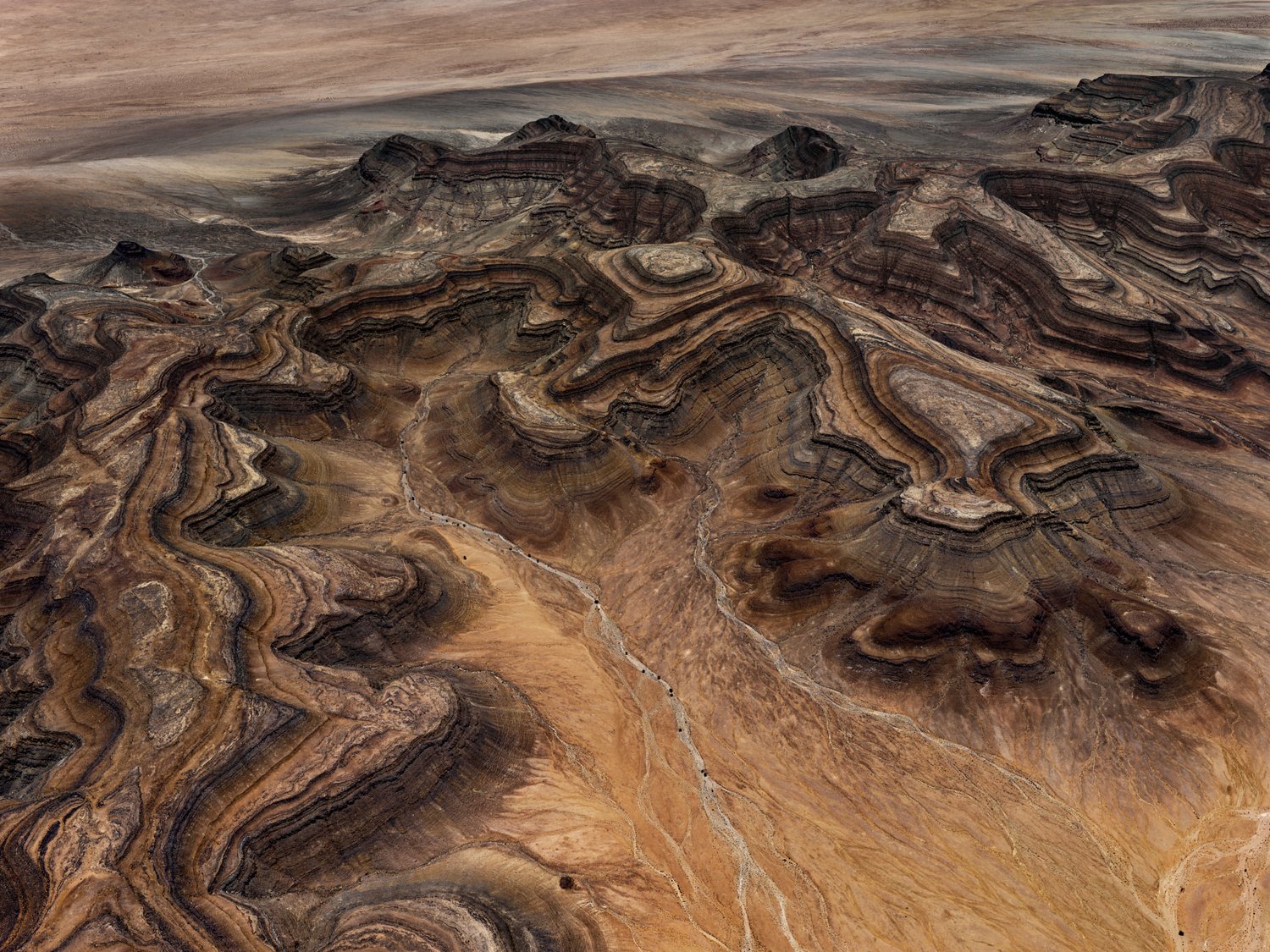
    Edward Burtynsky #photographies
    ▻https://www.edwardburtynsky.com/events

    http://static1.squarespace.com/static/5915c70e59cc6830f44a9d74/t/645a5842d4e5fa7d8d479577/1683642434173/AFR_NAM_SPER_TSA_01_18_SRC_2K.jpg?format=1500w

    vide @touti
    Écrire un commentaire
  • @liminaire
    liminaire @liminaire CC BY 1/07/2026

    #Journal du regard : Juin 2026

    ▻https://liminaire.fr/chronique/journal/article/journal-du-regard-juin-2026

    ▻https://www.youtube.com/watch?v=XQBsy2YxmB8

    Chaque mois, un film regroupant l’ensemble des images prises au fil des jours, le mois précédent, et le texte qui s’écrit en creux. « Une sorte de palimpseste, dans lequel doivent transparaître les traces - ténues mais non déchiffrables - de l’écriture “préalable” ». Jorge Luis Borges, Fictions

    (...) #Journal, #Vidéo, #Architecture, #Art, #Écriture, #Voix, #Sons, #Mémoire, #Paysage, #Ville, #Journal_du_regard, #Regard, #Dérive, #Photographie, #Nature, #Paris, #Été, #Jardin (...)

    liminaire @liminaire CC BY
    Écrire un commentaire
  • @liminaire
    liminaire @liminaire CC BY 22/06/2026

    Série (texte et photographie) à suivre sur la revue TINA online des Éditions JOU.

    ▻https://editionsjou.net/2026/06/05/289-sur-le-banc-16-par-pierre-menard

    https://editionsjou.net/app/uploads/2026/05/Sur-le-banc-16.jpg

    #Récit, #Poésie, #Photographie, #Banc, #RevueTINA

    liminaire @liminaire CC BY
    Écrire un commentaire
  • @liminaire
    liminaire @liminaire CC BY 22/06/2026

    Série (texte et photographie) à suivre sur la revue TINA online des Éditions JOU.

    ▻https://editionsjou.net/2026/06/02/287-sur-le-banc-15-par-pierre-menard

    https://editionsjou.net/app/uploads/2026/05/Sur-le-banc-15.jpg

    #Récit, #Poésie, #Photographie, #Banc, #RevueTINA

    liminaire @liminaire CC BY
    Écrire un commentaire
0 | 25 | 50 | 75 | 100 | 125 | 150 | 175 | 200 | ... | 975

Thèmes liés

  • #photographie
  • #récit
  • #poésie
  • #contactssuccessifs
  • #photographie
  • #revuetina
  • #banc
  • #écriture
  • #paris
  • #journal
  • #vidéo
  • #sons
  • #paysage
  • #ville
  • #architecture
  • #voix
  • #mémoire
  • #journal_du_regard
  • #regard
  • #dérive
  • #art
  • #nature
  • #histoire
  • #photographies
  • #jardin
  • #été
  • #berlin
  • #presse
  • #livre
  • #lecture
  • #littérature
  • #printemps
  • #archive
  • #archives
  • #marseille
  • #hiver
  • #italie
  • #campagne
  • #history
  • #china