On ne paie plus les développeurs pour écrire du code - YouTube
▻https://www.youtube.com/watch?v=AiytemqB_F0
#ia #agents #tests #développement
Avec quelques commentaires intéressants et variés de dévs sous la vidéo… mi déprimés mi convaincus
On ne paie plus les développeurs pour écrire du code - YouTube
▻https://www.youtube.com/watch?v=AiytemqB_F0
#ia #agents #tests #développement
Avec quelques commentaires intéressants et variés de dévs sous la vidéo… mi déprimés mi convaincus
La vidéo suivante sur le timing des failles de sécu trouvées par les IAs va t’intéresser. Interview de Sylvestre Ledru
dev Mozilla qui parle des failles et corrections firefox et des logiciels libres et ouvre une petite fenêtre d’espoir « A un moment il y aura beaucoup moins de failles de sécu » bref un petit point d’espoir...
▻https://www.youtube.com/watch?v=VdpqKwFXYls
Huhu j’allais poster la même suite aussi :)
La différence c’est que Mozilla, illes ont pu lancer Mythos sur leur code… (ce qui prouve assez clairement que c’était pas un effet d’annonce et que « ça marche », en terme de réponse à ce besoin).
Aussi ils lancent des analyses et attaques par LLM sur chaque PR intégrées (en intégration continue)… z’ont le budget pour ça, en plus de cramer énergie et eau rien que pour être mieux sécurisé.
Je ne suis pas véritablement certain qu’il y ait de beaucoup d’espoir dans cette vidéo ^^ : 1 à 2 ans à dépoter de la faille qu’ils disent… Les agents moins puissants et disponibles sont quand même déjà très bons, d’autres apprennent par distillation des grands modèles… Des PR automatiquement vérifiées avec un coût IA non négligeable qui sera intenable pour des petites structures…
Le mafie lavano più bianco
Le organizzazioni criminali italiane e il riciclaggio di denaro in Ticino: dal Placement alla minaccia delle criptovalute
Quanti soldi riciclano le organizzazioni criminali italiane in Ticino? E come lo fanno? Dagli anni Settanta, con la stagione dei sequestri, le mafie hanno sistematicamente utilizzato (o tentato di utilizzare) la nostra piazza finanziaria. La casistica nota – di cui riporto gli esempi più significativi – mostra il ricorso a tutte le fasi del processo di “ripulitura”: il deposito su conti correnti o in cassette di sicurezza (Placement); le operazioni bancarie disposte per mascherare la provenienza dei fondi (Layering); la loro immissione nel circuito dell’economia legale (Integration). Il progressivo rafforzamento delle norme antiriciclaggio, nate nel 1990 proprio grazie alle falle emerse con la “Pizza Connection” e i narcodollari “lavati” da Cosa Nostra in Svizzera, ha notevolmente ridotto i rischi. Ma le cosche non sono state a guardare. Dal mondo reale stanno passando all’universo virtuale, per sfruttare i vantaggi delle criptovalute e i vuoti legislativi tuttora esistenti.
▻https://novitafiscali.ch/articoli/2019/n-11-novembre-2019/le-mafie-lavano-piu-bianco
#mafia #Suisse #Tessin #blanchissement_d'argent #finance #cryptomonnaies #criminalité_organisée #Francesco_Lepori #Placement #banques #Layering #Integration #Pizza_Connection
Big Tech’s $2.7 #trillion #AI bill comes due: Chart of the Day
▻https://finance.yahoo.com/markets/article/big-techs-27-trillion-ai-bill-comes-due-chart-of-the-day-100000100.ht
Jared Blikre Wed, June 24, 2026 at 12:00 PM GMT+2
The “Magnificent Seven” plus #Broadcom (AVGO) and #Oracle (ORCL) have #lost roughly $2.7 trillion in market value in June, according to Yahoo Finance analysis, as investors take a harder look at the companies funding the AI build-out.
Initially, this month’s reset focused on the Magnificent Seven. Now the pressure captures Broadcom and Oracle — two names closely tied to the AI infrastructure build-out.
The reset cuts across both sides of the AI complex.
The Magnificent 7 plus Broadcom and Oracle have erased roughly $2.7 trillion in market value this month as investors reprice the companies funding and powering the AI buildout.
The “Magnificent Seven” plus Broadcom and Oracle have erased roughly $2.7 trillion in market value this month as investors reprice the companies funding and powering the AI build-out. · Yahoo Finance analysis of AlphaSpace data
#Nvidia (NVDA) and Broadcom are tied to the hardware boom. #Microsoft (MSFT), #Alphabet (GOOGL, GOOG), #Amazon (AMZN), #Meta (META), and Oracle are tied to the spending boom. #Apple (AAPL) and #Tesla (TSLA) remain part of the megacap growth trade investors have treated as an AI-adjacent proxy.
The market is putting a price on the cost of the build-out.
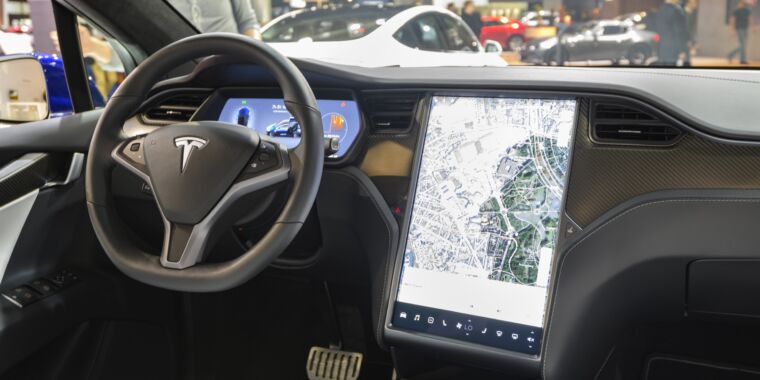
Tesla Has Highest Fatal Accident Rate Among Auto Brands, Study Finds
▻https://www.roadandtrack.com/news/a62919131/tesla-has-highest-fatal-accident-rate-of-all-auto-brands-study
#Tesla vehicles suffer fatal #accidents at a rate that’s twice the industry average, according to a new report.
Apparemment, ces véhicules sont une sorte d’épreuve ou de joker pour les #darwin_awards
Smart City: la tecnologia che rende le città più sicure ed efficienti
▻https://informareonline.com/smart-city-la-tecnologia-che-rende-le-citta-piu-sicure-ed-efficient
Quando si parla di Smart City si pensa spesso a un futuro lontano fatto di sensori, intelligenza artificiale e automazione. In realtà, molte delle tecnologie che stanno trasformando le città sono già operative e contribuiscono ogni giorno a migliorare la qualità dei servizi offerti ai cittadini. Mobilità, sicurezza urbana, gestione del territorio e digitalizzazione dei […] L’articolo Smart City: la tecnologia che rende le città più sicure ed efficienti proviene da Informareonline, scritto da Redazione Informare
#Approfondimenti #Attualità #Magazine_Giugno_2026 #ibs #polizia_locale #safe_street #Tesisitaly
Immigration : le ministère de l’Intérieur va expérimenter l’usage de l’IA pour gérer les #contentieux
L’#outil baptisé « #Astrée » sera testé dans les préfectures de Seine-Saint-Denis, des Bouches-du-Rhône, Hautes-Alpes et Ille-et-Vilaine.
Le ministère de l’Intérieur va expérimenter dans les prochains mois l’usage de l’intelligence artificielle (IA) dans la gestion du traitement du contentieux des étrangers, en particulier les contentieux en lien avec « l’entrée et le séjour en France », a appris mardi 19 mai l’Agence Radio France auprès du ministère, confirmant une information de Mediapart (►https://www.mediapart.fr/journal/france/300426/le-ministere-de-l-interieur-compte-experimenter-l-usage-de-l-ia-pour-l-imm).
Quatre préfectures (Seine-Saint-Denis, Bouches-du-Rhône, Hautes-Alpes et Ille-et-Vilaine) ont été sélectionnées pour participer à cette expérimentation dédiée « aux contentieux relatifs à l’entrée et au séjour des étrangers en France », à partir de la fin de l’année 2026. Le bureau du contentieux de la sous-direction des visas, dépendant de la Direction générale des étrangers en France, se joindra également à cette expérimentation.
Le contentieux des étrangers et étrangères recouvre toutes les démarches engagées en justice afin de contester des décisions prises par le ministère de l’Intérieur, comme une mesure d’éloignement, une obligation de quitter le territoire français (OQTF) ou un refus de délivrance de titre de séjour. Selon le ministère de l’Intérieur, l’activité contentieuse relative au droit de l’entrée et du séjour des étrangers en France a augmenté « significativement » entre 2024 et 2025, avec une hausse de 18,8 % des requêtes enregistrées.
« Soulager des tâches annexes »
Cet outil d’intelligence artificielle, baptisé « Astrée » pour « #Assistance_au_traitement_des_requêtes », est actuellement développé par la Direction des libertés publiques et des affaires juridiques (DLPAJ) et la Direction de la transformation numérique (DTNUM). Son objectif sera d’"automatiser, fiabiliser et optimiser les tâches répétitives liées à l’activité des services contentieux", explique le ministère.
« Astrée réalisera par exemple un premier travail d’analyse des requêtes afin d’en extraire les données nécessaires à une #synthèse du dossier. Cette synthèse permettra d’orienter plus facilement le dossier puis permettra au rédacteur de bénéficier des éléments clés pour initier son enquête juridique », justifie le ministère auprès de l’Agence Radio France. « L’intelligence artificielle n’a donc aucunement vocation à se substituer aux rédacteurs ; y recourir vise à les soulager des tâches annexes qu’ils rencontrent tout au long de la procédure et qu’ils doivent prendre en charge au détriment de l’instruction de fond ».
▻https://www.franceinfo.fr/internet/intelligence-artificielle/immigration-le-ministere-de-l-interieur-va-experimenter-l-usage-de-l-ia-p
#IA #AI #intelligence_artificielle #migrations #immigration #France #expérimentation #test
ping @karine4
–-
voir aussi :
▻https://seenthis.net/messages/1174134
Droga e pistole, i giochi dei ragazzi invischiati con la mafia
Un documentario della RSI ripercorre la cronaca degli anni ’90 e il legame tra il paese calabrese di Mesoraca e Lamone, dove vivono molti mesorachesi immigrati.
Lamone ¨è un comune svizzero, nel distretto di Lugano, che oggi conta poco meno di 1’800 abitanti. Mesoraca si trova in Calabria, nel Crotonese, e ne ha circa 6’500.
A legare questi due luoghi, negli anni ’90, è la densità di persone immigrate da Mesoraca e trasferite a Lamone. Tra queste, a infiltrarsi nella popolazione onesta e lavoratrice, ci sono stati anche esponenti della mafia.
La cosiddetta Cosca di Mesoraca nasce nel 1990 grazie in gran parte al traffico di armi proveniente dalla Svizzera. Un legame che rende il clan potente agli occhi dei rivali che diventano dipendenti dalla Cosca per i suoi legami con la Svizzera.
A risentirne è tutta la comunità di immigrati già installata in Ticino, vista suo malgrado dalla criminalità come una presenza nella quale confondersi: la rispettabilità dei lavoratori uno scudo dietro al quale nascondersi.
Ma se a viaggiare verso sud ci sono le armi, a tornare al nord è il traffico di droga. La vita di diversi giovani cresciuti in Ticino e in Calabria negli anni ’90 è stata segnata dalla presenza della ‘ndrangheta.
Il documentario di Anna Bernasconi e Matteo Born andato in onda all’interno del programma della RSI Storie ripercorre la cronaca di quegli anni:
▻https://www.tvsvizzera.it/tvs/qui-frontiera/droga-e-pistole-i-giochi-da-ragazzi-quando-si-%C3%A8-invischiati-con-la-mafia/87577355
Possible de voir le documentaire sur PlaySuisse:
Giochi da ragazzi
▻https://www.playsuisse.ch/detail/3472412
#Suisse #Calabre #Tessin #Masoraca #Masoraca_boys #Lamone #armes #trafic_d'armes #ndrangheta #film #documentaire #film_documentaire
Associazione Mesorachesi in Ticino
L’Associazione Mesorachesi in Ticino, (A.M.I.T.) nasce nel mese di aprile del 1999 a Bellinzona, città della Svizzera italiana, dove è forte la presenza di calabresi; del resto, la sola comunità mesorachese nel Canton Ticino è formata da oltre tremila persone. Da qui l’esigenza di costituire un sodalizio stabile in grado di rendere visibile questa presenza: nasce così l’AMIT. Quali sono gli impegni dell’Associazione svizzera di mesorachesi è presto detto: creare occasioni d’incontro di tipo culturale, sociale e ricreativo fra i conterranei; la prima festa sociale si è svolta a metà ottobre ’99, con una massiccia presenza di pubblico (circa un migliaio di persone, Un altro impegno assunto dall’AMIT è di adoperarsi per rafforzare le condizioni d’inserimento nel Cantone Ticino da parte dei nostri lavoratori immigrati e le proprie famiglie. Infine, l’AMIT rivolgerà i propri sforzi per favorire lo sviluppo dell’economia del comune d’origine, la lontana Mesoraca di cui si vuole conservare vivo il rapporto.
‘Ndrangheta di confine, così le cosche hanno preso il controllo
Omicidi, racket, traffici e incendi. Ecco come le cosche calabresi hanno preso il controllo di Luino e Ponte Tresa, a un passo dalla Svizzera. «Il piano per sterminare gli imprenditori rivali»
Questi monti che si tuffano nell’acqua azzurra erano la terra dei contrabbandieri raccontata dallo scrittore Piero Chiara. Ma la gente del lago oggi conta gli incendi dolosi, dodici soltanto dallo scorso novembre. E impara i nomi di chi, in questa zona di confine, ha trovato il modo di comandare con le leggi alla rovescia della ‘ndrangheta. Bruciano le macchine, s’incendiano i camion e si raccontano storie che puzzano di mafia. Si narra, adesso, la storia di due clan calabresi che hanno deciso di prendersi l’ultimo pezzo d’Italia, che da Ponte Tresa arriva fino a Luino, e buona parte della Svizzera. Trafficando armi ed esportando cocaina, trasformando i soldi in case, villette e locali. Un «patto mafioso» che vede dietro a estorsioni, incendi e omicidi i terribili Torcasio di Lamezia Terme e l’élite della cosca Ferrazzo di Mesoraca in provincia di Crotone sovraintendere al traffico di droga e a quello di armi. Pistole e fucili partiti dalla Svizzera e arrivati fino alla faida di Scampia. Un traffico - documentato dai carabinieri - di 284 tra revolver, pistole semiautomatiche e Kalashnikov, gestito dagli uomini di Mario Donato Ferrazzo, 54 anni e dal broker delle cosche trapiantato a Winterthur (Canton Zurigo ) Fortunato Andali, 59 anni. Un intreccio di omicidi e morti sospette rimasti senza colpevole. Una storia che qui, dove tra villette, ristoranti a menu fisso e capannoni la ‘ndrangheta neppure tenta di nascondersi, mette davvero i brividi.
Gli omicidi
Per capire cosa sta succedendo oggi bisogna riavvolgere il filo della memoria. Occorre tornare indietro di 22 anni, al 15 maggio del ‘94 quando in un’auto bruciata nei boschi di Bedero Valcuvia furono scoperti i corpi di Filippo Marini e Patrizia Ferraro, ammazzati con un colpo di pistola in testa. Le indagini dicono che Marini, pregiudicato, frequentava Giuseppe Torcasio (mai condannato per mafia) e il suo luogotenente Giorgio Perboni. L’11 ottobre del ‘97 viene ucciso a Marchirolo un altro pregiudicato, Sergio Bosio, mentre il 9 luglio di un anno dopo colpi di kalashnikov contro un’auto in corsa uccidono Antonio Bevaqua, calabrese di Motta Santa Lucia. L’ultimo delitto, il solo risolto, è del 28 maggio 2001 quando vicino al cimitero di Cugliate Fabiasco viene freddato Giorgio Perboni. Per quell’omicidio sarà arrestato Pietro Pollizzi, braccio destro di Torcasio. Pollizzi diventerà un collaboratore di giustizia, poi cercherà di evitare l’ergastolo dicendosi pazzo. Ma nei suoi verbali, finiti alla Dda di Milano, il pentito racconta gli affari della ‘ndrangheta e la volontà di Giuseppe Torcasio, imprenditore, di «uccidere tutti i concorrenti per accaparrarsi il mercato delle costruzioni». Tanto che Perboni - secondo Pollizzi - sarebbe stato ucciso proprio perché si era rifiutato di assassinare, su ordine di Torcasio, un imprenditore.
Le morti sospette
Ma non è tutto. Perché ci sono altre due morti misteriose classificate dalla polizia elvetica come suicidi ma per i quali - scrivono i carabinieri di Varese - si nutrono forti dubbi circa la loro effettiva natura. Il 23 febbraio 2001 #Valerio_Mascaro, 24enne di Senago, muore in un bosco di Lamone nel Canton Ticino. La pistola che l’ha ucciso viene ritrovata sul petto. Due anni dopo, il 23 agosto 2003, il fratello di Pietro Pollizzi, Antonio, viene trovato senza vita nella sua casa di Emmen nel Cantone di Lucerna. «Morte provocata dall’esplosione di un colpo di pistola». Per gli svizzeri è suicidio. Il rapporto tra i Torcasio e i Ferrazzo viene svelato da una serie di informative dell’Arma: «I due gruppi si sono spartiti le attività illecite spadroneggiando nella zona approfittando del clima di terrore instauratosi tra la popolazione che ha assistito, nel tempo, alla consumazione di gravi e plateali delitti che avevano come scopo proprio quello di seminare il panico tra la gente inducendola a sottostare alle volontà dei protagonisti». ù
Fiamme e politica
La «Vecchia Brera» di Marchirolo è un ristorante dai prezzi onesti gestito da tunisini. Qui a giugno sono andati a fuoco due furgoni. «Torcasio? Viene qui spesso, una brava persona. Dà sempre una mancia ai miei figli», racconta il titolare. Lungo la strada che porta a Ponte Tresa sono andate a fuoco 12 macchine. A due passi da un cantiere di Torcasio a Cadegliano Viconago il 13 novembre brucia una Kia Picanto parcheggiata nel cortile di un autosalone. Nelle telecamere si vede un uomo che versa benzina. Caso irrisolto. Torcasio è già stato coinvolto in indagini sul racket. «Paga che stai per morire», le minacce agli imprenditori. E quando una vittima si rifiuta di pagare (e anzi fa denuncia) un finanziere (infedele) in servizio a Ponte Tresa avvisa Torcasio: «Quello ha parlato con i carabinieri». Ma le minacce arrivano anche alla politica. A Marchirolo, picchia un consigliere comunale, agente della polizia locale a Ponte Tresa, che ha scattato foto a un suo cantiere. «Torcasio? Una storia chiusa, non voglio saperne niente».
▻https://milano.corriere.it/notizie/cronaca/16_ottobre_15/ndrangheta-confine-cosi-cosche-hanno-preso-controllo-04057b4a-92ac-1
Iran war : We spoke to the man making Lego-style AI videos that experts say are powerful propaganda
▻https://www.bbc.com/news/articles/cjd8jrd1vnyo
https://ichef.bbci.co.uk/news/1536/cpsprodpb/b1ff/live/7a287980-35bd-11f1-aa65-43b95e4e356e.jpg.webp Sans rire, je me sens dépassé et je ne comprends pas les commentaires enthousiastes des spectateurs quand on tourne un sujet aussi grave que la guerre en pseudo-reenactment sans humour.
J’ai la nostalgie de l’époque d’une BBC indépendente qui se moquait de Reagan et des ayatollahs.
Là j’attends qu’un imbécile lance les sanctions contre Lego et le Danemark. Pas drôle.
Matt Shea, Presenter, Top Comment and Laurie Kalus,Producer, Top Comment
Explosive Media A screenshot from an AI-generated pro-Iran propaganda video showing an Iranian soldier chasing a US soldierExplosive Media
At first glance they look like they could be scenes out of a Lego movie, although more vivid and fast-paced.
But these viral AI videos inspired by the instantly recognisable Lego aesthetic feature dying children, fighter jets and US President Donald Trump - and are in fact pro-Iran propaganda.
For our new BBC podcast, Top Comment, we spoke to a representative of Explosive Media, one of the key accounts generating these clips. He wanted us to refer to him as Mr Explosive.
He’s a savvy social media operator who initially denies working for the Iranian government. In previous interviews the outlet has said it is “totally independent”. But upon further questioning, Mr Explosive admits the regime is a “customer” - something he’s never before confirmed publicly.
The overriding message of these videos is that Iran is resisting what it sees as an almighty global oppressor: the United States.
The clips are garish and not subtle at all - but that hasn’t put a dent in how vigorously people are sharing and commenting on them.
In one of the videos, Donald Trump falls through a whirlwind of “Epstein file” documents as rap lyrics tell us “the secrets are leaking, the pressure is rising”.
In another, George Floyd can be seen under a policeman’s boot as we hear Iran is “standing here for everyone your system ever wronged”.
“Slopaganda” - coined in an academic paper last year as a play on ’AI slop’ - is too weak a term to capture how powerful this “highly sophisticated” content is, says leading propaganda expert Dr Emma Briant.
AI-generated propaganda clips are estimated to have been viewed hundreds of millions of times over the course of the war.
▻https://www.youtube.com/watch?v=Q0BSptfsqJo
Explosive Media’s AI-generated propaganda videos are not so subtle
In our video call with Mr Explosive, he appears silhouetted and flanked by red and green light, the colours of the Iranian flag. On his desk there’s a green-feathered helmet associated with the Shia warrior Husayn ibn Ali, who features in several of their videos.
He says his team at Explosive Media consists of fewer than ten people who use Lego-style graphics “because it is a world language”. Iranian and Russian state media accounts on X regularly share them to millions of followers.
We ask Mr Explosive why the Epstein files feature so heavily in his videos.
He says it’s to show the audience the “kind of confrontation they are witnessing” between Iran - which is “seeking truth and freedom” - against “those who associate themselves with cannibals”.
This is a reference to the theory that the Epstein files link the Trump administration to cannibalism - a claim for which there is no credible evidence.
Watch: We challenge Mr Explosive on factual inaccuracies in one of his Lego-style clips
The videos are also littered with factual inaccuracies - so we ask Mr Explosive about them.
In one clip, the Iranian military is shown capturing a downed US fighter-jet pilot. US officials have confirmed the downed airman - who was stranded in a remote, mountainous region of Iran after his aircraft was shot down - was rescued by US special forces on 4 April.
Mr Explosive does not accept this, saying: “Possibly there was no lost pilot, there was no rescue operation. Their main goal was to steal uranium from Iran.”
When we push back - citing US officials who say the airman is now receiving treatment in Kuwait - he claims: “Only 13% of what Mr Trump says is based on facts.”
Explosive Media’s airman video has successfully amplified this alternative narrative among English-speaking audiences.
One partisan US-based TikTok influencer - @newswithsteph - told her viewers the Lego videos had been “shockingly accurate so far; they broke the story about the recent US pilot mission that wasn’t a rescue mission at all but a special ops mission for uranium”.
AI has enabled Iran and others to communicate directly with Western audiences more effectively than ever before, Briant says. They are using tools largely trained on Western data, making them ideal for creating “culturally appropriate” content.
This is what “authoritarian countries wanting to target the West have lacked in the past”.
Dr Tine Munk, a cyber warfare expert at Nottingham Trent University, characterises Iran’s tactics as “defensive memetic warfare” which the creators see as necessary to combat US rhetoric.
Getty Images People visit a residential area in Tehran, Iran, on April 9, 2026, that was affected during U.S.-Israeli military operations on March 9Getty Images
US-Israeli military action has caused destruction in Iran since the beginning of the war in February
Explosive Media videos first appeared in early 2025 - but their popularity has grown enormously in the wake of the US-Iran war.
The Lego-style clips are also becoming increasingly detailed, showing highly specific Gulf locations including power stations, airports and industrial sites being totally destroyed by Iranian missiles.
In reality, most have only sustained limited damage.
The videos are often produced in “real time” and appear quickly after major developments in the war. One video about the ceasefire agreement was published before any official announcements.
Thousands of people have been killed in Iran, Lebanon and other Middle Eastern countries, according to officials in these nations. The current conflict started in February after the US and Israel launched strikes on Iran.
After some back-and-forth in our conversation, Mr Explosive admits the Iranian government is indeed a “customer” of his company. In earlier Instagram messages, he’d told us his operation had been directly commissioned for multiple projects by Iranian officials.
But Mr Explosive defends his team’s relationship with the government saying it was “honourable to work for the homeland”. He dismisses the recent mass protests as a “coup” funded by President Trump.
Mr Explosive also rejects allegations we put to him his videos use antisemitic tropes. “Our videos are not antisemitic; our videos are anti-Zionist,” he says. Defending the depiction of Israeli Prime Minister Benjamin Netanyahu drinking blood, he says such imagery highlights the “atrocities committed by him”.
Most Iranians are unable to use the internet due to a nationwide internet shutdown. Mr Explosive claims he could contact the BBC using “journalist internet” granted by the Iranian government. Iran is consistently ranked as one of the most repressive countries in the world for press freedom.
Explosive Media A screenshot from an AI-generated video of men with guns chasing a US soldierExplosive Media
Experts believe the slick AI-generated clips could represent a powerful form of internet diplomacy that’s here to stay
Social media platforms have been shutting down accounts with the Lego-style videos, but new ones seem to pop up just as quickly.
It’s a form of agile, aggressive internet diplomacy that appears to be here to stay, according to Munk.
Crucially, she adds, it’s "cutting out the middlemen, cutting out the press, the mass media, and constantly circulating memes.
"Traditional diplomacy doesn’t exist here. And it blurs our understanding of what is happening. But it also increases the risk of misinterpretation and escalation.
“So we are in a kind of limbo.”
Un peu de contre-propagande (périmée)
▻https://www.youtube.com/watch?v=E56rz7vPcj0
Pericolo #tessile
▻https://scomodo.org/pericolo-tessile
Da #prato alla #Romania, il business dello smaltimento illecito dei rifiuti tessili mascherato dal mercato dei vestiti usati L’articolo Pericolo tessile proviene da Scomodo.
#Ambiente #inquinamento #italia #smaltimento_illecito_rifiuti
Beschlagnahmter Laptop bei Tesla : Ermittler finden keine heimlichen Aufnahmen
▻https://www.berliner-zeitung.de/mensch-metropole/beschlagnahmter-laptop-bei-tesla-ermittler-finden-keine-heimlichen-
Le sale coup de Tesla contre les syndicalistes d’IG Metall est désormais un sale coup vérifié par la police. Il n’y a pas eu d’enrégistrement caché de conversations par les syndicalistes.
26.3.2026 von Oliver Weinlein - Nach schweren Vorwürfen gegen einen IG-Metall-Gewerkschafter im Tesla-Werk zeigt die Auswertung seines Laptops: Es gab keine heimlichen Mitschnitte.
Nach den schweren Vorwürfen gegen einen Vertreter der IG Metall im Tesla-Werk in Grünheide gibt es eine neue Wendung. Im Februar war es im Anschluss an eine Betriebsratssitzung zu einem Polizeieinsatz gekommen, da Vertreter des Unternehmens und einer managementnahen Liste dem Gewerkschafter vorgeworfen hatten, die Zusammenkunft heimlich mit seinem Laptop aufgezeichnet zu haben.
Daraufhin wurde der Mann durch Sicherheitskräfte vom Werksgelände verwiesen und sein Computer beschlagnahmt. Die Staatsanwaltschaft Frankfurt (Oder) nahm nach einer Anzeige des US-Autobauers Ermittlungen wegen der möglichen Verletzung der Vertraulichkeit des Wortes sowie eines potenziellen Verstoßes gegen das Betriebsverfassungsgesetz auf. Wie die IG Metall nun gegenüber dem Spiegel mitteilte, haben die Ermittlungsbehörden das Gerät umfassend geprüft und dabei keinerlei Audiodateien oder sonstige Aufzeichnungen der besagten Sitzung finden können.
Schlammschlacht vor der Betriebratswahl
Der Vorfall ereignete sich in einer ohnehin stark aufgeheizten Phase vor den Betriebsratswahlen bei Tesla. Der Werksleiter André Thierig hatte damals wenige Stunden nach dem Vorfall in einer Rundmail an die Belegschaft die Vorwürfe publik gemacht. Darin hieß es, der Gewerkschafter sei von einem aufmerksamen Betriebsratsmitglied ertappt worden. Thierig warf der Gewerkschaft im Zuge dessen unfaires Verhalten vor.
Jan Otto, der Bezirksleiter der IG Metall, wies das Vorgehen scharf zurück. Er warf der Werkleitung vor, mit falschen Behauptungen in die Betriebsratswahl eingegriffen und durch dreiste Anschuldigungen eine Schmutzkampagne losgetreten zu haben. Eine Stellungnahme der Staatsanwaltschaft sowie von Tesla zu den fehlenden Aufnahmen auf dem Laptop steht derzeit noch aus.
Juristisches Nachspiel der Betriebsratswahl
Die richtungsweisende Wahl Anfang März endete für die IG Metall mit einem Dämpfer. Die Gewerkschaft verlor Stimmanteile und landete auf dem zweiten Platz hinter der Liste Giga United um die amtierende Betriebsratsvorsitzende, der eine Nähe zum Management nachgesagt wird.
Insgesamt gingen 24 der 37 Sitze an Listen ohne gewerkschaftliche Bindung. Inzwischen geht die IG Metall juristisch gegen das Wahlergebnis im größten ostdeutschen Autowerk vor und hat beim Arbeitsgericht Frankfurt (Oder) einen Beschlussantrag zur Feststellung der Unwirksamkeit eingebracht. Begründet wird dieser Schritt mit zahlreichen Einschüchterungsversuchen, Drohungen und einer ungleichen Behandlung der Kandidaten seitens der Tesla-Werkleitung während des Wahlkampfes.
Le carenze alimentari tornano a Gaza mentre Israele inasprisce le restrizioni agli aiuti nascondendole dietro la sua guerra contro l’Iran
▻https://www.assopacepalestina.org/2026/03/24/le-carenze-alimentari-tornano-a-gaza-mentre-israele-inasprisce-le
di Tareq S. Hajjaj, Mondoweiss, 19 marzo 2026. Le restrizioni israeliane sull’ingresso degli aiuti a Gaza inasprite dopo la guerra tra Stati Uniti e Israele contro l’Iran hanno portato a carenze di beni di prima necessità e a un aumento astronomico dei prezzi, alimentando timori di un ritorno alla carestia. Yousef al-Lahham, 54 anni, ha attraversato ... Leggi tutto
#Info_dal_mondo #Rapporti_Palestina_OCHA #Testimonianze #aiuti_insufficienti_a_Gaza #fame_a_Gaza #pericolo_di_carestia
Algérie. Des frontières qui tuent l’#économie des peuples du désert
Avec plus de 6 700 kilomètres de frontières terrestres, l’Algérie fait face dans son grand Sud à un dilemme qu’aucune décision militaire ne peut trancher seule : comment sécuriser un territoire sans briser les sociétés qui le font vivre ?
Mohammed a 28 ans et conduit des camions à #Tin_Zaouatine, l’une des bourgades algériennes les plus reculées, perchée à l’extrémité sud du pays, à quelques kilomètres du #Mali. Durant sa carrière de camionneur, il traversait souvent la frontière algéro-malienne pour acheminer des marchandises au nord du Mali. Depuis la prise du pouvoir des militaires à Bamako en 2021 et l’intensification des bombardements de l’armée malienne contre les groupes djihadistes, notamment dans la région de #Gao, et contre le #Front_de_libération_de_l’Azawad (#FLA) plus au nord, son activité s’est effondrée.
« Nous vivons une abondance relative ici, dit-il, mais l’autre moitié de la famille et des proches au Mali ont été durement touchés. »
Ce témoignage résume, mieux que n’importe quelle statistique, la fracture que vivent les populations frontalières du grand Sud algérien. D’un côté, un État qui sécurise ses #marges pour faire face à l’#instabilité chronique du #Sahel. De l’autre, des sociétés tribales dont les liens de sang, de #commerce et de culture enjambent les frontières depuis des siècles — et qui subissent de plein fouet chaque tour de vis sécuritaire.
Des frontières qui n’ont jamais existé dans les esprits
L’Algérie possède la plus longue frontière terrestre d’Afrique. Ses 6 734 kilomètres la connectent à sept pays voisins, dont le Mali (1 376 kilomètres), la #Libye (989 kilomètres) et le #Niger (956 kilomètres) — trois frontières particulièrement sensibles depuis l’effondrement de la Libye en 2011 et la déstabilisation progressive du Sahel.
Mais sur le terrain, ces #lignes tracées par les États modernes se superposent à un tissu social et économique bien plus ancien, qui n’a jamais reconnu de séparations rigides. Les #Touaregs — #Imuhagh dans leur propre langue — sont présents aussi bien dans le #Hoggar et le #Tassili algériens qu’en #Azawad malien ou dans l’#Aïr nigérien (voir carte ci-dessous). Les tribus arabes #Zaouïa, comme les #Kounta, jouent depuis des générations un rôle de médiation sociale et religieuse qui dépasse les frontières, et certains de leurs notables siègent encore aujourd’hui au Parlement algérien.
Les #mariages_intercommunautaires entre l’Algérie, le Mali, le Niger et même jusqu’en Mauritanie au sud-ouest restent fréquents. Chaque crise diplomatique devient ainsi un fardeau social direct pour des #familles_éclatées de part et d’autre d’une #ligne_administrative. Le Sud algérien est aussi une #mosaïque_linguistique rare : on y parle l’#arabe et le #tamasheq, mais aussi des langues menacées comme le #korandje — mélange d’arabe, de berbère et de songhaï — ainsi que des dialectes #haoussa et #peul portés par les communautés frontalières et les flux migratoires.
Le « #tahrib », une #économie_de_survie
Dans ce contexte, la #mobilité_transfrontalière n’est pas un luxe mais une condition de survie. Pour les jeunes des zones reculées comme Tin Zaouatine, il n’existe souvent aucune autre perspective que d’intégrer les circuits du tahrib — terme qui désigne à la fois l’acte de « faire passer » et, plus largement, la #contrebande organisée. C’est ce que souligne Raouf Farrah, chercheur en géopolitique :
"Concrètement, le tahrib consiste à exporter vers le Mali des produits algériens de première nécessité, souvent subventionnés : semoule, pâtes, carburant, électronique. Le différentiel de prix entre les deux pays rend ces flux extrêmement rentables pour les opérateurs locaux. Mais ils sont aussi vitaux pour les villes maliennes voisines comme #Tessalit ou #Kida."
« le Nord-Mali, déconnecté des corridors logistiques de Bamako, dépend davantage de l’Algérie pour sa subsistance que de sa propre capitale. »
Un chiffre suffit à mesurer l’ampleur du phénomène : selon les données de l’Office National des Statistiques (2018-2023), les exportations algériennes vers le Mali et le Niger sont inférieures à 2 millions de dollars par an (1,7 million d’euros). Ce chiffre dérisoire masque une économie parallèle structurée, animée par des réseaux touareg historiques — dont le chiffre d’affaires réel a cependant été divisé par trois depuis 2011.
Trafic de documents d’identité
« Les Nigériens, Tchadiens et Soudanais paient pour devenir algériens avec l’aide des habitants de la région », rapportent des témoins contactés par Maghreb Émergent. « Le processus consiste à se faire inscrire par des Algériens comme l’un des leurs, né dans le désert. Je suis au courant de ce trafic depuis 2006, mais on m’a récemment expliqué que ce ne sont pas seulement les Nigériens et les Maliens ayant des proches algériens qui utilisent cette démarche pour obtenir la #nationalité, les Tchadiens aussi y ont recours », raconte un témoin. « J’ai des proches là-bas, ils ont ces documents payés. »
La #nationalité_algérienne coûte 600 000 FCFA (environ 1 000 euros) pour les Nigériens ou Maliens ayant des proches algériens, mais les Tchadiens paient 1 million de FCFA (1 500 euros), faute de réseau local.
La problématique de l’accès à la nationalité dans les zones frontalières du Sud algérien repose, en premier lieu, sur l’héritage complexe du #tracé_colonial. Ce #découpage_territorial a fragmenté des communautés nomades, à l’instar des #tribus_touarègues, dont les structures sociales et les modes de vie s’affranchissent des frontières étatiques. Cette situation entrave la régularisation administrative de nombreuses familles et complexifie l’établissement des preuves d’allégeance nationale, certains individus refusant par ailleurs l’adhésion aux États malien ou nigérien.
Parallèlement, le processus de #naturalisation fait l’objet de dérives systémiques impliquant des réseaux de coordination transfrontaliers entre le Mali, le Niger et la Mauritanie. Selon une source administrative, l’acquisition de la citoyenneté est désormais dénaturée par des pratiques corruptives où intermédiaires administratifs et magistrats facilitent des enregistrements frauduleux, souvent sous couvert de liens familiaux supposés avec des ressortissants subsahariens. Cette opacité structurelle occulte désormais la distinction entre les ayants droit légitimes et les bénéficiaires de manœuvres illicites.
Quand la sécurité provoque des #crises_humanitaires
La #militarisation progressive des frontières depuis 2011, puis les récentes tensions diplomatiques entre Alger et Bamako, ont asphyxié ces #échanges, avec des conséquences immédiates et sévères. Des blocus autour de villes comme #Gao et #Tombouctou ont conduit l’Algérie à suspendre momentanément ses #exportations. Le résultat a été sans appel.
« L’absence de marchandises a provoqué une véritable #catastrophe_humanitaire et alimentaire », rappelle Akram Kharief — une situation si grave qu’elle a contraint Alger à reprendre les flux pour éviter le pire. C’est la démonstration par l’absurde de l’interdépendance de ces deux espaces : on ne peut pas fermer le robinet sans que des populations en meurent de soif.
Pour les familles frontalières, la rupture prend une dimension encore plus personnelle. Elle brise les réseaux de solidarité traditionnels, met en péril des équilibres économiques construits sur des générations et transforme chaque décision politique prise à Alger ou à Bamako en tragédie familiale.
Face à l’instabilité sahélienne, la traditionnelle #hospitalité du #désert résiste, mais se fissure. Les tribus frontalières continuent de traiter les exilés subsahariens avec humanité — eau, orientation, protection. Mais l’infiltration d’éléments djihadistes cherchant à se fondre dans le tissu tribal a profondément modifié l’équation sociale.
« Cela place tout le monde sous suspicion », avertit Moussa, un exilé installé actuellement à Oran, dans l’ouest du pays, qui a travaillé pendant dix ans sur les routes transfrontalières entre le Mali et l’Algérie. Cette réalité a justifié, aux yeux des autorités algériennes, un renforcement du dispositif militaire qui limite drastiquement la #liberté_de_mouvement — y compris celle des populations locales qui n’ont rien à voir avec les réseaux armés.
Une question existentielle sans réponse facile.
Ces sociétés frontalières se trouvent aujourd’hui dans un étau. Coincées entre un État central qui, pour garantir sa sécurité, essaie de s’immuniser des réseaux djihadistes qui sévissent encore dans la région et une instabilité régionale qui ne montre aucun signe d’apaisement, elles font face à une question que ni Alger ni les capitales sahéliennes ne semblent vouloir poser ouvertement : peut-on sécuriser une frontière sans insécuriser la société qui la fait vivre ?
Comme le formule sobrement une source locale : « La frontière administrative ne peut pas annuler l’unité sociale et économique. » La vraie question est de savoir si les États de la région en ont pris la mesure — avant qu’il ne soit trop tard.
▻https://orientxxi.info/Algerie-Des-frontieres-qui-tuent-l-economie-des-peuples-du-desert
Timnit Gebru (she/her) - Mastodon
▻https://dair-community.social/@timnitGebru/116263058466613099
#Bernie_Sanders just created a video to make a point about #issues of #privacy in #AI (a real problem). His supporters on #Muskrat's platform came for me when I quote tweeted his post saying, “at this point, #Bernie’s job seems to be l#obbying for #Anthropic.”
So I’m going to elaborate on the #corporate psyop that has been happening since the beginning of time and how no one seems to learn their lesson.
#Bernie has been repeating, almost verbatim, #Dario_Amodei's talking points, for a while now, even quote tweeting him. #Amodei positions Anthropic as the #ethical alternative to #OpenAI just like OpenAI positioned itself as the ethical alternative to #Google in 2015 and everyone ate it up. This was an article from then, the headline says that Muskrat, #Thiel, #Altman + friends founded an “#altruistic AI venture” 🙄
►https://www.bbc.com/news/technology-35082344
I don’t remember who said this, but it’s like telling you to buy Camels instead of Marlboros while claiming to fight tobacco companies. If any politician parrots talking points of a CEO on a funding round, even on the harms of AI systems, you should be worried.
Remember when Altman schmoozed them and newspapers had headlines of him “begging” to be regulated and hailing him as an #Oppenheimer figure who is so worried about his own creation 🙄?
That was just last year!
►https://time.com/7267797/ai-leaders-oppenheimer-moment-musk-altman
You don’t believe Altman is such a figure but you think Amodei, who insisted that OpenAI use all 10,000 #GPUs and train the biggest model possible, when he was there, is such a figure?
In his video, Bernie is literally creating a #Claude ad, showing the system as an all knowing being that answers all of his questions. An ad for Anthropic, a company claiming that they can’t even confidently say that “Claude isn’t conscious”.
A company amassing #billions saying they’ll at once save us from evil super #intelligent #machines and build the #benevolent super intelligent machine that will solve all of our problems. They’re so worried about people not getting “reskilled” because workers are going to be replaced by their machine god that will do our jobs so much better than us. Investors want to hear about machine gods displacing workers because, well, that’s how they make money.
On another day, we’ll discuss why this is happening.
Effective altruists and overall #TESCREAL bundle #billionaires have infiltrated the #labor movement and #journalism, offering fellowships with staggering amounts of money like they invested ridiculous amounts of money into these companies claiming to build machine gods.
Money for the “problem” and #money for “the solution.”
Tech giants pledge $1bn for ’altruistic AI’ venture, OpenAI - BBC News
►https://www.bbc.com/news/technology-35082344
Prominent tech executives have pledged $1bn (£659m) for OpenAI, a non-profit venture that aims to develop artificial intelligence (AI) to benefit humanity.
The venture’s backers include #Tesla Motors and #SpaceX CEO #Elon_Musk, #Paypal co-founder #Peter_Thiel, Indian tech giant #Infosys and #Amazon Web Services.
Open AI says it expects its research - free from financial obligations - to focus on a “positive human impact”.
Scientists have warned that advances in AI could ultimately threaten humanity.
How Musk, Altman, AI Leaders Face the ’Oppenheimer Moment’ | TIME
►https://time.com/7267797/ai-leaders-oppenheimer-moment-musk-altman
This year, hundreds of billions of dollars will be spent to scale AI systems in pursuit of superhuman capabilities. CEOs of leading AI companies, such as OpenAI’s Sam Altman and xAI’s Elon Musk, expect that within the next four years, their systems will be smart enough to do most cognitive work—think any job that can be done with just a laptop—as effectively as or better than humans.
How Your At-Home DNA Test Could Send Women to Jail
▻https://jessica.substack.com/p/how-your-at-home-dna-test-could-send
Here’s the really chilling part: police say they found the Virginia woman thanks to “new technologies” and “advancements in forensic science.” Translation? They identified her using an AncestryDNA test—the kind people take to learn about their heritage, or find distant cousins.
This isn’t the first time cops have used these tests to target women over pregnancies that happened decades ago: In December 2024, a Florida woman’s DNA test led to her grandmother being charged with murder, involuntary manslaughter, and concealing the death of an individual—for the death of an ‘infant’ 20 years earlier. And an Ohio mother and grandmother was arrested in 2019 after cops used DNA testing to tie her to “a baby that was left” in the woods 26 years before.
Olimpiadi Milano-Cortina, neve (artificiale) a tutti i costi. Ma c’è il rischio che non sia abbastanza
Per innevare artificialmente le piste sono state approvate nuove opere sui fiumi, spesso senza valutazioni ambientali e senza pubblicare i piani di risparmio promessi. Alcune però non saranno pronte per l’inizio dei Giochi.
Tra il dire e il fare c’è di mezzo il mare, si dice. Quella che separa le promesse degli organizzatori delle Olimpiadi di Milano-Cortina e la realtà che si presenta a poco più di un mese dall’inizio dei Giochi, però, è acqua dolce: quella dei fiumi e dei torrenti delle Alpi lombarde, venete e trentine, già sotto stress per effetto del cambiamento climatico, che verrà prelevata al ritmo di centinaia di litri al secondo per innevare artificialmente le piste. Secondo gli organizzatori ne serviranno 836mila metri cubi: rapportato ai 27 giorni di durata dei Giochi olimpici e paralimpici, significa svuotare 12 piscine olimpioniche ogni giorno.
#Livigno, corsa contro il tempo
Per soddisfare questo fabbisogno, di molto superiore a quello delle stagioni sciistiche «normali», il dossier di candidatura prevedeva nuove opere di presa e accumulo dell’acqua. A oggi, però, solo due dei quattro bacini previsti sono stati ultimati. Prima di Natale, il presidente della Federazione internazionale di sci Johan Eliasch ha lamentato «ritardi inspiegabili», parlando di una «situazione in cui non avremmo mai dovuto trovarci». Gli occhi sono puntati in particolare su Livigno (Sondrio), comune di meno di 7mila abitanti a un passo dalla Svizzera, che per ospitare le gare di sci acrobatico e snowboard avrà bisogno di circa mezzo milione di metri cubi d’acqua.
Qui, il dossier di candidatura prevedeva la costruzione di due nuovi bacini di accumulo, uno da 200mila metri cubi nell’area di Mottolino e uno da 120mila in zona Carosello. Il primo, costato quasi 22 milioni di euro, è stato inaugurato solo a inizio dicembre, mentre il secondo sarà pronto per le Olimpiadi, ma quelle giovanili del 2028. Parlando con lavialibera la scorsa estate, il sindaco di Livigno Remo Galli li aveva definiti interventi vantaggiosi, che permetteranno di «gestire le risorse idriche in maniera più attenta all’ambiente» anche dopo le Olimpiadi: «Potremo raccogliere l’acqua nei periodi in cui ce n’è di più, cioè da maggio a luglio, invece che prelevarla in inverno quando ce n’è molta di meno». A causa dei ritardi, però, l’unico bacino realizzato è stato riempito solo nelle scorse settimane.
L’acqua arriva dal torrente Spöl, conosciuto anche come Aqua Granda, al centro di una controversia decennale: la società A2A, che tra l’altro figura tra i partner dei Giochi, preleva a monte 90 milioni di metri cubi all’anno per produrre energia idroelettrica, acqua che poi viene deviata nell’Adda, tributario del Po. Risultato: «Da vent’anni a questa parte lo Spöl è prosciugato», dice a lavialibera Nicola Faifer, fondatore del comitato L’acqua è tua, che da tempo lotta perché l’azienda rilasci il deflusso ecologico, cioè la quantità d’acqua minima per garantire la salute dell’ecosistema fluviale. «Abbiamo presentato un esposto alla Commissione europea che ci ha dato ragione e presentato una denuncia per disastro ambientale, ma nulla è cambiato». Oltre ai bacini, per i Giochi sono state presentate due domande di attingimento eccezionale da 40 litri al secondo ciascuna, valide per il solo periodo olimpico.
Anterselva, il nuovo bacino tra ritardi e impatto ambientale
Gli altri due bacini per l’innevamento artificiale erano previsti a Bormio, in Valtellina, dove si svolgeranno le gare di sci alpino maschile, e ad Anterselva, in Alto Adige, dove gareggeranno gli atleti di biathlon. Il primo, da 88mila metri cubi, è entrato in funzione poco prima di Natale. Per il secondo, invece, dal volume previsto di 31mila metri cubi, il portale della Società infrastrutture Milano-Cortina (Simico) fissa la data di fine lavori al 10 maggio 2026, due mesi dopo la fine dell’evento olimpico. L’iter è stato rallentato dal ricorso di cinque associazioni, respinto dal Tar di Bolzano lo scorso agosto. "Contestiamo i danni all’ambiente e la totale assenza di trasparenza e partecipazione nel processo decisionale», dice a lavialiberaLuigi Casanova, presidente di Mountain Wilderness Italia, tra le realtà dietro l’iniziativa. Il progetto del bacino non è stato sottoposto a una valutazione di impatto ambientale, che è stata ritenuta non necessaria come per il 60 per cento delle opere olimpiche, stando all’ultimo report di Open Olympics. «Riteniamo che l’evento olimpico abbia fallito tanto sul profilo ambientale quanto su quello della trasparenza e della democrazia – continua Casanova –. Tutte le opere sono state imposte, e di tempo per organizzare un confronto con le comunità interessate ce n’è stato».
A gennaio 2025, su richiesta della Fondazione Milano-Cortina, Simico ha avviato l’iter per la costruzione di un ulteriore invaso, non previsto inizialmente, vicino a quello già esistente in località Po’ Drusciè a Cortina, inserendolo all’interno di un intervento di «aggiornamento degli impianti di alimentazione elettrica e attrezzature». L’opera è stata però bloccata dal parere negativo della Soprintendenza del Veneto, che l’ha giudicata «incompatibile con i valori paesaggistici che qualificano il contesto di riferimento»: si procederà quindi con il «potenziamento dell’approvvigionamento del bacino esistente», aumentando quindi la pressione sulla falda da cui i pozzi attingono per il riempimento.
Nuovi prelievi in Val di Fiemme
Servirà acqua, e in abbondanza, anche per innevare artificialmente gli impianti di Tesero e Predazzo, località della Val di Fiemme, in Trentino, che ospiteranno rispettivamente le gare di fondo e salto con gli sci. Qui, il fabbisogno idrico stimato dagli organizzatori è di 72mila metri cubi, più del doppio del consumo medio registrato negli ultimi anni per il mantenimento degli impianti. L’acqua verrà prelevata dal torrente Avisio, come già avviene durante la stagione sciistica, ma in volumi molto maggiori in virtù di una nuova concessione della portata massima di 100 litri al secondo e grazie a un’opera di presa aggiuntiva a Tesero. «Aumentare i prelievi da corsi d’acqua già ampiamente sfruttati significa causare ulteriori squilibri all’ecosistema», dice a lavialibera Tommaso Bonazza, portavoce del comitato Acque trentine, che ha presentato una serie di osservazioni critiche nei confronti del progetto, rimaste inascoltate. Non solo: l’opera ricade parzialmente in un’area protetta dove vige il divieto di costruzione, ma è stata comunque ritenuta «compatibile».
Nella relazione ambientale della Fondazione Milano Cortina si parla anche dell’utilizzo, per l’innevamento artificiale a Tesero, di «acqua potabile di 54 pozzi». «Non è raro che succeda – prosegue Bonazza –. In passato, alcuni sindaci si sono quasi trovati a scegliere se dare l’acqua ai cittadini o alle piste. Prima che si arrivi allo scontro sociale, che è inevitabile man mano che la coperta si fa più corta, bisognerebbe ripensare questo modello di sfruttamento intensivo dei nostri territori».
Consumi idrici, trasparenza a secco
Sulla carta, il tema è al centro dell’attenzione degli organizzatori: già il dossier di candidatura del 2019 prevedeva il calcolo della water footprint (impronta idrica) dei giochi secondo gli standard internazionali, impegno ribadito nel 2024 nel rapporto ambientale insieme alla promessa di sviluppare un «piano di riduzione dei consumi idrici». Di nessuno dei due strumenti, però, si trova traccia. Contattata da lavialibera la scorsa estate, Fondazione Milano Cortina ha assicurato che entrambi «sono oggetto di confronto con il Comitato olimpico internazionale», ma non è detto che vengano resi pubblici perché «sicuramente verrebbero strumentalizzati». Si ipotizza anche che possano essere diffusi dopo la fine dei Giochi in forma consuntiva, il che impedirebbe – come già sta accadendo – qualsiasi forma di collaborazione e monitoraggio da parte delle comunità interessate. «I dati dettagliati su volumi idrici, fonti di approvvigionamento e strategie di gestione non sono stati resi pubblici in modo organico – dice a lavialiberaFabio Tullio, presidente di Legambiente Treviso –. Queste mancanze impediscono una valutazione indipendente e un dibattito pubblico informato sull’effettiva sostenibilità idrica dei Giochi».
Rischio reflui
A preoccupare chi abita lungo i torrenti delle valli che ospiteranno i Giochi non è solo quanta acqua ne uscirà, ma anche cosa potrebbe entrare. «C’è un rischio enorme legato alla gestione dei reflui – dice Bonazza –. Già adesso, nelle località maggiormente interessate dal turismo di massa invernale, i depuratori non riescono a far fronte ai picchi di affluenza e spesso permettono alle acque sporche di finire nei fiumi. Immaginiamo cosa potrebbe succedere durante le Olimpiadi». Nella relazione di sintesi di dicembre 2024, gli organizzatori hanno dichiarato che gli scarichi liquidi verranno gestiti attraverso serbatoi, escludendo quindi immissioni nella rete fognaria e nei torrenti, ma «non è ad oggi disponibile il progetto del sistema di gestione (modalità e frequenza di raccolta, siti di destinazione, modalità di smaltimento e di trasporto)». Nello stesso documento, e in apparente contraddizione, si evoca l’eventualità di «scarichi di reflui nei corpi idrici superficiali», che verrà gestita con l’implementazione di un «piano di monitoraggio». Anche di questo, però, non si trova traccia pubblica.
▻https://lavialibera.it/it-schede-2353-olimpiadi_milano_cortina_neve_artificiale_impatto_idrico_
#JO2026 #jeux_olympiques #Alpes #neige #neige_artificielle #eau #Mottolino #Carosello #coût #prix #Spöl #Aqua_Granda #A2A #Anterselva #Bormio #environnement #Po_Drusciè #paysage #Tesero #Predazzo #Val_di_Fiemme #Avisio #eau_potable #water_footprint #Milano-Cortina
All Sorted by Machines of Loving Grace ? - media.ccc.de
▻https://media.ccc.de/v/39c3-all-sorted-by-machines-of-loving-grace-ai-cybernetics-and-fascism-and
— Permalink
#stories #politics #fascism #cybernetics #values #beliefs #interdependence #governance #power #domination #force #coercion #sociology #kingship #aristocracy #polity #tyranny #oligarchy #democracy #anarchy #rules #ideology #past #community #superiority #propaganda #war #automation #technology #optimization #solutionism #technosolutionism #transhumanism #accelerationism #artificialintelligence #promise #hype #dystopia #tescreal #eugenics #utopia #AGI #privacy #surveillance #citizens #consumers #capitalism #economy #activism #conflicts #addiction #cognition #affects #hope #fear #desire #emotion #resistance #freedom #anthropology #39c3 #bestof
Greece a testing ground for smart surveillance technologies
Europe is rapidly building an AI-ready smart-border regime — bankrolled by the EU, pushed by Germany and tested in Greece. Defense and security firms are among the biggest winners. Much of it is unfolding under the radar, with safeguards for people on the move lagging behind.
Border guards patrolling Greece’s frontier with North Macedonia to prevent irregular crossings have long relied on an unusual early-warning system: the storks nesting on a bridge over the Axios River. When the birds suddenly scatter, officers know someone is likely moving in the bushes below – usually migrants trying to slip out of Greece and head toward Northern Europe. Soon, their role will be obsolete.
Smart border technology, cameras and drones, will take their place – tireless, unblinking, and financed by Brussels. Greece plans to extend the high-tech surveillance model it built along the Evros land border with Turkey – designed to stop asylum seekers entering the European Union – to its northern frontier. The aim this time is to seal the exit routes used for secondary movement toward Western Europe.
What is being planned here is part of a broader shift driven by Berlin, Brussels and Athens: Germany wants fewer arrivals, the EU is funding new technologies, and Greece has become the test bed for Europe’s AI-enabled border regime.
This cross-border investigation by Solomon, Die Tageszeitung (Germany), SWI Swissinfo (Switzerland) and Inkstick Media (US) took us to eight countries – including on-the-ground reporting in seven – and involved interviews with more than two dozen officials, insiders and frontline officers. We also reviewed hundreds of pages of public and internal documents, freedom-of-information request responses, procurement records and technical documentation. Taken together, the findings show how Europe is rapidly building a smart border system, who profits from it, and what risks it creates. Among the key findings:
- How Brussels’ efforts to seal the Balkan route, combined with Berlin’s demand to curb onward movement to Germany, are driving the expansion of Greece’s new border architecture;
– Previously unpublished details about Greece’s plan to replicate the “Evros model” – the high-tech fence-and-sensor system along the Turkish land border – at its northern borders with North Macedonia and Albania;
- How E-Surveillance, the EU-funded program backing Greece’s new automated border monitoring, reflects a wider European trend: powerful systems advancing with vague data rules and thin public oversight;
- How defense giants, security firms, university labs and research institutions, backed by an influential Brussels lobby, profit from a new ecosystem of EU-funded border projects.
Drones and AI at the border
Last September, senior EU border officials attended an internal meeting to be briefed on innovation at the headquarters of Frontex, the EU border agency, in Warsaw. According to participants, a Frontex-tested drone surveillance network was presented. It featured vertical-take-off (V-BAT) drones hovering along the Bulgarian-Turkish border, transmitting real-time video to a command hub where the system alerted the police about migrant-crossing attempts and “criminal activities.”
One of the contractors is Shield AI. The California-based company is run by a former Navy SEAL, Brandon Tseng. Tseng claimed that the 60-day pilot in Bulgaria – a country which, like Greece, is accused of systematically violating asylum seeker rights – significantly reduced irregular border crossings and crime, citing Bulgarian officials. Shield AI declined to answer questions about the system, its deployment, costs, or data use. Frontex confirmed in a written response that the pilot demonstrated a prevention effect “contributing to a visible reduction or temporary stop of criminal activities,” adding that the deployment had “comprehensive fundamental-rights safeguards” and that the preventive effect was “an indirect outcome.”
Such pilots illustrate the agency’s strategy for deploying “next-generation European border surveillance capabilities” across the EU’s external frontiers – and how pilots can be hard to distinguish from operational deployments.
Frontex has also created an internal AI Hub and an AI Roundtable to identify which of the agency’s AI systems could be classified as “high-risk” under the EU AI Act. According to the regulation, systems used in migration, asylum and border control management “affect persons who are often in particularly vulnerable positions” and should, “in no circumstances,” be used either to circumvent asylum seeker rights such as through surveillance-assisted pushbacks, in which people located with the help of drones and sensors are forced back across the border before they can apply for international protection.
Frontex stated that it “does not operate or deploy high-risk AI systems.” Greece’s Hellenic Coast Guard also said it “does not operate artificial-intelligence systems” and that all procurements include data-protection clauses — even as it acknowledged using EU-provided “electronic platforms which have an AI mechanism.” The Coast Guard declined to specify which platforms it uses, citing the confidential nature of this information and the need to protect operations.
The choice of words is not accidental, as authorities prefer to talk about “algorithms,” “automation” or “innovation,” says Dr. Niovi Vavoula, an Associate Professor and Chair in Cyber Policy at the University of Luxembourg. “They hide behind broader words to avoid scrutiny and to keep systems upgradeable without relabelling them as AI.”
The European Commission has said that, contrary to deployed systems, research pilots remain outside the full legal framework — a distinction that Vavoula calls increasingly untenable. Pilots at live borders now closely resemble operations, yet are still shielded from full transparency, data protection impact assessments and public scrutiny. In her view, once such systems are tested on real people in uncontrolled, active operations (as in the Bulgaria pilot), “we are past the purely testing research phase” and any research exceptions “shouldn’t be applicable”.
The Evros Model Goes North
Such concerns are often dismissed at a time when migration has been reframed as a security threat across Europe. “Everything to do with borders is being more and more exempt from democratic oversight, accountability, transparency,” said Bram Vranken, a researcher at Corporate Europe Observatory, a Brussels-based watchdog tracking tech and defense lobbying.
This new narrative is evident in the replication of the “Evros model” — the high-tech fence-and-sensor system Greece installed along its border with Turkey to spot and stop irregular migration, equipped with long-range cameras, thermal sensors, drones, and central command hubs.
Under the EU’s €35.4 million“E-Surveillance” program, Greece is bringing the Evros system to its northern borders.
Meeting minutes and technical and other documents reviewed for this investigation detail plans for Mobile Incident-Management Centers: 4×4 vehicles with thermal cameras, drones, and encrypted communications systems, operating alongside new fixed surveillance sites and feeding real-time alerts to regional and national command centers.
Internal documents describe these units as “essential” for monitoring blind spots where “no other advanced electronic or automated surveillance systems” exist.
Tender documents reviewed by our team include broad secrecy clauses and stiff penalties for disclosure – standard, officials say, for national security contracts. But the same documents are thin on key safeguards: for example, daytime footage has a 15-day deletion limit, but no such explicit rule exists for thermal images. Encryption and auditing requirements are exhaustive, while privacy and data protections for people caught in the system are not.
Dr. Vavoula calls this a “second black box”: technical opacity layered with legal omissions.
In Evros, the system has proven effective in deterring asylum seekers from reaching EU soil, according to Greek and EU officials, as shown in a previous Solomon investigation. Which is why Evros is now more of a blueprint than a test site: the same technology used to keep migrants out of Europe will be used to keep them inside Greece, limiting movement toward the Balkans and beyond.
For years, Greece resisted EU pressure to bolster checks at its northern exits. After a scathing 2021 Schengen evaluation, the EU demanded upgrades. The new system is expected to be fully operational in 2027. Police sources briefed on the plans say the system will automate what once depended on human observation: a crossing detected on thermal camera, auto-tracked by drone, and relayed to a rapid-response unit.
Ample funding and political pressure
Greece’s northern frontier has long served as a quiet exit route for people trying to reach Western Europe via the Balkan corridor, and Greek policy was to tolerate the movement to a degree, seeing it as a way to ease pressure inside the country.
Greece’s new rush to secure those exits is partly driven by German pressure, according to Greek migration and security officials involved in the deliberations. Berlin has taken one of Europe’s hardest lines on migration, tightening asylum rules and insisting on tougher border controls across the bloc.
When Germany’s new chancellor, Friedrich Merz, met Greek Prime Minister Kyriakos Mitsotakis in May 2025, the message was blunt: “Secondary migration from Greece to Germany must decrease. Returns must increase.” Germany received over 25,000 asylum applications in 2024 from people already recognized as refugees in Greece.
Asked by this investigation whether the German Interior Ministry could confirm that it was putting pressure on Greece, the official line was: “The Federal Government supports measures that contribute to an effective protection of the EU’s external borders and the fight against inhumane smuggling.”
A senior Greek official summed up the dynamics: “Brussels wants results. Berlin wants fewer arrivals. Athens delivers both – it is that simple.” The political pressure is palpable, driven by the fact that migration remains one of the top voter concerns across much of Europe.
Smart border winners
The EU money at stake is vast. For 2021-2027, Greece has over €1.5 billion in EU Home Affairs funding at its disposal. Greece’s border allocation (BMVI) is the largest in the EU. Its Home Affairs package is second only to Germany’s.
Our investigation found that much of it is earmarked for surveillance and automation:
– a unified maritime surveillance system using radars, cameras and patrol vessels;
- new surveillance equipment;
- encrypted police communications in border zones;
- offshore patrol vessels with Vertical Take-Off and Landing (VTOL) drones;
- €100 million to extend and equip the Evros fence.
Greek officials say one of the goals is full coverage of the land border with Turkey through a mix of personnel and high-tech detection systems. Some 2,000 border guards are currently deployed there, assisted “by technology, equipment, the fence, which is an important means of deterrence,” said Michalis Chrisochoidis, Greece’s civil protection minister.
Spending on high-tech deterrence dwarfs investment in search and rescue or services for asylum seekers. A Solomon investigation found that just €600,000 (or 0,07 percent) of total EU border management funding to Greece was earmarked for search and rescue. In October 2025 the Greek Migration Ministry decided to cut spending and benefits for asylum related services by a hefty 30 percent.
Across the EU, member states plan to spend less than 0.04 percent of their border funds on assistance and protection for people on the move, funnelling nearly all resources into infrastructure and surveillance.
A corporate windfall
Defense and security companies are major beneficiaries of Europe’s border-security boom.
Shield AI, the US company behind the Bulgaria pilot, sells its V-BAT drones not only to Greece but also to the Netherlands and the US Coast Guard and Navy.
Israeli defense giants, long embedded in Europe’s border-security market, are also deeply involved. Israel’s Aerospace Industries (IAI) and Elbit Systems – the country’s biggest defense company – provide Heron and Hermes drones to Frontex and Greece, including for the monitoring of vessels departing Libya for Crete.
In 2023, IAI acquired Greece’s Intracom Defense (IDE), embedding Israeli industry inside Greece’s defense ecosystem. Other Israeli companies — including Aeronautics and Rafael — supply UAVs, sensors and analytics to Greek and EU missions. Earlier investigations have documented the reach of Israeli-made surveillance tools in Europe’s border systems and in Greek refugee camps, with companies tied to Israel’s defense sector providing key software and hardware.
Greek firms profit too. Construction giant GEK Terna helped extend the Evros fence; Space Hellas led a multi-million expansion of the Automated Border Surveillance System in Evros; And companies like ESA Security and Byte delivered the “smart” camp monitoring systems (Centaur and Hyperion).
Behind the contracts is a powerful lobbying network in Brussels. A web of interlocking associations – including ASD (representing Europe’s aerospace, security and defense industries); EOS (the security-industry association); and ECSO (set up in 2016 as the European Commission’s cybersecurity public-private partner) – pushes for a tech-first agenda and more public money for security R&D. Industry figures often rotate across associations advising the Commission.
The Great Tech Bazaar
At a major defense expo in Athens last spring, the future of Europe’s border control was on full display: radar-fusion platforms, AI powered camera networks, “heat maps” predicting migration flows. Startups pitched tools that blur the line between civil and military tech – a trend encouraged by EU policy. Even the European Commission had a booth. Its Joint Research Centre is heavily involved in, among other things, migration-route forecasts.
The line between civilian and military tech is increasingly blurred. Programs like the EU Defense Innovation Scheme bring start-ups, companies, research centers and universities into defense and policing supply chains, creating a pipeline where tools built for commercial use are quickly turned into surveillance products.
One example is ROBORDER, an EU-funded project to build a “fully-functional autonomous border surveillance system.” Its consortium spanned major research institutions — including the center for Research and Technology Hellas, the University of Athens and a German R&D behemoth (the Fraunhofer Society) — as well as NATO and Greece’s Defense Ministry. The project’s results then fed into REACTION, the EU-funded AI border surveillance program coordinated by Greece’s Migration Ministry. Due by the end of 2025, it promises an “automated picture” of Greek land and sea borders for early warning and response.
Beyond winning contracts, the real prize, according to experts, is data. Dr. Vavoula said migration has become “a primary testing ground” for harvesting mass amounts of personal data that can be used to train AI models predicting movements or “riskiness” — with huge potential for bias.
EU “set on” AI
The EU sets the technological direction, funds it, and expects member states to align. Greece has become one of the most enthusiastic adopters.
The EU’s Integrated Border Management Strategy is backed by the €6.7 billion BMVI fund (2021–27), while Horizon Europe adds hundreds of millions for security and border-tech research.
Greece is building its own AI-powered surveillance hub, THORAX – a nearly €49 million system fusing radar, drone, and sensor data from the army, police and coast guard, using machine learning to flag and deal with threats.
In 2025, the Commission proposed tripling overall home-affairs funding to €81 billion for 2028–2034, including €15.4 billion for border management, €12 billion for migration and €11.9 billion for Frontex. One of the explicit goals is to “fully digitalise border control management” and modernise law-enforcement capacities.
Lobbying has played a key role: Companies like Airbus, Thales, Leonardo and Indra lobbied for a unified security market and then won many of the resulting contracts.
“The EU is set on the idea of imposing AI in border management,” said Theofanis Papadopoulos, head of Greece’s Managing Authority for Migration and Home Affairs Funds. “They make these calls, fully oriented toward AI and e-surveillance. They provide funding, launch calls with this very specific orientation and this gives reason for the Member States to move towards this direction.”
Minutes from a meeting of the committee that oversees how Greece uses EU migration and home-affairs funds confirm it: a Hellenic Police official described an integrated surveillance system as “a requirement of the European Commission” for closing the northwest route and curbing secondary migration.
Similar tools are already being tested outside the EU — including in Britain, where a Home Office pilot using facial-age estimation algorithms on asylum seekers, uncovered through freedom-of-information requests, has raised concerns about bias and reliability and the checkered track record of some of the companies involved.
The Human Cost
Hans Leijtens, the executive director of Frontex, has said cutting-edge technologies can “sav[e] lives that otherwise may have been lost.” The Commission has argued they will enhance efficiency while respecting fundamental rights.
But on the ground, the record is troubling. In June 2023, an overcrowded fishing vessel carrying hundreds of migrants from Libya sank inside Greece’s search and rescue zone. The deadliest shipwreck in the Mediterranean in recent history unfolded in plain view of Europe’s surveillance systems — not for lack of sensors or aircraft, but amid what critics describe as a failure of political will. In a written response, the Hellenic Coast Guard insisted its primary mission is the protection of life at sea, noting that its crews have rescued more than 268,000 people in over 6,500 incidents.
Rights groups warn that “technology contributes to the growing trend of human rights violations at borders,” and that drones and cameras frequently support pushbacks and abuse. “These tools are not trained to show compassion,” Dr. Vavoula cautions. At the border, she added, the rationale is deterrence, not protection.
Safeguards remain minimal. Tender files for Greece’s E-surveillance program this investigation reviewed are detailed on technical requirements but vague on oversight, data retention, or remedies.
Insiders described the paperwork involved in data protection impact assessments as box-ticking exercises.
In 2024, Greece’s Data Protection Authority issued a record fine on the country’s Migration Ministry for deploying two EU-funded camp surveillance systems without proper safeguards – violations first exposed by Solomon journalists.
Other EU projects show similar weaknesses. Nestor, a “next generation” pre-frontier surveillance system detecting movements well before people reach the EU’s borders, relied heavily on self-assessment, with an ethics board made up mostly of consortium members, according to documents reviewed for this investigation. The European Commission said that the project was evaluated by independent experts through the European Research Executive Agency.
Stergios Aidinlis, associate professor of AI law at the University of Durham, argues that ethics and legal oversight in such programs can be “too formalistic” and warns about the potential conflicts of interest when governments or companies are the ones doing the oversight, as in the case of NESTOR, where the Athens-based, state-affiliated Center for Security Studies heads the ethics advisory board. The center declined to comment.
From Warsaw’s conference rooms to the Evros riverbanks the same trend appears: systems are expanding faster than the safeguards meant to govern them. Across Europe, billions in public money are flowing into an increasingly automated border infrastructure. Oversight and projections, officials and experts acknowledge, have not kept pace.
▻https://wearesolomon.com/mag/format/investigation/greece-a-testing-ground-for-smart-surveillance-technologies
#Grèce #surveillance #technologie #test #smart_borders #frontières_intelligentes #AI #IA #intelligence_artificielle #complexe_militaro-industriel #Evros #frontières #migrations #réfugiés #business #drones #Axios #Macédoine_du_Nord #externalisation #modèle_Evros #e-surveillance #Frontex #V-BAT #Shield_AI #Brandon_Tseng #murs #barrières_frontalières #route_des_Balkans #mouvements_secondaires #Israel’s_Aerospace_Industries (#IAI) #Elbit_Systems #Heron #Hermes #Intracom_Defense (#IDE) #Aeronautics #Rafael #GEK_Terna #Space_Hellas #ESA_Security #Leonardo #Byte #Centaur #Hyperion #ASD #EOS #ECSO #vidéosurveillance #Defense_Innovation_Scheme #ROBORDER #Fraunhofer_Society #REACTION #Integrated_Border_Management_Strategy #Horizon_Europe #BMVI #THORAX #radar #Airbus #Thales #Indra #lobby
John Ketwig, veterano del Vietnam: “A un certo punto bisogna decidere da che parte stare”
▻https://www.assopacepalestina.org/2025/12/23/john-ketwig-veterano-del-vietnam-a-un-certo-punto-bisogna-decider
di Marina Serina, Pressenza, 22 dicembre 2025. Era il 1967; i Beatles avevano già fatto tre tour negli States ed entusiasmato un’intera generazione e John era tra quelli. Aveva diciotto anni, gli piaceva la musica, andare a ballare e fare festa, sognava le ruggenti strade della California e il surf; i suoi occhi erano pieni ... Leggi tutto
Autofichage ADN : les tests pour connaître ses origines bientôt utilisés pour les enquêtes de police
▻https://contre-attaque.net/2025/12/20/autofichage-adn-les-tests-pour-connaitre-ses-origines-bientot-utilis
Avec les sites destinés à trouver ses origines, ce fichage s’accélère. En octobre dernier, Gérald Darmanin expliquait que les enquêteurs pourraient résoudre des « affaires au pôle ‘cold case’ si nous acceptons la généalogie génétique ». Autrement dit, faire main basse sur les données ADN des sites privés va aider la police. Le ministre compte ainsi proposer « l’autorisation de la généalogie génétique par les magistrats, dans le cadre d’une loi en janvier ». Donc régulariser ces tests en ligne sur le territoire français, pour mieux pouvoir accéder à leurs données.
Les policiers travaillant sur de vieilles affaires non élucidées se disent « très, très heureux » dans la presse. Les quelques cas où ces données ont conduit à des arrestations en France avaient nécessité une collaboration avec la police étasunienne, où un cas serait réglé par ce biais chaque semaine. Mais demain, en utilisant les ADN collectés par ces entreprises, cela pourrait permettre d’identifier les auteur·ices potentiel·les d’infractions sur des branches familiales entières.
Vous pourrez alors remercier votre cousin au troisième degré dont vous n’avez jamais entendu parler, qui a réalisé un test ADN commandé sur internet pour connaître ses origines, et qui a la chance de savoir qu’il est 18% vendéen : il aura permis votre arrestation suite à une action militante. Maintenant, grâce à lui, vous êtes aussi fiché·e.
On va peut-être enfin parvenir à identifier le conseiller municipal qui laissait des traces d’ADN dans la bouche de ses administrées et qui, jusqu’à présent, échappe à la justice.
J’en connais autour de moi qui se passionnent pour leurs « origines ». Je vais leur raconter tout ça autour d’une table entre la poire et le fromage ...
#qu'est-ce_qu'on_rigole
J’ai toujours trouvé ça très américain, cette passion pour les tests ADN. Une façon de croire que des « origines génétiques » constituent une identité. « Oh là, là, j’ai 2% de gènes cherokee, ça fait de moi quelqu’un d’unique et admirable. » Manière pour des gens acculturés par un consumérisme bêtifiant mais obnubilés par la « question raciale » de se créer un identité particulière.
Mais évidemment, comme toute foutaise américaine, je me doute bien que ça arrive chez nous rapidement (bien vus, les « 18% vendéen »…).
résolution de « cold case »
▻https://seenthis.net/messages/1147462
plus de 26 millions de tests, il y a 5 ans
▻https://seenthis.net/messages/759905
il est désormais possible de retracer les relations entre presque tous les Américains, y compris ceux qui n’ont jamais acheté de test
#identification #test_ADN #fichage_génétique #police #surveillance
Non seulement ces résultats n’ont probablement rien de fiable, mais ils révèlent une obsession malsaine pour la quête d’origines réelles ou supposées sur des bases génétiques, donc « raciales ». À l’extrême droite, des influenceurs se vantent d’être « 100% européens » sur la base de tels tests, par exemple.
(Ben voyons) ...
Récemment :
▻https://france3-regions.franceinfo.fr/nouvelle-aquitaine/vienne/poitiers/cold-case-du-violeur-au-tournevis-le-suspect-qui-reconnai
« Courant juin 2025, la juge d’instruction du PCSNE (pôle des crimes sériels ou non élucidés du tribunal judiciaire de Nanterre) adressait une commission rogatoire internationale aux États-Unis d’Amérique aux fins de comparaison de l’extrait ADN masculin inconnu avec les bases de données disponibles dans le pays », a détaillé le parquet de Nanterre.
Et comme je le rappelle régulièrement, une part non négligeable des personnes sur Terre n’ont pas le père qu’elles croient, pour des tas de raisons ≠. Faire ce test, c’est prendre le risque de tomber sur un secret de famille qui avait peut-être de bonnes raisons d’exister. C’est peut-être aussi détruire son identité à un âge ou ce n’est pas simple à reconstruire sans dégât.
Je connais quelqu’un à qui s’est arrivé et qui n’a pas réussi à obtenir de réponses convaincantes de ses parents. C’est extrêmement destructeur.
#Spalloni e #bricolle. Storia sociale del contrabbando al confine tra Italia e Svizzera 1861–1939
Al confine tra Italia e Svizzera il contrabbando è stato esercitato in passato con un’intensità del tutto straordinaria. Le merci venivano acquistate in Svizzera e introdotte illegalmente in Italia dove, a causa di tributi fiscali e monopoli, erano notevolmente più care. Gli spalloni le trasportavano nottetempo nelle bricolle, in sfiancanti camminate, lungo le vie più discoste e impervie.
Attingendo a una gamma di fonti particolarmente ampia e diversificata, lo studio ricostruisce i meccanismi, le implicazioni diplomatiche e le funzioni simboliche del contrabbando dall’Unità d’Italia alla vigilia della Seconda guerra mondiale. Emerge come questa forma di illegalità popolare sia stata una risorsa per sfuggire alla miseria, ma anche una forma di resistenza all’odiato Stato centrale. La figura dello spallone si fissò nell’immaginario popolare come simbolo di coraggio e riscatto.
Oltre a evidenziare la profonda compenetrazione tra contrabbando e società, la ricerca illustra in che modo, con l’avvento della dittatura fascista, mutarono le funzioni e le percezioni di un confine a maglie sempre più strette.
▻https://www.dodis.ch/it/q25
#histoire #Tessin #contrebande #Suisse #Italie #montagne #pauvreté #résistance #frontières #fascisme
La police détourne le fichier des passeports et des cartes d’identité
▻https://www.laquadrature.net/2025/11/24/la-police-detourne-le-fichier-des-passeports-et-des-cartes-didentite
Fournir sa photographie et ses empreintes quand on demande son passeport ou sa carte d’identité est plus lourd de conséquence que ce qu’on imagine. Ces données, qui sont enregistrées dans le fichier des « titres électroniques…
Techniquement et légalement, un simple officier de police judiciaire ne peut pas avoir accès au fichier TES. Le décret de 2016 prévoit uniquement que certains agents individuellement nommés et « chargés des missions de prévention et de répression des atteintes aux intérêts fondamentaux de la Nation et des actes de terrorisme » puissent le consulter. Pourtant, le ministère de l’Intérieur a laissé s’installer une pratique qui permet de contourner les interdictions d’accès aux données du TES, et ce, sans aucune restriction et pour n’importe quel type d’affaire.
Il s’appuie pour cela sur le mécanisme des « réquisitions » judiciaires prévu par le code de procédure pénale. Sur autorisation du procureur de la République, les officiers de police judiciaire peuvent exiger de toute entité publique ou privée de leur fournir les informations qu’elles possèdent et qui seraient utiles pour une enquête. C’est ainsi que la police peut, par exemple, récupérer les enregistrements de vidéosurveillance d’un magasin ou les données personnelles d’une personne précise que détiendrait une banque, la SNCF, un réseau social ou encore la CAF. Ces acteurs sont obligés de répondre sous peine d’une amende de 3 750 euros.
Aujourd’hui, nous pouvons démontrer que la police utilise ce pouvoir de réquisition abusivement auprès des administrations qui participent à la création et la délivrance des cartes d’identité ou passeports. Nous avons ainsi constaté des demandes des informations d’identité aux agent·es :
Des « Centres d’expertise et de ressources titres » (CERT). Les CERT sont les services chargés au sein d’une préfecture ou d’une sous-préfecture d’instruire les dossiers de demandes de titres.
De l’ Agence nationale des titres électroniques (ANTS). C’est l’administration chargée de gérer le système informatique derrière les demandes et délivrances de cartes d’identité et passeports.
La police n’interroge donc pas directement le fichier TES. Concrètement, elle contourne l’interdiction qui lui est faite de piocher dans le fichier TES en adressant des réquisitions à ceux qui y ont accès. Détournant la procédure, elle s’arroge ainsi un pouvoir de consultation du fichier qui lui est normalement interdit.
Nous avions déjà entendu des témoignages en ce sens et cette pratique avait été pointée dans la brochure militante sur les moyens d’enquête dans l’affaire Lafarge Bouc-Bel-Air publiée en octobre 2023. Désormais, nous avons envoyé des preuves concrètes à la CNIL. Nous dénonçons ce détournement illégal afin que cette dérive cesse et que le ministère de l’Intérieur rende des comptes.
Ces éléments proviennent d’une affaire judiciaire clôturée où les procès-verbaux illustrent l’entêtement des policiers à vouloir identifier un individu à tout prix. N’arrivant pas à mettre un nom et un prénom sur une personne suspectée de rébellion (une qualification pénale par ailleurs régulièrement utilisée abusivement pour masquer des violences policières), les officiers de police judiciaire vont utiliser tous les moyens de surveillance à leur disposition, peu importe les exigences de proportionnalité.
Ils vont d’abord prendre une photographie de la personne à son insu dans le commissariat puis se servir du fichier TES pour confirmer son identité (que la personne n’a pas donnée, mais que les policiers présument). Les policiers vont donc exiger auprès d’un CERT des dossiers de demande de carte d’identité dans le but d’obtenir la photo de visage de la personne (voir les PV anonymisés), et récupèrent au passage tous les documents annexes, comme les justificatifs de domicile. Ils ne s’arrêtent pas là. Au cours de leur enquête, ils font également une demande auprès de l’ANTS pour récupérer des empreintes digitales (voir le PV). Sans jamais justifier ou motiver leur demande, ils exigent ainsi des administrations d’aller fouiller dans la base de données TES, et celles-ci répondent sans poser de question.
L’accès à ces données est lourd de conséquences car, dans cette affaire comme dans d’autres, c’est bien la photographie issue du TES qui, en étant comparée à l’image de vidéosurveillance du commissariat, permet d’ identifier in fine la personne suspectée (voir le PV), ce qui est totalement contraire à ce pourquoi le fichier TES a été créé. Le constat est donc clair et accablant : les informations que nous fournissons pour faire notre carte d’identité ou notre passeport pourront être détournées et utilisées par la police dans des enquêtes, au mépris total de la loi.
[...]
En 2023, la loi de programmation dite « LOPMI » a assoupli le régime des réquisitions judiciaires, permettant « la remise de données relatives aux documents d’identité » sur la base d’une simple instruction générale (un mécanisme qui permet à un procureur de la République de délivrer une autorisation générale, et non circonstanciée, c’est-à-dire sans s’arrêter sur le cas d’espèce pour vérifier que la réquisition serait véritablement nécessaire à l’enquête et proportionnée).
« Suspicion de rébellion », en pratique, c’est une « atteinte aux intérêts supérieurs de la nation » et du « terrorisme ». Nous voilà bien.
#fichage #fichier_des_titres_électroniques_sécurisés #TES #CNI #passeports #police #réquisitions_judiciares #droit_de_réquision #droit_de_communication #données #justice #Villepin #Sarkozy #Valls
Taxe Zucman : La fuite des milliardaires
Comment est-ce que les #ultra-riches arrivent à organiser leur fortune pour payer le moins d’impôt possible ? Et pourquoi la taxe Zucman pourrait être le premier pas vers l’ en France ?
▻https://www.youtube.com/watch?v=Q0kwriDkI3Y
La #Grèce procède aux premiers #tests_osseux sur les jeunes migrants affirmant être #mineurs
Annoncés au mois d’août 2025, les tests osseux ont commencé en Grèce pour déterminer l’âge des migrants se déclarant mineurs. Selon le ministre grec des Migrations, Thanos Plevris, sur 104 examens réalisés, 57 % ont révélé que les migrants étaient adultes.
Le ministre grec des Migrations, Thanos Plevris, a déclaré dans un message publié sur les réseaux sociaux, mercredi 11 novembre, que les premiers tests d’âge - des tests osseux - avaient été effectués sur des migrants se déclarant mineurs.
« Sur les 104 premiers cas suspects examinés, 59 étaient des adultes. Les conséquences pour ceux qui ont fait de fausses déclarations sont évidentes », a précisé le ministre sur X. Dix ont été déclarés mineurs et 35 sont toujours en cours d’examen.
Selon Thanos Plevris, qui a fait de l’immigration illégale sa priorité, ces tests ont été réalisés à la suite d’une décision ministérielle conjointe prise en août, qui introduit des examens médicaux supplémentaires pour vérifier l’âge.
Dans une déclaration conjointe, les ministères des Migrations et de l’Éducation indiquent que la détermination de l’âge est effectuée à l’aide d’une combinaison de méthodes : un examen médical, une évaluation psychosociale et radiographie du poignet/de la main gauche pour déterminer l’âge osseux.
En cas de résultats divergents, l’évaluation radiographique prévaut. Les migrants qui refusent de se soumettre aux évaluations sont automatiquement déclarés majeurs.
Ce nouveau protocole, signé le 22 août par le ministre des Migrations, la vice-ministre Sevi Voloudaki et le ministre de la Santé Adonis Georgiadis, prévoit une procédure médicale spécifique dans les cas où les services compétents émettent des doutes quant à l’âge du demandeur d’asile.
Cette pratique du test osseux est très controversée. Lors de la validation de ce système par le Conseil constitutionnel en 2019 en France, les associations avaient partagé leur déception. Pour elles, ces tests sont « aussi fiables qu’une boule de cristal », la marge d’erreur étant estimée entre dix-huit mois et trois ans. Ainsi, « un adolescent de 14 ans peut présenter la maturation osseuse d’un adulte », avait plaidé une avocate.
Le statut de mineur confère un statut juridique particulier en Grèce et partout dans l’Union européenne (UE), notamment en matière de logement, de liberté de circulation et d’accès aux services. Les mineurs sont aussi non-expulsables.
« Expulser tous les autres »
Ces derniers mois, la politique migratoire grecque s’est considérablement durcie. En septembre 2025, le gouvernement a voté une loi criminalisant les migrants. Le séjour irrégulier n’est plus une irrégularité administrative mais… un délit pénal. Les étrangers restés sur le territoire grec après le rejet de leur demande d’asile risquent une peine de deux à cinq ans, et une amende de 10 000 euros.
« L’idée avec cette loi, c’est un durcissement pour augmenter les retours forcés des déboutés [du droit d’asile] », avait précisé une source de l’Organisation internationale des migrations (OIM). « Le ministre a un objectif clair : intégrer les personnes qui peuvent l’être le plus rapidement possible [...] pour qu’ils puissent devenir une main-d’œuvre disponible le plus rapidement possible. Et expulser tous les autres ».
La loi supprime également la possibilité d’obtenir un titre de séjour après sept ans de présence sur le territoire grec et porte la durée maximale de rétention de 18 à 24 mois.
Le gouvernement s’intéresse aussi de plus près aux réfugiés statutaires. Selon une nouvelle circulaire grecque, les autorités pourront engager une procédure visant à suspendre ou à révoquer ce statut de réfugié à toute personne qui voyage dans son pays d’origine.
Depuis le début de l’année, plus de 40 000 migrants sont arrivés illégalement en Grèce - dont 35 000 par voie maritime, selon les chiffres de l’ONU. Il était 54 000 sur l’ensemble de l’année 2024. Le record a été établi en 2015 avec 850 000 arrivées.
►https://www.infomigrants.net/fr/post/68087/la-grece-procede-aux-premiers-tests-osseux-sur-les-jeunes-migrants-aff
#âge #migrations #asile #réfugiés
frittura mista|radio fabbrica 11/11/2025@0
▻https://radioblackout.org/podcast/frittura-mistaradio-fabbrica-11-11-2025
Il primo argomento della serata è stato quello del settore comunicazione, in particolare con #Ivan_Corvasce di #SLC_CGIL, abbiamo parlato della cessione da parte di #TIM del suo ramo di azienda #Telecontact. Quest’ ultima realtà impiega quasi 1600 operatori telefonici dislocati in tutta Italia, occupati nell’assistenza clienti di TIM, ma con la cessione all’srl […]
#call_center #denuncia_USR #dirigenti_scolastici #docenti #ITTS_Carlo_Grassi #open_day #sciopero_call_center #scuola #testimonianza
▻https://radioblackout.org/wp-content/uploads/2025/11/F_m_11_11_Ivan-Corvasce-SLC-CGIL-su-sciopero-17-novembre-per-cessione