• All Cars Sold in the EU Now Require a #Camera Aimed at Your #Face. It’s Still Not Clear Where That #Data Goes
    https://allaboutcookies.org/eu-mandatory-distracted-driver-system

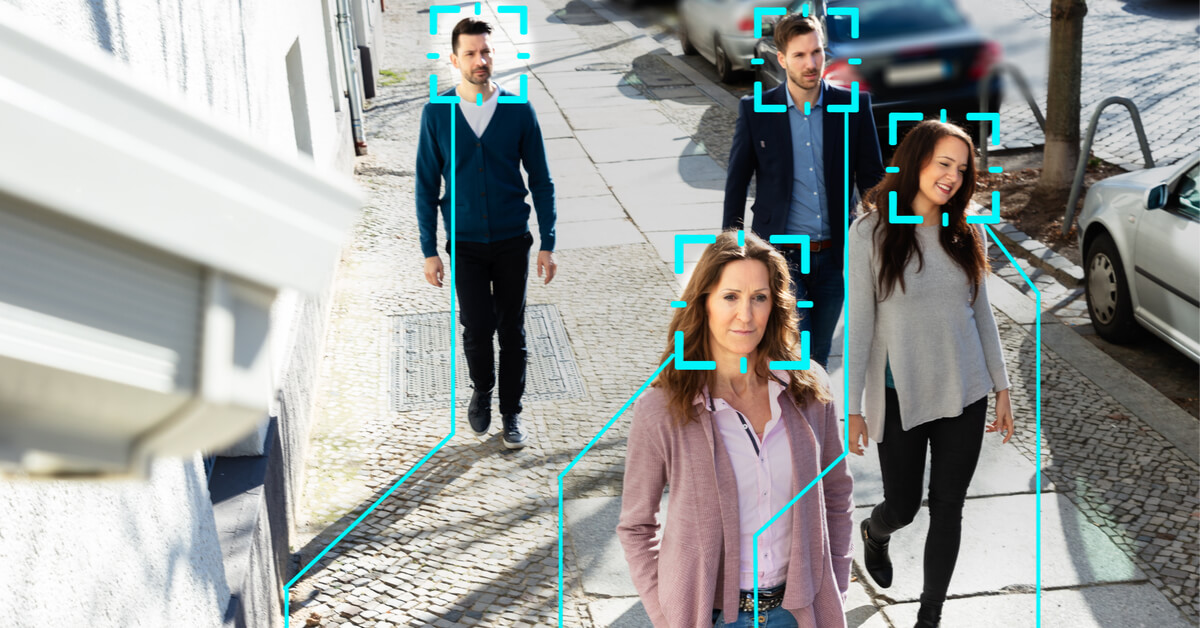
    Starting July 7, 2026, every new car sold in the #European Union must include a driver #monitoring camera aimed at your face. Glance at your phone, your kids in the back seat, or the radio for too long, and the car will flash a warning light and sound an alert.[1]

    #Automakers have known this was coming for years. What they, and #EU #regulators, have never spelled out is what happens to that footage after the alert goes off.

    While the intention behind the new system is difficult to dispute, its implementation has raised several concerns. Early real-world testing suggests the distraction warnings can be overly sensitive and potentially distracting.

    Apparemment, il est prévu que les données de la caméra doivent rester dans le véhicule, en boucle fermée. Mais. Y-a des petites lignes et des antécédents.

    #automobile #ue #biométrie

  • Sam #Altman veut scanner vos yeux pour prouver que vous êtes humain sur Tinder, Zoom et DocuSign
    https://usbeketrica.com/fr/article/sam-altman-veut-scanner-vos-yeux-pour-prouver-que-vous-etes-humain-sur-

    #Sam_Altman, le patron d’#OpenAI, est aussi à la tête de #World, une #start-up qui propose de #scanner notre #iris pour prouver notre #humanité à l’ère des bots. L’entreprise vient de signer des partenariats avec #Tinder, #Zoom et #DocuSign, s’immiscant das nos vies intimes et professionnelles. Retour sur la genèse d’un des projets tech les plus controversés du moment.

    #biométrie

  • The Everywhere Border. Digital Migration Control Infrastructure in the Americas

    The US is building a digital border infrastructure in neighbouring countries that expands and deepens surveillance, while hiding state violence. The implications of this new infrastructure will be long-lasting and need to be integrated into strategies of resistance of migrant justice movements worldwide.

    In 2021, José Eusebio Asegurado, a farmer in El Salvador, was arrested by the Salvadoran National Civil Police for ‘promoting human trafficking’. The basis for the arrest was a WhatsApp group chat (external link)
    that Asegurado and other migrants1 were using to coordinate a caravan, which had been infiltrated by a police agent. According to the screenshots used to incriminate him, Asegurado’s only participation in the chat was responding ‘OK’ to a migrant’s message that he would be at a meeting point at around 5 o’clock. Police arrested Asegurado at the meeting point, telling him he was ‘profiled’ as a caravan organiser.

    The same day, the Salvadoran police also charged Fátima Pérez, a cook, and Juan Rufino Ramírez, a private security guard, with promoting ‘human trafficking’ based on messages on a WhatsApp group they had created to coordinate a caravan. Screenshots in Ramírez’s case show him giving instructions to the 55-member group to meet at the bus station, and the prices of tickets to Guatemala. The police arrested Ramírez and Pérez the morning they were planning to leave.

    These three arrests took place in the span of four hours. The then-US ambassador in El Salvador, Katherine Dueholm, promptly congratulated (external link)
    the General Prosecutor’s office, stating: ‘I applaud the Salvadoran authorities who are taking action against those who want to deceive citizens with caravans and false promises. They promote only #UnViajeEnVano (external link)
    ’ – ’a journey in vain’.

    The arrests and Ambassador Dueholm’s praise reflect the critical role of covert surveillance and data-driven ‘smart’ technologies in US migration-control practices operating deep within countries outside the US. Over the past twenty years, the US (and other wealthy countries) have made strides to externalise border-control regimes well beyond their actual territory. This often involves effectively enrolling agencies in other countries in migrant surveillance, policing, and exclusion.

    The new digital infrastructure that enables border externalisation, however, is little understood. This digital infrastructure relies on both military-grade technology built by major weapons manufacturers and Silicon Valley innovation: inter-operable databases that share fingerprints seamlessly between police agencies across borders; biometric collection devices used by Mexican detention authorities to track migrants for US Customs and Border Protection (CBP); social media apps that serve as critical communications networks for migrants and surveillance tools for police; digital ID systems that enable access to essential services, but double as tracking devices.

    Infrastructure – digital or material – has real sticking power; that’s the point. Once a highway splits a community in half, a new permanence stifles the din of protest, and people move on. We use the term digital infrastructure to describe the establishment of a foundation that will be fundamental to how world powers will practise migration control; and, as it embeds itself, increasingly beyond challenge – a unified strategic intervention by powerful countries, with the US coveting the vanguard. While it may look like technological experimentation (like AI-powered robot dogs on the border) or one-off opportunistic data-grabs (like networks of international data-sharing agreements), the growth of digital border infrastructure is by design. This is enabled through joined-up digital technologies that settle into the kind of rigid, ‘motiveless’ permanence granted to other infrastructures, like submarine communications cables, protocols and servers that run the internet, an electrical grid or a superhighway.2

    The profound implications of new infrastructures persist long after their creation, as is the case for the digital infrastructure deployed to police migrants in the so-called US ‘backyard’. Its impacts are frequently rendered invisible. Governments promote border policing technologies as fundamentally safe, humane and non-violent (external link)
    while migrant advocates struggle to make visible the violence on the other side of this unseen ‘borderland circuitry’.3

    The implications range from digitally triggered violence and killings by local police in Central America to actions by the US, its allies and competitors in geopolitical contests over the control of global security. The US government and private industry have worked themselves into a largely covert entrepreneurial frenzy to own and control the migration policing interface of the future. Monitoring and control capabilities – a longstanding and routine part of US aid packages to fight organised crime – both expand domestic spying by partner governments for their own ends and serve US border externalization interests in controlling the movement of people and diverting them away from the US territorial border.

    This essay will focus primarily on how digital infrastructure serves US interests . What do we know about this strategy and how it is already affecting mobility and human rights in the region? What are its historical foundations? What challenges lie ahead? It is impossible to answer these questions simply by dissecting the cruelty or provenance of any single technology, system or actor. We first need to understand the transnational motivations driving these incremental, more observable, facts on the ground. We need, in other words, to make visible the invisible digital infrastructure.
    Digital infrastructure is key to border externalisation and a rise in unaccountable violence

    Understanding border externalisation through the lens of digital infrastructure captures the true scale of border practices envisaged by the US (and its competitors and allies) as well as their envisaged permanence within the future world order. Digital border infrastructure feeds on histories of domination, control and atrocities in the name of transnational ‘crime-fighting’ projects, setting the stage for tremendous social costs.

    First, as to scale, we are witnessing an escalation of US border imperialism and borderland violence4 – both in terms of geographical reach far into national territories and the further extension of ‘policeability’5 to an increasing number of individuals and groups through this digital infrastructure. This includes anyone an algorithm decides might be ‘dangerous’, those who might migrate, as well as humanitarian actors, migrant advocacy groups, and aid organisations. Scaling and the rapid growth it engenders is a quintessential property of digital technologies, regardless of their origin or application. The shifts to new targets under digital infrastructure are frictionless compared to earlier analogue-based border policing tactics. Asegurado, the farmer assisting migrants in El Salvador, was swept up in the US border externalisation dragnet with a simple ‘OK’ on a WhatsApp chat.

    Second, as to permanence, advocates of digital borders in national capitals, industry and development agencies embrace the term ‘digital public infrastructure’ as a brand, to bestow (unearned) trust, normalisation and the inevitability of contested digital tools such as biometric IDs and payment systems.6 Ceding the privilege of defining ‘digital infrastructure’ to actors with vested interests in current migration-control practices is reckless. Without a counternarrative that articulates their violent disposition, digital border externalisation tools – including widespread biometrics collection, real-time transaction data-collection in payment systems, and the confiscation of smartphones at the border – can easily be normalised as ‘digital public infrastructure’, rather than resisted.

    The scale and enduring impact of the rapidly hardening digital infrastructure that fuels border externalisation calls for urgent transnational organising. As writers and activists, we have come together to resist the use of digital infrastructure in US migration-control policy in Mexico, Central and South America, and the Caribbean. We have only traces and not the whole picture. Building on the work of others, we weave all this together to show how the fusion of state and digital power to construct digital border infrastructure is neither humane nor safe: rather, it is increasing unaccountable forms of violence.

    Convergence: Drugs war, border externalisation, digital infrastructure and the militarisation of US’ neighbouring regions

    Economic and political initiatives since the 1970s have driven relentlessly towards US investments in more militarised, criminalising, and digitised migration-control practices. Since 9/11, the US convergence of ‘national security’ with unauthorised migration has fueled an ever expanding border externalisation regime—currently there are 23 CBP offices and 48 ICE offices worldwide—and consequently has provided an especially lucrative market for digital surveillance corporations.7 Through programmes such as the Mérida Initiative and the Central American Regional Security Initiative, the US has tied aid to countries such as Mexico, El Salvador, Guatemala and Honduras to increased militarisation, policing, incarceration, and migration control.

    Yet migration patterns to the US from Mexico, Central America and the Caribbean cannot be divorced from the practices and policies that the US employed for over a century to dominate countries in these regions. Decades of US practices and policies have fuelled economic, political, and environmental instability – key factors that drive migration to the US. Over the past 20 years the number of people migrating from Central America has more than doubled (external link)
    , the largest increases coming from Guatemala, Honduras and Mexico. The US-backed ‘war on drugs’ in Mexico and Central America has dramatically increased violence and instability.8 In Mexico, the fight against organised crime has resulted in 350,000 deaths and more than 72,000 disappearances (external link)
    between 2006 and 2021. According to the World Bank, 60% of rural Central Americans live in poverty (external link)
    . While the largest contributors to the climate crisis are wealthy countries, these already impoverished populations suffer the most acute impacts of climate change. For decades, prolonged droughts together with natural catastrophic events such as hurricanes (external link)
    and floods (external link)
    have deeply affected Central America. The number of people facing food insecurity tripled between 2019 and 2021, affecting 6.4 million people (external link)
    . Asegurado, Pérez and Ramírez – like many others – are grasping for alternatives to this intolerable situation.

    Rather than acknowledge these underlying causes, the US response has been to extend its border ever further. General John Kelly, former Secretary of the US Department of Homeland Security (DHS), stated (external link)
    , ‘I believe the defense of the Southwest border starts 1,500 miles to the south’. Mexico has long been central to the US border-externalisation regime, and digital infrastructure plays an increasingly critical role. Tony Crowder, former director of CBP’s Air and Marine Operations, shared Kelly’s sentiment ‘We have taught the Mexicans how to fish…[but] even though we have all this surveillance capability, we don’t have enough, we need more’.9

    While part of a continuum of US efforts to enlist Mexico in support of its regional objectives, this ‘security and rule-of-law partnership (external link)
    ’ accelerated following 9/11. In 2007, the US shifted the focus of its drug war (external link)
    from Colombia to Mexico, Central America, and the Caribbean. Under this frame of securitisation, the drug war merged with the migrant-control regime. In 2008, the Mérida Initiative was launched – a bilateral partnership between the US and Mexico in the name of the US war on drugs. It initially provided financing for Mexico to purchase equipment for its military and police forces and for intelligence gathering. In 2013, Mérida was revamped to include four pillars (external link)
    , incorporating the creation of a ‘21st century US-Mexican border, while improving immigrant enforcement in Mexico and security along Mexico’s southern borders’. Effectively an extension of US policy, some $3.5 billion (external link)
    has helped shape Mexico’s migration-control agenda since 2008.

    In 2014, Programa Frontera Sur further securitised Mexico’s southern border by increasing the migration policing and deportation apparatus. Consequently, Mexico now has one of the world’s largest (external link)
    immigration detention systems. Between 2014 and 2017, Mexico deported more Central Americans (external link)
    than the US Border Patrol. Doris Meissner, the former commissioner of the Immigration and Naturalization Service (INS, the predecessor to ICE and CBP), underscored the importance of Mexican migration control, explaining in 2017 the need to look at both US and Mexican data to assess the effectiveness of US border enforcement (external link)
    .10

    Under these agreements, the US Department of Defense has provided training and sold millions in military equipment to Mexico, including an array of ‘smart border’ technologies provided by corporations (external link)
    such as Dev Technology, General Dynamics, Amazon Web Services, and NEC. The CBP and ICE have provided training on intelligence-gathering, info-sharing, and migration policing. A key element of US support to Mexico has been to develop an infrastructure to collect and share data – such as biometric and biographical information, and criminal history – in a manner that interfaces seamlessly with US databases.

    The digital infrastructure that tracks and catalogues migrants is central to US migration policy in Mexico. The US-backed Instituto Nacional de Migración (INM) strategy relies on this infrastructure (external link)
    as the primary means to control migration rather than sealing Mexico’s southern border with Guatemala. Biometric collection is essential to making migrants more legible to the state. In 2011, the US provided four biometric kiosks (external link)
    to Mexico’s southern border, and 117 additional biometric scanners (external link)
    the following year. Between 2018 and the first half of 2022, the Mexican government gathered and shared information on over 360,000 migrants in detention facilities.11 Information from CBP reveals that Mexican authorities shared information from 10,000 humanitarian visa (external link)
    applications with DHS. The release of approximately 1,800 unregistered migrants from a shelter in Piedras Negras was conditional on the registration of their data.12

    An ‘Information Sharing Environment’ that includes inter-operable data-sharing systems (external link)
    is central to achieving the objectives of the homeland security state. ‘Inter-operability’ enables seamless connectivity between police, immigration agencies, foreign governments, and more.13 Key forms of US-initiated digital infrastructure rely on widespread information-gathering and seamless sharing of data for surveillance across borders.

    This vast amount of data-collection and sharing has been fuelled by unleashing the power of the carceral state – including the centrality of the ‘criminal alien’, ‘gang member’ and ‘drug trafficker’ as threats to national security – at all geographic levels of the US migrant-control regime. For example, the Biometric Identification Transnational Migration Alert Program (BITMAP) allows DHS and its partner countries to know where and when an individual arrives in the Western Hemisphere (external link)
    and their travel patterns before they reach the southwest US border. BITMAP is currently deployed to 18 countries (external link)
    , including Mexico. DHS also has a Criminal History Information Sharing (CHIS) programme that allows for the global sharing of biographic, biometric, and descriptive information on individuals deported from the US (e.g. alleged immigration, employment, family, and criminal histories).

    The structural criminalisation of poverty in both countries is amplified with CHIS. According to the National Survey of Imprisoned Population in Mexico, conducted by the National Institute of Geography and Statistics (INEGI) in 2021, nearly 44% of the respondents declared having been imprisoned on the basis of false accusations or incriminations (external link)
    . Forty-two percent claimed they had been forced to plead guilty or to incriminate someone else. Nearly half of those who are jailed have not been convicted (external link)
    , and nearly half of all convictions are for theft of under US$100 (external link)
    . This is the kind of data that feeds CHIS.

    In another example, DHS is developing the Homeland Advanced Recognition Technology System (HART) (external link)
    to replace its current centralised biometric database, IDENT, through a contract with Peraton (external link)
    (a subsidiary of Veritas Capital, a private equity firm). Hosted by Amazon Web Services, HART will enable DHS to aggregate and compare biographical and biometric data on hundreds of millions of people across the globe. This includes so-called encounter data from police stops, facial recognition, DNA, iris scans, and voice prints – usually gathered without the individual’s knowledge or consent. The massive HART database draws from widespread biometrics collection in all realms – for example, the US DOS INL’s development of integrated DNA databases in Mexico and Central America in the name of combating trafficking or the proposed national biometric digital ID in Mexico (external link)
    . In this way, multiple state initiatives merge, and the power of the state to police, track and control migrants and all people under their watch grows exponentially.

    While the Mérida Initiative formally ended in 2019, its approach has been sustained by the Mexican government. In 2021, the Mexican government increased (external link)
    the military by 46% and the National Guard dedicated to stopping migrants by 300%. In July 2022, President López Obrador committed $1.5 billion in smart border infrastructure (external link)
    over the next two years.

    For US partner states, any technological and data-sharing channels that are financed and exported to them become assets – not just for monitoring migrants, but to advance multiple agendas of coercive power-building. This infrastructure can therefore end up fuelling violence and criminalisation, undermining the right to asylum, exacerbating inequality, and expanding the power of paramilitaries and the police (external link)
    , while privileging securitised neoliberal and corporate prerogatives.
    The geopolitical nature of digital infrastructure

    In their research on digital payment systems, Marieke de Goede and Carola Westermeier use the term ‘infrastructural geopolitics’ to stress the growing centrality of infrastructure to geopolitics and the ways in which US economic power is rooted in financial infrastructures (which, like migration control, are rapidly digitising).14

    The global financial messaging network SWIFT is an example of infrastructure that is invisible to most people and yet plays a major role, as the writers describe, in reinforcing power relations of the post-war global order in which it emerged. Seventy years after the Second World War and fifty years since SWIFT’s establishment, bank messaging routes flow through former colonial capitals and map onto a ‘core’ of Western countries, leaving large swaths of Latin America, Africa, and the Middle East in a permanent, but effectively invisible, economic periphery. Similarly, digital IDs, social media monitoring and infiltration, and data-sharing platforms are essentially component parts, nodes, or partially visible layers of deeper, longer-term geo-strategic digital infrastructure projects.

    Extension of borders through digital infrastructure serves US political and economic goals well beyond the policing of human mobility. Geopolitical contests for control over infrastructures play out across several domains. Military establishments covet ‘identity dominance (external link)
    ’, an objective that drove US forces to gather massive stores of biometric data in Afghanistan and Iraq as a weapon of war. US digital services giants like Amazon and Google mastered ‘platformisation’ by building e-commerce (digital advertising, search, social media, etc.) infrastructure to dominate the digital economy. Often, public and private-sector interests converge, including in the form of public–private partnerships (PPPs) to build infrastructure. In each case, the true contest among states and corporate giants centres on control over the interface, or the most essential, invisible, infrastructural methods of digital communication and control. As Michael Kwet explains (external link)
    , ‘Transnational “Big Tech” corporations based in the United States have amassed trillions of dollars and gained excessive powers to control everything, from business and labor to social media and entertainment in the Global South. Digital colonialism is now engulfing the world’. The US quest for domination through externalised migration policing infrastructure goes hand in hand with its geopolitical and corporate designs for economic power.

    These forms of infrastructural digital power pose unique challenges for documentation and ultimately for any form of systemic change. Challenges include blurred lines of responsibility, mission, and function; governments and corporate actors are seen or presented as passive conduits or intermediaries in digital public infrastructure; and infrastructures can easily appear to be ‘ahistorical’ and motiveless. In Mexico and Central America, migration control converges with ongoing US foreign policing operations (such as the war on drugs, and gang wars). We explore the several simultaneous effects of this complex merger: the turn to digital infrastructure; its relationship to violence and human suffering; and its foreclosure of accountability for these harms.
    Digital border infrastructure in your phone: Information and Communications Technology (ICT) policing techniques along migration routes

    Surveillance infrastructure is tangible in physical migration detention centres and in police arrests: mugshots, cheek swabs, confiscation of the detainee’s mobile phone. The deepening integration of daily life, telecommunications and computers open extensive avenues for more covert, opportunistic surveillance of private communications and activity by users who rely on social media, mobile communication and messaging apps. The surveillance of mobile phones and social media ranges from overt disclosure requirements for visa and benefits applications to government listing and tracking of protesters and other ‘undesirable’ actors. Migrant surveillance is immersed in these control schemes where surveillance technology serves as a silent tool for government violence and repression.

    This has had an impact on how migrants travel and keep safe, such as through safety in numbers. Travelling in caravans has therefore become both a survival and a protest strategy: sources of both physical and economic security (external link)
    and opposition (external link)
    to the economic policies that contributed to their displacement. Social media and messaging apps are key tools for the coordination of caravans and for migrants more broadly. Migrants use these tools to identify routes, look for shelter and food, communicate with their support networks, warn each other about risks (external link)
    , and coordinate travel. Governments as well as organised crime understand these dynamics and use these same tools to monitor and extort migrants.

    On 5 June 2019, Irineo Mujica, from Sin Fronteras – a civil society organisation (CSO) dedicated to the protection of human rights of migrants in Mexico and the US, and which has supported multiple migrant caravans – was arrested in Mexico, falsely charged with human trafficking (external link)
    . Mujica appeared in the CBP’s watchlist database published in 2019 (external link)
    that contained photos, names, professions, and other details of journalists, activists, and social media influencers both from Mexico and the US with links to the migrant caravan.

    A DHS Office of Inspector General (OIG) report (external link)
    on the database and other surveillance practices found that CBP established electronic alerts (lookouts) on journalists, attorneys, and advocates who were connected by social media to the migrant caravans. Those tagged by the lookouts were constantly flagged for secondary screening (external link)
    when entering the US, and interrogated about their work, organisation, family, education, and political leanings.

    The weaponisation of such information had grim effects on the Mexican side of the border. According to Sin Fronteras activist Alex Mensing (external link)
    , after the CBP shared information gathered through lookouts with the Mexican government, other members from his organisation who assisted migrant caravans in the same period saw an increase in border scrutiny and death threats (external link)
    . Organising and supporting migrants threatens lucrative operations that depend on the criminalisation of migration across the region. Civil society assistance makes migrants less prone to kidnapping and extortion, which therefore reduces the income for organised crime linked to these activities, and, as a domino effect, bribes to authorities also drop, pitting the collective interests of such groups against activists and those providing humanitarian assistance.

    Surveilling anyone who might pose a threat to the system has long been a generalised and systematic form of government control in Mexico. A leaked document from the NSO Group, the Israeli company that created Pegasus, revealed that 50,000 people were possible surveillance targets (external link)
    in Mexico. The list included opposition politicians, journalists investigating government corruption and extrajudicial killings, activists advocating the taxing of sugary drinks, judges, academics, and international experts who investigated the case of the enforced disappearance and extrajudicial killing of the 43 students, among others.

    In 2022, mobile phones from two journalists and an activist who investigated abuses committed by the Mexican army were found to be infected with the malware Pegasus (external link)
    . In 2020, the Mexican government sought to create a SIM card registry that would link to the card owner’s biometrics and other personal data. This would have intensified government digital surveillance via ICT infrastructure, and was opposed by civil society (external link)
    .

    CBP internal documents show (external link)
    that government agencies across the border continually share information about the location of migrants, their origin, and the number of people in each group, even before they start to migrate. In 2018, US DHS agents infiltrated a WhatsApp group (external link)
    of Honduran migrants travelling in a caravan of about 4,000. These policing practices are also being reproduced by the Mexican government.15

    Impact: Infrastructural violence and accountability deficits in globalised migration policing

    Roberto M., a young man in El Salvador, was shot and taken away by police shortly after being deported from the US. The rural police officers who shot Roberto also threatened an eyewitness at gunpoint, telling him that Roberto was a gang member and if he revealed what he’d seen, the same would happen to him. Police in El Salvador receive data on gang-member affiliation from the US, and share these lists (external link)
    with neighbourhood-level police where deportees plan to live. These databases have been found to be problematic and unreliable (external link)
    . Police departments confirmed (external link)
    that this information is used to target people (external link)
    : ‘We think that if a person wasn’t wanted in the United States, it must be because the deported person is bad’.

    Violence can increasingly be tied to digital border technologies, particularly in combination with one another and with physical and environmental realities that envelop them. Studies show the effects of integrated fixed-tower surveillance on migrant mortality rates in Arizona’s Altar Valley. Here, digital infrastructure merges with the ineffective yet longstanding US deterrence policy that purposefully makes migration routes more dangerous, on the theory that migrants would not risk the journey. The fusion of technology and policies that inflict deliberate harm produces these predictable results of increased migrant deaths (external link)
    .

    The story of Roberto M. and the witness to his post-deportation shooting and disappearance in El Salvador reflects another pattern of violence tied to information-sharing through digital infrastructures. The criminologist Ana Muñiz documents a ‘cycle of violent policing, migration, more violent policing, detention, deportation, violent policing, migration, and so on’, in which the labels themselves (‘criminal alien’ or ‘gang member’) become inescapable vectors of precarity.16 Such labels channel individuals into a ‘sort of statelessness’ as constant, quantifiable scapegoats that provide an easy diversion for state security forces and corporations that produce and perpetuate the ‘structural causes of violence’.17

    Digital infrastructure merges not with a physical terrain, but with pre-existing social and political factors that make violence a foregone conclusion. Today’s multipurpose digital infrastructure also permits the efficient incorporation of new undesirable criminalised categories, including ‘caravan organisers’ or ‘migration promoters’ – as in El Salvador’s attempt (external link)
    to reform its penal code, criminalising the ‘promotion of migration’ on social media.
    Challenges and way forward

    We are interested in developing deeper knowledge about the political origins of these infrastructures to challenge the violence of global migration control systems. This essay only sets out the field of engagement. Far more collective work is required to document and design models of resistance to meet such challenges.

    The diffuse and structural nature of power behind the seemingly ahistorical, and motiveless characteristics of digital infrastructures undermine classic approaches to accountability. Furthermore, the familiar national and international judicial avenues to hold perpetrators of these forms of indirect violence responsible – however imperfect or ineffective they may already be – are exceptionally ill-suited to the conditions at play in the migration policing context specifically, for several reasons.

    First, the technologies in use such as biometric databases, and the means of using civilian technologies like social media and other ICTs, are simply not designed to respect or be held to democratic scrutiny; they are military-grade and converted for use in quasi-militarised spaces, by institutions permeated with military ideology. Nearly a third of CBP personnel previously served in the US military. Biometric surveillance technologies advanced by leaps and bounds within US military operations before being integrated with ‘civilian’ border policing. Private-sector military contractors play an integral role in this transition.

    As journalist Annie Jacobsen documents, as part of the US military biometric data-collection in Afghanistan, Palantir Technologies served as a critical link between US intelligence operations to track and kill military targets and quasi-civilian policing operations like the piloting of rapid DNA samples from migrant families at the US border in 2019.18 Today, the biometric kits used in Afghanistan, some still storing biometric data collected on the battlefield, are for sale on eBay (external link)
    .

    Second, justice and oversight bodies are ill-equipped to serve their intended function in this ecosystem. Within criminal proceedings and investigations, the use of technologies that capture and record evidence of allegedly criminal activity or purport to biometrically match records are extremely difficult to challenge because of their scientific veneer and opaque data-collection and analysis methods, which leaves no practical room (external link)
    to impeach or exclude such evidence. The design of technologies that predetermine risk factors keyed to criminalised behaviour, including migration, contravenes the presumption of innocence. In the civil context, national-level justice mechanisms deny standing to non-nationals located outside the US who are victims of violations linked to digital surveillance.

    Finally, there are huge incentives for both state and corporate power to hide violence. The political positioning of ‘smart borders’ as more ‘humane’ conceals the state’s role in violence and insulates corporations from negative PR or constraints by participating in repugnant markets. Their task is made easy by rendering physical pain abstract rather than affecting real human beings,19 and features of the data economy like the way corporates have helped the movement towards running government functions like private digital platforms.

    Mitigation ‘risk assessment’ tools like data protection or human rights impact assessments provide cover (external link)
    , favouring the continuation of these business practices because firms undertake them voluntarily and face little or no consequences for a poor risk assessment. Unsurprisingly, these industry-led tools often fail to provide (external link)
    a means for real accountability; they reveal scant information that would be actionable if and when products do cause harm; and the burden of proving rights violations and finding an effective remedy (external link)
    after the fact is shouldered entirely by victims. The interests of powerful actors converge around a web of financial stakes in the system, leading to the aggressive harassment and potential silencing of activists as the case of Irineo Mujica and Sin Fronteras illustrates.

    We need tools and methods for transnational cooperation to document, gather and share information safely, and organise. Fusing new understandings about how digital power functions within existing resistance movements transnationally, holds potential for challenges to the digital infrastructure of border externalisation.

    We are in the initial stages of our collective effort to understand and expose this digital infrastructure. Through this analysis, we can begin to identify the interventions to start to tear it apart and break it down. Transnational organising against tech corporations offers opportunities for shared understanding and meaningful solidarity. This year, organisations in France and Kenya, with support from actors in other countries, sued biometrics giant IDEMIA (external link)
    for its failure to meet even minimum human rights standards of due diligence as it reaps billions in secret border security tech sales to low- and middle-income countries. This emerged from collaborative evidence-gathering and organising across borders.

    As the US military establishment recognised decades ago: whoever dominates the field of externalised borders defines ‘friend and foe’ everywhere.20 The faster the US establishes economic and political dominance over digital migration-control infrastructure, the greater its security in maintaining global digital power. Digital infrastructure serves multiple purposes at once, but the ultimate geopolitical function is raw, generalised power over global affairs. The tools examined here will ‘contain’ human life within spaces of catastrophic violence, by design. This specific effect betrays the most fundamental commitments of international human rights and humanitarian law in the face of unprecedented challenges to human survival across most of the world. But this pernicious effect is also ruthlessly beside the point.

    In reality, as facets of infrastructural power, the technologies that fix the ‘calculation of who must live and who must die’22 do not do so as an end in itself, but in the service of power and its reproduction in this digital age.23 In this way the complicity of state and corporate actors in the production of violence is cast in the starkest relief. This geopolitical analysis is our starting point for building resistance towards transformation.

    https://www.tni.org/en/article/the-everywhere-border
    #externalisation #migrations #frontières #réfugiés #USA #Etats-Unis #infrastructure #infrastructure_numérique #violence #violence_d'Etat #surveillance #caravane #whatsapp #criminalisation_de_la_migration #arrestation #technologie #technologie_intelligente #externalisation_des_contrôles_frontaliers #bases_de_données #interopérabilité #empreintes_digitales #coopération_policière #impérialisme #biométrie #Mérida_Initiative #Central_American_Regional_Security_Initiative #war_on_drugs #Amérique_centrale #Mexique #Programa_Frontera_Sur #rétention #détention_administrative #ICE #smart_borders #frontières_intelligentes #Dev_Technology #General_Dynamics #Amazon_Web_Services #complexe_militaro-industriel #NEC #Instituto_Nacional_de_Migración (#INM) #Guatemala #Biometric_Identification_Transnational_Migration_Alert_Program (#BITMAP) #Criminal_History_Information_Sharing (#CHIS) #criminalité #Homeland_Advanced_Recognition_Technology_System (#HART) #IDENT #Peraton #Veritas_Capital #reconnaissance_faciale #ADN #DOS_INL #infrastructural_geopolitics #géopolitique #SWIFT #multinationales #colonialisme_numérique #téléphones_portables #smartphones #criminalisation_de_la_solidarité #NSO_Group #border_deaths #décès #morts_aux_frontières #mourir_aux_frontières

  • American AI Arrives on Fortress Europe’s Borders. At What Cost ?

    Critics say emerging age estimation and surveillance technologies are putting human rights at risk.

    #Shield_AI’s headquarters are situated in a tall glass building along a wide boulevard in San Diego, a world away from where its tech, dreamed up in the sun-washed streets of California, has been tested above the Bulgarian forests. For asylum seekers trying to cross from Turkey to Bulgaria — and into the European Union — there is a good chance that in the future they may encounter one of the company’s surveillance drones.

    Shield AI was founded as a startup in 2015 by Andrew Reiter and brothers Ryan and Brandon Tseng. The company is now valued at around $5 billion. It claims that during its participation in a 60-day pilot at the border in August — coordinated with Frontex, the EU border agency — “both irregular border crossings and criminal activity” saw a “significant reduction” thanks to the use of its vertical-take-off (or V-BAT) drones. How this was achieved remains unclear. The drones include an onboard AI pilot that enables a fully autonomous flight even without GPS. Frontex agreed there had been a reduction in crossings, although neither Frontex nor Shield AI would say what the precise percentage is. Shield AI is active across Europe and has sold these drones to other EU states, including Greece and the Netherlands. The company also has a lucrative $198 million contract with the US Coast Guard announced in 2024.

    A new joint investigation by Inkstick, Solomon, Taz, and SWI Swiss Info reveals how new technology is rolled out across Europe to deter irregular migration and handle asylum claims, often with little scrutiny and thin safeguards, that can affect even underage refugees. It also shows how the EU is increasingly moving towards “smart” border control solutions, which either use or have the potential to use artificial intelligence — despite officials downplaying or hiding this trend behind less ominous terms like “algorithms.”

    The Bulgarian trial, according to two officials present at a closed-door meeting in Warsaw in September 2025, was part of an “Innovation” presentation. Featured on the screen was a drone-based surveillance network piloted under a Frontex contract. Assets tested included V-BAT drones that hovered along Bulgaria’s border with Turkey, streaming real-time video to a command center and flagging movements to operators.

    Bulgaria is among a number of European countries accused of systematically violating the rights of asylum seekers. Shield AI did not respond to requests for comment on the system, its deployment, costs, or data use. Frontex, in a written response, said that the “preventative” effect of the Bulgarian pilot was an “indirect outcome” and was conducted under a “research and innovation pilot, which includes comprehensive fundamental-rights safeguards.”

    The European Commission has said that research pilots remain outside of the full legal framework. Dr. Niovi Vavoula, an Associate Professor and Chair in Cyber Policy at the University of Luxembourg, told the investigation that such exceptions are merely semantic once these systems are tested on real people, “we are past the purely testing research phase.” She added that any research exceptions “shouldn’t be applicable.”

    From the beginning of people’s attempts to reach Europe, often aboard overpacked, flimsy vessels leaving from Libya, aerial assets sold by defense companies and deployed on behalf of European states and agencies buzz above their heads.

    Along the voyage, an array of Israeli tech could be monitoring their movements, from Israel’s IAI’s Heron surveillance drones leased to Frontex for Mediterranean patrols to Elbit Systems’ Hermes 900 drones (used in the skies of Gaza since 2014) used on unarmed EU maritime patrol missions. In 2025, Frontex renewed the IAI-made Heron 1 drone for another four years.

    If people make it to European soil alive — thousands do not — they frequently try to leave countries of first-arrival like Greece and reach wealthier nations such as Germany, where living conditions and prospects of employment seem better. In the reeds of northern Greece, according to border officials who spoke to the investigation, the movement of storks often gives away the positions of migrants hoping to do just this; soon a series of sophisticated tech will take over from nature’s watchmen.

    Public announcements, internal minutes, and technical documents reviewed by this investigation detail plans for the deployment of Mobile Incident-Management Centers (MIMCs) in the country’s northern border, the main exit route for migrants trying to reach Northern Europe. All-terrain vehicles will be equipped with thermal cameras, drones, and encrypted comms, working alongside new fixed surveillance structures feeding live video and alerts into central control hubs and command posts.

    For those who make it from southern Europe all the way to its tip in northern France and the beaches around the city of Calais, refugees might come into contact with even more American technology invested in monitoring their movements.

    Anduril Industries (one of several American defense companies borrowing its name from the Lord of the Rings franchise) has a role to play in monitoring asylum seekers being crammed onto smugglers’ overcrowded boats to cross the English Channel, the stretch of water between France and the southern coast of England and one of the busiest shipping lanes in the world. Founded by Donald Trump supporter Palmer Luckey in 2017, Anduril is now valued at over $30.5 billion.

    In a recent investigation, The Bureau of Investigative Journalism laid bare the breadth of the company’s lobbying activities in the UK, including the hiring of at least 11 former defense ministry staff. Anduril has sold a number of “Sentry Towers” to the UK Home Office, similar to those along the US-Mexico border. The towers monitor migrant crossings and use the company’s “Lattice” AI system. They are shrouded in secrecy, with the British government often refusing to release precise details about their number, positions on the southeast coast, or contracts. Previous freedom of information requests filed by researchers have revealed the Home Office has paid over £16 million (around $21.2 million) for a three-year period for one of these contracts,

    Anduril’s expansion into Britain reflects a broader trend: US companies are increasingly supplying not only border hardware but also the AI tools that shape asylum decisions. This investigation has obtained the names of seven companies involved in a controversial trial run by the UK Home Office, which plans to use AI to estimate the age of newly arrived migrants. The Home Office claims that Facial Age Estimation AI, a process in which an individual’s age is determined by comparing their facial biometrics to a large dataset of faces with known ages, “offers a potentially rapid and simple means” to verify someone’s age.

    Molly Buckley from the Electronic Frontier Foundation said that the organization has concerns over the technology, including reports of its accuracy levels. “When used for age estimation, facial scanning is often inaccurate. It’s in the name: age estimation,” she said. Buckley explained that every form of face-scanning technology has an error rate, which means some adults will be deemed minors and vice versa, with limited options for recourse. “Age estimation is also discriminatory. Studies show face scans are more likely to err in estimating the age of people of color and women, which means that as a tool of age verification, these face scans will have an unfair disparate impact on the human rights of people seeking asylum.”

    Three of the seven companies involved in this trial are American, including Trust Stamp, a Georgia-based company that bills itself as an “AI-powered identity verification.” Trust Stamp had a controversial contract with ICE, which was terminated in 2022. Although no link was made public, the company had suffered a significant data breach of its migrant-tracking app used by ICE earlier in the year. Aware Inc and Paravision AI, both similarly headquartered in the US, have had their software used by multiple US government bodies, including the FBI and the US Air Force. None of those involved in the trial appear to have ever had their facial age estimation technology used on asylum seekers. Aware Inc, Paravision AI, and Trust Stamp did not respond to request for comment.

    The Home Office did not provide answers to a lengthy list of questions about whether a human-rights impact assessment had been completed, about which experts had been consulted, or about any further details of the implementation process. In a statement, it insisted that “robust age assessments are a vital tool in maintaining border security,” with a reported plan to integrate it into systems in 2026.

    Child protection advocates, meanwhile, say these assurances fall far short of addressing the lived consequences for young people misidentified by automated systems. Maddie Harris from the Humans for Rights Network said that “introducing facial age estimation does nothing to address this significant safeguarding issue of determining children to be adults and placing them in unsafe settings exposed to acute harm.” Harris added, “Our concerns include the ability for a child to consent to an AI age check, inherent racial bias and the data the tool will have access to reach its decision on a person’s age.”

    Harris questioned how such technology will adequately take into account “the complexities of human life, including long and traumatic journeys to the UK, and how our experiences manifest in our faces and bodies.”

    Age estimation is not the only area where American-made AI is being inserted into asylum decision-making. Foxglove, a nonprofit that litigates and advocates for “fairer tech,” shared its submission to the UK Parliament’s Joint Committee on Human Rights ​​and the Regulation of AI. The submission flags concerns about three AI tools used or tested by the Home Office, including the proposed facial age assessment as well as one to auto-summarize asylum interview transcript and another to condense and summarize country information for asylum decision-makers.

    The nonprofit says it has confirmed that the transcript-summarizing tool is based on San Francisco based OpenAI’s GPT-4. The tendency of such models to “hallucinate,” or to produce false but plausible results, is well documented, Foxglove said. In trials, from the Home Office’s own admission, 9% of summaries were reportedly so inaccurate or incomplete they were unusable.

    Foxglove’s Donald Campbell said it is “surprising” the Home Office calls that “a small proportion.” With tens of thousands of asylum claims a year, he explained, such an error rate could affect thousands of cases if scaled up.

    “It is hard to see how unleashing these dangerously unreliable tools on some of the most vulnerable people — including child refugees — is anything other than a recipe for disaster,” Campbell added. “At the very least, the Home Office should be providing a higher level of transparency and accountability, to ensure that errors and harms are rapidly identified. Instead it is refusing to release even minimal information on the risk assessments it has undertaken. This secrecy suggests the Home Office knows the tools come with significant, known risks, but is determined to push on regardless.”

    The EFF’s Buckley agreed. “By definition, asylum seekers have an increased need for privacy and protection. To force them to hand over their most sensitive data to UK authorities and AI companies as soon as they reach UK shores raises significant concerns. Where does that biometric data go, and who is it shared with? Can it be purchased, used by law enforcement, or stolen by bad actors — either in the UK or in the country they’re fleeing? Deploying this unreliable, discriminatory, and dangerous surveillance technology at the border just to save a few pounds creates massive risks to the human rights, safety, and well-being of asylum seekers.”

    The tendency to downplay or reframe AI use is mirrored in how authorities describe the role of the technology within decision-making processes. The UK Home Office, for example, has said that the trial of AI on age-contested children at the border will only be “assistive,” with the final decision making remaining in human hands.

    Estelle Pannatier from Algorithm Watch explained that “assistive” AI nonetheless comes with its own pitfalls. “We have observed that people who seek advice from algorithms can, over time, become more dependent on the system and less critical of it,” Pannatier explained. “Thus, a tool developed to assist in decision-making can, in practice, be used as an instrument for making decisions. In theory a human oversees the system … but that person relinquishes their supervisory responsibilities and decision-making authority to the algorithm. It is therefore essential that appropriate processes be put in place to reduce these ‘automation biases.’”

    Meanwhile, there is an apparent lack of transparency surrounding the AI technology being deployed at Europe’s borders. This investigation’s requests for precise details on the Bulgaria pilot were denied. Requests for UK performance reviews regarding Anduril’s Sentry Towers were denied, while the Home Office did not answer questions about whether a human rights impact assessment or a data protection impact assessment had been completed on the facial age estimation technology.

    These examples merely underpin a bigger problem, according to Bram Vranken, a researcher at the Brussels-based watchdog Corporate Europe Observatory. “Border management is being seen as crucial to national security and has become securitized. So, everything to do with borders is being more and more exempt from democratic oversight, accountability, [and] transparency.”

    As countries from Bulgaria to the United Kingdom increasingly rely on AI and other technology to conduct border enforcement, rights groups have become increasingly concerned. In a 2024 report, Amnesty International warned that “digitized interventions” on borders contribute to “weakening human rights protections for migrants and asylum seekers.” In 2023, the EuroMed Rights watchdog said the “use of new technologies is now firmly cemented in the EU’s border policies,” noting that they “underpin invasions of privacy, brutal violations of human rights” across Europe.

    Criticism or not, lucrative contracts for tech companies have continued to pile up. To Dr. Vavoula, the risks these multimillion dollar technologies pose are clear: “These tools are not trained to show compassion.”

    https://inkstickmedia.com/american-ai-arrives-on-fortress-europes-borders-at-what-cost

    #technologie #AI #intelligence_artificielle #IA #frontières #Europe #migrations #technologie #surveillance #Bulgarie #forêt #Andrew_Reiter #Brandon_Tseng #Ryan_Tseng #complexe_militaro-industriel #business #vertical-take-off #Frontex #V-BAT #drones #Grèce #Pays-Bas #smart_borders #frontières_intelligentes #Turquie #Heron #Israël #USA #Etats-Unis #Mobile_Incident-Management_Centers (#MIMCs) #Anduril_Industries #Manche #Palmer_Luckey #Sentry_Towers #Lattice #âge #biométrie #biométrie_faciale #Molly_Buckley #Electronic_Frontier_Foundation #Trust_Stamp #ICE #Aware_Inc #Paravision_AI

  • Retraités à l’étranger : le contrôle biométrique se développe pour lutter contre la fraude
    https://www.alternatives-economiques.fr/retraites-a-letranger-controle-biometrique-se-developpe-lutt/00116261

    Afin de mieux dissuader les fraudeurs, les régimes de retraite commencent à certifier l’existence effective des pensionnés résidant à l’étranger via la biométrie. Un dispositif qui deviendra obligatoire à l’horizon 2028.


    Retraités au Portugal. Parmi les retraités résidant à l’étranger et percevant une pension française, 10 % sont nés en France. PHOTO : Getty

    La lutte contre la fraude, sujet politique hautement inflammable, revient comme un serpent de mer. Cet été, le gouvernement Bayrou a présenté un avant-projet de loi de lutte contre la fraude sociale et fiscale. Objectif : récupérer 2,3 milliards d’euros pour les caisses de l’Etat, en cette période de disette budgétaire.

    La nouvelle équipe à Matignon devrait tôt ou tard reprendre le flambeau, tant ces dernières années le thème est au menu de tous les gouvernements, aiguillonnés par la Cour des comptes. Dans leur rapport 2025 sur l’application des lois de financement de la sécurité sociale (LFSS), les hauts magistrats de la rue Cambon ont souligné les améliorations dans la lutte contre la fraude aux #retraites_versées_à_l’étranger, mais appelé « à poursuivre [les efforts] pour mieux la prévenir et la réduire ».

    Ils ont répertorié, pour 2021, 43 millions d’euros d’indus sur cette population pour le régime général (1,1 million de personnes) dont 35 millions avaient été récupérés à 24 mois. La somme peut sembler faible mais cela correspondrait à 28 % de l’ensemble des indus de la branche vieillesse de la Sécurité sociale, alors que ces pensions représentent moins de 3 % des prestations légales versées.

    Les #pensions versées à l’étranger sont sujettes aux risques de fraude connus (utilisation frauduleuse ou falsification de documents d’identité, fraude aux comptes bancaires, etc.), auxquels s’ajoute une problématique spécifique de #décès_non_déclaré. C’est pourquoi les caisses de retraite demandent chaque année aux retraités résidant à l’étranger – dont 10 % sont nés en France – de produire un #certificat_d’existence.

    Autrement dit, ceux-ci reçoivent un formulaire d’état civil prérempli, qu’ils doivent faire authentifier en se présentant avec une pièce d’identité auprès du consulat ou des autorités locales, avant de le renvoyer. Sans quoi, au bout de deux mois, leur pension peut être suspendue, et ce jusqu’à la réception des justificatifs exigés.

    Selon l’Assurance retraite, 94,2 % des certificats d’existence sont retournés dans les 12 mois, ce qui implique que 5,8 % des pensions sont suspendues, sans qu’il s’agisse forcément de fraudes. Cela dit, « cette procédure papier est aisément fraudable – si les autorités locales se laissent corrompre par exemple –, et contraignante pour des pensionnés souvent âgés – 78 ans de moyenne d’âge contre 74 ans en moyenne », commente Renaud Villard, directeur général (DG) de l’Assurance retraite. C’est pourquoi des opérations ciblées de contrôle sur place peuvent ensuite intervenir sur les cas suspicieux.

    Cap sur les échanges de données et le contrôle biométrique

    Pour remédier à cette fragilité, les régimes développent depuis plusieurs années les #échanges_de_données d’état civil, notamment sur les décès. Désormais, ce sont près de 50 % des retraités à l’étranger – surtout dans l’Union européenne – qui sont exemptés de prouver leur existence chaque année, selon l’Assurance retraite. C’est particulièrement le cas des résidents de neuf pays : Allemagne, Belgique, Danemark, Espagne, Luxembourg, Italie, Pays-Bas, Portugal, Suède. Et d’autres conventions sont en passe d’être signées avec l’Autriche et la Pologne, ou encore le Royaume-Uni, pour une cible de 60 % de retraités concernés d’ici 2027.

    « Il faut marcher sur deux jambes : les échanges de données mais aussi la biométrie, plus exigeante que le contrôle d’existence traditionnel, qui permet de faire des économies en papier et en surcontrôles », affirme Renaud Villard.

    La #LFSS pour 2021 avait en effet introduit la possibilité de recourir à la #reconnaissance_faciale ; la LFSS pour 2025 est allée plus loin en l’imposant à compter de 2028.

    Expérimenté par l’Union retraite depuis 2022, le groupement d’intérêt public (GIP) qui réunit tous les régimes obligatoires, le contrôle biométrique, réalisé par vagues mensuelles, est monté en charge depuis septembre 2024. Le principe ? Lorsque l’assuré doit justifier de son existence, il reçoit par courrier ou e-mail un QR code qui lui permet d’installer gratuitement l’application « Mon certificat de vie » sur son téléphone.

    Après avoir scanné son titre d’identité (disposant d’une bande de lecture optique), il se filme avec le mode selfie et peut ainsi valider son certificat, transmis ensuite automatiquement à l’Union retraite. Et les chiffres au bout d’un an sont probants, se félicite le GIP. 85 % de la cible a reçu son QR Code, dont [seuls] 15 % s’en sont emparés : au bout du compte, 70 000 retraités ont pu ainsi envoyer leur preuve d’existence.

    « C’est une première marche vers la généralisation, mais tant que les assurés auront le choix, ils pourront contourner le dispositif s’ils veulent frauder. La biométrie est donc plutôt un levier supplémentaire de maîtrise des risques pour inciter les gens à déclarer le décès de leurs proches », explique Richard Bordignon, directeur de l’Union retraite.

    Simplifier la vie des pensionnés

    Et la démarche a aussi des vertus simplificatrices, plaide l’Union retraite – ce qui devrait garantir un meilleur accès des résidents de l’étranger à leurs pensions. « Nos assurés peuvent se faire aider par leurs enfants ou des proches, qui peuvent même utiliser leur propre portable, tant que le QR Code est bien celui de l’assuré », explicite encore Richard Bordignon.

    « Nous avons demandé que ce nouveau système ne pénalise pas les assurés, parfois éloignés du numérique, et exigé certaines garanties techniques permettant d’assurer un meilleur service », assure Denis Gravouil, secrétaire confédéral chargé des retraites à la CGT qui s’est abstenu lors du vote à l’Union retraite (dont la gouvernance est paritaire).

    Cette dernière mène des actions pour améliorer le dispositif, notamment pour augmenter son taux d’éligibilité ou aller chercher les nombreux assurés qui abandonnent aujourd’hui le processus en cours de route.

    Malgré tout, les #contrôles_sur_place ont encore de beaux jours devant eux. Pour les faciliter et les fiabiliser, l’Assurance retraite a initié une expérience en #Algérie, où les #retraités touchant une pension française sont les plus nombreux, avec un effectif de près de 335 000 personnes. Celle-ci repose sur deux agents de contrôle postés au Consulat à Alger et rémunérés par l’assurance retraite. Mais le consulat peut être à des centaines de kilomètres pour certaines populations à l’étranger.

    « L’Assurance retraite développe aujourd’hui une stratégie plus globale basée sur des tiers de confiance locaux dans les pays à fort enjeu, afin d’assurer la logistique du dernier kilomètre », explique Thomas Gagniarre, directeur du contrôle.

    Elle est notamment en passe de contractualiser avec la banque BRED, dont le maillage d’agences à l’étranger, et notamment au Maghreb, s’avère très dense. « C’est une solution complémentaire par rapport à la biométrie, qui nous permet de cibler des publics que nous ne pourrions pas toucher sinon », conclut Renaud Villard, qui revendique de toute façon une approche humaine.

    Culpabilisation des assurés

    « Quand il y a des fraudes, il faut sanctionner certes, mais le discours politique sert trop souvent à culpabiliser les assurés », regrette Denis Gravouil.

    Alors que la fraude aux prestations est souvent le fait de réseaux mafieux, ou liée aux abus des professionnels de santé pour l’assurance maladie.

    Depuis plusieurs années, le discours – au moins de façade – a changé : la lutte contre le non-recours aux prestations et le combat contre la fraude sociale sont devenues les deux facettes d’une même médaille. Une personne sur trois (soit 2,8 millions d’assurés) ne réclame pas la pension à laquelle elle peut prétendre , rappelle une étude de la Cnav. Et le phénomène de non-recours « complet » concerne 7 % d’entre elles.

    Ce peut être le cas de personnes nées à l’étranger, qui n’ont fréquemment travaillé que quelques trimestres en France, négligeant ou ignorant les droits à pension que cela leur ouvrait, et qui sont repartis sans laisser d’adresse.

    « Ce ne sont pas les mêmes personnes : il y a une différence entre ceux qui ont fait carrière en France et vivent leur retraite à l’étranger, et ceux qui sont passés par la France au moment de leurs études souvent », explique l’Assurance retraite.

    Plus largement, des campagnes d’« aller-vers » sont organisées par les régimes de retraite, pour retrouver des retraités âgés qui n’auraient pas réclamé tous leurs droits. « Il s’agit surtout de fonctionnaires qui ont oublié des périodes de travail en début de carrière comme #contractuels ou au régime général », précise Renaud Villard, DG de l’Assurance retraite.

    Après une expérimentation depuis 2022 sur les assurés de 75-80 ans, la démarche s’est industrialisée par l’envoi de courriers à tous les retraités de 71 ans et plus en 2025. L’avenir dira si elle se révélera aussi efficace que l’usage de la biométrie pour repérer les fraudeurs. Mais les résultats 2024 sont encourageants : sur 3 800 retraités contactés, près de 600 ont finalement récupéré des droits à pension de réversion pour un montant mensuel de 288 euros.

    #chibanis #CNAV #contrôle #biométrie #contrôle_biométrique

  • Biometric border control: Germany to launch entry/exit system in October

    After a delay, the European entry/exit system for border management is now to be launched in Düsseldorf. Frankfurt and Munich are to follow.

    Germany’s border controls will be gradually upgraded technologically from October 12. Germany then wants to put the new #European_Entry_and_Exit_System (#EES), including automated biometric verification procedures, into operation – within the EU timeframe. This was announced by the Federal Ministry of the Interior (BMI). The Ministry, led by Alexander Dobrindt (CSU), and the Federal Police have therefore completed the planning for this together with other partners, following initial problems with the connection to the EES central computer.

    According to the BMI, the introduction will begin at Düsseldorf Airport, followed by the airports in Frankfurt am Main and Munich. Thereafter, all other airports and seaports will be successively connected. The aim is a controlled and gradual introduction in order to ensure a smooth process. The EU Commission has set a deadline of April 9, 2026 for this introduction.

    The EES is a digital, Schengen-wide system that replaces the previous manual stamping of passports. It records entries and exits of third-country nationals who are authorized for a short stay in the Schengen area. This includes both visa-exempt and visa-required travelers.
    Biometric super database in the background

    In the EES, citizens from third countries must register in the EU with four fingerprints and a biometric facial image as part of the “Smart Borders” program. The database is intended to enable “intelligent border control” based on the US model, calculate the permitted duration of a short stay and automatically warn the national security authorities in the event of an overstay. The EES will not change anything for EU citizens.

    People who can enter the EU without a visa are also to be screened in advance using ETIAS. They must use an online application to provide the authorities with personal information such as their identity, travel document, place of residence, contact details, infectious diseases or education. The data will then be automatically compared with numerous other European IT systems in a virtual biometric super database and Interpol registers.

    In addition to biometric features, the EES stores a wide range of information. This includes personal data such as name, date of birth and other details from the travel document. The time and place of entry and exit are also stored.
    Significant technical challenges

    According to the BMI, the switch to the digital system has advantages: Security at the EU’s external borders will be improved and identity fraud will be made more difficult. Furthermore, the length of stay of travelers in the Schengen area can be tracked more easily, making unauthorized stays more recognizable. In the long term, the system will contribute to faster and more efficient border crossings.

    “Full operation of the EES was originally planned for November 2024,” the ministry notes critically. Due to “considerable technical challenges in providing a stable EU central system”, the launch was postponed several times. The procedure that has now been agreed should ensure a stable and smooth implementation.

    The BMI recommends that affected travelers from third countries obtain information about the exact regulations from German diplomatic missions abroad, airlines or the federal police. This will help to avoid unnecessary waiting times. EU states should work towards ensuring that at least 10 percent of border crossings are recorded at individual checkpoints after the first month. During the first 60 days, they can use the EES without biometric functions. After six months, “complete registration of all persons” is to take place.

    https://www.heise.de/en/news/Biometric-border-control-Germany-to-launch-entry-exit-system-in-October-106436
    #Allemagne #frontières #contrôles_frontaliers #biométrie #migrations #réfugiés #Düsseldorf #aéroport #Frankfurt_am_Main #Munich #Schengen #smart_borders #frontières_intelligentes #database #overstay #ETIAS #visas

    ping @reka @karine4

  • Exporting Borders. #Frontex and the Expansion of Fortress Europe in West Africa

    The EU is pushing its migration control far beyond Europe’s borders. This report exposes how Frontex operates in West Africa under the cover of cooperation, entrenching neo-colonial influence, undermining rights, and reshaping the Sahel into a securitised #buffer_zone.

    Summary and Key findings

    The EU and its member states are shifting migration control outside the EU’s borders. This report shows how this externalisation strategy plays out in the Sahel region of West Africa under the guise of partnership and development cooperation. West Africa is the main priority region for EU security-migration-development cooperation. This report critically examines the evolving role of Frontex, the EU Border and Coast Guard Agency, as a central part of the EU’s broader strategy of border externalisation. The study, including extensive fieldwork, traces Frontex’s expanding operations in Mali, Niger, Senegal, and Mauritania, highlighting how these activities predate its formal mandate and have intensified alongside the agency’s growing powers and budget, taking more explicit and direct forms, evolving from behind-the-scenes involvement to increasingly overt and direct forms of intervention. The report situates these developments within the context of a rapidly shifting geopolitical reality in the Sahel, marked by political instability, armed conflict, and a rising resistance to European influence. As West African states express a growing anti-Western sentiment and sever ties with former colonial powers, this historical moment allows us to speak of an emerging fourth wave of decolonisation.

    The report exposes the absence of effective accountability mechanisms, democratic oversight, and enforceable human rights safeguards in Frontex’s external actions. It argues that current practices not only infringe on migrants’ rights but also perpetuate colonial power asymmetries under the guise of cooperation. Far from fostering equitable cooperation, the EU’s approach reinforces a securitised and Eurocentric vision of migration control that undermines human rights and externalises legal responsibility. The cooperation between Frontex and West African states reflects a clear power imbalance, where EU funding and diplomatic pressure are used as leverage to push through migration control policies that primarily serve European interests. This dynamic often sidelines local priorities and reinforces neo-colonial patterns of influence, where African states are treated less as equal partners and more as buffers against mobility. In effect, Frontex is reinforcing a new ‘hard border’ regime across the Sahel, traditionally a free movement zone, one that prioritises containment over protection, and surveillance over accountability. It risks entrenching neo-colonial patterns of control while weakening democratic and other accountability safeguards and the rule of law.

    This report finds that:

    - The EU’s border policies rely on a racialised construction of the African migrant as a security threat, conflating migration with terrorism, crime, and instability. This narrative legitimises exclusionary and repressive practices, with dramatic consequences for human rights.
    - Migrants in West Africa face routine violations including arbitrary arrest, detention, refoulement, and extortion. In Niger, many speak of the Sahara as an “open sky cemetery” due to the deadly risks faced along migration routes.
    – People who are not migrants are also affected, as increased surveillance and border restrictions disrupt trade, livelihoods, and everyday cross-border movement. Local communities face shrinking civil liberties and economic hardship under a system geared toward controlling mobility.
    – Despite talk of equal partnerships, EU actions often reflect coercive dynamics rooted in colonial histories: instrumentalising aid, imposing visa sanctions, and prioritising EU geopolitical interests over local needs and agency.
    – Frontex has been operational in West Africa since before its formal mandate allowed external action. Its involvement has grown significantly in tandem with the EU’s expanding externalisation strategy.
    – Frontex’s growing presence in Mali, Niger, Mauritania, and Senegal, the focus countries of this report, focuses on capacity building, information exchange, and potential direct engagement with border surveillance operations on the ground. The agency’s activities have received little legal, political, or journalistic scrutiny, despite posing serious risks to human rights and local sovereignty.
    – Frontex has built up extensive informal networks through the Africa-Frontex Intelligence Community (AFIC), a platform involving 31 African states. Through AFIC, Frontex coordinates surveillance, risk analysis, and operational planning with national authorities.
    - Risk Analysis Cells (RACs), funded and equipped by Frontex, have been embedded in national border agencies in eight West African countries. These RACs collect, analyse data, which is shared with Frontex, enabling real-time monitoring and analysis of migration routes.
    - In Mali, EU-funded infrastructure and training programmes are often unused. Local authorities are reluctant to fully cooperate on migration enforcement because migration supports livelihoods in border areas.
    – The EU has attempted to negotiate status agreements with Mauritania and Senegal to allow Frontex to operate on their territory with full executive powers. These agreements would permit agents to carry weapons and grant them immunity from prosecution. However, due to among other factors, democratic and civil society pressure in both countries and in the EU, the negotiations are currently frozen.
    – Across the region, Frontex’s presence is often informal and opaque, operating beyond the democratic and judicial radar. Working arrangements and AFIC cooperation are informal in nature, and therefore bypass judicial, democratic, and public scrutiny.
    - EU support has also included funding for biometric ID systems, surveillance drones, wiretapping infrastructure, and phone-tracking technology. These tools have reportedly been used to target journalists, activists, and opposition groups.
    - These developments directly undermine the ECOWAS free movement framework, which was built to support regional integration and economic mobility. The imposition of hard borders risks destabilising local economies and deepening inequality.

    https://www.tni.org/en/publication/exporting-borders-West-Africa
    #tni #rapport #Afrique_de_l'Ouest #migrations #réfugiés #frontières #Afrique_de_l'Ouest #externalisation #contrôles_migratoires #Mali #Niger #Sénégal #Mauritanie #Sahel #décolonisation #droits_humains #coopération #colonialisme #colonialité #néo-colonialisme #eurocentrisme #pouvoir #néo-colonialisme #hard_border #sécurité #terrorisme #open_sky_cemetery #mourir_aux_frontières #border_deaths #morts_aux_frontières #décès #Africa-Frontex_Intelligence_Community (#AFIC) #Risk_Analysis_Cells (#RAC) #livelihoods #biométrie #économie_locale

    ping @reka @6donie @karine4

  • Bluetouff / X – Pourquoi la cybersécurité est un échec (et pourquoi elle ne m’intéresse plus)
    https://x.com/bluetouff/status/1943017522183225603

    Il fut une époque pas si lointaine où la cybersécurité me passionnait. L’idée – profondément naïve – qu’on pouvait vraiment protéger l’infrastructure numérique mondiale, garantir un soupçon de vie privée, repousser les assauts de la bêtise technique avec un peu d’élégance, de rigueur, et de sueur. Puis les années ont passé. Et j’ai vu les mêmes failles, les mêmes conneries, les mêmes discours PowerPoint recyclés jusqu’à la nausée. Alors on va être clair : la cybersécurité est un échec total. Un naufrage à ciel ouvert. Pire : un cirque technocratique où tout le monde joue à faire semblant. On ne protège rien. On fait de la com’. On flique. Et surtout, on laisse crever l’idée même de sécurité.

    Commençons par la volonté politique, cette vaste blague. Les États n’en ont rien à foutre de votre sécurité numérique. Leur kiff, c’est les backdoors, les interceptions, la surveillance en continu. Le flicage XXL, déguisé en "protection de l’intérêt national". Chaque nouveau scandale (PRISM, Pegasus, XKeyscore...) ? Traitement standard : une déclaration molle, un rapport enterré, et hop, circulez, y’a rien à voir. Pendant ce temps, on vote des lois qui sabotent le chiffrement, qui imposent des systèmes d’identité numériques centralisés qu’un étudiant en DUT refuserait d’écrire sous menace d’examen final. Les États veulent tout contrôler, mais ne comprennent rien. Et leur incompétence devient une "politique publique".

    Passons à l’éducation à la cybersécurité, ce champ de ruines. On distribue des tablettes aux gamins comme des bonbons, mais personne ne prend cinq minutes pour leur expliquer qu’un lien “trop beau pour être vrai” est probablement une arnaque moldave. On vend des applis de santé comme des miracles technologiques, mais hébergées sur des serveurs percés qu’on backup en openbar sur AWS. Et dans les entreprises ? C’est encore mieux ! La cybersécurité y est vue comme un trou noir budgétaire, une contrainte, un caprice de geek. On case une formation ridicule à la va-vite, et chacun retourne cliquer sur n’importe quoi dès le lendemain. Tant qu’on peut signer un rapport d’audit avec un petit “conforme ISO blabla”, tout va bien, non ? Spoiler : non.

    Et puis l’authentification. Ah, ce chef-d’œuvre d’ineptie répétée. En 2025, on utilise encore des mots de passe. Des putains de mots de passe. Sérieusement. Et quand on est très très moderne, on fout un 2FA par SMS, histoire de croire qu’on est dans la cybersécurité du futur, alors qu’on surfe en slip sur un réseau troué jusqu’à l’os. La biométrie ? N’en parlons pas. Quelle idée de génie : filer vos empreintes à une startup douteuse, bien tout centraliser, et croiser les doigts. Et quand tout ça fuite (parce que ça fuira), vous ferez quoi ? Vous changerez de doigts ? Vous demanderez un nouveau visage au support client ? Qui a validé cette connerie monumentale de considérer un secret comme valide alors qu’il est littéralement visible sur votre tronche ou que vous en déposez une copie conforme sur tout ce que vous touchez ?

    Mais le plus désespérant dans tout ça, c’est l’indifférence généralisée. Les utilisateurs s’en battent les steaks tant qu’ils peuvent scroller. Les entreprises veulent juste que ça tourne, que ça crash pas trop pendant le board du vendredi. Et les experts en sécurité ? Ils font semblant. Ils répètent des mantras usés jusqu’à la corde – “principes de moindre privilège”, “défense en profondeur”, “pensée zéro trust” – tout en sachant que personne n’écoute. Parce qu’en vrai, tout le monde s’en fout. On corrige une faille de 2013, on en ajoute trois en même temps, et on recommence l’année suivante avec un budget un peu plus serré. C’est le jeu. C’est le grand théâtre de la cybersécurité.

    Alors non, la cybersécurité ne m’intéresse plus. Ce n’est pas qu’elle n’est pas cruciale... bien sûr qu’elle l’est. C’est juste qu’elle est morte. Asphyxiée sous les lois liberticides, la fainéantise cognitive, les outils de merde, les IA du turfu qui vous génèrent des trous de l’espace, le vibe coding d’un consultant en marketing qui se lance dans le dev d’applications Android, et le cynisme des décideurs. On ne sécurise plus pour protéger : on sécurise pour cocher des cases, faire briller des slides, et rassurer des managers flippés, et se palucher sur une montagne de "legacy code". On fait de l’ISO27001 dans un fichier Excel moisi, et on s’en contente. Moi, je raccroche. Ce jeu m’emmerde. Ce monde m’emmerde. Qu’il crame – mais proprement, hein, avec un joli certificat SSL.

    NB : ce petit texte est le fruit d’une brève discussion avec ChatGPT)

  • La tarification algorithmique au coeur d’un bras de fer avec les détaillants américains

    A compter du 8 juillet, l’Etat de New York veut forcer les commerces à indiquer aux clients que leurs données ont été utilisées pour fixer un prix de vente. La National Retail Federation a entamé un recours auprès de la cour fédérale.


    Le New York Algorithmic Pricing Disclosure Act a été adopté par l’État en juin dernier. Pour la gouverneure Kathy Hochul, il s’agit de lutter contre l’opacité de certains prix, fluctuant selon les consommateurs, et empêchant de faire un travail comparatif des tarifs. Une étude publiée en janvier par la Commission fédérale du commerce pointait comment l’exploitation des données permettait de cibler chaque consommateur avec des prix différents. Avec, en creux, la possibilité de faire payer plus cher ceux pour qui un produit est le plus nécessaire.


Une accusation injustifiée, pour la puissante fédération américaine des détaillants, qui dénonce une “peur spéculative” et pointe de son côté que les données sont généralement utilisées pour proposer remises et promotions personnalisées. La NRF refuse de voir ses adhérents forcés localement de publier des avertissements “trompeurs et inquiétants” auprès des clients concernant l’usage fait de leurs données.
    . . . . .
    Suite et source : https://fr.fashionnetwork.com/news/La-tarification-algorithmique-au-coeur-d-un-bras-de-fer-avec-les-

    #algorithme #algorithmes #surveillance #biométrie #facial #bigdata #vidéo-surveillance #reconnaissance #discrimination #smartphone #profiling #manipulation #technologisme #géolocalisation

  • Biométrie, contrôles en Algérie... La Caisse nationale d’assurance vieillesse affirme avoir déjà mis en place les recommandations de la Cour des comptes
    https://www.franceinfo.fr/economie/budget/biometrie-agents-de-controle-au-consulat-d-alger-la-cnav-affirme-avoir-de

    La Cour des comptes estime que les suspicions de fraudes pour la Cnav atteignent les 100 millions d’euros par an, un chiffre en réalité un peu surestimé, selon Renaud Villard : "On est sans doute plutôt en deçà, sur une fourchette de 50 à 60 millions d’euros par an."

    L’un des enjeux majeurs pour la #Cnav, c’est donc de repérer ces fraudes. Renaud Villard explique que des choses ont en fait déjà été mises en place ces derniers mois, avant même que le rapport ne soit publié. La biométrie est un exemple de ces actions notamment : "Elle a été déployée et généralisée à compter de septembre 2024. C’est encore tout récent. La Cour des comptes nous recommande d’accélérer et c’est clairement la volonté." Même si Renaud Villard reconnaît que la mise en place va être longue. "C’est parfois un petit choc pour un retraité qui a 85 ans d’utiliser son smartphone pour se filmer. On contrôle ensuite avec la cohérence biométrique. Ce type de processus s’accompagne (...), il faudra faire de la pédogagoie mais clairement on mise beaucoup dessus", précise le directeur général de la Cnav.

    Des vérifications en Algérie

    Un autre exemple des actions mises en place par la Cnav, selon Renaud Villard, ces deux personnes employées au consulat d’Alger par exemple : "Elles convoquent en permanence les retraités un peu âgés à venir sur place [au consulat] avec leurs éléments d’identité pour vérifier qu’ils sont en vie et bien eux-mêmes. On a pu comme ça supprimer plusieurs centaines de dossiers retraite un peu suspects."

    #retraite #suspiscion_de_fraude #contrôle #biométrie #dématérialisation

  • Suisse : Le référendum contre l’introduction de l’e-ID a abouti ats/fgn

    Les Suisses voteront sur l’e-ID : le référendum contre la loi fédérale sur l’identité électronique a formellement abouti. La Chancellerie fédérale a constaté, après vérification, que 55’344 des signatures déposées sont valables.

    Au total, 55’683 signatures ont été déposées dans le délai référendaire contre la loi fédérale du 20 décembre 2024 sur l’identité électronique et d’autres moyens de preuves électroniques (loi sur l’e-ID), annonce mercredi la Chancellerie fédérale. Après vérification, 55’344 signatures déposées sont valables. Le référendum a donc formellement abouti.

    Mercredi, le comité référendaire « Loi sur l’e-ID Non » se félicite dans un communiqué « de cette étape importante », au nom de la protection de la vie privée. Il est notamment soutenu par l’UDF, les jeunes UDC, les Amis de la Constitution et Aufrecht, rejoints par Intégrité numérique suisse, le nouveau parti issu d’une crise au sein du Parti pirate suisse.


    Pas moins de trois groupements ont lancé un référendum contre la nouvelle loi. Dans un communiqué séparé, le Parti pirate se réjouit d’un succès démocratique, s’estimant le « leader du référendum et voix critique dès le début ». Le mouvement opposé aux mesures anti-Covid Mass-Voll avait déposé de son côté 15’000 signatures.

    Premier projet balayé
    . . . . .
    Suite et source : https://www.rts.ch/info/suisse/2025/article/referendum-contre-l-e-id-en-suisse-55-344-signatures-validees-28876367.html
     #surveillance #biométrie #identité_électronique #RFID #fichage #flicage #identité_électronique #référendum

  • Toulouse dévisse du ciboulot. Carnaval surveillé par des drones
    https://actu.fr/occitanie/toulouse_31555/toulouse-les-autorites-craignent-des-debordements-cette-manifestation-va-etre-s

    #drones_pour_un_carnaval

    Dimanche 30 mars 2025 a lieu le carnaval « sauvage et populaire de Bonnefoy ». Les autorités vont utiliser des drones pour surveiller cet événement interdit au centre-ville.

    (…)

    La préfecture s’attend à voir défiler environ 500 personnes.

    #ouhlala #prétextes_sécuritaires #surveillance #contrôle_social #notre_argent #toulouse #militarisation #fichage #biométrie #vidéosurveillance #reconnaissance_faciale #police

  • Militarización, necrotecnología y vulneración de derechos en las fronteras europeas. Empresas de armas y seguridad, tecnológicas e instituciones que desarrollan tecnologías de control de las migraciones de la UE

    Esta investigación tiene por objeto estudiar el aumento de los sistemas tecnológicos en las fronteras europeas como parte del proceso de militarización de la gestión migratoria en la UE, su impacto negativo en la seguridad de las personas migrantes y los actores que están participando en la construcción de la Europa Fortaleza a través de los programas de investigación que tratan el hecho migratorio como una amenaza a la seguridad europea. De este modo, analizamos, en primer lugar, la incorporación de procesos de digitalización y biometría en la gestión de las fronteras europeas desde el año 2000 hasta la actualidad. En segundo lugar, las posibles vulneraciones de los derechos humanos de este tipo de tecnologías, particularmente para las personas migrantes y demandantes de asilo. En tercer lugar, analizamos los 37 proyectos de I+D financiados por Horizon Europe y desarrollados en colaboración con Frontex poniendo el foco en las empresas e instituciones que los idean, desarrollan e implementan.

    Este informe pone de manifiesto la implicación de empresas de armamento y de seguridad en actividades de gestión de fronteras, así como de empresas que desarrollan tecnologías potencialmente sensibles para los derechos humanos en el ámbito fronterizo (sistemas de control biométrico, IA, drones u otros sistemas autónomos de vigilancia). Hablamos así de necrotecnología de fronteras para referirnos a la continuación automatizada y digitalizada de las que podemos denominar como necropolíticas de frontera que anteponen el blindaje de los espacios fronterizos frente al respeto de los derechos humanos.

    https://centredelas.org/publicacions/militaritzacio-necrotecnologia-i-vulneracioddhh-fronteresue

    #technologie #militarisation_des_frontières #frontières #migrations #nécrotechnologie #UE #Union_européenne #rapport #complexe_militaro-industriel #biométrie #droits_humains #Horizon_Europe #Frontex #drones #IA #AI #intelligence_artificielle #nécropolitique #contrôle_migratoire

  • Les #algorithmes et l’#intelligence_artificielle contre les étrangers en Europe

    Si le Défenseur des droits n’est, pour l’instant, pas régulièrement saisi pour des situations mettant en cause l’usage des algorithmes et des systèmes de l’intelligence artificielle (IA), cette autorité administrative indépendante est toutefois attentive à leurs développements en France, comme au sein de l’Union européenne. Dans le sillage de la numérisation des services publics, le développement de l’IA à des fins de contrôle et de surveillance des personnes étrangères laisse, selon lui, craindre une fragilisation accrue de leurs droits fondamentaux contre laquelle la future législation européenne n’apportera visiblement pas toutes les garanties nécessaires.

    Le Défenseur des droits (DDD) est préoccupé par le déploiement des algorithmes et de l’intelligence artificielle (IA). L’institution s’est intéressée aux conséquences de la mise en place des nouvelles technologies, en particulier depuis 2018, en approfondissant les effets de la dématérialisation des services publics sur les usagers. Plusieurs rapports, avis [1] et décisions [2] du DDD ont été l’occasion de relever que les étrangers ont constitué l’un des premiers publics en France pour lequel la dématérialisation des démarches préfectorales a été mise en place de manière radicale et aveugle et ce, alors même que ces personnes se trouvent, la plupart du temps, dans des situations où elles cumulent les difficultés. En 2022, le Conseil d’État a exigé de l’administration qu’elle rétablisse, en parallèle du service proposé en ligne, un accueil physique pour la procédure de demande de titre de séjour, au regard du caractère particulièrement « complexe » et « sensible » de cette démarche. Il a considéré tout d’abord, que les usagers qui ne disposent pas d’un accès aux outils numériques, ou qui rencontrent des difficultés dans leur utilisation, doivent pouvoir être accompagnés. Ensuite, s’il apparaît que certains usagers sont dans l’impossibilité, malgré cet accompagnement, de recourir au téléservice, pour des raisons tenant à sa conception ou à son mode de fonctionnement, l’administration doit leur garantir une solution de substitution [3]. Ces conditions visent à prendre en compte les caractéristiques et situations particulières des étrangers demandant un titre de séjour, qui pourraient perdre le droit de se maintenir sur le territoire si leur demande n’était pas enregistrée. Force est de constater que la dématérialisation ne s’est pas faite au bénéfice des usagers.

    S’agissant du développement des algorithmes et des systèmes apprenants, on peut craindre que la technologie vienne fragiliser un peu plus les droits fondamentaux des étrangers, compte tenu du contexte européen et français de durcissement des politiques en matière d’asile, d’immigration et d’intégration [4]. À cet égard, on peut déjà relever que les personnes étrangères sont la cible de divers projets d’IA présentés comme toujours plus sophistiqués et systématiquement testés et déployés à des fins de contrôle et de surveillance.
    Algorithmes : des biais discriminatoires systématisés ?

    Peu de réclamations adressées au DDD visent ces nouveaux systèmes, opaques et encore rarement mis en cause, y compris au niveau européen. L’institution, en lien avec ses homologues européens membres du réseau Equinet et des partenaires nationaux dont la Commission nationale consultative des droits de l’Homme, se montre néanmoins attentive à leurs développements et à leurs risques inhérents.

    Des risques importants existent, liés aux biais discriminatoires* des algorithmes et au potentiel de systématisation des discriminations, du fait de l’usage grandissant de ces technologies.

    Les données mobilisées pour entraîner les systèmes algorithmiques peuvent en effet être biaisées lorsqu’elles sont la traduction mathématique des pratiques et comportements discriminatoires. Le risque d’amplifier, pour certains groupes sociaux, les discriminations systémiques opérant au sein de la société est avéré s’agissant des technologies biométriques [5]. En effet, elles ciblent le plus souvent les caractéristiques des individus qui les exposent à des discriminations (origine, sexe, identité de genre, apparence physique, état de santé, handicap, âge, etc.).
    Expérimentations aux frontières de l’Union européenne

    Dans le domaine des migrations, l’Union européenne (UE) finance, depuis 2016, un projet appelé iBorderCtrl, qui consiste à « tester de nouvelles technologies destinées à accroître l’efficacité de la gestion des contrôles aux frontières extérieures de l’Union [6] ». L’un des modules expérimentés a concentré les critiques : un détecteur de mensonges basé sur les émotions interprétées par une IA. Un douanier virtuel devait poser des questions et identifier les signaux non verbaux d’un mensonge en analysant les micro-expressions faciales du répondant. Selon les résultats, l’individu était redirigé soit vers les files d’attente rapides soit vers des contrôles poussés. Ce système a été testé aux frontières terrestres de l’UE en Hongrie, en Lettonie et en Grèce, et de nombreuses associations ont dénoncé une technologie hautement expérimentale visant des personnes en situation de grande vulnérabilité, ainsi que son manque de fiabilité (le système était crédité, en 2018, d’un taux de réussite autour de 75%, ce qui revient à considérer un quart des personnes concernées comme soupçonnées de mentir alors que ce n’est pas le cas) [7]. Dans la lignée des constats dressés s’agissant de la dématérialisation des services publics, on relève que ce sont là aussi des étrangers qui, sans être en situation de contester des procédures auxquelles ils doivent se soumettre, font l’objet du déploiement de technologies mises au service d’une politique et d’une rhétorique particulièrement dures.
    Biométrie : des droits fondamentaux fragilisés

    Dans son rapport Technologies biométriques : l’impératif respect des droits fondamentaux [8], le DDD a relevé les risques considérables d’atteintes aux droits et libertés que fait peser l’utilisation des systèmes automatisés reposant sur la biométrie, à commencer par le droit au respect de la vie privée et à la protection des données – questions qui relèvent en premier lieu du périmètre des compétences de la Commission nationale de l’informatique et des libertés (Cnil), avec laquelle l’institution collabore notamment sur les enjeux d’IA. En Italie, des technologies biométriques d’identification à distance ont été utilisées dans le cadre de la lutte contre l’immigration illégale : le système de reconnaissance faciale* SARI était déployé en temps réel pour identifier sur la voie publique les étrangers en situation irrégulière. Son utilisation a été interdite en 2021 par l’autorité italienne de protection des données [9].

    L’utilisation des technologies biométriques d’identification peut également avoir un effet dissuasif sur l’exercice de droits fondamentaux comme la liberté d’expression, celle d’aller et venir, la liberté d’association et plus largement l’accès aux droits. Le fait que ces technologies fonctionnent souvent à l’insu des personnes concernées tend à dissuader ces dernières d’exercer leurs droits, et cela indépendamment du niveau de déploiement, la crainte de la surveillance suffisant pour affecter notre comportement. Dans le domaine des migrations, l’effet dissuasif des technologies biométriques se traduit également par un risque d’exclusion, en particulier pour les personnes issues de groupes particulièrement discriminés. L’utilisation de technologies biométriques, de par leur effet dissuasif [10], peut priver les réfugiés et demandeurs d’asile de l’accès aux services de base essentiels.
    Les dangers des décisions administratives générées par l’IA

    Un autre risque identifié est lié à l’automatisation, explicite ou de fait, des décisions administratives individuelles. Le cadre légal, à savoir la loi « informatique et libertés » et le code des relations entre le public et l’administration, autorise, par exception et en dehors de la sphère pénale, l’automatisation intégrale tout en l’encadrant. Par principe, la réglementation relative à la protection des données personnelles exclut qu’une personne physique puisse faire l’objet d’une décision entièrement automatisée qui « produit des effets juridiques » ou l’affecte « de manière significative ». Des exceptions existent néanmoins. Dès lors, quand la décision est prise de façon entièrement automatisée, les garanties prévues sont-elles réellement appliquées ? Et quand la décision ne peut pas, légalement, reposer sur un procédé entièrement automatisé, quelle est réellement la substance de l’intervention humaine dans un contexte de traitement en masse des dossiers par algorithmes ? Ces questions font écho aux enjeux de la motivation de ces décisions et de l’effectivité du droit au recours.

    À l’heure de la numérisation et de l’« algorithmisation de l’administration [11] », ces problématiques irriguent, en France, les différentes sphères administratives, telle l’éducation, avec par exemple Affelnet et Parcoursup, et la gestion des prestations sociales et le contrôle des allocataires par la Caisse nationale des allocations familiales (Cnaf). Elles touchent aussi les personnes étrangères.

    Au Royaume-Uni, le Home Office, le ministère de l’intérieur britannique, était mis en cause en 2023 pour son utilisation, depuis 2019, d’un algorithme de détection des faux dans les demandes de mariage impliquant une personne non britannique et n’ayant pas de statut établi suffisant ou de visa valide, et ce, afin d’accélérer les enquêtes et de réduire les coûts [12]. L’évaluation des couples se fondait sur huit facteurs, dont la différence d’âge au sein du couple. Ceux signalés par l’algorithme faisaient l’objet d’une enquête approfondie, pouvant conduire les autorités à demander des documents prouvant l’authenticité de la relation. Selon le Home Office, la nationalité n’était pas prise en compte par l’algorithme, mais une évaluation, communiquée à l’association Public Law Project, montre que les personnes de nationalités bulgare, grecque, roumaine et albanaise étaient plus susceptibles d’être identifiées par l’algorithme. Ce dernier se révèle donc indirectement discriminatoire à l’égard des personnes sur la base de la nationalité.

    En France, un fonctionnaire du ministère de l’intérieur a utilisé un outil d’IA générative* pour examiner une demande de visa déposée par une jeune femme afghane se trouvant en Iran [13]. Il s’agissait a priori d’une initiative personnelle, donc hors du cadre de l’expérimentation gouvernementale sur « l’intelligence artificielle au service de l’amélioration de la qualité des services publics », lancée à l’automne 2023, qui prévoit bien l’usage de l’IA dite « générative » (qui produit par exemple du texte) en matière d’aide à la rédaction de réponses aux avis des usagers sur la plateforme Services Publics +. Les prolongements de cette expérimentation devront être scrutés de près en tant qu’ils concernent les droits des usagers du service public et d’éventuelles discriminations.
    Le projet de règlement de l’UE sur l’IA

    Au regard des risques identifiés, le DDD est intervenu à plusieurs reprises dans le cadre de l’élaboration du projet de règlement sur l’IA porté par l’UE pour appeler à la nécessaire prise en compte des droits fondamentaux et du principe de non-discrimination.

    Schématiquement, ce futur « AI Act » est conçu selon une approche par les risques. Sont interdits les systèmes d’IA présentant un risque inacceptable, tel le « score social » par lequel un système d’IA est utilisé pour « classer les personnes physiques en fonction de leur comportement, de leur statut économique, de leurs caractéristiques personnelles » avec, à la clef, un traitement préjudiciable ou défavorable [14]. Le futur règlement vise aussi à imposer des contraintes aux fournisseurs et utilisateurs de systèmes d’IA « à haut risque » et à ne soumettre les autres systèmes qu’à des obligations d’information. Dans ce cadre, certains systèmes d’IA utilisés pour la gestion de la migration, de l’asile et des contrôles aux frontières ont été inscrits dans la catégorie « à haut risque » dans les projets de réglementation. On y trouve notamment « les systèmes d’IA destinés à être utilisés par les autorités publiques compétentes […] pour les assister dans l’examen des demandes d’asile, de visa et de permis de séjour ainsi que les réclamations connexes, dans le but de vérifier l’éligibilité des personnes physiques qui demandent un statut, y compris pour évaluer la fiabilité des preuves » ou « les systèmes d’IA destinés à être utilisés par les autorités publiques compétentes pour évaluer des risques, y compris un risque de sécurité, un risque de migration irrégulière […] posé par une personne physique qui a l’intention d’entrer ou qui est entrée sur le territoire d’un État membre [15] ».

    L’enjeu de la catégorisation dans les systèmes d’IA « à haut risque » réside dans le respect d’obligations telles que d’assurer un système de gestion des risques, de contrôler la qualité des données, de respecter la transparence et fournir l’information aux utilisateurs, de prévoir une surveillance humaine, ou encore de garantir la précision, la robustesse, la conformité et la sécurité du système ainsi que les actions correctrices nécessaires.

    Certaines des demandes formulées par le DDD [16] avec ses homologues européens et nationaux, et soutenues par plusieurs organisations de la société civile, ont été prises en compte, en particulier la possibilité pour toute personne physique ou morale considérant que ladite réglementation a été violée, de déposer une plainte auprès de l’autorité nationale chargée de son application. D’autres, en revanche, n’ont pas été suivies d’effet : de larges exceptions sont ainsi prévues concernant l’utilisation de systèmes biométriques pour identifier des personnes en temps réel dans l’espace public, ce qui exigera nécessairement une attention particulière au moment du déploiement de ces systèmes, au regard des risques exposés.

    Il convient de relever enfin que ce futur « AI Act » et les garanties qu’il offrira, ne s’appliqueront qu’à certains systèmes d’IA mis sur le marché, en service, ou dont les résultats sont utilisés dans le territoire de l’UE. Or des systèmes de reconnaissance faciale et d’autres systèmes de surveillance de masse ont été développés et vendus par des entreprises installées dans l’UE (et en particulier en France, en Suède et aux Pays-Bas), et déployés dans des lieux comme les territoires palestiniens occupés ou la Chine, où ils ont été utilisés pour opprimer davantage des groupes et communautés déjà marginalisés [17]. Il serait, en outre, difficile de conclure sans mentionner que les « travailleurs et travailleuses du clic », chaînon indispensable à la fabrication des systèmes d’IA [18] dans l’UE (pour l’annotation des données, par exemple), dont la rémunération à la tâche est très faible [19], font l’objet d’une sous-traitance et d’une externalisation massive dans certains pays pauvres.

    [1] DDD, Dématérialisation et inégalités d’accès aux services publics, 2019 ; Dématérialisation des services publics : trois ans après, où en est-on ?, 2022. Voir aussi l’avis 21-03 du 28 avril 2021 relatif aux moyens consacrés par les préfectures à l’instruction des demandes de titres de séjour.

    [2] DDD, décision n° 2020-142 du 10 juillet 2020.

    [3] CE, 3 juin 2022, n° 452798. Voir les observations portées par le DDD dans le cadre de ce dossier à la demande du CE (24 février 2022, n° 2022-061).

    [4] DDD, avis 23-07 du 24 novembre 2023 relatif au projet de loi pour contrôler l’immigration, améliorer l’intégration.

    [5] DDD-Cnil, Algorithmes : prévenir l’automatisation des discriminations, 2020.

    [6] CJUE, affaire C-135/22 P, arrêt du 7 septembre 2023.

    [7] Eleftherios Chelioudakis, « Greece : Clarifications sought on human rights impacts of iBorderCtrl », EDRI, 21 novembre 2018 ; « Des détecteurs de mensonge expérimentés aux frontières extérieures de l’Europe », Le Monde, 31 août 2019.

    [8] DDD, Technologies biométriques : l’impératif respect des droits fondamentaux, 2021.

    [9] Avis de l’autorité italienne de protection des données sur le système SARI Real Time, 25 mars 2021.

    [10] Rapport de Tendayi Achiume, Rapporteuse spéciale sur les formes contemporaines de racisme, de discrimination raciale, de xénophobie et de l’intolérance qui y est associée, 10 novembre 2020.

    [11] Boris Barraud, « L’algorithmisation de l’administration », Revue Lamy Droit de l’immatériel, n° 150, 2018.

    [12] « Legal action launched over sham marriage screening algorithm », BBC News, 17 février 2023.

    [13] « Darmanin laisse l’intelligence artificielle juger le droit d’asile », Le Canard enchaîné, 4 octobre 2023.

    [14] « Loi sur l’IA de l’UE : première réglementation de l’intelligence artificielle », Parlement européen, 9 juin 2023. Une telle définition fait penser au système de « crédit social » à la chinoise : voir Emmanuel Dubois de Prisque, « Le système de crédit social chinois. Comment Pékin évalue, récompense et punit sa population », Futuribles, n° 434, 2020.

    [15] EU Council, Proposal for a Regulation of the European Parliament and of the Council laying down harmonised rules on artificial intelligence (Artificial Intelligence Act) and amending certain Union legislative acts – Analysis of the final compromise text with a view to agreement, ST 5662 2024 INIT – NOTE, 26 janvier 2024 (traduction de l’auteure).

    [16] DDD, « Intelligence artificielle : la Défenseure des droits appelle à garantir le droit de la non-discrimination dans les discussions européennes », 28 septembre 2023 et « Règlement européen sur l’intelligence artificielle : la Défenseure des droits et la CNCDH, en lien avec leurs homologues européens, appellent à la nécessaire prise en compte des droits fondamentaux et du principe de non-discrimination », 29 novembre 2023.

    [17] Amnesty International, EU’s AI Act and Human Rights, octobre 2023.

    [18] Voir Antonio Casilli « Digital Labor : travail, technologies et conflictualités », La revue des médias, 7 septembre 2015.

    [19] En 2023, un sous-traitant d’OpenAI avait payé moins de deux dollars de l’heure des personnes au Kenya pour « nettoyer » ChatGPT de ses contenus les plus toxiques, voir « Exclusive : OpenAI Used Kenyan Workers on Less Than $ 2 Per Hour to Make ChatGPT Less Toxic », Time, 18 janvier 2023.

    https://www.gisti.org/spip.php?article7245
    #migrations #AI #IA #réfugiés #contrôles_frontaliers #frontières #biométrie #droits_fondamentaux #droits_humains #discriminations #biais #expérimentation

  • The automated Fortress Europe : No place for human rights

    29,000 people have died in the Mediterranean over the past ten years while trying to reach the EU. You would think that the EU wanted this tragedy to stop and scientists across Europe were working feverishly on making this happen with the latest technology. The opposite is the case: With the help of so-called Artificial Intelligence, digital border walls are being raised, financed with taxpayers’ money.

    Drones, satellites, and other digital monitoring systems: For decades, the EU’s external borders have been upgraded with state-of-the-art surveillance technology to create so-called smart borders. Now, algorithms and Artificial Intelligence are increasingly adding to the wall.

    Their development is funded with millions of euros by EU research programs with names like Horizon 2020 or Horizon Europe. The funded projects read like a catalog of surveillance technologies. Instead of trying to save people from losing their lives, they put all of us in danger.

    It doesn’t come as a surprise that most initiatives are kept secret. The public learns next to nothing about them. Law enforcement and border authorities prefer not to be bothered with giving insights into their work. They try to avoid a democratic debate about the research and development of this sort of AI-driven surveillance technology.
    WE FOUND OUT ABOUT WHAT THE EU PREFERS TO KEEP OUT OF THE PUBLIC’S EYE

    When we asked for information on research projects in which such systems are being developed, we received many responses that wouldn’t give us any substantial information.

    The European Research Executive Agency (REA) is mandated by the EU Commission to fund and manage innovative projects in virtually all areas of research, including Horizon 2020. Still, the REA isn’t particularly outspoken about their research projects.

    We had tried, for example, to obtain details about the ROBORDER project‘s “methodology applied for the evaluation of the system performance” through access to information requests. At first, we were denied it in reference to the “protection of the public interest as regards public security.” The identity and affiliation of individuals involved in the ethics review process would also not be shared, to protect their “privacy and integrity.” REA also cited “commercial interests” and the protection of intellectual property as lawful grounds to refuse disclosure: “releasing this information into public domain would give the competitors of the consortium an unfair advantage, as the competitors would be able to use this sensitive commercial information in their favour.” These reasons given to us to avoid disclosure were common reactions to all the requests we sent out. But in the end, REA did provide us with information on the methodology.

    More transparency is urgently needed. ROBORDER aims at developing unmanned vehicles to patrol EU borders, capable of operating in swarms. Such capabilities would most likely be of interest to the military as well. In fact, research by AlgorithmWatch and ZDF Magazin Royale shows that in a market analysis conducted within the ROBORDER project, “military units” have been identified as potential users of the system. Documents we obtained show that members of the research team met with prospective officers of the Greek Navy to introduce the ROBORDER system.

    Military applications would exclude ROBORDER from Horizon 2020 funding, which is reserved for civilian applications. However, an EU Commission’s spokesperson said that the mere fact that a “military audience” was also chosen to disseminate the project does not “per se call into question the exclusively civilian application of the activities carried out within the framework of this project.”

    The ROBORDER project was executed as planned until its scheduled end in 2021. Its output contributed to later projects. At a national level, one is REACTION, which is funded by the EU’s Border Management and Visa Instrument and coordinated by the Greek Ministry of Immigration and Asylum. AlgorithmWatch and ZDF Magazin Royale tried to ask the Greek research center CERTH – which coordinated ROBORDER and is now working on REACTION – what results or components exactly were adopted, but we didn’t get an answer.

    Due to our persistence, we managed to obtain documents for various EU-funded projects. Some of them we received were so heavily redacted that it was impossible to get an idea what they were about. The grant agreement and the annexes to the NESTOR project contained 169 consecutive redacted pages.
    JUST ANOTHER BRICK IN THE AUTOMATED WALL

    An automated Fortress Europe would also impact everyone’s rights, since the technology it facilitates allows governments to find out everything about us.

    How do they do it, you ask? By using face recognition, for example, and by reducing your identity to your face and other measurable biometric features. Faces can be captured and analyzed by increasingly sophisticated biometric recognition systems. In the D4FLY project, they combine “2D+thermal facial, 3D facial, iris and somatotype biometrics.” In projects such as iBorderCtrl, they examine emotions and “micro-expressions,” fleeting facial expressions that last only fractions of a second, to assess whether travelers are lying to (virtual) border officials. That way, risk assessments are automatically created, which could lead to stricter security checks at EU borders.

    Such EU-funded projects are designed to digitalize, computerize, and automate human mobility. The EU envisions a future where law-abiding travelers enjoy uninterrupted freedom, while “risky” people are automatically flagged for further checks.

    As Frontex’ deputy executive director, Uku Särekanno, put it in a recent interview: „What comes next is a very serious discussion on automation. We are looking into how, in the next five to ten years, we can have more automated border crossings and a more seamless travel experience.”

    According to various scientists, this is the result of over two decades’ work, ultimately leading to total remote surveillance and thus to a perfect panoptic society, in which we are utterly dominated by such digital technologies and the underlying logic of security policy.

    WHAT IS IT GOOD FOR? SKIMMING THROUGH THE SURVEILLANCE CATALOGUE

    Checking people requires time and resources. Therefore, some projects aim to automatically “relieve” border officials, which means make them auxiliaries for automated systems that are falsely assumed to be more objective or reliable.

    Automated systems are supposed to detect “abnormal behavior,” increase “situation awareness,” and derive real-time information and predictions ("nowcasts") from multiple sensors attached to individuals, groups, but also freighters or other vehicles. Migration movements are to be predicted algorithmically, by analyzing Google Trends data, content on social media platforms such as Facebook and X (formerly Twitter), and “quantitative (geo-located) indicators of telephone conversations.” But such automated systems can’t replace political decisions by taking available data and leaving the decision to algorithms. The decisions have to be justified. Political decisions are also not only a byproduct of technological solutions and have to be put first.

    Risks become apparent by looking at the ITFLOWS project’s EuMigraTool. It includes “monthly predictions of asylum applications in the EU” and is supposed to “identify the potential risks of tensions between migrants and EU citizens” by providing “intuitions” on the “attitudes towards migration” in the EU using “Twitter Sentiment Analysis model data as input”. The very project’s Users Board, in which organizations such as the Red Cross and Oxfam are represented, warned in a statement against misuse, “misuse could entail closing of borders, instigating violence, and misuse for political purposes to gain support and consensus for an anti-migration policy.” The tool was developed nonetheless.

    In these EU-funded projects, people on the move are constantly portrayed as a threat to security. The FOLDOUT project explicates this core premise in all frankness: “in the last years irregular migration has dramatically increased,” therefore it was “no longer manageable with existing systems.” Law enforcement and border agencies now assume that in order to “stay one step ahead” of criminals and terrorists, automation needs to become the norm, especially in migration-related contexts.

    FRONTEX: IT’S EVERYWHERE

    A driving force in border security is also one of the main customers: Frontex. Founded in 2004, the European Border and Coast Guard Agency has played an increasingly important role in the EU’s research and innovation projects in recent years. The agency’s budget has increased by 194 percent compared to the previous budget, and by an incredible 13,200 percent in the last 20 years. But Frontex’ influence goes far beyond the money at its disposal. The agency intervened to “help,” "actively participate in," and “push forward” several Horizon 2020 projects, addressing “a wide spectrum of technological capabilities critical for border security,” including Artificial Intelligence, augmented reality, or virtual reality.

    In 2020, the agency formalized their collaboration with the EU Commission’s Directorate-General for Migration and Home Affairs (DG-HOME). It allowed Frontex to provide assistance to DG-HOME “in the areas of programming, monitoring and the uptake of projects results.” The agency is now responsible for “identifying research activities,” evaluating research proposals, and the supervision of the Horizon Europe research projects’ “operational relevance.”

    The agency therefore joined EU-funded projects trials, demonstrations, and workshops, held events involving EU-funded projects, and even created a laboratory (the Border Management Innovation Centre, BoMIC) to help implement EU-funded projects in border security. This is complemented with Frontex’s own “Research Grants Programme”, whose first call for proposals was announced in November 2022, to “bring promising ideas from the lab to real applications in border security.”
    HOW IS THIS SUPPOSED TO BECOME REALITY?

    The NESTOR project promises “an entirely functional, next-generation, comprehensive border surveillance system offering pre-frontier situational awareness beyond sea and land borders.” The system is based on optical, thermal imaging, and radio frequency spectrum analysis technologies. Such data will be “fed by an interoperable sensors network” comprised of both stationary installations and mobile manned or unmanned vehicles (that can operate underwater, on water surfaces, on the ground, or in the air). The vehicles are also capable of functioning in swarms. This allows for detecting, recognizing, classifying, and tracking “moving targets” such as persons, vessels, vehicles, or drones. A “Border Command, Control, and Coordination intelligence system” would adopt “cutting-edge Artificial Intelligence and Risk Assessment technologies”, fusing “in real-time the surveillance data in combination with analysis of web and social media data.”

    The key term here is “pre-frontier awareness.” According to the EU, “pre-frontier” refers to “the geographical area beyond the external borders which is relevant for managing the external borders through risk analysis and situational awareness.” Or, to put it bluntly: the very notion of “border” ultimately dissolves into whatever the authorities want it to mean.
    CONCLUSION: ONLY FEW BENEFIT FROM THE AUTOMATED EU FORTRESS AND YOU ARE DEFINITELY NOT ONE OF THEM.

    The list of projects could go on and on (see the box below), but you get the EU’s gist: They perceive migrants as a threat and want to better protect their borders from them by constantly improving automation and ever-increasing surveillance − far beyond existing borders. The EU conjures up the image of a migration “crisis” that we can only hope to end through technological solutions.

    This belief is extensively and increasingly affirmed and shaped by the border and coast guard community in lockstep with the surveillance and security industries, as has been well documented. But it threatens social justice, non-discrimination, fairness, and a basic respect of fundamental rights. “Ethics assessments” only scratch at the surface of the complexity of automating migration. The systems will be developed anyway, even if the assessments fundamentally question whether the systems’ use can be justified at all. Many of these projects should not have been funded in the first place, so they should not be pursued.

    https://algorithmwatch.org/en/automated-fortress-europe
    #AI #IA #intelligence_artificielle #migrations #réfugiés #contrôles_frontaliers #mur_digital #frontières_digitales #technologie #drones #satellites #frontières_intelligentes #smart_borders #Horizon_2020 #Horizon_Europe #surveillance #complexe_militaro-industriel #European_Research_Executive_Agency (#REA) #recherche #ROBORDER #REACTION #Border_Management_and_Visa_Instrument #CERTH #Grèce #NESTOR #biométrie #D4FLY #iBorderCtrl #Frontex #ITFLOWS #risques #EuMigraTool #FOLDOUT #pré-frontière

    ping @reka

  • The pact kills : l’istituzionalizzazione della fine del diritto d’asilo nell’UE

    Un documento dell’Associazione #Open_Your_Borders di Padova sul nuovo patto europeo sulla migrazione e l’asilo.

    Il 10 aprile il Parlamento europeo ha approvato il Nuovo Patto sulla Migrazione e l’Asilo, frutto di un lungo negoziato cominciato nel 2020 tra Parlamento, Consiglio e Commissione.

    Prima di entrare in vigore, dovrà essere votato anche dal Consiglio dell’UE, l’organo in cui risiedono i rappresentanti dei governi dei 27 stati membri, la cui votazione è attesa entro la fine di aprile.

    In sintesi, questo Nuovo Patto prevede una serie di riforme del sistema di gestione dei flussi migratori e della richiesta di protezione internazionale nel territorio dell’Unione Europea e, in particolare, raccoglie al suo interno dieci proposte di legge che vanno brutalmente a rafforzare l’approccio securitario della ormai consolidata “fortezza Europa”, costituita dalle 27 nazioni, sulle 43 + 7 dell’Europa geografica.

    È evidente che i tempi e i contenuti di questa mossa hanno chiare motivazioni elettoralistiche in vista delle elezioni Europee, con il riposizionamento dei vari partiti nazionali in funzione sia della propria affermazione locale che della futura riaggregazione in probabili inedite coalizioni. Infatti “il Patto” è stato approvato trasversalmente con 301 voti favorevoli, 269 contrari e 51 astensioni.

    La coalizione di centrodestra governativa guidata da Giorgia Meloni è risultata non omogenea, con lo spostamento di Fratelli d’Italia (attualmente all’opposizione in Europa) a favore e con la Lega che ha confermato il proprio voto contrario, probabilmente perché considera la linea adottata troppo moderata e poco sovranista.

    Con motivazioni opposte, si sono schierati contrari anche il PD (che è organico dell’attuale maggioranza in UE) e il Movimento 5 stelle.

    Si rincorrono i toni trionfalistici per la “decisione storica” presa, dipinta come “un enorme risultato per l’Europa”, “un solido quadro legislativo su come affrontare la migrazione e l’asilo nell’Unione europea” e per una fantomatica e propagandistica “vittoria italiana” sottolineata da Meloni, nonostante il tanto criticato Regolamento di Dublino (per cui è il paese di primo ingresso l’unico responsabile di esaminare le richieste di protezione internazionale e di gestire e trattenere al suo interno le persone migranti) sia stato di fatto rafforzato.

    Noi, in questa giornata buia per il diritto d’asilo europeo e per la libertà di movimento internazionale, vediamo solo un consolidamento di pratiche di violazione dei diritti umani, che sono già attuate e condivise da parecchio tempo, sia alle frontiere che nei territori degli Stati dell’Unione Europea, in vista di quello che si prospetta come un inasprimento e allargamento del conflitto mediorientale e di una sempre maggiore instabilità di tutta l’area del Sahel (testimoniato da 7 colpi di Stato in pochi anni e dalla guerra solo apparentemente interna in Sudan che continua nell’indifferenza generale) dove si stanno giocando gli interessi egemonici in Africa dei due blocchi politici ed economici contrapposti, con Stati Uniti e Francia su tutti da un lato, e paesi Brics (Russia, Cina, India, ecc.) dall’altro.

    Con l’Unione Europa dal peso politico inconsistente tra le due parti e i suoi Stati membri che si percepiscono (erroneamente) come meta di approdo per tutti i movimenti di fuga delle popolazioni, i confini esterni dell’Unione diventano in primis la rappresentazione materiale da blindare assolutamente a scopo preventivo.

    Di seguito, analizziamo nello specifico le nuove norme per noi più critiche e problematiche.
    1) Procedure accelerate e sommarie per la richiesta di protezione internazionale

    Il Nuovo Patto divide in maniera importante i percorsi di richiesta di protezione internazionale, con l’applicazione di una procedura accelerata e generalizzata basata soprattutto sulla provenienza geografica legata alla classificazione dei cosiddetti “Stati sicuri” e non sulla storia individuale delle persone.

    Il testo prevede che tali procedure accelerate – che dovrebbero durare al massimo 12 settimane – siano svoltedirettamente nelle zone di frontiera, con il trattenimento di migliaia di persone in centri di detenzione posizionati ai confini degli Stati dell’Unione Europea.

    Lo svolgimento dell’esame approssimativo delle richieste sulla base della nazionalità porterà quindi ad un aumento generalizzato delle espulsioni, limitando la possibilità di richiesta di asilo, in violazione del principio internazionale del non respingimento, ma anche, ad esempio, al diritto alle cure mediche e al ricongiungimento familiare.

    Il criterio basato sullo Stato di provenienza è già stato eccezionalmente usato per velocizzare l’ingresso e l’integrazione diffusa delle persone rifugiate ucraine – però limitato a donne, bambin* e anzian*. Tale applicazione, causata dal conflitto Russia-Ucraina, che evidentemente ci tocca da vicino sia per posizione geografica che etnica, ha però contestualmente escluso l’evacuazione di tutti gli altri “non bianchi” presenti in quel territorio per motivi di lavoro, di studio o in transito migratorio. Anche per questo motivo, utilizzare solamente il criterio di provenienza geografica di origine senza considerare le specificità delle persone nelle procedure accelerate è funzionale alla negazione dell’asilo, in quanto arbitraria e strumentale da parte degli Stati.
    2) Un nuovo regolamento di screening (ovvero l’esercizio della bio-politica)

    Le persone richiedenti asilo non possono scegliere se seguire una procedura tradizionale (che richiede molti mesi) o accelerata, ma vengono divisi e indirizzati in base al loro profilo, stilato attraverso un nuovo e uniforme regolamento di screening obbligatorio inserito nell’Eurodac, creando così una enorme banca dati comune: questa “procedura di frontiera” preliminare, da farsi entro 7 giorni dall’arrivo, comprende identificazione, raccolta dei dati biometrici, controlli sanitari e di sicurezza, controllo di eventuali trasferimenti e precedenti, il tutto a partire dai 6 anni di età. Questa procedura sarà adottata principalmente per le persone richiedenti asilo che per qualche motivo vengono considerati un “pericolo” per i paesi dell’Unione, per coloro che provengono dai paesi considerati “sicuri” e per chi proviene da paesi che, anche per altri motivi, hanno un tasso molto basso (sotto il 20 per cento) di domande d’asilo accolte.
    3) Introduzione del concetto di “finzione del non ingresso”

    Il patto introduce il concetto di “finzione giuridica di non ingresso”, secondo il quale le zone di frontiera sono considerate come non parte del territorio degli Stati membri. Questo interessa in particolare l’Italia, la Grecia e la Spagna per gli sbarchi della rotta mediterranea, mentre sono più articolati “i confini” per la rotta balcanica. Durante le 12 settimane di attesa per l’esito della richiesta di asilo, le persone sono considerate legalmente “non presenti nel territorio dell’UE”, nonostante esse fisicamente lo siano (in centri di detenzione ai confini), non avranno un patrocinio legale gratuito per la pratica amministrativa e tempi brevissimi per il ricorso in caso di un primo diniego (e in quel caso rischiano anche di essere espulse durante l’attesa della decisione che li riguarda). In assenza di accordi con i paesi di origine (come nella maggioranza dei casi), le espulsioni avverranno verso i paesi di partenza.

    Tale concetto creadelle pericolose “zone grigie” in cui le persone in movimento, trattenute per la procedura accelerata di frontiera, non potranno muoversi sul territorio né tantomeno accedere a un supporto esterno. Tutto questo in spregio del diritto internazionale e della tutela della persona che, sulla carta, l’UE si propone(va) di difendere.
    4) L’istituzione di un meccanismo di “solidarietà obbligatoria” e l’esternalizzazione dei confini

    All’interno di una narrazione in cui le persone in movimento sono un onere da cui gli Stati Europei cercano di sottrarsi, viene istituito un meccanismo di “accettazione obbligatoria” di ricollocamento e trasferimento delle persone migranti, ma solo in caso di non precisate impennate di arrivi. Gli Stati potranno però scegliere se “accettare” un certo numero di migranti o, in alternativa all’accoglienza, fornire supporto operativo al paese d’arrivo, inviando del personale o mezzi, oppure pagare una quota di 20mila euro per ogni richiedente che si rifiutano di accogliere, da versare in un fondo comune dell’Unione Europea.

    I soldi versati in questo fondo comune, oltre a poter essere redistribuiti tra i paesi di frontiera (come l’Italia), potranno essere utilizzati per sostenere e finanziare «azioni nei paesi terzi o in relazione ad essi che hanno un impatto diretto sui flussi migratori verso l’UE» ossia paesi, come Libia e Tunisia da cui le persone migranti partono per raggiungere l’Europa.

    Un meccanismo disumanizzante e che trasforma le persone e le garanzie dei diritti umani in merci barattabili con un compenso economico destinabile a rafforzare i confini ancora più esternamente.

    Un ulteriore sviluppo è dato dalla delocalizzazione della zona di frontiera, attraverso la creazione di hotspot al di fuori dei confini nazionali, come nel caso dei futuri centri italiani in Albania.

    L’adozione di questo Nuovo Patto – non ancora definitivo, si ricorda – dimostra come i valori di accoglienza e “integrazione” e il diritto alla libertà di movimento, previsto dall’art. 12 della Dichiarazione Universale dei Diritti Umani, vengano sgretolati di fronte ad una sempre più marcata diffidenza, chiusura e difesa della sovranità nazionale.

    Con la recrudescenza dei nazionalismi negli Stati Europei e la loro incapacità di agire con una lungimiranza alternativa e una visione decolonializzata nello scacchiere geopolitico, la tutela degli individui e della dignità umana viene “semplicemente” sostituita da inquietanti concetti privi di senso legati alla purezza della nazione e dell’etnia e alla difesa, in modalità securitaria e repressiva, della patria e della tradizione, che si traducono in istituzionalizzazione e normalizzazione dell’agire violento ai confini della UE e in una crescente esternalizzazione della frontiera attraverso il respingimento delle persone razzializzate nell’ultimo Paese di partenza, con l’intento dichiarato di voler scoraggiare la mobilità verso l’Europa.

    https://www.meltingpot.org/2024/04/the-pact-kills-listituzionalizzazione-della-fine-del-diritto-dasilo-nell
    #pacte #asile #migrations #réfugiés #droit_d'asile #procédure_accélérée #pays_sûrs #rétention #frontières #rétention_aux_frontières #screening #Eurodac #procédure_de_frontière #biométrie #fiction_juridique #zones_frontalières #solidarité_obligatoire #externalisation #relocalisation #fiction_légale #legal_fiction

    –-

    ajouté à la métaliste sur #Pacte_européen_sur_la_migration_et_l’asile :
    https://seenthis.net/messages/1019088

    ajouté à la métaliste autour de la Création de zones frontalières (au lieu de lignes de frontière) en vue de refoulements :
    https://seenthis.net/messages/795053

  • À Strasbourg, l’Europe intensifie discrètement le fichage des migrants

    Dans un bâtiment discret, 350 personnes travaillent à renforcer le #contrôle et le #suivi des personnes entrant dans l’#espace_Schengen. Reportage dans l’agence de l’Union européenne qui renforce le fichage des migrants.

    Dans le quartier du Neuhof à Strasbourg, un bâtiment hautement sécurisé attire l’œil. Dissimulée derrière le gymnase du Stockfeld et entourée de terrains vagues, l’#agence_européenne #eu-Lisa est protégée par deux lignes barbelées surplombées de caméras. Aux alentours du bâtiment, les agents de sécurité portent au cœur un petit drapeau bleu aux douze étoiles. Des véhicules immatriculés en France, au Luxembourg, en Belgique et en Allemagne stationnent sur le parking.

    Créée en 2011 et opérationnelle depuis 2012, l’#agence_européenne_pour_la_gestion_opérationnelle_des_systèmes_d’information à grande échelle eu-Lisa développe et fait fonctionner les #bases_de_données de l’Union européenne (UE). Ces dernières permettent d’archiver les #empreintes_digitales des demandeurs et demandeuses d’asile mais aussi les demandes de visa ou les alertes de personnes portées disparues.

    Le siège d’eu-Lisa est à Tallinn, en Estonie. Un bureau de liaison se trouve à Bruxelles et son centre opérationnel a été construit à Strasbourg. Lundi 26 février, le ministre délégué aux affaires européennes, Jean-Noël Barrot, est venu visiter l’endroit, où sont développés les nouveaux systèmes de suivi et de #filtrage des personnes migrantes et des voyageurs et voyageuses non européen·nes. Le « cœur de Schengen », selon la communication de l’agence.

    Sur les écrans de contrôle, des ingénieur·es suivent les requêtes adressées par les États membres aux différents #systèmes_d’information_opérationnels. L’un d’eux raconte que le nombre de cyberattaques subies par l’agence est colossal : 500 000 tentatives par mois environ. La quantité de données gérées est aussi impressionnante : en 2022, le système #VIS (#Visa_Information_System) a enregistré 57 millions de demandes de #visas et 52 millions d’empreintes digitales. La même année, 86,5 millions d’alertes ont été transmises au système #SIS (#Schengen_Information_System).

    Dans l’agence du Neuhof, une vingtaine de nationalités sont représentées parmi les 350 travailleurs et travailleuses. En tout, 500 mètres carrés sécurisés abritent les données confidentielles de dizaines de millions de personnes. 2 500 ordinateurs fonctionnent en permanence pour une capacité de stockage de 13 petabytes, soit 13 milliards de gigabytes. Vingt-quatre heures sur vingt-quatre et sept jours sur sept, l’eu-Lisa répond aux demandes de données des pays membres de l’espace Schengen ou de l’Union européenne.

    Traduire la politique en #technologie

    Au-delà de la salle de réunion, impossible de photographier les murs ou l’environnement de travail. L’enclave européenne est sous haute surveillance : pour entrer, les empreintes digitales sont relevées après un passage des sacs au scanner. Un badge connecté aux empreintes permet de passer un premier sas d’entrée. Au-delà, les responsables de la sécurité suivent les visiteurs de très près, au milieu d’un environnement violet et vert parsemé de plantes de toutes formes.

    Moins de six mois avant le début des Jeux olympiques et paralympiques de Paris et deux mois après l’accord européen relatif au Pacte sur la migration et l’asile, l’agence aux 260 millions d’euros de budget en 2024 travaille à mettre en place le système de contrôle des flux de personnes le plus précis, efficace et complet de l’histoire de l’espace Schengen. Le pacte prévoit, par exemple, que la demande d’asile soit uniformisée à travers l’UE et que les « migrants illégaux » soient reconduits plus vite et plus efficacement aux frontières.

    Pour accueillir le ministre, #Agnès_Diallo, directrice de l’eu-Lisa depuis 2023, diffuse une petite vidéo en anglais dans une salle de réunion immaculée. L’ancienne cadre de l’entreprise de services numériques #Atos présente une « agence discrète » au service de la justice et des affaires intérieures européennes. À l’eu-Lisa, pas de considération politique. « Notre agence a été créée par des règlements européens et nous agissons dans ce cadre, résume-t-elle. Nous remplaçons les frontières physiques par des #frontières_numériques. Nous travaillons à laisser passer dans l’espace Schengen les migrants et voyageurs qui sont légitimes et à filtrer ceux qui le sont moins. »

    L’eu-Lisa invente, améliore et fait fonctionner les sept outils informatiques utilisés en réseau par les États membres et leurs institutions. L’agence s’assure notamment que les données sont protégées. Elle forme aussi les personnes qui utiliseront les interfaces, comme les agents de #Frontex, d’#Europol ou de la #police_aux_frontières. Au Neuhof, les personnes qui travaillent n’utilisent pas les informations qu’elles stockent.

    Fichés dès l’âge de 6 ans

    L’agence eu-Lisa héberge les empreintes digitales de 7,5 millions de demandeurs et demandeuses d’asile et « migrants illégaux » dans le système appelé Eurodac. Pour le moment, les données récoltées ne sont pas liées à l’identité de la personne ni à sa photo. Mais avec l’adoption des nouvelles règles relatives au statut de réfugié·e en Europe, Eurodac est en train d’être complètement refondé pour être opérationnel en 2026.

    La réforme décidée en décembre 2023 prévoit que les demandeurs d’asile et « migrants illégaux » devront fournir d’autres informations biométriques : en plus de leurs empreintes, leur photo, leur nom, prénom et date et lieu de naissance seront enregistrés lors de leur entrée dans Schengen. La procédure vaudra pour toute personne dès l’âge de 6 ans (contre 14 avant la réforme). Les #données qui étaient conservées pour dix-huit mois pourront l’être jusqu’à cinq ans.

    La quantité d’informations stockées va donc croître exponentiellement dès 2026. « Nous aurons énormément de données pour #tracer les mouvements des migrants irréguliers et des demandeurs d’asile », se félicite #Lorenzo_Rinaldi, l’un des cadres de l’agence venant tout droit de Tallinn. Eurodac permettra à n’importe quelle autorité policière habilitée de savoir très précisément par quel pays est arrivée une personne, ainsi que son statut administratif.

    Il sera donc impossible de demander une protection internationale dans un pays, puis de s’installer dans un autre, ou de demander une seconde fois l’asile dans un pays européen. Lorenzo Rinaldi explique : « Aujourd’hui, il nous manque la grande image des mouvements de personnes entre les États membres. On pourra identifier les tendances, recouper les données et simplifier l’#identification des personnes. »

    Pour identifier les itinéraires et contrôler les mouvements de personnes dans l’espace Schengen, l’agence travaille aussi à ce que les sept systèmes d’information fonctionnent ensemble. « Nous avions des bases de données, nous aurons désormais un système complet de gestion de ces informations », se réjouit Agnès Diallo.

    L’eu-Lisa crée donc également un système de #traçage des entrées et des sorties de l’espace Schengen, sobrement appelé #Entry-Exit_System (ou #EES). Développé à l’initiative de la France dès 2017, il remplace par une #trace_numérique le tamponnage physique des passeports par les gardes-frontières. Il permet notamment de détecter les personnes qui restent dans Schengen, après que leur visa a expiré – les #overstayers, celles qui restent trop longtemps.

    Frontières et Jeux olympiques

    « Toutes nos équipes sont mobilisées pour faire fonctionner le système EES [entrées-sorties de l’espace Schengen – ndlr] d’ici à la fin de l’année 2024 », précise Agnès Diallo. Devant le Sénat en 2023, la directrice exécutive avait assuré que l’EES ne serait pas mis en place pendant les Jeux olympiques et paralympiques si son influence était négative sur l’événement, par exemple s’il ralentissait trop le travail aux frontières.

    En France et dans onze autres pays, le système EES est testé depuis janvier 2024. L’agence estime qu’il sera prêt pour juillet 2024, comme l’affirme Lorenzo Rinaldi, chef de l’unité chargé du soutien à la direction et aux relations avec les partenaires de l’eu-Lisa : « Lorsqu’une personne non européenne arrive dans Schengen, elle devra donner à deux reprises ses #données_biométriques. Donc ça sera plus long la première fois qu’elle viendra sur le territoire, mais ses données seront conservées trois ans. Les fois suivantes, lorsque ses données seront déjà connues, le passage sera rapide. »

    Ce système est prévu pour fonctionner de concert avec un autre petit nouveau, appelé #Etias, qui devrait être opérationnel d’ici au premier semestre de 2025. Les personnes qui n’ont pas d’obligation d’avoir de visa pour entrer dans 30 pays européens devront faire une demande avant de venir pour un court séjour – comme lorsqu’un·e citoyen·ne français·e demande une autorisation électronique de voyage pour entrer aux États-Unis ou au Canada. La procédure, en ligne, sera facturée 7 euros aux voyageurs et voyageuses, et l’autorisation sera valable trois ans.

    L’eu-Lisa gère enfin le #système_d’information_Schengen (le #SIS, qui gère les alertes sur les personnes et objets recherchés ou disparus), le système d’information sur les visas (#VIS), la base de données des #casiers_judiciaires (#Ecris-TCN) et le #Codex pour la #coopération_judiciaire entre États membres.

    L’agence travaille notamment à mettre en place une communication par Internet entre ces différents systèmes. Pour Agnès Diallo, cette nouveauté permettra une coordination sans précédent des agents aux frontières et des institutions judiciaires nationales et européennes dans les 27 pays de l’espace Schengen.

    « On pourra suivre les migrants, réguliers et irréguliers », se félicite Fabienne Keller, députée européenne Renew et fervente défenseuse du Pacte sur les migrations. Pour la mise en place de tous ces outils, l’agence eu-Lisa devra former les États membres mais également les transporteurs et les voyageurs et voyageuses. L’ensemble de ces systèmes devrait être opérationnel d’ici à la fin 2026.

    https://www.mediapart.fr/journal/international/050324/strasbourg-l-europe-intensifie-discretement-le-fichage-des-migrants

    #fichage #migrations #réfugiés #biométrie
    via @karine4
    ping @_kg_

  • Border security with drones and databases

    The EU’s borders are increasingly militarised, with hundreds of millions of euros paid to state agencies and military, security and IT companies for surveillance, patrols and apprehension and detention. This process has massive human cost, and politicians are planning to intensify it.

    Europe is ringed by steel fences topped by barbed wire; patrolled by border agents equipped with thermal vision systems, heartbeat detectors, guns and batons; and watched from the skies by drones, helicopters and planes. Anyone who enters is supposed to have their fingerprints and photograph taken for inclusion in an enormous biometric database. Constant additions to this technological arsenal are under development, backed by generous amounts of public funding. Three decades after the fall of the Berlin Wall, there are more walls than ever at Europe’s borders,[1] and those borders stretch ever further in and out of its territory. This situation is the result of long-term political and corporate efforts to toughen up border surveillance and controls.

    The implications for those travelling to the EU depend on whether they belong to the majority entering in a “regular” manner, with the necessary paperwork and permissions, or are unable to obtain that paperwork, and cross borders irregularly. Those with permission must hand over increasing amounts of personal data. The increasing automation of borders is reliant on the collection of sensitive personal data and the use of algorithms, machine learning and other forms of so-called artificial intelligence to determine whether or not an individual poses a threat.

    Those without permission to enter the EU – a category that includes almost any refugee, with the notable exception of those who hold a Ukrainian passport – are faced with technology, personnel and policies designed to make journeys increasingly difficult, and thus increasingly dangerous. The reliance on smugglers is a result of the insistence on keeping people in need out at any cost – and the cost is substantial. Thousands of people die at Europe’s borders every year, families are separated, and people suffer serious physical and psychological harm as a result of those journeys and subsequent administrative detention and social marginalisation. Yet parties of all political stripes remain committed to the same harmful and dangerous policies – many of which are being worsened through the new Pact on Migration and Asylum.[2]

    The EU’s border agency, Frontex, based in Warsaw, was first set up in 2004 with the aim of providing technical coordination between EU member states’ border guards. Its remit has been gradually expanded. Following the “migration crisis” of 2015 and 2016, extensive new powers were granted to the agency. As the Max Planck Institute has noted, the 2016 law shifted the agency from a playing “support role” to acting as “a player in its own right that fulfils a regulatory, supervisory, and operational role.”[3] New tasks granted to the agency included coordinating deportations of rejected refugees and migrants, data analysis and exchange, border surveillance, and technology research and development. A further legal upgrade in 2019 introduced even more extensive powers, in particular in relation to deportations, and cooperation with and operations in third countries.

    The uniforms, guns and batons wielded by Frontex’s border guards are self-evidently militaristic in nature, as are other aspects of its work: surveillance drones have been acquired from Israeli military companies, and the agency deploys “mobile radars and thermal cameras mounted on vehicles, as well as heartbeat detectors and CO2 monitors used to detect signs of people concealed inside vehicles.”[4] One investigation described the companies that have held lobbying meetings or attended events with Frontex as “a Who’s Who of the weapons industry,” with guests including Airbus, BAE Systems, Leonardo and Thales.[5] The information acquired from the agency’s surveillance and field operations is combined with data provided by EU and third country agencies, and fed into the European Border Surveillance System, EUROSUR. This offers a God’s-eye overview of the situation at Europe’s borders and beyond – the system also claims to provide “pre-frontier situational awareness.”

    The EU and its member states also fund research and development on these technologies. From 2014 to 2022, 49 research projects were provided with a total of almost €275 million to investigate new border technologies, including swarms of autonomous drones for border surveillance, and systems that aim to use artificial intelligence to integrate and analyse data from drones, satellites, cameras, sensors and elsewhere for “analysis of potential threats” and “detection of illegal activities.”[6] Amongst the top recipients of funding have been large research institutes – for example, Germany’s Fraunhofer Institute – but companies such as Leonardo, Smiths Detection, Engineering – Ingegneria Informatica and Veridos have also been significant beneficiaries.[7]

    This is only a tiny fraction of the funds available for strengthening the EU’s border regime. A 2022 study found that between 2015 and 2020, €7.7 billion had been spent on the EU’s borders and “the biggest parts of this budget come from European funding” – that is, the EU’s own budget. The total value of the budgets that provide funds for asylum, migration and border control between 2021-27 comes to over €113 billion[8]. Proposals for the next round of budgets from 2028 until 2035 are likely to be even larger.

    Cooperation between the EU, its member states and third countries on migration control comes in a variety of forms: diplomacy, short and long-term projects, formal agreements and operational deployments. Whatever form it takes, it is frequently extremely harmful. For example, to try to reduce the number of people arriving across the Mediterranean, member states have withdrawn national sea rescue assets (as deployed, for example, in Italy’s Mare Nostrum operation) whilst increasing aerial surveillance, such as that provided by the Israel-produced drones operated by Frontex. This makes it possible to observe refugees attempting to cross the Mediterranean, whilst outsourcing their interception to authorities from countries such as Libya, Tunisia and Egypt.

    This is part of an ongoing plan “to strengthen coordination of search and rescue capacities and border surveillance at sea and land borders” of those countries. [9] Cooperation with Tunisia includes refitting search and rescue vessels and providing vehicles and equipment to the Tunisian coastguard and navy, along with substantial amounts of funding. The agreement with Egypt appears to be structured along similar lines, and five vessels have been provided to the so-called Libyan Coast Guard in 2023.[10]

    Frontex also plays a key role in the EU’s externalised border controls. The 2016 reform allowed Frontex deployments at countries bordering the EU, and the 2019 reform allowed deployments anywhere in the world, subject to agreement with the state in question. There are now EU border guards stationed in Albania, Montenegro, Serbia, Bosnia and Herzegovina, and North Macedonia.[11] The agency is seeking agreements with Niger, Senegal and Morocco, and has recently received visits from Tunisian and Egyptian officials with a view to stepping up cooperation.[12]

    In a recent report for the organisation EuroMed Rights, Antonella Napolitano highlighted “a new element” in the EU’s externalisation strategy: “the use of EU funds – including development aid – to outsource surveillance technologies that are used to entrench political control both on people on the move and local population.” Five means of doing so have been identified: provision of equipment; training; financing operations and procurement; facilitating exports by industry; and promoting legislation that enables surveillance.[13]

    The report highlights Frontex’s extended role which, even without agreements allowing deployments on foreign territory, has seen the agency support the creation of “risk analysis cells” in a number of African states, used to gather and analyse data on migration movements. The EU has also funded intelligence training in Algeria, digital evidence capacity building in Egypt, border control initiatives in Libya, and the provision of surveillance technology to Morocco. The European Ombudsman has found that insufficient attention has been given to the potential human rights impacts of this kind of cooperation.[14]

    While the EU and its member states may provide the funds for the acquisition of new technologies, or the construction of new border control systems, information on the companies that receive the contracts is not necessarily publicly available. Funds awarded to third countries will be spent in accordance with those countries’ procurement rules, which may not be as transparent as those in the EU. Indeed, the acquisition of information on the externalisation in third countries is far from simple, as a Statewatch investigation published in March 2023 found.[15]

    While EU and member state institutions are clearly committed to continuing with plans to strengthen border controls, there is a plethora of organisations, initiatives, campaigns and projects in Europe, Africa and elsewhere that are calling for a different approach. One major opportunity to call for change in the years to come will revolve around proposals for the EU’s new budgets in the 2028-35 period. The European Commission is likely to propose pouring billions more euros into borders – but there are many alternative uses of that money that would be more positive and productive. The challenge will be in creating enough political pressure to make that happen.

    This article was originally published by Welt Sichten, and is based upon the Statewatch/EuroMed Rights report Europe’s techno-borders.

    Notes

    [1] https://www.tni.org/en/publication/building-walls

    [2] https://www.statewatch.org/news/2023/december/tracking-the-pact-human-rights-disaster-in-the-works-as-parliament-makes

    [3] https://www.mpg.de/14588889/frontex

    [4] https://www.theguardian.com/global-development/2021/dec/06/fortress-europe-the-millions-spent-on-military-grade-tech-to-deter-refu

    [5] https://frontexfiles.eu/en.html

    [6] https://www.statewatch.org/publications/reports-and-books/europe-s-techno-borders

    [7] https://www.statewatch.org/publications/reports-and-books/europe-s-techno-borders

    [8] https://www.statewatch.org/publications/reports-and-books/europe-s-techno-borders

    [9] https://www.statewatch.org/news/2023/november/eu-planning-new-anti-migration-deals-with-egypt-and-tunisia-unrepentant-

    [10] https://www.statewatch.org/media/4103/eu-com-von-der-leyen-ec-letter-annex-10-23.pdf

    [11] https://www.statewatch.org/analyses/2021/briefing-external-action-frontex-operations-outside-the-eu

    [12] https://www.statewatch.org/news/2023/november/eu-planning-new-anti-migration-deals-with-egypt-and-tunisia-unrepentant-, https://www.statewatch.org/publications/events/secrecy-and-the-externalisation-of-eu-migration-control

    [13] https://privacyinternational.org/challenging-drivers-surveillance

    [14] https://euromedrights.org/wp-content/uploads/2023/07/Euromed_AI-Migration-Report_EN-1.pdf

    [15] https://www.statewatch.org/access-denied-secrecy-and-the-externalisation-of-eu-migration-control

    https://www.statewatch.org/analyses/2024/border-security-with-drones-and-databases
    #frontières #militarisation_des_frontières #technologie #données #bases_de_données #drones #complexe_militaro-industriel #migrations #réfugiés #contrôles_frontaliers #surveillance #sécurité_frontalière #biométrie #données_biométriques #intelligence_artificielle #algorithmes #smugglers #passeurs #Frontex #Airbus #BAE_Systems #Leonardo #Thales #EUROSUR #coût #business #prix #Smiths_Detection #Fraunhofer_Institute #Engineering_Ingegneria_Informatica #informatique #Tunisie #gardes-côtes_tunisiens #Albanie #Monténégro #Serbie #Bosnie-Herzégovine #Macédoine_du_Nord #Egypte #externalisation #développement #aide_au_développement #coopération_au_développement #Algérie #Libye #Maroc #Afrique_du_Nord

  • Immigration en Europe : la France à la manœuvre pour autoriser la rétention des enfants dès le plus jeune âge
    https://disclose.ngo/fr/article/immigration-en-europe-la-france-a-la-manoeuvre-pour-autoriser-la-retention

    La France a œuvré dans le plus grand secret, pour obtenir l’autorisation d’enfermer des mineurs, sans limite d’âge, dans des centres construits aux frontières de l’Europe. Cette disposition inscrite dans le Pacte sur la migration et l’asile, qui sera voté au printemps par le Parlement européen, pourrait violer la Convention internationale des droits de l’enfant. Lire l’article

  • Le coût du travail humain reste généralement inférieur à celui de l’IA, d’après le MIT FashionNetwork.com ( Bloomberg )

    Pour le moment, employer des humains reste plus économique que de recourir à l’intelligence artificielle pour la majorité des emplois. C’est en tout cas ce qu’affirme une étude menée par le Massachusetts Institute of Technology, alors que bon nombre de secteurs se sentent menacés par les progrès faits par l’IA.

    Il s’agit de l’une des premières études approfondies réalisées à ce sujet. Les chercheurs ont établi des modèles économiques permettant de calculer l’attractivité de l’automatisation de diverses tâches aux États-Unis, en se concentrant sur des postes “digitalisables“, comme l’enseignement ou l’intermédiation immobilière.

    Source : https://fr.fashionnetwork.com/news/premiumContent,1597548.html

    #ia #intelligence_artificielle #algorithme #surveillance #ai #google #technologie #facebook #technologisme #travail #biométrie #bigdata #coût #MIT

  • Decoding #Balkandac : Navigating the EU’s Biometric Blueprint

    This report, authored by the Border Violence Monitoring Network with support from Privacy International, investigates the development of interoperable biometric databases, akin to Eurodac, in the Western Balkans, referred to as the “Balkandac” system. It highlights a lack of transparency in current regional data-sharing systems and underscores the significant role of EU institutions in their creation.

    The report employs a comprehensive methodology, combining grassroots observations, open-source research, and Freedom of Information Requests (FOI) submissions to address human rights violations.

    This report aims to contextualise recent developments towards the digitalisation of biometric data collection in the Western Balkans into wider shifts in migration policy and data-sharing frameworks at the EU level. In order to achieve this, the report first unpacks the key regulations envisioned under the EU’s New Pact on Migration and Asylum and how these are envisioned to operate within EU Member States. Collectively, they establish a system whereby people on the move are prevented from entering the territory of Member States, subjected to expedited procedures, and returned directly to “safe third countries”. This manifests as a legalisation of the pushback process; individual claims will undergo insufficient scrutiny within compressed timeframes and procedural rights, such as access to free legal aid and the suspensive effect of appeals against inadmissabiliy decisions, are not yet guaranteed at the time of writing. These legal shifts unequivocally obstruct access to the right to asylum within the new regulatory framework.

    A key ongoing development in this line is the development of biometric data collection systems that are modelled off the EURODAC system, allowing for seamless interoperability in the future. Funding from the EU’s Instruments for Pre-Accession Assistance and bilateral agreements with Member States have supported these data systems in the Western Balkans, mirroring Eurodac. Critiques arise from increased interoperability of EU databases, which blur immigration and criminal law purposes, lack anti-discrimination safeguards, and bypass key data protection principles.

    The core issue lies in the balance between personal data protection and fundamental rights, contrasted with the use of biometric systems for mass surveillance and data analysis. The report emphasizes the merging of migration and security discourses, underscoring the potential for unjust criminalisation of migrants, making it harder for them to seek asylum and international protection.

    https://borderviolence.eu/reports/balkandac
    #biométrie #Balkans #rapport #Border_Violence_Monitoring_Network (#BVMN) #interopérabilité #données #base_de_données #Balkans_occidentaux #données_biométriques #pacte_européen_sur_la_migration_et_l’asile #migrations #asile #réfugiés #frontières #pays-tiers_sûrs #accès_à_l'asile #eurodac #Instruments_for_Pre-Accession_Assistance #droits_fondamentaux

  • EU’s AI Act Falls Short on Protecting Rights at Borders

    Despite years of tireless advocacy by a coalition of civil society and academics (including the author), the European Union’s new law regulating artificial intelligence falls short on protecting the most vulnerable. Late in the night on Friday, Dec. 8, the European Parliament reached a landmark deal on its long-awaited Act to Govern Artificial Intelligence (AI Act). After years of meetings, lobbying, and hearings, the EU member states, Commission, and the Parliament agreed on the provisions of the act, awaiting technical meetings and formal approval before the final text of the legislation is released to the public. A so-called “global first” and racing ahead of the United States, the EU’s bill is the first ever regional attempt to create an omnibus AI legislation. Unfortunately, this bill once again does not sufficiently recognize the vast human rights risks of border technologies and should go much further protecting the rights of people on the move.

    From surveillance drones patrolling the Mediterranean to vast databases collecting sensitive biometric information to experimental projects like robo-dogs and AI lie detectors, every step of a person’s migration journey is now impacted by risky and unregulated border technology projects. These technologies are fraught with privacy infringements, discriminatory decision-making, and even impact the life, liberty, and security of person seeking asylum. They also impact procedural rights, muddying responsibility over opaque and discretionary decisions and lacking clarity in mechanisms of redress when something goes wrong.

    The EU’s AI Act could have been a landmark global standard for the protection of the rights of the most vulnerable. But once again, it does not provide the necessary safeguards around border technologies. For example, while recognizing that some border technologies could fall under the high-risk category, it is not yet clear what, if any, border tech projects will be included in the final high-risk category of projects that are subject to transparency obligations, human rights impact assessments, and greater scrutiny. The Act also has various carveouts and exemptions in place, for example for matters of national security, which can encapsulate technologies used in migration and border enforcement. And crucial discussions around bans on high-risk technologies in migration never even made it into the Parliament’s final deal terms at all. Even the bans which have been announced, for example around emotion recognition, are only in place in the workplace and education, not at the border. Moreover, what exactly is banned remains to be seen, and outstanding questions to be answered in the final text include the parameters around predictive policing as well as the exceptions to the ban on real-time biometric surveillance, still allowed in instances of a “threat of terrorism,” targeted search for victims, or the prosecution of serious crimes. It is also particularly troubling that the AI Act explicitly leaves room for technologies which are of particular appetite for Frontex, the EU’s border force. Frontex released its AI strategy on Nov. 9, signaling an appetite for predictive tools and situational analysis technology. These tools, which when used without safeguards, can facilitate illegal border interdiction operations, including “pushbacks,” in which the agency has been investigated. The Protect Not Surveil Coalition has been trying to influence European policy makers to ban predictive analytics used for the purposes of border enforcement. Unfortunately, no migration tech bans at all seem to be in the final Act.

    The lack of bans and red lines under the high-risk uses of border technologies in the EU’s position is in opposition to years of academic research as well as international guidance, such as by then-U.N. Special Rapporteur on contemporary forms of racism, E. Tendayi Achiume. For example, a recently released report by the University of Essex and the UN’s Office of the Human Rights Commissioner (OHCHR), which I co-authored with Professor Lorna McGregor, argues for a human rights based approach to digital border technologies, including a moratorium on the most high risk border technologies such as border surveillance, which pushes people on the move into dangerous terrain and can even assist with illegal border enforcement operations such as forced interdictions, or “pushbacks.” The EU did not take even a fraction of this position on border technologies.

    While it is promising to see strict regulation of high-risk AI systems such as self-driving cars or medical equipment, why are the risks of unregulated AI technologies at the border allowed to continue unabated? My work over the last six years spans borders from the U.S.-Mexico corridor to the fringes of Europe to East Africa and beyond, and I have witnessed time and again how technological border violence operates in an ecosystem replete with the criminalization of migration, anti-migrant sentiments, overreliance on the private sector in an increasingly lucrative border industrial complex, and deadly practices of border enforcement, leading to thousands of deaths at borders. From vast biometric data collected without consent in refugee camps, to algorithms replacing visa officers and making discriminatory decisions, to AI lie detectors used at borders to discern apparent liars, the roll out of unregulated technologies is ever-growing. The opaque and discretionary world of border enforcement and immigration decision-making is built on societal structures which are underpinned by intersecting systemic racism and historical discrimination against people migrating, allowing for high-risk technological experimentation to thrive at the border.

    The EU’s weak governance on border technologies will allow for more and more experimental projects to proliferate, setting a global standard on how governments will approach migration technologies. The United States is no exception, and in an upcoming election year where migration will once again be in the spotlight, there does not seem to be much incentive to regulate technologies at the border. The Biden administration’s recently released Executive Order on the Safe, Secure, and Trustworthy Development and Use of Artificial Intelligence does not offer a regulatory framework for these high-risk technologies, nor does it discuss the impacts of border technologies on people migrating, including taking a human rights based approach to the vast impacts of these projects on people migrating. Unfortunately, the EU often sets a precedent for how other countries govern technology. With the weak protections offered by the EU AI act on border technologies, it is no surprise that the U.S. government is emboldened to do as little as possible to protect people on the move from harmful technologies.

    But real people already are at the centre of border technologies. People like Mr. Alvarado, a young husband and father from Latin America in his early 30s who perished mere kilometers away from a major highway in Arizona, in search of a better life. I visited his memorial site after hours of trekking through the beautiful yet deadly Sonora desert with a search-and-rescue group. For my upcoming book, The Walls have Eyes: Surviving Migration in the Age of Artificial Intelligence, I was documenting the growing surveillance dragnet of the so-called smart border that pushes people to take increasingly dangerous routes, leading to increasing loss of life at the U.S.-Mexico border. Border technologies as a deterrent simply do not work. People desperate for safety – and exercising their internationally protected right to asylum – will not stop coming. They will instead more circuitous routes, and scholars like Geoffrey Boyce and Samuel Chambers have already documented a threefold increase in deaths at the U.S.-Mexico frontier as the so-called smart border expands. In the not so distant future, will people like Mr. Alvarado be pursued by the Department of Homeland Security’s recently announced robo-dogs, a military grade technology that is sometimes armed?

    It is no accident that more robust governance around migration technologies is not forthcoming. Border spaces increasingly serve as testing grounds for new technologies, places where regulation is deliberately limited and where an “anything goes” frontier attitude informs the development and deployment of surveillance at the expense of people’s lives. There is also big money to be made in developing and selling high risk technologies. Why does the private sector get to time and again determine what we innovate on and why, in often problematic public-private partnerships which states are increasingly keen to make in today’s global AI arms race? For example, whose priorities really matter when we choose to create violent sound cannons or AI-powered lie detectors at the border instead of using AI to identify racist border guards? Technology replicates power structures in society. Unfortunately, the viewpoints of those most affected are routinely excluded from the discussion, particularly around areas of no-go-zones or ethically fraught usages of technology.

    Seventy-seven border walls and counting are now cutting across the landscape of the world. They are both physical and digital, justifying broader surveillance under the guise of detecting illegal migrants and catching terrorists, creating suitable enemies we can all rally around. The use of military, or quasi-military, autonomous technology bolsters the connection between immigration and national security. None of these technologies, projects, and sets of decisions are neutral. All technological choices – choices about what to count, who counts, and why – have an inherently political dimension and replicate biases that render certain communities at risk of being harmed, communities that are already under-resourced, discriminated against, and vulnerable to the sharpening of borders all around the world.

    As is once again clear with the EU’s AI Act and the direction of U.S. policy on AI so far, the impacts on real people seems to have been forgotten. Kowtowing to industry and making concessions for the private sector not to stifle innovation does not protect people, especially those most marginalized. Human rights standards and norms are the bare minimum in the growing panopticon of border technologies. More robust and enforceable governance mechanisms are needed to regulate the high-risk experiments at borders and migration management, including a moratorium on violent technologies and red lines under military-grade technologies, polygraph machines, and predictive analytics used for border interdictions, at the very least. These laws and governance mechanisms must also include efforts at local, regional, and international levels, as well as global co-operation and commitment to a human-rights based approach to the development and deployment of border technologies. However, in order for more robust policy making on border technologies to actually affect change, people with lived experiences of migration must also be in the driver’s seat when interrogating both the negative impacts of technology as well as the creative solutions that innovation can bring to the complex stories of human movement.

    https://www.justsecurity.org/90763/eus-ai-act-falls-short-on-protecting-rights-at-borders

    #droits #frontières #AI #IA #intelligence_artificielle #Artificial_Intelligence_Act #AI_act #UE #EU #drones #Méditerranée #mer_Méditerranée #droits_humains #technologie #risques #surveillance #discrimination #transparence #contrôles_migratoires #Frontex #push-backs #refoulements #privatisation #business #complexe_militaro-industriel #morts_aux_frontières #biométrie #données #racisme #racisme_systémique #expérimentation #smart_borders #frontières_intelligentes #pouvoir #murs #barrières_frontalières #terrorisme

    • The Walls Have Eyes. Surviving Migration in the Age of Artificial Intelligence

      A chilling exposé of the inhumane and lucrative sharpening of borders around the globe through experimental surveillance technology

      “Racism, technology, and borders create a cruel intersection . . . more and more people are getting caught in the crosshairs of an unregulated and harmful set of technologies touted to control borders and ‘manage migration,’ bolstering a multibillion-dollar industry.” —from the introduction

      In 2022, the U.S. Department of Homeland Security announced it was training “robot dogs” to help secure the U.S.-Mexico border against migrants. Four-legged machines equipped with cameras and sensors would join a network of drones and automated surveillance towers—nicknamed the “smart wall.” This is part of a worldwide trend: as more people are displaced by war, economic instability, and a warming planet, more countries are turning to A.I.-driven technology to “manage” the influx.

      Based on years of researching borderlands across the world, lawyer and anthropologist Petra Molnar’s The Walls Have Eyes is a truly global story—a dystopian vision turned reality, where your body is your passport and matters of life and death are determined by algorithm. Examining how technology is being deployed by governments on the world’s most vulnerable with little regulation, Molnar also shows us how borders are now big business, with defense contractors and tech start-ups alike scrambling to capture this highly profitable market.

      With a foreword by former U.N. Special Rapporteur E. Tendayi Achiume, The Walls Have Eyes reveals the profound human stakes, foregrounding the stories of people on the move and the daring forms of resistance that have emerged against the hubris and cruelty of those seeking to use technology to turn human beings into problems to be solved.

      https://thenewpress.com/books/walls-have-eyes
      #livre #Petra_Molnar

  • Retard dans la délivrance de passeports : Les mesures d’urgences prises par l’ambassade du Sénégal au Canada
    https://www.dakaractu.com/Retard-dans-la-delivrance-de-passeports-Les-mesures-d-urgences-prises-par

    Retard dans la délivrance de passeports : Les mesures d’urgences prises par l’ambassade du Sénégal au Canada
    L’ambassade du Sénégal au Canada informe ses ressortissants qui sont enrôlés dans la période du 10 juillet au 16 octobre 2023, que « la valise biométrique confiée à FEDEX, pour expédition à Dakar, aux fins de production des passeports, n’est toujours pas arrivée à destination ». Dans son communiqué, l’ambassade informe que « FEDEX, qui a scanné le colis, le 28 octobre 2023, dans ses entrepôts de Memphis (États-Unis d’Amérique), ne parvient plus, depuis cette date, à en donner une localisation exacte ». D’où la décision de prendre des mesures dérogatoires pour les demandeurs, de recevoir leurs passeports. L’ambassade du Sénégal au Canada décide de reprendre l’enrôlement de ressortissants concernés. L’ambassade informe qu’une « nouvelle valise biométrique est mise à sa disposition à Ottawa par le ministère de l’intérieur pour que les opérations d’enrôlement des demandeurs de passeports reprennent.
    Ainsi, apprend le communiqué, en vue de la poursuite des opérations de recherche de la valise retardée, « les équipes de l’Ambassade sont en train de contacter les compatriotes impactés pour les modalités liées à leur nouvel enrôlement. Lesdites modalités, parmi lesquelles le déploiement de missions mobiles à Québec et à Montréal, feront l’objet d’un communiqué ultérieur ». Aussi, des dispositions spéciales sont en train d’être prises par les autorités pour qu’à la fin des opérations d’enrôlement, les passeports puissent être produits en urgence, dans les semaines à venir, au niveau du Consulat général du Sénégal à New York.
    Il y aura aussi une prorogation d’une année, à titre dérogatoire, des passeports dont la date d’expiration est imminente. D’après le communiqué, « les compatriotes, dont le passeport expire en décembre 2023 ou janvier 2024, peuvent exceptionnellement, en obtenir la prorogation d’une année. Pour ce faire, il leur faut se présenter à l’Ambassade, munis de l’original du passeport et de leur récépissé d’enrôlement ; ou envoyer à l’Ambassade, l’original du passeport à proroger et le récépissé d’enrôlement, en prenant le soin d’y joindre une enveloppe retour Xpress Post portant leur adresse exacte à la place destinataire (préciser, s’il y a lieu, le numéro d’appartement). L’Ambassade, qui reste saisie de cette question, informera les usagers de toute évolution à ce sujet.

    #Covid-19#migrant#migration#canada#senegal#passeport#biometrie

  • #Interpol makes first border arrest using Biometric Hub to ID suspect

    Global database of faces and fingerprints proves its worth.

    European police have for the first time made an arrest after remotely checking Interpol’s trove of biometric data to identify a suspected smuggler.

    The fugitive migrant, we’re told, gave a fake name and phony identification documents at a police check in Sarajevo, Bosnia and Herzegovina, while traveling toward Western Europe. And he probably would have got away with it, too, if it weren’t for you meddling kids Interpol’s Biometric Hub – a recently activated tool that uses French identity and biometrics vendor Idemia’s technology to match people’s biometric data against the multinational policing org’s global fingerprint and facial recognition databases.

    “When the smuggler’s photo was run through the Biometric Hub, it immediately flagged that he was wanted in another European country,” Interpol declared. “He was arrested and is currently awaiting extradition.”

    Interpol introduced the Biometric Hub – aka BioHub – in October, and it is now available to law enforcement in all 196 member countries.

    Neither Interpol nor Idemia immediately responded to The Register’s questions about how the technology and remote access works.

    But Cyril Gout, Interpol’s director of operational support and analysis, offered a canned quote: “The Biometric Hub helps law enforcement officers know right away whether the person in front of them poses a security risk.”

    That suggests Interpol member states’ constabularies can send biometric data to BioHub from the field and receive real-time info about suspects’ identities.

    The multinational policing org has said that Hub’s “biometric core” combines Interpol’s existing fingerprint and facial recognition databases, which both use Idemia tech, with a matching system also based on Idemia’s biometric technology.

    Interpol and Idemia have worked together for years. In 1999, he police organization chose Idemia to develop its fingerprint database, called the Automated Fingerprint Identification System (AFIS). And then in 2016, Interpol inked another contract with Idemia to use the French firm’s facial recognition capabilities for the Interpol Face Recognition System (IFRS).

    According to Idemia, the latest version of its Multibiometric Identification System, MBIS 5, uses “new generation algorithms which provide a higher matching accuracy rate with a shorter response time and a more user-friendly interface.”

    In its first phase, Interpol will use MBIS 5 to identify persons of interest (POIs) for police investigations.

    A second phase, which will take two years to become fully operational, will extend the biometric checks to border control points. During this phase the system will be able to perform up to one million forensic searches per day – including fingerprints, palm prints, and portraits.

    Interpol expects the combined fingerprints and facial recognition system will speed future biometric searches. Instead of running a check against separate biometric databases, BioHub allows police officers to submit data to both through one interface, and it only requires human review if the “quality of the captured biometric data is such that the match falls below a designated threshold.”

    To address data governance concerns, Interpol claims BioHub complies with its data protection framework. Additionally, scans of faces and hands uploaded to the Hub are not added to Interpol’s criminal databases or made visible to other users. Any data that does not result in a match is deleted following the search, we’re told.

    While The Register hasn’t heard of any specific data privacy and security concerns related to BioHub, we’re sure it’s only a matter of time before it’s misused.

    America’s Transportation Security Agency (TSA) over the summer also said it intends to expand its facial recognition program, which also uses Idemia’s tech, to screen air travel passengers to 430 US airports. The TSA wants that capability in place within ten years.

    The TSA announcement was swiftly met with opposition from privacy and civil rights organizations, along with some US senators who took issue [PDF] with the tech.

    https://www.theregister.com/2023/12/01/interpol_biohub_arrest

    #frontières #contrôles_frontaliers #technologie #empreintes_digitales #biométrie #Interpol #migrations #asile #réfugiés #Biometric_Hub #Balkans #route_des_Balkans #Bosnie-Herzégovine #Idemia #reconnaissance_faciale #passeurs #BioHub #extradition #sécurité #risque #interopérabilité #base_de_données #Automated_Fingerprint_Identification_System (#AFIS) #Interpol_Face_Recognition_System (#IFRS) #Multibiometric_Identification_System #MBIS_5 #algorithmes #persons_of_interest (#POIs) #portraits #Transportation_Security_Agency (#TSA)